Best for blood oxygen tracking
Samsung Galaxy Fit3
4.6 feature score
Highest scored product for this feature based on supporting review evidence.
Highest scored product for this feature based on supporting review evidence.
Balances feature score, supporting reviews, and overall product strength.
Has the broadest review evidence for this feature.
Strongest overall product among items with scored evidence for this feature.
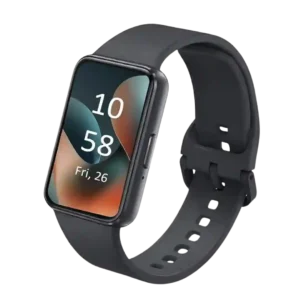
Blood oxygen tracking was viewed positively, including on-demand readings and close readings against a pulse oximeter in some testing.
Pros: cadence tracking, find my phone feature
Cons: data syncing reliability, sleep apnea monitoring
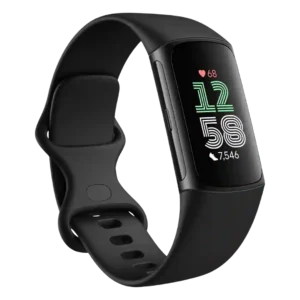
Blood oxygen tracking had limited but positive support from a reviewer who found the health sensors comparable to more expensive devices.
Pros: Strava compatibility, workout mode variety
Cons: elevation tracking, data syncing reliability
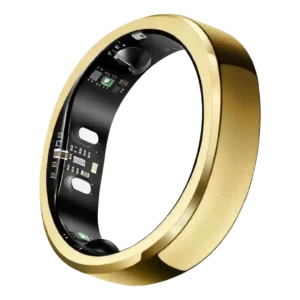
Blood oxygen tracking was valued most in sleep and apnea contexts, where reviewers found nighttime oxygenation trends informative and actionable.
Pros: pairing reliability, charging speed
Cons: alarm function, Strava compatibility
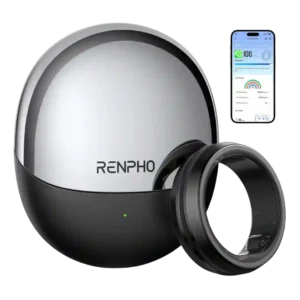
Blood oxygen tracking was viewed positively where evaluated, with one review calling readings consistent with pulse oximeters and another finding metrics very close to comparison devices.
Pros: activity reminders, charging speed
Cons: swimming tracking, workout mode variety
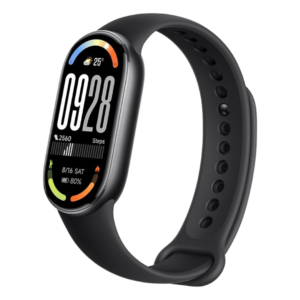
Blood oxygen tracking was generally viewed as close to reference checks or useful for patterns, with repeated cautions that it is not medical-grade.
Pros: Bluetooth reliability, weight
Cons: readiness score, GPS accuracy
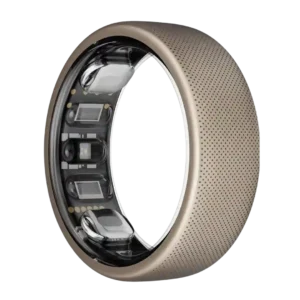
Blood oxygen tracking was viewed as broadly in line with expectations or comparable devices where reviewers discussed it with sentiment.
Pros: distance tracking accuracy, pairing reliability
Cons: automatic workout detection, activity reminders
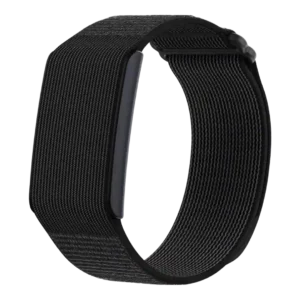
Blood oxygen tracking has limited scored evidence, but one review explicitly said the strap reliably monitored blood oxygen along with other wellness metrics.
Pros: weight, calorie tracking usefulness
Cons: app alerts, button controls
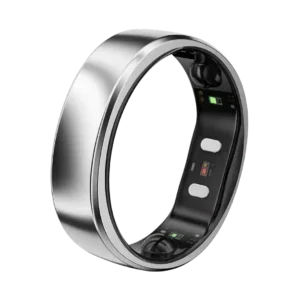
Blood oxygen tracking was generally viewed as useful for overnight vitals and abnormality flags, with several reviewers finding it close or informative.
Pros: pairing reliability, subscription value
Cons: smartphone notifications, workout mode variety
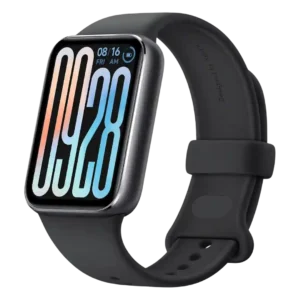
Blood oxygen tracking was generally seen as useful for broad wellness monitoring, but reviewers cautioned about clinical-grade reliability and occasional uncertainty.
Pros: workout mode variety, durability
Cons: activity reminders, calorie tracking usefulness
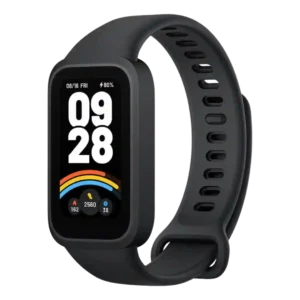
Blood oxygen tracking was treated as useful guidance rather than clinical data, with one reviewer praising all-day SpO2 as rare at the price.
Pros: alarm function, data syncing reliability
Cons: connected GPS reliability, GPS accuracy
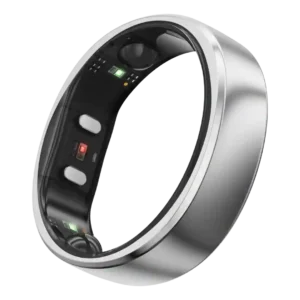
Blood oxygen tracking was mixed, with one reviewer finding it on point across key metrics and another saying SpO2 estimates were off during sleep apnea checks.
Pros: subscription value, weight
Cons: Strava compatibility, third-party app compatibility
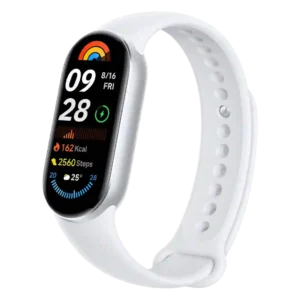
Blood oxygen tracking was mixed: some reviewers found readings within range or accurate, while others saw questionable low readings and weak confidence.
Pros: subscription value, cadence tracking
Cons: fit, GPS accuracy
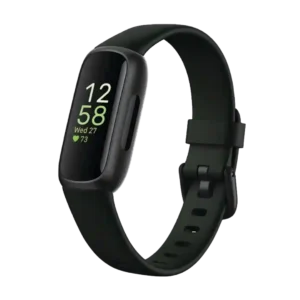
Blood oxygen tracking added value to the health dashboard, but reviewers noted limitations such as weak on-device SpO2 functionality and no rich standalone experience.
Pros: fitness coaching, Strava compatibility
Cons: music controls, third-party app compatibility
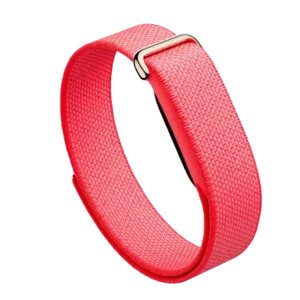
Blood oxygen tracking has limited opinionated evidence, including one notable complaint about a missing SpO2 reading.
Pros: weight, step counting accuracy
Cons: cadence tracking, elevation tracking
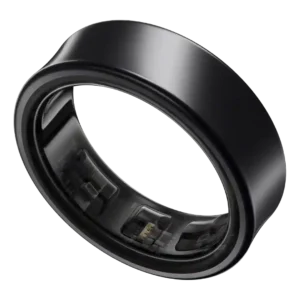
Blood oxygen tracking was one of the weaker health metrics, with repeated reports of unreliable, wildly low, or consistently off SpO2 readings.
Pros: weight, charging convenience
Cons: sleep apnea monitoring, calorie tracking usefulness
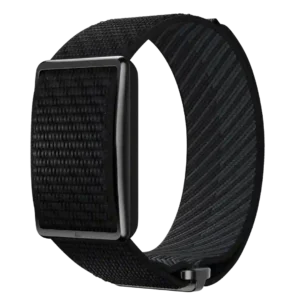
Blood oxygen tracking was a recurring omission, and reviewers framed the lack of SpO2 as a limitation versus other wearables.
Pros: subscription value, comfort
Cons: alarm function, goal tracking