If you want better water resistance
Choose Amazfit Balance 3. It scores 4.7 vs 3.2 for water resistance, with a 4.2 overall score.
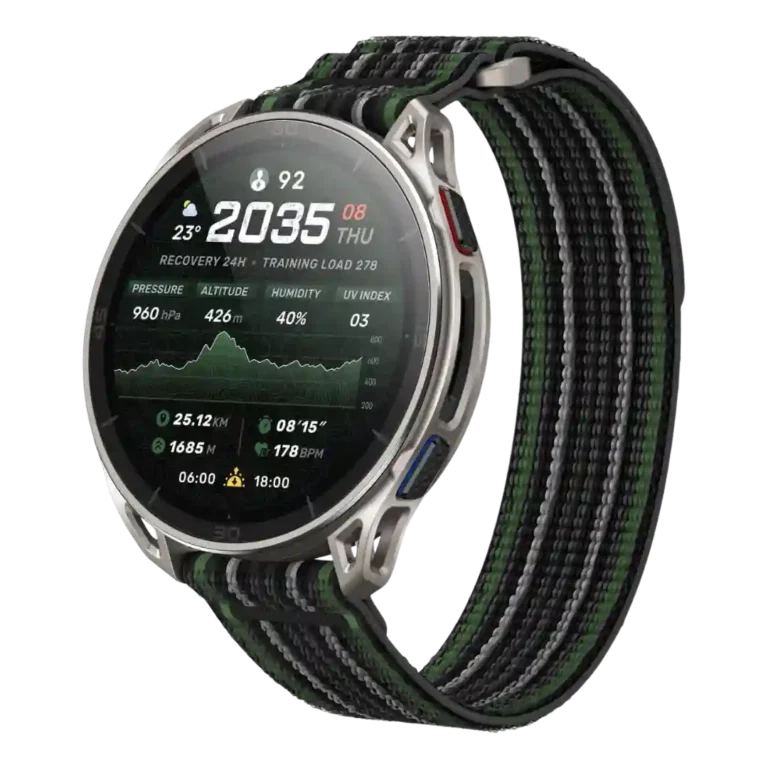
Choose it for trail running, premium materials, strong GPS, maps, and unusually long battery life. Skip it if you want Garmin-level ecosystem depth, LTE, streaming music, flawless rerouting, ECG, or cheaper road-running value.
Best for trail and ultra runners who want long GPS battery life, a premium but wearable case, offline maps, elevation tools, and strong core sport tracking. It also suits Amazfit loyalists who value battery and design over the deepest app ecosystem.
Not ideal for road-only runners, very slim wrists, or buyers who prioritize LTE, streaming music, ECG, flawless rerouting, or Garmin-level training and navigation depth. Cheaper Amazfit models may cover much of the same ground.
Reviewers portray the Amazfit Cheetah 2 Ultra as Amazfit’s strongest endurance watch yet, with standout GPS battery life, premium titanium-and-sapphire construction, a larger AMOLED display, fast maps, useful elevation tools, and generally strong GPS and heart-rate testing. The tradeoff is that its sports-watch fundamentals are stronger than its smartwatch ecosystem. Zepp OS is smoother and the Zepp app is credible, but reviewers still call out weaker third-party apps, no LTE, no streaming music, no ECG, and rerouting behavior that can be unreliable or confusing. Value depends heavily on whether the buyer wants trail battery, mapping, and premium materials enough to accept overlap with cheaper Amazfit models and deeper Garmin alternatives.
Compared with other Smartwatches, this product is above average in voice assistant quality, Hill Splitter hill tracking, call handling, near average in GPS accuracy, style and design, below average in sleep tracking accuracy, water resistance, customization options.
| Attribute | This product | Category average | Difference |
|---|---|---|---|
| sleep tracking accuracy | 2.0 | 3.7 | -1.7 |
| voice assistant quality | 4.4 | 3.0 | +1.3 |
| Hill Splitter hill tracking | 4.4 | 3.1 | +1.3 |
| water resistance | 3.2 | 4.2 | -1.0 |
| call handling | 4.2 | 3.2 | +1.0 |
| flashlight usefulness | 4.7 | 3.8 | +0.9 |
| customization options | 3.2 | 4.1 | -0.9 |
| charging convenience | 4.1 | 3.3 | +0.8 |
Choose Amazfit Balance 3. It scores 4.7 vs 3.2 for water resistance, with a 4.2 overall score.
Choose Garmin Venu 3. It scores 4.6 vs 3.0 for onboard music storage, with a 4.1 overall score.
Choose Huawei Watch GT 6 Pro. It scores 4.5 vs 3.7 for value for money, with a 4.0 overall score.
Choose Huawei Watch Fit 4 Pro. It scores 4.9 vs 3.2 for reliability, with a 4.1 overall score.
Products reviewers directly compared with this model, grouped into quick takeaways.
Yes. Battery life is one of the strongest points, with reviewers praising long GPS endurance and strong everyday use, even though one test fell short of the stated trail-mode figure.
Reviewers generally rate GPS as good to excellent. It holds up well in normal and many challenging conditions, but some testing found it behind the very best Garmin and Coros results.
Maps are praised for detail, speed, and useful elevation tools. The main caveat is rerouting, where reviewers reported unreliable or confusing visual and return-route behavior.
It has calls, notifications, music storage, voice assistant features, payments, and other daily tools. Reviewers still note no LTE, no streaming music, weaker app support, and less polish than Apple or Garmin.
It works for road running, but reviewers repeatedly frame it as overkill for road-only users. The cheaper Cheetah 2 Pro is described as offering much of the same core capability for that use.
Fit is a tradeoff. Reviewers like the premium design and lower-profile feel, but the 47.4 mm case and thickness may not be ideal for very slim wrists.
These are a few of the reviews included in our analysis.

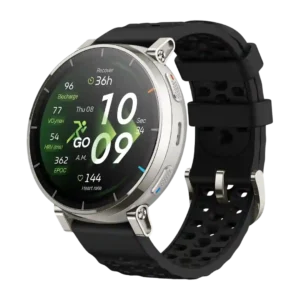
Good if you want premium running features, long battery life, and maps for under $200. Skip it if you need flawless heart-rate data, multiband GPS, LTE, or richer app support.
Pros: pairing reliability, brightness
Cons: Wi-Fi connectivity, Bluetooth connectivity
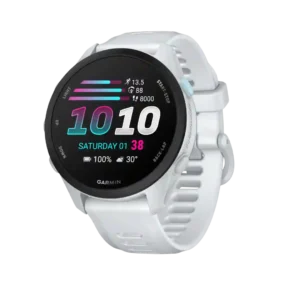
Best for accurate running metrics, excellent coaching tools, a bright AMOLED display, and dependable battery life. Skip it if you need offline maps, music storage, contactless payments, multi-band GPS, or...
Pros: step counting accuracy, app ecosystem
Cons: Bluetooth connectivity, pairing reliability
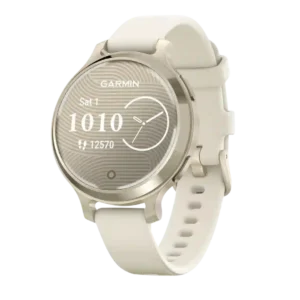
Good if you want a compact, stylish Garmin with strong GPS, comfort, and week-plus battery life. Skip it if you need richer smartwatch apps, onboard music, bright always-on display, or...
Pros: health tracking accuracy, blood oxygen tracking
Cons: ECG functionality, onboard music storage
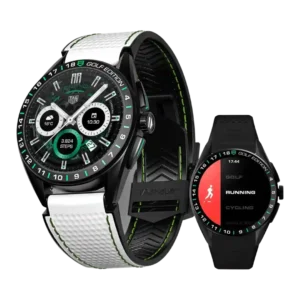
Best for luxury-watch styling, vivid TAG faces, solid build, and casual smartwatch use. Skip it if you need top fitness accuracy, call handling, LTE, or strong value.
Pros: contactless payments, pairing reliability
Cons: LTE connectivity, call handling