If you want better display quality
Choose Garmin Venu 3. It scores 4.7 vs 3.8 for display quality, with a 4.1 overall score.
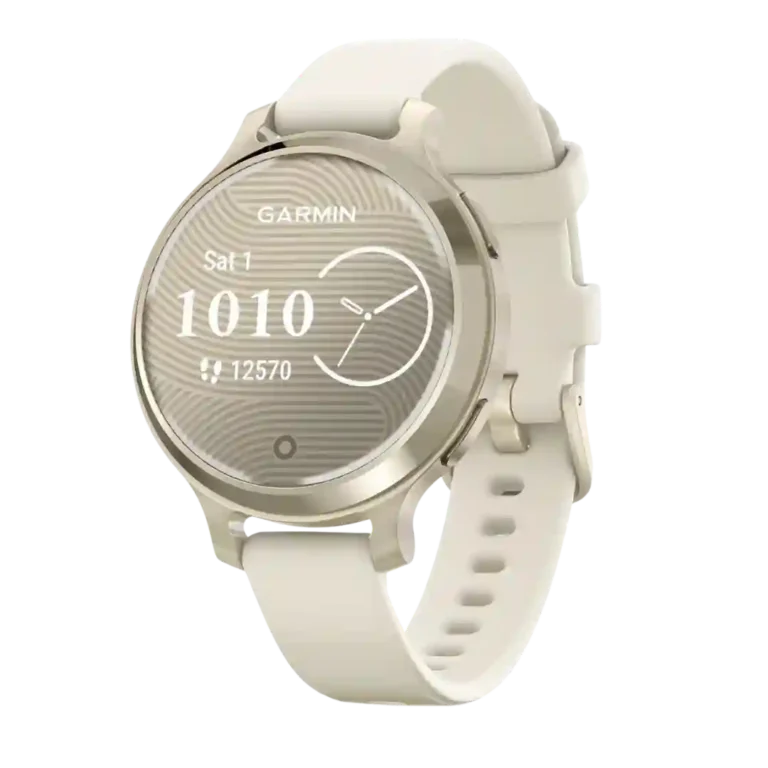
Choose the Garmin Lily 2 Active if you want a compact, stylish Garmin with strong GPS, comfort, and week-plus battery life. Skip it if you need richer smartwatch apps, onboard music, bright always-on display, or hiking/navigation depth.
Best for people with smaller wrists who want a discreet, stylish Garmin that still tracks runs, walks, workouts, sleep, stress, and wellness data well. It especially suits users who value comfort and battery life over app-heavy smartwatch features.
Not for buyers who want onboard music, LTE, voice assistant features, detailed maps, hiking-first navigation, or a bright always-on color smartwatch display. It is also less compelling for users who prioritize premium materials over compact style.
Reviewers consistently frame the Garmin Lily 2 Active as a big step up for the Lily line: it keeps the small, fashion-first design while adding built-in GPS, buttons, more sport modes, Garmin Coach, and battery life that often stretches close to or beyond a week. The strongest evidence centers on comfort, GPS/heart-rate performance, and useful Garmin wellness tools such as Body Battery and sleep tracking. The tradeoff is that it still behaves more like a compact fitness watch than a full smartwatch: the display is monochrome and not always-on, app depth is limited, there is no onboard music storage, and navigation features are thin for hiking or mapping. Its value looks best for style-conscious fitness users, not app-heavy smartwatch buyers.
Compared with other Smartwatches, this product is above average in blood oxygen tracking, app ecosystem, third-party app support, near average in value for money, workout tracking variety, below average in durability, build quality, materials quality.
| Attribute | This product | Category average | Difference |
|---|---|---|---|
| durability | 2.0 | 4.2 | -2.2 |
| build quality | 2.5 | 4.3 | -1.8 |
| blood oxygen tracking | 5.0 | 3.4 | +1.6 |
| materials quality | 2.5 | 4.0 | -1.5 |
| app ecosystem | 5.0 | 3.6 | +1.4 |
| third-party app support | 4.5 | 3.2 | +1.3 |
| contactless payments | 4.0 | 2.7 | +1.3 |
| call handling | 4.5 | 3.2 | +1.3 |
Choose Garmin Venu 3. It scores 4.7 vs 3.8 for display quality, with a 4.1 overall score.
Choose Garmin Epix Pro (Gen 2). It scores 4.7 vs 2.7 for mapping and navigation, with a 4.2 overall score.
Choose Garmin Forerunner 165. It scores 4.8 vs 2.0 for durability, with a 4.3 overall score.
Choose Garmin Forerunner 970. It scores 4.8 vs 3.5 for operating system experience, with a 4.0 overall score.
Products reviewers directly compared with this model, grouped into quick takeaways.
Yes. Reviewers consistently praised the built-in GPS, accurate distance and pace, physical buttons, and expanded sport modes for running and everyday workouts.
GPS accuracy was one of the strongest points in the reviews. Several reviewers found routes fast to connect, reliable, and close to much more expensive watches.
Yes. Reviewers described the watch as small, light, and easy to forget on the wrist, which helped make sleep tracking more usable than bulkier fitness watches.
No. Reviewers repeatedly noted that it can control music playing on a phone, but it does not have onboard music storage, so phone-free music is a limitation.
Mostly, but opinions vary. Some reviewers had no trouble in direct sunlight, while another found it harder to read on very sunny days at high brightness.
It fits people who want a stylish, compact Garmin with serious fitness tracking, GPS, coaching, and long battery life, rather than a full app-heavy smartwatch.
These are a few of the reviews included in our analysis.


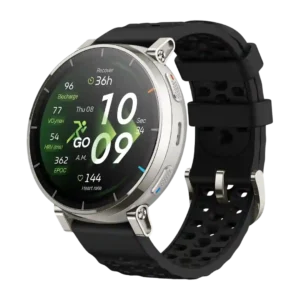
Good if you want premium running features, long battery life, and maps for under $200. Skip it if you need flawless heart-rate data, multiband GPS, LTE, or richer app support.
Pros: pairing reliability, brightness
Cons: Wi-Fi connectivity, Bluetooth connectivity
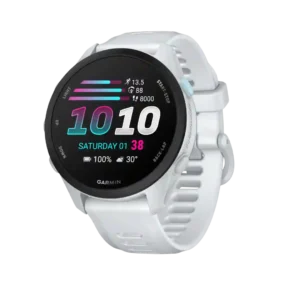
Best for accurate running metrics, excellent coaching tools, a bright AMOLED display, and dependable battery life. Skip it if you need offline maps, music storage, contactless payments, multi-band GPS, or...
Pros: step counting accuracy, app ecosystem
Cons: Bluetooth connectivity, pairing reliability
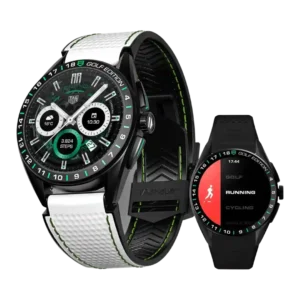
Best for luxury-watch styling, vivid TAG faces, solid build, and casual smartwatch use. Skip it if you need top fitness accuracy, call handling, LTE, or strong value.
Pros: contactless payments, pairing reliability
Cons: LTE connectivity, call handling
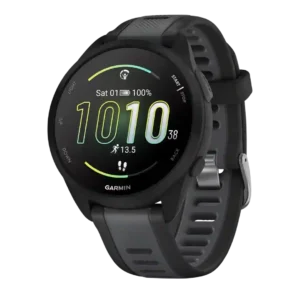
Good if you want a light, accurate running watch with a bright AMOLED screen and strong value. Skip it if you need advanced recovery metrics, triathlon profiles, longer GPS battery...
Pros: smartphone notifications, watch face quality
Cons: music controls, Wi-Fi connectivity