Backrooms Movie Review
Bottom Line
Choose it for immersive liminal dread, extraordinary sets, oppressive sound, and committed performances. Skip it if you need fast pacing, fully developed characters, clear answers, or a conventionally satisfying ending.
Best for liminal-horror fans, viewers who enjoy analog textures and slow-building dread, and audiences willing to engage with ambiguous psychological themes.
Skip it if you prefer fast-moving plots, frequent jump scares, fully explained mythology, or endings that provide clear narrative closure.
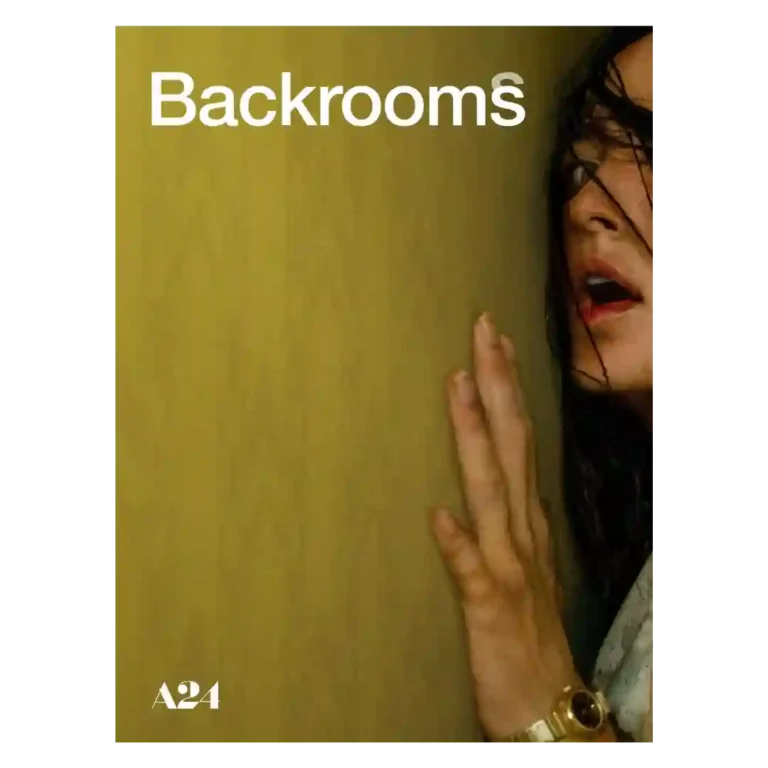
Backrooms succeeds most completely as an audiovisual nightmare. Its enormous yellow sets, warped furniture, analog textures, fluorescent hum, and patient camera work turn ordinary commercial spaces into something oppressive and unfamiliar. Chiwetel Ejiofor and Renate Reinsve give the abstract concept emotional weight, while Kane Parsons directs with unusual confidence and a strong instinct for withholding threats. The tradeoff is a conventional feature narrative that cannot always match the purity of the premise. Character motivations can feel thin, the deliberate pacing will test viewers who need constant incident, and the late explanations, monster imagery, and climax divide critics sharply. Even with those weaknesses, the film remains a distinctive, ambitious adaptation whose atmosphere, craft, and lingering imagery outweigh its uneven storytelling.
Feature Scorecards
Summary
40 reviewed features- Very positive 4.5-5.0 53% 21 features
- Positive 3.5-4.4 33% 13 features
- Neutral 2.5-3.4 13% 5 features
- Negative 1.5-2.4 3% 1 feature
- Very negative below 1.5 0% 0 features
Pros
-
The computer-generated passages preserve the uncanny texture of the original web series and deliver strong visual impact. They blend with the physical sets while retaining a deliberately unreal quality.
-
The film’s strongest passages turn the nightmare architecture into an emotionally coherent story about grief, isolation, and damaged memory. The sadness carried by the performances gives the abstract horror lasting weight.
-
Large physical sets and practical distortions give the Backrooms convincing texture and scale. The handcrafted elements were praised as visually precise and central to the film’s uncanny realism.
-
The layered imagery, unresolved lore, and thematic details give the film strong repeat-viewing potential for viewers on its wavelength. Its mysteries invite reconsideration after the first viewing.
-
The vast yellow labyrinth is the clearest consensus standout, praised as tactile, uncanny, claustrophobic, and often the film’s real star. Physical sets, warped furniture, and impossible architecture turn bland commercial spaces into nightmare imagery.
-
Fluorescent hums, metallic groans, distant impacts, and muted ambient noise make the environment physically oppressive. The soundscape is repeatedly cited as essential to the film’s tension and spatial dread.
-
Chiwetel Ejiofor gives Clark wounded anger, obsession, and maniacal intensity while remaining emotionally legible. Reviewers widely praised his commitment, even when the character’s motivations or dialogue were less convincing.
-
Long corridors, distant noises, hidden figures, and unstable camera movement sustain a persistent sense of danger. Reviewers repeatedly praised the film for making anticipation and uncertainty more frightening than overt attacks.
-
The mix of harsh yellow lighting, analog textures, found footage, forced perspective, and surreal spatial design gives the film a distinctive identity. Reviewers admired how ordinary rooms become both familiar and deeply wrong.
-
Kane Parsons is widely praised for remarkably assured control of mood, spatial tension, and visual horror in his feature debut. Criticism centers on later over-explanation and a few overreaching narrative choices rather than his filmmaking instincts.
-
Wide compositions, oppressive framing, found-footage perspectives, and carefully destabilizing camera movement make the endless rooms feel both enormous and claustrophobic. The camera often creates fear by making viewers question what they briefly saw.
-
The eerie ambient score blends into the fluorescent hum and feels as though it emerges from the Backrooms itself. Its restrained, insidious textures support dread without overpowering the imagery.
-
The performances are a major strength, with Chiwetel Ejiofor and Renate Reinsve repeatedly praised for grounding the surreal material in sadness, fear, and human vulnerability. A few critics noted accent or script limitations, but the acting consistently elevates thin passages.
-
As liminal and experimental horror, the film delivers an intense, disturbing, and unusually cerebral experience. It is less satisfying for viewers expecting a conventional monster movie or a steady stream of crowd-pleasing scares.
-
The adaptation preserves the web series’ analog textures, liminal unease, found-footage language, and open mystery while expanding the concept into a feature. One reviewer wished the entire movie had stayed in found-footage form.
-
The oppressive, horrific tone is highly effective for most of the runtime. A few later explanations, jokes, or monster images disrupt the trance and make the final stretch feel sillier or more conventional.
-
The early-1990s costuming helps the cast feel naturally embedded in the period and supports the film’s analog atmosphere without drawing attention away from the setting.
-
The editing helps move between polished cinematic framing and unstable found-footage passages while preserving disorientation. It is credited as part of the film’s distinctive overall craft.
-
The film turns abandoned retail and office spaces into an anxiety about isolation, lost communal life, and a world becoming increasingly artificial. That cultural reading gives the liminal imagery relevance beyond simple creepiness.
-
Committed performances and tactile sets make the impossible setting feel emotionally and physically believable. The characters’ reactions help anchor the increasingly abstract nightmare.
-
At roughly 110 minutes, the film was described as brisk by one reviewer despite its deliberate internal pace. Its length gives the spaces room to breathe without making the feature feel oversized.
-
The feature expands the web-series mythology without fully closing off its mysteries, giving established fans many connections and newcomers a workable entry point. Some reviewers felt the late lore and Easter eggs became overbuilt.
-
Reviewers consistently describe the film as visually distinctive, culturally timely, and unlike most mainstream horror. Even detractors recognize the freshness of turning internet-born liminal imagery into a large-scale cinematic world.
-
Supporters found the film engrossing, compulsively watchable, and memorable despite its austere style. More skeptical viewers still considered it solid, but its vibe-driven structure limits broad entertainment appeal.
-
The supporting cast adds mystery and credibility, with Mark Duplass repeatedly singled out for a memorable cryptic presence. Smaller roles generally strengthen the world without distracting from the central pair.
-
The film favors sustained unease, hidden threats, and carefully placed shocks over constant jump scares. Many found it deeply creepy or terrifying, though several felt the later monster reveals and action made it less frightening.
-
The strongest interpretations connect the Backrooms to memory, grief, loneliness, self-deception, and destructive emotional loops. Most found meaningful psychological substance, though some thought the metaphors were underdeveloped or overwhelmed by atmosphere.
-
Small moments of knowing humor and absurd dialogue keep the film from becoming overly solemn. The comedy is generally restrained, though some viewers felt it occasionally reduced the scares.
-
The creatures and distorted figures are designed to look unnerving rather than conventionally polished. Their impact is strongest when partially hidden; clearer views sometimes make them feel less scary.
-
The movie relies more on dread than gore, but its limited grim and gruesome shocks provide enough intensity for viewers who want some bloody payoff without constant graphic violence.
-
The movie should resonate most with liminal-horror fans, younger viewers, and audiences comfortable with ambiguity and slow-burn art horror. Conventional horror viewers may find it too opaque, quiet, or narratively unusual.
-
Clark and Mary have clear psychological wounds, but reviewers split on how fully the script develops them. Strong performances communicate more than the page, while motivations, supporting characters, and some late turns can feel thin.
-
The deliberate slow burn gives the eerie spaces room to work and builds heavy dread for patient viewers. Others felt the sparse middle stretches, long explorations, or lack of narrative drive became simply slow.
-
Critical response is broadly enthusiastic about the craft and ambition but not unanimous. The movie’s opacity, slow pace, and narrative imbalance create a clear divide between admirers and skeptics.
Cons
-
The screenplay earns praise for economical exposition, psychological ideas, and character interiority in its best passages. Its weaker sections rely on clunky explanations, uneven dialogue, and late lore that can flatten the mystery.
-
The premise and atmosphere are stronger than the conventional narrative holding them together. Some reviewers found the story emotionally coherent and compelling, while others saw an underbaked framework stretched around a powerful visual concept.
-
The ending is the most divisive element. Some found the final image haunting, open-ended, or cathartic, while many called the climax anticlimactic, overly conventional, confusing, or obvious sequel bait.
-
The film intentionally withholds answers, and that ambiguity can be intriguing and discussion-provoking. It also frustrates viewers when lore becomes either too opaque or too heavily explained, especially late in the story.
-
Dialogue is uneven: psychological exchanges can clarify the themes, but several reviewers found scenes mandatory, awkward, or unintentionally strange. The actors often make the lines work better than the script does.
-
The film is strongest during restrained exploration rather than overt action. Several reviewers criticized the third-act chase and explicit climax as overblown, generic, or less frightening than the slow build.
Cast & Creators
-
Production DesignerVermette’s production design receives near-unanimous praise for turning the yellow rooms into vast, tactile, claustrophobic spaces filled with warped furniture and impossible geometry. Many reviewers call the setting the film’s true star.
-
ComposerVan Breemen’s score contributes throbbing bass, muted ambience, and an eerie texture that keeps the audience on edge without separating itself from the environment.
-
ClarkEjiofor is repeatedly praised for making Clark wounded, frustrating, relatable, and increasingly obsessive without losing emotional credibility. His intensity helps anchor the film when the plot becomes abstract.
-
CinematographerCox’s cinematography helps create the oppressive yellow light and disorienting spatial language that make the rooms feel both expansive and enclosing.
-
DirectorReviewers see Parsons as a strikingly assured young director with exceptional instincts for atmosphere, spatial terror, and visual storytelling. Even critics of the over-explained or overstuffed final act regard his voice and ambition as unmistakable.
-
MaryReinsve brings controlled anxiety, bruised sadness, and convincing primal fear to Mary, often communicating more through restraint than screaming. A few reviewers felt the screenplay or occasional accent issues limited her.
-
ActorDuplass makes a brief but memorable contribution, deepening the mystery through his cryptic supporting presence. Reviewers describe the turn as stellar or notably effective.
-
EditorNg’s editing is credited as part of the film’s distinctive artistic construction, helping shape its transitions between controlled cinematic framing and unstable analog horror.
-
WriterSoodik’s screenplay divides opinion: some praise its economy, character interiority, and restrained psychological framing, while others criticize clunky exposition, conventional plotting, and difficulty integrating the mythology.
Compared With Category Average
Compared with other Movies, this product is above average in CGI quality, runtime, production design, below average in action sequences.
Summary
8 compared features- Above average 0.4+ pts higher 88% 7 features
- Same as average within 0.3 pts 0% 0 features
- Below average 0.4+ pts lower 13% 1 feature
| Attribute | This product | Category average | Difference |
|---|---|---|---|
| CGI quality | 5.0 | 2.4 | +2.6 |
| runtime | 4.5 | 2.7 | +1.8 |
| production design | 4.9 | 3.9 | +0.9 |
| rewatch value | 5.0 | 3.7 | +1.3 |
| action sequences | 2.3 | 3.6 | -1.2 |
| suspense | 4.7 | 3.7 | +1.0 |
| editing quality | 4.5 | 3.3 | +1.2 |
| realism | 4.5 | 3.3 | +1.2 |
FAQ
Is Backrooms genuinely scary?
It is strongest as a slow, oppressive form of horror built on empty spaces, distant sounds, and uncertainty. The scares are usually sparse and effective, though some reviewers found the later creature reveals less frightening.
Do I need to know the YouTube series first?
No. Multiple reviewers said the film works for newcomers, while existing fans receive additional lore, visual callbacks, and found-footage connections.
Is the movie slow?
Yes, it uses a deliberate slow-burn pace with long exploratory passages. That patience builds dread for many viewers but may frustrate anyone who needs frequent plot turns or action.
Are the performances good?
The acting is one of the strongest areas. Chiwetel Ejiofor and Renate Reinsve are widely praised for giving emotional credibility to characters whose writing can sometimes feel thin.
Does the ending explain the Backrooms?
Only partly. The conclusion preserves significant ambiguity, but its mix of explanation, monster imagery, and sequel possibilities is the most divisive part of the film.
Sample Expert Reviews We Analyzed
These are a few of the reviews included in our analysis.
Video Reviews
Article Reviews
Parsons proves to be an expert manipulator of space with the camera.
- Review score
- 3.8
Here's a thriller that Maurice Escher could have production designed, with Salvador Dalí decorating the sets and Stanley Kubrick behind the...
- Review score
- 4.1
Scary as hell doesn’t begin to describe the horror facing Renate Reinsve and Chiwetel Ejiofer in the claustrophobic thriller of the summer.
- Review score
- 4.3
Kane Parsons takes the premise of his eerie YouTube videos depicting endless, empty spaces and runs with it. The result is existentially...
- Review score
- 4.3
Calling Backrooms "horror" is probably amisnomer. Although there are horror elements to be found in Kane Parsons'feature debut, this is more...
- Review score
- 3.8
Consider This Instead
If you want better audience appeal
Choose Leviticus. It scores 4.5 vs 3.8 for audience appeal, with a 4.2 overall score.
If you want better action sequences
Choose The Furious. It scores 4.9 vs 2.3 for action sequences, with a 4.0 overall score.
If you want better story quality
Choose Rose of Nevada. It scores 4.6 vs 3.3 for story quality, with a 4.4 overall score.
If you want better plot clarity
Choose Girls Like Girls. It scores 5.0 vs 2.9 for plot clarity, with a 4.0 overall score.
Top Movies to Consider
Best for a profound, formally inventive meditation on grief, memory, and the ethics of filming family. Skip it if intensely personal addiction material, a 114-minute runtime, or occasional repetition will...
Pros: plot originality, ending satisfaction
Cons: runtime, pacing
Best for a tender, accessible portrait that lets Oliver’s poetry, friends, and archival voice carry the experience. Skip it if you want a brisk, deeply investigative biography; the calm rhythm...
Pros: romance quality, faithfulness to source material
Cons: none
Best for joyful music, rare footage, candid interviews, and a layered Maurice White portrait. Skip it if you want a tightly focused, unconventional reappraisal that lingers on performances instead of...
Pros: ending satisfaction, drama quality
Cons: runtime, originality
Best for razor-sharp adult comedy, exceptional ensemble work, and a surprisingly moving marriage story. Skip it if talk-heavy chamber pieces, explicit relationship discussions, or an occasionally intrusive string score wear...
Pros: plot originality, lead performance
Cons: runtime, score quality