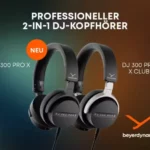
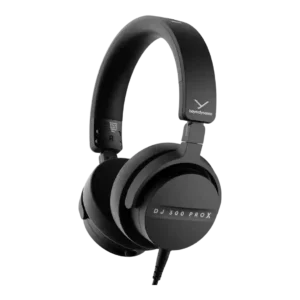
Review: beyerdynamic DJ 300 PRO X Professional DJ Headphones
Updated: 3 weeks ago
4.3
Based on methodology below
86
Insights analyzed
22
Grouped by key features
5
From expert reviews
Scores below reflect consolidated expert coverage across these features.
Bottom Line
Choose these for durable, repairable DJ headphones with punchy bass and strong passive isolation. Skip them if long-session comfort or all-genre versatility matters more than booth-ready precision.
Best for
Electronic DJs, club performers, and producers who want a wired headphone with punchy low end, accurate cueing, strong isolation, and replaceable parts. It especially suits users who travel or gig often and value serviceability.
Not for
Listeners who need all-day on-ear comfort, wireless features, or a more genre-agnostic tuning for rock, metal, and casual everyday use. Glasses wearers and comfort-first buyers may want a less clampy alternative.
Verdict
The DJ 300 PRO X makes the most sense as a purpose-built wired DJ tool, not a one-size-fits-all lifestyle headphone. Across the reviews, its strongest traits are rugged modular construction, replaceable parts, locking dual-side cabling, strong passive isolation, and a sound profile that gives electronic music deep punch, clean detail, and precise imaging. The main compromise is comfort: the clamp and on-ear pressure can become fatiguing during longer sessions, especially for glasses wearers. Another tradeoff is tuning versatility, because rock and guitar-heavy material drew less enthusiasm than techno, house, or DnB. For DJs who value serviceability, booth focus, and dependable wired performance, it lands as a compelling professional option.
Pros
-
4.7based on 1 reviewInstrument separation: 4.7, based on 1 reviewSeparation is a notable strength, with elements staying easy to localize even in denser mixes. That precision supports cueing, beatmatching, and fast mix decisions.
-
4.7based on 4 reviewsReplaceable earpads: 4.7, based on 4 reviewsReplaceable pads and other user-serviceable parts are a major selling point. This makes the headphone easier to maintain, personalize, and keep in rotation over the long term.
-
4.6based on 5 reviewsDetachable cable convenience: 4.6, based on 5 reviewsDetachable cabling is a clear strength, especially because it locks securely and can connect to either earcup. That combination improves serviceability and gives DJs more flexibility around their setup.
-
4.6based on 5 reviewsBuild quality: 4.6, based on 5 reviewsBuild quality is one of the most consistently praised strengths, with frequent mentions of rugged construction, professional toughness, and long-term reliability. The modular design reinforces the sense that these are built for real work rather than disposable use.
-
4.6based on 5 reviewsBass performance: 4.6, based on 5 reviewsBass is one of the most praised traits, described as deep, punchy, controlled, and well suited to beatmatching and cueing. Reviewers repeatedly say it hits hard without turning muddy or boomy.
-
4.6based on 2 reviewsVolume output: 4.6, based on 2 reviewsThe drivers are repeatedly framed as capable of high playback levels suited to loud booth environments. Multiple sources position the headphone as having enough headroom for club use and cue monitoring.
-
4.5based on 5 reviewsCable quality: 4.5, based on 5 reviewsThe cable system is praised for its bayonet lock, reinforced connectors, low handling noise, and practical routing. The overall impression is that the included cables are built for real booth and touring use.
-
4.5based on 3 reviewsMaximum volume clarity: 4.5, based on 3 reviewsSeveral reviews say the DJ 300 PRO X stays controlled and intelligible at higher listening levels. High-SPL clarity is treated as a core part of its DJ-oriented tuning.
-
4.5based on 4 reviewsMulti-platform compatibility: 4.5, based on 4 reviewsCompatibility is broad on the wired side thanks to dual-earcup connection and standard jack support. The reviews specifically position the headphone for mixers, interfaces, and laptops rather than wireless consumer devices.
-
4.4based on 5 reviewsSound quality: 4.4, based on 5 reviewsOverall sound is consistently framed as strong for DJ work, combining punch, clarity, and precision. The praise is strongest with electronic music, while broader everyday versatility is less convincing. The wired-only design is treated as a benefit for professional use, emphasizing stable, zero-latency monitoring and dependable sound quality. Reviewers frame this as the right approach for live DJ work.
-
4.4based on 4 reviewsPortability/foldability: 4.4, based on 4 reviewsFoldability and easy packing are clear positives. The chassis folds for transport, and the included bag or case support regular gig and travel use.
-
4.4based on 5 reviewsIncluded accessories: 4.4, based on 5 reviewsThe accessory bundle is strong for this category, commonly including both on-ear and over-ear pads, straight and coiled cables, a 6.35 mm adapter, and a carrying bag or pouch. That package adds flexibility right out of the box.
-
4.3based on 5 reviewsFrequency response accuracy: 4.3, based on 5 reviewsReviewers often describe the tuning as accurate and balanced enough for monitoring, with strong bass support and good detail retrieval. The main caveat is that its balance seems most convincing with electronic material rather than every genre.
-
4.3based on 5 reviewsNoise isolation (passive): 4.3, based on 5 reviewsPassive isolation is consistently presented as strong for a closed-back DJ headphone, including explicit claims around club-friendly attenuation. It appears well suited to loud environments where cueing needs to cut through outside noise.
-
4.3based on 4 reviewsDesign and Aesthetics: 4.3, based on 4 reviewsThe standard version is repeatedly described as clean, technical, and professional rather than flashy. Buyers who want more visual personality can lean on the Club styling or the customizable outer earcups.
-
4.2based on 3 reviewsMidrange clarity: 4.2, based on 3 reviewsThe mids are generally described as clear, accurate, and dependable for vocals and mix decisions. They are less spotlighted than the bass and treble, but still come across as well resolved rather than recessed.
-
4.2based on 4 reviewsTreble clarity: 4.2, based on 4 reviewsTreble is detailed, energetic, and helpful for hearing percussion and articulation. The tradeoff is that some listeners may find the top end a bit bright, crisp, or slightly less forgiving with certain material.
-
4.1based on 1 reviewSoundstage width: 4.1, based on 1 reviewThe stage is not unusually expansive, but it offers useful depth and a clean stereo image for monitoring. The presentation favors practical localization over a large, cinematic spread.
-
4.1based on 3 reviewsEar cup padding quality: 4.1, based on 3 reviewsThe pads are generally described as soft and adaptable, and the included on-ear and over-ear options add flexibility. Even so, the padding does not fully eliminate pressure issues for listeners who are sensitive to clamp.
Cons
-
3.4based on 4 reviewsClamping force comfort: 3.4, based on 4 reviewsClamp is secure enough for DJ monitoring, but it is also a recurring criticism. Multiple reviews note noticeable pressure, with some listeners finding it fatiguing or uncomfortable during longer wear.
-
3.4based on 4 reviewsComfort during long use: 3.4, based on 4 reviewsLong-session comfort is the most mixed area in the reviews. Modular pads and decent padding help, but independent hands-on impressions still warn that the on-ear fit can become tiring over extended listening.
FAQ
Is the DJ 300 PRO X wireless?
No. The reviews describe it as a wired-only professional model built around zero-latency monitoring, with 3.5 mm and 6.35 mm support and dual-side cable connection.
Is it comfortable enough for long DJ sets?
Comfort is mixed. The modular pads and soft padding help, but the strongest independent criticism is clamping pressure and on-ear fatigue over longer sessions, especially for glasses wearers.
What kind of music does it handle best?
The clearest praise is for electronic genres such as house, techno, DnB, and garage. Several comments say rock, metal, and other guitar-heavy material sound less convincing.
What makes it stand out from other DJ headphones?
Its biggest differentiators are the modular on-ear and over-ear setup, replaceable wear parts, dual-side locking cable, foldable design, and a tuning that combines DJ-friendly bass impact with Beyerdynamic-style detail.
Reviews we analyzed
Article Reviews

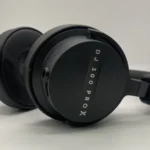
Best Headphones & Earbuds
#1
4.3
Choose Sony WF-1000XM6 for top-tier noise canceling and a spacious, punchy sound; Skip if you struggle with foam-tip comfort/fit or want the most...
Pros: USB-C, LDAC, Codec support, Smudge resistance, Soundstage width, Active noise cancellation effectiveness, Sound quality
Cons: None
#2
4.3
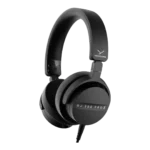
Choose these for durable, repairable DJ headphones with punchy bass and strong passive isolation. Skip them if long-session comfort or all-genre versatility matters...
Pros: Instrument separation, Replaceable earpads, Detachable cable convenience, Build quality, Bass performance, Volume output, Wired connection sound quality
Cons: Comfort during long use, Clamping force comfort
#3
4.3
Choose JBL Tour Pro 3 for feature-hungry listeners who want a smart-case transmitter and lively sound. Skip if you need the smallest, most...
Pros: Dongle, Codec support, Ear tip size options, Equalizer customization, LDAC, Android compatibility, Carry case quality
Cons: None
#4
4.3
Choose for top-tier sound and a feature-rich, future-proof codec stack; Skip if you prioritize the very best ANC or consistently clean calls in...
Pros: Codec support, aptX, Sensors, Build quality, Sound quality, Soundstage width, Bass performance
Cons: Spatial audio, Find My