Best for Instrument separation
Sennheiser HDB 630 Wireless Over-Ear Headphones
5.0 feature score
Highest scored product for this feature based on supporting review evidence.
Highest scored product for this feature based on supporting review evidence.
Balances feature score, supporting reviews, and overall product strength.
Has the broadest review evidence for this feature.
Strongest overall product among items with scored evidence for this feature.
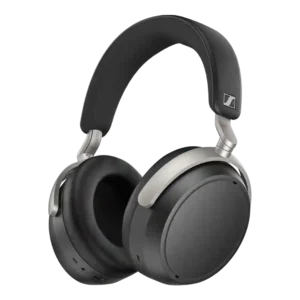
Instrument separation and imaging are one of the clearest consensus wins, with reviewers repeatedly hearing precise placement, layering, and distinct elements.
Pros: Instrument separation, Charging
Cons: Xbox compatibility, Water/sweat resistance rating
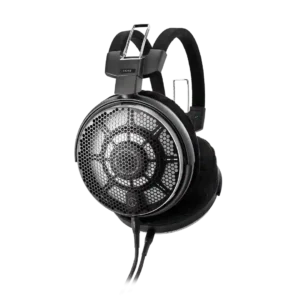
Complex arrangements are usually easy to follow, with instruments staying distinct and layered across the stereo field. This separation remains strong even when the bass is elevated.
Pros: Instrument separation, Weight comfort
Cons: Travel friendliness, Sound leakage
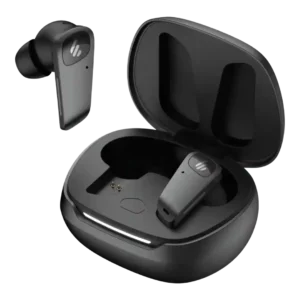
Instrument separation is one of the clearest consensus wins, with reviewers repeatedly praising clean layering, precise reproduction, and strong detail retrieval.
Pros: Instrument separation, Codec support
Cons: Spatial audio, Volume output
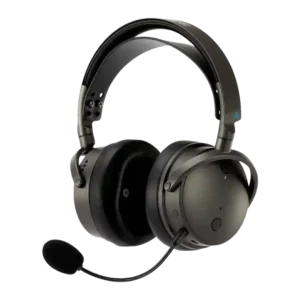
Instrument separation and detail retrieval are repeatedly praised, with reviewers noting clear layering in music, games, and busy mixes.
Pros: Instrument separation, Maximum volume clarity
Cons: Hinge durability, Carry case quality
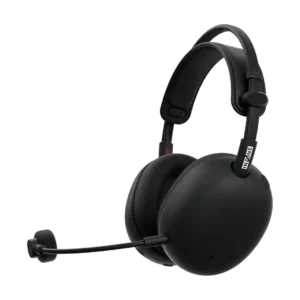
A few reviewers singled out excellent separation between layers and sound sources, helping busy game scenes stay distinct rather than collapsing together.
Pros: Instrument separation, Maximum volume clarity
Cons: Packaging quality, Console compatibility limitations

Busy arrangements remain organized, giving guitars, percussion, bass, and smaller details their own space.
Pros: Sound quality, Midrange clarity
Cons: Software/setup simplicity, Portability/foldability
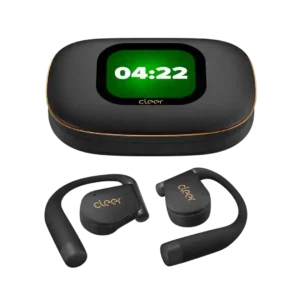
Reviewers who discussed imaging found it easy to locate instruments and effects, with precise stereo placement and clear directional cues.
Pros: Instrument separation, Multipoint connectivity reliability
Cons: Noise isolation (passive)
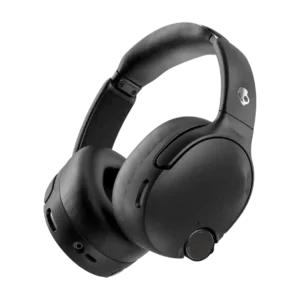
Improved separation makes smaller instrumental details easier to pick out. Reviewers heard a cleaner, less congested presentation than on earlier Skullcandy headphones.
Pros: Treble clarity, Instrument separation
Cons: Codec support, Headband adjustability
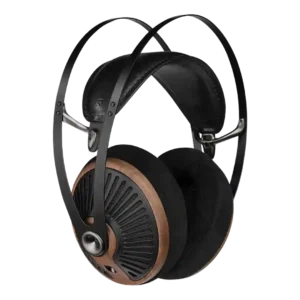
Separation is one of the clearest strengths: vocals, instruments, and background textures remain easy to follow even in busy passages. Stereo movement and positioning stay coherent without sounding artificially pulled...
Pros: Volume output, Carry case quality
Cons: Connectivity options, Noise isolation (passive)
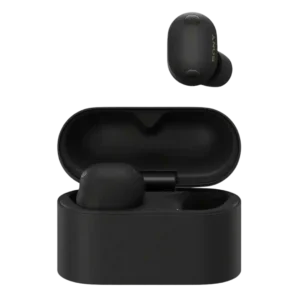
Instrument separation was a clear strength, with reviewers hearing dense mixes, individual elements, and well-placed instruments more clearly.
Pros: Maximum volume clarity, Audio-video sync accuracy
Cons: Sidetone adjustment quality, Software/setup simplicity
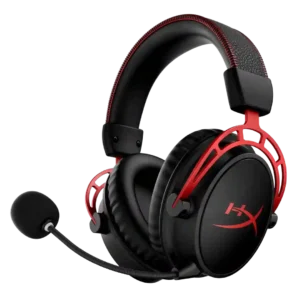
Separation and articulation are recurring strengths, especially from the dual-chamber design, though the praise is stronger in wired-model reviews.
Pros: Maximum volume clarity, Earpad replacement ease
Cons: Bluetooth, Xbox compatibility
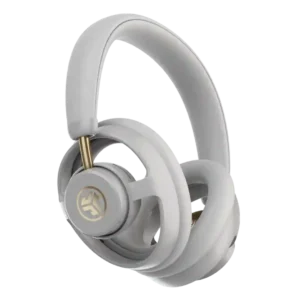
Instrument separation and imaging are standout strengths, especially with orchestral, acoustic, jazz, and vocal material. Reviewers frequently hear clear placement, fine detail, and room between parts.
Pros: Headband adjustability, Voice assistant integration
Cons: Maximum volume clarity, Xbox compatibility

Reviewers noted clear separation and strong detail retrieval, helping music and game elements remain distinct.
Pros: Spatial audio, Software/setup simplicity
Cons: Xbox compatibility, Sidetone adjustment quality
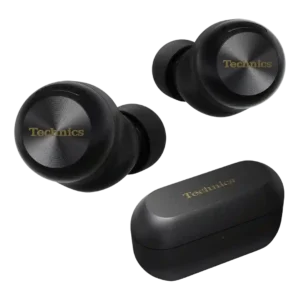
Instrument separation is a standout strength, with reviewers hearing layers, voices, and complex arrangements as distinct and clearly placed.
Pros: Volume output, Maximum volume clarity
Cons: aptX, Auracast support
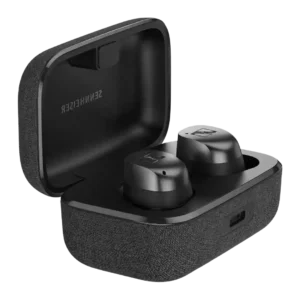
Instrument separation and imaging are repeatedly praised as clean, precise, and unusually spacious for true wireless earbuds.
Pros: Maximum volume clarity, Stability
Cons: Spatial audio, Microphone noise reduction
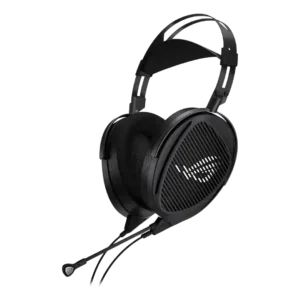
Layering, detail retrieval, and frequency separation are major strengths. Busy game scenes, instruments, dialogue, and subtle environmental sounds remain easy to distinguish.
Pros: Maximum volume clarity, Frequency response accuracy
Cons: Active noise cancellation, Bluetooth
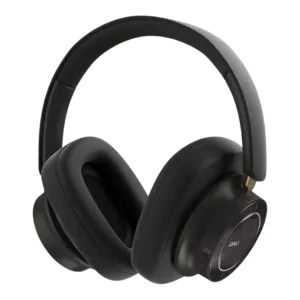
Instrument separation was a standout strength, repeatedly described as outstanding, accurate, layered, and clearly spaced.
Pros: ANC effect on sound signature, Maximum volume clarity
Cons: Equalizer customization, Advanced software features
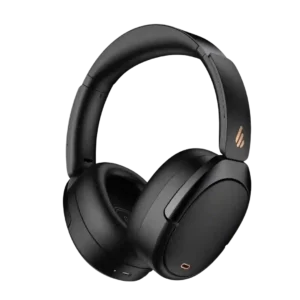
Instrument separation was praised for revealing individual instruments and layers clearly.
Pros: Instrument separation, USB-C
Cons: Button control usability, Maximum volume clarity
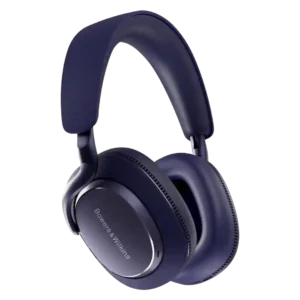
Instrument separation is one of the most consistent audio strengths, with reviewers praising clarity, layering, and imaging.
Pros: Frequency response accuracy, Multipoint connectivity reliability
Cons: LDAC, Wear detection performance

Reviewers praise instrument separation, imaging and placement, often saying the Bathys MG reveals layers, positions instruments clearly and keeps complex mixes organized.
Pros: ANC effect on sound signature, Multi-platform compatibility
Cons: LE Audio readiness, Auracast support
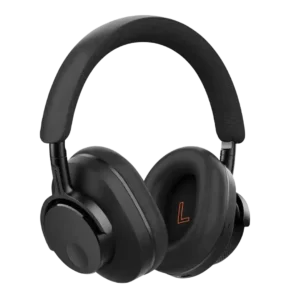
Detail retrieval and instrument separation are praised in both written and hands-on listening tests.
Pros: Codec support, aptX
Cons: LDAC, Water/sweat resistance rating
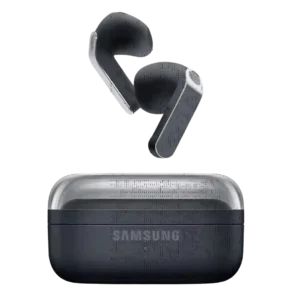
Complex mixes remain clean and layered when the buds are seated well, with vocals and instruments staying distinct instead of collapsing into each other.
Pros: Audio-video sync accuracy, Integrated microphone
Cons: Warranty and support service, Ear tip size options
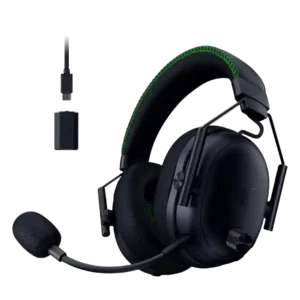
Instrument separation and detail were praised, especially by reviewers who heard clearer instruments, better tonal separation, and less congestion than older models.
Pros: Audio-video sync accuracy, Multi-platform compatibility
Cons: Cable quality, Preset EQ profile quality
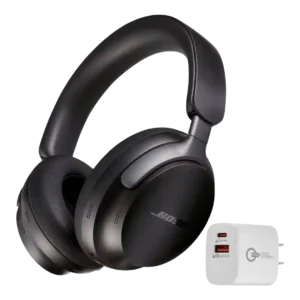
Reviewers treated instrument separation as a standout strength, with praise repeated across the supporting review evidence.
Pros: Volume output, Active noise cancellation
Cons: Water/sweat resistance rating, USB-C

Instrument separation improved noticeably, with reviewers hearing more distinct placement and cleaner layering.
Pros: Button control usability, Design and Aesthetics
Cons: Water/sweat resistance rating, Included accessories
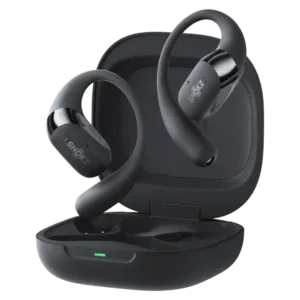
Instrument separation was praised when reviewers heard clean, distinct instruments or stereo separation without muddying vocals and guitars.
Pros: Clamping force comfort, Battery
Cons: Active noise cancellation, Noise isolation (passive)

Detailed-listening comments were positive, with reviewers noticing small effects and new song details.
Pros: Award recognition, Audio-video sync accuracy
Cons: ANC sound impact on audio, ANC effect on sound signature
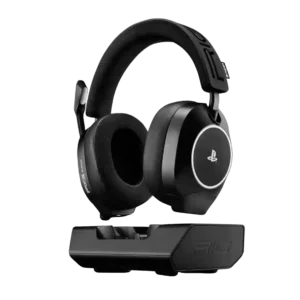
Reviewers heard strong separation and detail, especially in chaotic game audio where cheaper headsets can become muddy.
Pros: Spatial audio, Positional audio accuracy
Cons: Carry case quality, Detachable microphone convenience
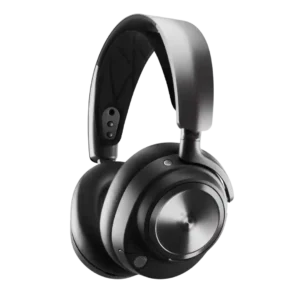
Reviewers praise separation and detail, especially for bass guitar distinction and competitive sound cues.
Pros: Charging, Spatial audio
Cons: Hinge durability, Smudge resistance
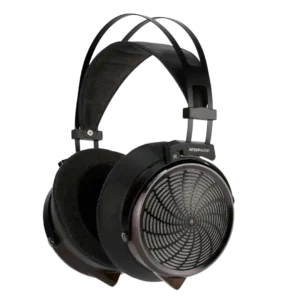
Dense arrangements remain organized, with individual instruments easy to distinguish without sounding artificially disconnected. Fast passages and layered mixes are handled especially well.
Pros: Overall satisfaction, Glasses and hat compatibility
Cons: Travel friendliness, Sound leakage
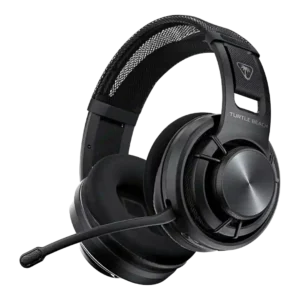
Instrument separation is praised for keeping busy mixes, instruments, vocals, and game effects identifiable instead of blurred together.
Pros: Weight comfort, Cable quality
Cons: Active noise cancellation, Noise isolation (passive)
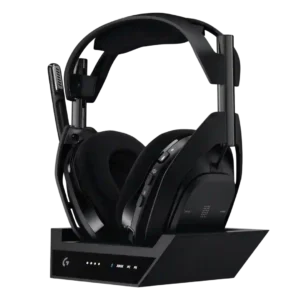
Instrument separation is praised in both busy music mixes and music-listening tests, where reviewers could pick out individual elements clearly.
Pros: Positional audio accuracy, Soundstage width
Cons: Active noise cancellation, Hinge durability
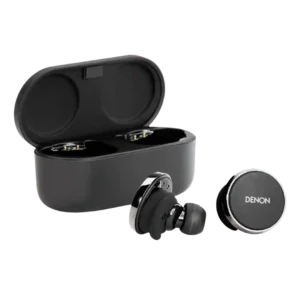
Instrument separation is a consistent positive, with reviewers hearing clean layering, distinct elements, and better separation after calibration.
Pros: Audio-video sync accuracy, Multi-platform compatibility
Cons: LDAC, Weight comfort
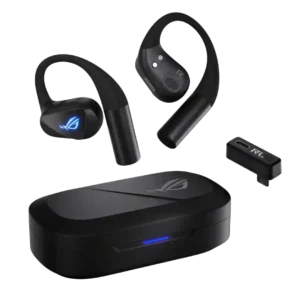
Game-audio separation is consistently strong. Reviewers can distinguish footsteps, dialogue, and competing sounds clearly enough for competitive play.
Pros: Transparency mode quality, Touch control responsiveness
Cons: Noise isolation (passive), Packaging condition

Instrument separation is a strength, with reviewers noting distinguishable vocals, orchestral parts, and precise instrument placement.
Pros: Audio-video sync accuracy, Transparency mode quality
Cons: aptX, LDAC

Instrument separation was one of the clearest strengths, with reviewers repeatedly hearing distinct instruments, voices, and spatial placement.
Pros: Maximum volume clarity, Weight comfort
Cons: Water/sweat resistance rating, Microphone quality for calls
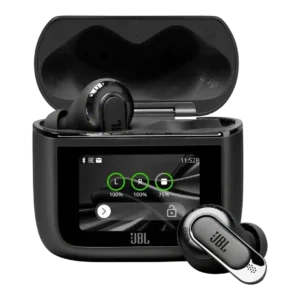
Instrument separation and imaging were frequently praised, especially with comments about clear placement, cohesive mixes, and detailed separation.
Pros: Codec support, Dongle
Cons: Sound leakage, Find My
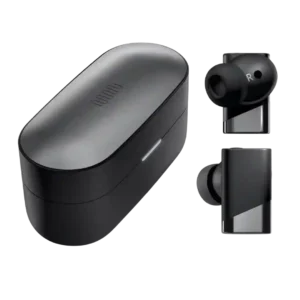
Instrument separation is consistently praised, with reviewers saying individual elements are easy to locate and separated clearly in dense mixes.
Pros: Maximum volume clarity, Sound quality
Cons: Spatial audio, Software/setup simplicity
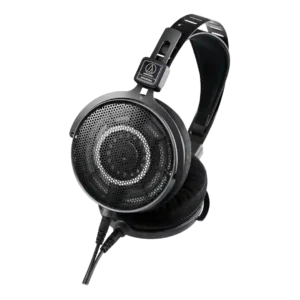
Instrument separation and imaging are repeatedly praised, especially for stereo placement, mix decisions, and hearing individual elements clearly.
Pros: Software/setup simplicity, Weight comfort
Cons: Travel friendliness, Sound leakage
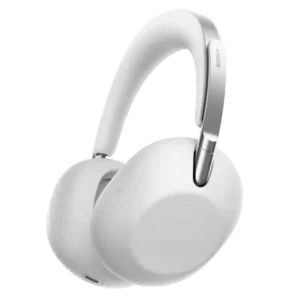
Instrument separation is repeatedly praised, with vocals and individual parts occupying clear positions across the wide stage. Dense arrangements can expose some tuning limitations.
Pros: Microphone noise reduction, Multipoint connectivity reliability
Cons: Water/sweat resistance rating, Gaming performance

Instrument separation was a notable strength, with reviewers saying instruments were easy to place or pick apart in the mix.
Pros: Smart Pause performance, Wear detection performance
Cons: Water/sweat resistance rating, Wind noise handling

Instrument separation and imaging are frequently praised, with reviewers noting above-average placement, exceptional separation, and clear directional cues.
Pros: Android compatibility, Bluetooth
Cons: Smudge resistance, Cable quality
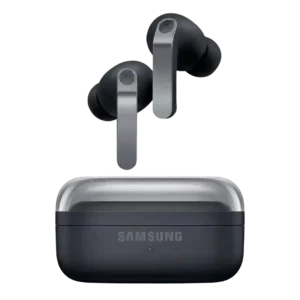
Instrument separation and detail were praised through references to clear placement, textural insight, and good separation between instruments.
Pros: Volume output, Comfort during long use
Cons: aptX, LDAC
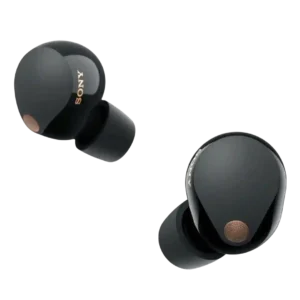
Instrument separation was a strength, with reviewers highlighting good separation, distinct instruments, and cohesive placement in complicated tracks.
Pros: Weight comfort, Noise isolation (passive)
Cons: aptX, Find My
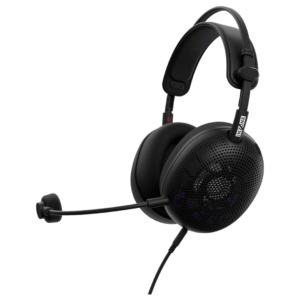
Instrument separation was often strong, especially for music, but one reviewer found dense battle scenes required more effort to parse.
Pros: Weight comfort, Battery
Cons: Noise isolation (passive), Sound leakage
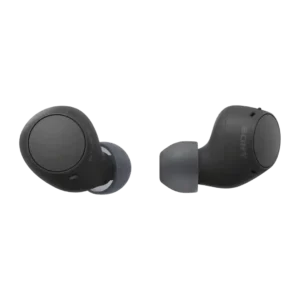
Instrument separation is praised in the strongest hi-fi-leaning reviews, though some note that instruments are not the sharpest at this price.
Pros: Weight comfort, Multipoint connectivity reliability
Cons: aptX, Active noise cancellation
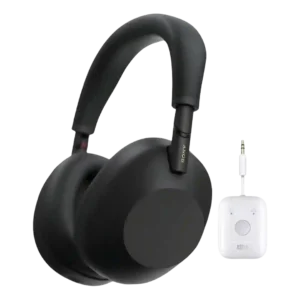
Instrument separation earned positive but limited evidence, with reviewers hearing better placement and clearer separation in the XM6.
Pros: Smart Pause performance, Award recognition
Cons: Cable quality, USB-C

Instrument separation was praised, especially for vocals and layered music, though one review framed it as enjoyable rather than reference-grade.
Pros: Audio-video sync accuracy, Clamping force comfort
Cons: Transparency mode quality, Sustainability and repairability
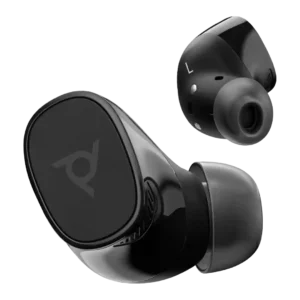
Instrument separation was praised in one detailed music test where the earbuds balanced vocals and bassline clearly.
Pros: Charging, Instrument separation
Cons: Spatial audio, Sidetone adjustment quality
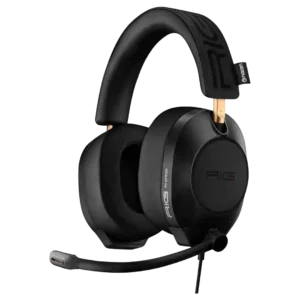
Layered audio was praised in one review, which described a rich soundscape with separated layers when using the DAC.
Pros: Audio-video sync accuracy, Battery
Cons: Bluetooth, Active noise cancellation