Best for Noise isolation (passive)
Activo Scoop
5.0 feature score
Highest scored product for this feature based on supporting review evidence.
Highest scored product for this feature based on supporting review evidence.
Balances feature score, supporting reviews, and overall product strength.
Has the broadest review evidence for this feature.
Strongest overall product among items with scored evidence for this feature.
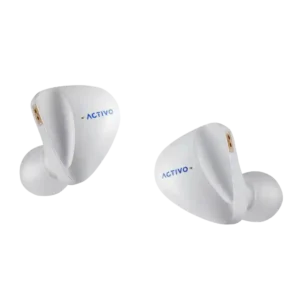
A proper seal blocks outside noise well, especially with the foam tips, though those tips can be fiddly to fit.
Pros: Sound quality, Midrange clarity
Cons: Software/setup simplicity, Portability/foldability
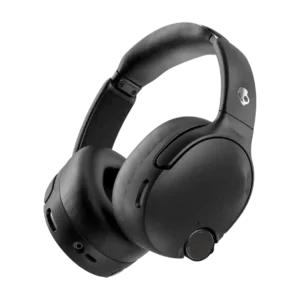
The large, well-sealed earcups provide strong passive isolation before ANC is even switched on. One reviewer said the outside world already became noticeably quieter from the fit alone.
Pros: Treble clarity, Instrument separation
Cons: Codec support, Headband adjustability
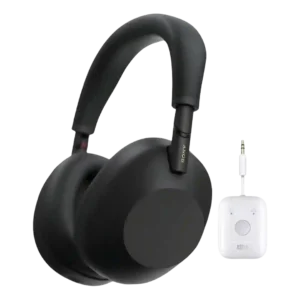
Passive isolation was a major strength in lab and hands-on impressions, helping the headphones block substantial noise even before ANC.
Pros: Smart Pause performance, Award recognition
Cons: Cable quality, USB-C
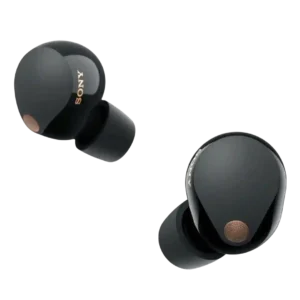
Passive isolation was one of the strongest points, with foam tips repeatedly credited for blocking incidental and high-frequency noise.
Pros: Weight comfort, Noise isolation (passive)
Cons: aptX, Find My
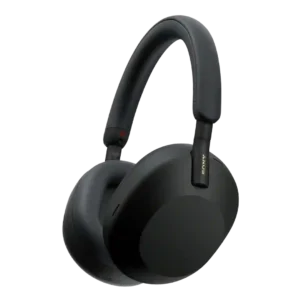
Passive isolation was strong where reviewers noted improved physical blocking and seal-based attenuation.
Pros: Sound leakage, Noise isolation (passive)
Cons: Water/sweat resistance rating, Hinge durability
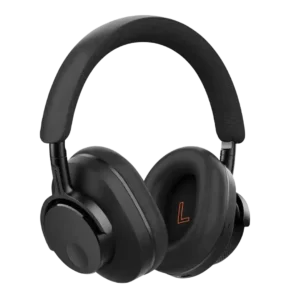
Passive noise isolation is a notable strength, with reviewers praising how much noise is blocked before ANC.
Pros: Codec support, aptX
Cons: LDAC, Water/sweat resistance rating
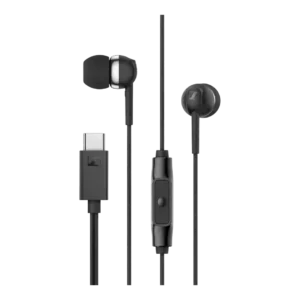
Passive noise isolation was repeatedly praised, with the seal and eartips blocking office chatter and reducing external sounds well.
Pros: Comfort during long use, USB-C
Cons: Microphone noise reduction, Water/sweat resistance rating
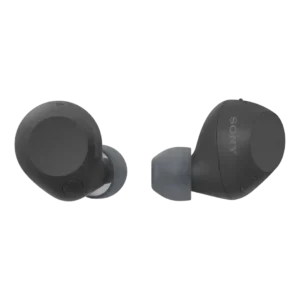
Passive isolation received strong marks where tested, with reviewers crediting the ear tips and secure seal for blocking outside noise before ANC.
Pros: Weight comfort, Android compatibility
Cons: Lossless audio support, Ear tip size options
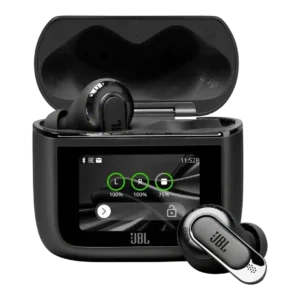
Passive isolation was praised, especially with the included tips and foam tips improving the seal.
Pros: Codec support, Dongle
Cons: Sound leakage, Find My
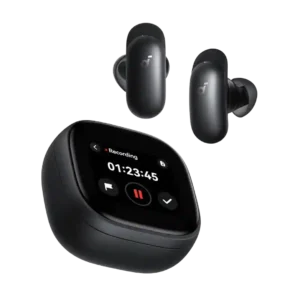
The physical seal helps these earbuds block a lot of outside sound before ANC even gets involved. Several comments credit the snug in-ear fit for making noise reduction feel especially...
Pros: Microphone noise reduction, Stability
Cons: Lossless audio support, Spatial audio
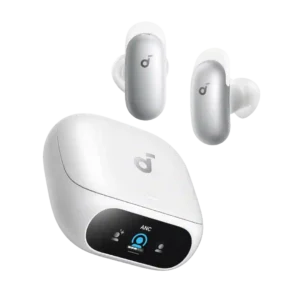
Passive isolation benefits from the Bose-like oval tips and secure seal. Owners who get the fit right report strong isolation even before ANC does the heavy lifting.
Pros: Maximum volume clarity, Noise isolation (passive)
Cons: Apple H2 chip support, Treble clarity
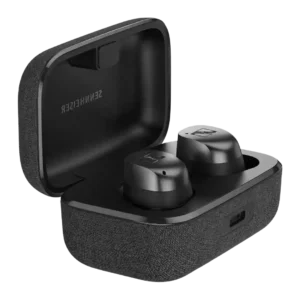
Passive isolation is praised when the fit is right, with reviewers noting strong physical blocking and seal benefits.
Pros: Maximum volume clarity, Stability
Cons: Spatial audio, Microphone noise reduction
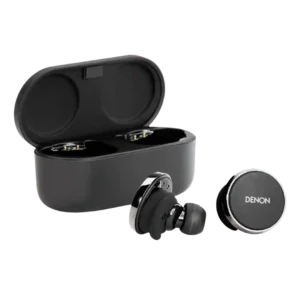
Passive isolation benefits from the seal, foam tips, and fit options, with reviewers describing a solid seal and better noise isolation.
Pros: Audio-video sync accuracy, Multi-platform compatibility
Cons: LDAC, Weight comfort
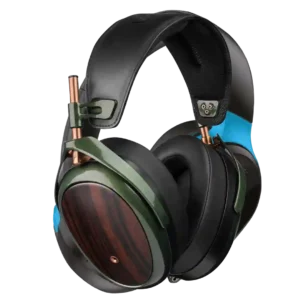
Passive isolation is unusually strong for an audiophile headphone and works well in offices, homes, and travel. Performance depends on achieving a complete pad seal.
Pros: Hinge durability, Durability over time
Cons: Ear cup swivel/rotation range, Portability/foldability
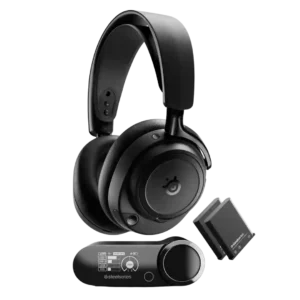
Passive isolation is widely strong, credited to sealed pads and dense cushions, though one review only calls it moderate.
Pros: Maximum volume clarity, Multipoint connectivity reliability
Cons: Portability/foldability, USB-C
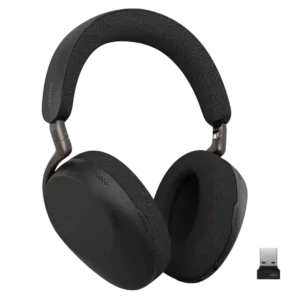
The over-ear fit usually provides strong passive isolation and helps the ANC, though one tester found the fabric cushions less isolating than expected.
Pros: Frequency response accuracy, Clamping force comfort
Cons: Volume output, aptX

Passive isolation improves with the new tips and seal, helping block more sound even without ANC.
Pros: Audio-video sync accuracy, Transparency mode quality
Cons: aptX, LDAC
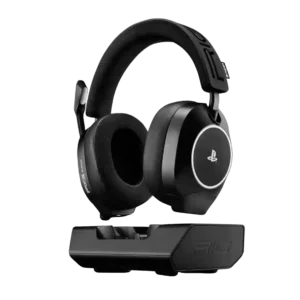
Passive isolation was praised by reviewers who noticed strong seal-based isolation, including one calling it kind of incredible.
Pros: Spatial audio, Positional audio accuracy
Cons: Carry case quality, Detachable microphone convenience
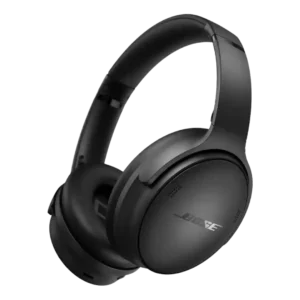
Passive isolation was strong thanks to fit and seal, which reviewers said helped noise isolation and ANC performance.
Pros: Multipoint connectivity reliability, Software/setup simplicity
Cons: LE Audio readiness, Smart Pause performance
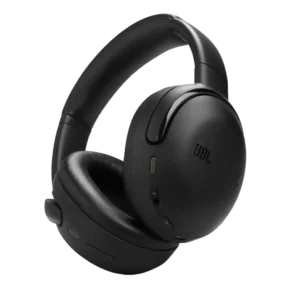
Passive isolation was praised as impressive and helpful even before active noise cancellation was enabled.
Pros: Immersive audio quality, ANC background noise level
Cons: Replaceable pads/headband, Replaceable earpads
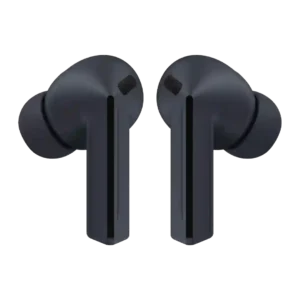
Passive isolation benefits from the sealed design, with reviewers citing meaningful isolation and better noise blocking than unsealed Buds models.
Pros: Volume output, Audio-video sync accuracy
Cons: Multipoint connectivity reliability, LDAC
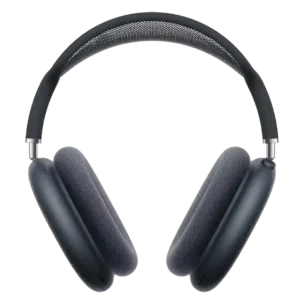
Passive isolation from the earcups helped ANC and was praised where fit fully enclosed the ears.
Pros: Button control usability, Design and Aesthetics
Cons: Water/sweat resistance rating, Included accessories
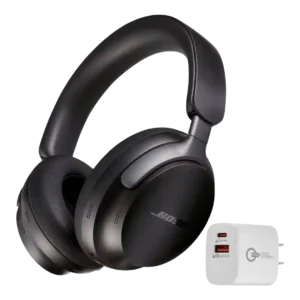
Reviewers treated noise isolation (passive) as a standout strength, with praise repeated across the supporting review evidence.
Pros: Volume output, Active noise cancellation
Cons: Water/sweat resistance rating, USB-C
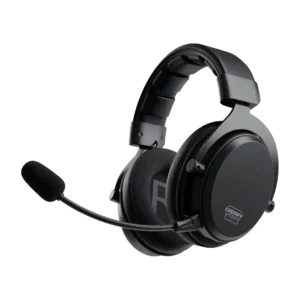
Passive isolation was praised in the YouTube review that discussed the closed over-ear seal.
Pros: Volume output, Audio-video sync accuracy
Cons: Xbox compatibility, Equalizer customization
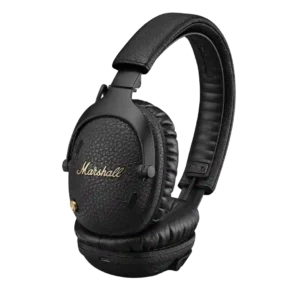
Passive isolation was praised for the soft cushions and seal, which helped block noise even before ANC was considered.
Pros: Volume output, Multipoint connectivity reliability
Cons: Water/sweat resistance rating, Codec support
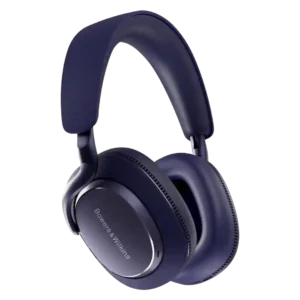
Passive isolation benefits from an easy seal and contributes meaningfully to noise reduction.
Pros: Frequency response accuracy, Multipoint connectivity reliability
Cons: LDAC, Wear detection performance
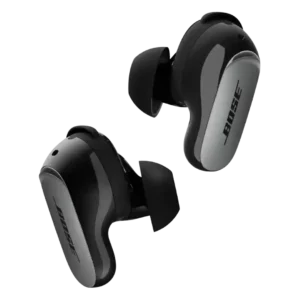
Passive isolation benefits from a tight seal and secure nozzle shape, with reviewers noting strong sealing and little noise bleed.
Pros: Active noise cancellation, Volume output
Cons: Preset EQ profile quality, Equalizer customization
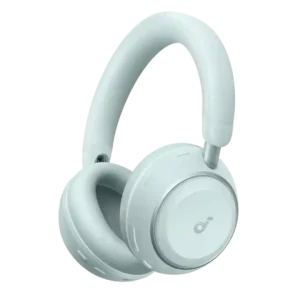
Passive isolation was helped by a strong seal and was explicitly called excellent in one lab-style review.
Pros: Smart Pause performance, Wear detection performance
Cons: Water/sweat resistance rating, Wind noise handling
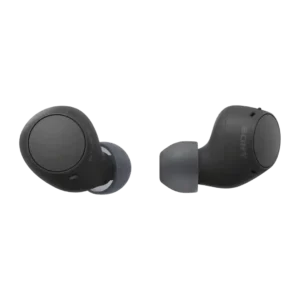
Passive isolation is one of the clearest strengths; reviewers repeatedly say the seal blocks a surprising amount of ambient noise despite the lack of ANC.
Pros: Weight comfort, Multipoint connectivity reliability
Cons: aptX, Active noise cancellation
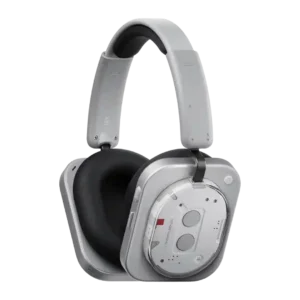
Passive isolation was a clear strength, with the ear pads and seal repeatedly helping noise reduction even before ANC.
Pros: Smart Pause performance, App
Cons: Wear detection performance, Wear detection auto-pause
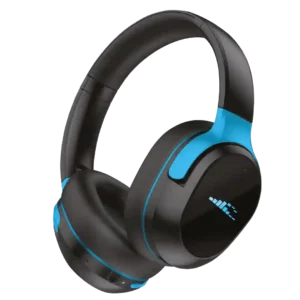
The thick over-ear cushions provide strong passive isolation before ANC is even engaged. That seal helps cut gym, travel, and office noise without using extra battery.
Pros: Volume output, Bluetooth
Cons: LDAC, Find My
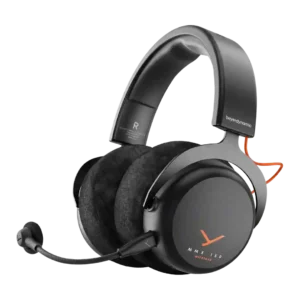
Passive isolation is consistently praised for reducing surrounding noise, though one review notes it does not handle droning noise like ANC.
Pros: Battery, Audio-video sync accuracy
Cons: Xbox compatibility, Volume output
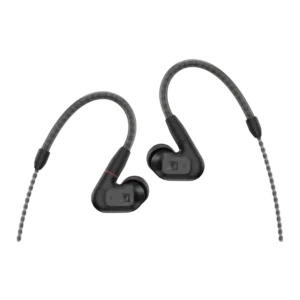
Passive isolation was good when seal and tip choice were right, especially with foam tips; it was not treated as a substitute for ANC.
Pros: Maximum volume clarity, Weight comfort
Cons: Water/sweat resistance rating, Microphone quality for calls
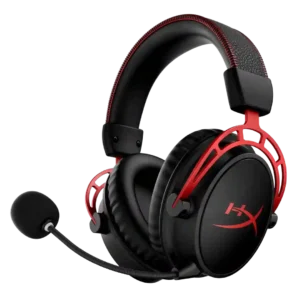
Passive isolation is a consistent strength, blocking or muffling household noise well for an over-ear gaming headset.
Pros: Maximum volume clarity, Earpad replacement ease
Cons: Bluetooth, Xbox compatibility
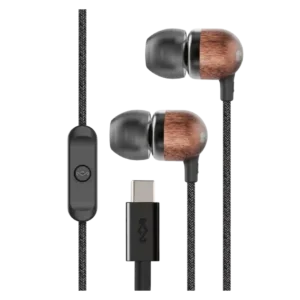
The in-ear seal does a good job reducing office chatter, gym noise, and higher-frequency distractions. Deep rumbles still pass through, but isolation is strong for an inexpensive wired earbud.
Pros: Weight comfort, Software/setup simplicity
Cons: Electrical safety, Carry case quality
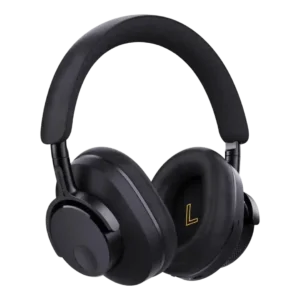
Passive isolation was viewed positively, with reviewers saying the fit and earcups blocked or reduced outside sound effectively even before ANC.
Pros: Award recognition, Battery
Cons: Water/sweat resistance rating, Touch control responsiveness
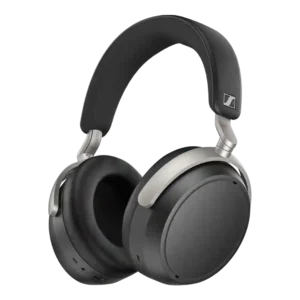
Passive isolation benefits from the deeper pads and seal, although heat retention and fit sensitivity can affect results.
Pros: Instrument separation, Charging
Cons: Xbox compatibility, Water/sweat resistance rating
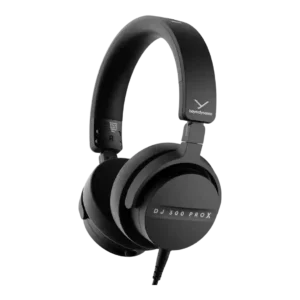
Passive isolation is consistently framed as strong or sufficient for loud DJ and studio environments, especially with the over-ear setup.
Pros: Bass performance, Maximum volume clarity
Cons: Clamping force comfort, Comfort during long use
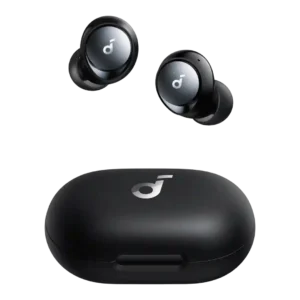
Passive isolation was considered good when fit was right and helped ANC performance, though it remained dependent on a proper seal.
Pros: Interchangeable left/right bud design, Multipoint connectivity reliability
Cons: Sensors, Hinge durability
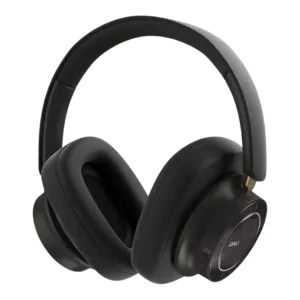
Passive isolation benefited from the large earcups and fit, helping reduce outside noise before ANC.
Pros: ANC effect on sound signature, Maximum volume clarity
Cons: Equalizer customization, Advanced software features
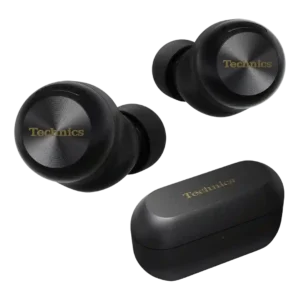
Passive isolation is viewed positively when the tips seal well, with reviewers noting isolation even before ANC is active.
Pros: Volume output, Maximum volume clarity
Cons: aptX, Auracast support
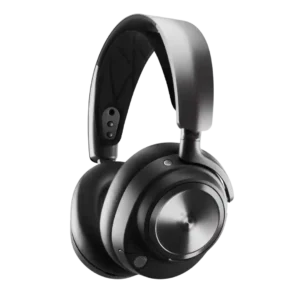
Passive isolation is generally seen as good, especially from the closed-back seal, even when ANC is not the focus.
Pros: Charging, Spatial audio
Cons: Hinge durability, Smudge resistance
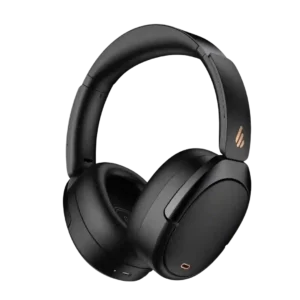
Passive isolation was praised through the protein-leather seal's ability to reduce outside noise.
Pros: Instrument separation, USB-C
Cons: Button control usability, Maximum volume clarity
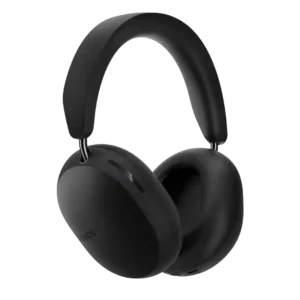
Passive isolation had limited but positive evidence, with one review praising sound isolation even before ANC.
Pros: Weight comfort, Ear cup swivel/rotation range
Cons: Cable quality, ANC sound impact on audio
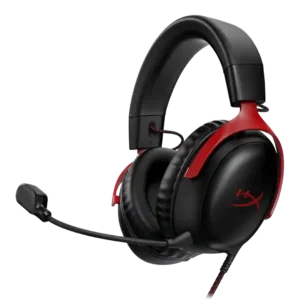
Passive isolation was consistently useful, with earcups and cushioning blocking or shutting out outside noise without active cancellation.
Pros: Hinge durability, Wireless latency
Cons: Preset EQ profile quality, Xbox compatibility
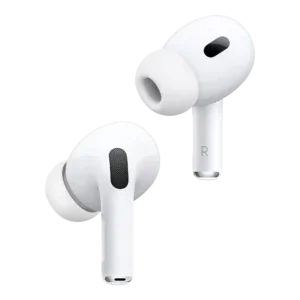
Passive isolation was strongest when reviewers got a good seal, but one long-term user still wanted more background blocking.
Pros: Weight comfort, Charging
Cons: Smudge resistance, Android compatibility
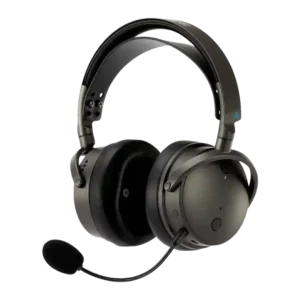
Passive isolation is mostly praised thanks to the closed cups and pads, though one reviewer found outside sound cut through more than expected.
Pros: Instrument separation, Maximum volume clarity
Cons: Hinge durability, Carry case quality
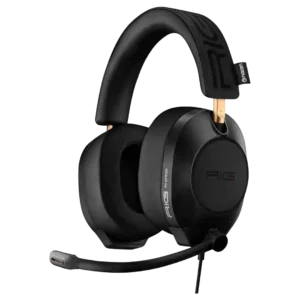
Passive isolation was consistently useful, ranging from average lab results to reviewers calling it solid, superior, or excellent for blocking external noise.
Pros: Audio-video sync accuracy, Battery
Cons: Bluetooth, Active noise cancellation
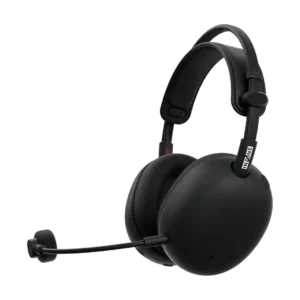
Passive isolation is decent but not especially cocooning because the headset uses a light clamp and breathable design. Most of the real quiet comes once ANC is enabled.
Pros: Instrument separation, Maximum volume clarity
Cons: Packaging quality, Console compatibility limitations
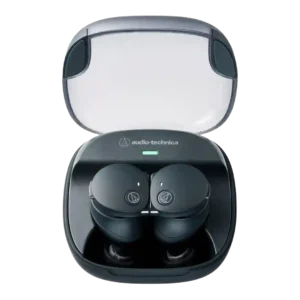
Passive isolation was usually strong when the seal fit well, though one review noted fit-related wind-noise leakage.
Pros: Battery, Software/setup simplicity
Cons: Sensors, Voice assistant integration