Best for Frequency response accuracy
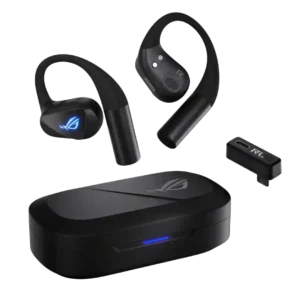
ASUS ROG Kithara
5.0 feature score
Highest scored product for this feature based on supporting review evidence.
Highest scored product for this feature based on supporting review evidence.
Balances feature score, supporting reviews, and overall product strength.
Has the broadest review evidence for this feature.
Strongest overall product among items with scored evidence for this feature.
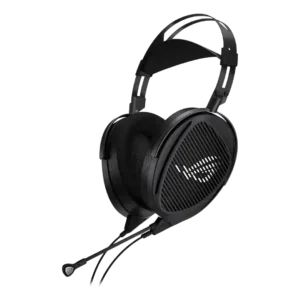
Channel matching and overall response consistency are repeatedly praised. The velour pads provide the more linear midrange, while the stock presentation stays close to a neutral studio-style target.
Pros: Maximum volume clarity, Frequency response accuracy
Cons: Active noise cancellation, Bluetooth

The core tuning is disciplined, balanced, and natural, favoring smoothness and accuracy over exaggerated warmth.
Pros: Sound quality, Midrange clarity
Cons: Software/setup simplicity, Portability/foldability
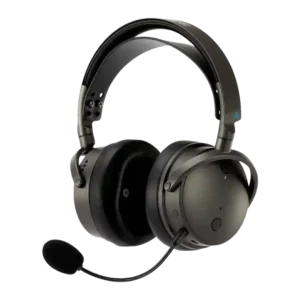
Frequency response evidence is highly positive, with reviewers highlighting target matching, linearity, and controlled tuning.
Pros: Instrument separation, Maximum volume clarity
Cons: Hinge durability, Carry case quality
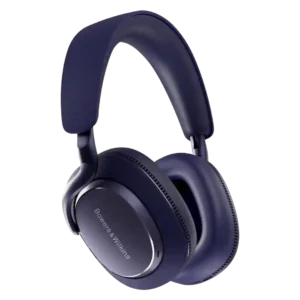
TechRadar praises the frequency balance for avoiding obvious overstatement or understatement across the range.
Pros: Frequency response accuracy, Multipoint connectivity reliability
Cons: LDAC, Wear detection performance

One music-focused test described the presentation as true-to-life and full of character, with complex mixes staying composed.
Pros: Frequency response accuracy, Clamping force comfort
Cons: Volume output, aptX
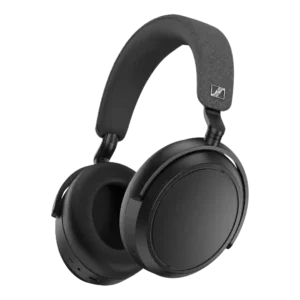
Frequency response accuracy was strongly praised by the lab-style review that found the measured response close to its preference curve.
Pros: Award recognition, Battery
Cons: Water/sweat resistance rating, LDAC
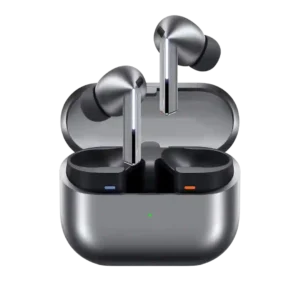
Frequency response evidence was positive, with one reviewer finding a close Harman-curve match and another saying lab results tracked the target closely except for bass.
Pros: Integrated microphone, Frequency response accuracy
Cons: LDAC, Ear tip size options
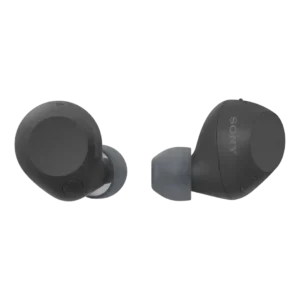
Frequency balance was mostly praised as balanced or preference-aligned, though one reviewer wanted more middle and high-frequency presence.
Pros: Weight comfort, Android compatibility
Cons: Lossless audio support, Ear tip size options

Frequency response is praised for smoothness and coherence, especially in Dynamic mode, though default tuning can add coloration in the lower mids and treble.
Pros: ANC effect on sound signature, Multi-platform compatibility
Cons: LE Audio readiness, Auracast support
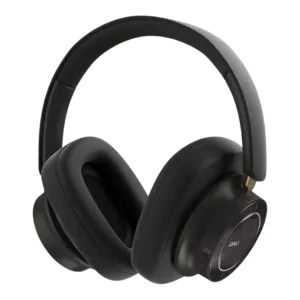
Frequency balance was praised as cohesive, polished, even, and well controlled across the range.
Pros: ANC effect on sound signature, Maximum volume clarity
Cons: Equalizer customization, Advanced software features
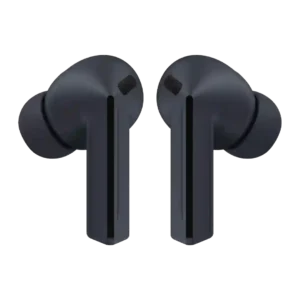
Frequency response evidence is strong from measurement-based reviews that say the default tuning tracks the target curve closely.
Pros: Volume output, Audio-video sync accuracy
Cons: Multipoint connectivity reliability, LDAC
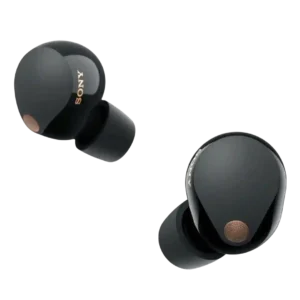
Frequency response was praised as balanced or neutral, with one review noting a more natural delivery when ANC was off.
Pros: Weight comfort, Noise isolation (passive)
Cons: aptX, Find My

The long-term reviewer who discussed tonal balance found the frequency response consistent and neutral.
Pros: Weight comfort, Charging
Cons: Smudge resistance, Android compatibility
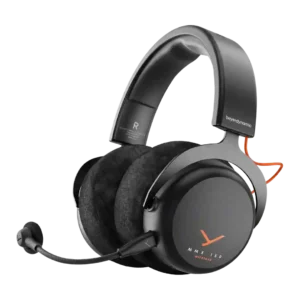
Frequency response is praised by one reviewer as balanced and accurate, though other reviews criticize specific bass and treble tradeoffs.
Pros: Battery, Audio-video sync accuracy
Cons: Xbox compatibility, Volume output
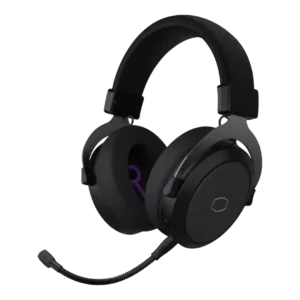
Frequency accuracy is praised through the reviewer’s judgment that the headset produces nearly every sound accurately.
Pros: Microphone noise reduction, Spatial audio
Cons: App, Equalizer customization

Frequency response is judged close enough to the source mix for clear detail, with only minor tuning deviations noted.
Pros: Maximum volume clarity, Earpad replacement ease
Cons: Bluetooth, Xbox compatibility

One reviewer praises the overall balance and clarity, supporting a strong frequency-response impression.
Pros: Positional audio accuracy, Soundstage width
Cons: Active noise cancellation, Hinge durability

Most listeners hear a refined, balanced tuning with clearer mids and less muddiness than the XM6. One detailed assessment found the response uneven across genres.
Pros: Microphone noise reduction, Multipoint connectivity reliability
Cons: Water/sweat resistance rating, Gaming performance
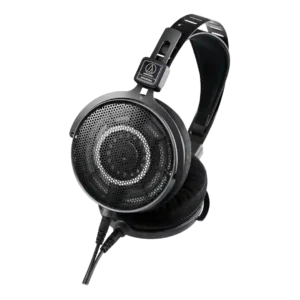
Frequency response is mostly praised as neutral, flat, even, and suitable for critical listening, though one reviewer heard a warm-but-lean tonal balance.
Pros: Software/setup simplicity, Weight comfort
Cons: Travel friendliness, Sound leakage
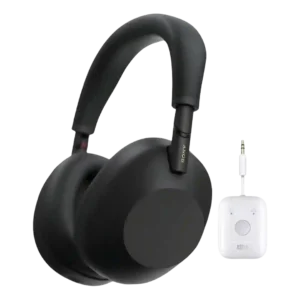
Frequency response and tuning were generally praised as balanced and well measured, especially compared with earlier Sony tuning.
Pros: Smart Pause performance, Award recognition
Cons: Cable quality, USB-C

Reviewers generally found the tuning balanced, clean, accurate, or target-aligned, though often with a mild V-shaped tilt rather than strict neutrality.
Pros: Maximum volume clarity, Weight comfort
Cons: Water/sweat resistance rating, Microphone quality for calls
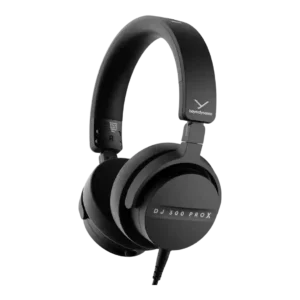
Frequency balance is praised for accuracy and bass-detail balance, especially in electronic genres.
Pros: Bass performance, Maximum volume clarity
Cons: Clamping force comfort, Comfort during long use
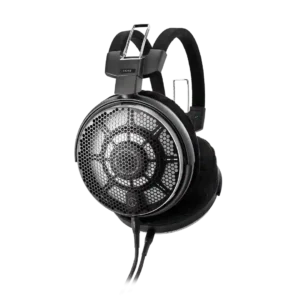
The dominant impression is a balanced, natural, warm-neutral tuning that avoids the older Audio-Technica harshness. Pad choice, anatomy, and amplifier pairing can still shift the balance considerably.
Pros: Instrument separation, Weight comfort
Cons: Travel friendliness, Sound leakage

Frequency balance is often considered improved or well tuned, but reviewers frame it as consumer-friendly rather than strictly neutral.
Pros: Android compatibility, Bluetooth
Cons: Smudge resistance, Cable quality

Reviewers characterize the tuning as neutral and target-aligned, which supports accuracy but may not suit every casual listener.
Pros: Instrument separation, Charging
Cons: Xbox compatibility, Water/sweat resistance rating
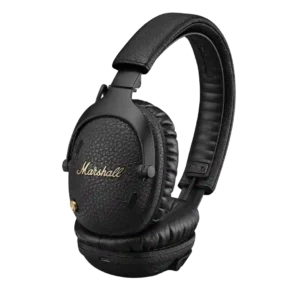
The default frequency response was judged broadly listener-friendly, especially for casual listeners.
Pros: Volume output, Multipoint connectivity reliability
Cons: Water/sweat resistance rating, Codec support

Frequency balance was generally praised as natural, flat or properly balanced, though PCMag and What Hi-Fi wanted more default liveliness.
Pros: Award recognition, Battery
Cons: Water/sweat resistance rating, Touch control responsiveness
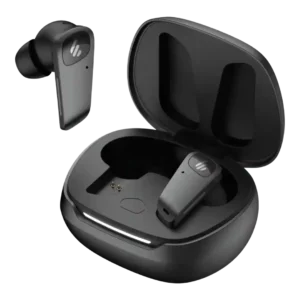
Reviewers describe the frequency balance as generally accurate and controlled, with strong detail and tonality, though the bass region is less consistently weighted.
Pros: Instrument separation, Codec support
Cons: Spatial audio, Volume output
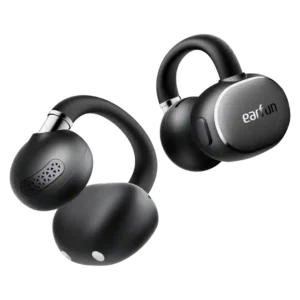
Several listeners describe the tuning as balanced and natural, especially through the mids. Driver position and ear shape can shift the treble substantially, so individual EQ may be necessary.
Pros: Weight comfort, Hinge durability
Cons: Active noise cancellation, Sensors
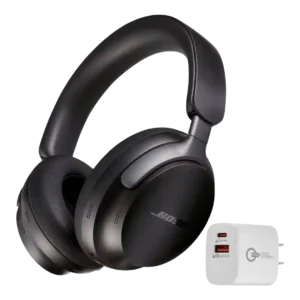
Reviewers were generally positive about frequency response accuracy, though the supporting evidence sometimes included context or small caveats.
Pros: Volume output, Active noise cancellation
Cons: Water/sweat resistance rating, USB-C
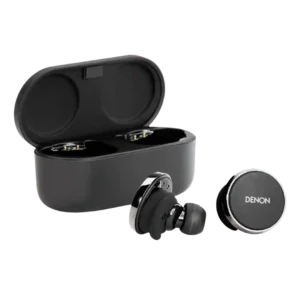
Frequency balance is improved by firmware and personalization for some reviewers, but profile differences can make the tonal result uneven for others.
Pros: Audio-video sync accuracy, Multi-platform compatibility
Cons: LDAC, Weight comfort

When the tuning worked, reviewers heard an even, balanced response with clear articulation. Track-to-track performance was less consistent for one tester, especially with bass-heavy material.
Pros: Volume output, Bluetooth
Cons: LDAC, Find My
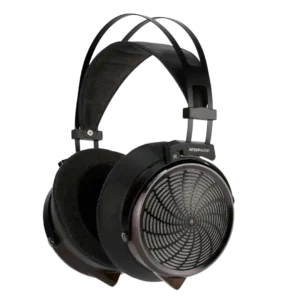
The response is controlled and broadly balanced, with no exaggerated bass shelf or sharp showroom-style treble boost. Its warmer lower midrange keeps it from being strictly neutral.
Pros: Overall satisfaction, Glasses and hat compatibility
Cons: Travel friendliness, Sound leakage
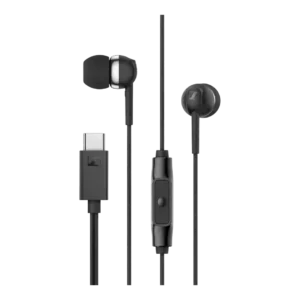
The tonal balance was broadly praised as full-range and accurate, but Tom’s Guide still noted the lowest frequencies were less refined.
Pros: Comfort during long use, USB-C
Cons: Microphone noise reduction, Water/sweat resistance rating
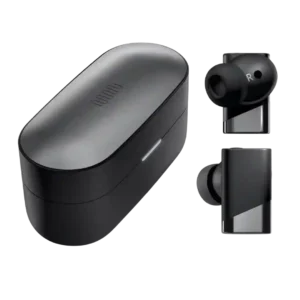
Frequency balance is generally strong and close to preference targets, though some reviewers note underemphasized mids, midbass bloat, or tuning tradeoffs.
Pros: Maximum volume clarity, Sound quality
Cons: Spatial audio, Software/setup simplicity
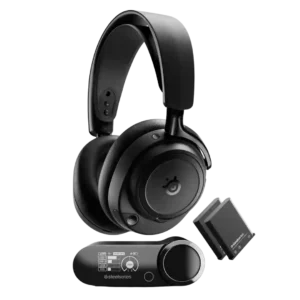
Frequency-response impressions are mixed: one review praises balanced warmth, depth, and clarity, while another notes ANC and tuning changes affect consistency.
Pros: Maximum volume clarity, Multipoint connectivity reliability
Cons: Portability/foldability, USB-C
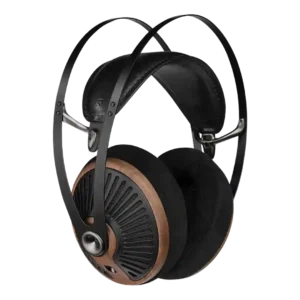
Most reviewers found the overall balance coherent and carefully controlled rather than strictly neutral. Its warm-bright coloration and upper-mid or treble emphasis can sound natural to some listeners and noticeably...
Pros: Volume output, Carry case quality
Cons: Connectivity options, Noise isolation (passive)

Frequency balance was mostly positive, with reviewers highlighting well-rounded or balanced tuning, though one detected subtle distortion on demanding electronic music.
Pros: Android compatibility, Software/setup simplicity
Cons: Active noise cancellation, Noise isolation (passive)
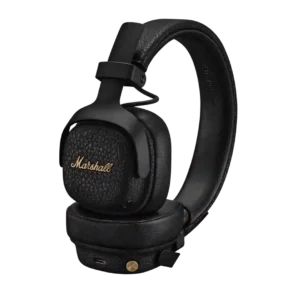
The tuning is broadly balanced and cohesive, but one reviewer found the dynamic range compressed. It favors an enjoyable presentation over strict analytical neutrality.
Pros: Multipoint connectivity reliability, Codec support
Cons: aptX, Smart Pause performance

Measured and subjective comments generally viewed the frequency response as close to target and more balanced than older Beats tuning.
Pros: Audio-video sync accuracy, Android compatibility
Cons: Water/sweat resistance rating, Auto-play/wear detection
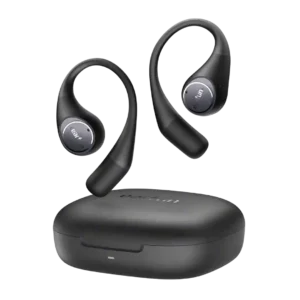
Frequency balance was mostly praised in positive reviews, though one reviewer noted the punchy sound sacrificed balance.
Pros: Codec support, Water/sweat resistance rating
Cons: Noise isolation (passive), Design and Aesthetics
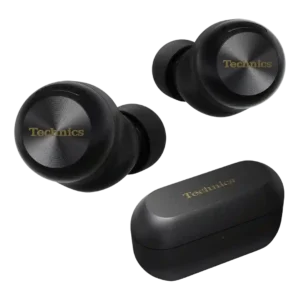
Frequency response impressions are mixed: one review calls it strange, while others praise accuracy, balance, and low distortion.
Pros: Volume output, Maximum volume clarity
Cons: aptX, Auracast support
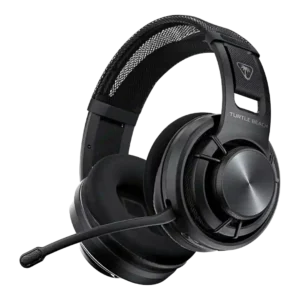
Frequency response is generally natural and well-measured, but reviewers mention treble unevenness, limited sub-bass, or non-studio accuracy caveats.
Pros: Weight comfort, Cable quality
Cons: Active noise cancellation, Noise isolation (passive)

Reviewers described the overall tuning as balanced or safe, with the frequency range generally represented without harshness.
Pros: Battery, Software/setup simplicity
Cons: Sensors, Voice assistant integration

Frequency balance was generally seen as warm, rich, entertaining, or more balanced than many consumer headphones, with some tuning caveats.
Pros: Immersive audio quality, ANC background noise level
Cons: Replaceable pads/headband, Replaceable earpads
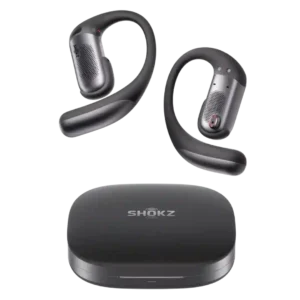
The overall balance was described as lively and fairly even, though the open fit still limits deep bass extension.
Pros: Voice assistant integration, Android compatibility
Cons: Maximum volume clarity, Packaging condition
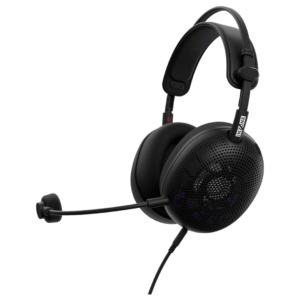
SoundGuys' review and video both said the tuning followed its preference curve closely, with some sub-bass and upper-treble dips.
Pros: Weight comfort, Battery
Cons: Noise isolation (passive), Sound leakage
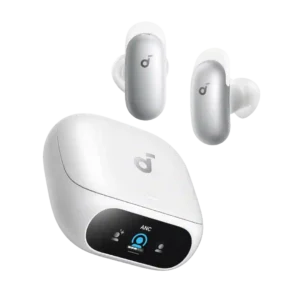
Accuracy is not the default sound profile’s strongest suit. The buds can sound fast and detailed, but some listeners say the tuning is more exciting than neutral.
Pros: Maximum volume clarity, Noise isolation (passive)
Cons: Apple H2 chip support, Treble clarity

Frequency-response accuracy was viewed as generally balanced or accurate, with caveats around bass lift and treble shaping.
Pros: Button control usability, Design and Aesthetics
Cons: Water/sweat resistance rating, Included accessories
Default tuning was described as reasonably clean and usable, though one reviewer still preferred the flatter EQ setting.
Pros: Transparency mode quality, Touch control responsiveness
Cons: Noise isolation (passive), Packaging condition