If you want better voice acting
Choose Life is Strange: Reunion. It scores 4.8 vs 3.9 for voice acting, with a 3.5 overall score.
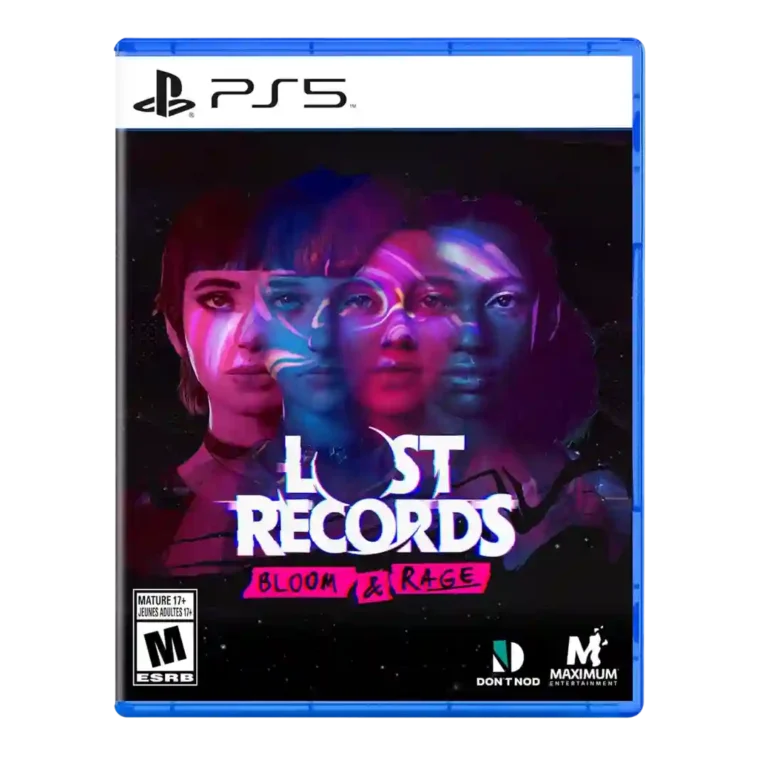
Choose Lost Records: Bloom & Rage for an emotional, character-first narrative adventure with strong music, visuals, and choice reactivity. Skip it if slow pacing, light gameplay, bugs, or an underexplained supernatural mystery will frustrate you.
Best for players who enjoy character-first narrative adventures, queer coming-of-age friendship drama, nostalgic 1990s atmosphere, and replaying choices for different relationship outcomes.
Not for players who need brisk pacing, dense puzzles, action-heavy gameplay, or complete supernatural answers; reviews repeatedly note slow sections, light mechanics, bugs, and unresolved mystery.
Lost Records: Bloom & Rage lands strongest as a character-driven memory piece about friendship, grief, identity, and nostalgia. Across the reviews, the consistent praise centers on Swann and the group, the emotional pull of their relationships, the 1990s world-building, striking visuals, and the soundtrack. The tradeoff is that the game’s supernatural hook and two-tape structure do not satisfy everyone: many reviewers describe the pacing as slow or uneven, and several found the Abyss or final mystery underexplained. Gameplay is intentionally light, built around dialogue, simple exploration, and Swann’s camcorder, which some reviewers loved for immersion while others saw as filler. Technical blemishes also show up often, especially texture pop-in and bugs.
Compared with other Video Games, this product is above average in crash stability, character roster, side character depth, near average in character development, narrative quality, below average in core gameplay loop, lore depth, polish.
| Attribute | This product | Category average | Difference |
|---|---|---|---|
| core gameplay loop | 1.5 | 4.1 | -2.6 |
| lore depth | 2.1 | 4.1 | -2.0 |
| polish | 2.0 | 3.9 | -1.9 |
| originality | 2.5 | 3.8 | -1.3 |
| stealth mechanics | 2.2 | 3.4 | -1.2 |
| handheld play suitability | 2.8 | 4.0 | -1.2 |
| gameplay mechanics | 3.4 | 4.1 | -0.8 |
| bug frequency | 2.4 | 3.2 | -0.9 |
Choose Life is Strange: Reunion. It scores 4.8 vs 3.9 for voice acting, with a 3.5 overall score.
Choose The Alters. It scores 4.7 vs 2.5 for originality, with a 4.2 overall score.
Choose South of Midnight. It scores 4.8 vs 4.2 for emotional impact, with a 3.9 overall score.
Choose Cronos: The New Dawn. It scores 5.0 vs 1.5 for core gameplay loop, with a 3.9 overall score.
Products reviewers directly compared with this model, grouped into quick takeaways.
Reviews describe it as a narrative adventure centered on dialogue, relationships, exploration, and Swann’s camcorder. The gameplay is intentionally light, and some reviewers wanted more tactile interaction or deeper puzzles.
Yes, this is the strongest point across the evidence. Many reviewers praise the four girls, Swann’s vulnerability, Kat’s impact, and the way teen and adult versions of the characters shape the story.
Not consistently. Several reviewers enjoyed character-based payoffs, but many criticized the supernatural Abyss plot, final mystery, or ending for feeling rushed, vague, or underexplained.
The choice system gets meaningful praise in Tape 2, where relationships and endings can vary. Some reviewers still found the consequences unclear or unintuitive, but branching outcomes are a major reason to replay.
Yes, multiple reviews mention bugs, texture pop-in, visual glitches, audio overlap, or progression issues. A few reviewers reported solid PS5 or improved Steam Deck performance, so the evidence is platform- and patch-dependent.
Most reviewers praised the music, soundtrack, or soundscape as emotionally effective and atmospheric. A small minority found the soundtrack disappointing or thematically odd.
It best fits players who want an emotional, character-first Don’t Nod-style adventure with nostalgic 1990s atmosphere. It is less suited to players who want brisk pacing, action, or a fully explained supernatural plot.
These are a few of the reviews included in our analysis.



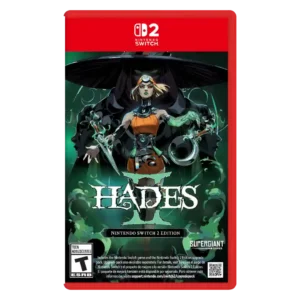
Good if you want fast, tactical roguelite combat with huge progression depth, striking art, and standout music. Skip it if repetition, resource micromanagement, or a less emotionally satisfying sequel story...
Pros: skill tree depth, dialogue quality
Cons: emotional impact, economy and resource balance
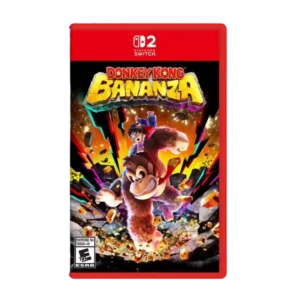
Best for joyful destruction, dense exploration, and a charming DK-Pauline adventure. Skip it if camera quirks, frame-rate dips, easy bosses, or premium Switch 2 pricing are dealbreakers.
Pros: gameplay mechanics, world interactivity
Cons: economy and resource balance, enemy variety
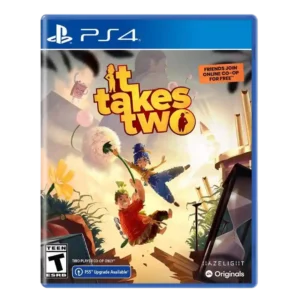
Best for joyful, inventive co-op with a partner, especially on couch. Skip it if divorce themes, uneven story tone, or Switch visual compromises would distract you.
Pros: core gameplay loop, movement feel
Cons: character development, dialogue quality
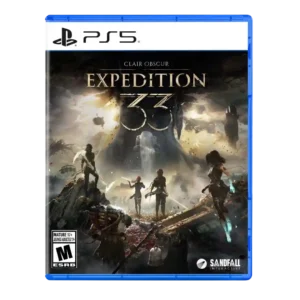
Choose Clair Obscur if you want a story-rich RPG with thrilling timed combat, gorgeous art, and standout music. Skip it if poor maps, tight parry timing, or occasional bugs and...
Pros: monetization fairness, microtransaction impact
Cons: platforming precision, menu usability