Review: Mova P50 Pro Ultra Robot Vacuum
Updated: 2 months ago
4.1
Based on methodology below
217
Insights analyzed
46
Grouped by key features
14
From expert reviews
Scores below reflect consolidated expert coverage across these features.
Bottom Line
Choose the Mova P50 Pro Ultra if you want premium docked mopping and standout hair handling at a midrange price; Skip if you need a very quiet robot or require flawless avoidance of flat cables and small low-profile objects.
Best for
Busy, mixed-floor homes (especially with pets or long hair) that want hands-off cleaning with strong mop automation, low hair-tangle maintenance, and lots of app control without paying top-tier flagship pricing.
Not for
Homes with many flat cables, frequent tiny low-profile items on the floor, or very low-clearance furniture; also not ideal if you need whisper-quiet cleaning in the same room at maximum suction.
Verdict
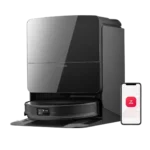
The Mova P50 Pro Ultra delivers near-flagship automation at a noticeably lower price, pairing strong everyday pickup with a dock that auto-empties, washes, and heat-dries the spinning mop pads. Reviews highlight excellent edge and corner reach and standout hair management from the CleanChop-style main brush, making it especially attractive for pet homes. The app is unusually deep for the price, with multi-level mapping, no-go zones, stain routines, and camera-based features. The tradeoff is consistency: some lab results show weaker deep-carpet and crevice extraction than expected, and obstacle avoidance can still snag flat cables or very low-profile objects. It is also tall and can be loud on max power.
Pros
-
4.7based on 8 reviewsHair‑Wrap / Tangle Resistance: 4.7, based on 8 reviewsHair wrap resistance is repeatedly described as excellent, with CleanChop or tri-cut style brush designs preventing tangles and reducing manual cleaning. Multiple reviewers report going weeks without detangling hair from the main brush.
-
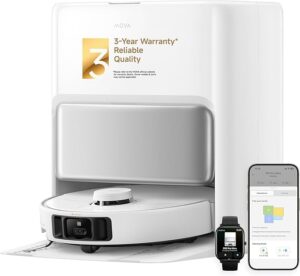
4.7based on 1 reviewAesthetic design and finish: 4.7, based on 1 reviewThe dock and overall presentation get positive remarks, including descriptions of a clean, premium-looking base station. Several reviewers note it resembles Dreame styling and feels more upscale than the price suggests.
-
4.7based on 8 reviewsMop lifting system: 4.7, based on 8 reviewsMop lifting is well-implemented and commonly cited, helping protect rugs by raising pads on carpet. Combined with pad detaching at the dock, it offers flexible strategies for mixed-floor homes.
-
4.7based on 4 reviewsOverall opinion: 4.7, based on 4 reviewsOverall sentiment is strongly positive, often emphasizing that it feels like a premium robot at a lower cost. Most reviews recommend it as a top contender in its price band despite a few recurring caveats.
-
4.6based on 5 reviewsDried-On Stain Removal: 4.6, based on 5 reviewsStain-focused mopping is a standout, including strong results on challenging messes (for example dried or ground-in marks and muddy paw prints) and the ability to trigger more intensive mopping behavior. Multiple reviews call its stain handling above average for the price tier.
-
4.6based on 2 reviewsFloor Drying Time: 4.6, based on 2 reviewsTesting references indicate it can achieve strong mopping results without leaving excessive residual water, supporting faster dry-down. At the same time, a few users report occasional dry mopping, suggesting water delivery can vary by settings and floor type.
-
4.6based on 9 reviewsDocking and Auto-Empty Reliability (Robot): 4.6, based on 9 reviewsDock performance is a major selling point, with consistent mentions of auto-emptying to a bag, mop washing, hot-air drying, solution dispensing, and self-cleaning dock components. Overall reliability sentiment is strong, contributing heavily to its hands-free reputation.
-
4.6based on 5 reviewsCorner Cleaning (Robot): 4.6, based on 5 reviewsCorner performance is consistently praised due to an extendable side brush that reaches into 90-degree corners more effectively than typical round robots. Several reviews call corner coverage a meaningful advantage.
-
4.6based on 6 reviewsSelf-cleaning cycle: 4.6, based on 6 reviewsSelf-cleaning behavior is a highlight, including mop pad washing and drying and references to dock self-cleaning elements. Overall, reviewers describe low manual intervention for keeping the mop system fresh.
-
4.6based on 7 reviewsEdge and Baseboard Cleaning (Hard Floors): 4.6, based on 7 reviewsEdge and baseboard coverage is repeatedly praised, helped by extendable brush and mop behaviors that reach closer to walls. Reviewers frequently note cleaner edges than typical round robots.
-
4.5based on 9 reviewsMopping performance: 4.5, based on 9 reviewsMopping is widely treated as a key strength, including strong results on sticky and muddy messes and the ability to switch into more intensive mopping behaviors. A minority of feedback mentions occasional dry mopping, but overall mopping sentiment is strongly positive.
-
4.5based on 5 reviewsAssembly and Setup: 4.5, based on 5 reviewsSetup is widely described as straightforward, with step-by-step instructions and fast initial mapping. Multiple reviewers characterize the process as quick and low-friction for first-time users.
-
4.5based on 1 reviewCord management: 4.5, based on 1 reviewAt least one review highlights dock cord routing or storage that helps keep the base station flush to the wall and reduce cable clutter. It is a small convenience feature that improves placement and tidiness.
-
4.5based on 7 reviewsBin and Bag: 4.5, based on 7 reviewsThe disposable bag system is repeatedly praised for low mess and long intervals between changes, with around 75 days cited in multiple reviews. Overall sentiment favors bags over bagless for cleanliness and convenience.
-
4.4based on 7 reviewsPet-Ready Features: 4.4, based on 7 reviewsPet-focused performance is a consistent strength, with reviewers highlighting strong pet hair handling and pet-oriented app features like monitoring. It is repeatedly framed as a strong choice for high-shedding homes.
-
4.4based on 9 reviewsArea Rug Handling: 4.4, based on 9 reviewsRug handling is a standout feature because it can lift mops and also detach and leave mop pads at the dock for vacuum-only cleaning. A recurring annoyance is that adding or resizing rugs in the map can require manual tweaks to get perfect edge coverage.
-
4.4based on 10 reviewsPrice and Value: 4.4, based on 10 reviewsValue is a core theme: multiple reviews describe it as delivering flagship-style features below typical flagship prices. Some comparisons suggest an even cheaper sibling model can be a better pure value, but the P50 remains positively rated for what it includes.
-
4.4based on 2 reviewsDirty water sensor: 4.4, based on 2 reviewsAt least one review describes a sensor-driven approach to judging pad dirtiness via dirty water and potentially prompting additional cleaning. Dirty-tank fullness alerts via the app are also mentioned.
-
4.4based on 7 reviewsMaintenance requirements: 4.4, based on 7 reviewsOwnership effort is generally low thanks to the self-maintaining dock, long bag intervals, and strong hair-cutting behavior that reduces brush cleanouts. Most manual work centers on water tank refills and dirty water emptying.
-
4.4based on 4 reviewsSolution / Liquid system: 4.4, based on 4 reviewsThe solution system is viewed as a quality-of-life advantage, with a dedicated tank or holder and automatic dispensing or mixing referenced in several reviews. It reduces manual measuring and helps keep mopping consistent.
-
4.3based on 10 reviewsAI, Smart, App and Automation: 4.3, based on 10 reviewsAutomation and smart features are a major strength, including multi-level mapping, no-go zones, stain recognition, customizable routines, and voice control options. A recurring critique is that some features add complexity and occasional app quirks can appear, especially around rugs.
-
4.3based on 11 reviewsSuction and Airflow: 4.3, based on 11 reviewsReviews frequently describe strong everyday pickup and high rated suction, but lab-style comparisons report airflow and deep extraction not always matching the headline 19,000 Pa claim. Real-world results still trend above average for routine debris.
-
4.3based on 8 reviewsMap and Path Efficiency (Robot Vacuums): 4.3, based on 8 reviewsMapping and navigation are consistently praised as fast and accurate, with reports of quick mapping runs and reliable room coverage. Efficiency is described as above average overall, though not always the best when compared directly with the P10 sibling in lab-style tests.
-
4.3based on 2 reviewsBuild quality and durability: 4.3, based on 2 reviewsBuild impressions are generally favorable, including comments that the robot and dock feel solid and not cheaply made. The design is often compared to higher-end models from related brands.
-
4.3based on 5 reviewsOdor control: 4.3, based on 5 reviewsHot-water mop washing and hot-air drying are repeatedly cited as helping reduce odor and musty pad smells. One reviewer notes the lack of ozone or electrolyzed-water features found on some competitors, but overall odor management is viewed positively.
-
4.3based on 7 reviewsWater tank: 4.3, based on 7 reviewsThe system uses separate clean and dirty water tanks and is often described as low-effort day to day, but it still requires periodic refills and emptying. At least one reviewer notes it can use a lot of water depending on settings and home size.
-
4.3based on 2 reviewsAccessories and Tools: 4.3, based on 2 reviewsIncluded items commonly mentioned include the dock, magnetic mop pads, cleaning solution, manuals, and setup pieces like a ramp extension plate. Reviewers generally consider the in-box kit complete for getting started.
-
4.3based on 2 reviewsHard Floor — Fine Dust Pickup: 4.3, based on 2 reviewsReal-world reviewers frequently report strong pickup of fine dust and day-to-day grime on hard floors, including in pet homes and high-traffic areas. Results are typically described as above average for routine maintenance cleaning.
-
4.2based on 8 reviewsControls and UI: 4.2, based on 8 reviewsControls are considered strong overall, with granular options for vacuum and mop behavior. A few reviewers note minor friction such as extra taps for common actions or occasional app lag.
-
4.2based on 2 reviewsHard Floor — Large Debris Intake: 4.2, based on 2 reviewsHard-floor intake for larger debris like crumbs and everyday mess is repeatedly reported as strong, with reviewers noting it handles mixed debris well in kitchens and dining spaces. Edge-reaching features appear to help reduce leftover debris near walls.
-
4.2based on 1 reviewHeadlight and LED lights: 4.2, based on 1 reviewSome reviews mention built-in lighting that helps operation in darker areas, and at least one reviewer highlights a high-visibility LED as a useful feature. It is not the most emphasized feature, but it is viewed as a helpful add-on.
-
4.1based on 3 reviewsCarpet — Low-Pile Pickup: 4.1, based on 3 reviewsLow-pile carpet results are generally positive in everyday use reports, with strong pickup and the ability to switch to vacuum-only behavior when desired. Performance is still described as less impressive in certain controlled deep-clean metrics.
-
4.1based on 11 reviewsObstacle Avoidance (Robot): 4.1, based on 11 reviewsObstacle avoidance is generally rated above average for the price and is often described as careful around furniture legs and common household objects. Weak points include occasional misses with flat cables and very low-profile items like traps or thin objects on the floor.
-
4.1based on 1 reviewOngoing ownership costs (bags, filters, batteries): 4.1, based on 1 reviewOngoing costs are mainly tied to disposable bags and consumables like solution, but reviewers suggest bag intervals are long and supplies are accessible. Some note third-party bags can reduce cost further.
-
4.0based on 2 reviewsBattery and Charging: 4.0, based on 2 reviewsBattery performance is generally reported as above average, including good coverage per charge in testing, though it can trail the more efficient P10 sibling in side-by-side comparisons. Off-peak charging scheduling is mentioned as a useful option.
-
3.8based on 3 reviewsPrivacy controls: 3.8, based on 3 reviewsPrivacy controls are discussed in relation to camera-based features: some reviews mention needing to accept privacy terms for image-based functions and that image upload can be restricted, but mapping data is still stored. PIN-style access for camera functions is also referenced.
-
3.7based on 5 reviewsNoise level: 3.7, based on 5 reviewsNoise depends heavily on mode: some measurements and testers call it among the louder robots on max power, while others describe it as quiet when suction is reduced. Expect a noticeable volume jump at the highest settings.
-
3.7based on 2 reviewsUnder-Furniture Pickup: 3.7, based on 2 reviewsSome reviews note app options to target gaps under furniture, but physical clearance can be limiting. Overall under-furniture reach is decent, though not best-in-class for very low sofas or cabinets.
-
3.6based on 2 reviewsComparative performance: 3.6, based on 2 reviewsComparative coverage is mixed: some testing sources rank it lower than the cheaper P10 sibling on certain vacuum-only metrics, while other reviewers say it can compete with far more expensive flagships in day-to-day use. The overall consensus is that its mopping and automation close much of the gap versus pricier models.
-
3.5based on 2 reviewsStuck resistance: 3.5, based on 2 reviewsIt is generally stable in navigation, but reviewers report occasional hang-ups on flat cables or very low-profile items. Threshold capability is also limited compared with models that include advanced lifting systems.
Cons
-
3.4based on 4 reviewsHair Pickup — Carpets: 3.4, based on 4 reviewsCarpet hair pickup is mixed: several reviewers praise strong pet-hair results, but some controlled tests and user feedback indicate fine pet hair and flattened hair on carpet can require multiple passes. Expectations should be higher for its tangle resistance than for deep carpet hair extraction.
-
3.3based on 1 reviewSupport and Reliability: 3.3, based on 1 reviewReliability in day-to-day operation is generally described positively, but at least one reviewer flags uncertainty around long-term longevity and says customer service may lag more established brands. Overall support confidence is mixed but not strongly negative.
-
3.1based on 3 reviewsCarpet — High-Pile Pickup: 3.1, based on 3 reviewsHigh-pile or deep embedded debris performance is mixed: some configurations avoid very high pile rugs, and lab comparisons show below-average deep-clean extraction on embedded debris. It is better suited to mixed or lower-pile carpet than thick plush carpeting.
-
3.0based on 1 reviewLow-profile design: 3.0, based on 1 reviewHeight is a recurring drawback, with at least one measurement placing it above some newer low-profile flagships. It can fit under some furniture, but clearance is tight for very low couches and cabinets.
-
2.8based on 2 reviewsCrevice / Groove Pickup (Hard Floors): 2.8, based on 2 reviewsCrevice and groove performance is a known weak spot in some lab-style testing comparisons, where it scores below average versus key alternatives. For homes with deep cracks or textured flooring, it may need extra passes or targeted routines.
-
2.6based on 1 reviewAdaptive chassis lift: 2.6, based on 1 reviewMultiple reviews note it lacks an advanced adaptive chassis lift system, limiting its ability to handle taller thresholds. It may clear small bumps, but it is not designed for aggressive step or threshold climbing.
FAQ
What source are these scores and summaries based on?
They are based only on the provided reviews.json file and its included review transcripts.
Can it keep carpets dry while still mopping hard floors?
Yes. Reviews describe automatic mop lifting on carpet, plus an option to detach and leave the mop pads at the dock for vacuum-only runs on rugs or carpets.
How well does it handle pet hair and long hair tangles?
Multiple reviewers report excellent anti-tangle performance (CleanChop or tri-cut style), including weeks of use without needing to detangle hair from the main brush.
How much ongoing maintenance should I expect?
Most maintenance is periodic: refill clean water and solution, empty dirty water every few cleanings, and replace the dock dust bag roughly every 75 days (varies by home).
Will obstacle avoidance prevent it from getting stuck on cables?
Obstacle avoidance is generally rated above average, but several reviews note it can still catch on flat cables or very low-profile items. Using no-go zones and basic pickup before runs improves reliability.
Reviews we analyzed
Video Reviews

Article Reviews

Best Robotic Vacuums
#1
4.5
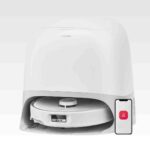
Choose the Roborock Qrevo Curv for a low-touch vacuum+mop that cleans edges/corners well and clears thresholds better than most. Skip if you have...
Pros: Hard Floor — Fine Dust Pickup, Hard Floor — Large Debris Intake, Hair Pickup — Hard Floors, Battery & Charging, Docking & Auto-Empty...
Cons: None
#2
4.3
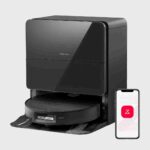
Choose Saros 10 if you want a slim, premium robot that vacuums hard, climbs thresholds, and runs a truly hands-off dock. Skip it...
Pros: Pet-Ready Features, Low-profile design, Suction & Airflow, Mop lifting system, Aesthetic design & finish, Hair‑Wrap / Tangle Resistance, Adaptive chassis lift
Cons: Streaking / Residue, Stuck resistance
#3
4.3
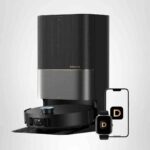
Choose the Dreame X50 Ultra for powerful all‑around cleaning with standout step/threshold climbing and low‑tangle brushes; Skip it if you need consistently perfect...
Pros: Adaptive chassis lift, Innovation compared to competitors, Hard Floor — Large Debris Intake, Hair‑Wrap / Tangle Resistance, Hair Pickup — Hard Floors, Self-cleaning...
Cons: Support & Reliability, Crevice / Groove Pickup (Hard Floors)
#4
4.3
Choose it for standout obstacle avoidance, edge cleaning, and low-profile reach. Skip it if you want a cheaper robot or perfect cord handling.
Pros: Comparative performance, Hard Floor — Fine Dust Pickup, Under-Furniture Pickup, Hair Pickup — Carpets, Hair‑Wrap / Tangle Resistance, Corner Cleaning (Robot), Dock noise
Cons: Stuck resistance, Carpet — Low-Pile Pickup, Cord management, Streaking / Residue