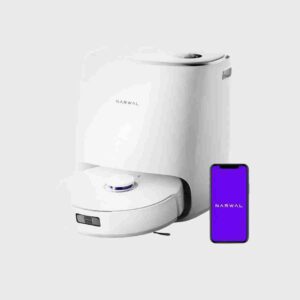
Review: Narwal Freo X Ultra Robot Vacuum and Mop
Updated: 2 months ago
3.8
Based on methodology below
133
Insights analyzed
41
Grouped by key features
15
From expert reviews
Scores below reflect consolidated expert coverage across these features.
Bottom Line
Choose if you want standout mopping, low noise, and strong hair-tangle resistance; Skip if you need reliable cord avoidance or true self-emptying dust at the dock.
Best for
Homes with mostly hard floors that want hands-off mopping (auto wash/dry + dirt sensing) and people with pets/long hair who hate brush tangles.
Not for
Homes with lots of carpet or rug fringe, open floor plans where room-splitting is critical, or anyone who expects top-tier cord avoidance and a dock that self-empties dust.
Verdict
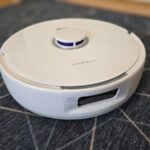
Across the reviews, the Freo X Ultra behaves like a mop-first flagship: its triangular spinning pads, frequent pad washing, and dirt sensing deliver reliably strong hard-floor cleaning, and it stays unusually quiet while working and drying. The tradeoff is in dry-debris convenience and edge cases—there’s no true dust self-empty dock, cord avoidance is inconsistent, and several reviewers report weaker carpet deep cleaning or rug-edge hassles. If your home is mostly hard flooring and you value hands-off mopping plus tangle resistance, it’s a compelling premium pick; carpet-heavy layouts or cluttered cords will expose its compromises.
Pros
-
4.8based on 6 reviewsHair‑Wrap / Tangle Resistance: 4.8, based on 6 reviewsTangle resistance is one of the most praised features: multiple reviewers report little to no hair wrapping on the main brush, with only occasional side-brush cleanup.
-
4.8based on 1 reviewBuild quality and durability: 4.8, based on 1 reviewBuild quality is generally described as premium and well-assembled for both robot and dock, with sturdy plastics and solid fit-and-finish.
-
4.7based on 1 reviewAssembly and Setup: 4.7, based on 1 reviewSetup is generally described as straightforward (app pairing, Wi-Fi, mapping), though some users wanted clearer instructions and find map editing takes practice.
-
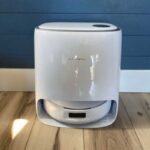
4.7based on 2 reviewsAesthetic design and finish: 4.7, based on 2 reviewsDesign and finish get frequent praise: the base station looks sleek/futuristic and hides the robot well compared with many bulky docks.
-
4.6based on 1 reviewMop lifting system: 4.6, based on 1 reviewMop pads lift around 12 mm on carpet in most reports, enabling vacuum+mop workflows with less risk of wet rugs; a few note slight dragging on some carpets/rug edges.
-
4.6based on 6 reviewsNoise level: 4.6, based on 6 reviewsDay-to-day running noise is repeatedly called out as very quiet for a flagship combo, making it easier to run while working or sleeping.
-
4.5based on 2 reviewsSelf-cleaning cycle: 4.5, based on 2 reviewsDock-driven self-cleaning is a core strength: automatic mop pad washing and heated/air drying reduce odors and day-to-day mop maintenance; some note longer cycles due to frequent washing.
-
4.4based on 13 reviewsMopping performance: 4.4, based on 13 reviewsStrong, mop-first performance: triangular spinning pads with higher pressure and frequent pad washing deliver consistently good hard-floor cleaning; thick/sugary messes and grout can still take extra passes.
-
4.4based on 2 reviewsComparative performance: 4.4, based on 2 reviewsComparisons often position it as stronger at mopping and hair handling than many rivals, but behind the best all-around flagships for dust auto-empty and consistent obstacle avoidance.
-
4.4based on 1 reviewCarpet — High-Pile Pickup: 4.4, based on 1 reviewHigh-pile carpet performance is reported as decent to strong in some testing, though climbing on/off thick rugs or thresholds can slow cycles.
-
4.3based on 5 reviewsSuction and Airflow: 4.3, based on 5 reviewsSuction is widely described as powerful for a combo unit (often cited around the 8,200 Pa class) with good surface pickup; some reviews still want stronger carpet boost behavior.
-
4.3based on 2 reviewsHair Pickup — Hard Floors: 4.3, based on 2 reviewsHard-floor pickup is consistently strong for dust, cereal, and pet hair, with good overall coverage during vacuum+mop routines.
-
4.3based on 1 reviewOdor control: 4.3, based on 1 reviewOdor control is generally good thanks to mop drying and dirty-water handling; several reviewers report minimal lingering smell after mopping cycles.
-
4.3based on 2 reviewsBattery and Charging: 4.3, based on 2 reviewsBattery life is commonly reported as strong, with long runtimes and the ability to cover large areas; long, meticulous mopping cycles can still trigger recharge-and-resume in big spaces.
-
4.2based on 4 reviewsAI, Smart, App and Automation: 4.2, based on 4 reviewsAutomation features (dirt sensing / Freo mode, adaptive passes, scheduling, voice control integrations) are a major value-add, though ‘smart’ behavior can be inconsistent depending on firmware and setup.
-
4.1based on 4 reviewsEdge and Baseboard Cleaning (Hard Floors): 4.1, based on 4 reviewsEdge/baseboard cleaning is improved by edge-focused behaviors and pad geometry, but reports vary—some praise edges while others still see missed mopping along tight baseboards.
-
4.0based on 3 reviewsSolution / Liquid system: 4.0, based on 3 reviewsDetergent/solution support is a differentiator (often included and auto-dispensed). Some reviewers like the cleaning boost; others dislike being nudged toward proprietary refills.
-
4.0based on 1 reviewDock noise: 4.0, based on 1 reviewDock noise is generally described as low for washing/drying compared with auto-empty docks; water pumping can be the most noticeable sound.
-
4.0based on 5 reviewsMaintenance requirements: 4.0, based on 5 reviewsMaintenance load is reduced by mop washing/drying, but you still have recurring tasks: manage water tanks, periodically clean trays/brushes, and replace bags/filters/pads over time.
-
3.9based on 5 reviewsDried-On Stain Removal: 3.9, based on 5 reviewsAbove-average dried-stain removal in several tests (coffee/juice and set-on messes), but not always the very top performer; jam/BBQ-style residues may require multiple runs.
-
3.9based on 2 reviewsEdge‑Following Accuracy (Robot): 3.9, based on 2 reviewsEdge-following accuracy is generally strong during vacuuming paths (tight wall tracking), but mopping edge reach varies because the pads don’t extend outward.
-
3.8based on 3 reviewsWater tank: 3.8, based on 3 reviewsClean/dirty water tank system works well but can be water-hungry on frequent cleaning—some users report refills every 1–3 days depending on home size and settings.
-
3.7based on 1 reviewCrevice / Groove Pickup (Hard Floors): 3.7, based on 1 reviewCrevice/groove pickup on tile and seams is above average in some testing but not perfect—fine grit can require an extra pass in deeper grooves.
-
3.7based on 5 reviewsControls and UI: 3.7, based on 5 reviewsApp is feature-rich (scheduling, room targeting, modes), but some users find map editing and zoom/room definitions finicky; base-station controls help for basic starts/stops.
-
3.6based on 5 reviewsMap and Path Efficiency (Robot Vacuums): 3.6, based on 5 reviewsMapping is usually accurate and paths are methodical, but multiple reviewers mention slower completion times and occasional room-splitting/zone quirks, especially in open layouts.
-
3.5based on 3 reviewsCorner Cleaning (Robot): 3.5, based on 3 reviewsCorner cleaning is inconsistent: vacuuming corners can be strong thanks to dual side brushes, while mopping corners may still miss without an extending pad.
-
3.5based on 1 reviewOngoing ownership costs (bags, filters, batteries): 3.5, based on 1 reviewOngoing costs include replacement detergent, dust bags (if used), mop pads, and filters; costs are manageable but should be expected for long-term ownership.
-
3.5based on 1 reviewStreaking / Residue: 3.5, based on 1 reviewResidue/streaking is generally controlled thanks to pad design and detergent options, but sticky sauces/honey can leave light tackiness that needs extra passes or manual spot work.
-
3.5based on 10 reviewsBin and Bag: 3.5, based on 10 reviewsOnboard bin/bag system emphasizes containment and capacity via compression; convenient for allergies and quieter than dock emptying, but still requires manual bag/bin changes.
-
3.5based on 2 reviewsEmptying and Mess Control: 3.5, based on 2 reviewsMess control is good when swapping disposable bags (less dust plume), but the lack of dock emptying means you must stay on top of periodic manual emptying/checks.
Cons
-
3.4based on 12 reviewsObstacle Avoidance (Robot): 3.4, based on 12 reviewsObstacle avoidance is mixed: some reviews praise general navigation around clutter, but cords are a common failure mode and a few tests report poor avoidance of low objects.
-
3.3based on 6 reviewsPrice and Value: 3.3, based on 6 reviewsValue perception depends heavily on sale price: many like the performance and mop automation, but several call MSRP expensive given no dust self-empty and mixed obstacle avoidance.
-
3.2based on 1 reviewUnder-Furniture Pickup: 3.2, based on 1 reviewLow-profile robot can reach many under-furniture areas, but a few reviewers note occasional avoidance of certain furniture bases or tight clearances.
-
3.2based on 5 reviewsCarpet — Low-Pile Pickup: 3.2, based on 5 reviewsLow-pile carpet pickup is a recurring weak spot in some tests and user reports, especially for deeper grit and fine particles compared with top carpet-focused robots.
-
3.2based on 2 reviewsDocking and Auto-Empty Reliability (Robot): 3.2, based on 2 reviewsBecause there’s no dust auto-empty dock, reliability hinges on docking/charging and mop-service cycles, which are generally stable; the tradeoff is manual dust management.
-
3.1based on 2 reviewsArea Rug Handling: 3.1, based on 2 reviewsArea rugs can be a pain point for some homes—fringe/corners may get caught or displaced, and cords near rugs increase snag risk.
-
3.0based on 1 reviewFloor Drying Time: 3.0, based on 1 reviewFloor surface drying depends on settings and how often the dock refreshes pads; while pads dry at the dock, overall post-clean dryness can take longer on heavy/wet mopping modes.
-
3.0based on 1 reviewSoftware-update support / feature longevity: 3.0, based on 1 reviewSeveral reviewers expect software/firmware updates to improve smart behaviors (like DirtSense and avoidance). Current experience varies, so longevity depends on ongoing support.
-
3.0based on 1 reviewStorage footprint and upright-stand stability: 3.0, based on 1 reviewBase station is often described as sleek but sizable; placement is easiest where the dock footprint and water-tank access aren’t in the way.
-
2.8based on 1 reviewBag-full indicator: 2.8, based on 1 reviewSome users note the app provides reminders for replacing disposable bags, but there isn’t always a clear, foolproof ‘full’ sensor experience compared with docked self-empty systems.
-
2.8based on 1 reviewStuck resistance: 2.8, based on 1 reviewStuck resistance is usually solid, but there are reports of getting hung up on certain furniture bases or snag-prone situations (especially around cords and rug edges).
FAQ
Does the Narwal Freo X Ultra self-empty dust into the dock?
No. Multiple reviewers note there is no dock dustbin. Dry debris stays onboard (often in a disposable bag) and is compressed to extend time between emptying, but it still requires manual handling.
How good is the mopping, especially on dried stains?
Mopping is the most consistently praised area. Reviews cite strong scrubbing pads, frequent pad washing, and solid results on dried coffee/juice and everyday sticky messes, though very thick or sugary spills may need extra passes.
Is obstacle avoidance reliable for cords and pet accidents?
Mixed. Several reviews say it avoids larger objects well, but cords are a recurring weakness and some testers warn low objects can be missed. If cords or pet mess are common, pre-tidying or no-go zones are still important.
How does it do on carpets and rugs?
Generally acceptable for routine pickup, but multiple reviews call out weaker deep cleaning on carpet/low pile and occasional issues with rug edges or fringes. It can lift the mop pads to reduce wet carpet risk.
Is it loud, including the dock?
Most reviews describe it as unusually quiet during vacuuming and while the dock handles mop washing/drying. The loudest moments tend to be water pumping or maintenance cycles rather than a traditional auto-empty blast.
Reviews we analyzed
Video Reviews

![Best Robot Vacuums 2025 [50 Tested.. ONE Dominated Every Test!]](https://servicedig.com/wp-content/uploads/2025/07/sddefault-141-150x150.jpg "Best Robot Vacuums 2025 [50 Tested.. ONE Dominated Every Test!]")
Article Reviews
Best Robotic Vacuums
#1
4.5
Choose the Roborock Qrevo Curv for a low-touch vacuum+mop that cleans edges/corners well and clears thresholds better than most. Skip if you have...
Pros: Hard Floor — Fine Dust Pickup, Hard Floor — Large Debris Intake, Hair Pickup — Hard Floors, Battery & Charging, Docking & Auto-Empty...
Cons: None
#2
4.4
Choose it for standout suction, threshold climbing, and low-babysitting navigation. Skip it if top-tier mopping consistency or a lower price matters more.
Pros: Controls and UI, Versatility, Heating element, Overall cleaning convenience, Large debris handling, Hard Floor — Large Debris Intake, Under-Furniture Pickup
Cons: Dock noise, Streaking / Residue, Storage footprint and upright-stand stability
#3
4.4
Choose it for exceptional vacuuming, obstacle avoidance, and true hands-off mop swapping. Skip it if you want longer battery life, a smaller dock,...
Pros: Hair‑Wrap / Tangle Resistance, Adaptive chassis lift, Innovation compared to competitors, Hard Floor — Fine Dust Pickup, Suction and Airflow, Pet-Ready Features, Tool-change...
Cons: Dirty water sensor, Suitability for small spaces, Storage footprint and upright-stand stability, Streaking / Residue, Battery and Charging, Runtime
#4
4.3
Choose Saros 10 if you want a slim, premium robot that vacuums hard, climbs thresholds, and runs a truly hands-off dock. Skip it...
Pros: Pet-Ready Features, Low-profile design, Suction & Airflow, Mop lifting system, Aesthetic design & finish, Hair‑Wrap / Tangle Resistance, Adaptive chassis lift
Cons: Streaking / Residue, Stuck resistance