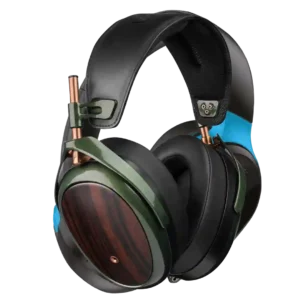
Choose the Robin for plush comfort, real-wood style, lively bass and strong value in a home-listening or gaming setup. Skip it if you need neutral tuning, dependable travel isolation, a secure small-head fit or proven cable and pad durability.
Best for
Comfort-first listeners who enjoy an energetic, bass-and-treble-forward sound for home music, movies or gaming. It also suits buyers who value real wood and a premium look without needing an expensive amplifier.
Not for
Treble-sensitive listeners, neutral-monitoring users, frequent commuters and people with smaller heads should be cautious. Buyers who prioritize proven long-term durability or responsive warranty support may also want a safer alternative.
Verdict
The SIVGA SV021 Robin makes a striking first impression with real-wood cups, soft memory-foam pads and a lively sound that many listeners find genuinely fun. It is easy to drive, often sounds spacious for a closed-back, and works especially well for casual music, movies and long gaming sessions. The tradeoff is consistency. Its V-shaped tuning can deliver punch and sparkle, but recessed mids, uneven bass control and sharp treble make it far less convincing for neutral or critical listening. Fit is also head-dependent, with smaller heads reporting looseness, while repeated customer complaints about cables, peeling pads and one-sided failures raise meaningful ownership concerns. The Robin remains appealing value for comfort-first buyers who accept those risks, but it is not the safe all-rounder its premium appearance suggests.
Games and music can feel unusually engaging for a budget closed-back, with strong low-end impact and enough spatial depth to create an immersive presentation.
Detachable leads make cable replacement and swapping straightforward, a valuable benefit given the stock cable complaints. The dual 2.5mm arrangement is less common than standard single-entry designs.
Gaming is a standout use case thanks to comfort, punch, spaciousness and useful positional detail. It works especially well for long single-player or casual sessions, though a microphone requires an add-on.
Most owners enjoy the Robin’s combination of comfort, styling and lively sound, and many call it a favorite. Dissatisfaction is concentrated around tuning preferences, fit and failures after purchase.
Earpad replacement is described as simple on the reviewed sample, using a clean bayonet-style release. Replaceability helps offset concerns about pad wear.
Design and Aesthetics: 4.4, 81 reviews, low consensus
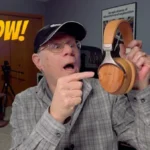
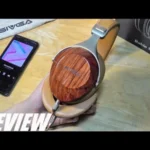
The natural wood cups and coordinated metal-and-leather look are among the Robin’s most consistently praised qualities. Reviewers often say it appears far more expensive than its price.
Value for money: 4.4, 75 reviews, strong consensus
The wood construction, comfort and lively performance make the Robin feel like strong value around its usual price. Reliability complaints are the main reason some owners no longer consider it a bargain.
Real wood, metal hardware and tidy finishing make the Robin feel unusually substantial for the price. A smaller group reported rattles, cosmetic flaws or quality-control problems that undercut that premium first impression.
Many reviewers hear strong detail retrieval for a closed-back headphone at this price, especially in treble, games and simpler arrangements. Heavy bass and recessed mids can hide information in dense tracks.
The detachable dual-entry cable and adapters provide useful wired flexibility, including aftermarket balanced-cable options. The uncommon connector arrangement may make replacements less convenient.
Comfort during long use: 4.2, 111 reviews, moderate consensus
Plush pads, low weight and gentle pressure make long sessions a major strength for most owners. A minority report crown pressure, poor fit or heat that eventually reduces comfort.
Ear cup padding quality: 4.2, 46 reviews, moderate consensus
The thick memory-foam pads are exceptionally soft and deep, often preventing ear contact with the driver. Heat, compression and covering separation are the main pad-related complaints.
Wood cups, metal parts and soft upholstery give the Robin a distinctly premium feel for its price. That impression can fade when cable, pad or finish issues appear.
Its roughly 275-gram weight is widely praised for reducing fatigue and helping the plush pads feel almost weightless. The lightweight feel occasionally reads as cheap to a few buyers.
The Robin delivers an energetic, warm and engaging sound that many listeners find unusually enjoyable for the price. Its appeal is taste-dependent because bass weight and bright treble can overpower refinement.
Soundstage is frequently praised as wide and airy for a closed-back headphone, with useful depth for games and music. A few reviewers instead find it intimate or cramped.
The Robin is generally easy to drive from laptops, phones, dongles and console controllers. Better amplification can add some separation or low-end control, but most reviewers found expensive power unnecessary.
Bass is usually described as warm, punchy and satisfying, especially for casual listening and games. The main disagreement is control: some hear tight, textured lows, while others hear bloated, muddy bass that masks the mids.
The Robin can reach strong listening levels from modest sources, including controllers and small amplifiers. Weak laptop or phone outputs may sound quieter or thinner.
Imaging and separation are often impressive for the price, helping both gaming cues and layered music. Complex or bass-heavy passages can become less organized and blur individual parts.
Ear cup swivel/rotation range: 3.8, 16 reviews, moderate consensus
The cups tilt but do not offer full swivel or folding. Soft pads compensate for many users, though the limited movement contributes to fit problems for some head shapes.
Included accessories: 3.8, 8 reviews, low consensus
The cable, 6.35mm adapter and soft pouch cover basic home-listening needs. The package is functional rather than lavish, and the lack of a hard case is the common omission.
Frequency response accuracy: 3.7, 53 reviews, low consensus
The Robin’s lively V-shaped tuning favors bass and treble over strict neutrality. Fans call it fun and versatile; critics find the response uneven, colored and unsuitable for monitoring.
Leakage is generally low enough for home use, though some reviewers hear more escape than expected from a closed-back design. Seal and cup venting appear to influence the result.
The braided stock cable looks and feels upscale to many reviewers, but cable noise and premature failures recur often in customer feedback. Replacement cables are commonly recommended.
The adjustment hardware usually feels secure, but the sizing range divides owners. Smaller heads often cannot shorten the headband enough, while some larger heads dislike how the basic band distributes weight.
Passive isolation ranges from decent to surprisingly weak depending on seal and fit. It can reduce fans and household noise, but it is not a dependable substitute for ANC in loud environments.
The midrange is the most common tuning compromise. Some hear clear, detailed vocals, but many describe lower mids as recessed, distant or masked by bass.
Recommendations are enthusiastic for comfort-first listeners who enjoy energetic tuning, gaming and attractive materials. Neutrality seekers, treble-sensitive listeners and buyers prioritizing proven durability are often told to look elsewhere.
Headband padding is adequate for many because the headphone is light, but it is much less plush than the earpads. Larger heads are more likely to notice pressure from the thin band.
Clamping force comfort: 3.0, 33 reviews, low consensus
The light clamp helps comfort, yet fit is highly head-dependent. Some get a secure, pressure-free seal, while smaller heads can experience looseness and larger heads may feel concentrated pressure.
The cups do not fold and have limited rotation, so the Robin is mainly a home or desk headphone. A few users still find it portable enough for careful carrying.
Sustainability and repairability: 3.0, 2 reviews, limited evidence
Replaceable pads improve serviceability, but some owners describe failed glued components or nonstandard interfaces as difficult to repair. Repair prospects therefore depend heavily on the part that fails.
Treble supplies sparkle, air and impressive detail, but it is the most polarizing part of the sound. Sibilance, sharp peaks and fatigue appear repeatedly, especially on bright recordings or at higher volume.
The light clamp can keep the Robin comfortable, but it also makes stability inconsistent. Smaller heads are most likely to experience slipping or a loose seal.
The long cable, cable noise, soft pouch and limited isolation make the Robin better suited to home use than commuting. Careful walking or office use is possible with a replacement cable.
Maximum volume clarity: 2.0, 7 reviews, low consensus
High-volume listening exposes the Robin’s biggest sonic weakness: treble can become sharp, sibilant or painful, and bass may lose control. Moderate volume is consistently safer.
Workout heat and sweat buildup: 1.7, 11 reviews, strong consensus
Closed cups and protein-leather pads trap heat during long sessions, and humid-weather users report substantial sweat. This is a notable drawback for summer, workouts and non-air-conditioned rooms.
Several owners describe unanswered warranty messages or unhelpful support after cable, pad or driver failures. This is a repeated concern rather than an isolated complaint.
Compared With Category Average
Compared with other Over-Ear Headphones, this product is above average in Xbox compatibility, Aesthetics / discreet profile, Amplifier scaling, near average in Instrument separation, Cable quality, below average in Maximum volume clarity, Microphone noise reduction, Durability over time.
Summary
47 compared features
Above average0.4+ pts higher
11(23%)
Same as averagewithin 0.3 pts
19(40%)
Below average0.4+ pts lower
17(36%)
Largest category differences
Attribute
This product
Category average
Difference
Maximum volume clarity
2.0
4.1
-2.1
Microphone noise reduction
2.0
3.9
-1.9
Durability over time
2.5
3.9
-1.4
Overall recommendation
3.2
4.3
-1.1
Treble clarity
2.9
3.9
-1.0
Clamping force comfort
3.0
4.0
-1.0
Xbox compatibility
5.0
3.7
+1.3
Travel friendliness
2.6
3.8
-1.2
Consider This Instead
If you want better Durability over time
Choose Meze Audio Strada. It scores 5.0 vs 2.5 for Durability over time, with a 4.4 overall score.
Products reviewers directly compared with this model, grouped into quick takeaways.
AVA500
Worse: comfortThe Robin is considered much more comfortable than the AVA500.
Beyerdynamic DT 770 Pros
Worse: bass performanceThe Robin's bass is preferred to the Beyerdynamic DT 770 Pros.
BL30
Compared: technical versus tonal performanceThe Robin wins technically, while the BL30 is preferred sonically.
FAQ
What does the SIVGA SV021 Robin sound like?
Most describe a lively V-shaped presentation with warm, punchy bass, recessed mids and bright, detailed treble. It is engaging rather than neutral.
Is it comfortable for long sessions?
Usually yes. The soft memory-foam pads, low weight and gentle clamp earn extensive praise, though heat, crown pressure and sizing can affect some users.
Does it need a headphone amplifier?
No. It generally runs well from laptops, phones, dongles and console controllers, although a better source can modestly improve separation and bass control.
Is it good for gaming?
Yes, especially for immersive and casual gaming, where comfort, punch and positional detail stand out. The headphone has no built-in mic, but an optional detachable boom mic is available.
Does it isolate well enough for commuting?
Isolation is inconsistent and depends heavily on fit. The long, sometimes microphonic cable and nonprotective pouch also make it better for home or desk use.
Are there durability concerns?
Yes. Customer feedback repeatedly mentions cable failures, peeling or separating pads, loose components and occasional loss of sound in one channel.
Should treble-sensitive listeners buy it?
Probably not without auditioning it first. Sharp peaks and sibilance are among the most repeated sonic complaints, particularly at higher volume.
Sample Expert Reviews We Analyzed
These are a few of the reviews included in our analysis.
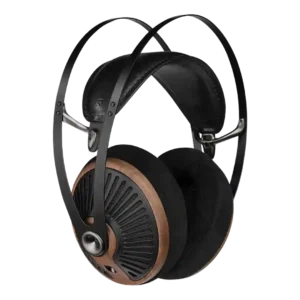
Choose the 105 Silva for beautiful, repairable construction, superb comfort, easy driveability, and an engaging spacious sound. Skip it if you need isolation, balanced connectivity, heavy sub-bass, or consistently smooth...
Best for spacious, detailed home listening, excellent comfort, and premium construction. Skip it for commuting, private shared-space use, built-in voice chat, or subwoofer-like bass impact.
Pros: Overall satisfaction, Glasses and hat compatibility
Choose the Strada for premium build, long-session comfort, strong isolation and an unusually spacious closed-back presentation. Skip it if you have a small head, dislike energetic treble, or want consistently...
Pros: Hinge durability, Durability over time
Cons: Ear cup swivel/rotation range, Portability/foldability
Choose the Px7 S3 if sound quality, premium build, and a slim stylish design matter most. Skip it if you need the strongest ANC, fold-flat travel compactness, LDAC, or feature-heavy...
Pros: Frequency response accuracy, Multipoint connectivity reliability