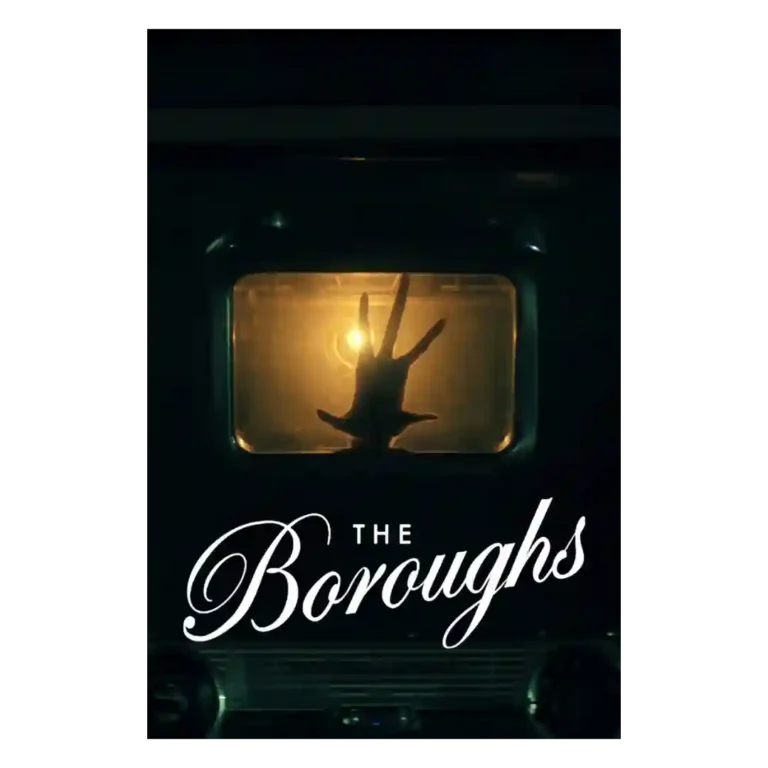
The Boroughs, Season 1 Review
Bottom Line
Choose The Boroughs if you want a warm, senior-led sci-fi mystery powered by a terrific veteran cast. Skip it if slow pacing, predictable villains, and fuzzy lore will frustrate you.
Best for viewers who like warm sci-fi mysteries, senior-led ensemble adventures, and stories about grief, aging, and friendship with a light horror edge.
Not for viewers who want tight plotting, deep mythology, intense scares, or a fast-moving season with surprising villains and a fully satisfying payoff.
The Boroughs, Season 1 works best as a character-first sci-fi adventure about aging, grief, friendship, and refusing to be dismissed. Reviewers repeatedly praise the veteran ensemble, especially Alfred Molina, Geena Davis, Alfre Woodard, Denis O’Hare, and the core group’s chemistry, humor, and emotional warmth. The tradeoff is that the monster mystery rarely feels as strong as the people solving it: pacing sags, the villain and lore can feel thin, and several critics found the plot derivative or muddy. Still, the consensus leans positive because the cast gives the familiar genre setup enough heart, wit, and late-life purpose to make the season enjoyable.
Feature Scorecards
Summary
46 reviewed features- Very positive 4.5-5.0 20% 9 features
- Positive 3.5-4.4 50% 23 features
- Neutral 2.5-3.4 24% 11 features
- Negative 1.5-2.4 7% 3 features
- Very negative below 1.5 0% 0 features
Pros
-
Alfred Molina’s Sam received consistent praise for balancing grumpiness, grief, and warmth. Reviewers also admired how the older leads carry heroic genre roles without needing age-based caveats.
-
The acting is the strongest area of consensus, with the veteran ensemble repeatedly called stellar, fantastic, and accomplished. Even negative reviews tended to say the cast elevated weaker material.
-
The soundtrack stood out for its Springsteen use and broader musical choices. Reviewers who mentioned it treated the music as emotionally important and highly enjoyable.
-
The show’s portrayal of older people was praised as refreshing and respectful. Reviewers liked seeing seniors treated as active, perceptive heroes rather than background grandparents or caricatures.
-
Humor was a consistent plus. Reviewers liked the witty banter, dry senior-citizen comedy, and the way the show balances jokes with horror and grief.
-
The cast chemistry is a major reason the show works for many reviewers. The best scenes come when the older heroes simply hang out, tease one another, or move as a unit.
-
Renewal interest is high among viewers who connected with the show. Reviewers and recap channels wanted another season or at least more clarity after the ending.
-
Bingeability is strong for viewers who enjoy the cast and adventure-comedy mix. One video reviewer called it a good weekend binge despite the full eight-hour commitment.
-
The score was praised for sounding like it belongs in an 1980s Spielberg-style adventure. That musical throwback supports the show’s nostalgic sci-fi tone.
-
World-building is strongest when the retirement community feels like a complete, eerie little society. Reviewers liked the time spent building the town, while later lore questions suggest the larger mythology remains only partly developed.
-
The emotional material around grief, aging, and relationships landed strongly for many viewers. Sam’s loss, late-life friendship, and the show’s gentler reflections were often described as touching or endearing.
-
As genre entertainment, the show generally satisfies viewers looking for warm sci-fi horror rather than pure scares. Its creature-feature, B-movie, and adventure elements work best when paired with humor and character.
-
The show’s deepest praise centers on its aging, mortality, grief, and time themes. Some reviewers found those ideas wise and moving, while others thought the series eventually reduced them to platitudes.
-
Supporting performances were mostly praised, especially Geena Davis, Alfre Woodard, Denis O’Hare, and the broader cul-de-sac crew. One critic thought weaker supporting players outside the core group dragged momentum down.
-
Entertainment value is broadly positive, even among mixed reviews. The show is often called fun, enjoyable, charming, or watchable, with the veteran cast offsetting predictable or clunky story beats.
-
The premiere was generally seen as a promising start, with an attention-grabbing monster opening and a heartfelt introduction to Sam. A few noted that the sci-fi material arrives late, but the episode still establishes the tone well.
-
Production design and setting were praised for making The Boroughs feel like an appealing but suspicious retirement world. The isolated desert community gives the mystery menace and a strong sense of place.
-
Audience appeal is strongest for viewers drawn to senior-led adventures, gentle horror, and ensemble chemistry. More skeptical critics still found it pleasant and accessible, if not especially demanding.
-
The cliffhanger was effective for viewers who wanted more answers and theories. It leaves the season with a memorable final glitch, though its value depends on appetite for unresolved mystery.
-
The structure mostly works when it foregrounds character before spectacle. Still, some viewers found the story and structure a little flawed even while enjoying the cast and themes.
-
The cited episode review praised the camera work as sleek and visually dynamic. This suggests the premiere has enough visual motion to keep the slower setup from feeling static.
-
The drama resonates most when the series deals with being overlooked, grief, and late-life friendship. The show can be moving, though not every reviewer found its broader statements equally sharp.
-
Season length got one positive note from a reviewer who felt the eight episodes were not especially overlong. Other pacing complaints elsewhere show that the length works better for some viewers than others.
-
The violence level was approved for keeping most of the graphic ickiness off camera. The show offers horror stakes without becoming as intense or gory as it could have been.
-
Reviewers often liked the core story as a warm sci-fi adventure with grief and aging at its center. The main split is that some found the plot terrific and sincere, while others thought the mystery itself was dull or uneven.
-
Suspense worked best in the creature reveals and hidden-community threat. Some reviewers found the monster plot draggy, but others praised the tension, creepy imagery, and early horror atmosphere.
-
Plot twists were considered present but not consistently surprising. Some reviewers liked the twists and late reveals, while others felt the villain was obvious or the questions were mainly setup for more.
-
Character development was one of the show’s strongest selling points when reviewers focused on Sam, Wally, Judy, Art, and Renee. The dissenting view is that some arcs and backstories are too thin or rushed.
-
Sexual content is present as part of the show’s older-character vitality rather than as shock value. One review noted the horniness as a surprising quirk of the ensemble.
-
CGI was viewed as mostly effective by one reviewer who praised its realism, while another found the creature design only moderately distinctive. The digital creatures work best when they blend into the environment.
-
The season finale tied together enough threads for some viewers, but it also left major questions hanging. The final glitchy hook created intrigue while leaving others wanting clearer answers.
-
Special effects drew mixed reactions. Some found the monsters convincing and accessible, while another review said the effects and prosthetics often underwhelm.
Cons
-
The senior-led spin on familiar sci-fi gave the show freshness for many reviewers. Several still felt the series leaned too hard on Stranger Things, Spielberg, and other genre templates, making the plot feel predictable.
-
Writing quality is split: some reviews praise the script as witty or character-focused, while others call it sub-standard or below the cast’s level. The writing is most liked in character moments and most criticized in the mystery mechanics.
-
Episode pacing was mixed: several reviewers accepted the slower build because it let the world and characters breathe, but others found the early episodes or middle stretch too slow. The pacing worked best when character moments carried the mystery.
-
Realism is not the show’s priority. The cited review found it enjoyable once viewers accept its sweet, silly wavelength rather than expecting airtight logic.
-
Season pacing was one of the main weak spots. Critics repeatedly said the show loses speed in the middle or toward the end, even when they still enjoyed the cast and overall mood.
-
Episode length was criticized as part of a broader Netflix-original issue. The show’s hour-ish structure can feel awkward when the story slows or stretches.
-
Practical creature work was criticized in the cited review. Prosthetics and related effects were said to underwhelm even though the first monster design had some creepiness.
-
The screenplay was criticized as clunky in the cited review, despite the show’s promising premise and strong performers. The issue is less the idea than the execution of scenes and story momentum.
-
Lore depth is a recurring weakness. Reviewers often wanted richer mythology for the monsters, villains, and larger sci-fi rules, even when they appreciated the emotional ideas behind them.
-
Dialogue quality drew criticism in the cited review, which found some exchanges stilted and awkward. The complaint suggests the dialogue sometimes fails to match the complexity of the cast or themes.
-
The finale payoff disappointed the cited reviewer, especially around the villain and supernatural resolution. The ending did not fully justify the season’s buildup for that critic.
-
Visual style divided reviewers negatively where it came up. The washed-out palette, flat lighting, and muddy coloring were called out as limiting the wonder of the desert and supernatural imagery.
-
Plot clarity drew some of the toughest criticism. A few reviewers said the monster mystery felt silly, lacked urgency, or became incoherent as the season tried to explain its secrets.
-
Cancellation satisfaction is low in the cited update, which frames Netflix’s decision as canceling a well-reviewed and widely viewed show. The reaction suggests disappointment rather than closure.
Compared With Category Average
Compared with other TV Shows, this product is above average in humor, cultural representation, violence level, below average in visual style, practical effects quality, lore depth.
Summary
8 compared features- Above average 0.4+ pts higher 38% 3 features
- Same as average within 0.3 pts 0% 0 features
- Below average 0.4+ pts lower 63% 5 features
| Attribute | This product | Category average | Difference |
|---|---|---|---|
| visual style | 2.3 | 4.0 | -1.7 |
| practical effects quality | 2.8 | 4.3 | -1.5 |
| lore depth | 2.8 | 3.8 | -1.1 |
| humor | 4.6 | 3.6 | +1.0 |
| cultural representation | 4.7 | 3.6 | +1.0 |
| finale satisfaction | 2.5 | 3.5 | -1.0 |
| violence level | 4.0 | 3.0 | +1.0 |
| plot clarity | 2.2 | 3.1 | -0.9 |
FAQ
Is The Boroughs mainly praised for its story or its cast?
The cast is the clearest strength. Reviewers often liked the story, but even mixed or negative reviews said the veteran actors elevated the material.
Is the show scary?
It has creature-feature imagery, menace, and some violence, but reviewers often describe it as warm, funny, and less intense than Stranger Things.
Does Season 1 have pacing problems?
Yes, that is one of the most repeated complaints. Several reviewers felt the early episodes, middle stretch, or final run lost momentum.
Is the sci-fi mythology deep?
Not especially. Multiple reviewers wanted richer lore around the monsters, villains, and world-building, even when they enjoyed the character journey.
Who is most likely to enjoy it?
Viewers who want charming ensemble chemistry, late-life heroes, grief-and-aging themes, and light sci-fi adventure are the best fit.
Does the season leave room for more?
Yes. Some reviewers found the ending satisfying enough, while others focused on the final cliffhanger and remaining unanswered questions.
Sample Expert Reviews We Analyzed
These are a few of the reviews included in our analysis.

Video Reviews
- Review score
- 4.8
Article Reviews
- Review score
- 4.9
- Review score
- 4.8
Compared in Reviews
Products reviewers directly compared with this model, grouped into quick takeaways.
Stranger Things
- Compared: spiritual successor and scale The review says The Boroughs is more than a Stranger Things follow-up, though its budget and thrills are smaller.
- Similar: older-character version of Duffer-style sci-fi The review uses Stranger Things as shorthand for the premise while arguing the show also has older genre DNA.
A Man on the Inside
- Similar: retirement-home ensemble tone The review links the series to A Man on the Inside for its poignant retirement-community world.
Cocoon
- Similar: retirement-community sci-fi mystery The review says the series works as a Duffer-backed spin on Cocoon’s older-adult sci-fi setup.
Consider This Instead
If you want better visual style
Choose Dark Winds, Season 4. It scores 4.9 vs 2.3 for visual style, with a 4.3 overall score.
If you want better dialogue quality
Choose The Pitt, Season 2. It scores 5.0 vs 2.5 for dialogue quality, with a 4.6 overall score.
If you want better plot clarity
Choose Adventure Time: Side Quests, Season 1. It scores 4.4 vs 2.2 for plot clarity, with a 4.0 overall score.
If you want better episode pacing
Choose Kylie, Season 1. It scores 5.0 vs 3.1 for episode pacing, with a 4.4 overall score.
Overall Top TV Shows Alternatives
Choose The Pitt Season 2 for a gripping, realistic medical drama with superb acting and emotional depth. Skip it if graphic procedures, unresolved arcs, or slower character-driven pacing bother you.
Pros: episode structure, main cast performance
Cons: age appropriateness, plot clarity
Choose Kylie for a heartfelt, candid music documentary with rich archives, sharp editing, and big emotional payoff. Skip it if you need a fully exhaustive career chronology or dislike authorized...
Pros: episode pacing, season finale quality
Cons: episode structure, season pacing
Choose Dark Winds Season 4 for moody noir suspense, excellent acting, and richer Native-centered themes. Skip it if uneven pacing, thin conspiracy plotting, or a stranger L.A. detour would frustrate...
Pros: costume design, directing quality
Cons: family friendliness, age appropriateness
Choose The Agency Season 2 for adult spy drama with superb acting, tense intrigue, and a stronger pace. Skip it if you want simple plotting, constant action, or a Fassbender-only...
Pros: directing quality, bingeability
Cons: none