#1
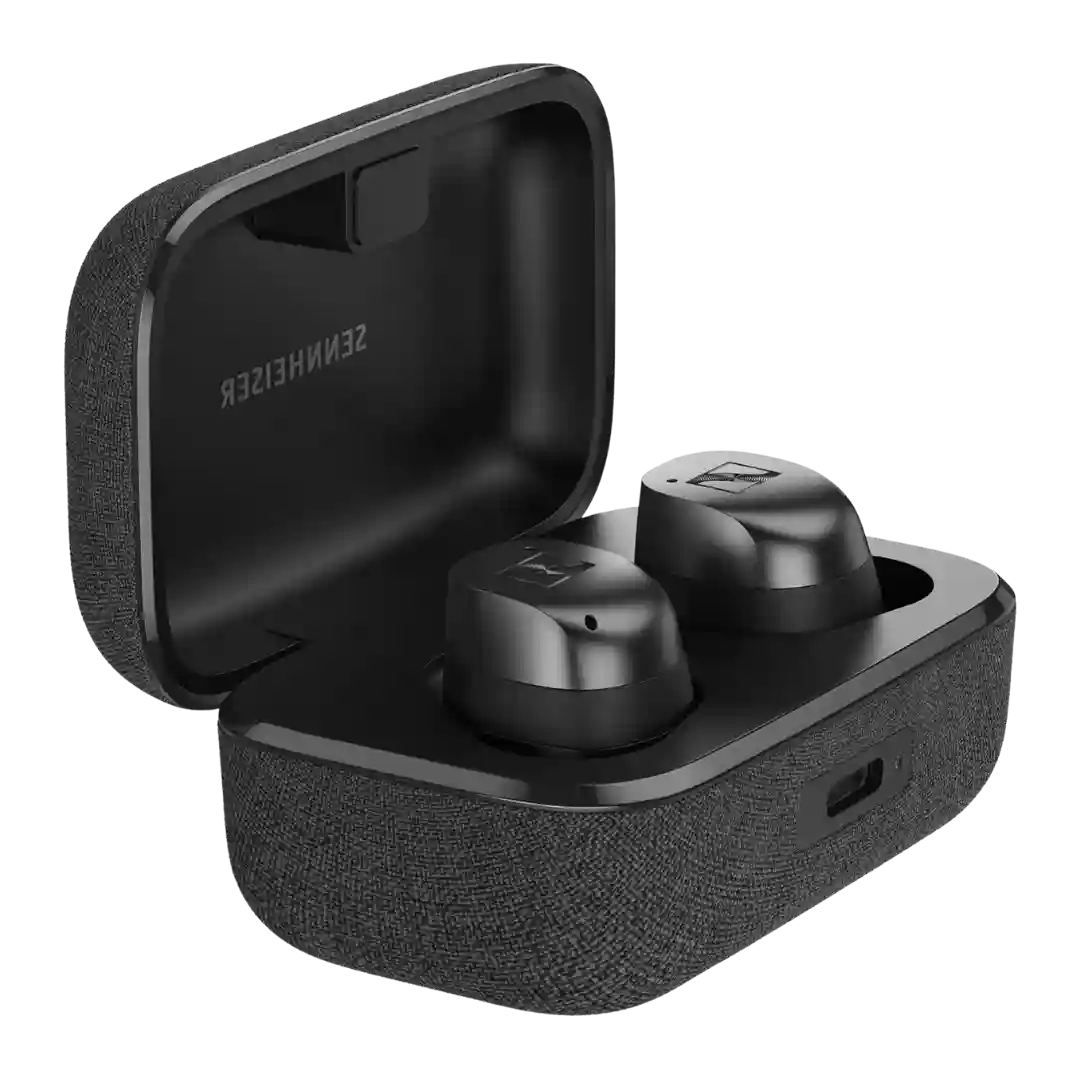
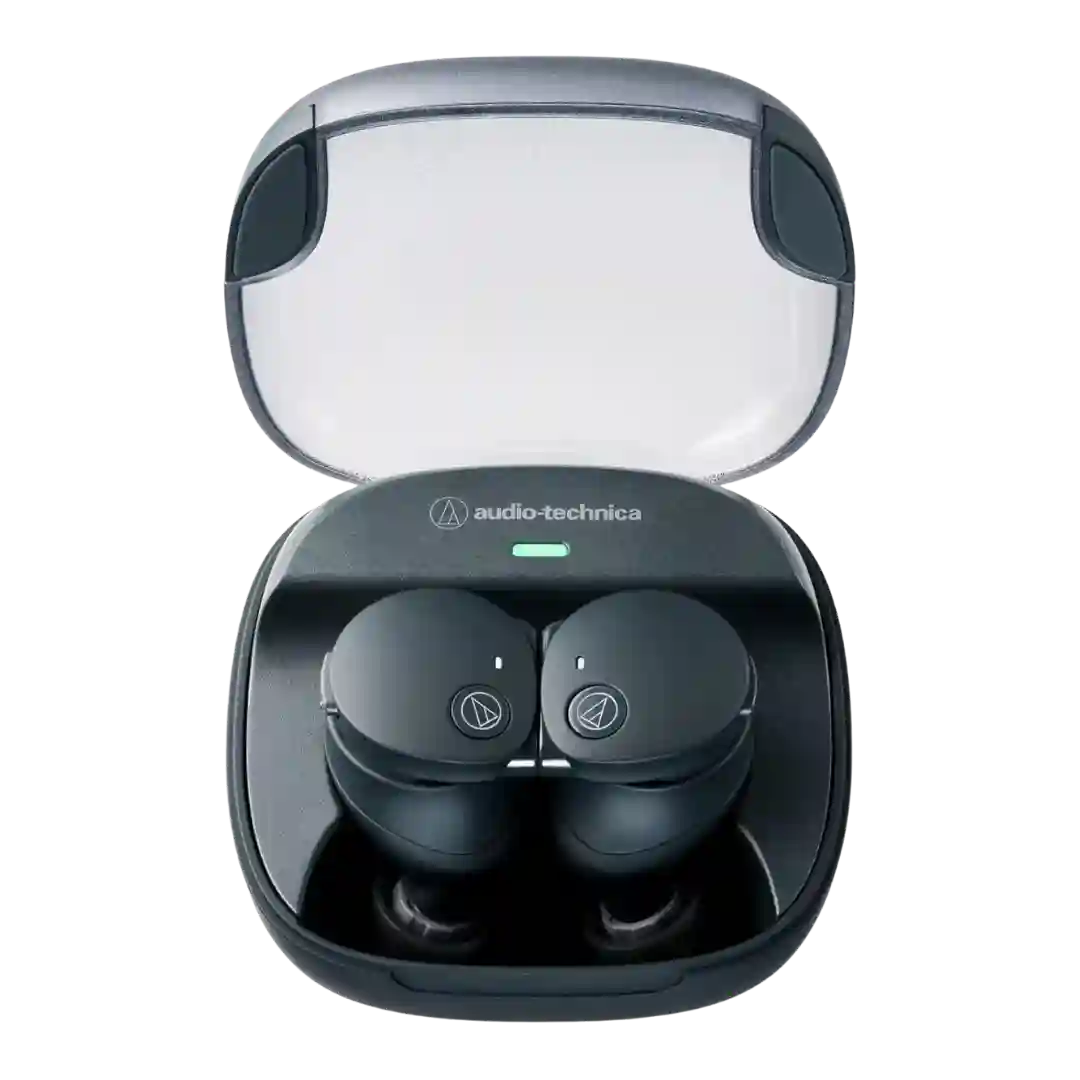
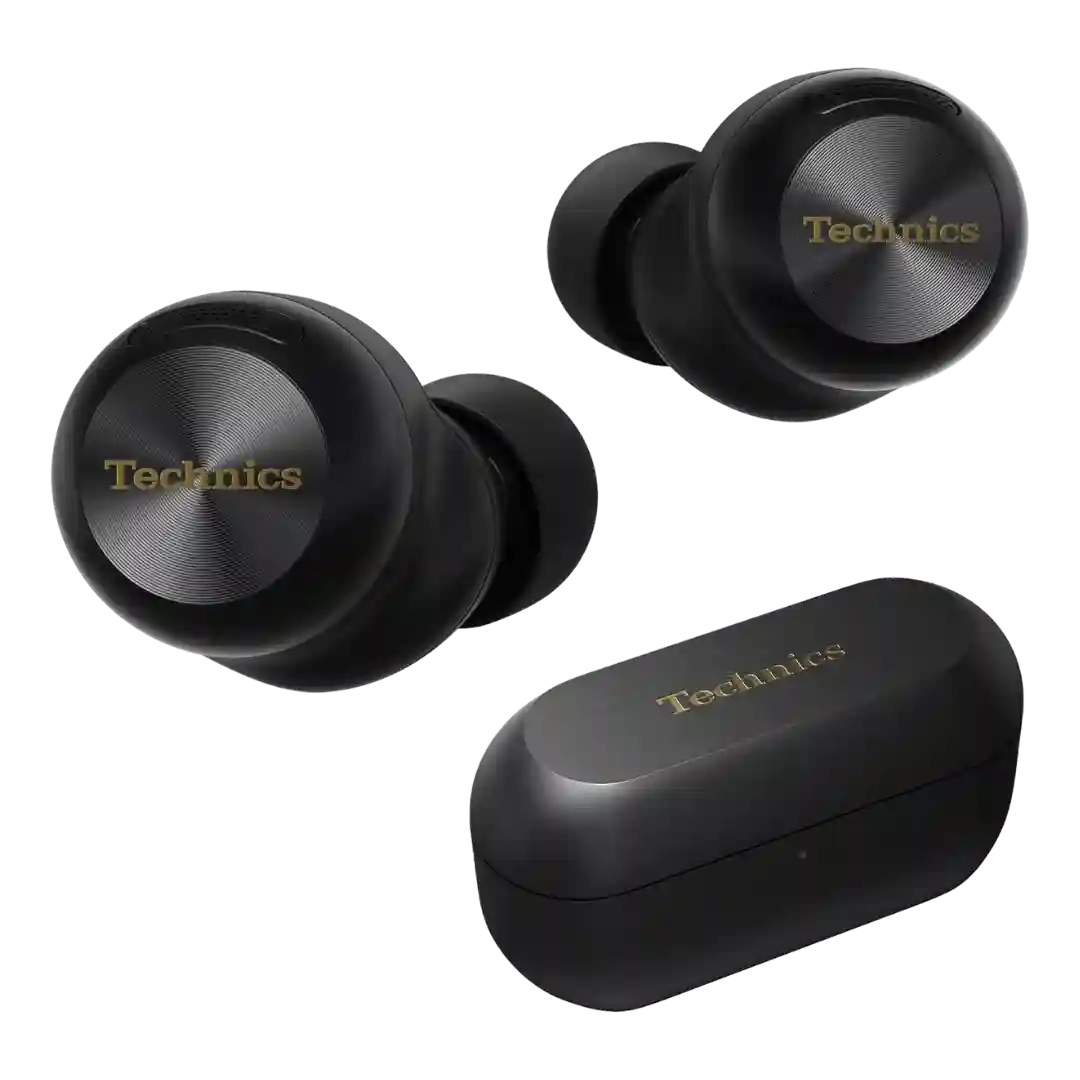
aptX Adaptive/Lossless is a key selling point for compatible Snapdragon Sound devices, enabling higher-bitrate and lossless-style wireless playback. Some reviewers note the audible difference can be subtle and the mode switching can feel confusing depending on device/app behavior.

#2
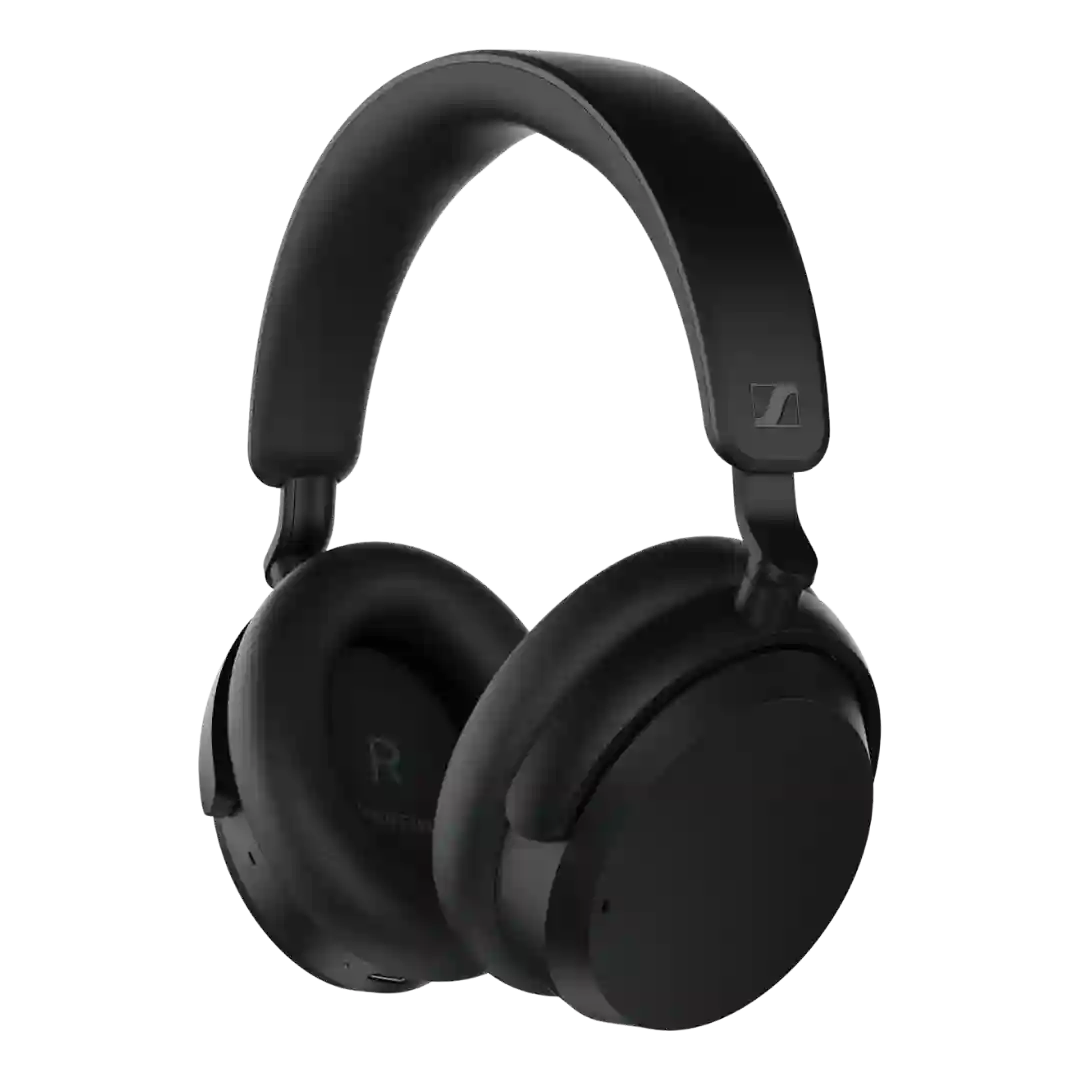
Codec support is a strength, including aptX, aptX HD, and aptX Adaptive, giving the headphones strong compatibility with higher-quality Bluetooth streaming options.
#3
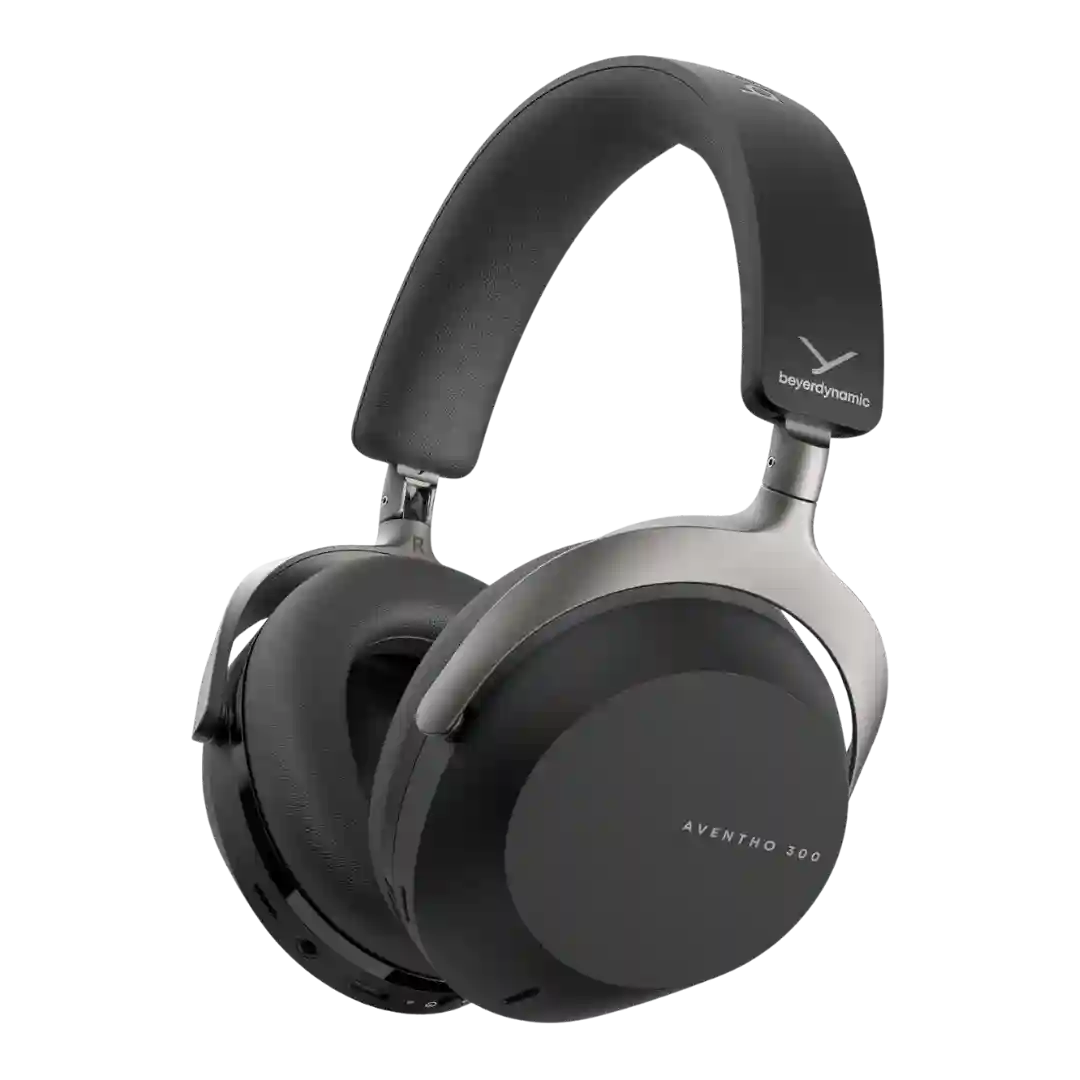
aptX Lossless and aptX Adaptive support is a headline feature, offering higher-quality Bluetooth audio on compatible Android devices and adding to the Aventho 300’s audiophile appeal. Reviewers who care about hi-res wireless often cite this as an advantage over rivals that rely on different codec stacks.
#4
The P100 SE continue to support aptX Lossless and aptX Adaptive, giving listeners higher-quality wireless audio that suits their hi-fi-oriented tuning and keeps them competitive with other premium wireless headphones.
#5
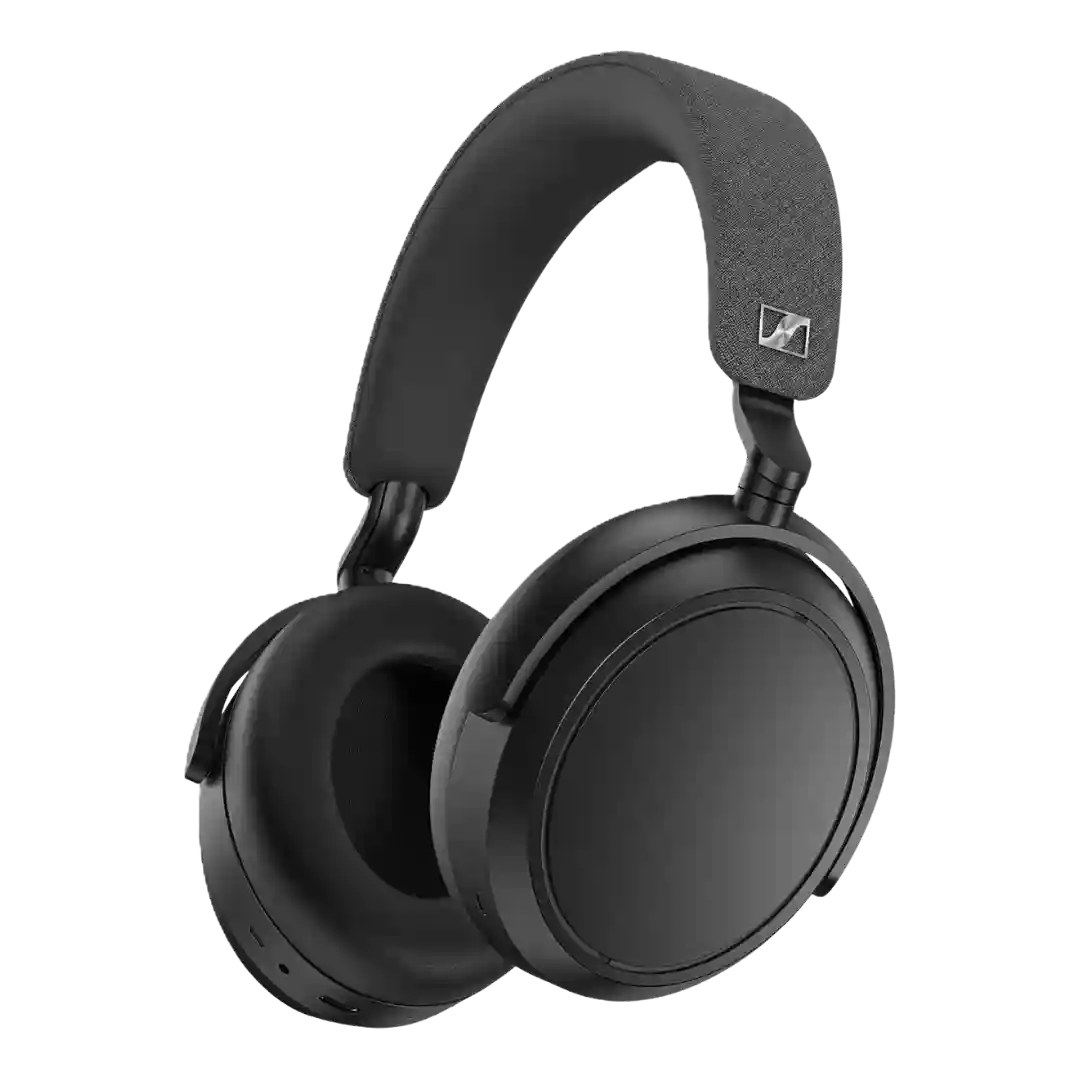
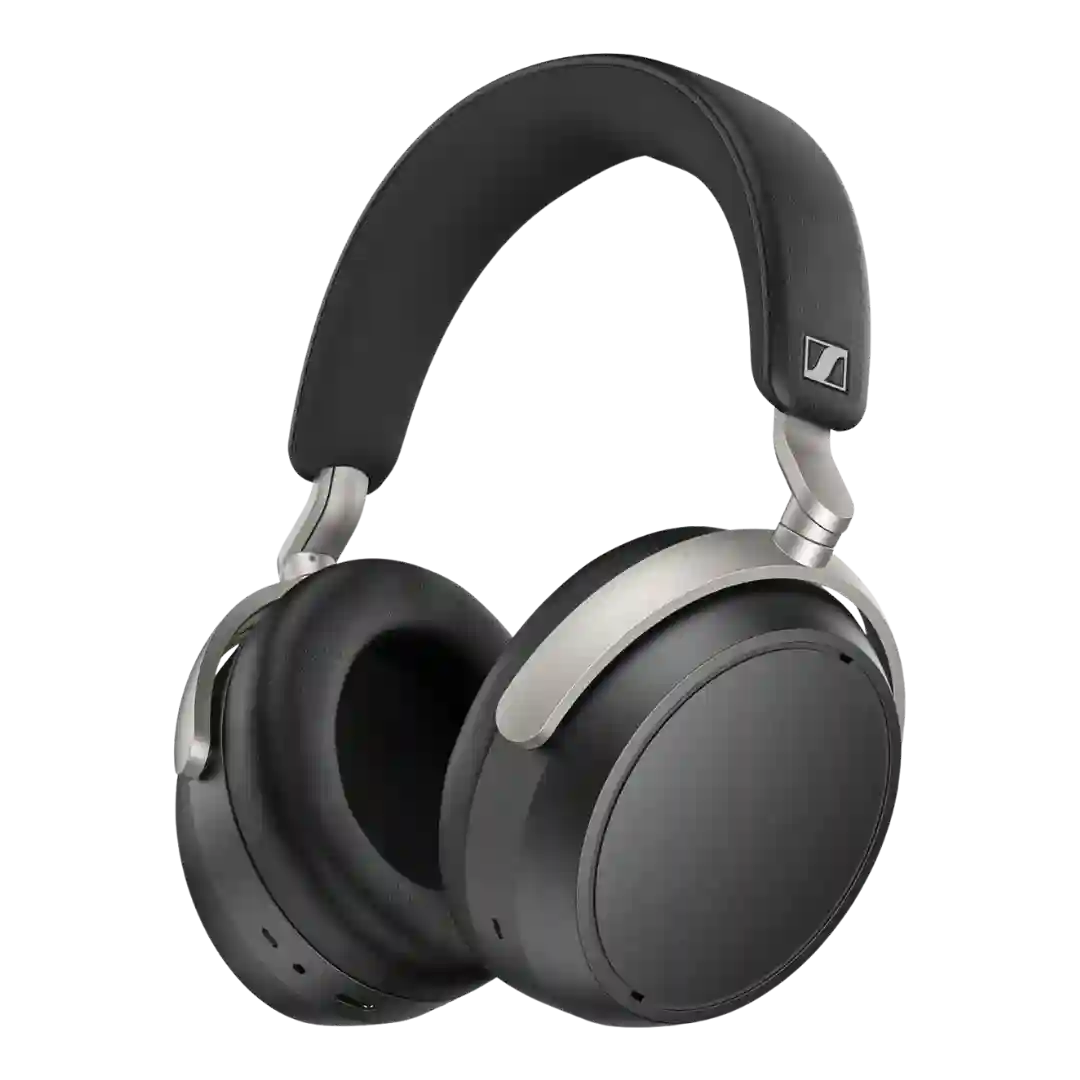
Momentum 4 supports the aptX family (including aptX, aptX HD, and aptX Adaptive), which reviewers link to better consistency and potentially lower latency on many Android devices than AAC. This makes it attractive for users who want high-quality Bluetooth without being locked into a single ecosystem.
#6
aptX support (including Adaptive and Lossless) is repeatedly called out as a standout advantage for high-quality Bluetooth audio. However, Snapdragon Sound requirements mean not all Android phones can use the best modes.
#7
Reviews consistently mention aptX Adaptive (and sometimes aptX Lossless), offering higher-quality streaming for compatible Android phones; iOS users will rely on AAC instead.
#8
Across reviews, aptX support is a major selling point: the PX7 S3 are repeatedly cited as supporting aptX Adaptive and aptX Lossless (alongside other codecs), positioning them as a strong option for compatible Android/Snapdragon Sound devices. Multiple sources frame aptX Lossless as a forward-looking feature even if compatible phones are still relatively limited. Overall, codec support is considered modern, premium, and a key differentiator versus some rivals.
#9
Supports aptX Adaptive and aptX Lossless for higher bitrate and lossless-capable Bluetooth on compatible devices, helping deliver cleaner wireless sound than basic SBC-only connections.
#10
aptX support (including lossless via Snapdragon Sound) is repeatedly highlighted as a major differentiator for certain Android users, but multiple reviewers warn it is not universally available in practice because it depends on handset support and can default to AAC on some mainstream phones even when you expect aptX to work.
#11
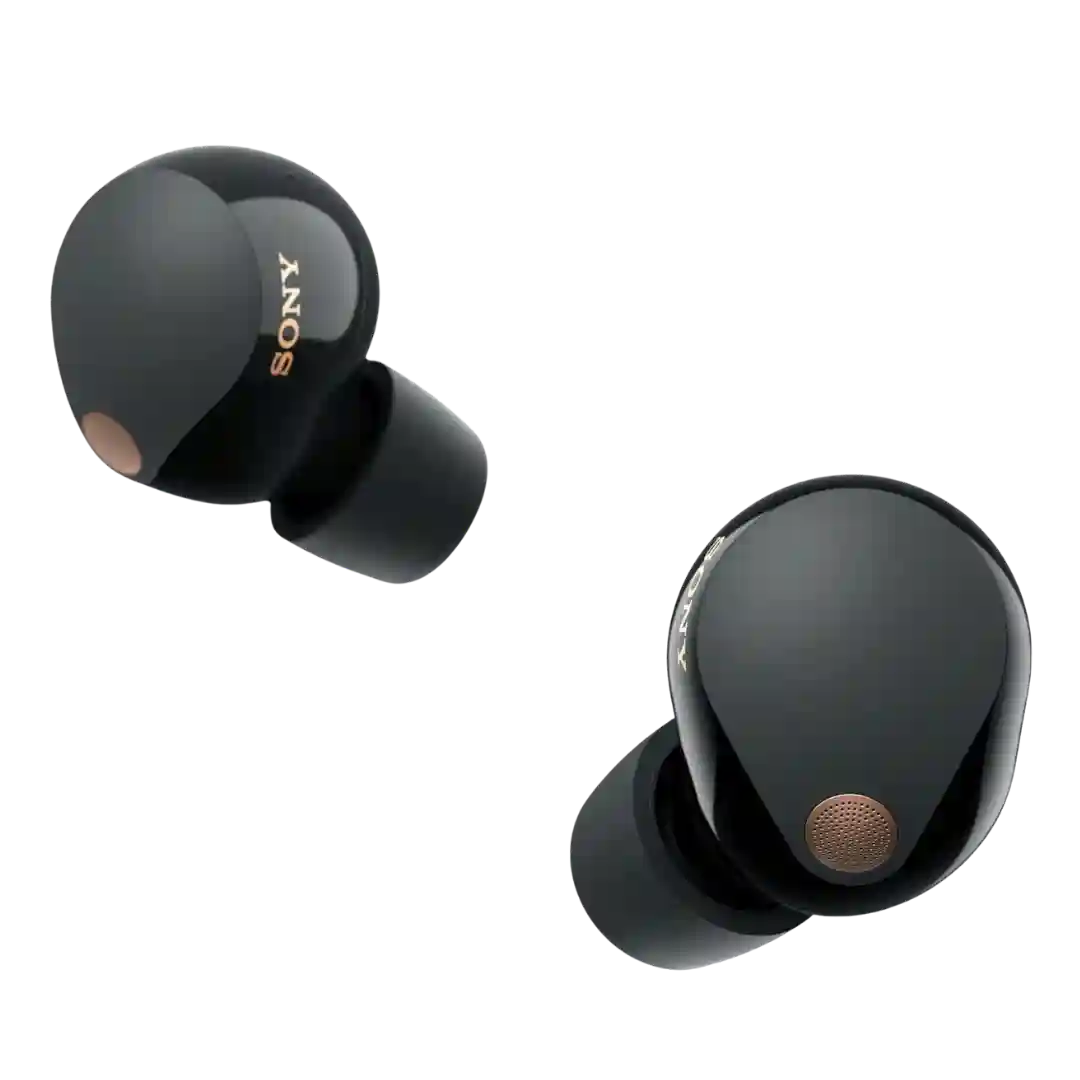
No aptX HD support is noted, so high-quality Bluetooth largely centers on Sony’s LDAC instead; this can be a drawback for users invested in Qualcomm aptX ecosystems.
#12
aptX support is not included according to reviews, which may matter to users invested in Qualcomm codec ecosystems; LDAC and LC3 cover most hi-res and LE Audio needs instead.
#13
Bluetooth is limited to SBC and AAC with no aptX options, which is a drawback for Android users seeking higher quality wireless audio.
#14
Unlike some rivals, the XM5 drops aptX entirely and instead relies on SBC, AAC and LDAC, so listeners who value Qualcomm codecs may prefer other models.
#15
The Studio Pro do not support aptX, limiting Android users to AAC or SBC over Bluetooth for codec choices.
#16
aptX codec support is not offered; the earbuds prioritize Apple’s AAC-based pipeline instead, limiting Android-oriented high-quality codec options.
#17
No aptX support is repeatedly cited as a limitation, especially for Android users seeking higher quality or lower latency options.
#18
No aptX family support, so compatible Android devices cannot use aptX, aptX HD or aptX Adaptive with AirPods Max.
#19
No aptX/aptX Adaptive support is offered, which disappointed reviewers who want broadly compatible hi‑res Bluetooth on Android. The buds lean on Samsung’s proprietary codec options instead.
#20
aptX is not supported, which may matter to users who prioritize that codec for Android/Windows devices.
#21
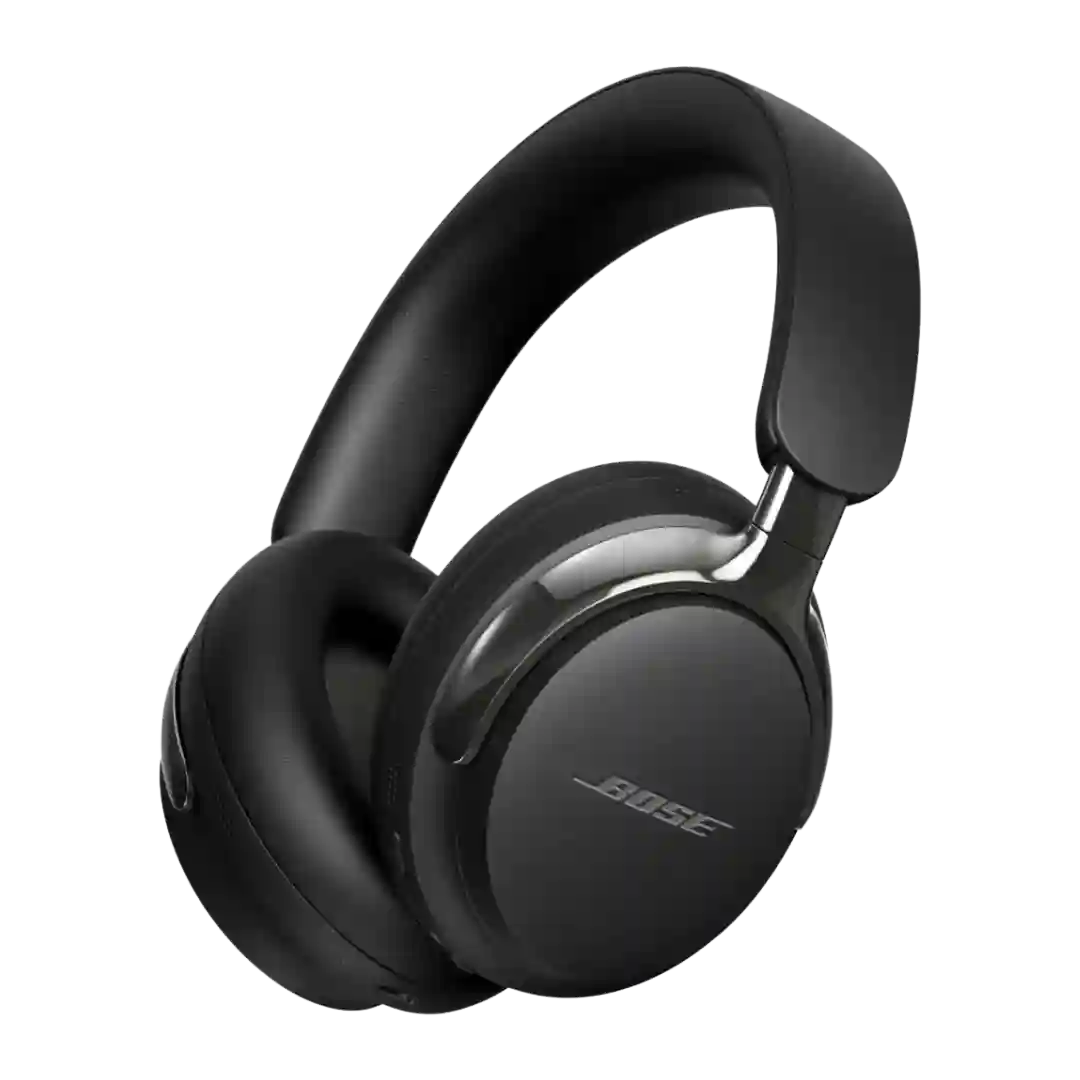
The QuietComfort Headphones do not support aptX-family codecs (including aptX Adaptive), instead sticking to AAC/SBC for Bluetooth audio. This is a common criticism versus competing premium models that offer higher-quality Android-focused codec options.
#22
aptX is not supported, so compatible Android phones must use LDAC, AAC, or SBC instead.
#23
No aptX support, so Android users who prefer aptX will need to use AAC/SBC or LDAC where available.
#24
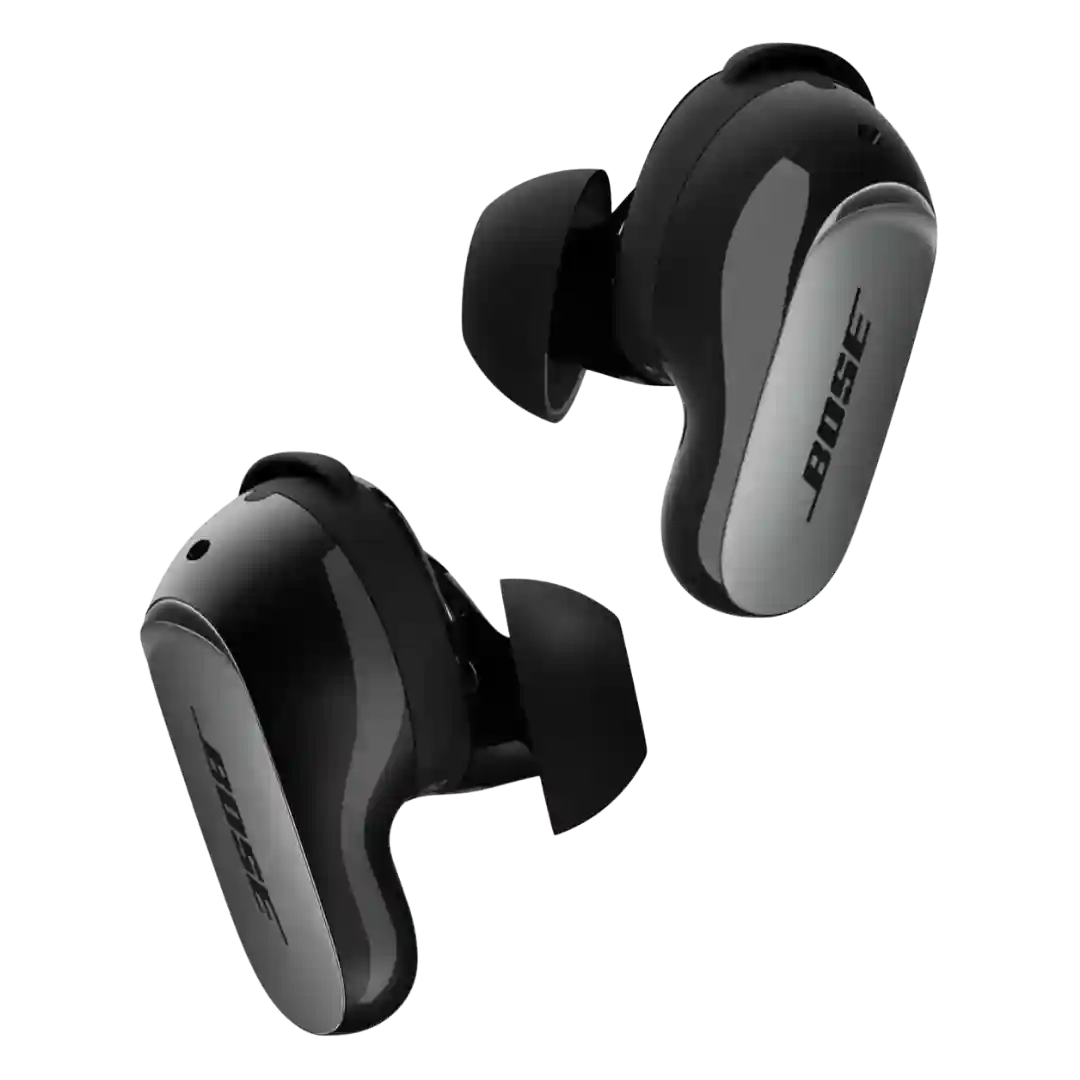
aptX and aptX Adaptive are not supported, which limits Bluetooth fidelity and latency compared with headsets that include modern codecs.