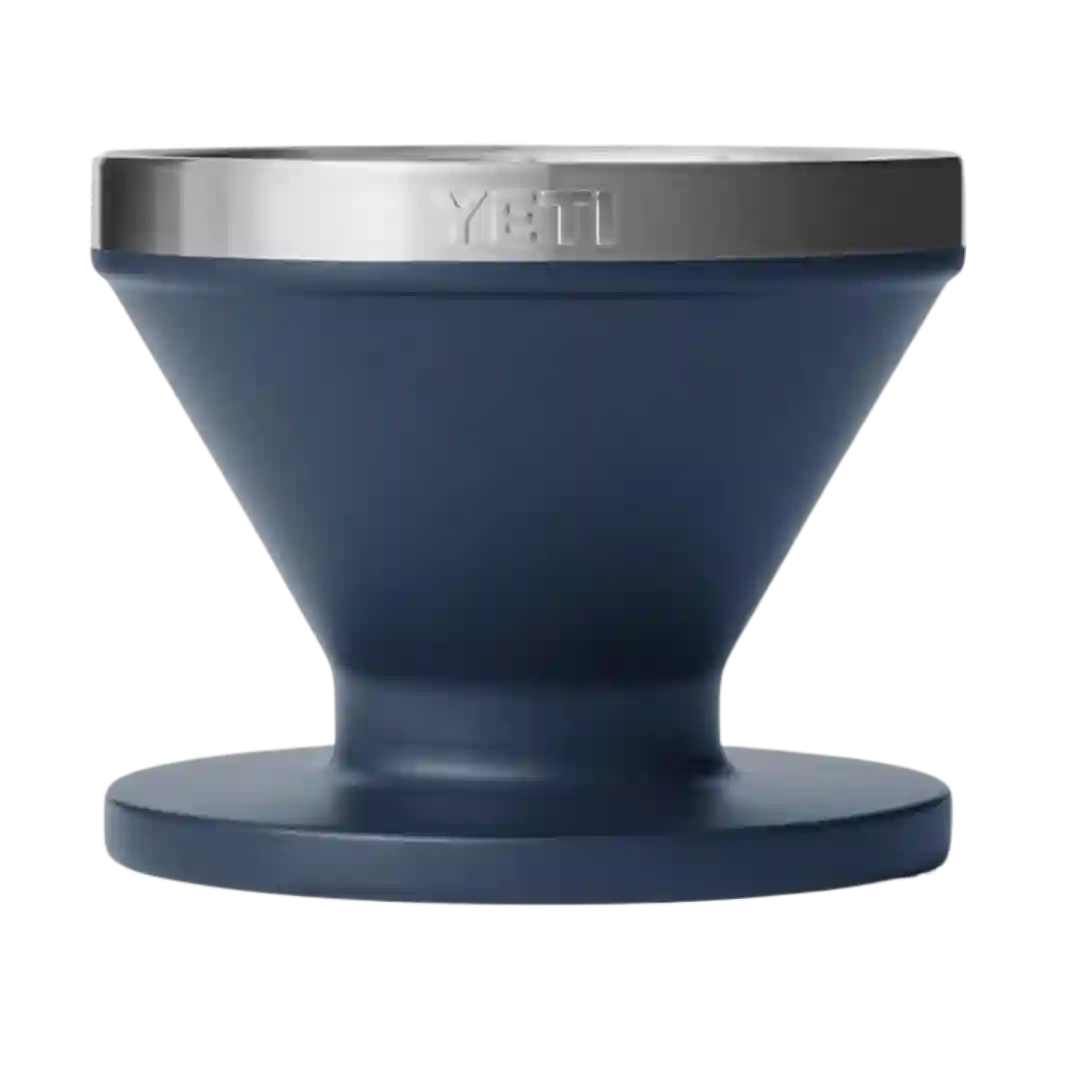
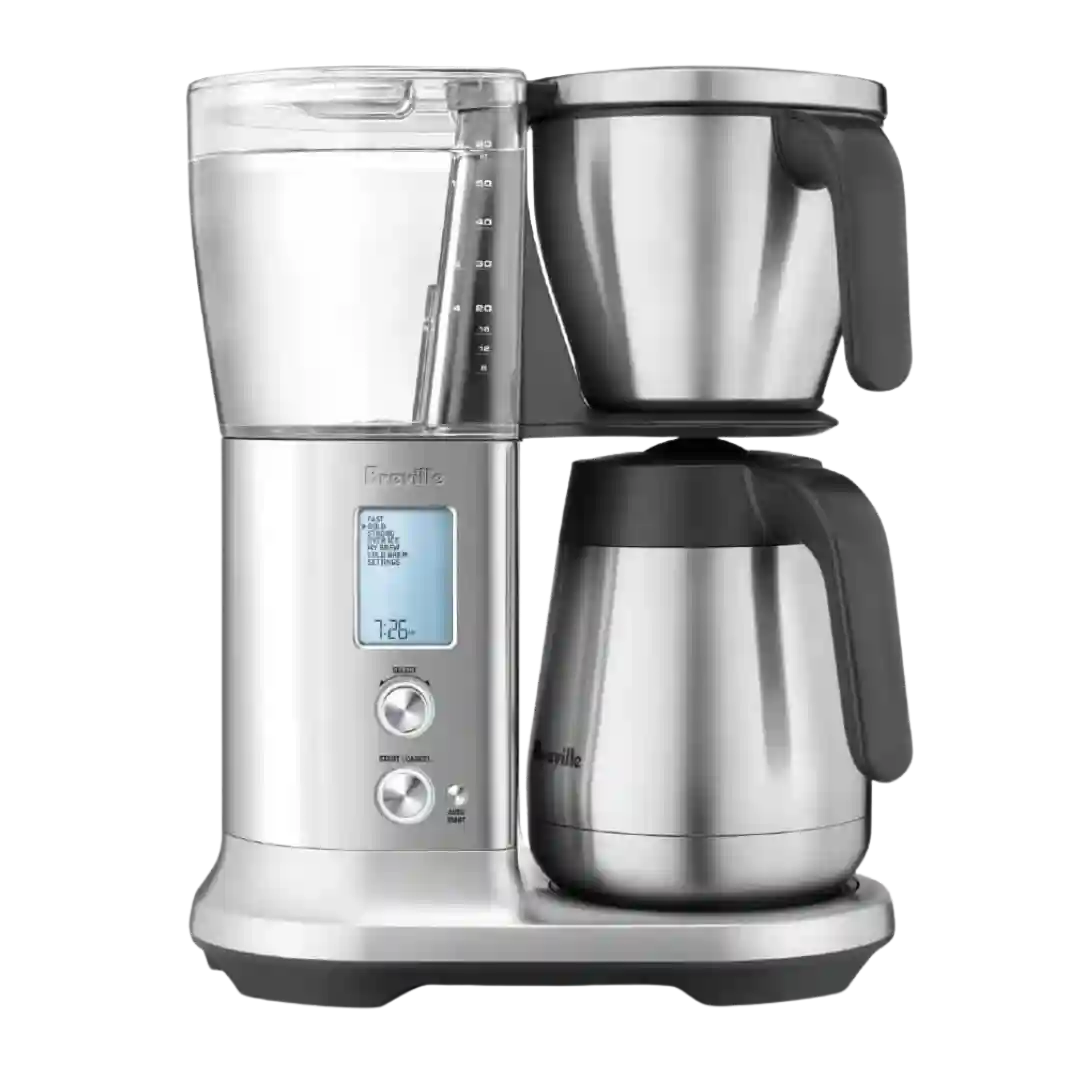
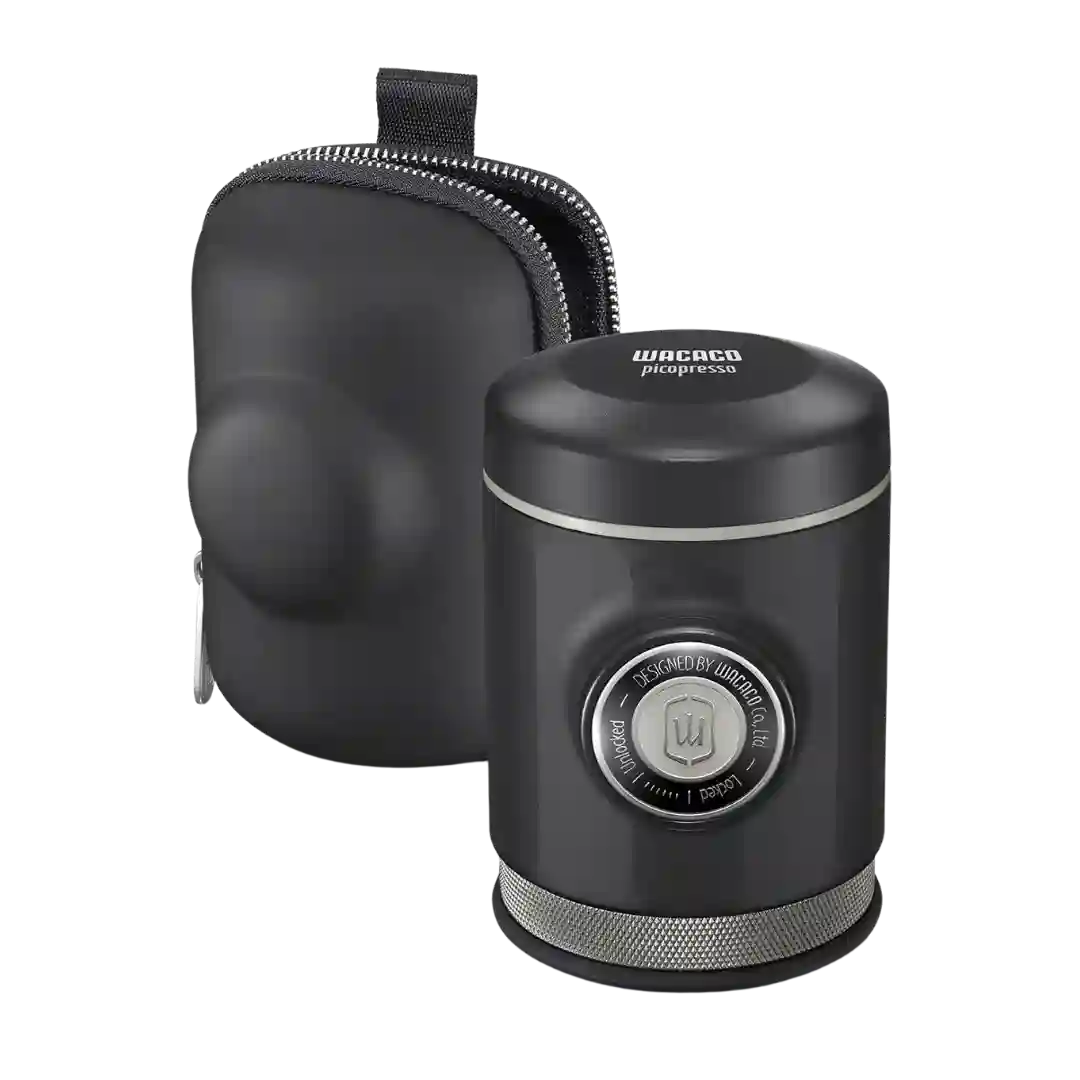
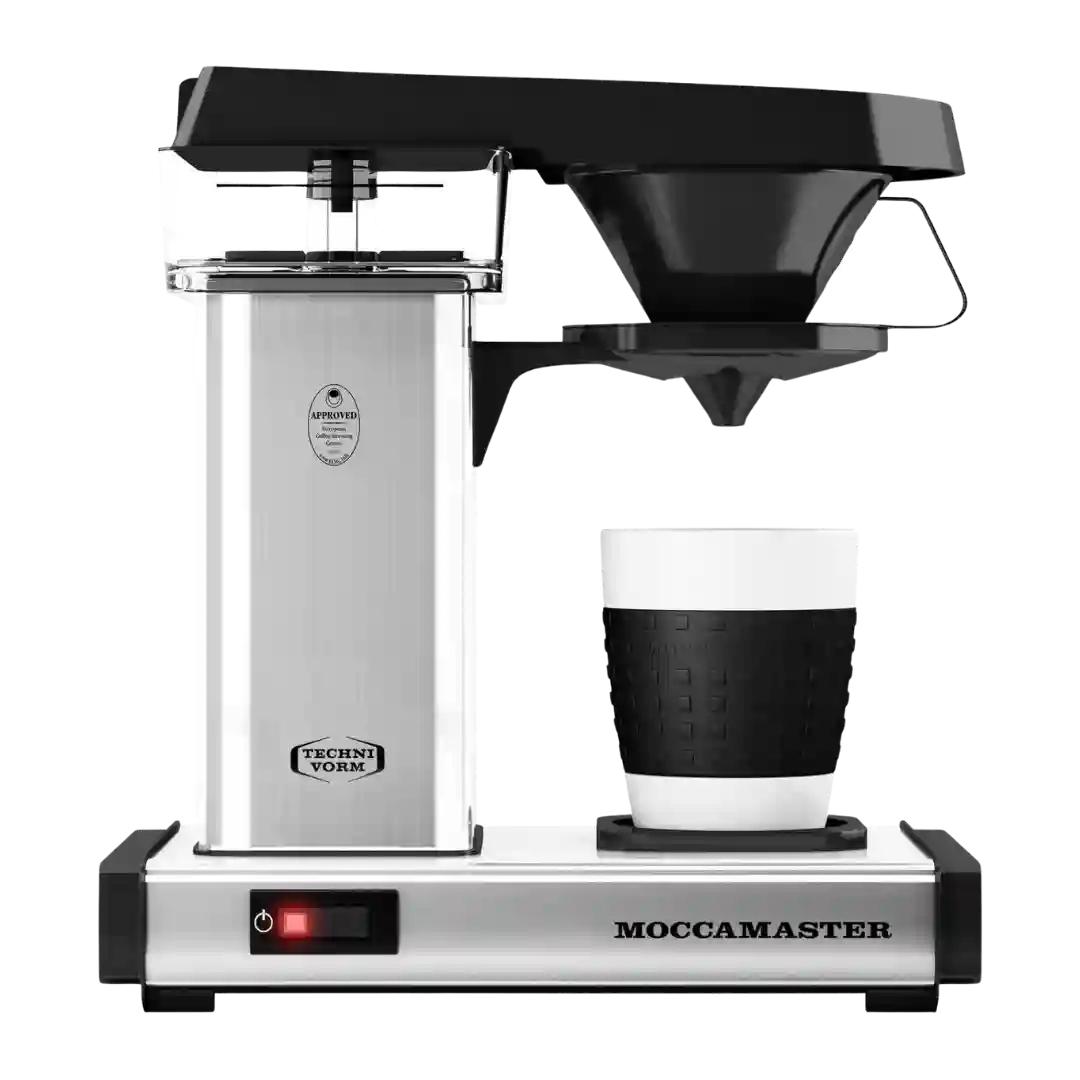
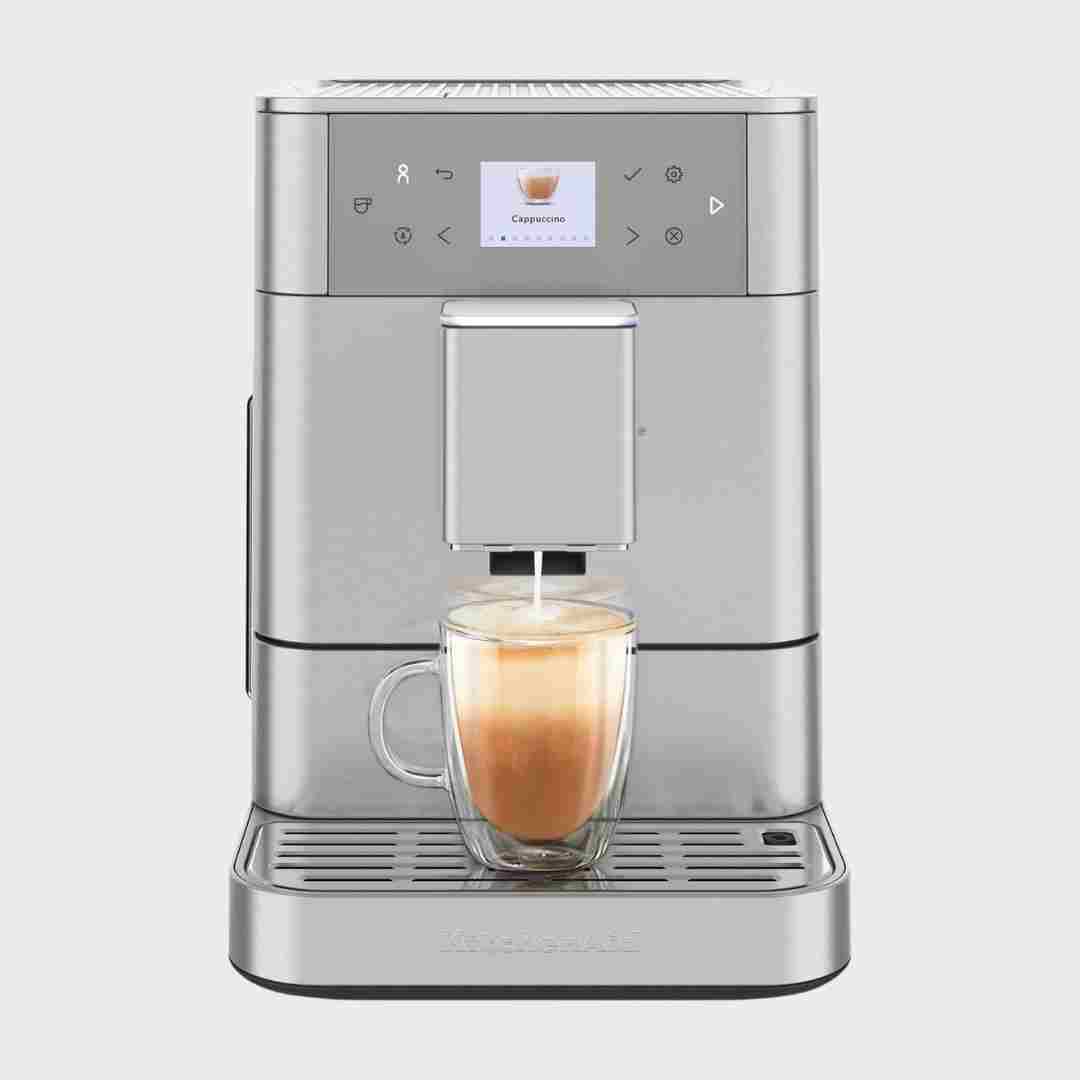
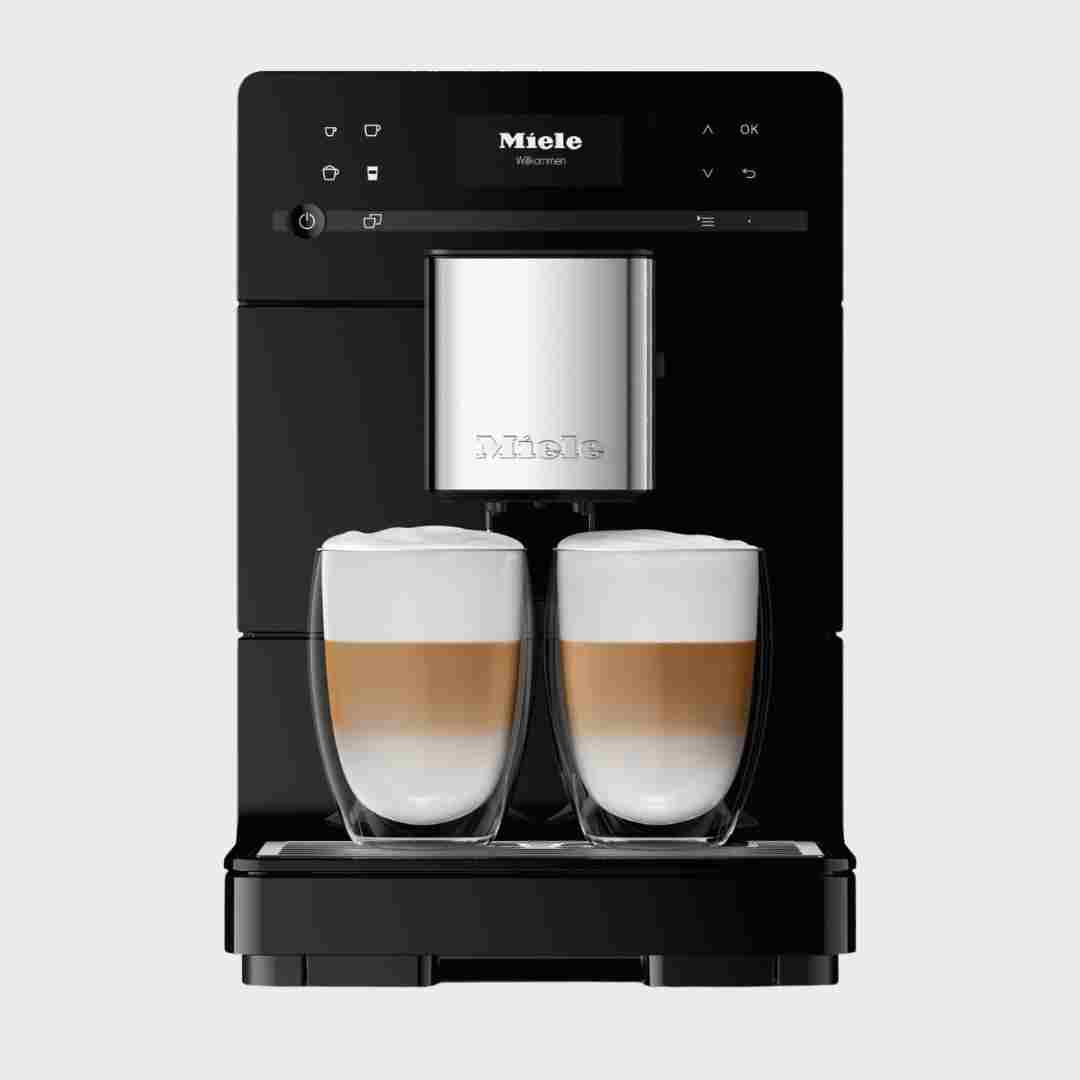
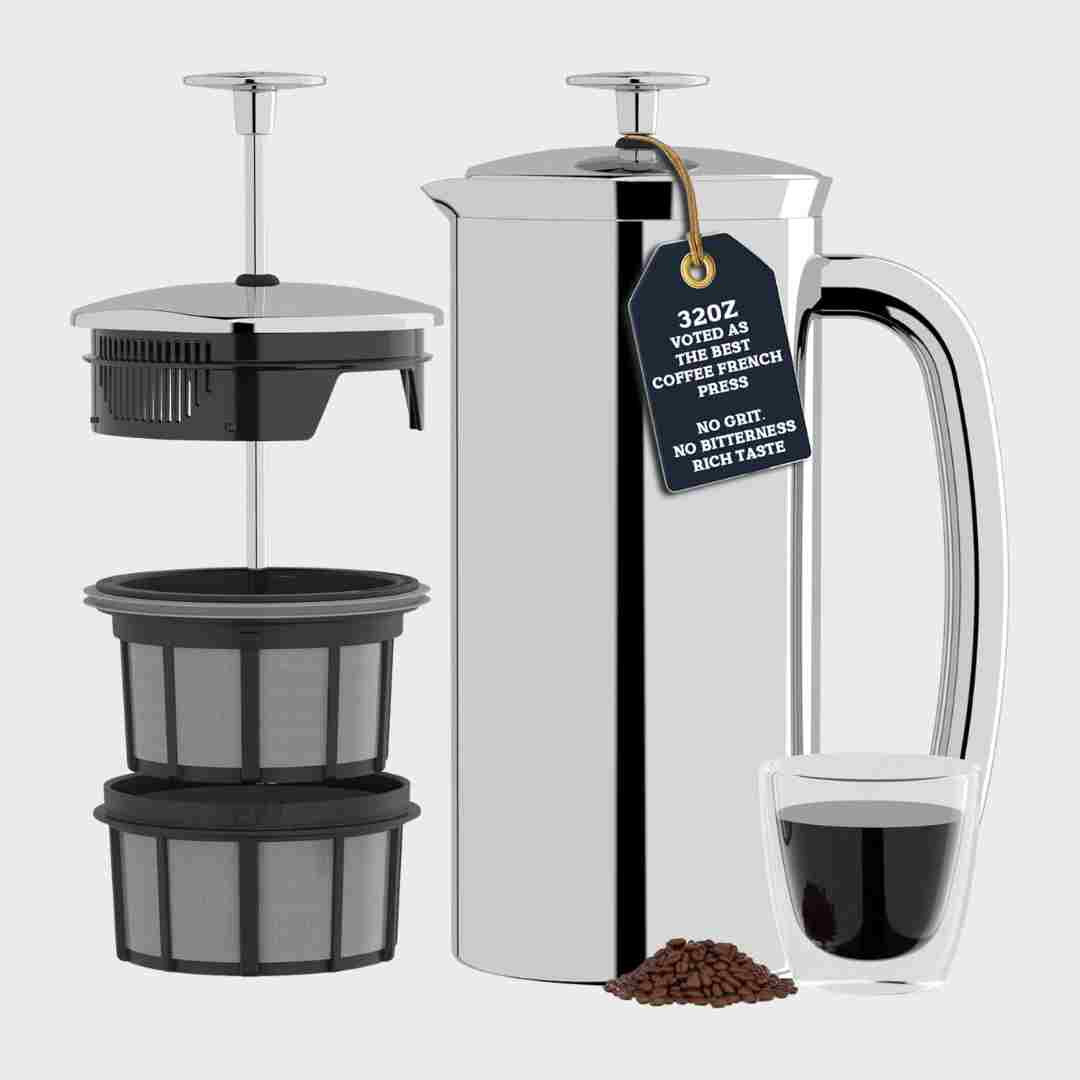
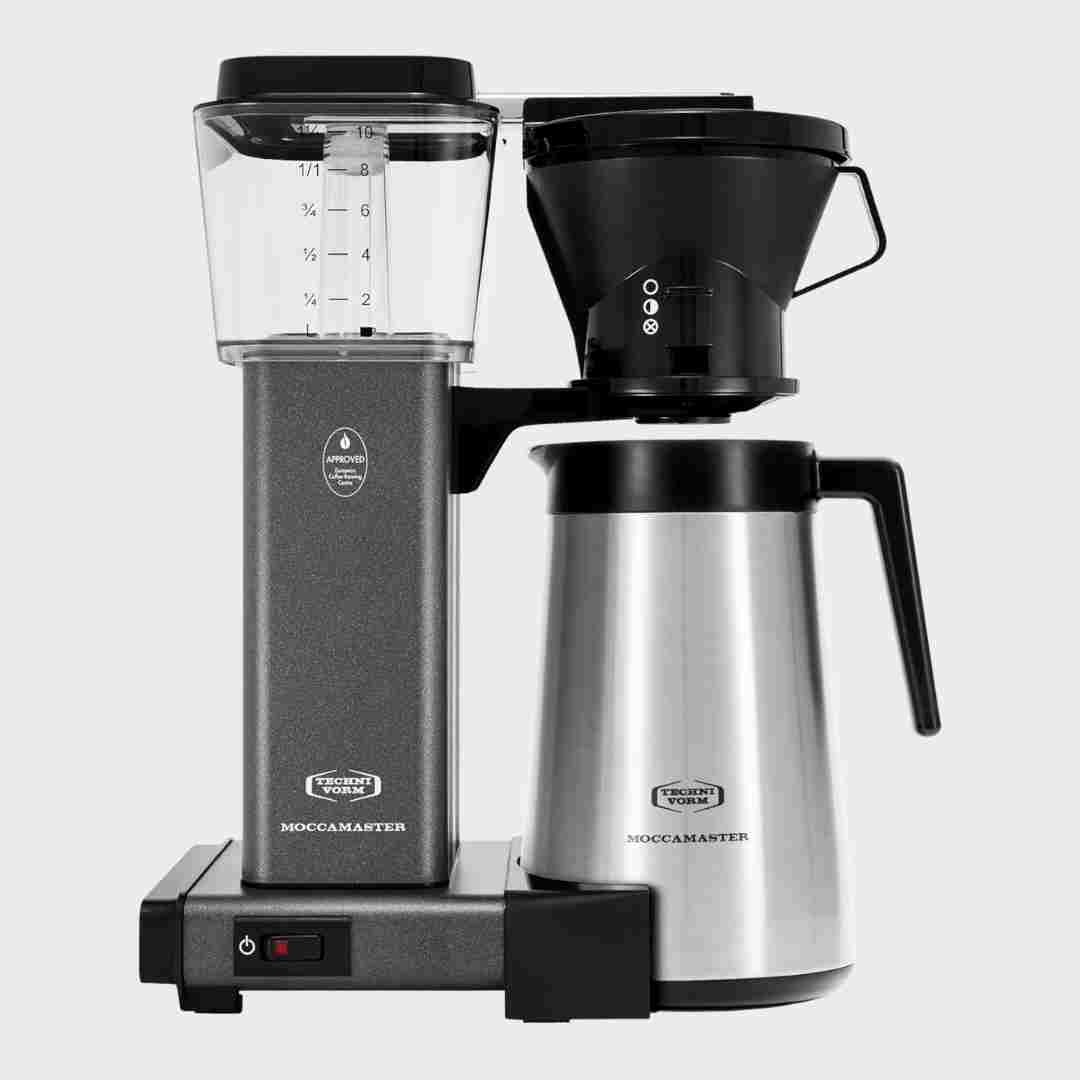
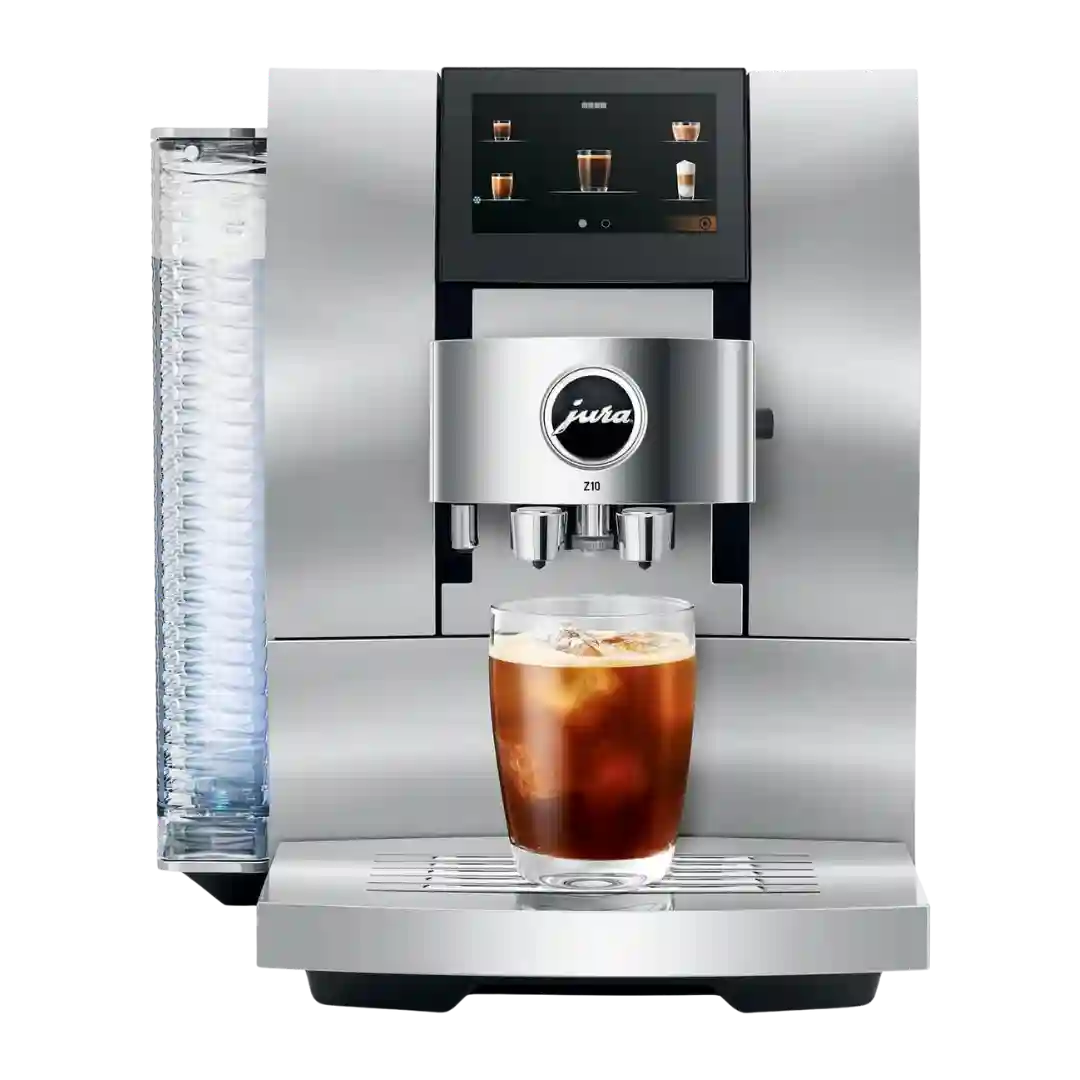
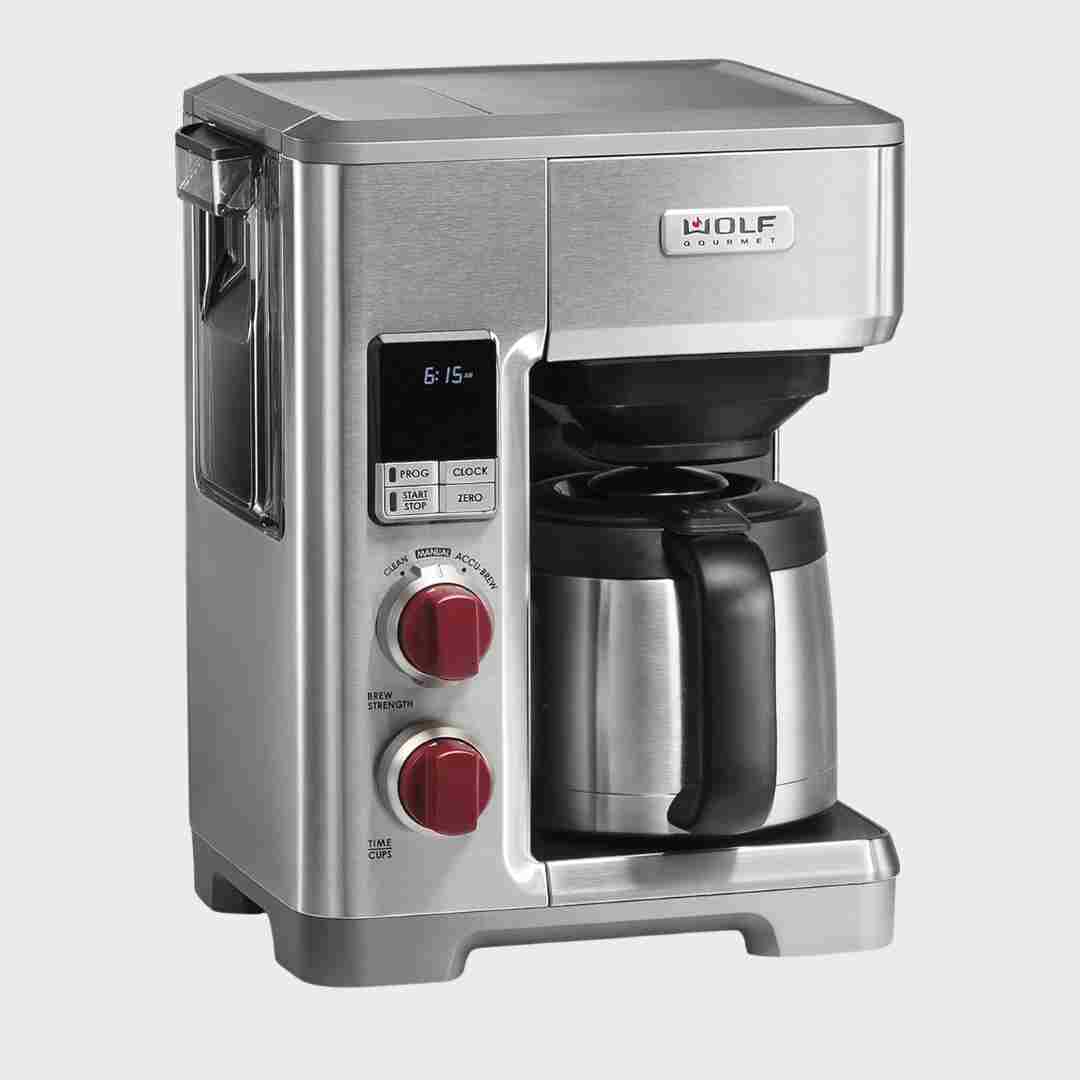
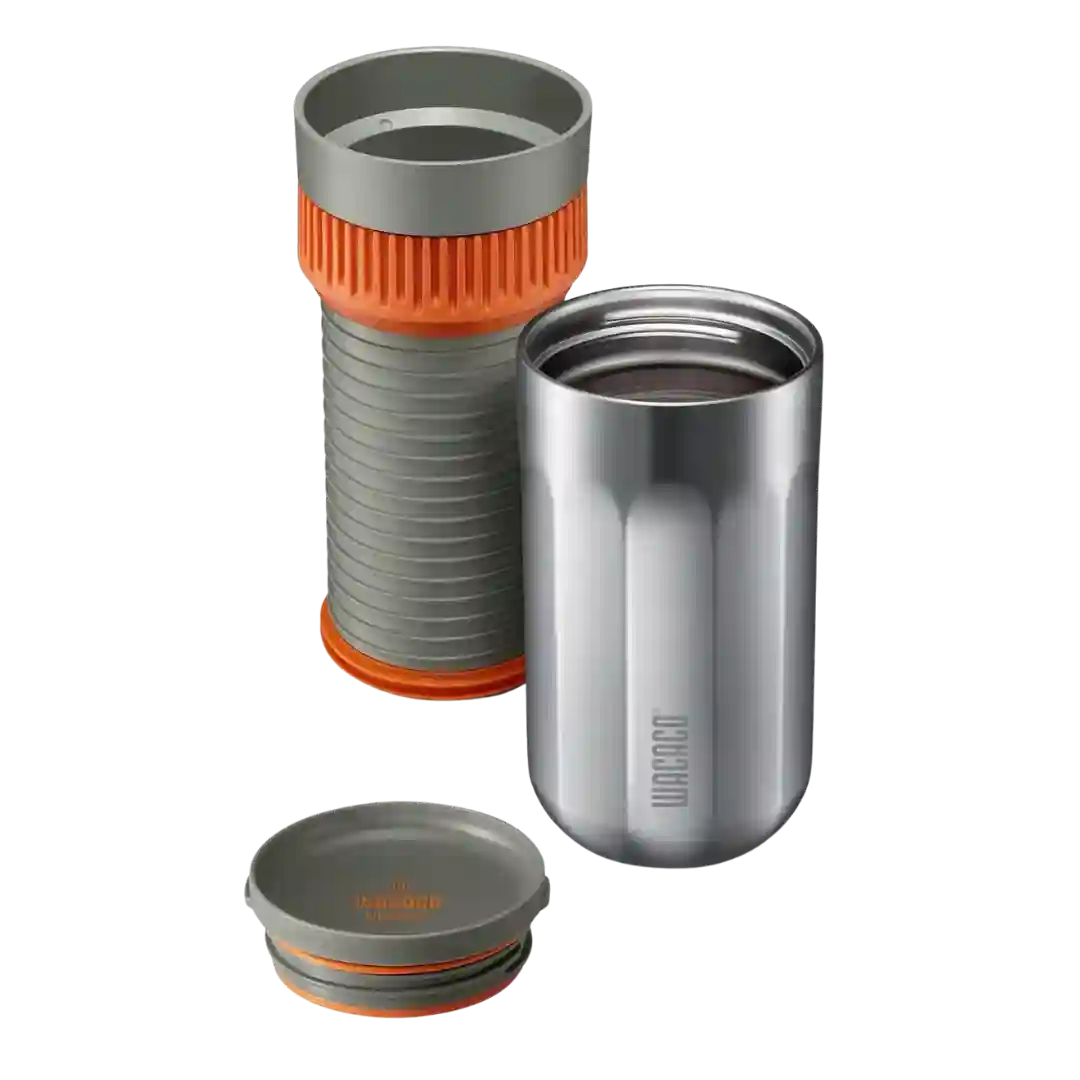
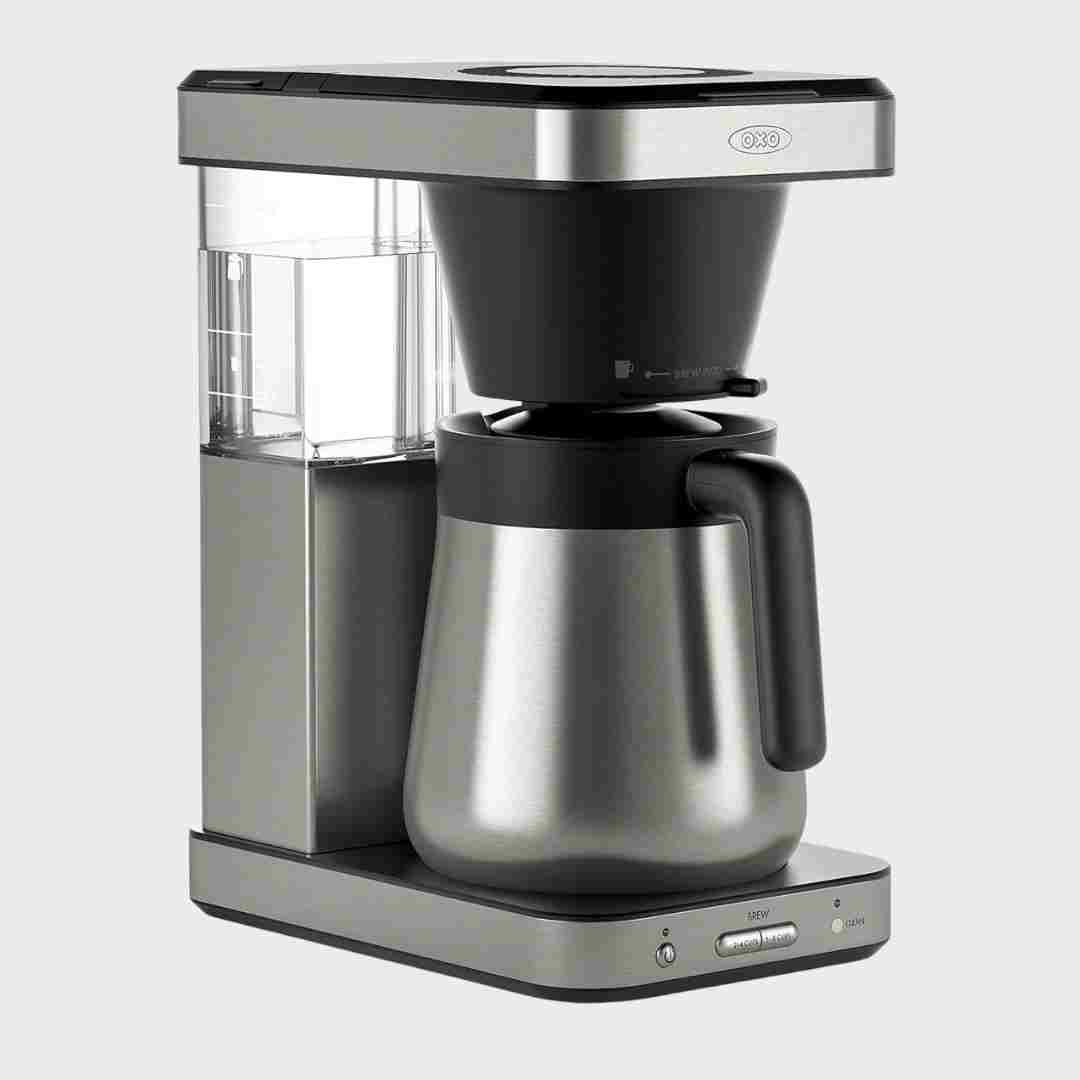
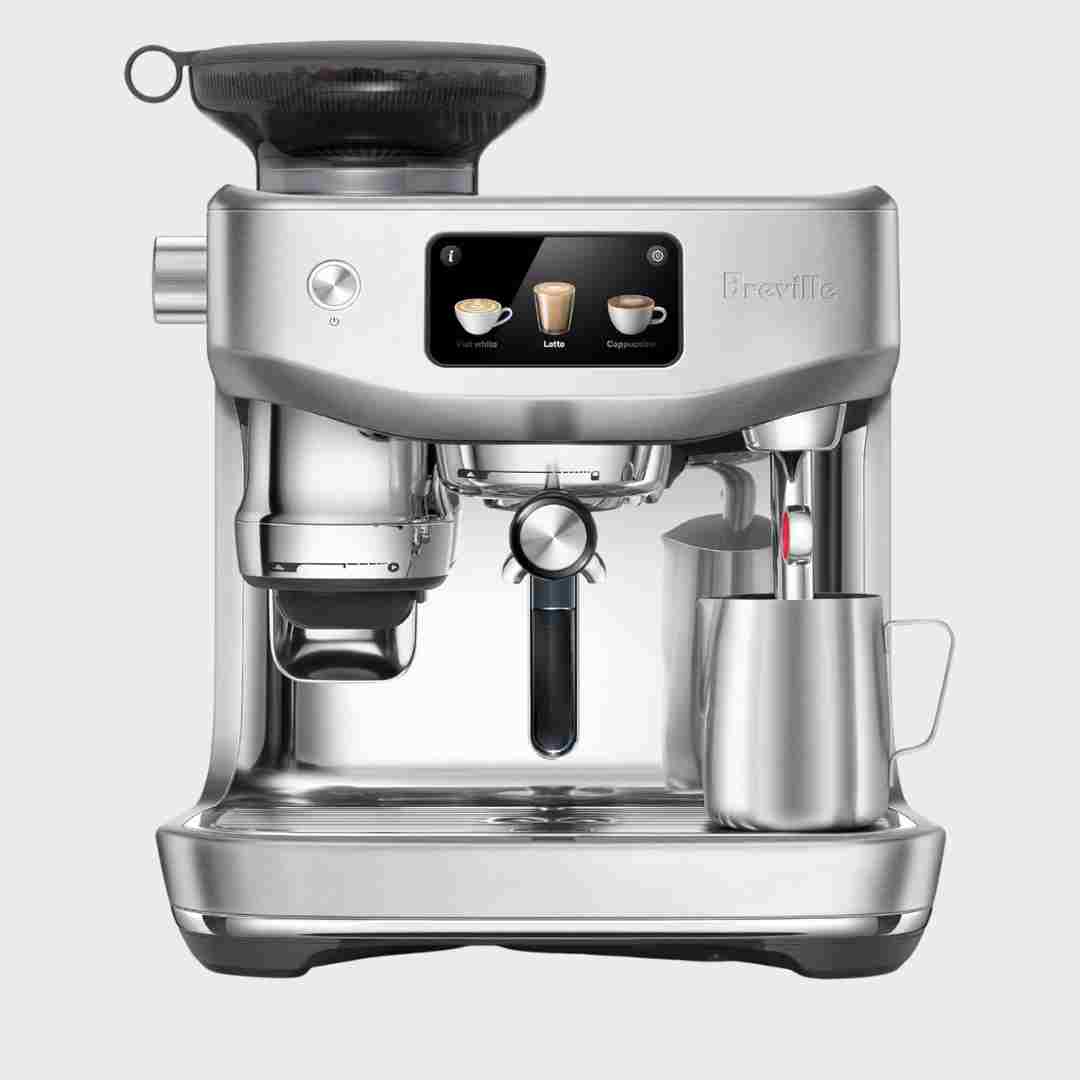
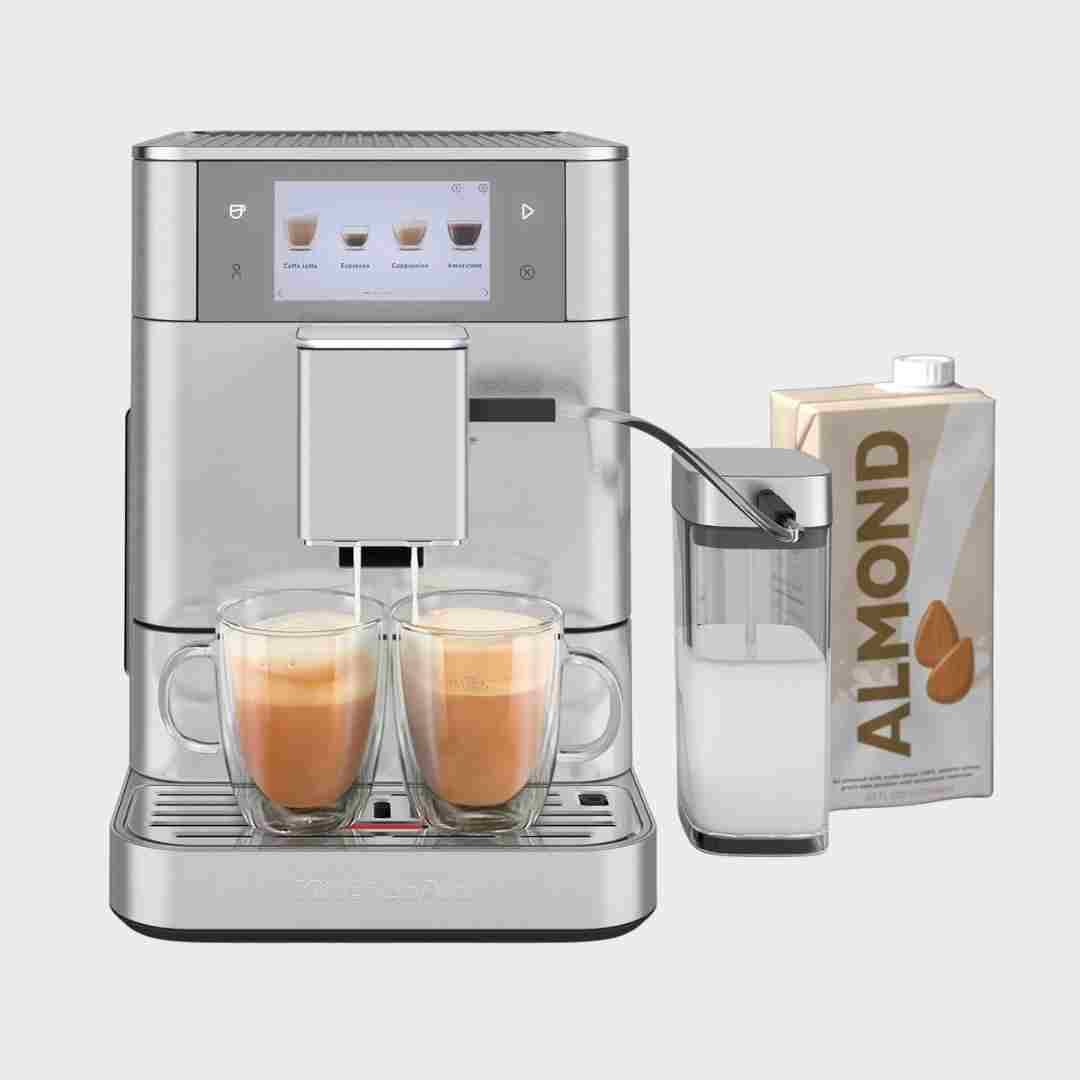
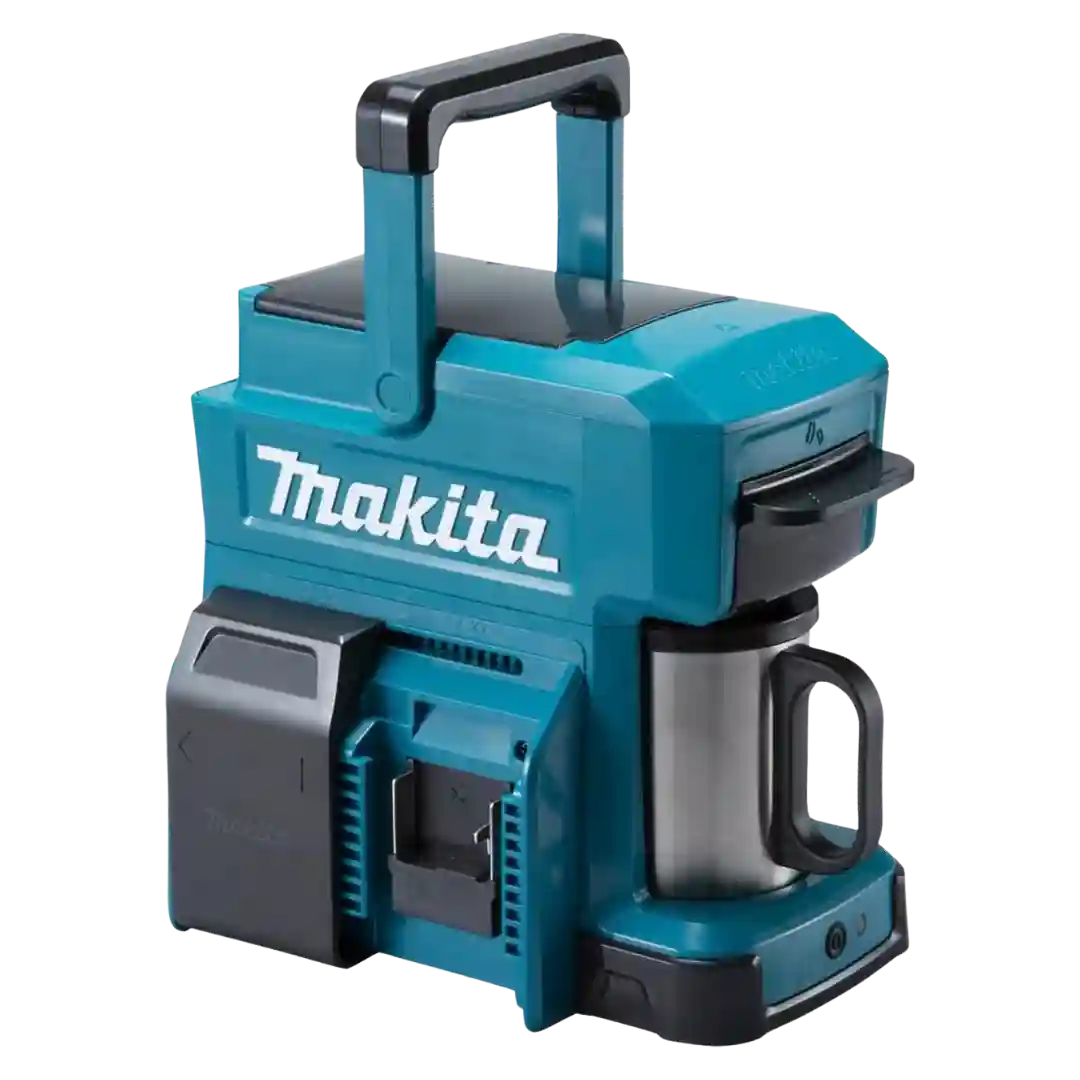
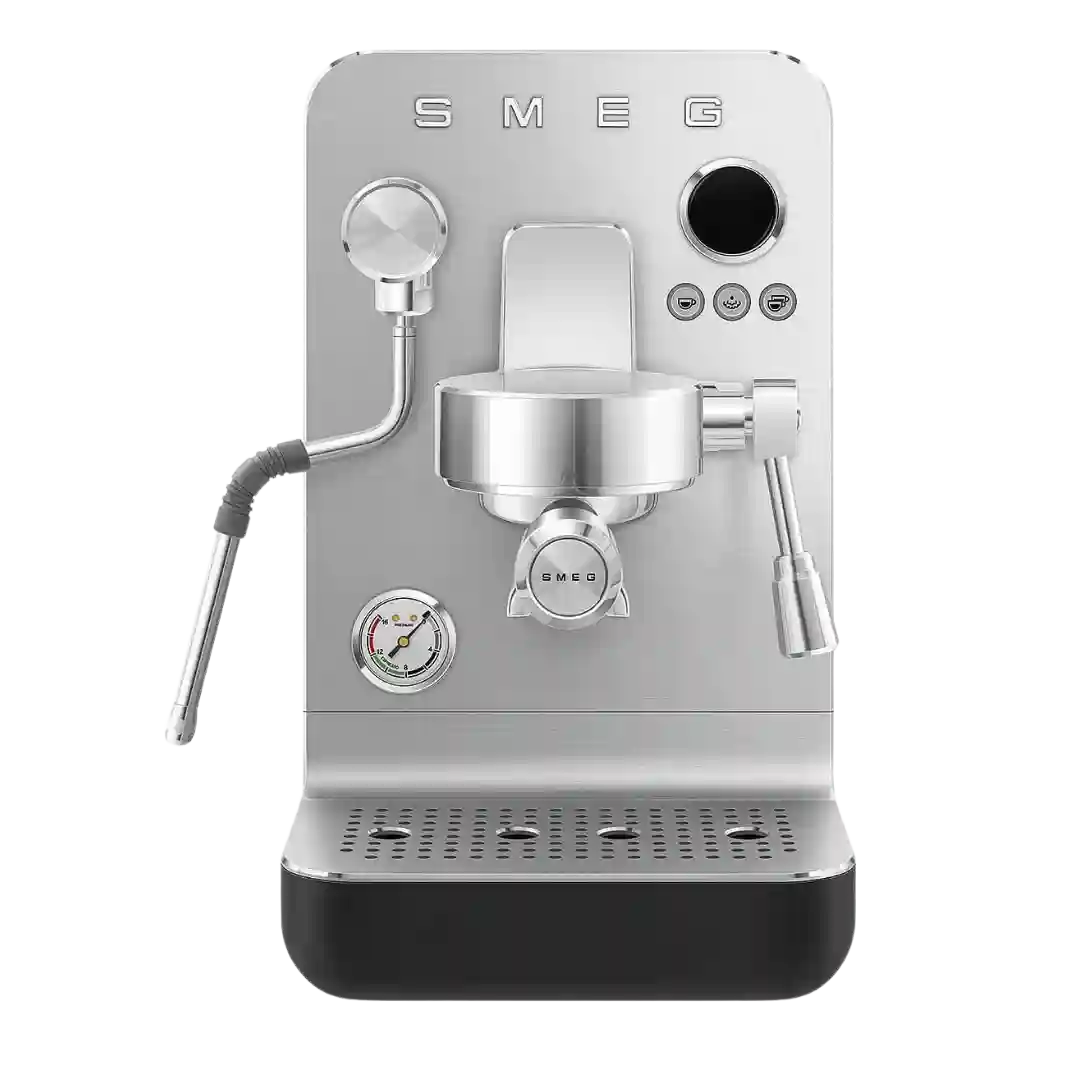
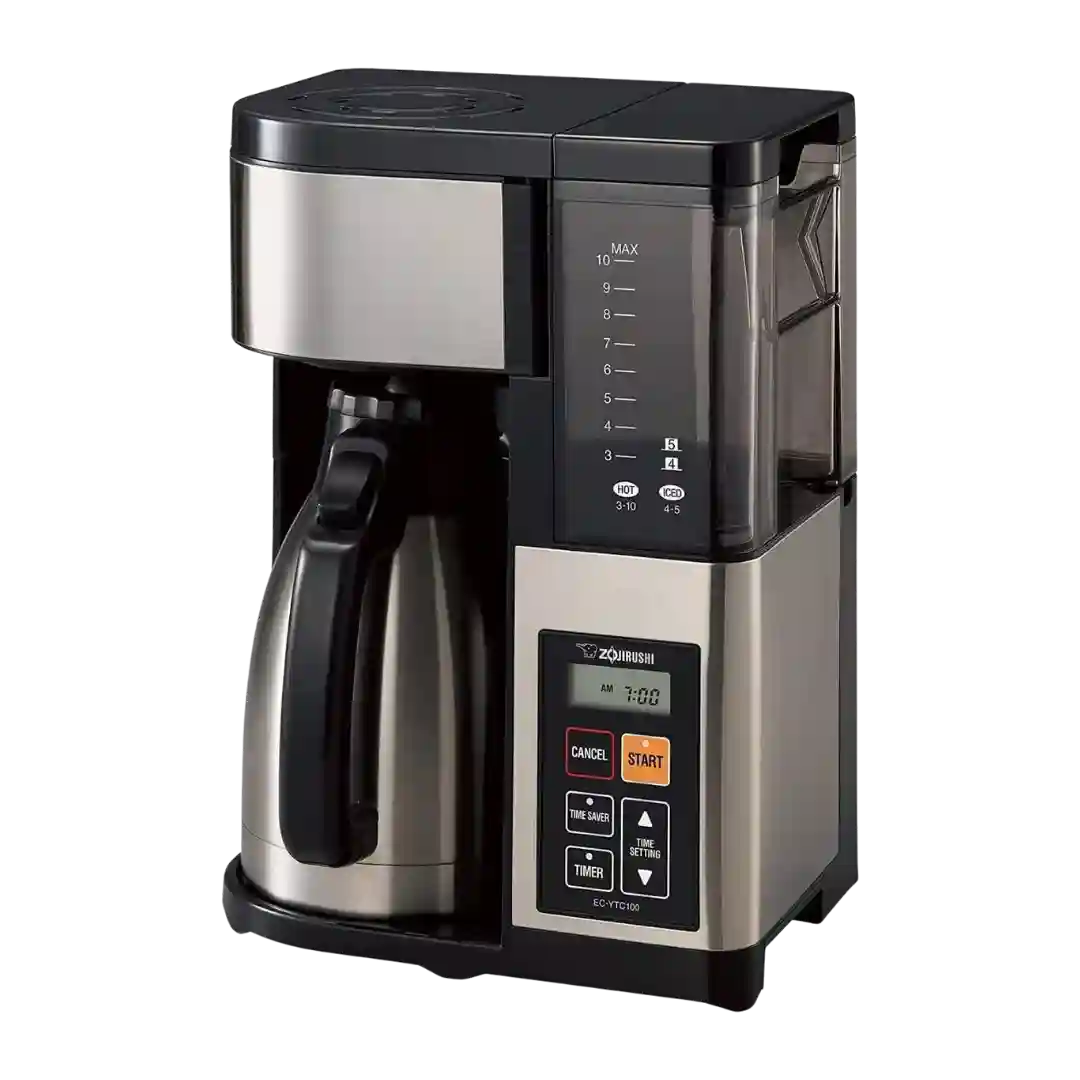
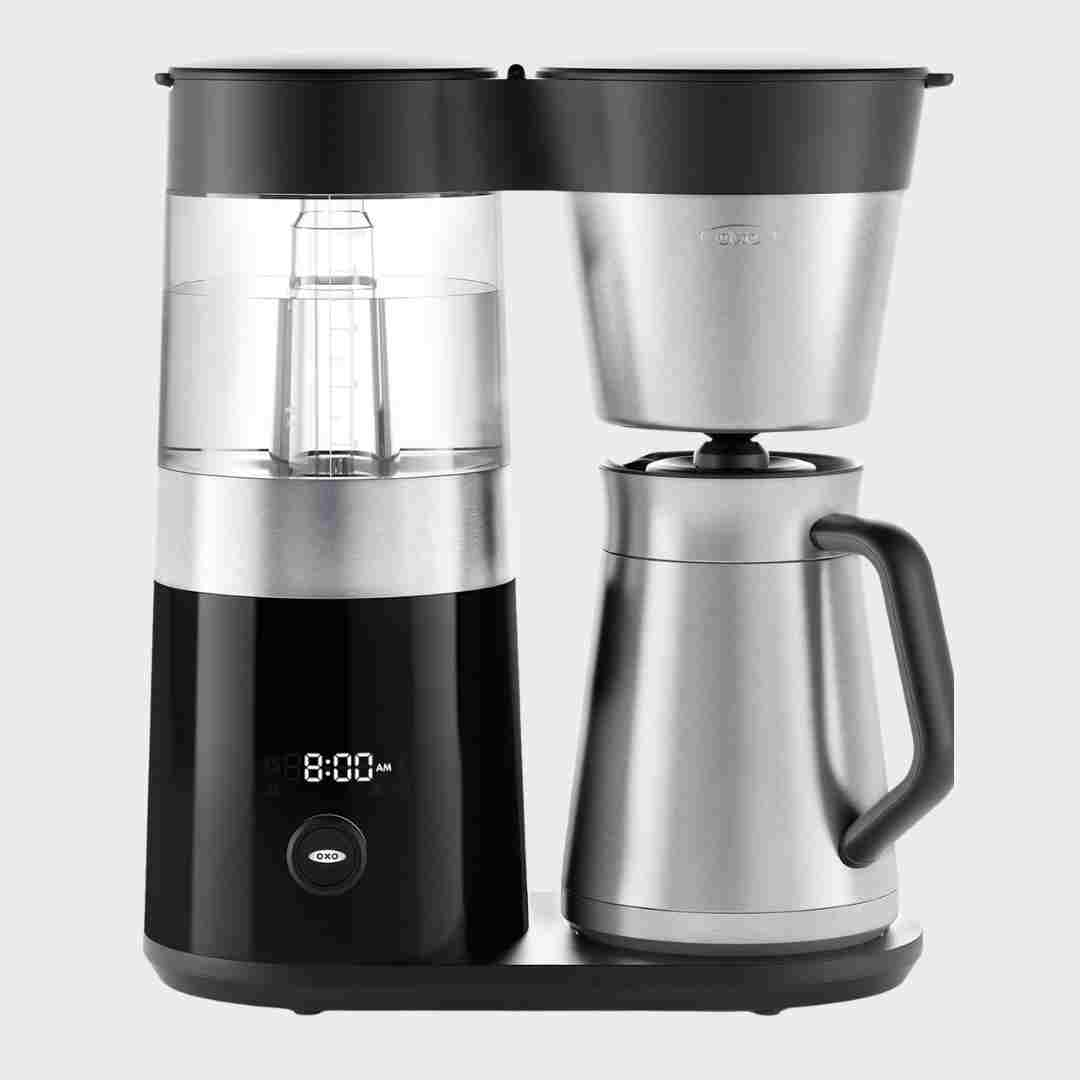
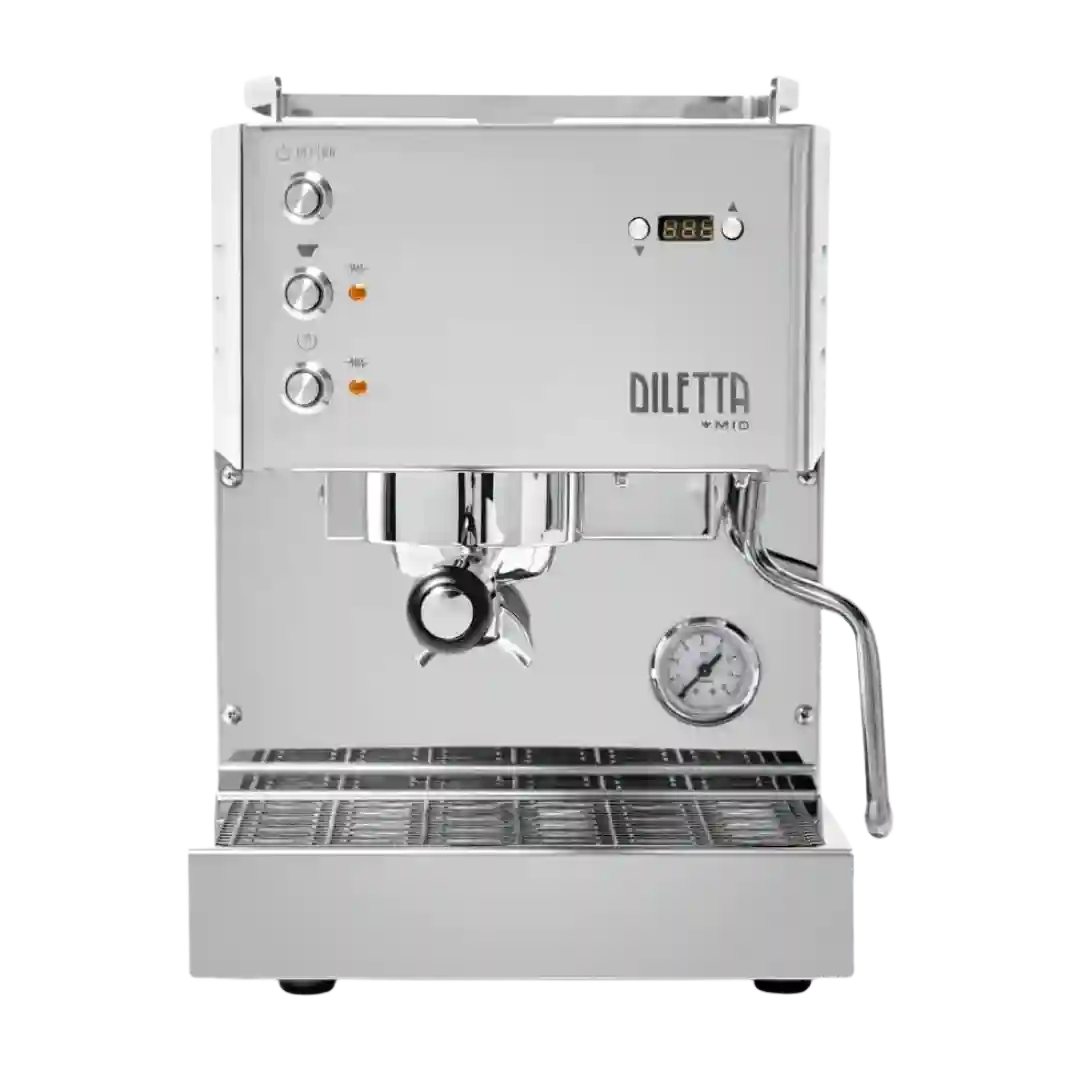
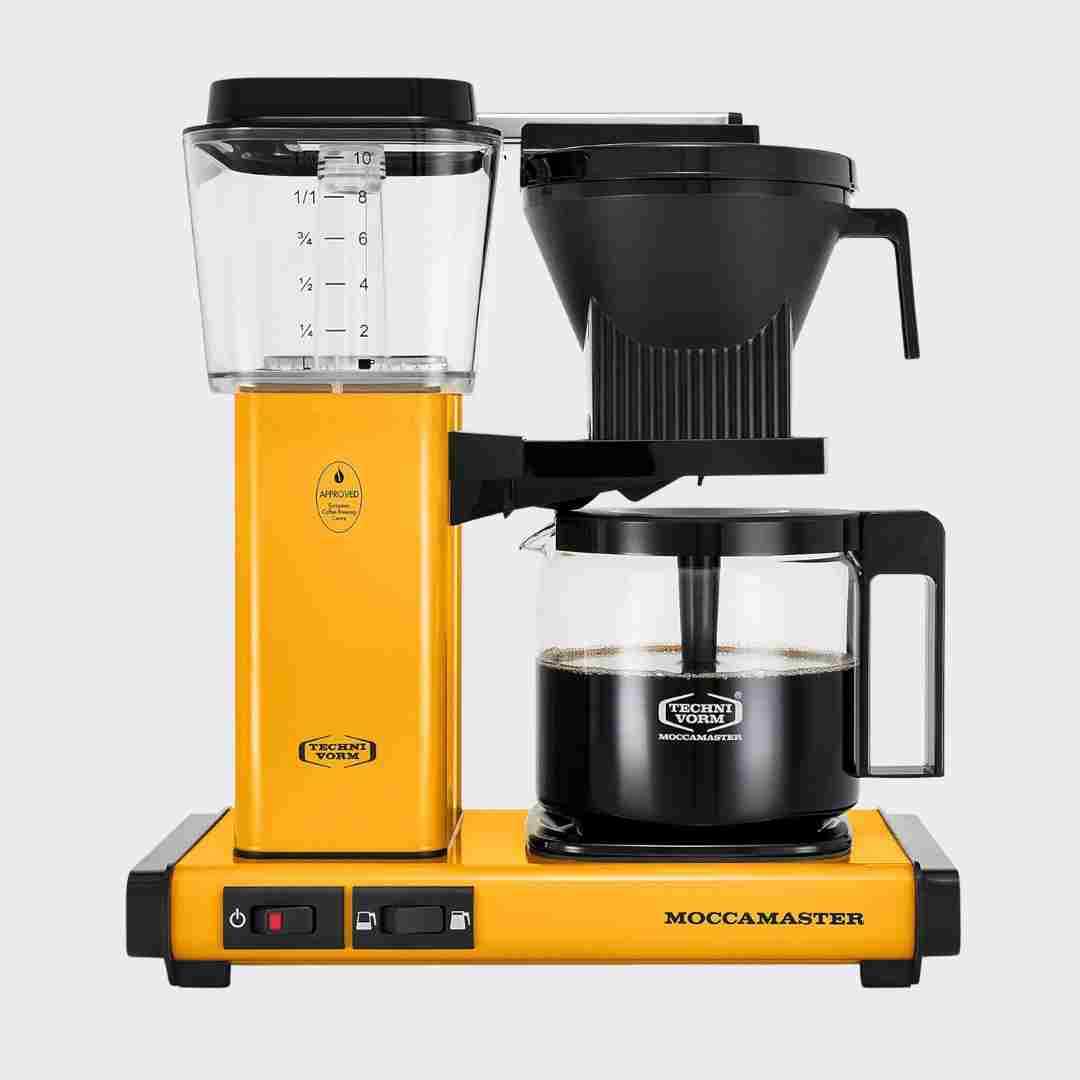
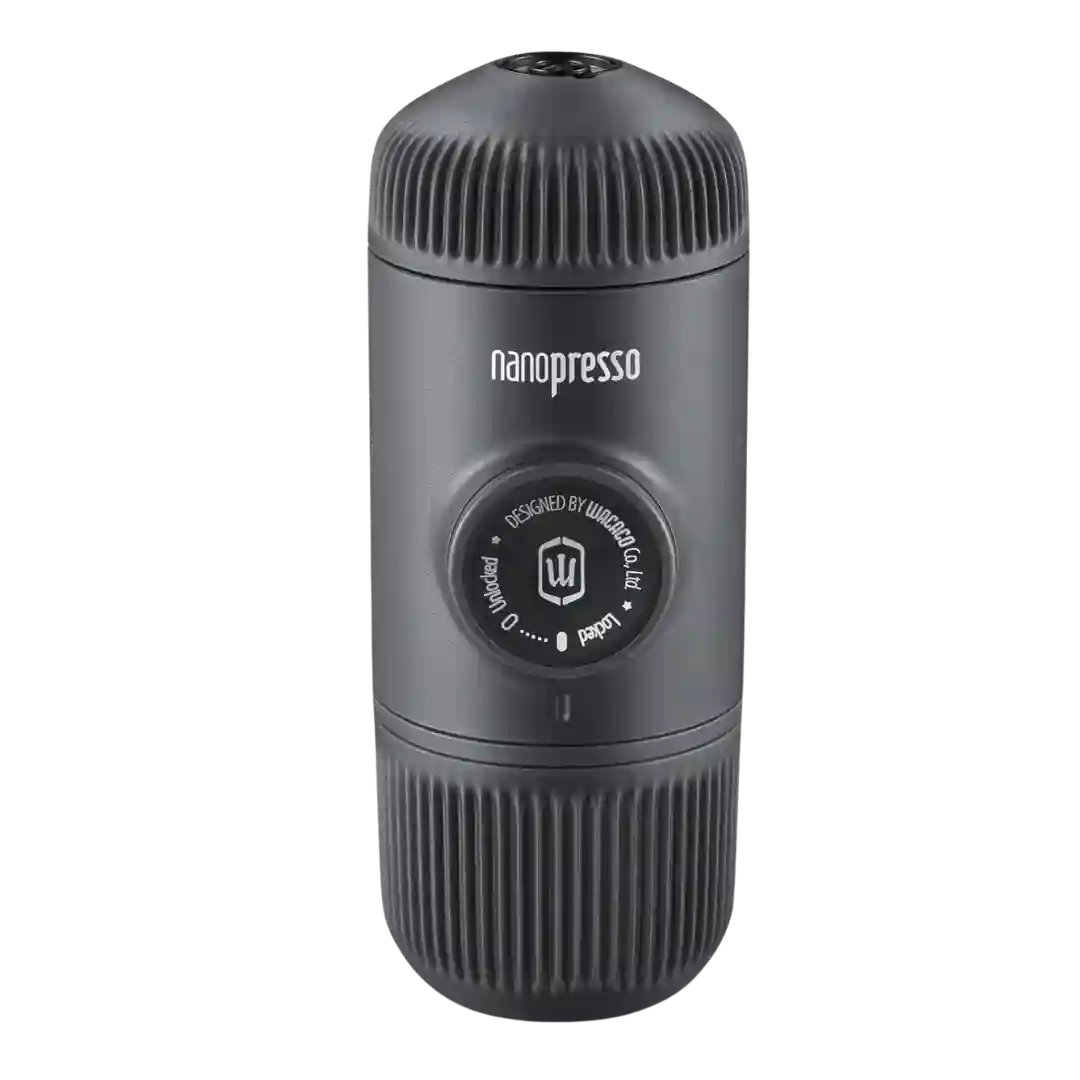
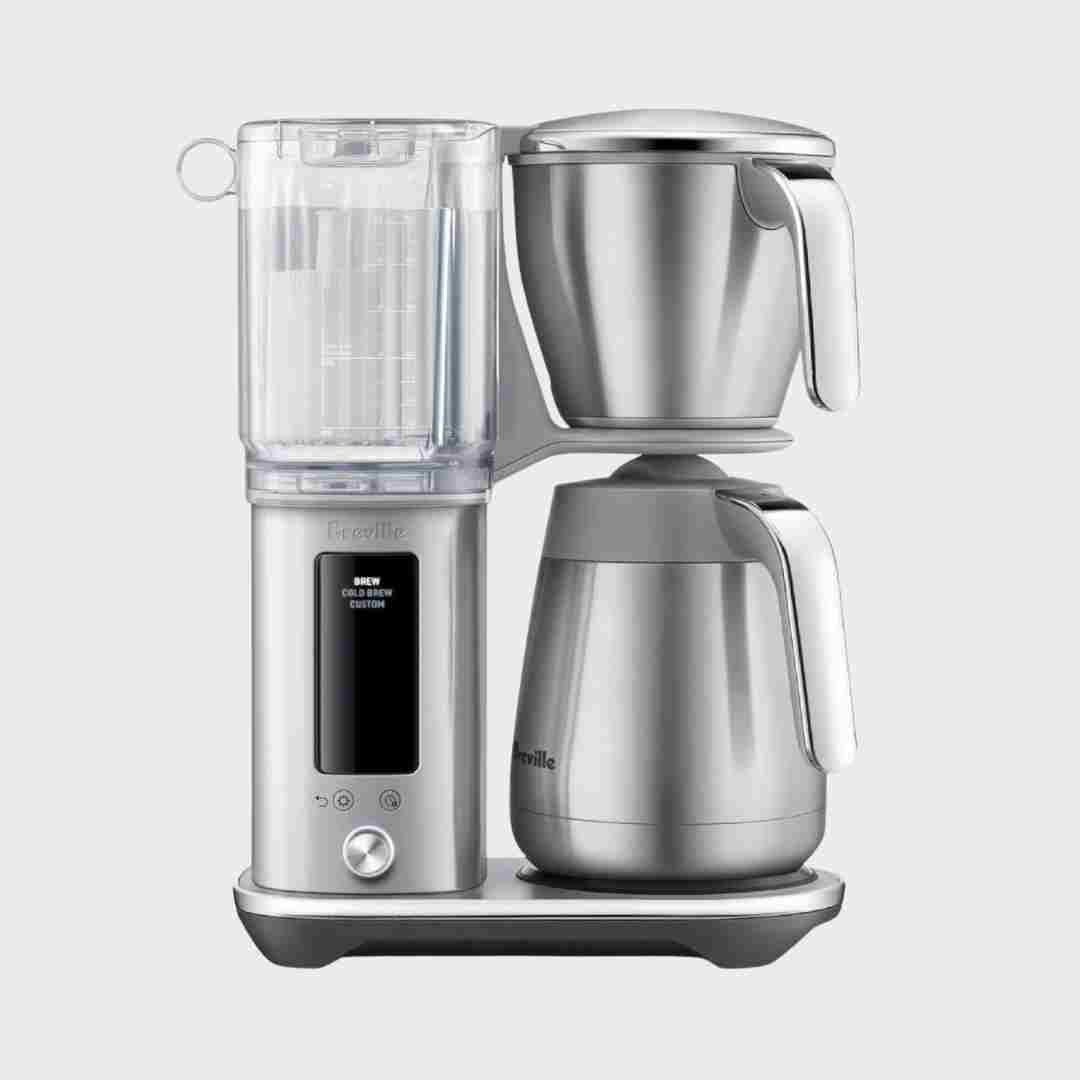
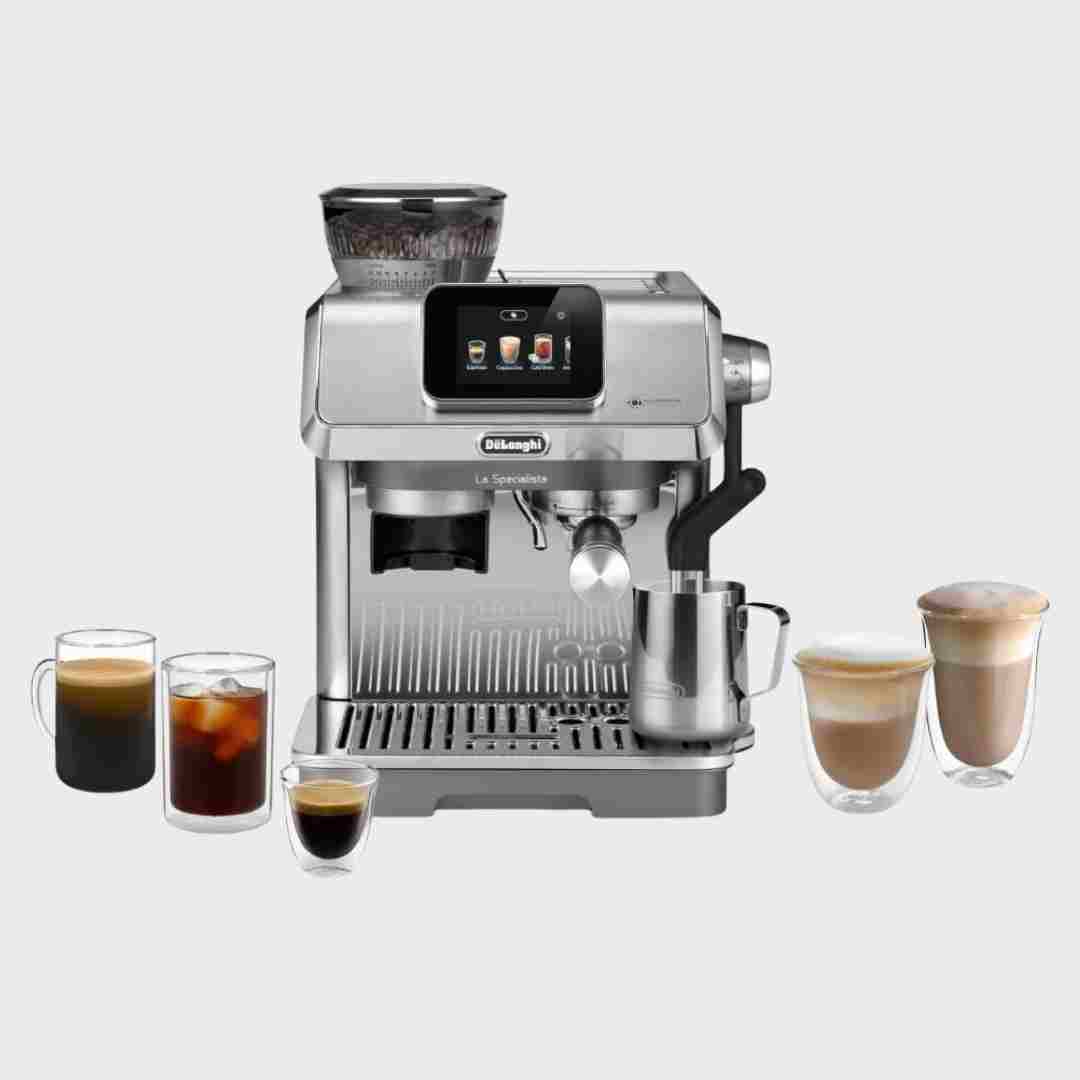
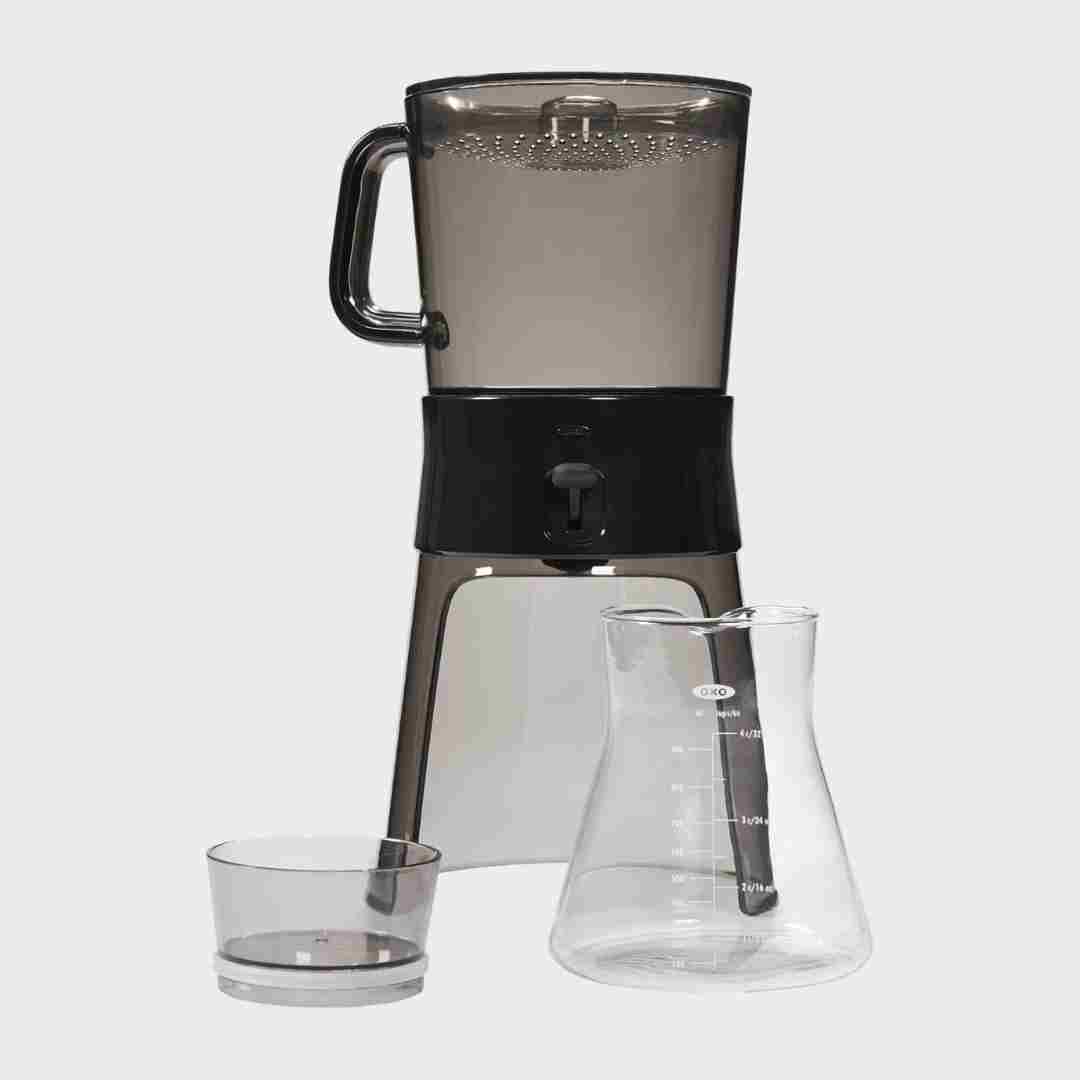
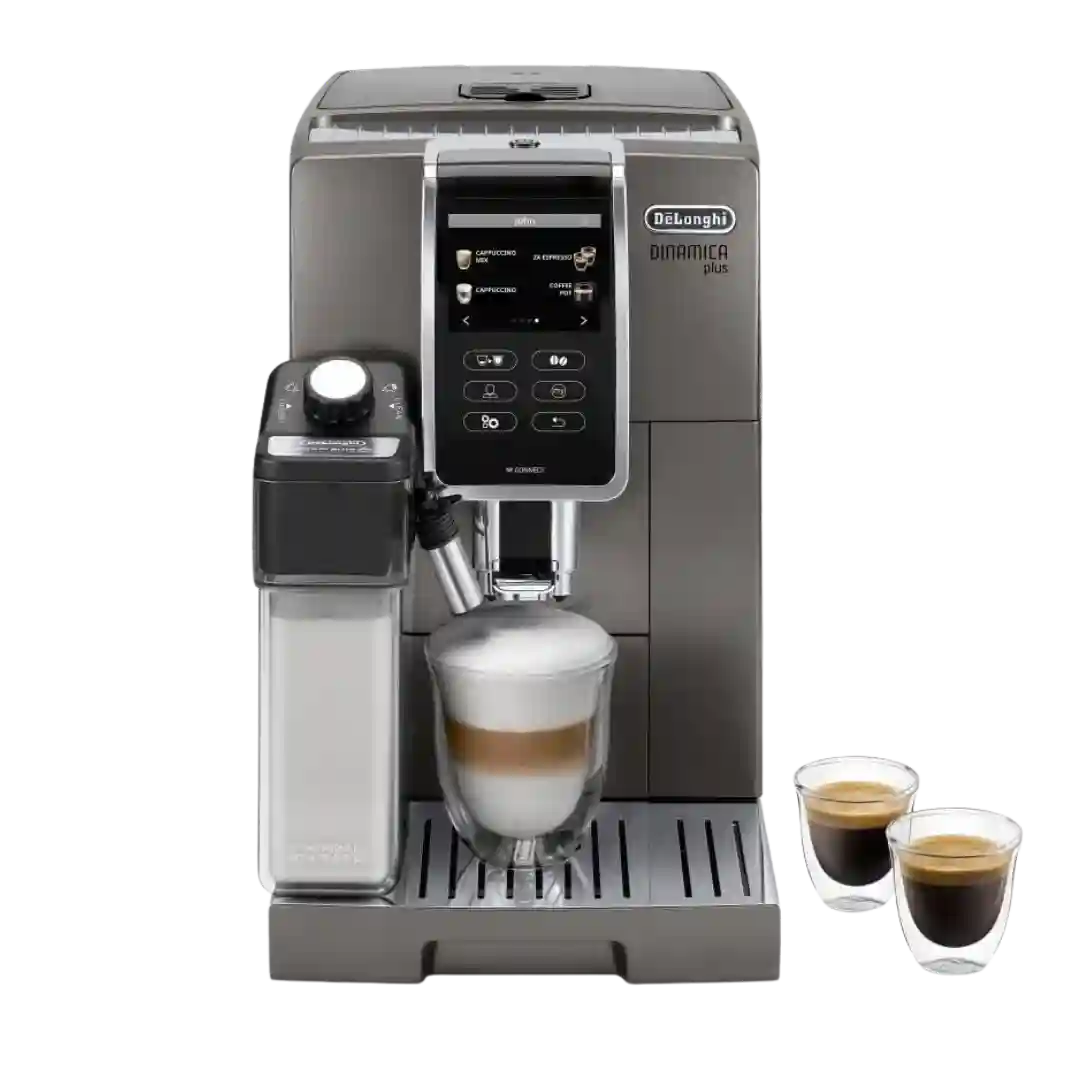
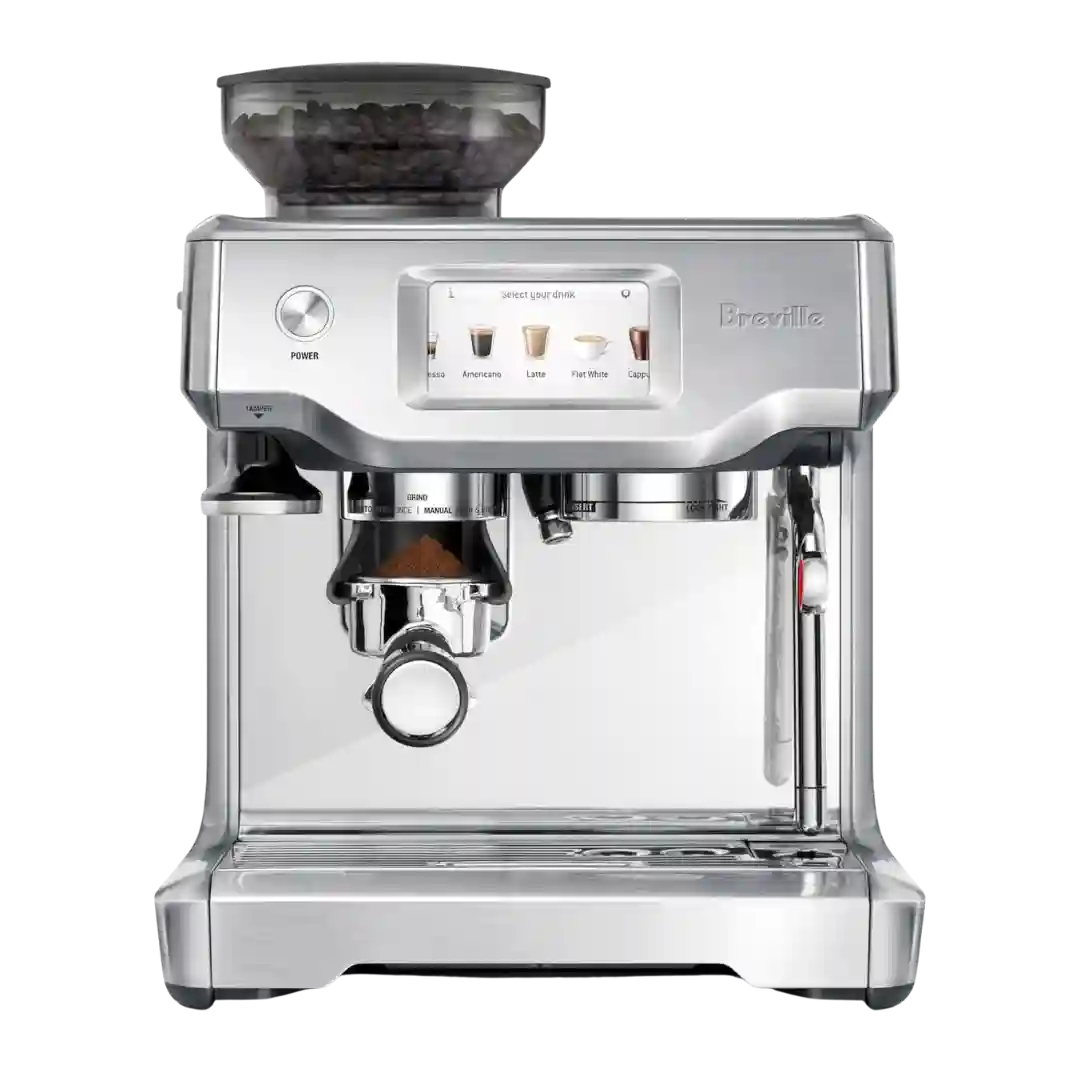
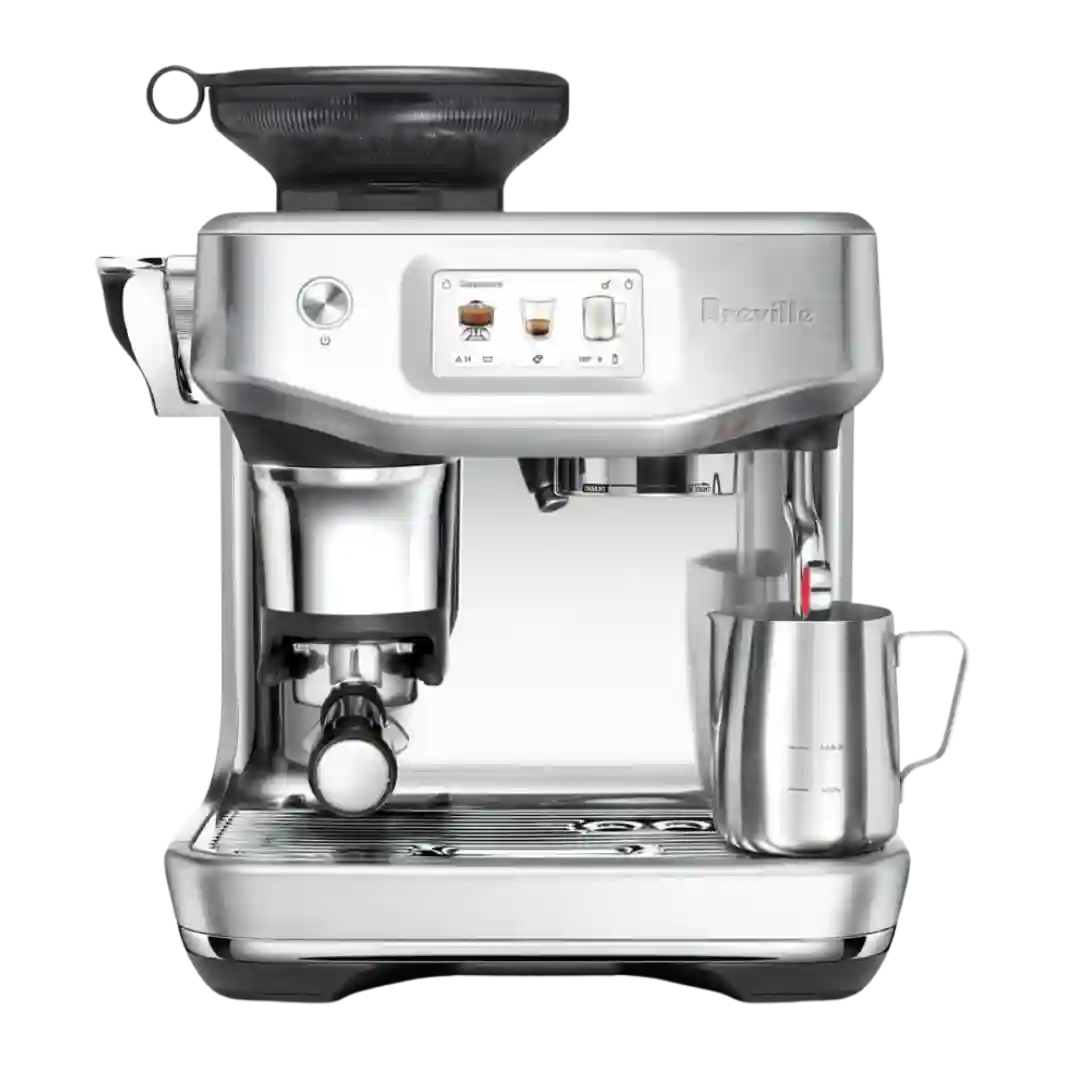
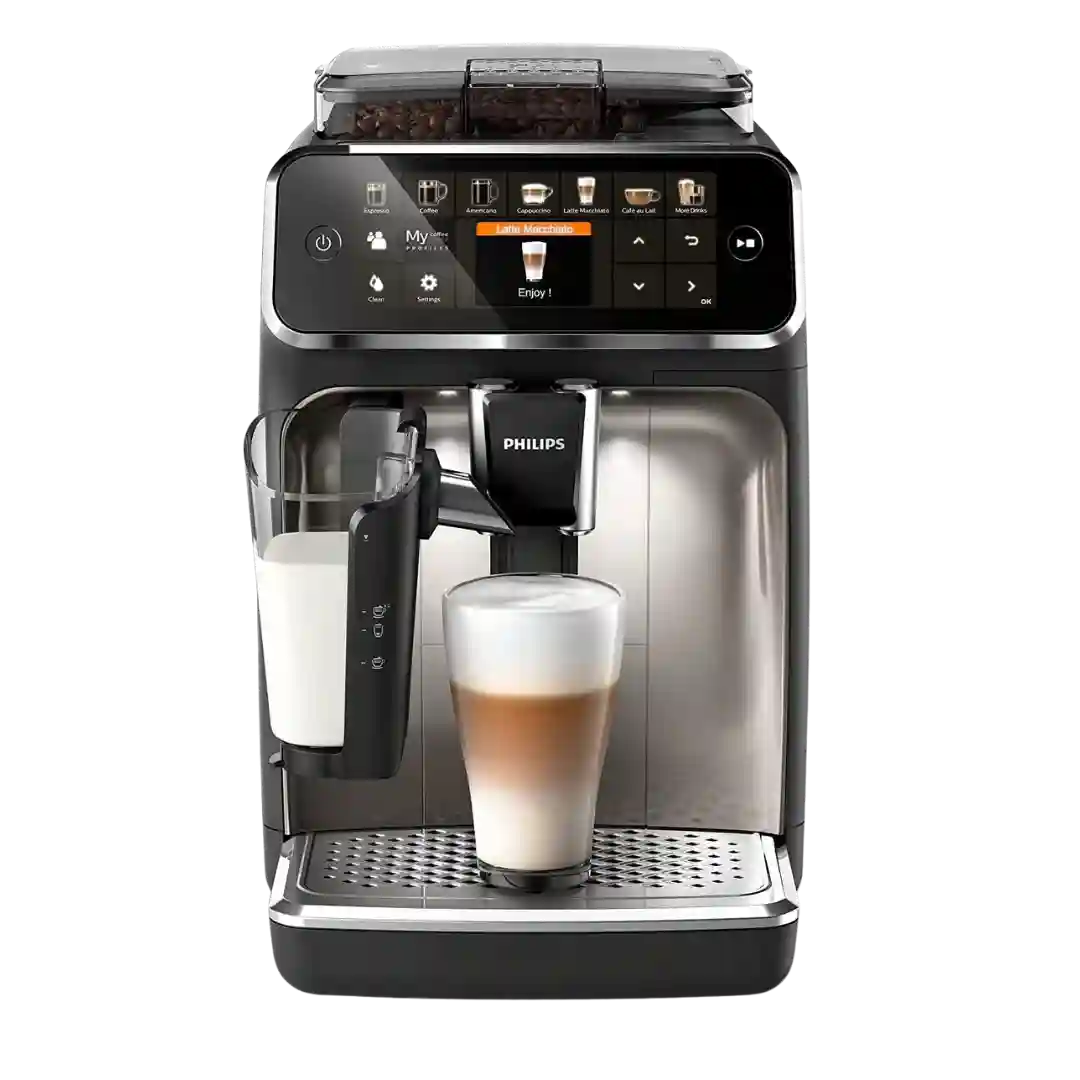
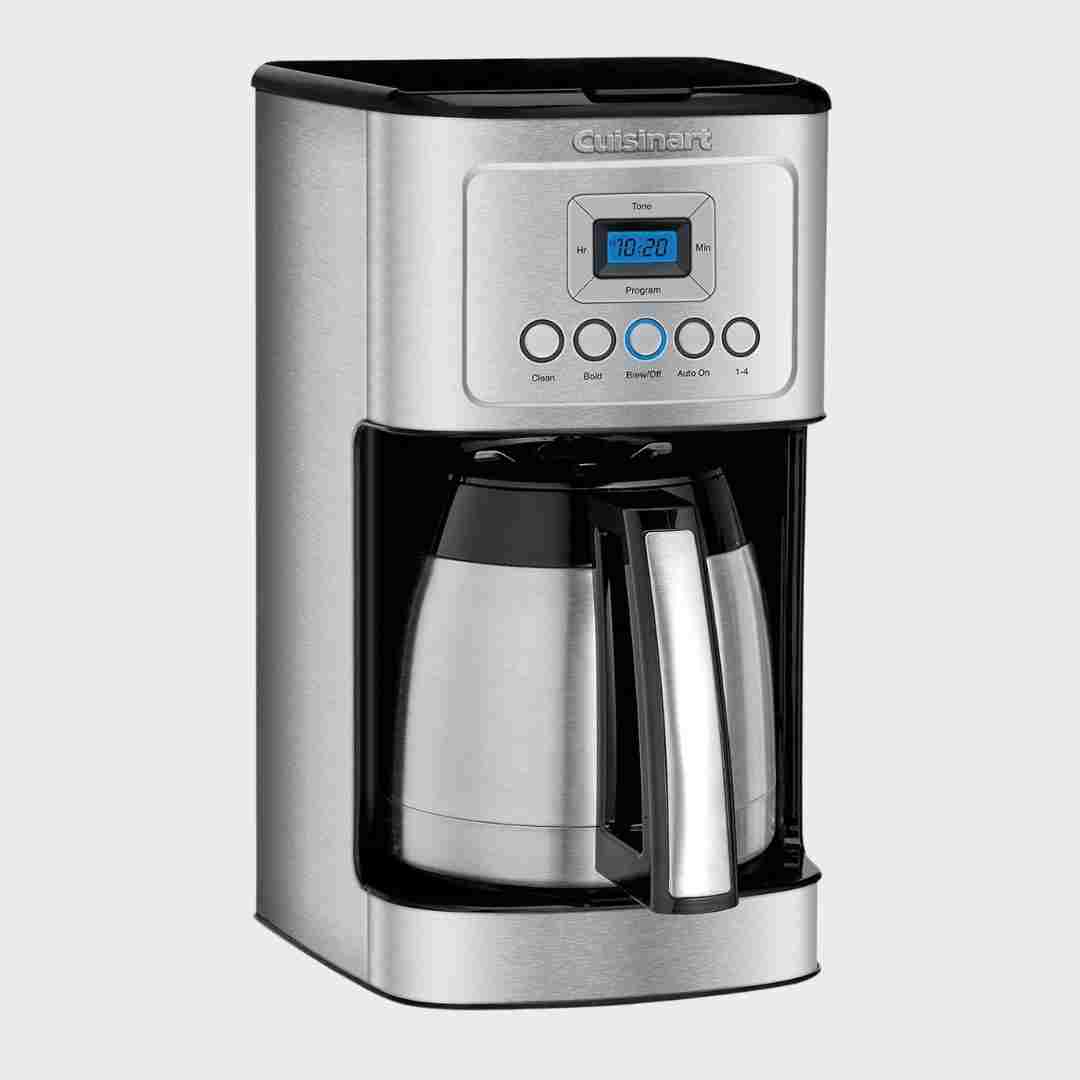
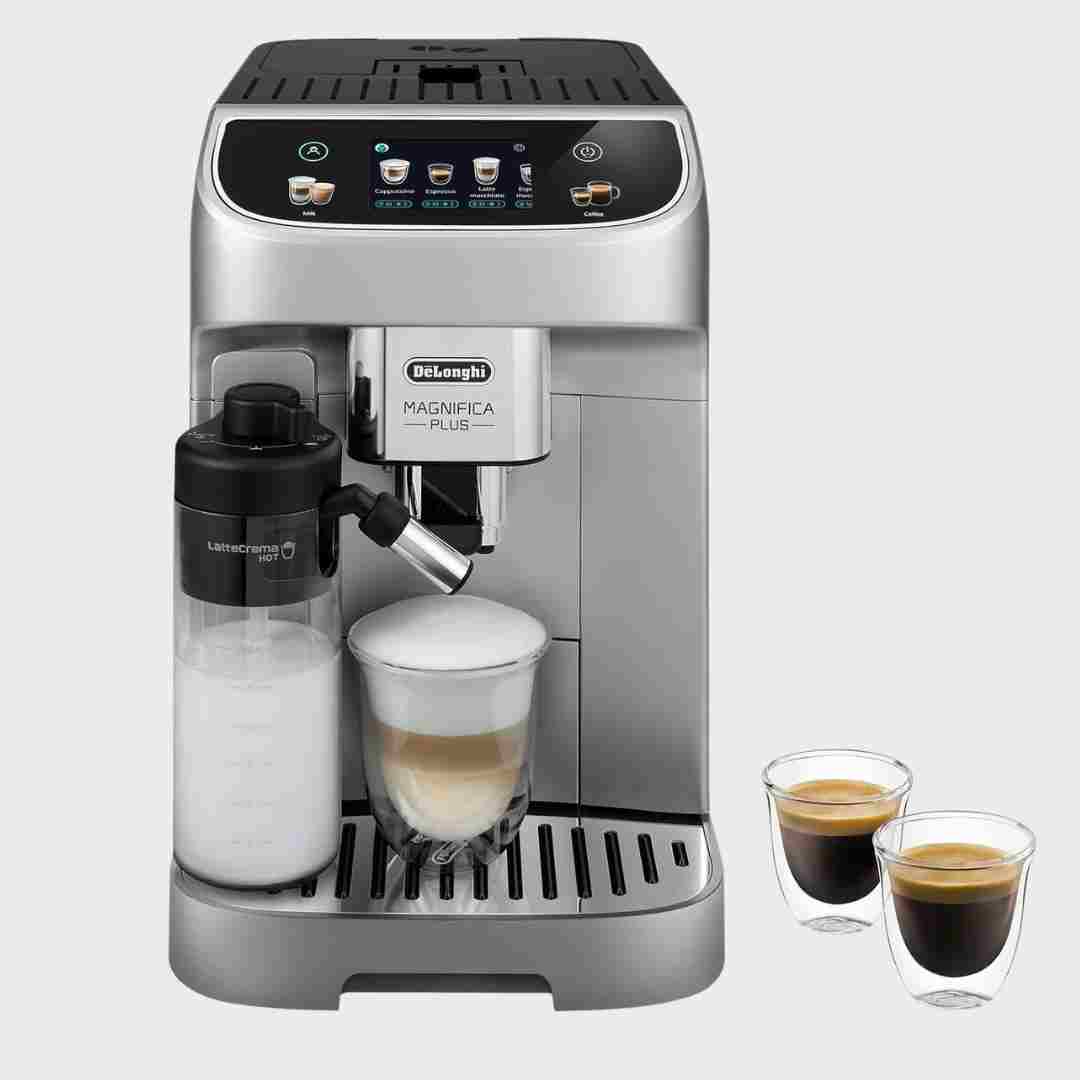
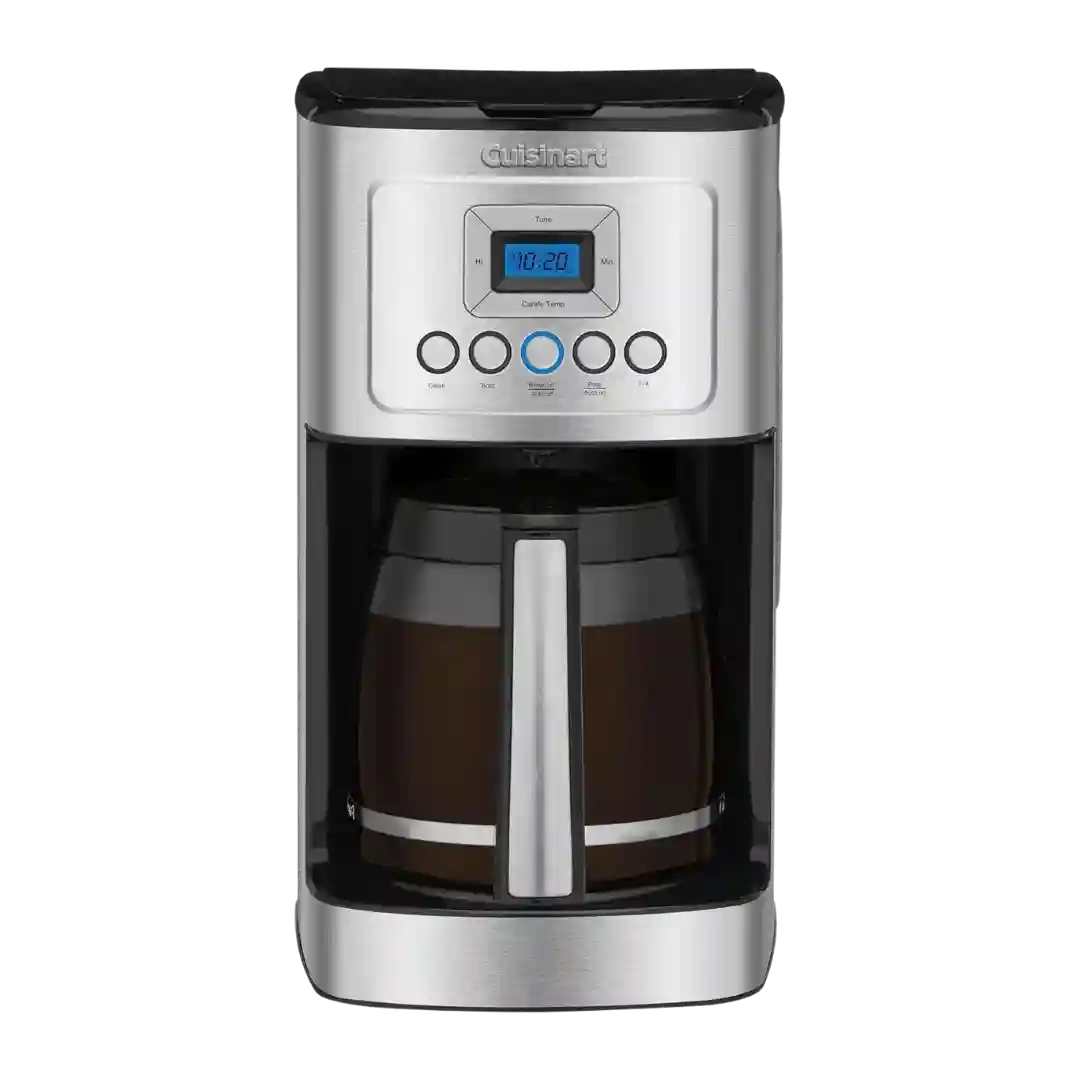
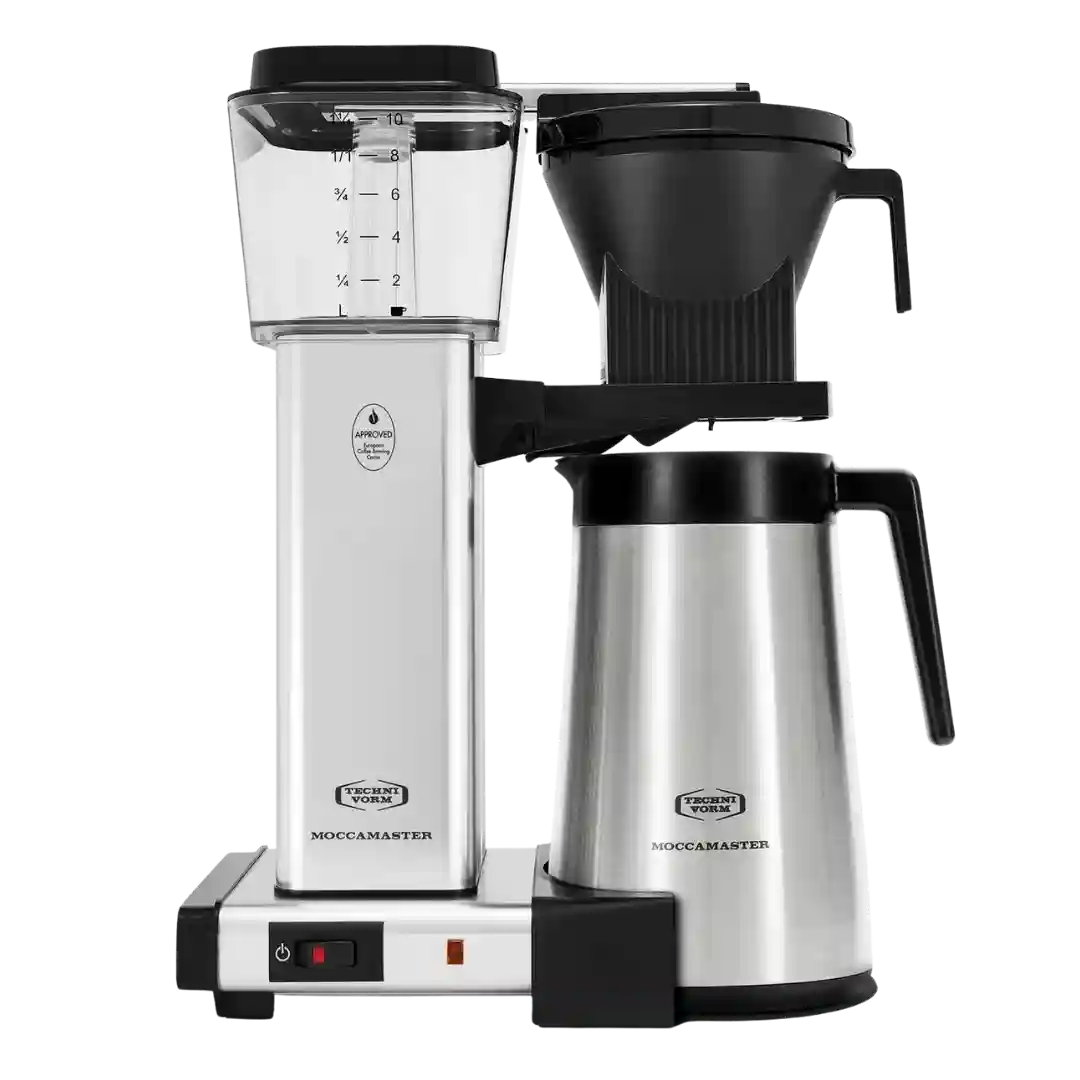
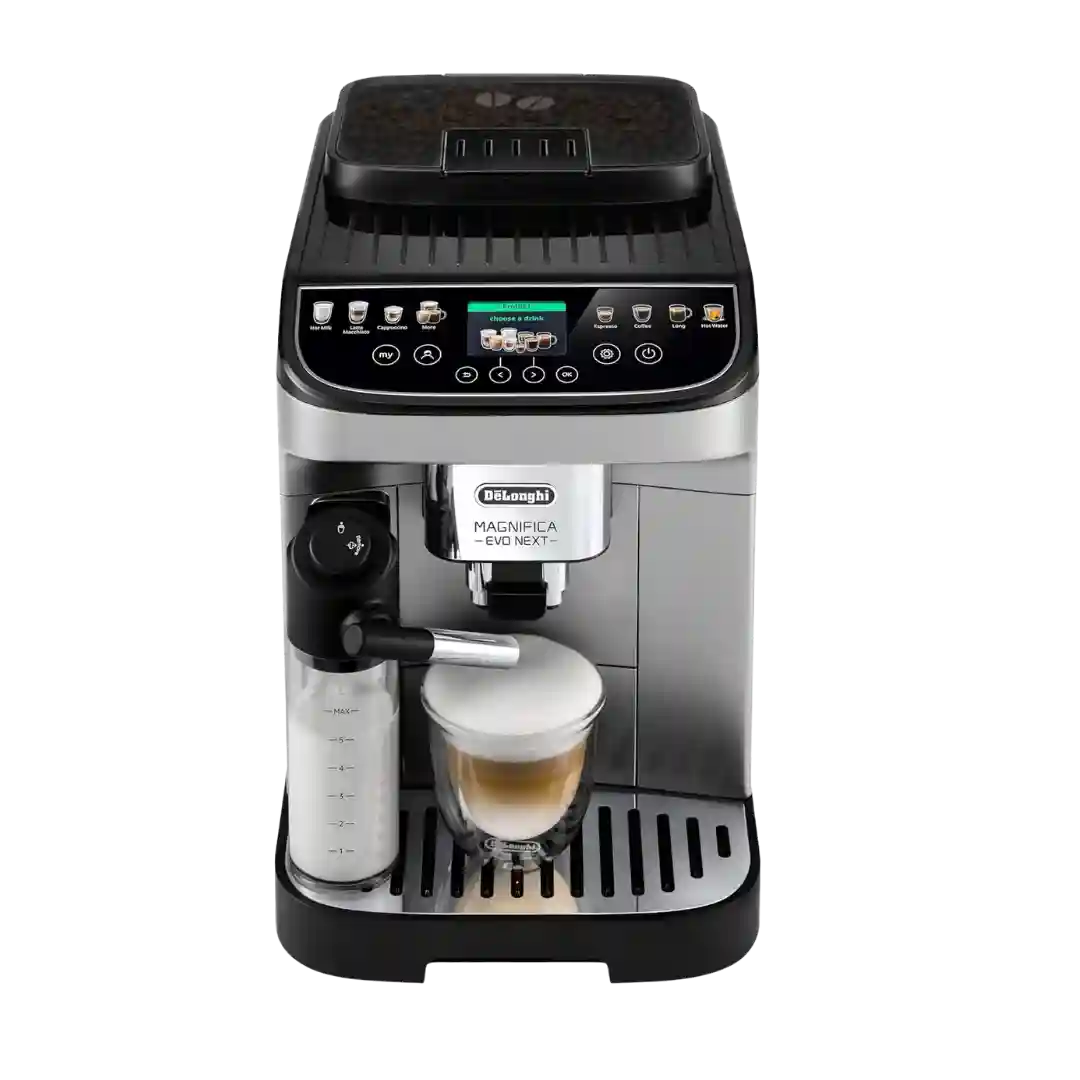
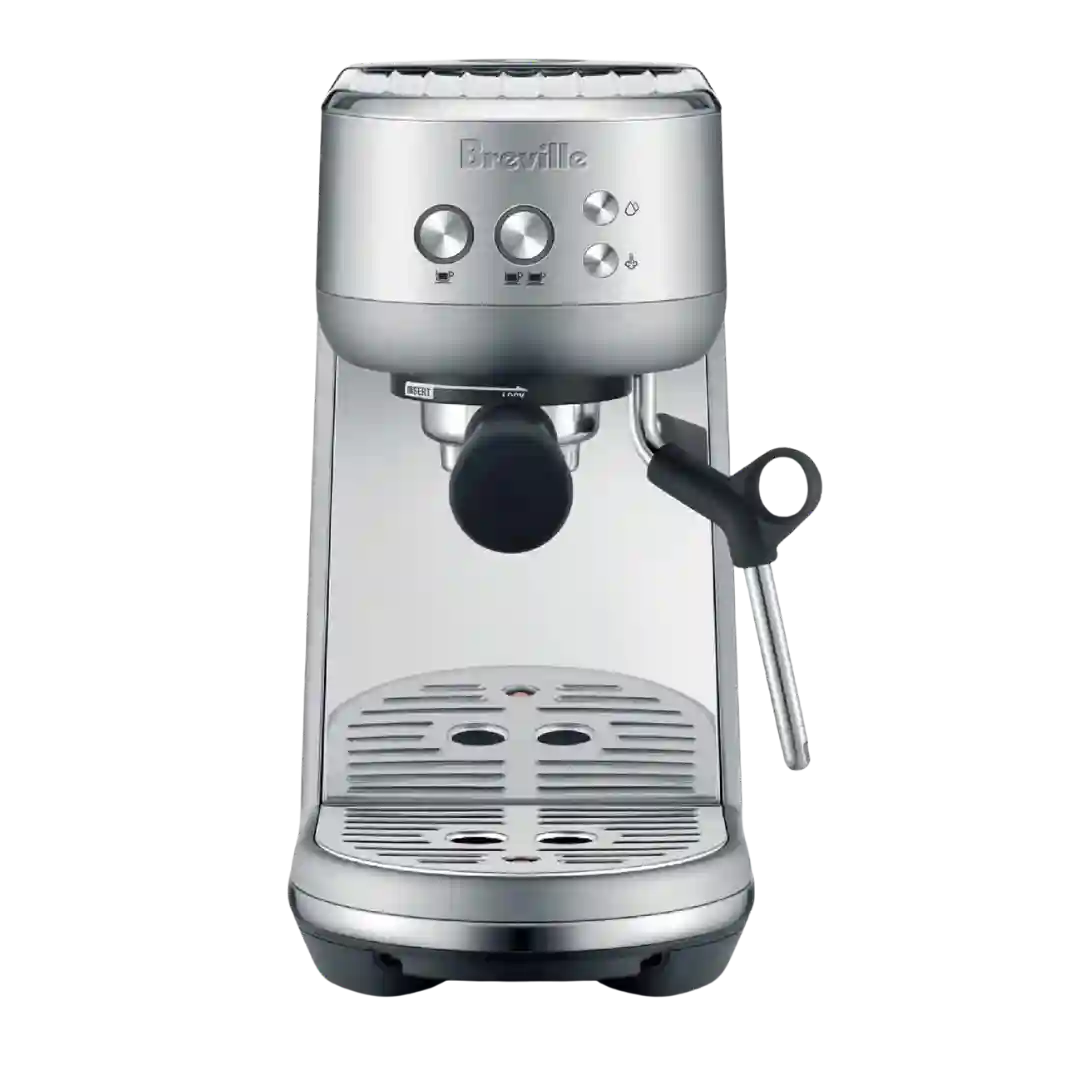
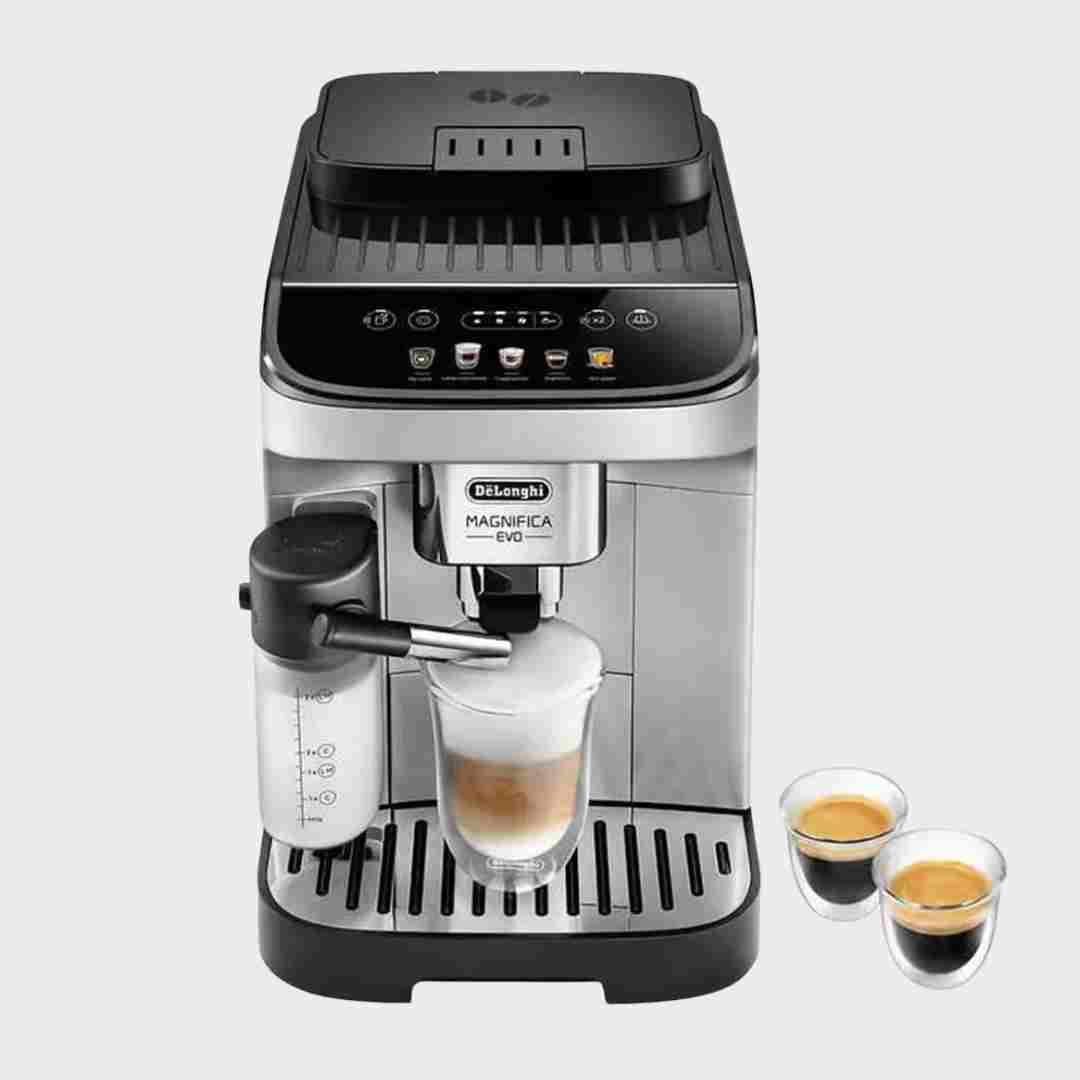
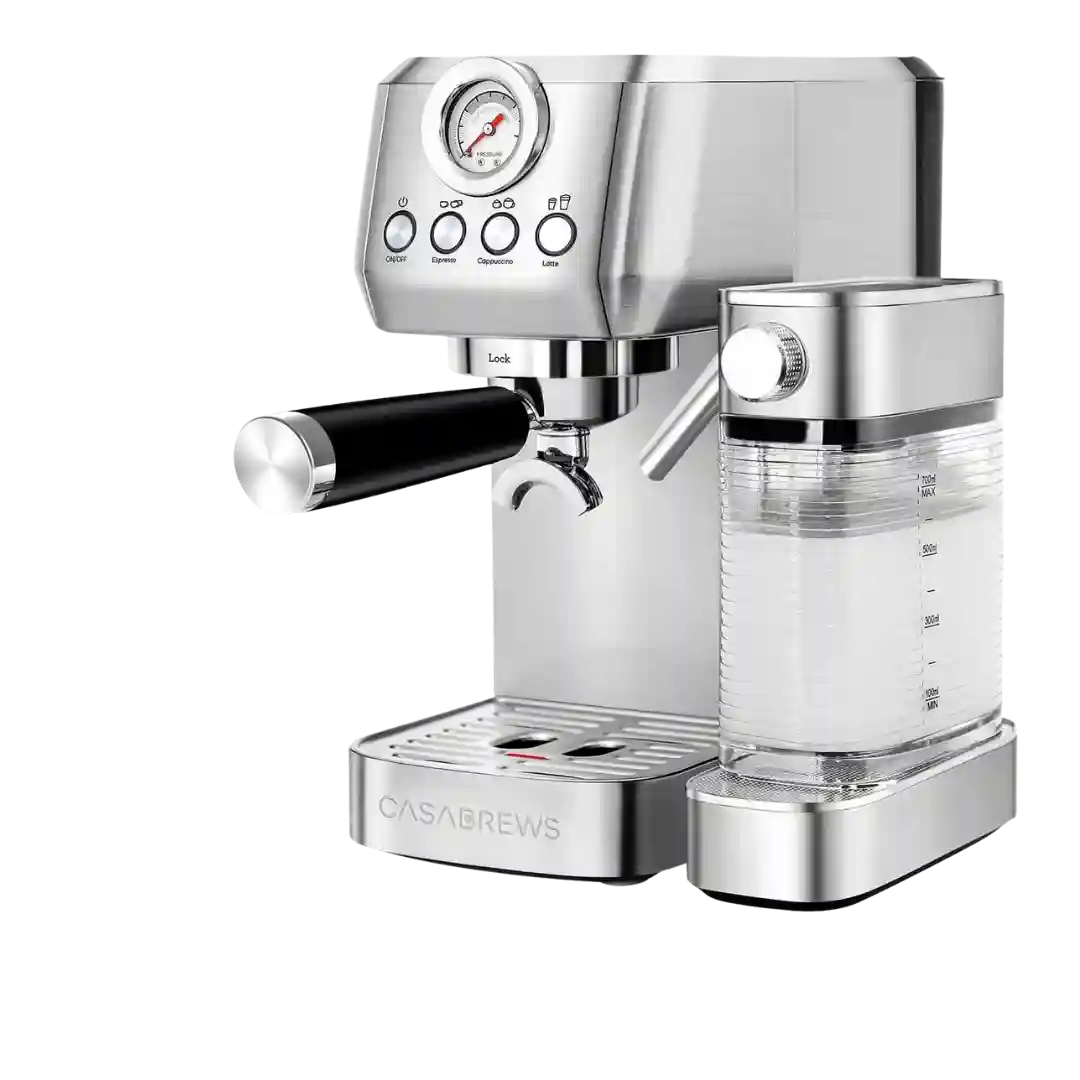
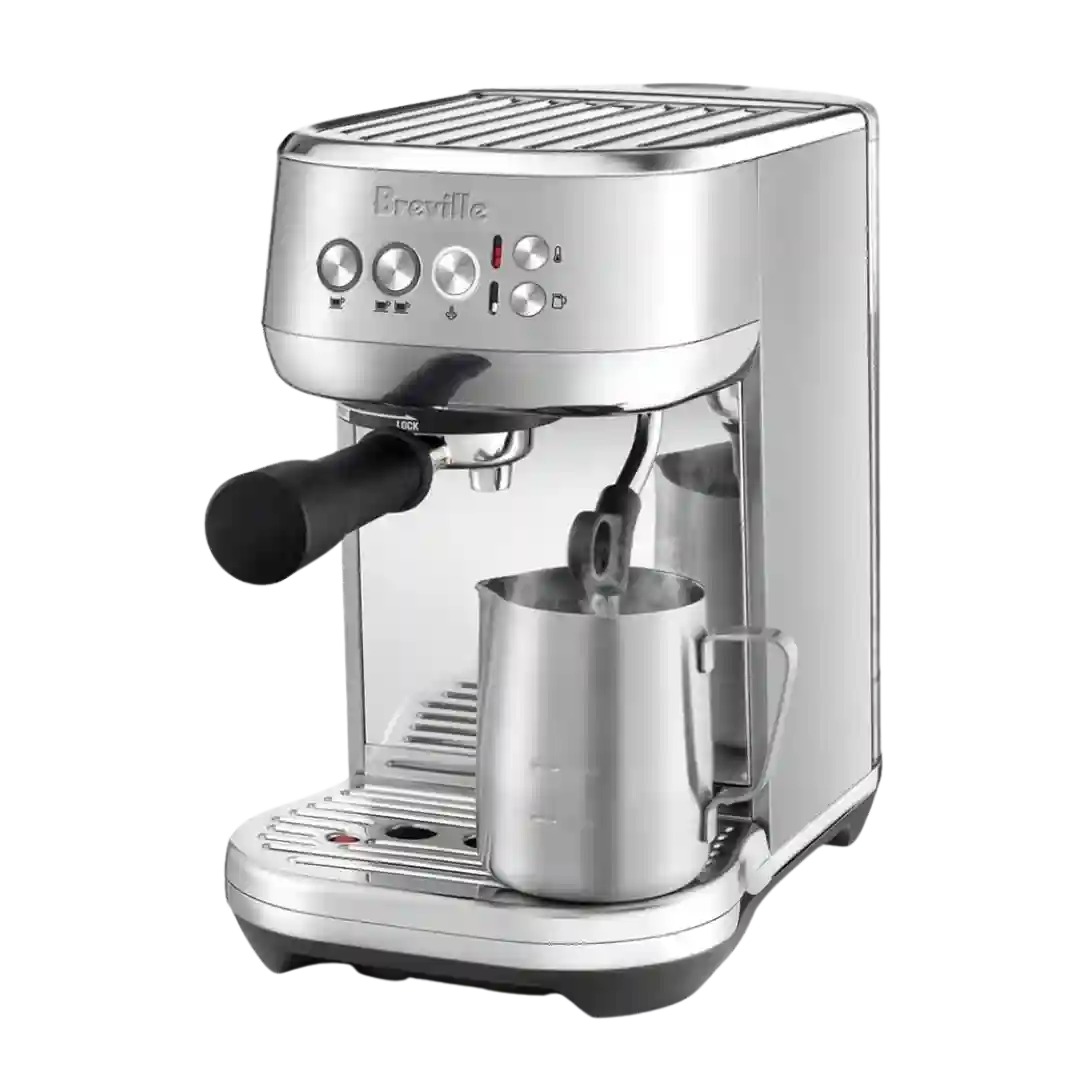
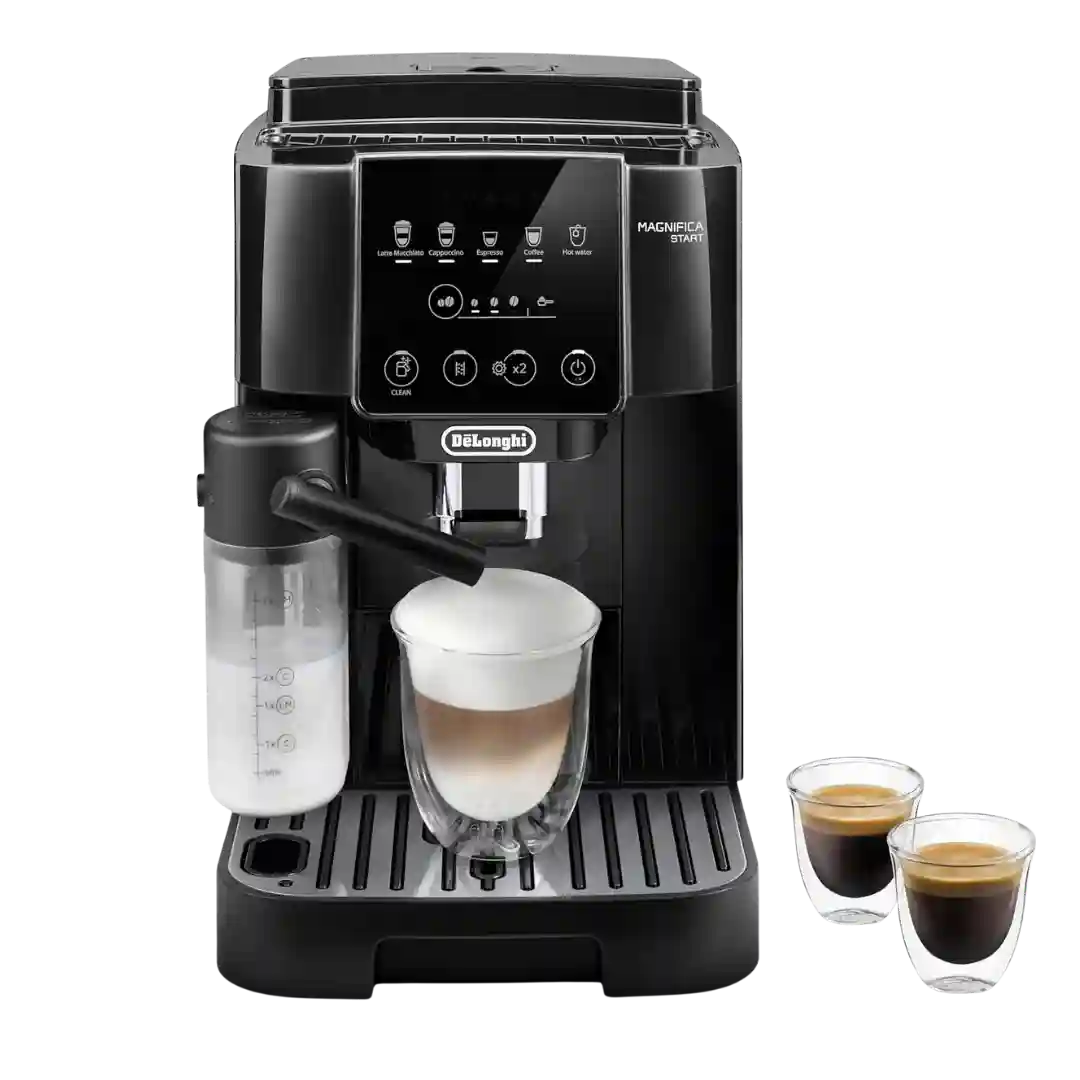
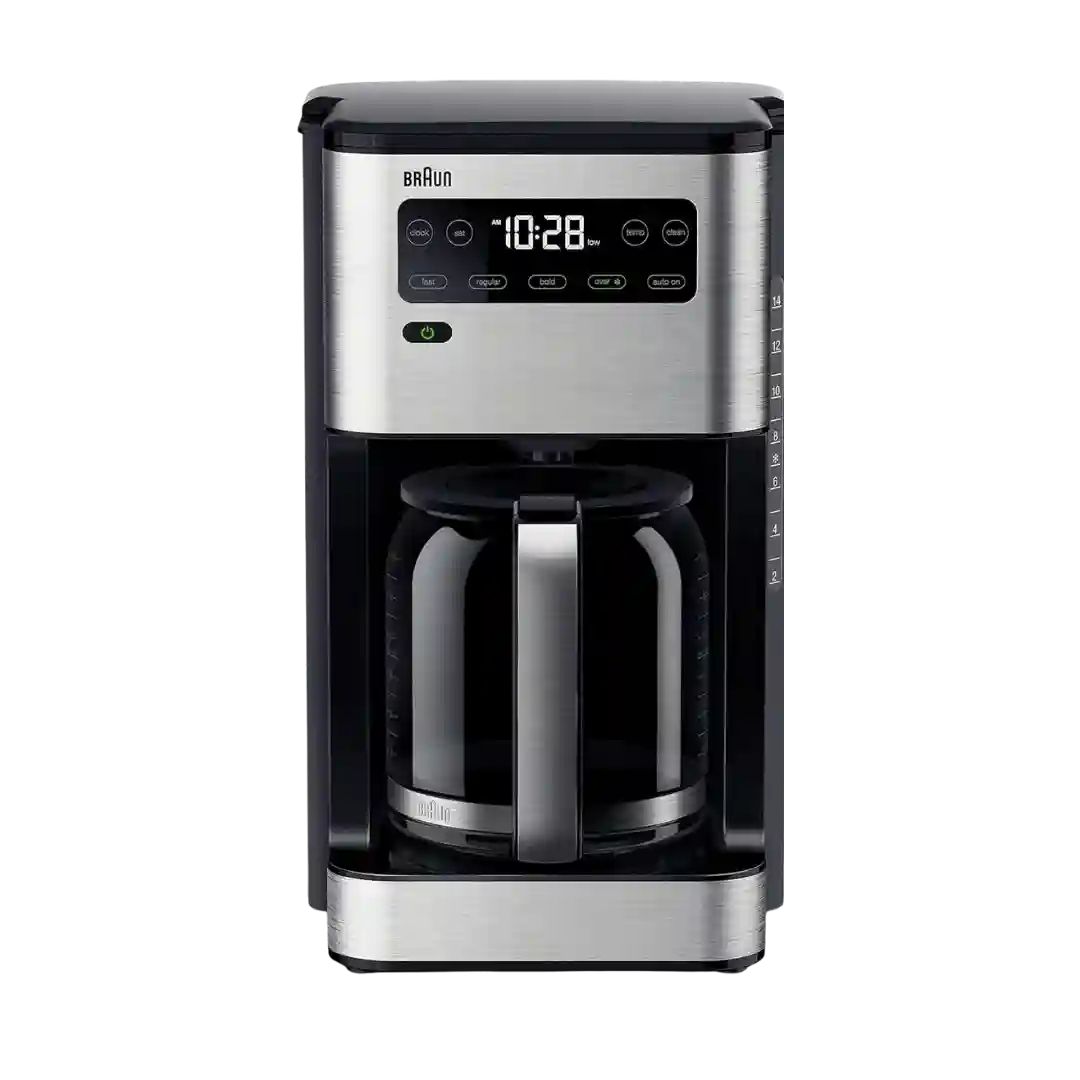
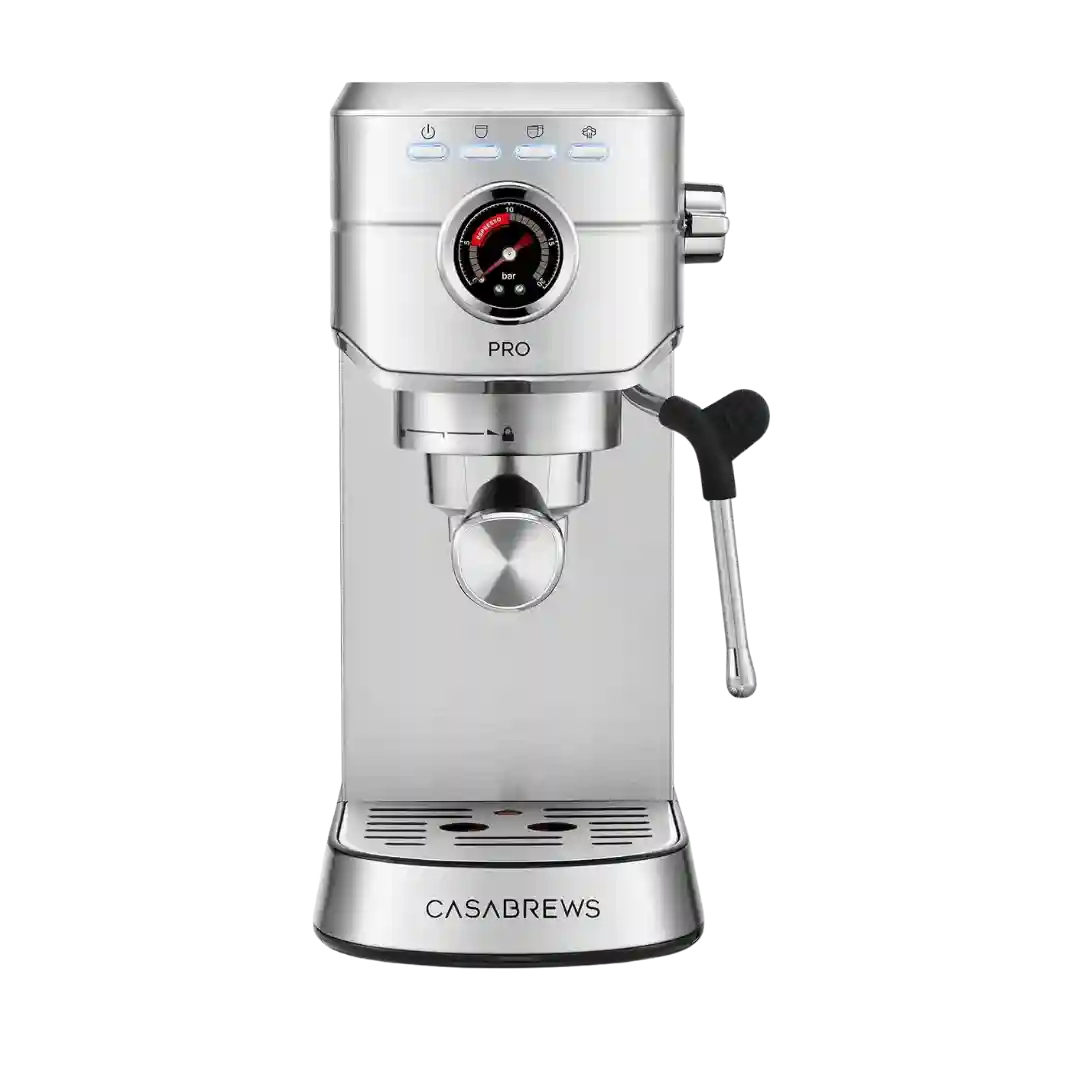
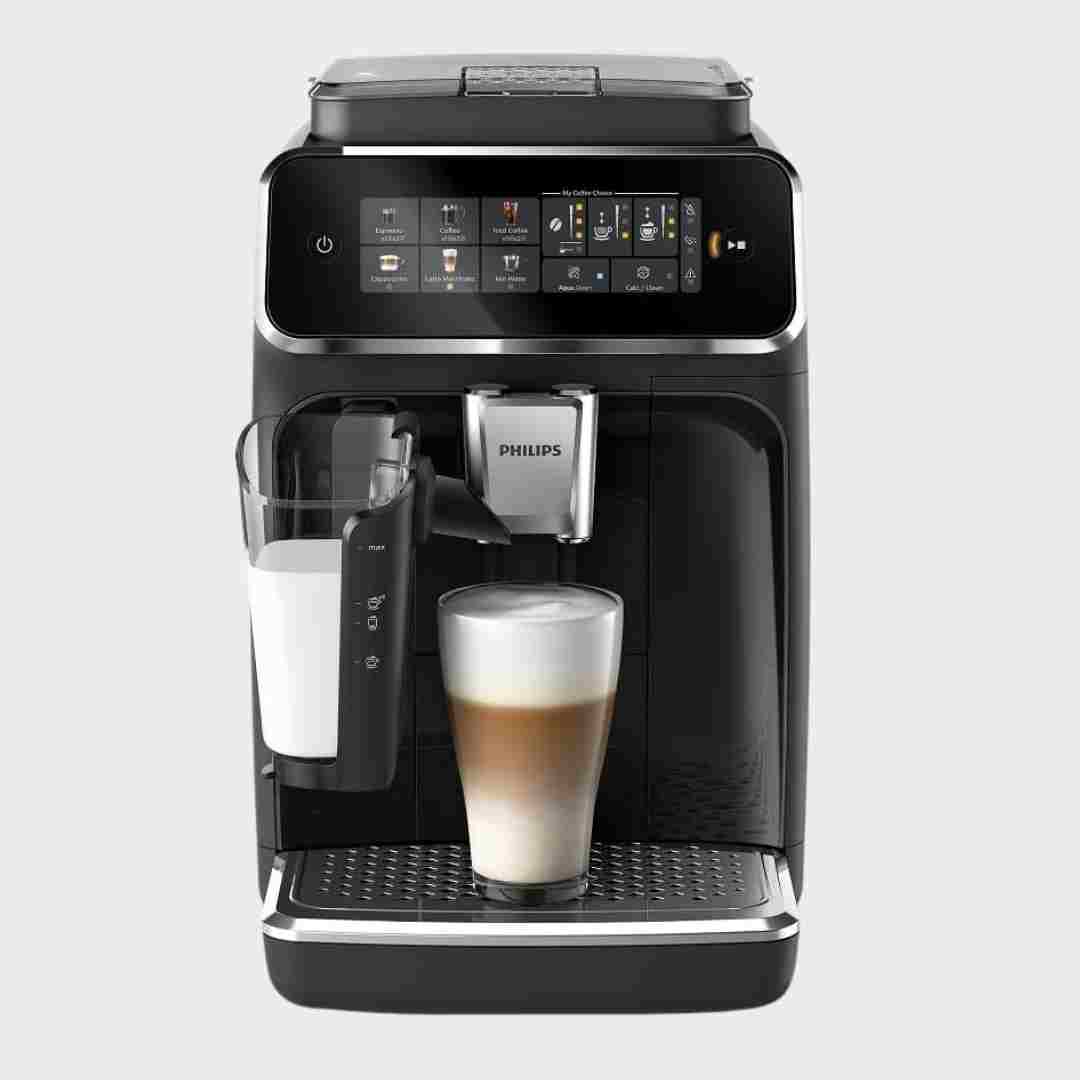
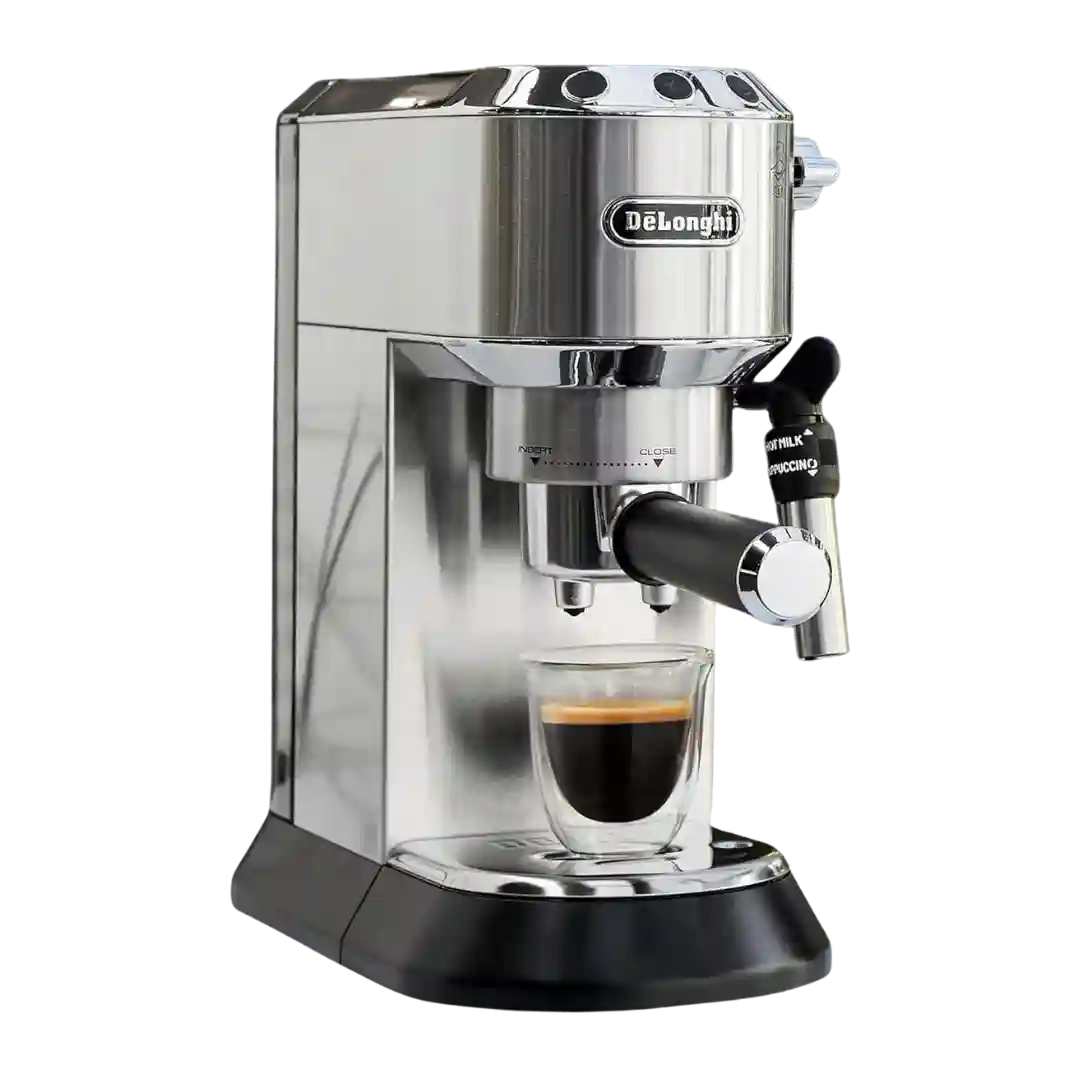
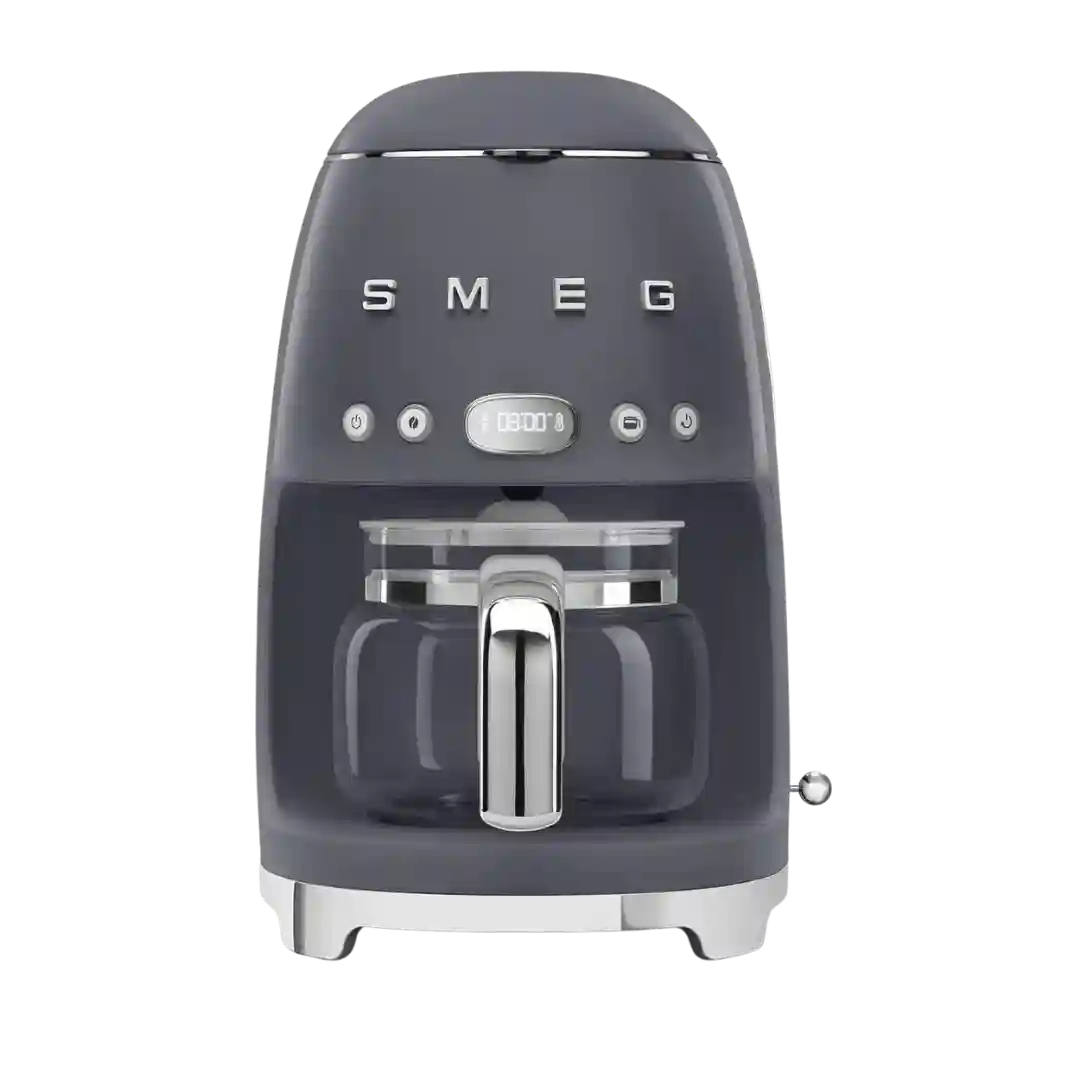
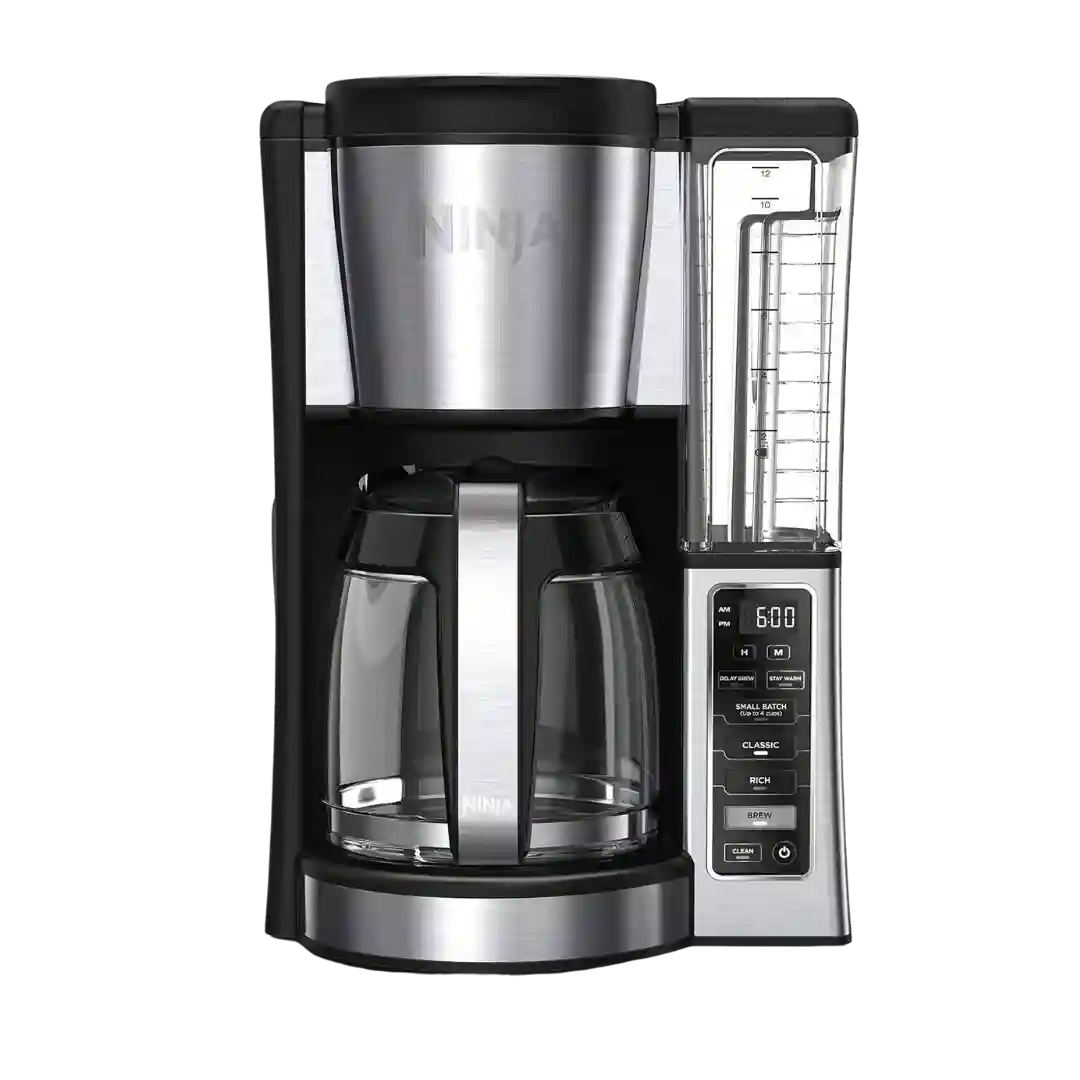
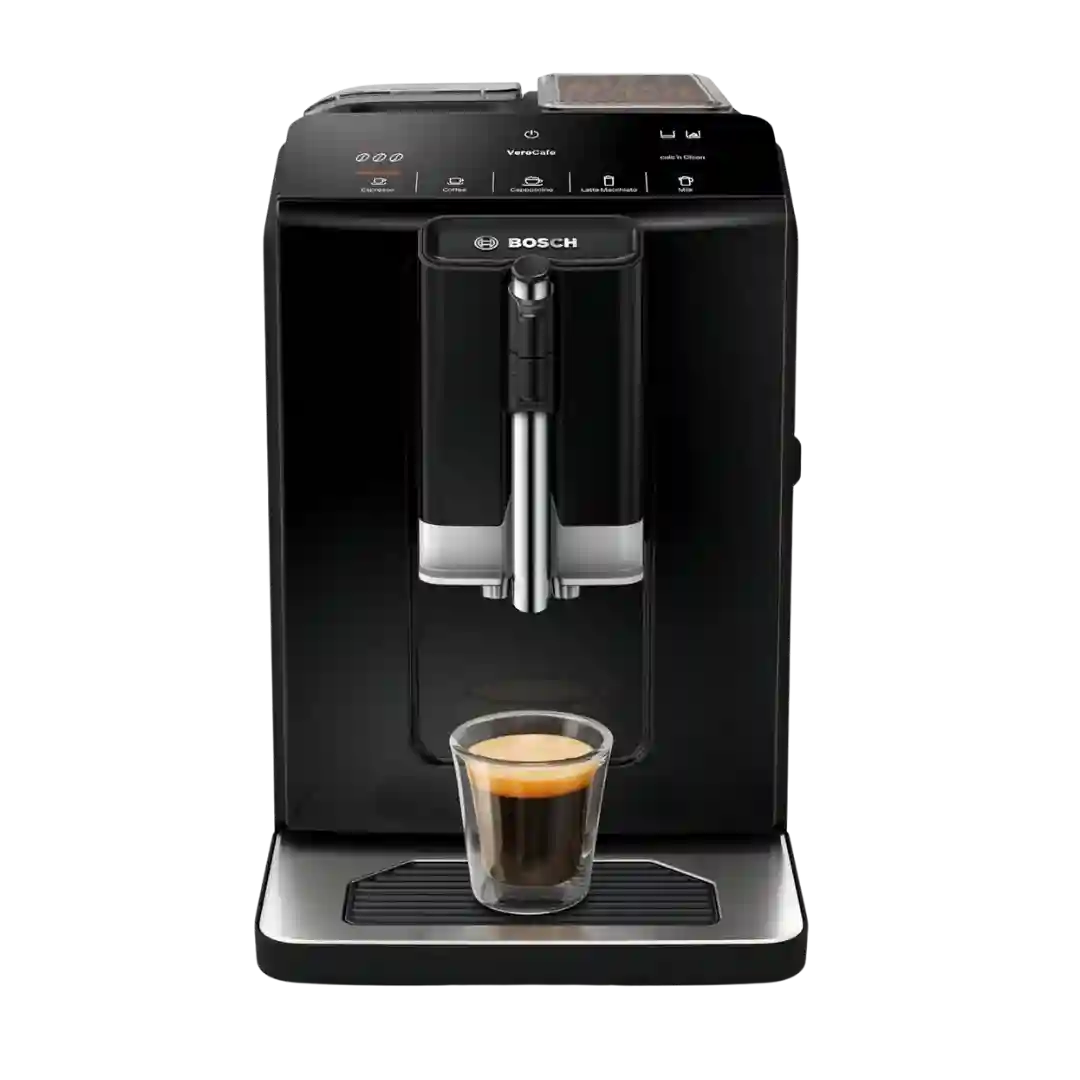
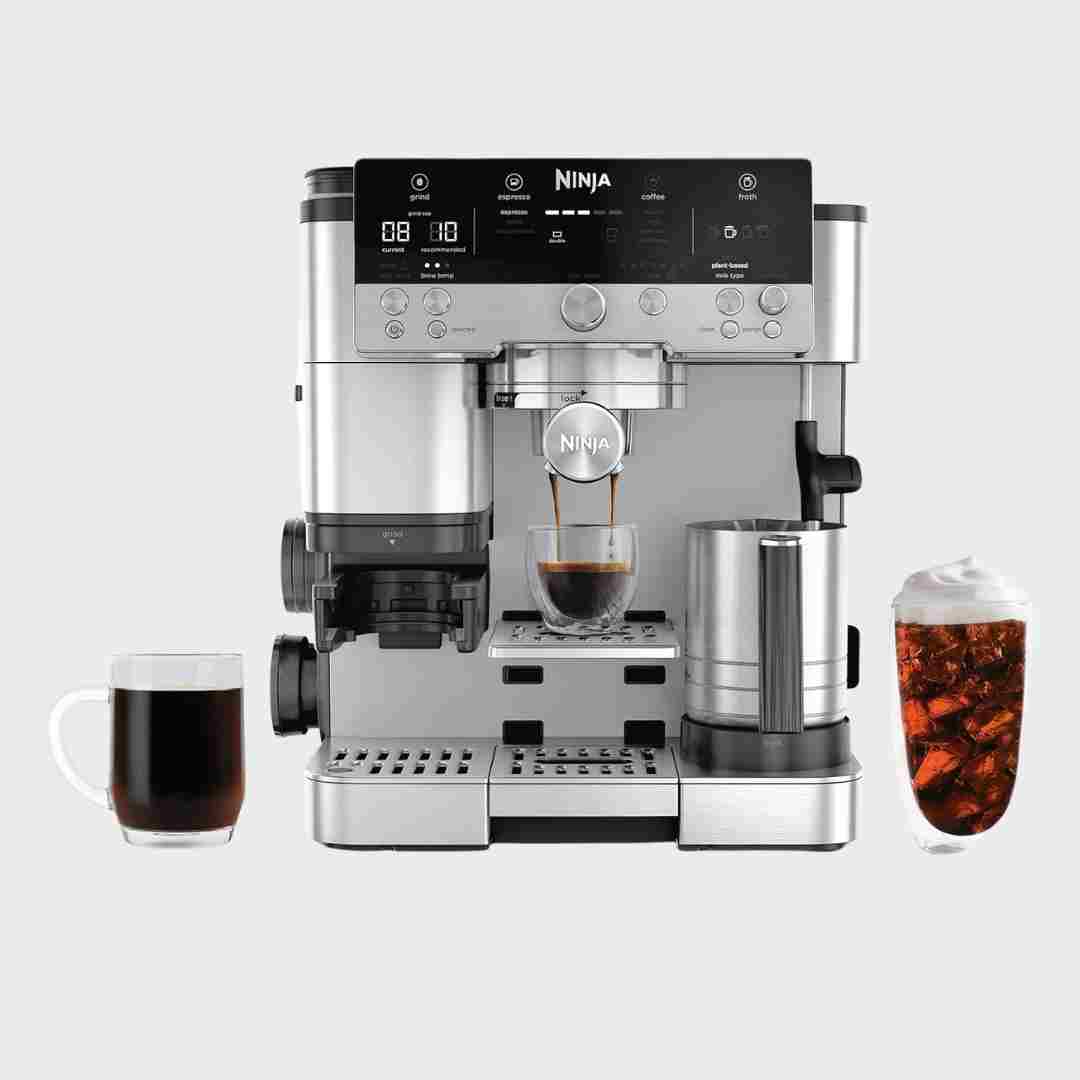
Build quality is widely seen as premium, sturdy, and substantial. Multiple reviewers describe it as tank-like or espresso-machine-like, with only a few caveats around specific parts on certain versions.
Build quality gets near-unanimous praise. Reviewers describe the brewer as sturdy, premium-feeling, and durable enough for frequent travel, with especially positive comments about the metal basket, solid threaded parts, and rugged protective case.
Build impressions are strong, with reviewers highlighting durable materials, handmade construction, high-quality parts, and long-service expectations backed by replaceable parts or warranty coverage.
Metal-heavy construction, sturdy fit and finish, and premium feel are consistent positives, though one reviewer did notice quick scratching on the drip tray surface.
Build quality is widely described as solid and well-finished, with parts fitting together nicely and durable construction noted. Manufacturing origin (Swiss/German) is highlighted in multiple transcripts as a confidence booster.
Build quality is repeatedly described as premium and durable, centered on the double-walled stainless steel construction. Multiple reviews imply long service life versus glass presses, with solid fit/finish and replaceable filter parts available if needed.
Build quality is repeatedly framed as premium and long-lived, with references to hand assembly and a reputation for durability. Some critiques focus on smaller plastic components or bases that can feel less robust than the rest of the machine.
Build quality is widely described as premium and Swiss-grade, with solid materials and refined fit/finish (3949, 14546, 14548). Longer-term durability is expected to be strong, though one reviewer notes that historical superautomatic repairs can be costly if neglected (3903).
Build is repeatedly characterized as premium and heavy-duty, with lots of stainless steel and solid-feeling mechanisms. Several reviewers imply long-term durability expectations, reinforced by the unusually long warranty for this category.
Build quality is generally described as sturdy and well-made, with solid plastics, good hinges, and a durable feel in daily handling. Reviewers often contrast it favorably against flimsier drip machines.
Most reviews describe a premium look and sturdy feel, reinforced by the machine’s weight and stainless styling. A few raise concerns about smaller components feeling less robust or about long-term serviceability/repair complexity, so durability impressions are positive but not unanimous.
Most reviewers describe the KF8 as sturdy, premium, and quiet in operation, with at least one long-term test suggesting confidence in durability. The main build critique is that the included milk jug/parts are plastic and could be more robust.
Durability is a consistent strength: multiple reviews describe it as tool-like, solid, and able to handle job-site or outdoor handling better than typical kitchen brewers.
Build quality is often described as solid, especially the stainless thermal carafe, which is portrayed as sturdy and resistant to everyday bumps; overall construction is viewed as premium by some, though reliability complaints exist elsewhere.
Build quality is often described as premium and well-made, including long-term owner reports of solid performance years later. Some note cosmetic annoyances like fingerprints on stainless surfaces.
The Mio is generally described as metal-heavy, sturdy, and durable. Reviews praise the chassis and shell, though some also note rougher finish details or small control-quality compromises.
Build quality is widely praised for long-term durability and a sturdy overall chassis, with multiple accounts of years of daily use. The main recurring knock is that some plastic components, including parts of the basket and carafe handle, can feel thin or cheap relative to the premium price.
Most reviews position the machine as premium and sturdy, with solid materials and a high-end finish. Durability is not deeply stress-tested in these sources, but overall build impressions are strong with only occasional skepticism around plastic parts.
Build impressions skew positive: stainless accents and a sturdy feel, even when parts of the body are plastic. Some content is early or first-look, so long-term durability is not fully proven in the review set.
Build quality impressions are largely positive (thick-feeling components and durable assembly), though a few mention concerns about the thinness of the glass carafe compared with the plastic body.
Build impressions skew premium: a mix of sturdy plastics with stainless accents, and several reviewers call out Italy manufacture as a quality signal. Long-term durability data is limited, but the removable brew group and solid feel are positives.
Construction is generally viewed as solid for the price, with stainless housing and a sturdy overall feel. Some reviewers point out plastic trim or chrome-like pieces that feel less premium than costlier machines.
Most reviewers describe the machine as sturdy and premium-looking, with a largely stainless exterior. Some point out lighter/plastic components (notably the carafe lid) and caution that the more complex design could mean more long-term failure points than simpler drip makers.
Many describe a solid, premium feel with stainless accents, but multiple reviews also call out the amount of exterior plastic; overall it’s viewed as sturdy for the price tier.
Build quality is usually characterized as solid and premium-looking, with stainless elements and a well-finished feel. A minority of comments caution that more automation and electronics can mean more parts that could fail over time compared with simpler models.
Reviews commonly describe a solid, premium feel with stainless-steel styling and sturdy touch points. Some internal parts and tray components are plastic, but overall durability impressions are positive.
Build impressions lean toward sturdy-enough for the category but mostly plastic, with occasional concerns about long-term durability compared with heavier machines.
Several reviews praise the stainless build and expect better longevity than glass-carafe models, with anecdotes of earlier versions lasting many years. A few negatives appear, including early appliance smell and reports of surface/corrosion issues if the resting plate gets wet.
Overall build is often described as sturdy for the price with stainless accents, but there is recurring criticism of certain plastic components feeling less premium (especially the drip tray or milk container).
Build quality is generally seen as sturdy for the price, though several reviews note that the stainless appearance is paired with a mostly plastic body. The glass carafe is often described as solid, but some reviewers still flag breakability and fingerprint-prone finishes.
Many reviewers call it a long-life, serviceable machine with replaceable parts and strong internals, but some also describe certain plastics, clips, and fittings as flimsy, scratch-prone, or less premium than the price suggests.
Build quality is described as solid for the category, with some reviewers calling it sturdy and well-finished. Others emphasize it uses a noticeable amount of plastic, so expectations should match a mid-range super-automatic rather than a premium all-metal build.
Build impressions are mostly positive for the price, with a stainless-looking exterior and solid buttons, but the machine is light. Multiple reviewers mention plastic in key touch points (like the portafilter handle) and say the light weight can make locking in the portafilter feel less premium.
Build quality is mostly plastic but generally considered solid for the price; at least one owner reports strong durability over 3 years with few warnings. Warranty is commonly cited at 2 years with longer coverage via registration in some regions.
Build impressions are mostly positive (compact stainless/metal look and a sturdy feel), but at least one review calls out a flimsy-feeling portafilter/basket fit, and another mentions brief vibration/shaking early on.
Build impressions are mixed: the compact body feels lighter and more plastic-forward than heavier machines, yet long-term owners still report solid reliability over years. It is not tank-like, but it holds up well for home use when treated reasonably.
Build is widely described as plastic-forward but generally well assembled; some reviewers also note the machine feels heavy/solid, while others wish it felt more premium for the price.
Build impressions are generally solid and it feels well-made, but there is an explicit concern raised that a touchscreen interface may be a long-term failure point versus physical buttons.
Build quality is generally viewed as entry-level: the stainless exterior is appreciated, but internals and key touchpoints (portafilter, knobs, tamper) are often described as light or cheap-feeling. Durability concerns are more about accessory robustness than outright failures in the reviews provided.
Build is functional but often described as plastic-heavy; durability is generally viewed as solid for the class, with the ceramic grinder singled out as a longevity plus.
Build impressions are mixed-positive: the stainless exterior feels premium for the price, while several reviews mention plastic internal parts or lightweight feel. Long-term owner feedback can be very positive, but others flag durability as less confidence-inspiring than heavier prosumer machines.
Build quality impressions vary by source: some describe a heavy, durable feel and even all-metal construction, while others perceive a lot of plastic and report failures after months/years of use.
Build quality is commonly described as plastic-forward but reasonably sturdy. Long-term concerns show up around seals or potential leaks, rather than outright structural failures.
Build impressions vary: some call it sturdy and premium-looking, while others emphasize mostly-plastic construction and lightweight feel; a few mention early milk-frother connection issues.
Build quality is generally described as solid for an appliance, though it uses a lot of plastic. Long-term durability is still a question because the platform is relatively new.