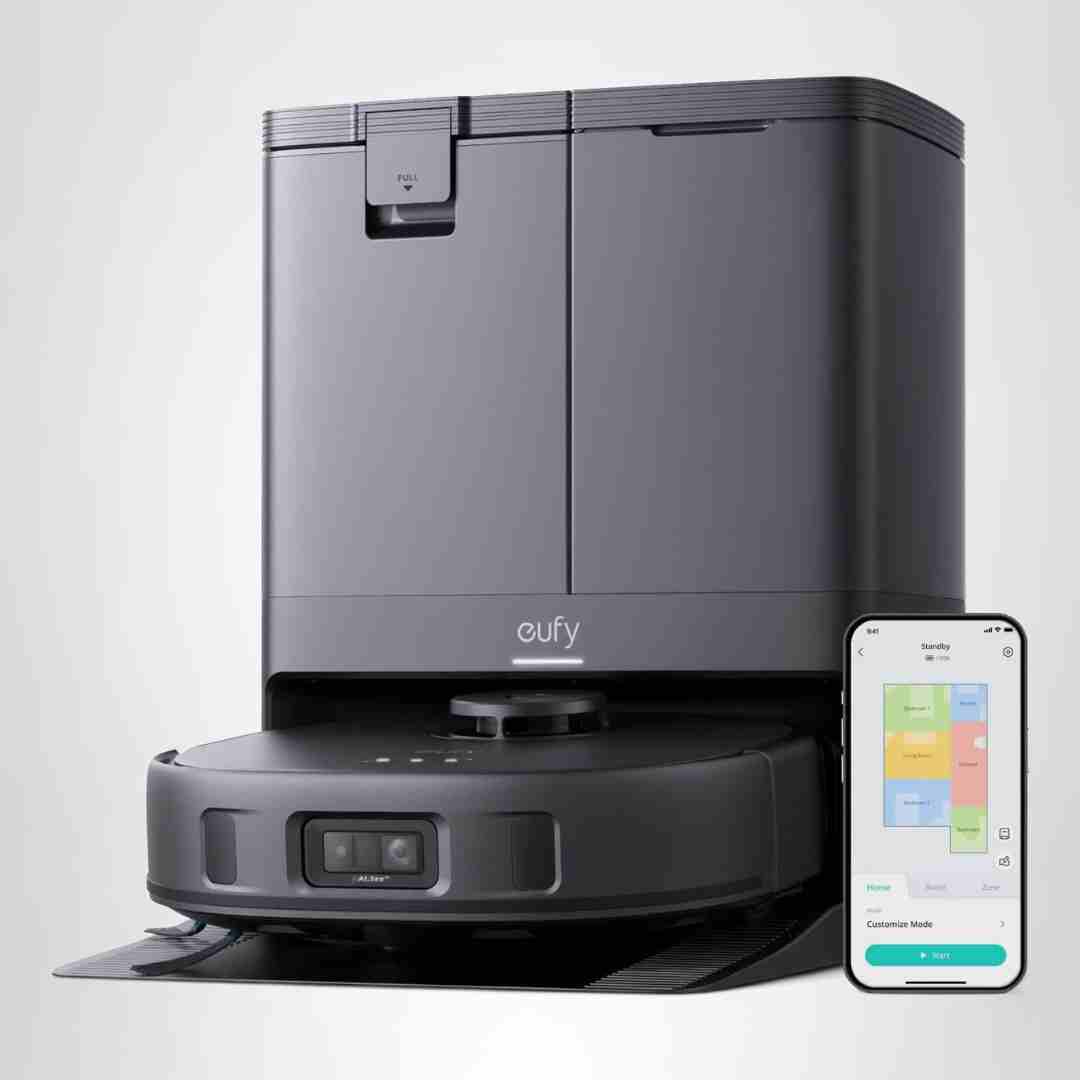
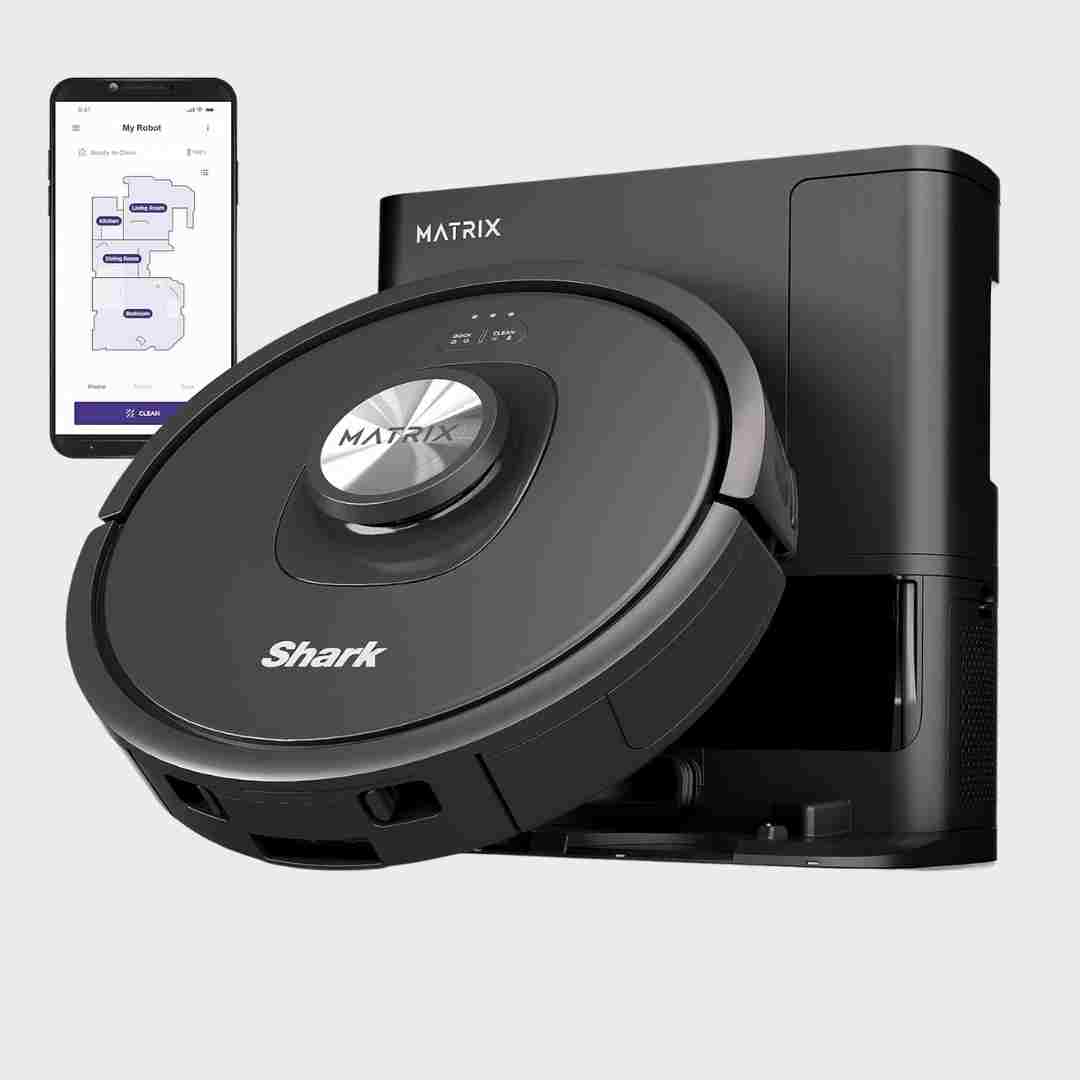
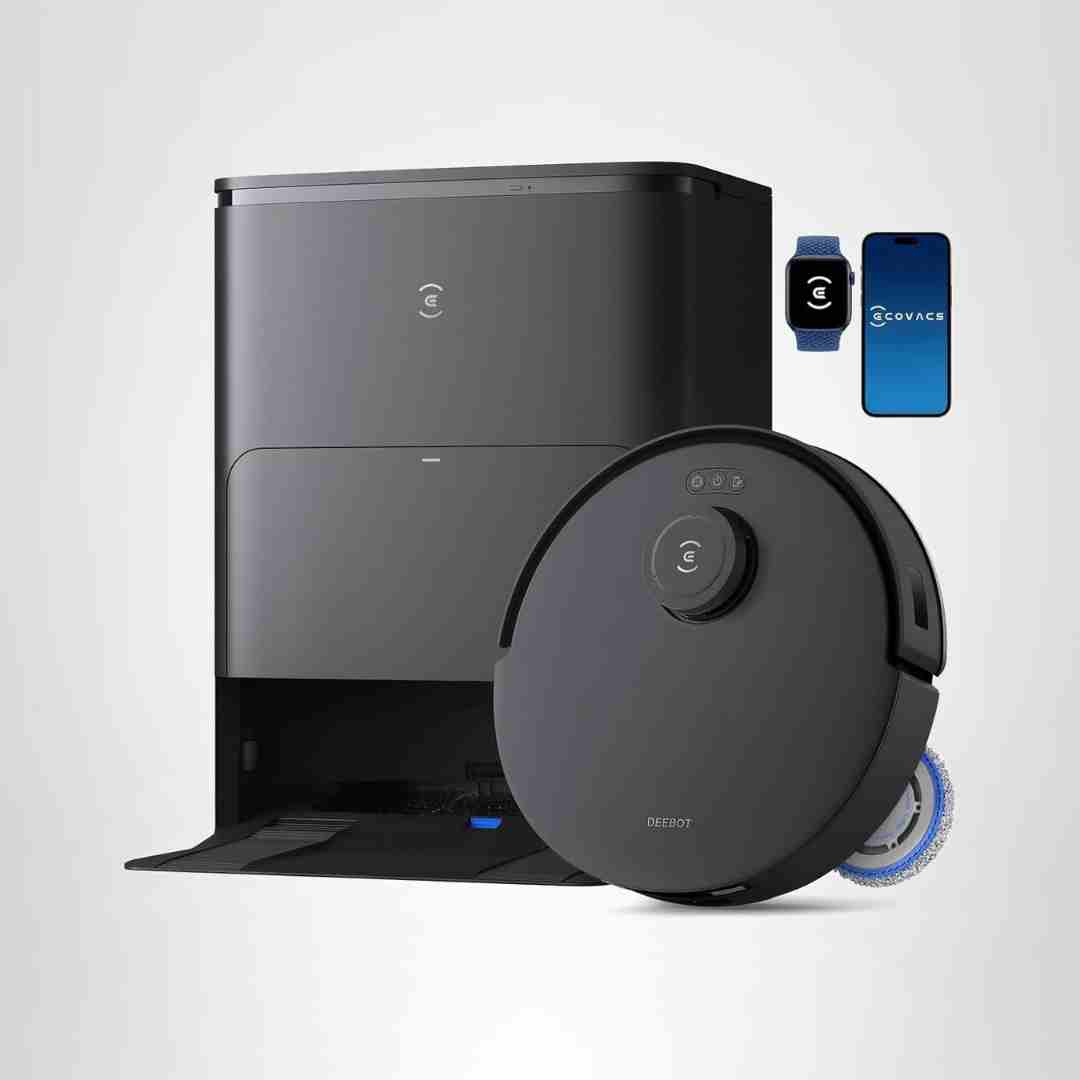
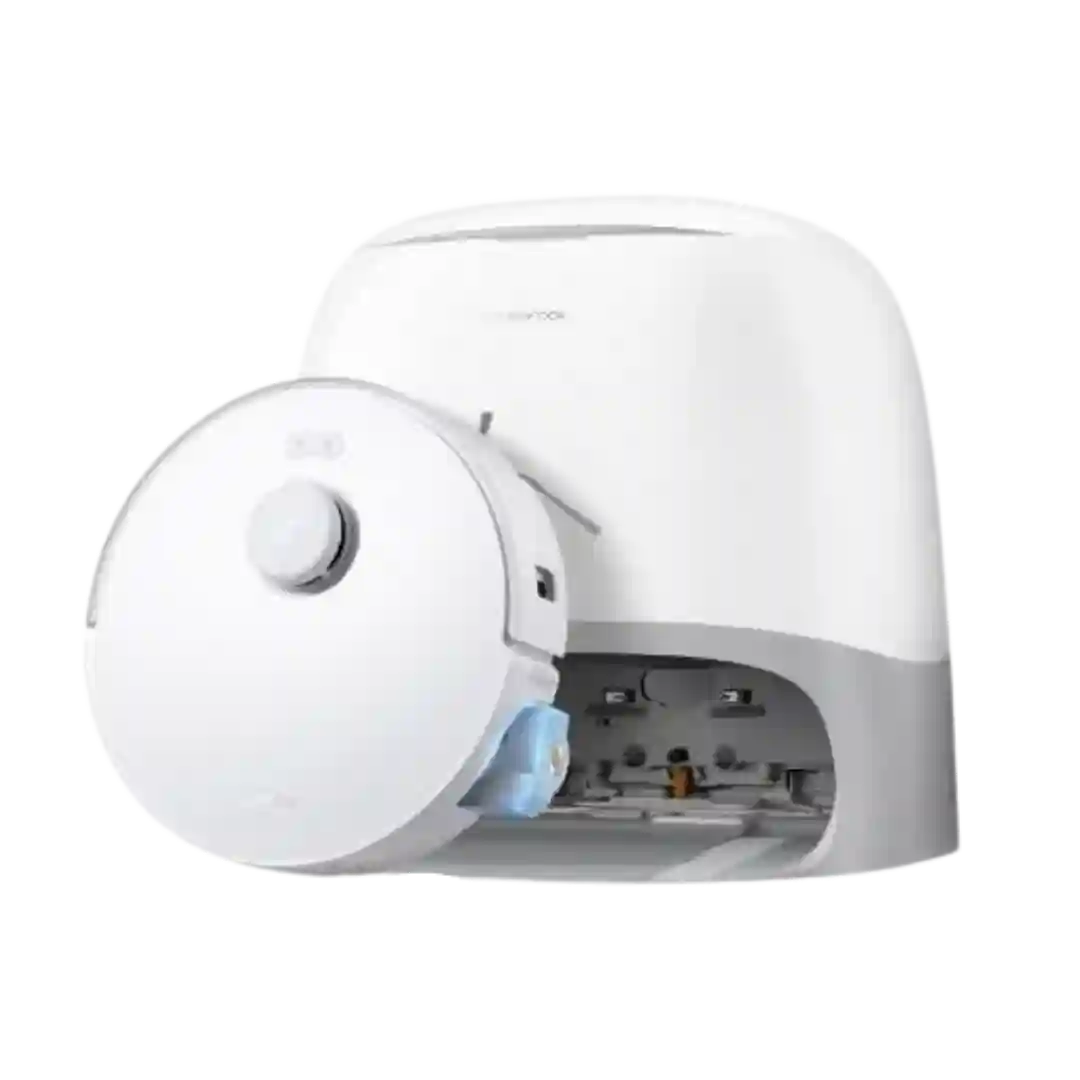
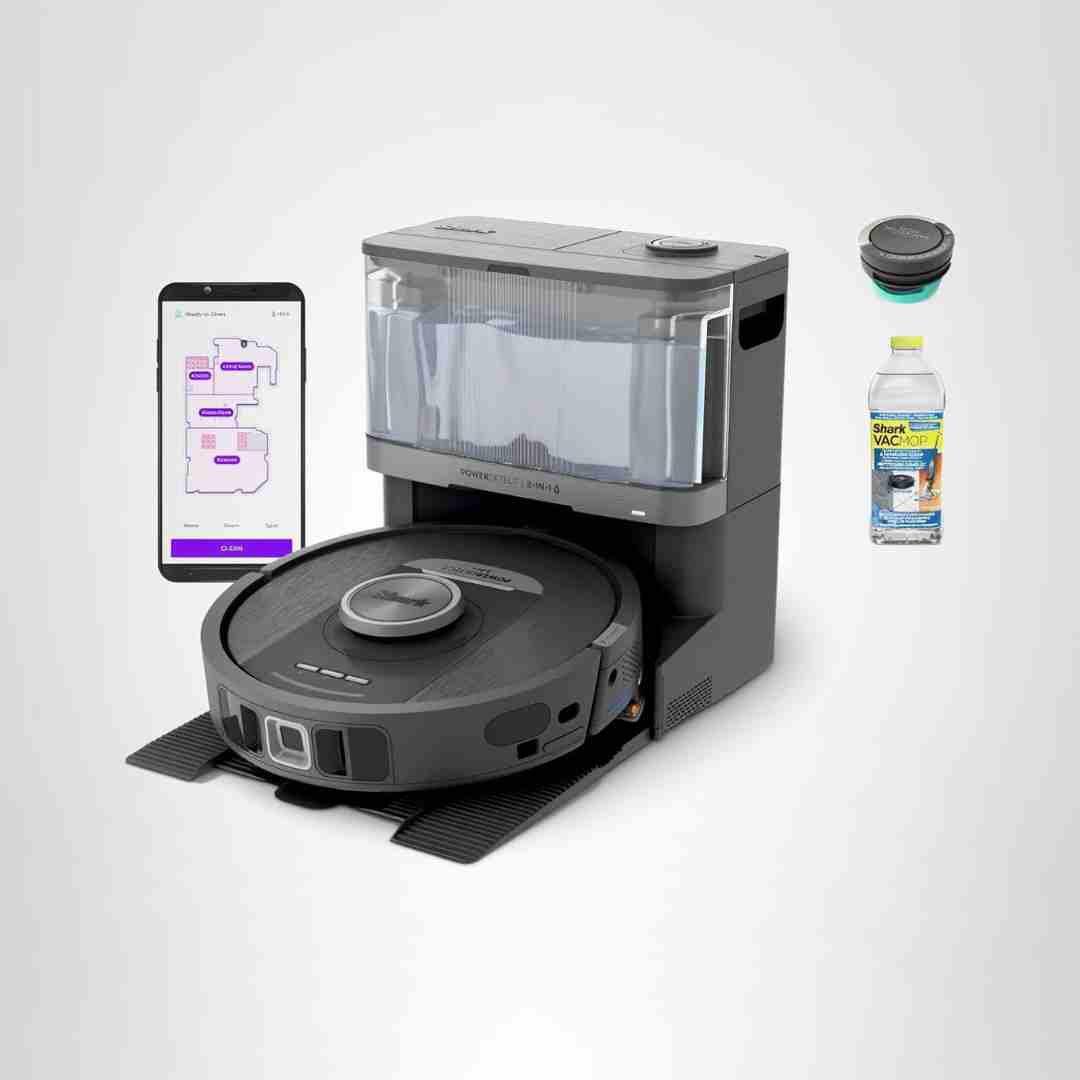
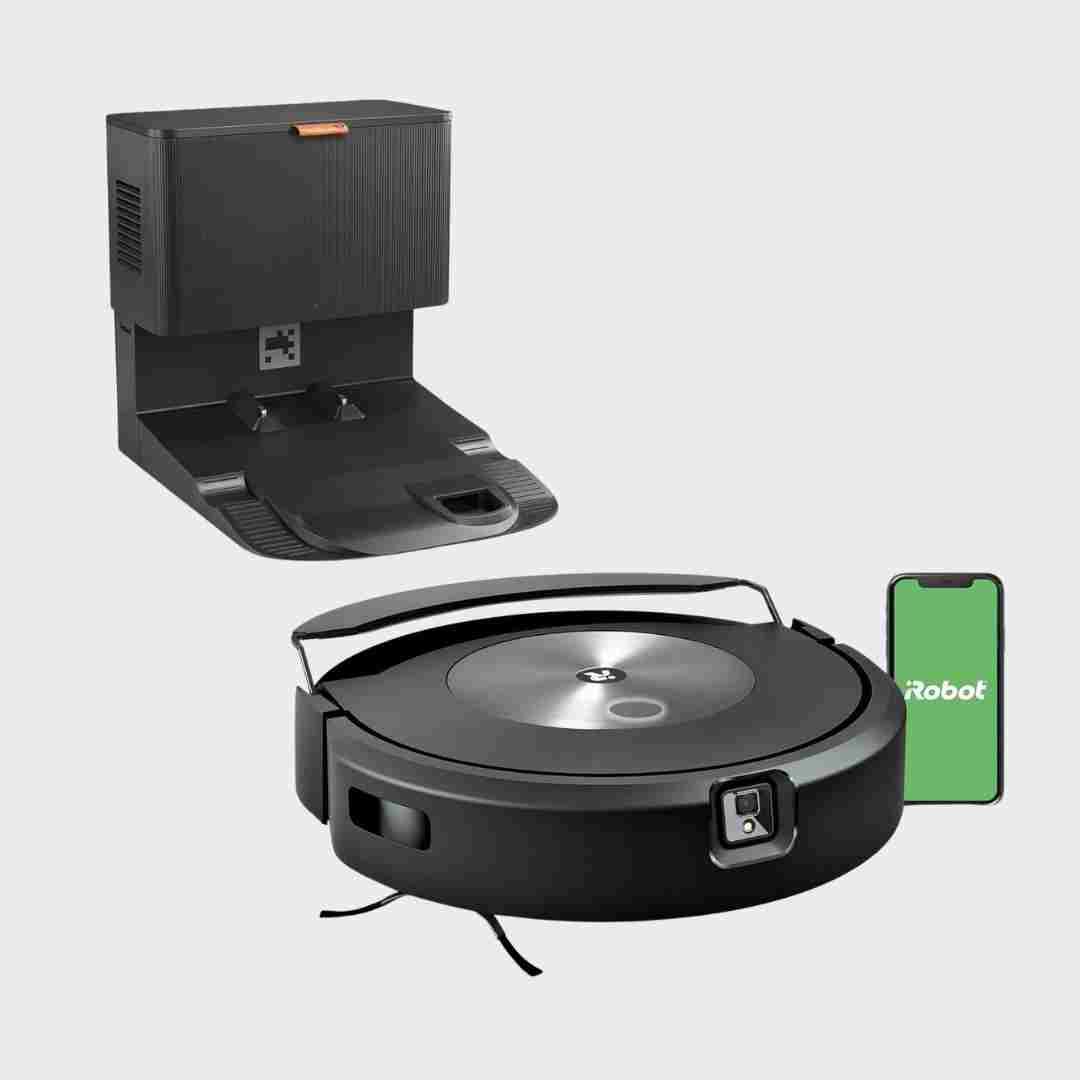
Dock operations are generally reported as not super loud, with mop washing and bin emptying described as reasonable and the drying fan often called very quiet.
Self-empty noise is generally described as reasonable—one reviewer was impressed by how quiet it is, while another says it’s comparable to a robot vacuum’s self-empty sound, so it’s noticeable but brief.
Dock noise is acknowledged as noticeable during auto-emptying, but reviewers emphasize it is short-lived. Outside of the emptying burst, overall sound levels are described as relatively manageable for a premium robot vacuum/mop combo.
Dock noise is usually described as reasonable, with auto-emptying peaking loudest; mop drying noise can be noticeable to some people depending on room placement and drying duration.
Dock noise varies by drying mode: fast drying is noticeably louder (mid-60 dB in one measurement), while quiet drying is much softer but takes about an hour.
Dock noise is generally considered noticeable but brief during emptying/washing; drying is described as quiet in at least one review, while other accounts highlight short louder moments.
Noise is commonly described as a short, strong emptying burst; mop washing/drying is usually lower volume. One reviewer reported squeaking during mop washing on their unit.
Dock emptying is usually described as a short but noticeable burst of noise—generally tolerable, but not subtle. This matters most if the station is near bedrooms or used late at night.
Dock noise is described as a short but loud auto-empty burst, followed by quieter pump/wash steps and a gentle drying hum. Scheduling or adjusting empty frequency is recommended if noise is a concern.
The auto-empty cycle can be noisy on higher settings, but some reviewers highlight a quieter/“soft” emptying option that reduces sound at the cost of a longer cycle.
Noise during cleaning is typically comfortable, while dock emptying and wash/dry cycles are the noisiest moments. Most owners still consider it acceptable for daytime or overnight runs.
Dock noise is often reported as reduced versus older Ecovacs docks, especially during emptying and wash cycles. Still, measured or subjective reports indicate it can be loud in certain modes, so quiet-hours use may require scheduling.
Dock-related noise is described as noticeable during drying and auto-empty events, with some reviewers calling the drying sounds more present than they prefer in the same room.
Dock-related noise is mixed: auto-emptying and pad washing are loud enough to notice, while pad drying is usually described as a softer background hum.
Dock noise is the main acoustic drawback: mop drying and certain dock cycles are described as noticeable, even if the robot itself is only moderately loud.
Dock emptying volume is inconsistent across reviewers: some describe it as very loud, while others find it comparatively quieter and less high-pitched than older Roombas. Either way, the empty cycle is brief and can be scheduled around quiet hours.
Dock noise is one of the most polarized topics: some reviewers call the auto-empty very loud, while others consider it notably quiet. Owners should assume there will be audible spikes during emptying and wash/dry cycles, especially in quiet homes at night.
Dock emptying noise is described as noticeable but not unusual for the category, and one comparative test ranks Q Revo models among the quieter options overall, with dock noise still being distinctly audible.
Dock maintenance cycles are noticeably louder than normal cleaning in measurements shared by some reviewers. This is most apparent during self-emptying and hot-water mop washing/drying.
Self-empty dock evacuation can be loud but brief (often described around a short cycle), and some docks include a mute/quiet mode to disable or reduce the evacuation behavior when needed.
Dock emptying is consistently described as loud, even when the robot itself is relatively quiet. Owners often schedule emptying when they’re out or accept the brief noise as the tradeoff for convenience.
Docking/auto-empty and pad drying add noticeable noise (auto-empty bursts and a low drying hum), which some users treat as background noise and others find annoying.
Dock emptying can be loud, with at least one review describing a pronounced “air rushing” sound during the bin-empty cycle. This is most noticeable compared with the robot’s quieter/lower-power cleaning modes.
Dock noise is a common complaint: auto-emptying can be loud (often compared to a brief vacuum blast) while mop washing is more moderate and drying is relatively quiet.
Dock noise is a recurring tradeoff: auto-empty cycles can be loud (often measured around 70–78 dB), while mop washing is mid-volume and drying is relatively quiet but audible.
Dock noise is acceptable but noticeable. Drying is often described as a background hum, though some reviewers found the station louder than competing docks over long drying cycles.
Dock noise is a common downside: auto-emptying is repeatedly described as very loud for a short burst, while mop washing can add noticeable gurgling/operational sounds. Day-to-day dock function is valued despite the noise.
Dock extraction noise is noticeable but brief; several reviewers said the empty cycle is loud for a few seconds compared with the robot’s normal cleaning sound.
Dock noise varies by mode: auto-emptying and the water system can be loud for some users, while others still describe the overall system as quieter than expected.
Dock drying is clearly audible because the roller rotates while warm air runs; several reviewers wish it were quieter or offered a silent-style option.
Dock self-emptying noise is a consistent negative, often described as startlingly loud for a short burst, with several measurements around high-80s to around 90+ dB.