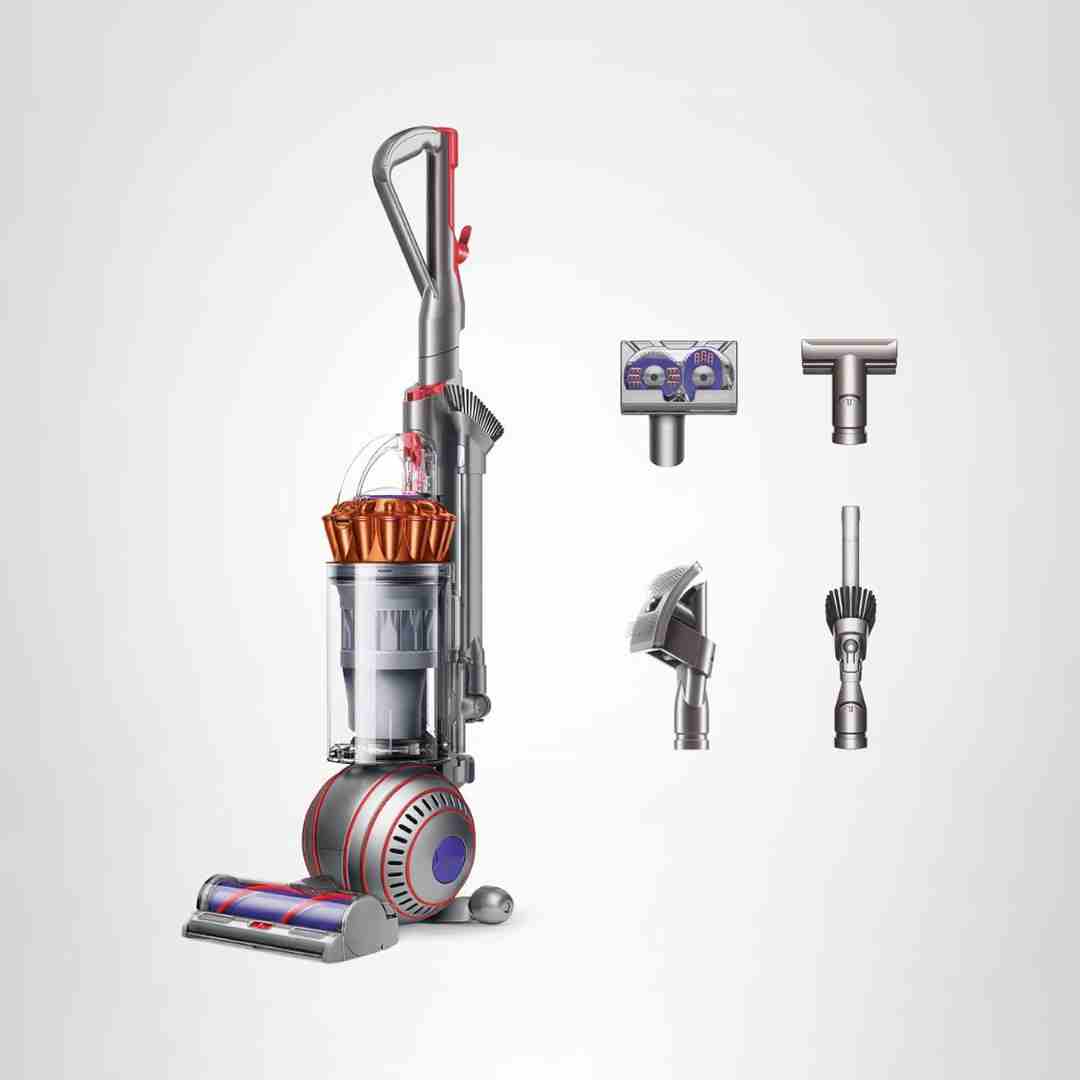
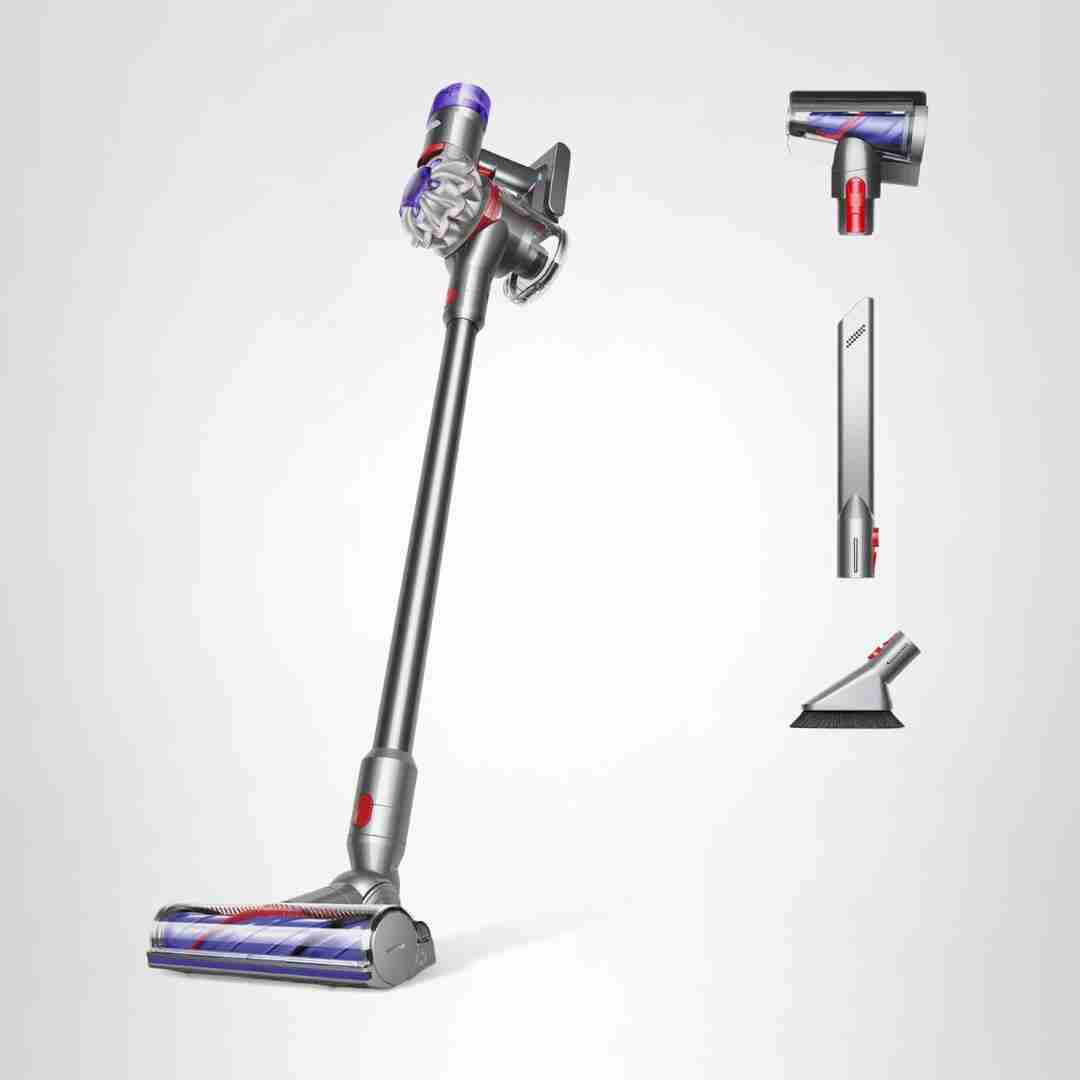
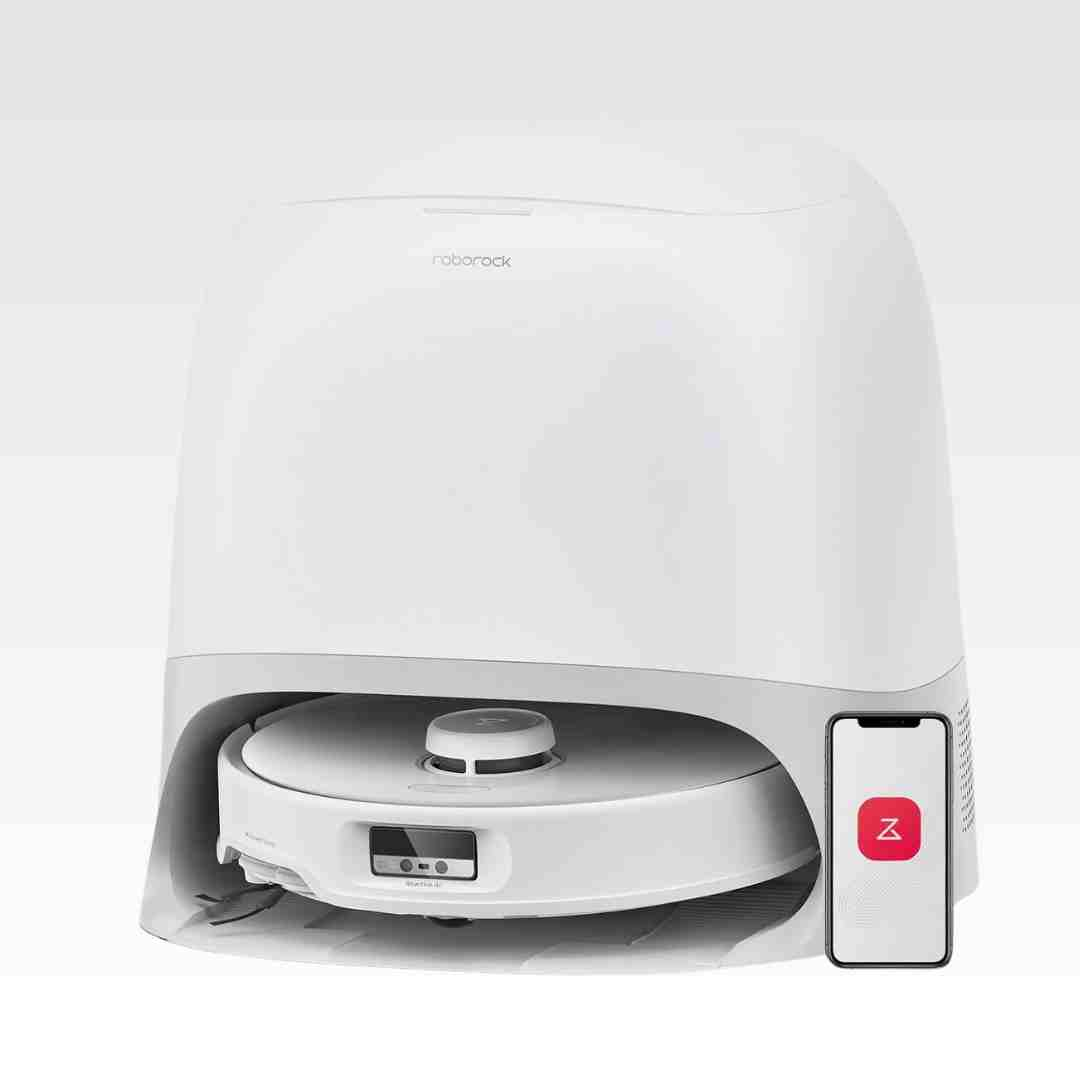
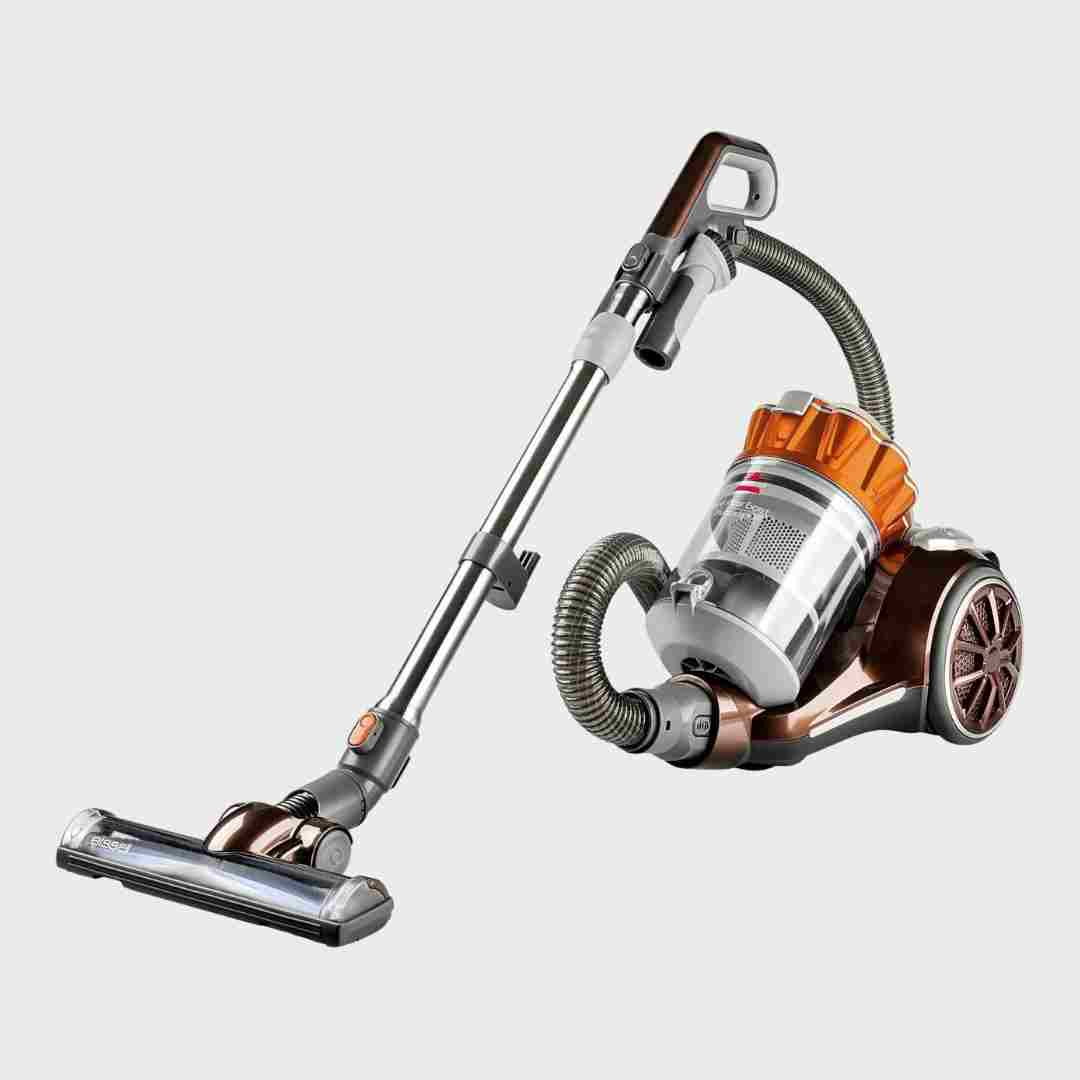
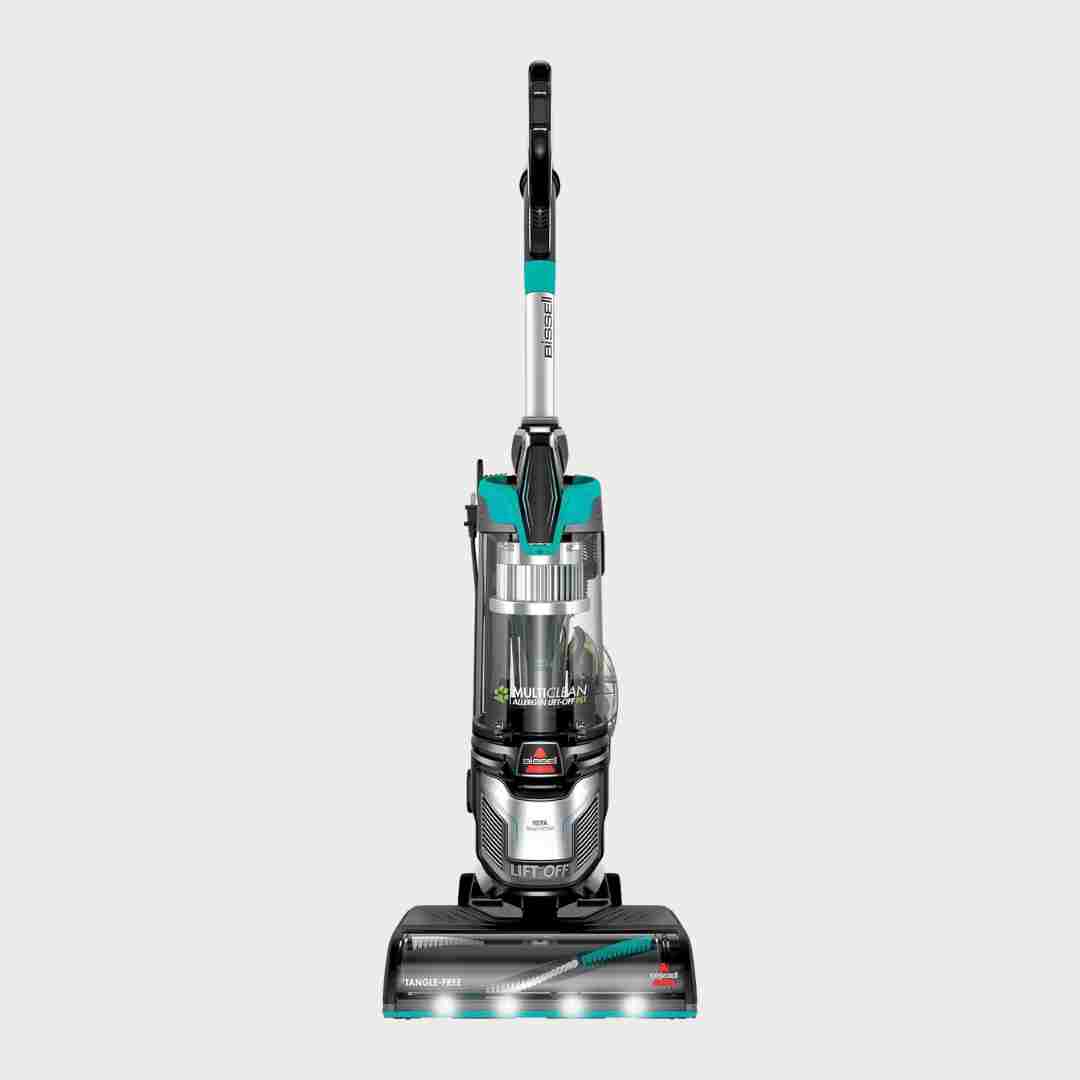
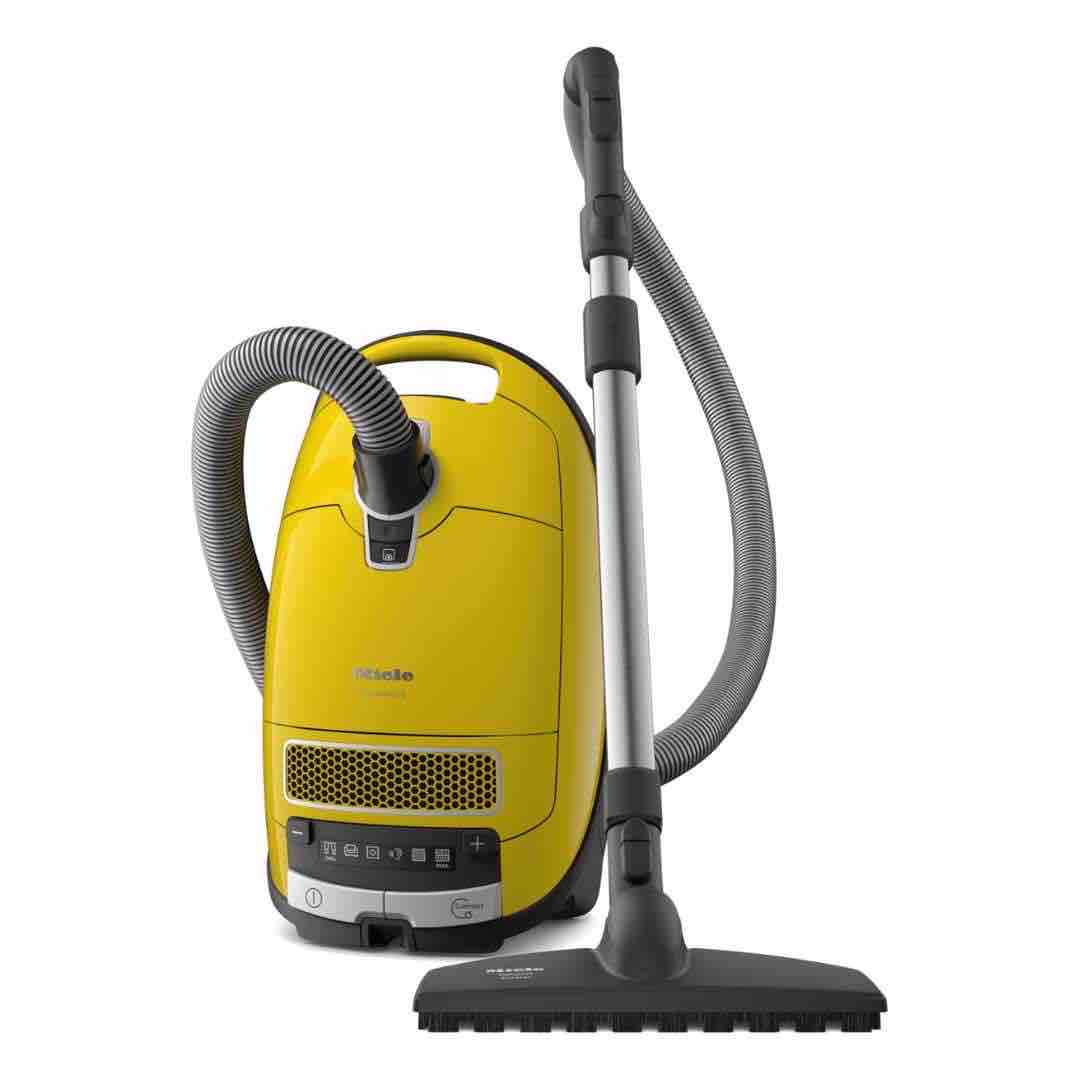
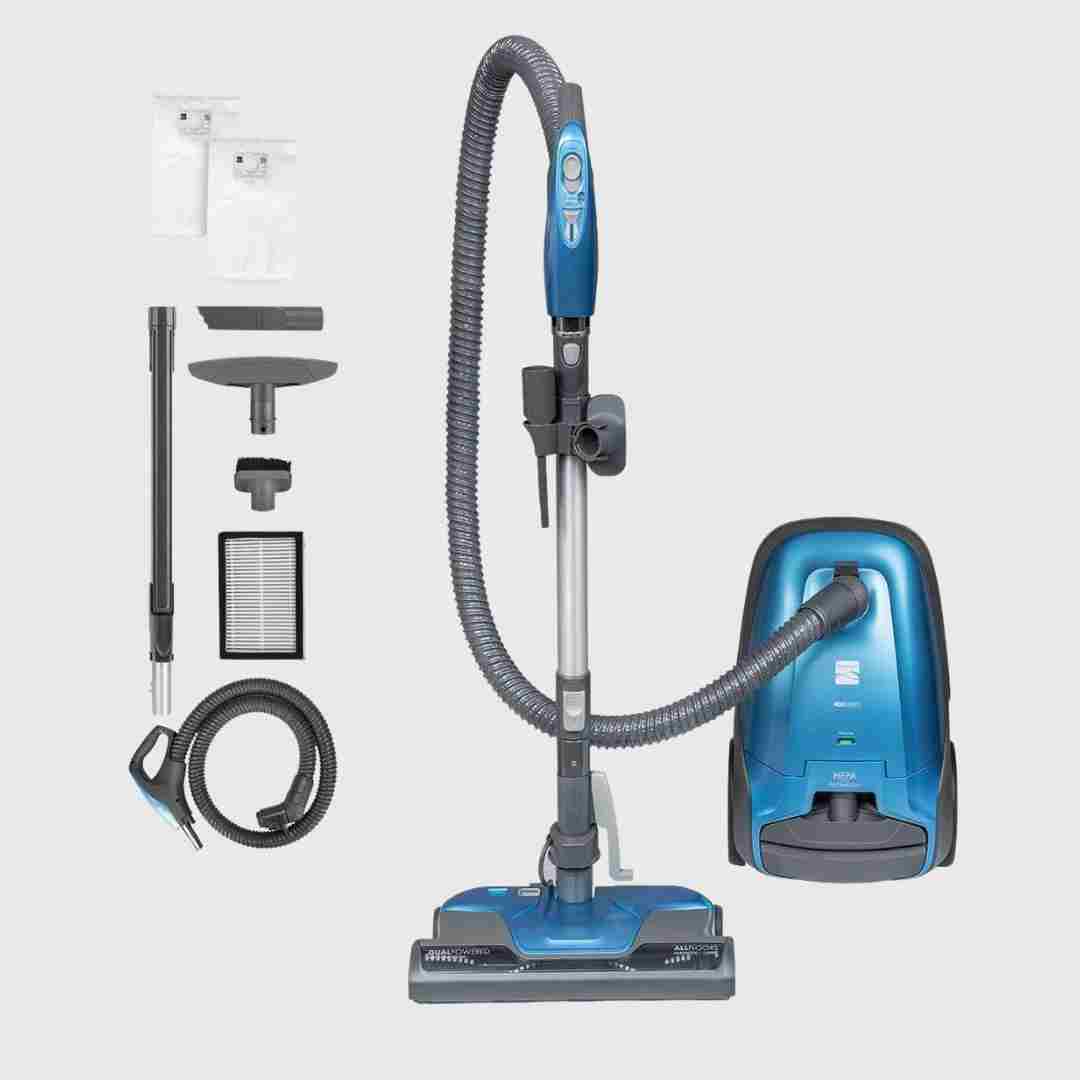
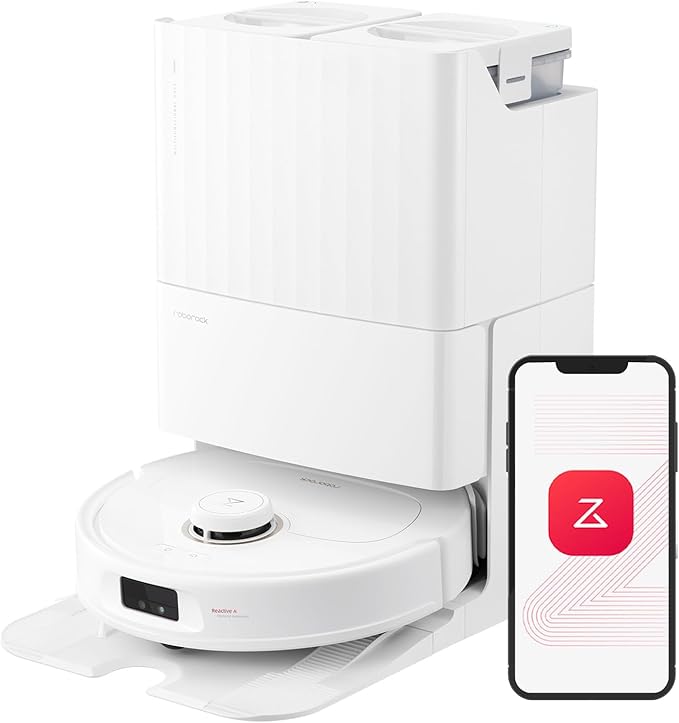
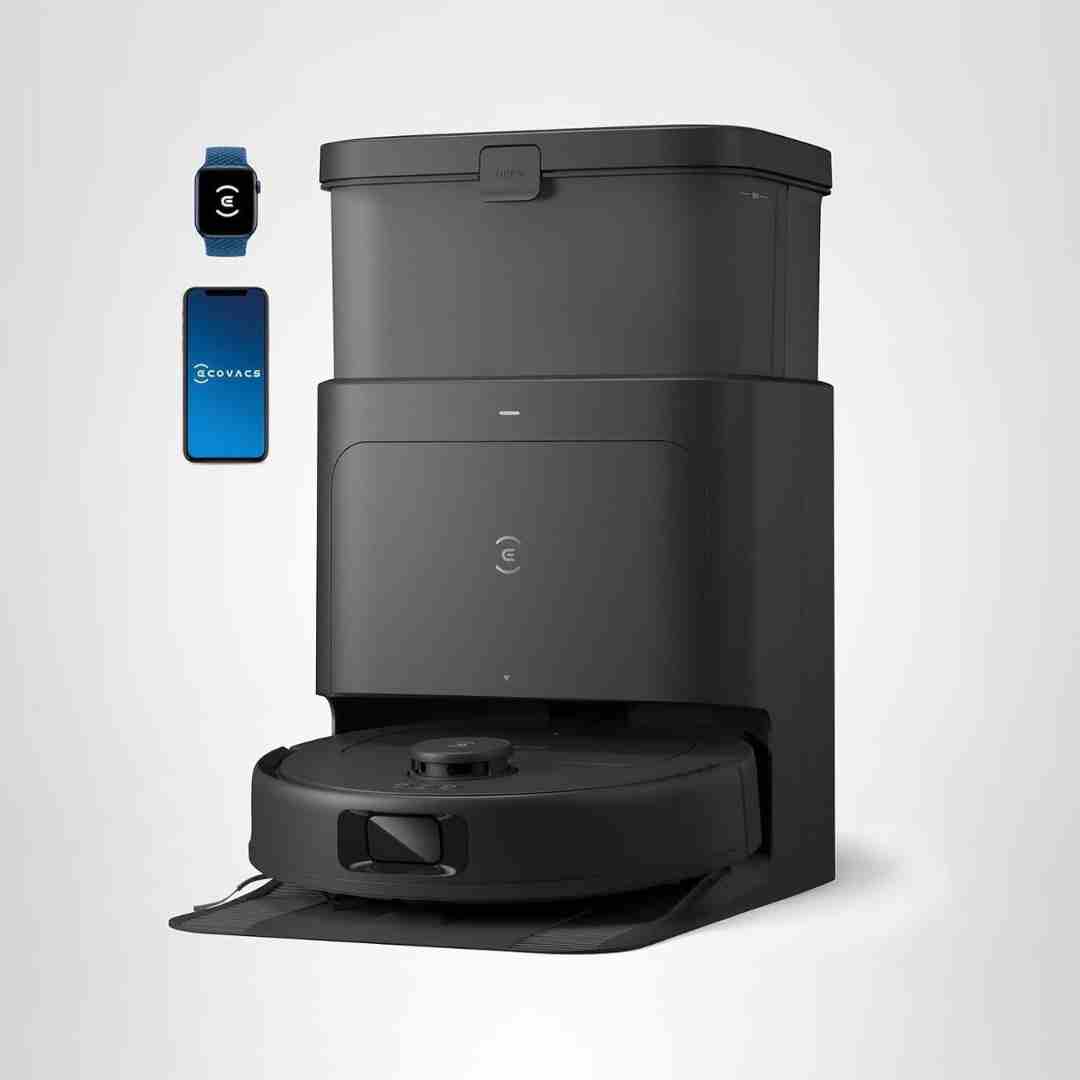
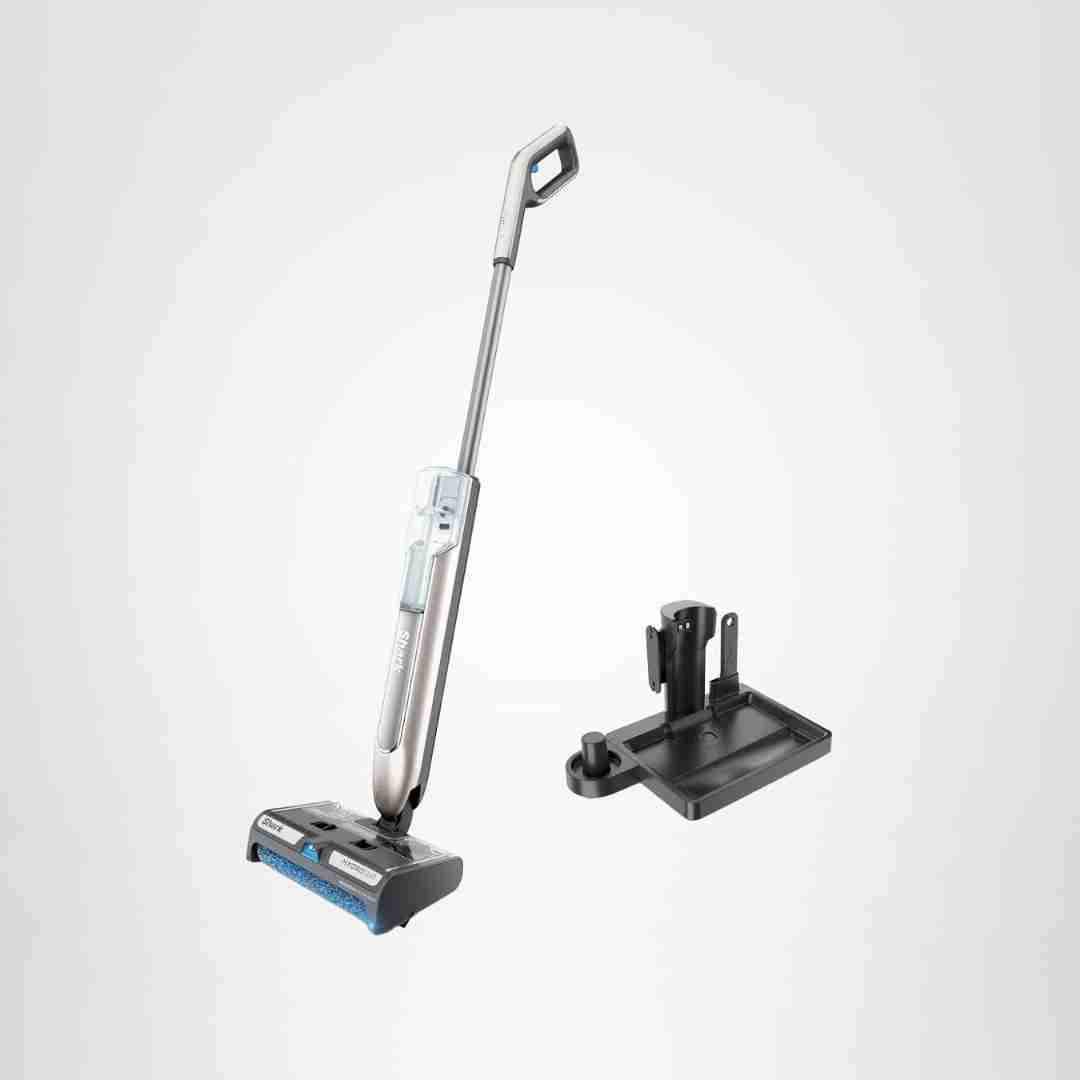
Auto-emptying generally leaves the onboard bin nearly clean and reduces mess versus manual dumping, though moving the robot can let some debris fall from internal cavities.
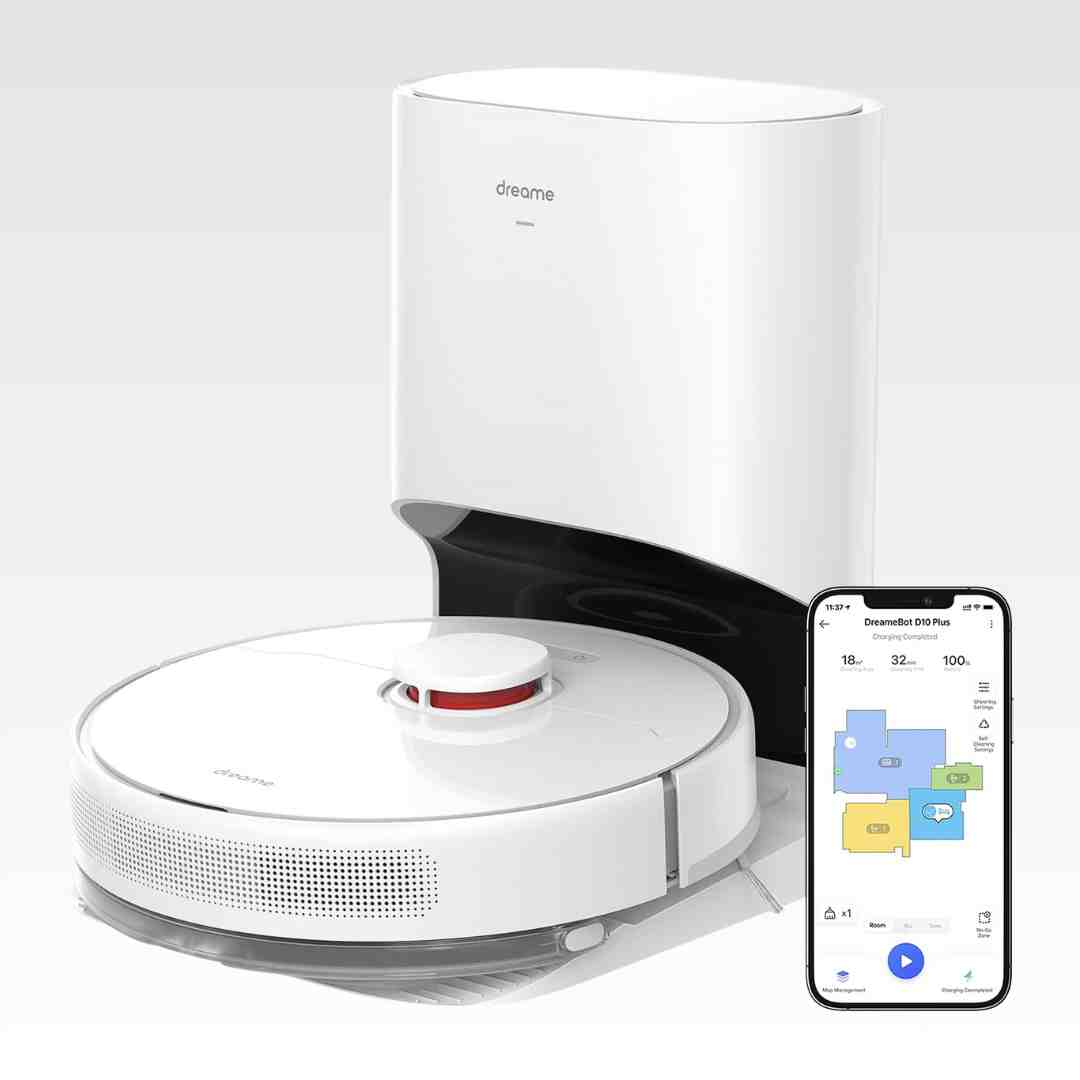
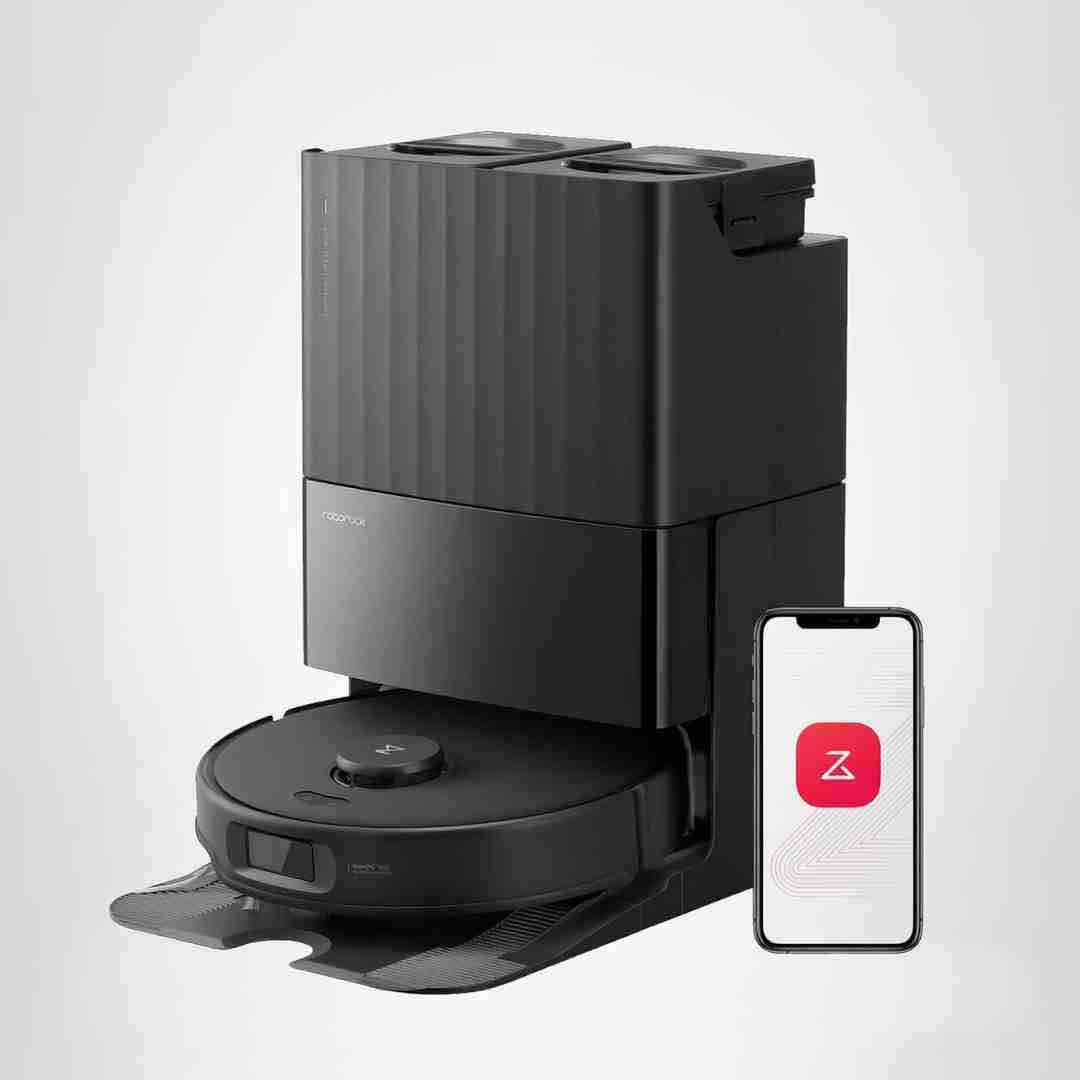
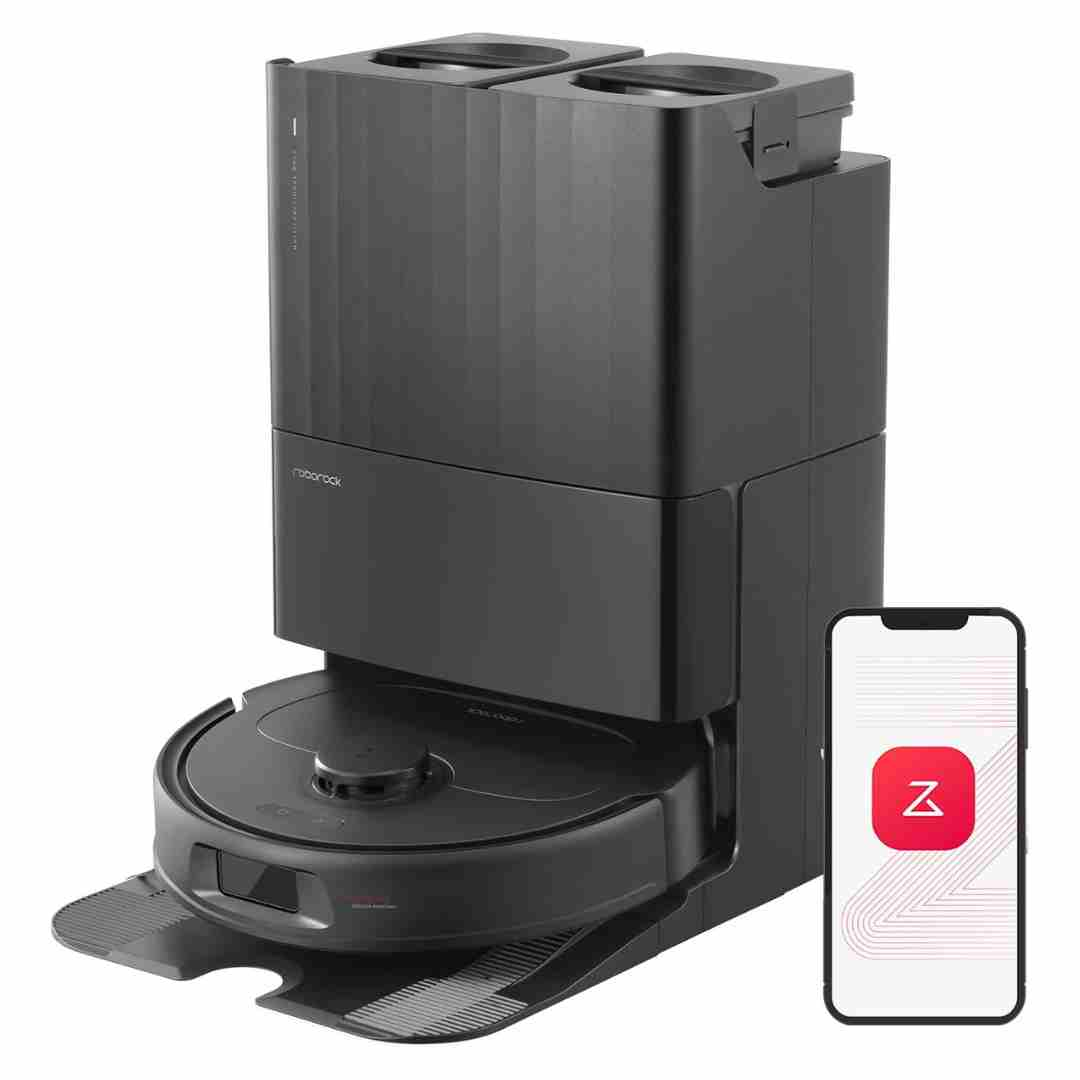
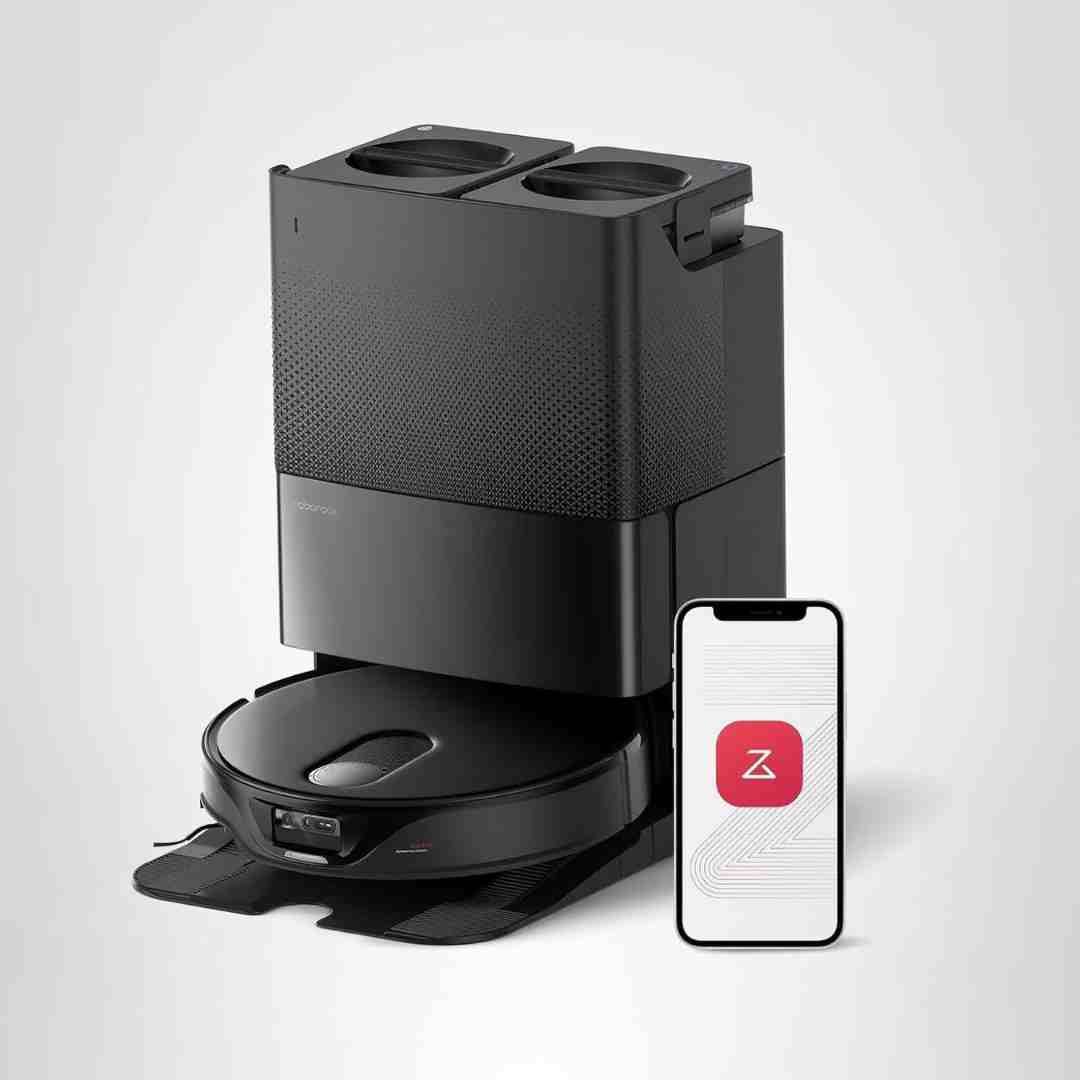
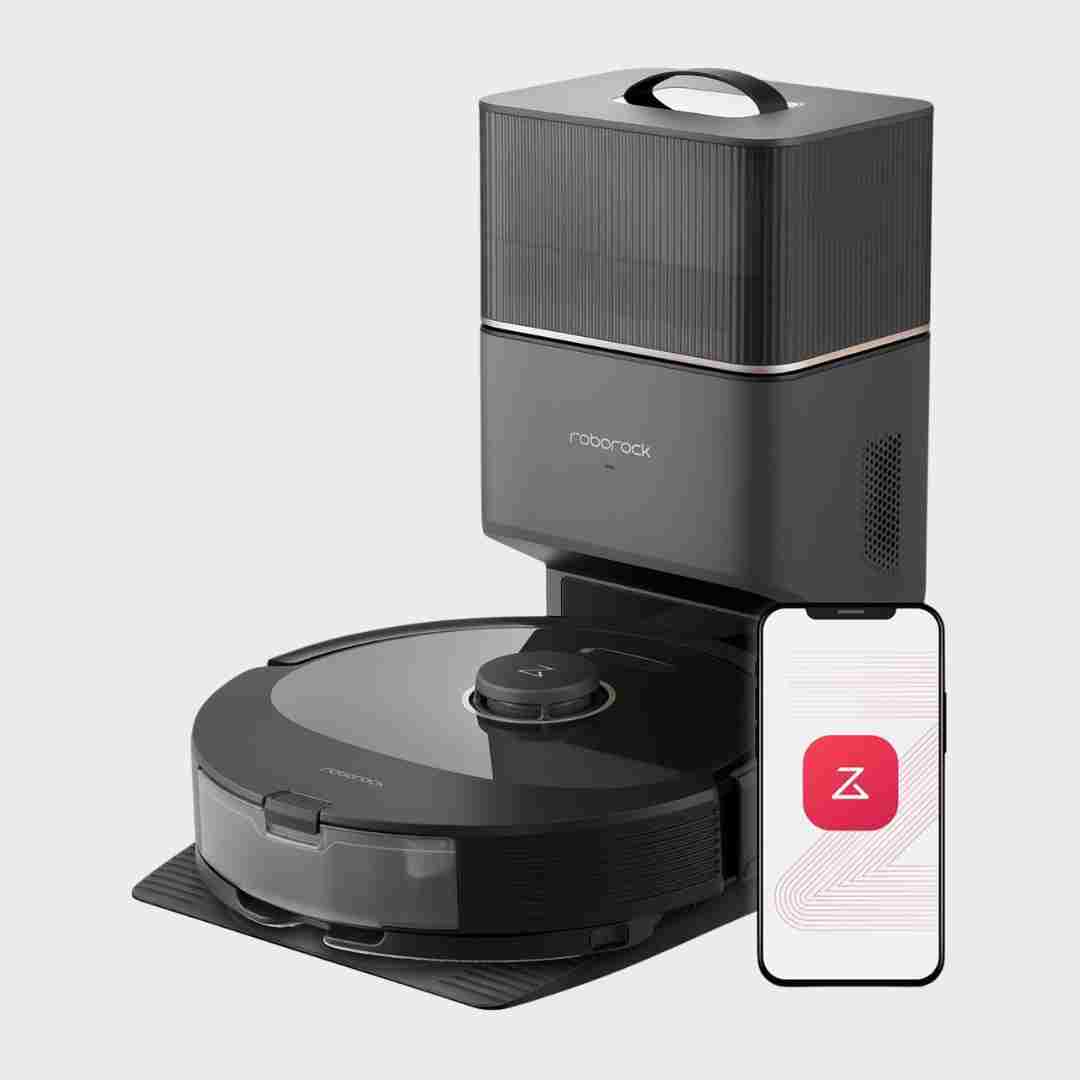
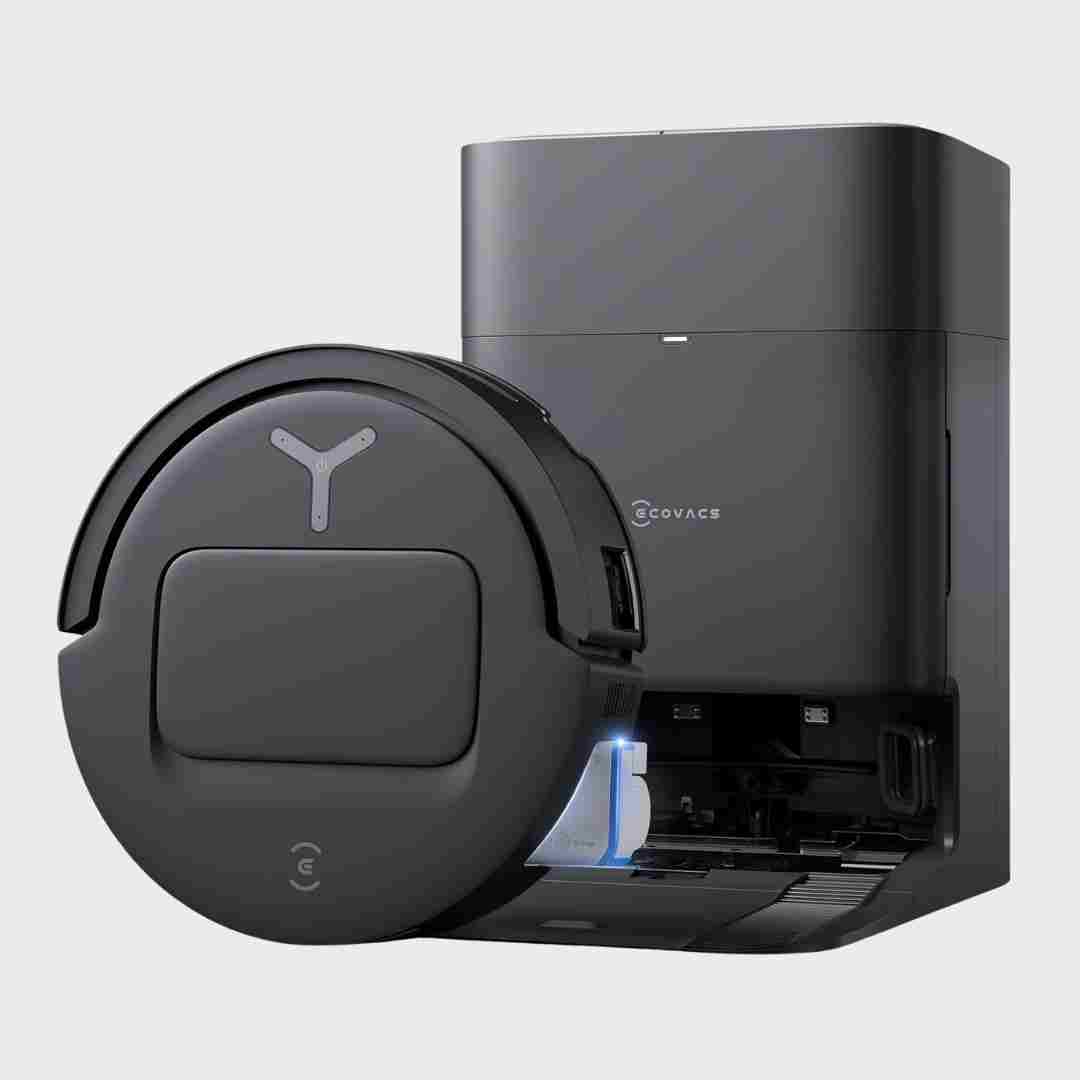
The All-in-One Clean Station is widely celebrated for hygienic, low-mess emptying into a sealed bag and automatic charging. Downsides include the dock’s footprint and the fact that some reviewers wish auto-empty could be turned off for quick jobs.
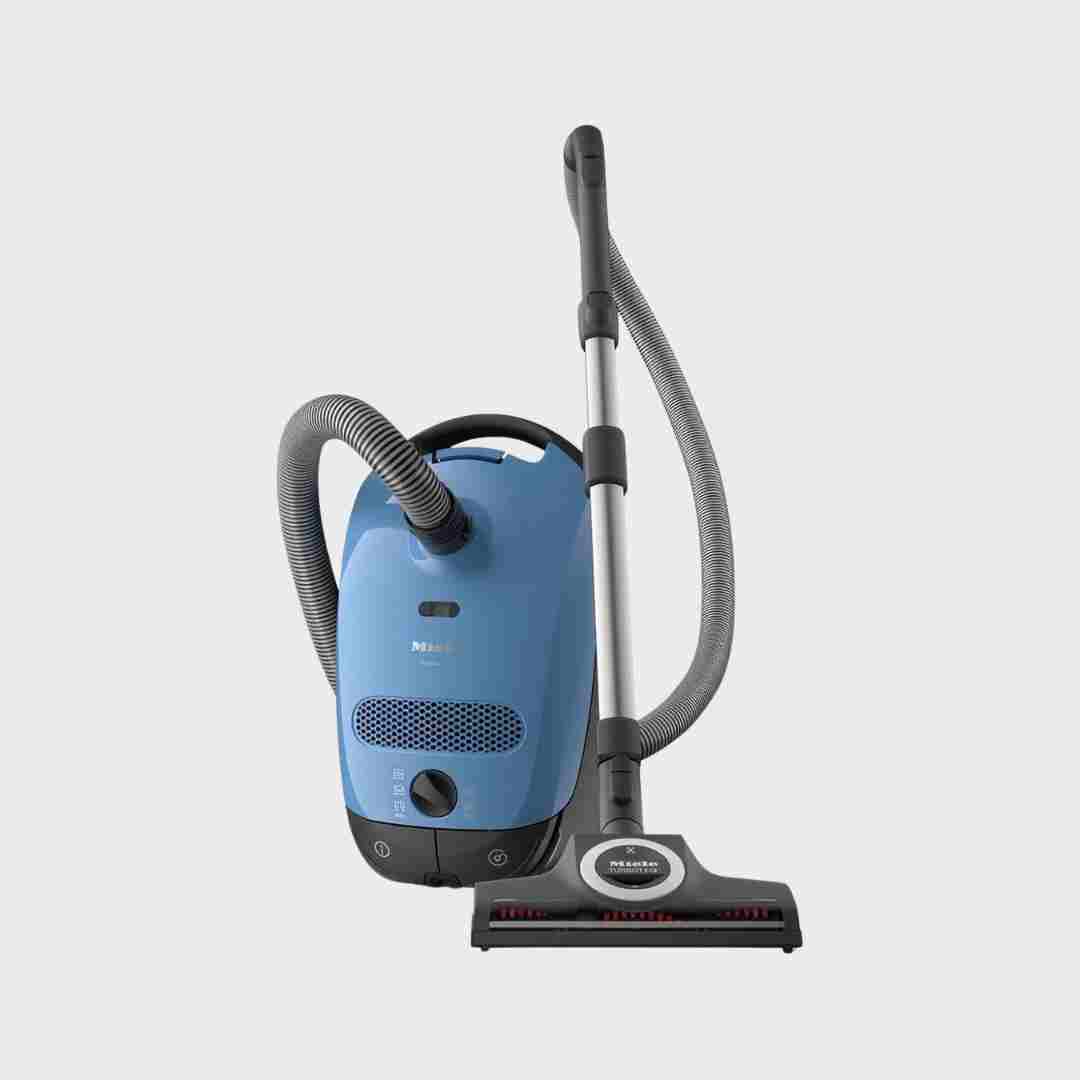
Bag changes are described as quick and low-mess thanks to self-sealing tabs, with dust kept out of the air during disposal. The main downside is that you must replace bags rather than empty a bin.
Emptying is typically clean and low-mess because it is bagged, with some sources noting auto-closing bag openings and minimal dust escape during disposal.
Hygienic, no-touch emptying is a consistent positive, with reviewers noting you can eject debris without handling dust or fur. This is frequently paired with praise for the large bin.
Emptying is a standout: the lever-drop design is described as fast and convenient, and the Plus model is said to improve dirt ejection for cleaner, lower-dust emptying.
The bagged emptying system is viewed as clean and convenient, with quiet emptying noted in at least one review and helpful indicators when water tanks need attention.
Emptying is typically a one-button drop into the trash, and users describe it as straightforward and low-hassle. This simplicity is a consistent positive in owner-style reviews.
Mess control during emptying is a consistent advantage of the bagged format, with several mentions of self-sealing bags that reduce dust clouds. People who dislike buying consumables still view bag disposal as cleaner than many bagless bins.
Auto-emptying is widely praised for keeping hands clean and reducing mess, but a few reviews note occasional leftover hair clumps or hair sticking to the dustbin door after the cycle completes.
Mess control is a major advantage of the self-sealing bag design, which helps avoid dust clouds during changes. A key caveat is that careless bag handling or a broken flap can dump debris into the vacuum body.
The bagged emptying station is repeatedly called the headline feature because it reduces mess and contact with dust; most reviewers describe an empty cycle triggered by pressing a button, and some wish it emptied automatically on docking.
Auto-emptying to a sealed bag keeps dust handling clean and hands off, and swapping bags is reported to be quick with minimal mess. This is a major convenience advantage for frequent cleaning.
Emptying is usually simple via a button release, and several reviewers say the bin design keeps mess and clogging manageable. Some note the bin is not huge, but day-to-day dumping is easy.
Emptying is usually one-button and easy, but fine hair/debris can cling to internal filters and sometimes requires opening the top and cleaning more thoroughly.
The dirty tank is often described as easy to empty and rinse thanks to large openings and parts that come apart for cleaning, helping reduce mess during maintenance.
Mess control during disposal is described as strong for a bagged design, with sealing/cap concepts and low-dust handling emphasized by multiple reviewers.
The auto-empty feature is a big quality-of-life win, keeping the onboard bin from filling quickly and reducing hands-on emptying. Bagged emptying also helps contain dust, though occasional clogs are mentioned.
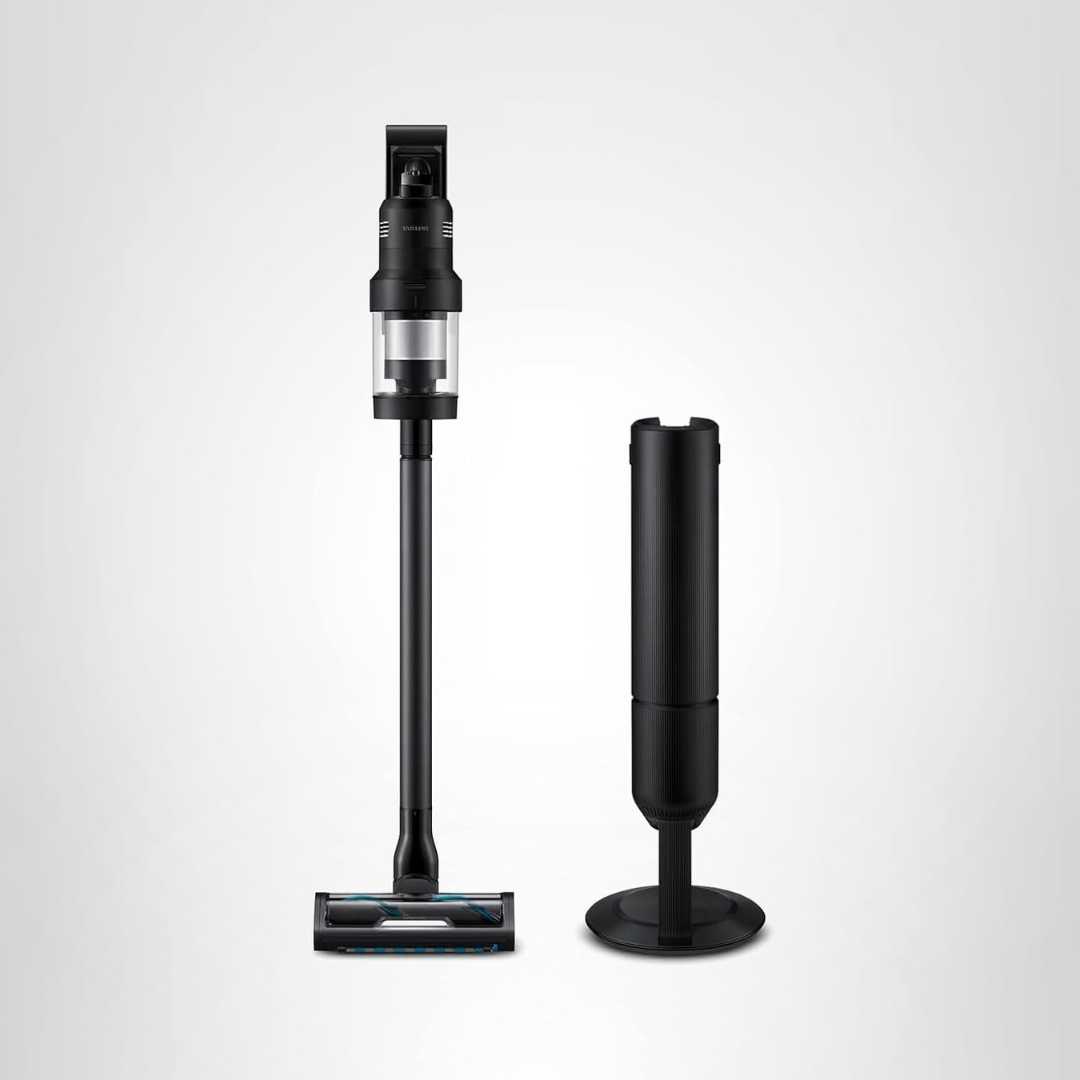
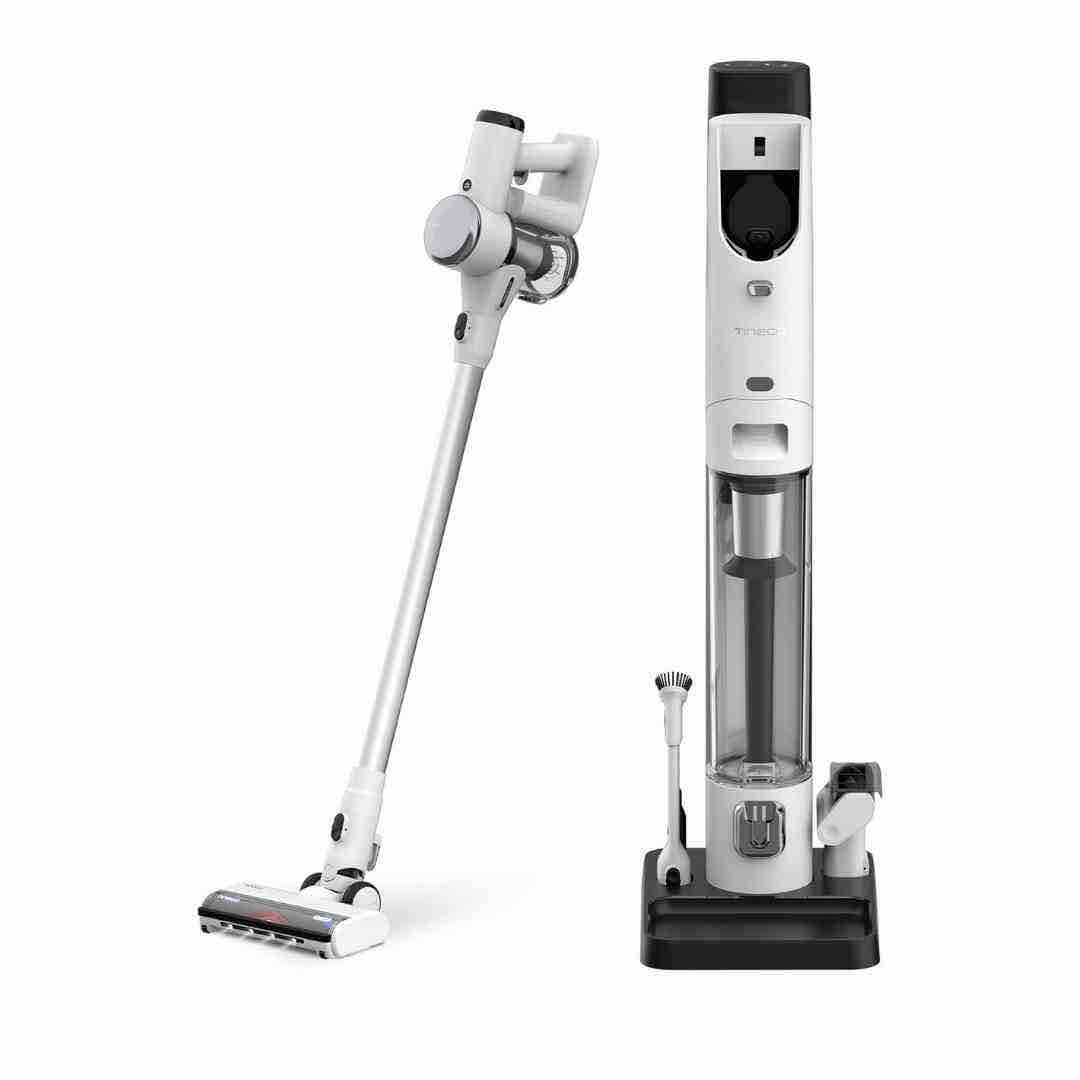
Onboard dust compression is widely praised for reducing emptying frequency and enabling a compact, charge-only dock instead of a bulky auto-empty base.
Emptying is generally described as quick and low-mess: the bin pops off and dumps easily, encouraging more frequent cleanouts. Some mention occasional hair/debris clinging inside the bin area.
Reviewers like the way the dirty tank separates solids, which helps keep emptying neater and reduces splashy cleanup. However, wet debris can adhere inside the tank and may need periodic scrubbing for a truly clean reset.
Emptying mess control is generally strong, with most reviews describing a clean transfer to the dock bag and minimal leftover in the robot bin, though dense debris can leave a small remainder in corners.
Auto-emptying is viewed as effective and keeps mess contained, and some reviewers appreciate configurable emptying frequency; a minor wish is for smarter emptying after a detangle event.
Emptying is generally tidy and effective, keeping the onboard bin from overflowing, but base filter upkeep can affect how clean and hassle-free the system feels over time.
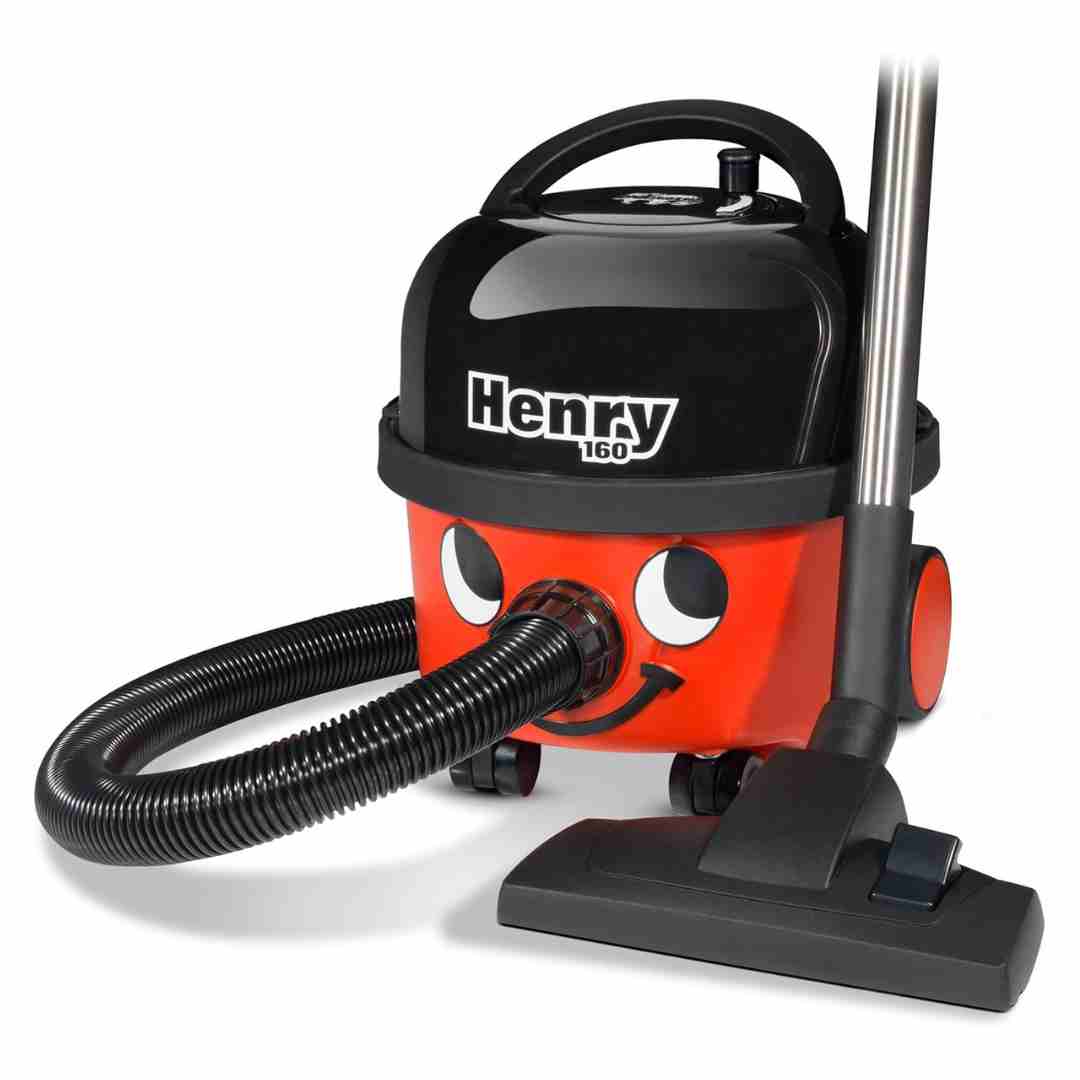
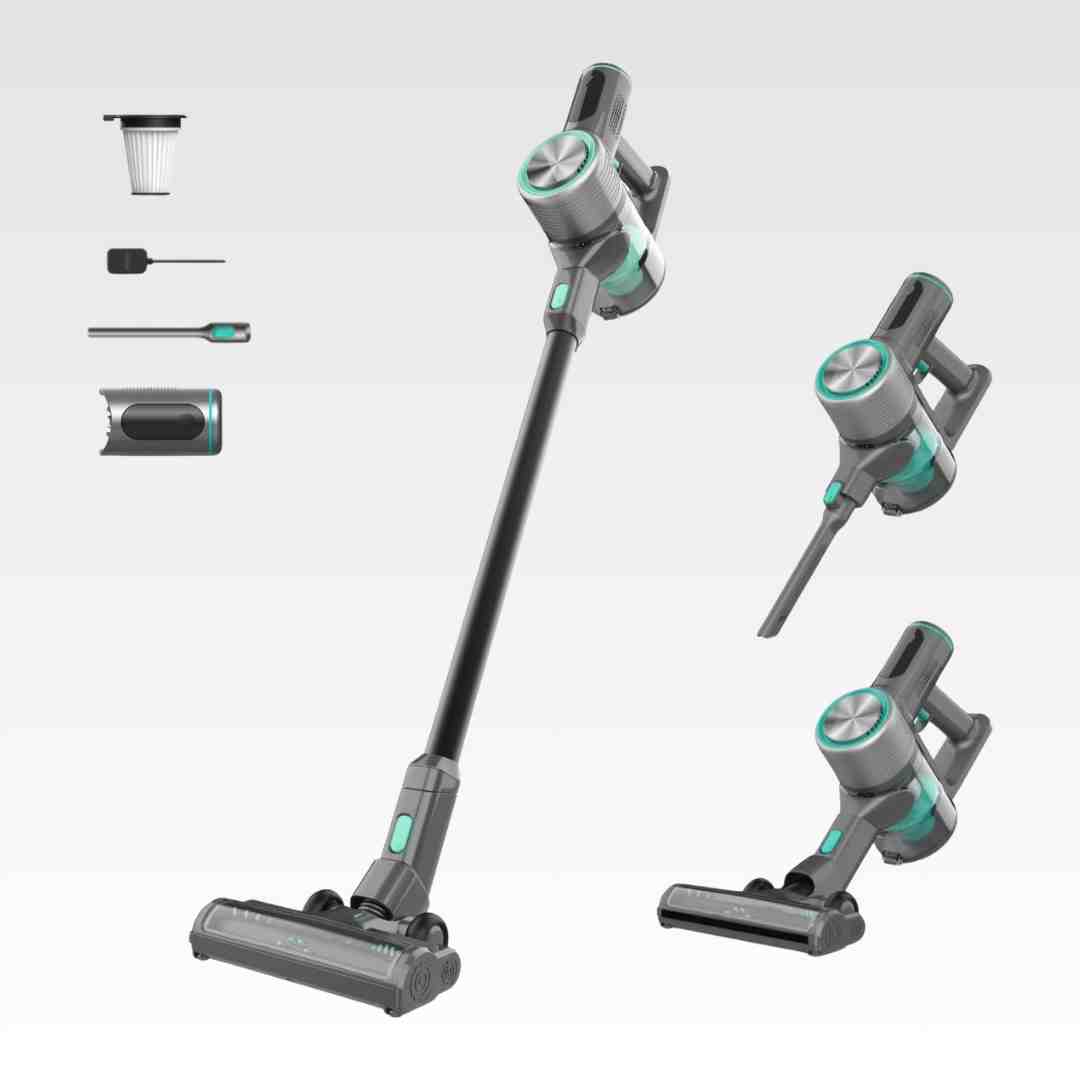
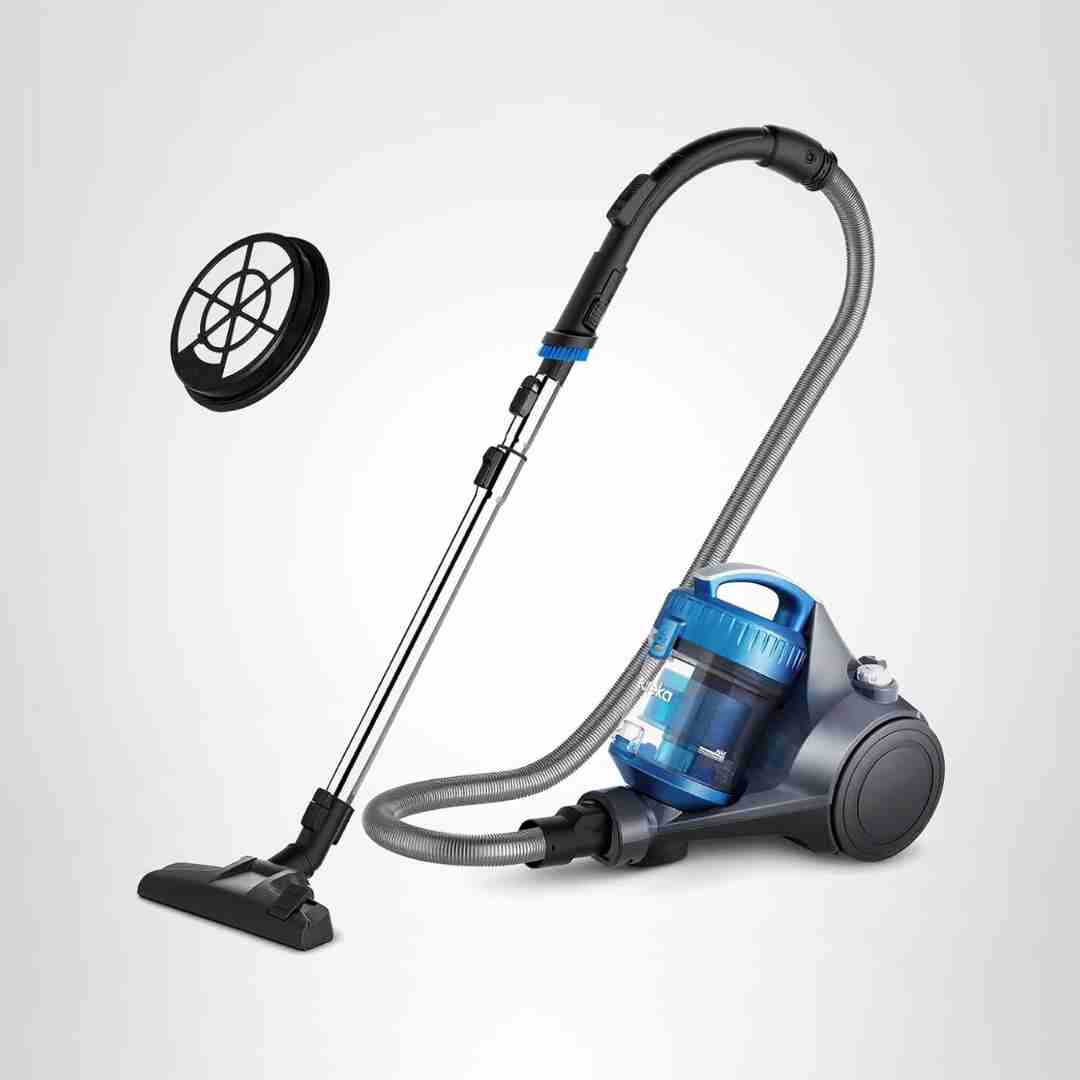
Emptying is generally easy with a bagless cup and removable filter that can be shaken out. Mess control is decent for routine maintenance, though dust blow-by is mentioned in at least one review.
The bagged auto-empty design and contained disposal are praised for keeping mess low when emptying. The process can be the loudest part of operation, but it is described as brief and largely hands-off.
Emptying is generally described as hygienic and easy: detach the bin and press a button to drop debris into the trash. A couple of users caution that the release mechanism can be sensitive, so careful handling helps avoid accidental disassembly.
Emptying is commonly described as quick and cleaner than many competitors, often via a bottom-drop mechanism and an additional top access point on some designs. While a few mention breakage or lid issues, the dominant theme is easy, low-mess dumping and less hair sticking inside.
Emptying is commonly described as quick and low-effort with push-button release, though routine upkeep (filters/brushroll) matters for maintaining performance.
Emptying is described as quick and low-mess, and the larger bin reduces how often you need to do it. Transparent bin design also helps users see what’s collected and avoid surprises before dumping.
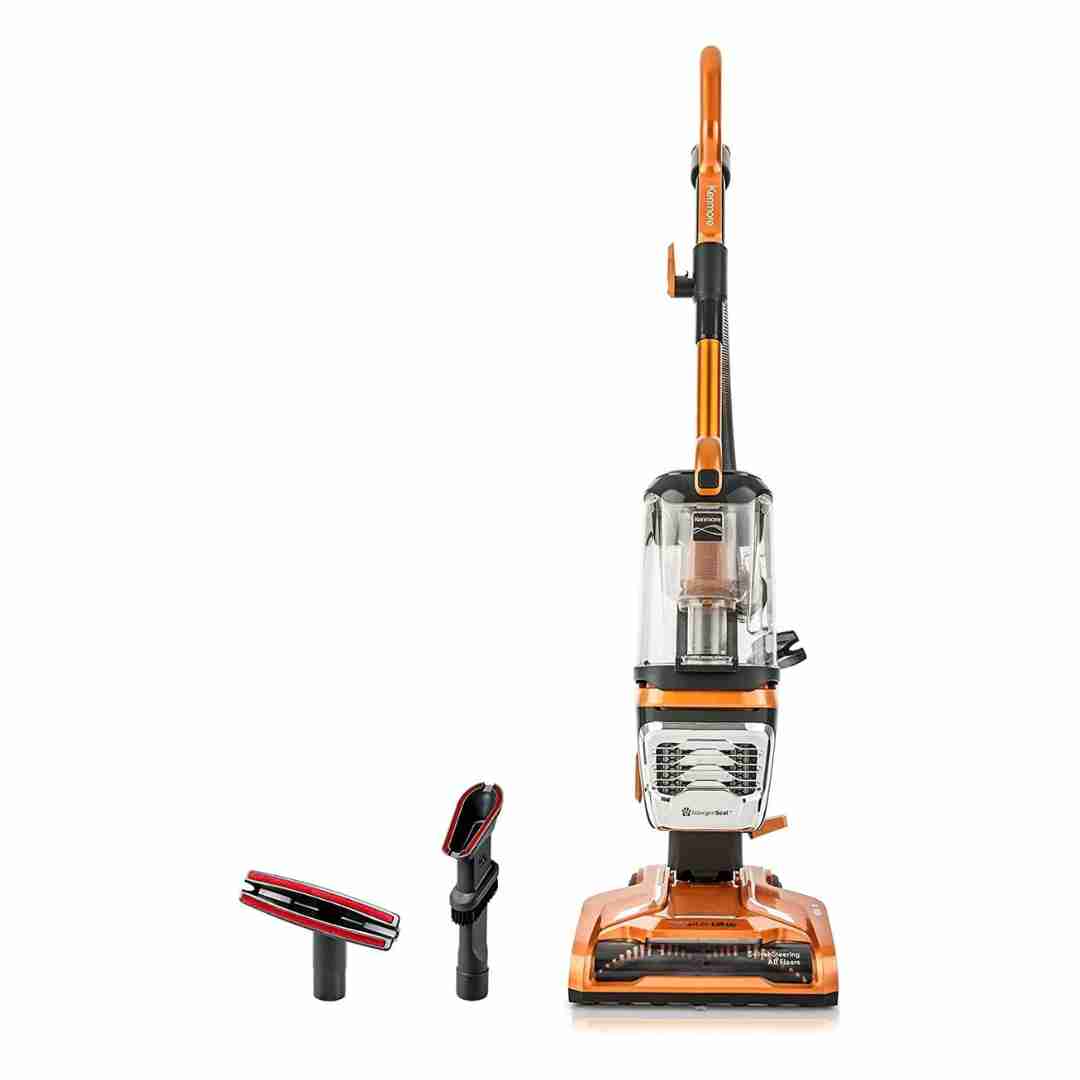
Emptying is considered easy and relatively hygienic with the red latch mechanism, keeping hands away from debris. A few note that clumps or hair can stick inside and may need a tap or shake to fully clear.
The dirty tank is generally easy to pop off, dump, and rinse, and features like hair cages or pet tools help keep solids and liquids more contained. Frequent emptying is still common on larger jobs because usable dirty-water capacity can be limited.
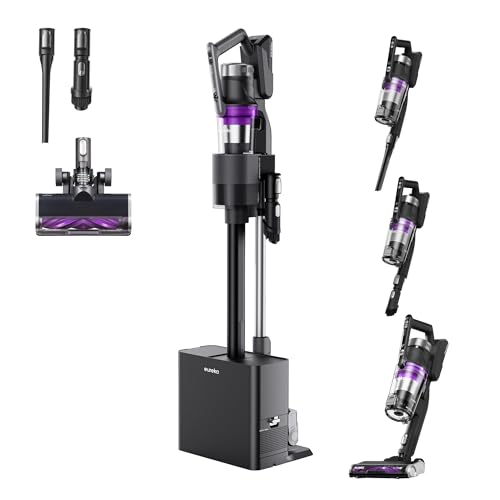
The self-empty dock is a major convenience feature, reducing manual emptying and limiting dust exposure. Some reviewers note docking can be finicky, the on-board bin fills fast in heavy-use homes, and wet debris can cause issues, but overall sentiment is positive.
Auto-emptying into a bag is described as clean and effective, with good mess control during routine operation. Most critiques are about noise or occasional docking/stuck issues rather than the emptying mechanism itself.
Auto-emptying keeps mess control high and reduces daily bin emptying, especially in pet homes. A few reviewers note large-debris scatter can leave some pieces outside reach, requiring occasional manual pickup.
Emptying is less messy than many wet/dry combos thanks to separating solids from liquid waste and simple dump/rinse steps; full-tank stopping also helps avoid spills.