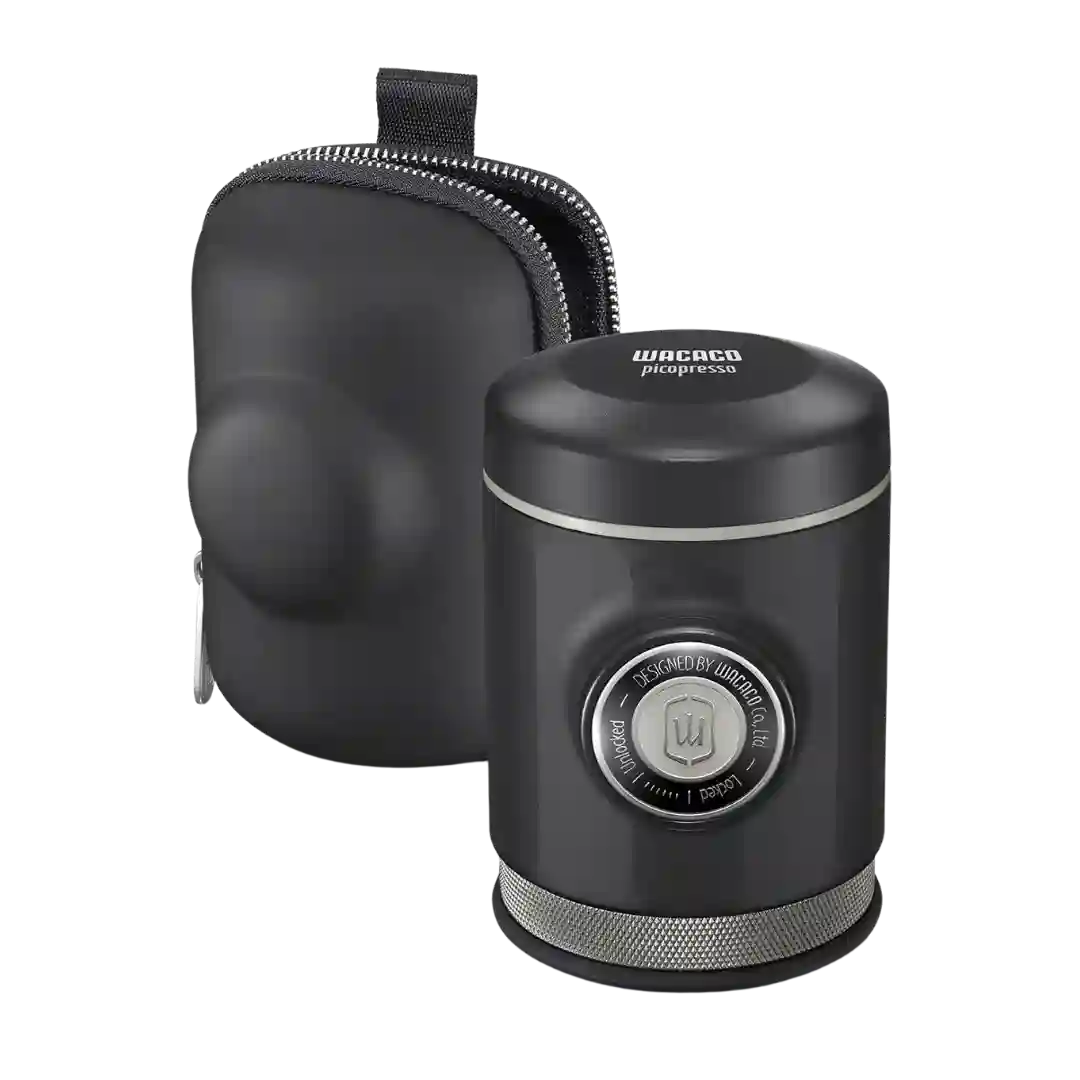
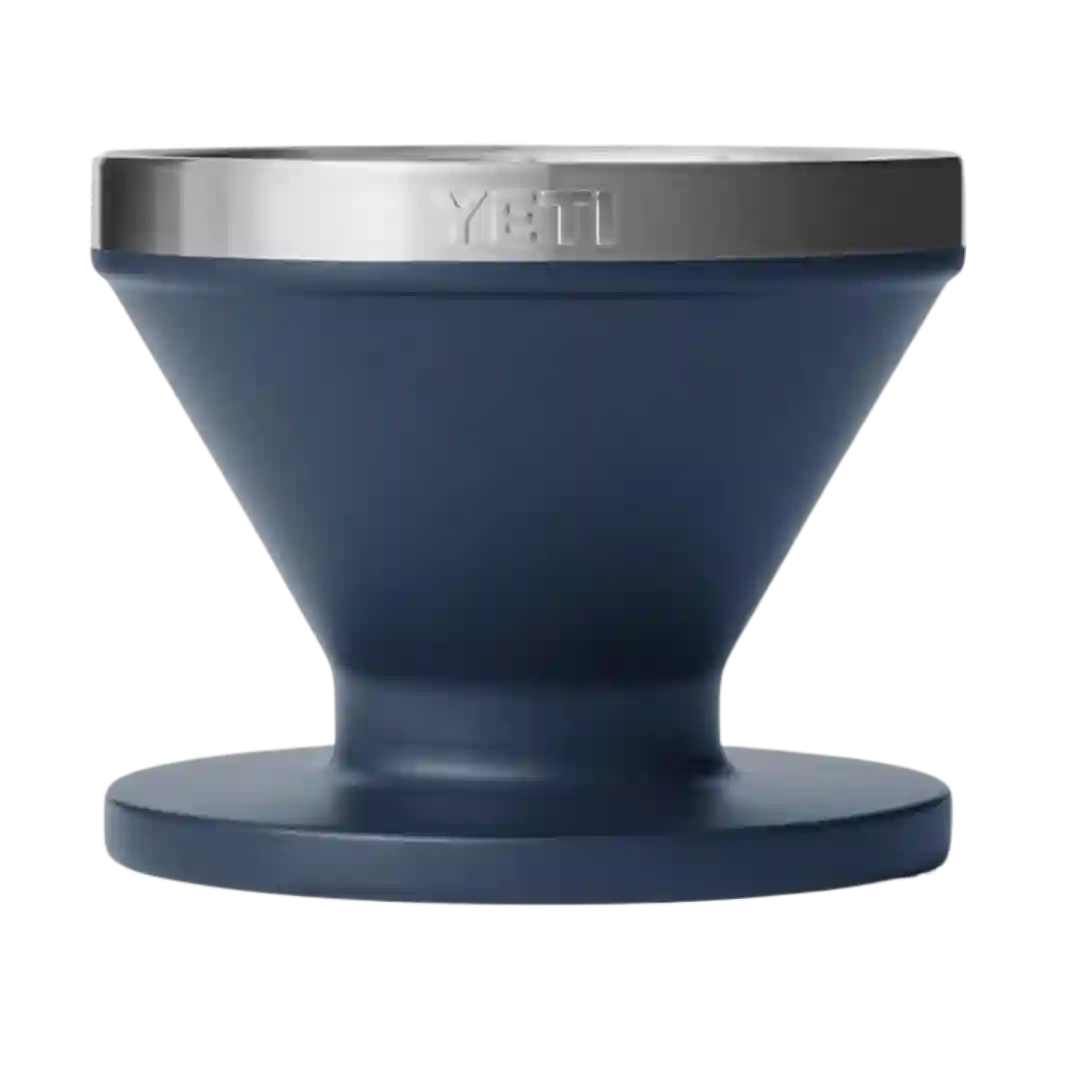
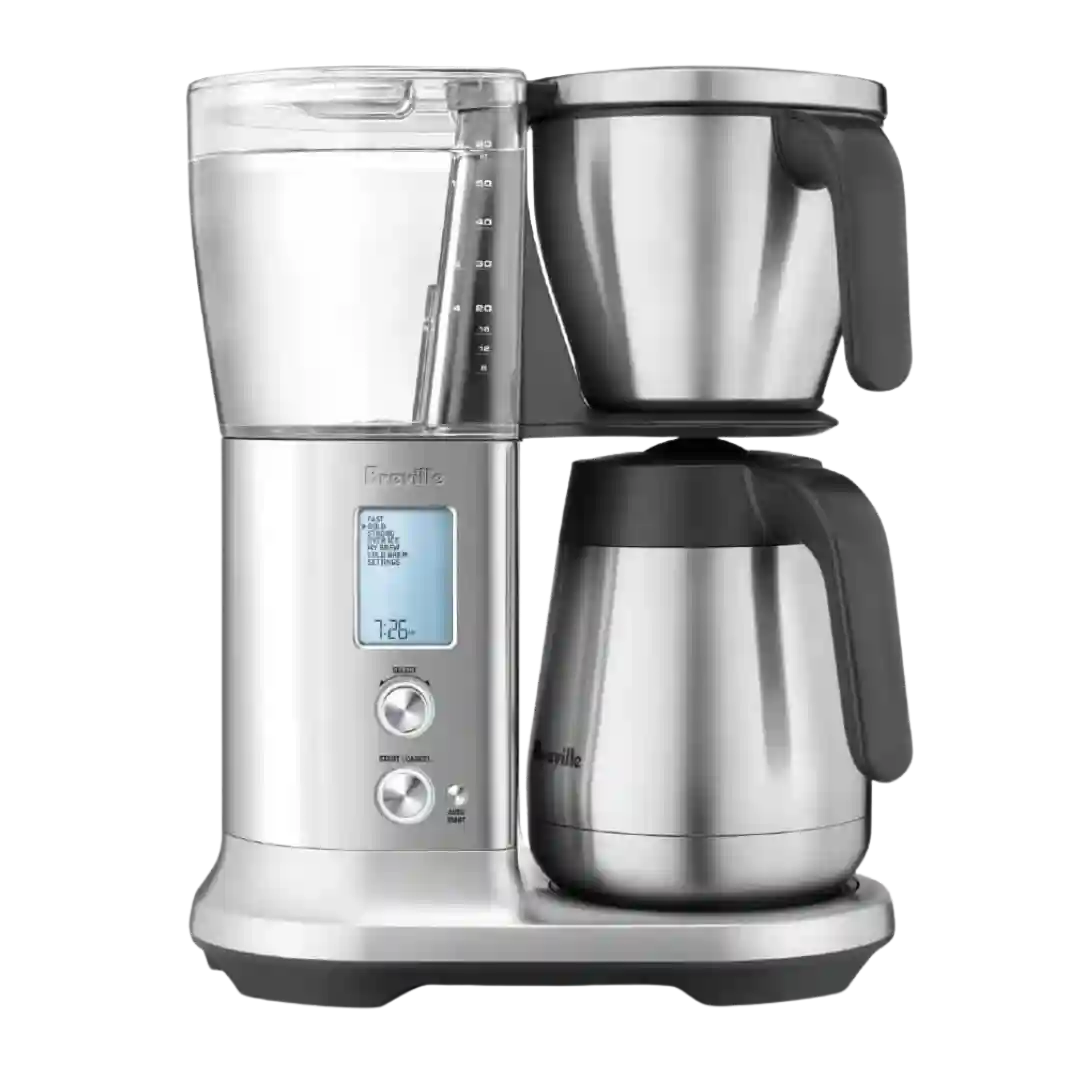
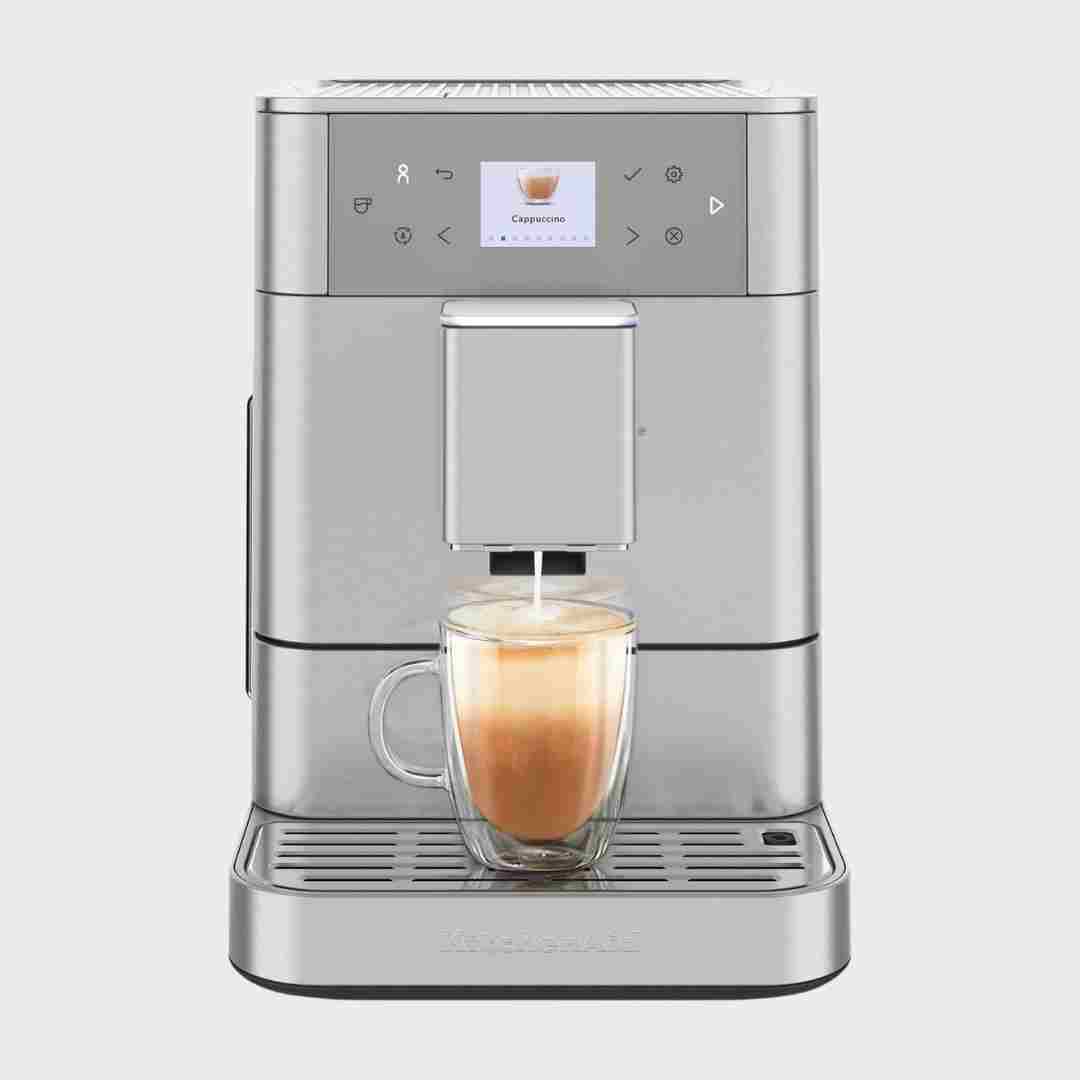
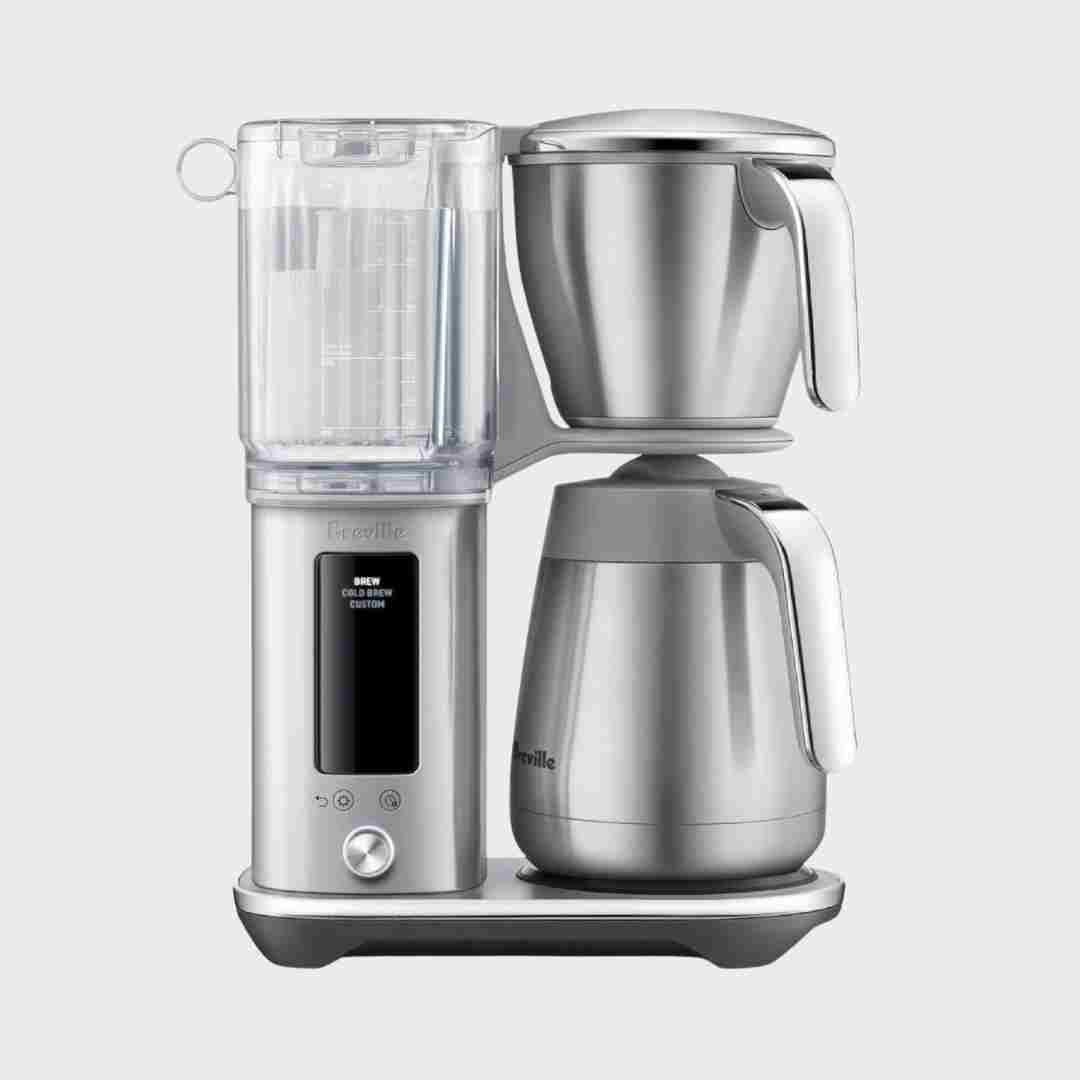
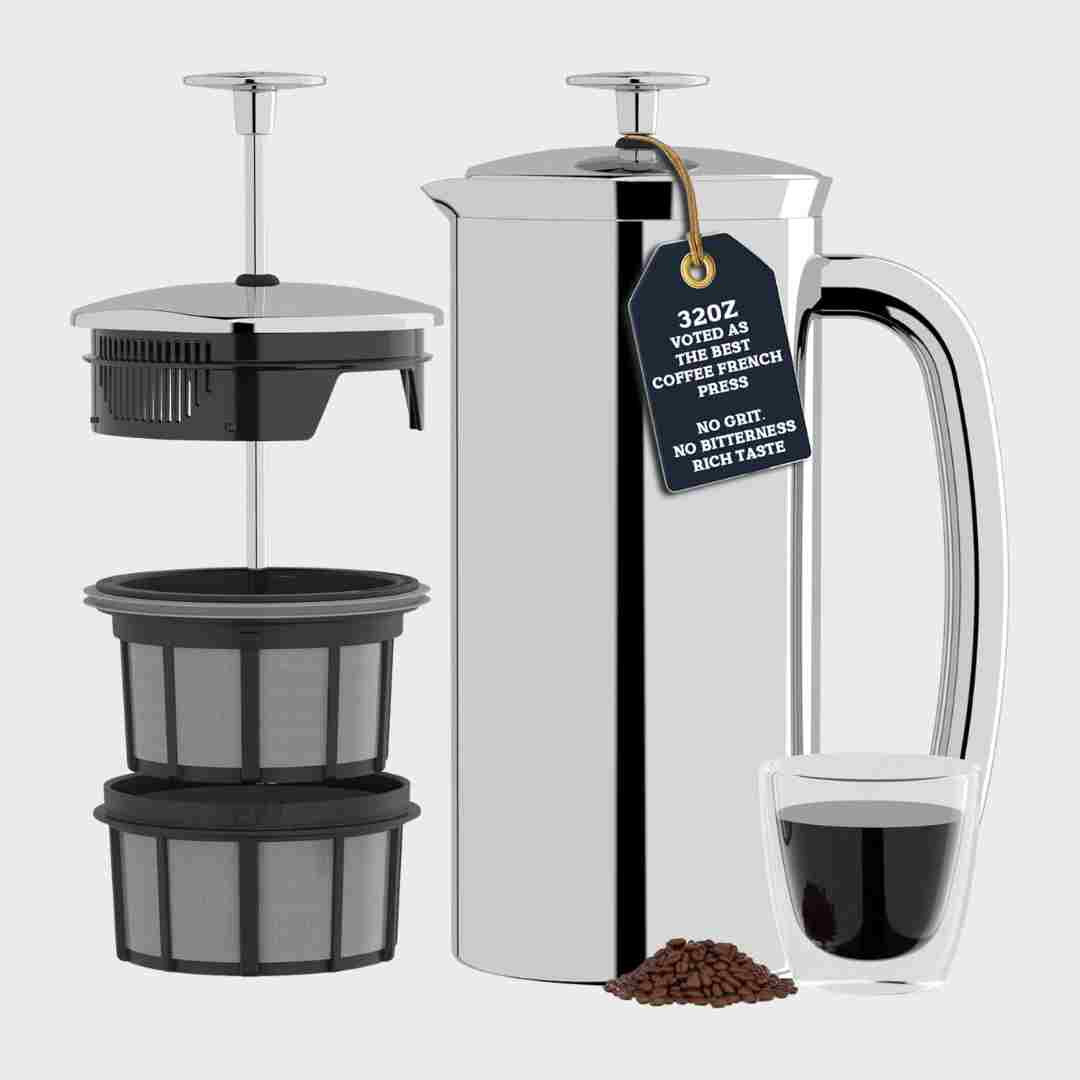
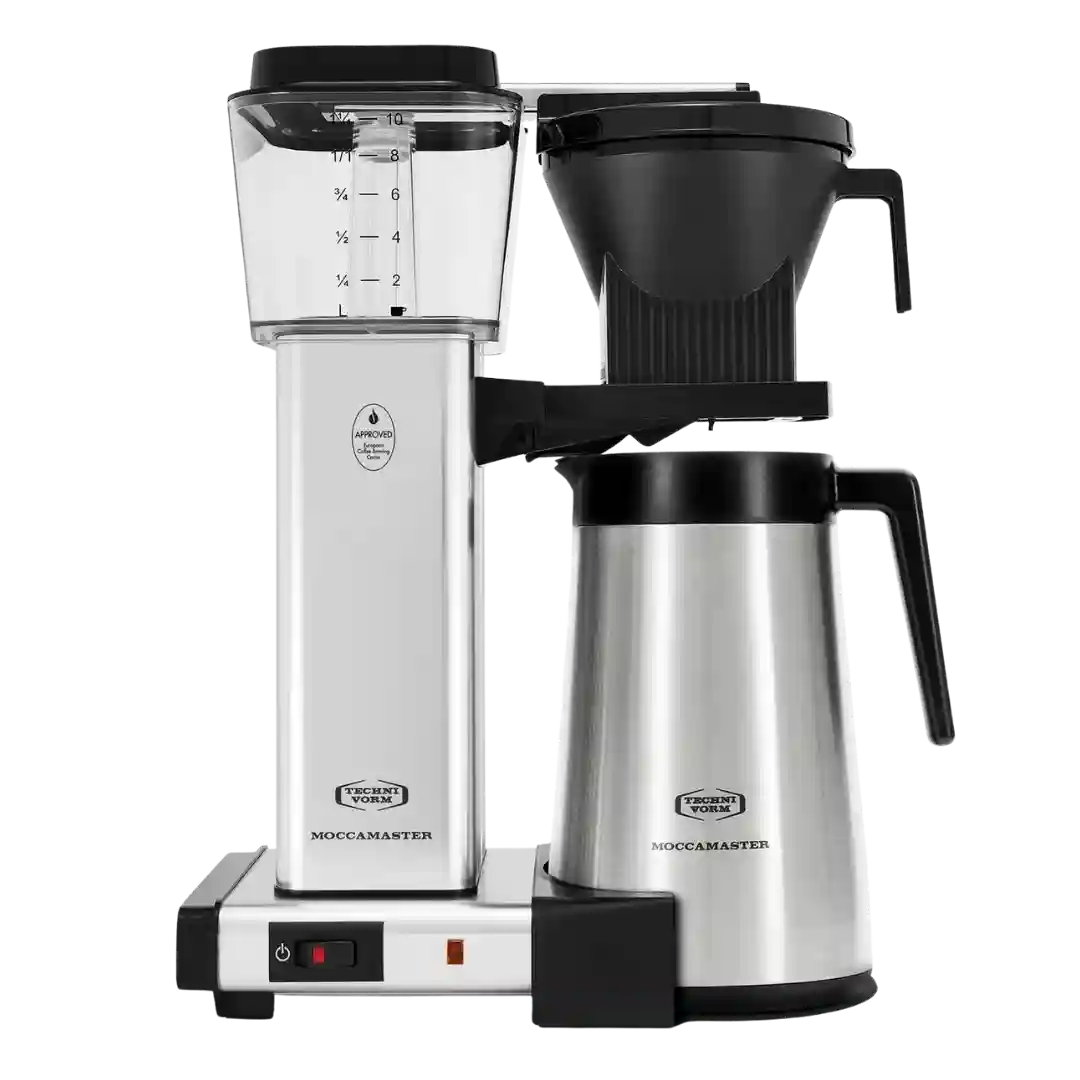
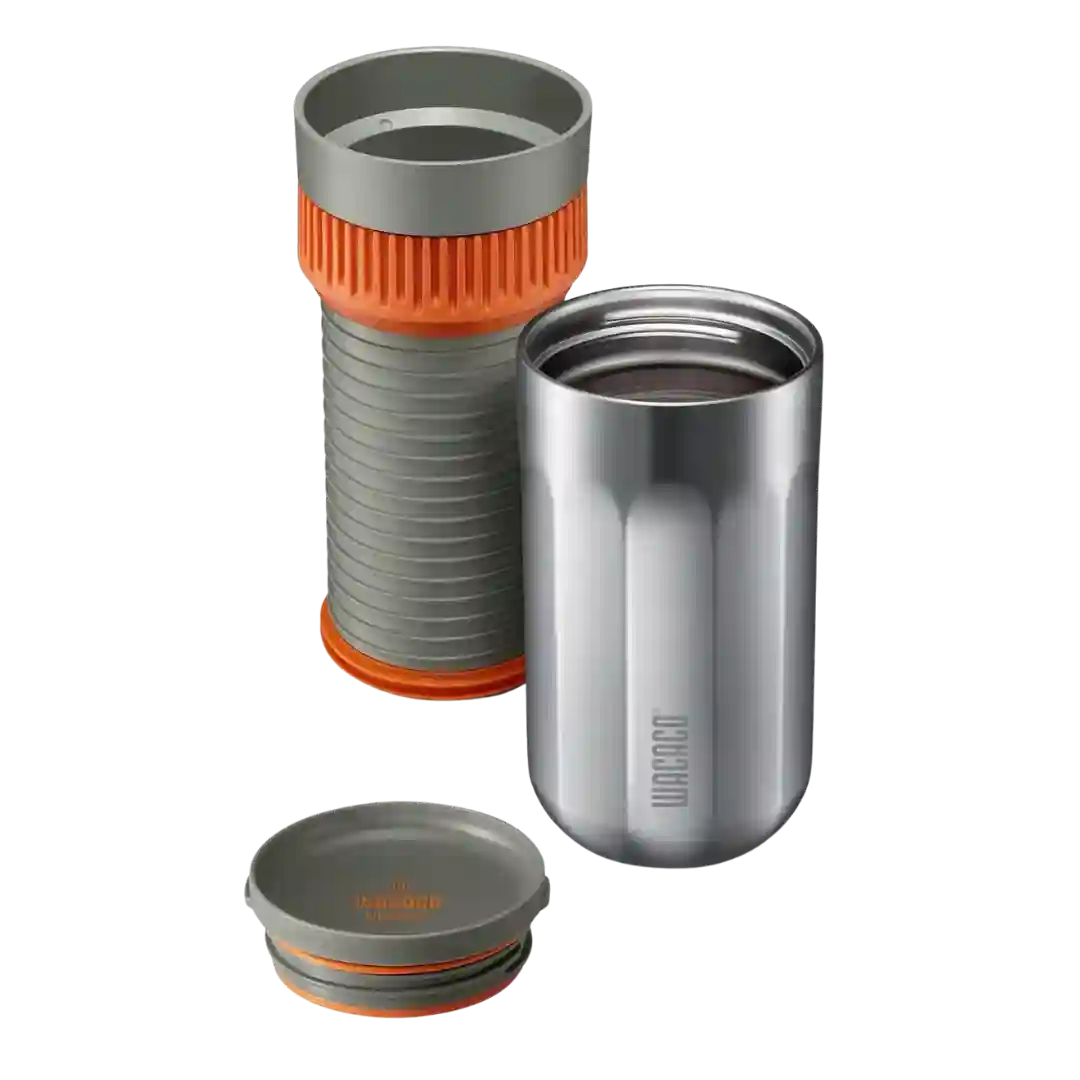
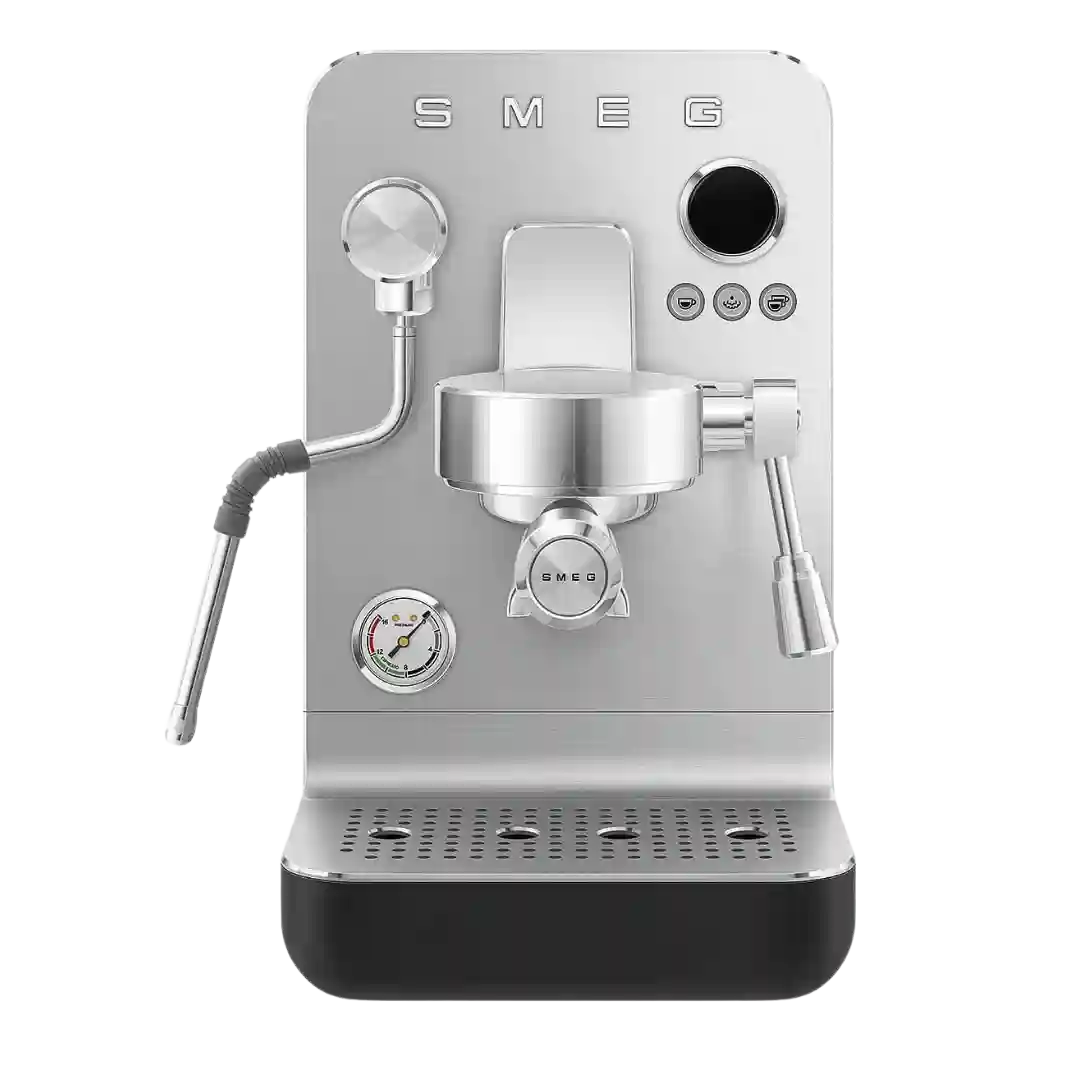
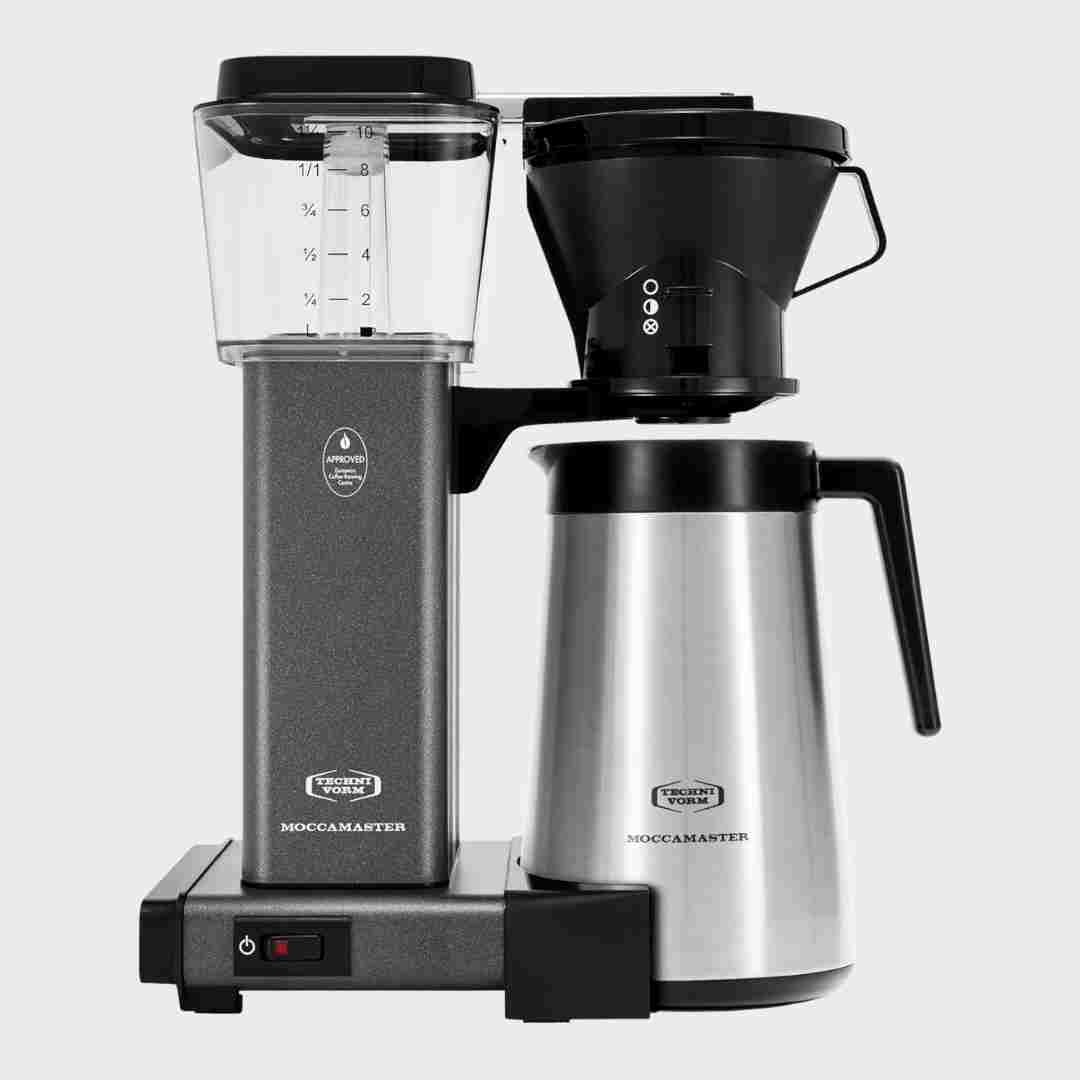
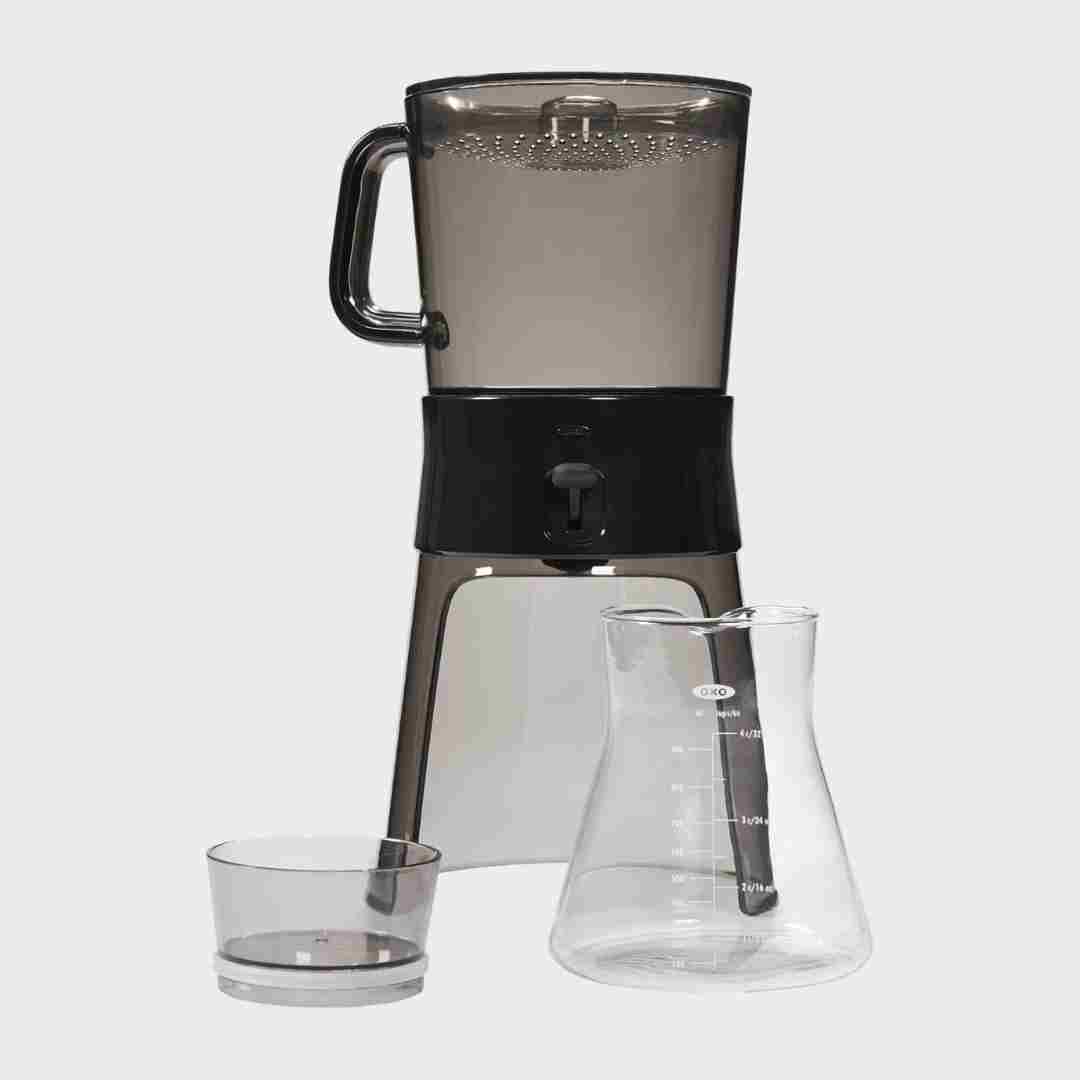
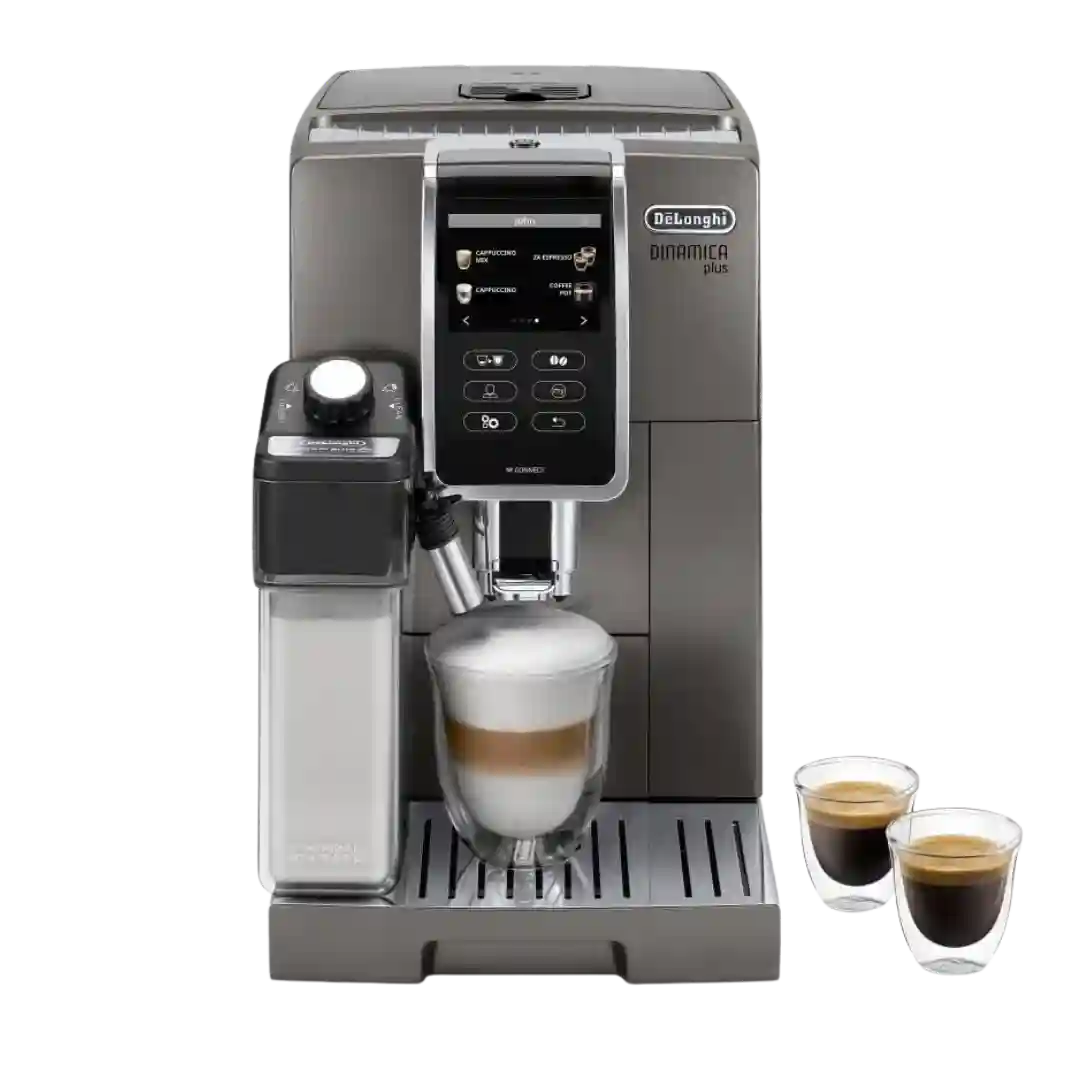
The 52mm non-pressurized basket is a major upgrade over older Wacaco models and is central to the Picopresso's shot quality. Reviewers value the bottomless-style feedback and more professional workflow, while also noting that the basket is less forgiving with poor puck prep.
Filter flexibility is a real asset. Reviewers liked the included cone and flat-bottom options, reusable filter support, and the ability to match basket style to batch size, though cleaning the multi-part basket can be fussy.
Reviewers who mention the filter see it as a useful inclusion that supports better water quality and can reduce maintenance burden when used consistently.
Filter flexibility is a big plus. Multiple basket options, including paper-compatible shapes and a reusable mesh option, are repeatedly cited as helpful for dialing flow rate and producing clean, consistent cups.
Filtration is the defining feature: dual micro-mesh filters and a gasketed system are credited with dramatically reducing grit and sediment versus standard French presses. However, several reviews still report occasional chaff/fines, and technique (correct assembly, grind, plunge speed, and cleaning) affects how clean the cup ends up.
The KBGT is commonly used with #4 cone paper filters, which reviewers prefer for easy cleanup and avoiding flavor carryover that can happen with metal filters.
The reusable metal filter system is a selling point in the reviews. It is described as cleanable, permanent, and part of the product's no-paper-filter appeal.
Reviews note compatibility with standard #4 cone paper filters, and several mention the option to use a permanent gold-tone filter. This is generally treated as a convenience win because it avoids proprietary consumables.
Filtration is a recurring highlight: the stainless mesh filter is praised for clarity, and optional paper filters are often recommended for extra sediment reduction when users want the cleanest cup.
The included water filter is frequently recommended for taste and scale control; some users skip it, but reviewers warn that can hurt flavor and increase maintenance.
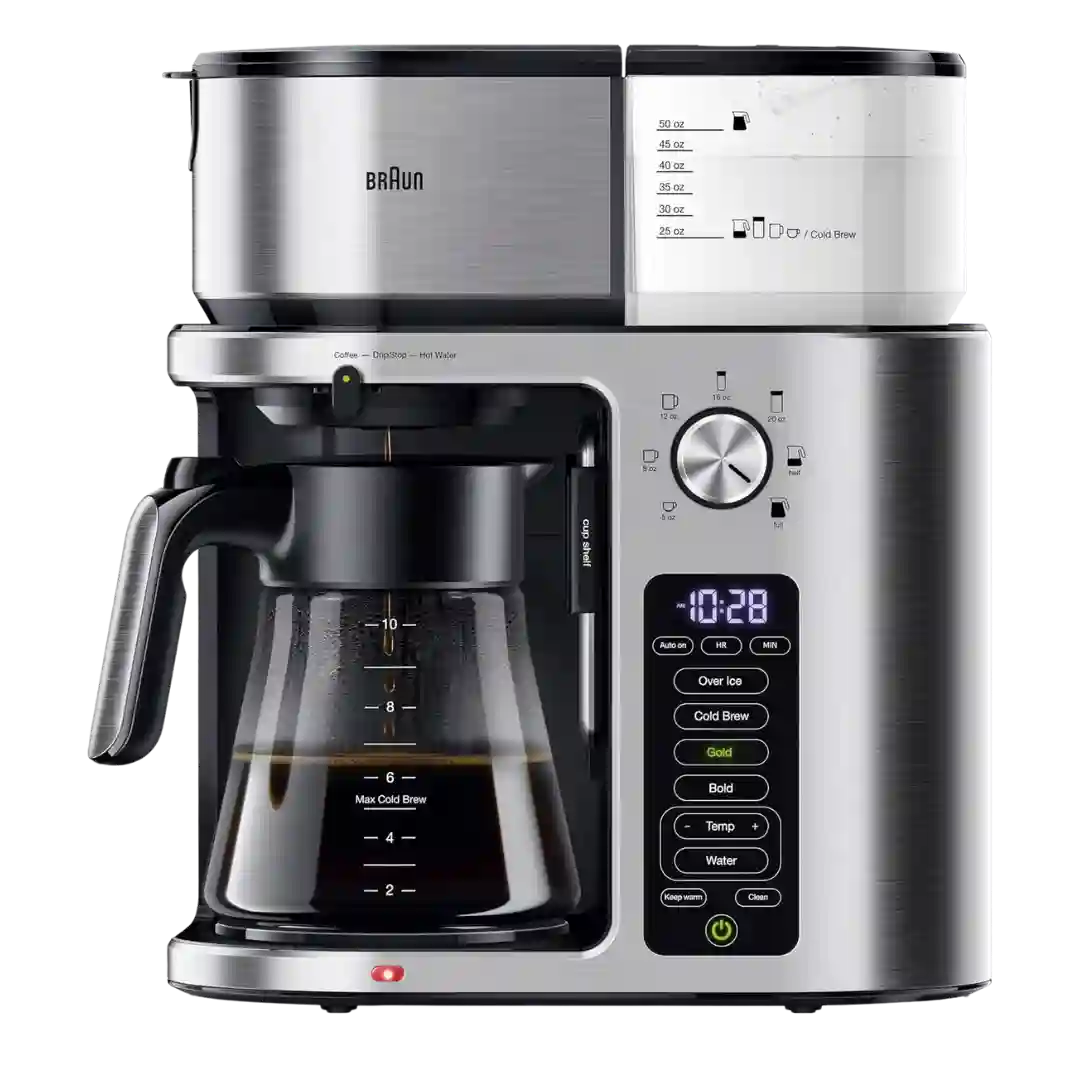
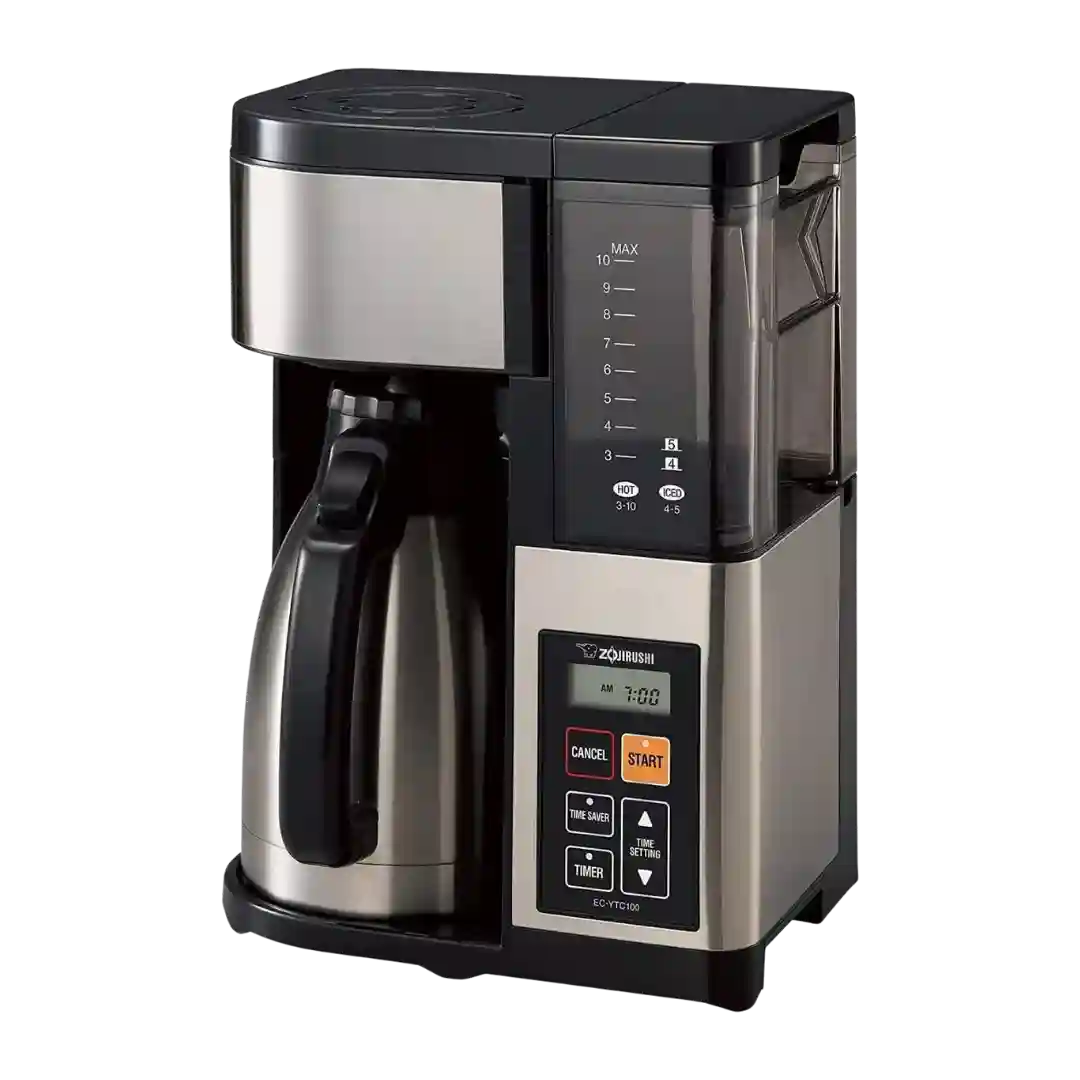
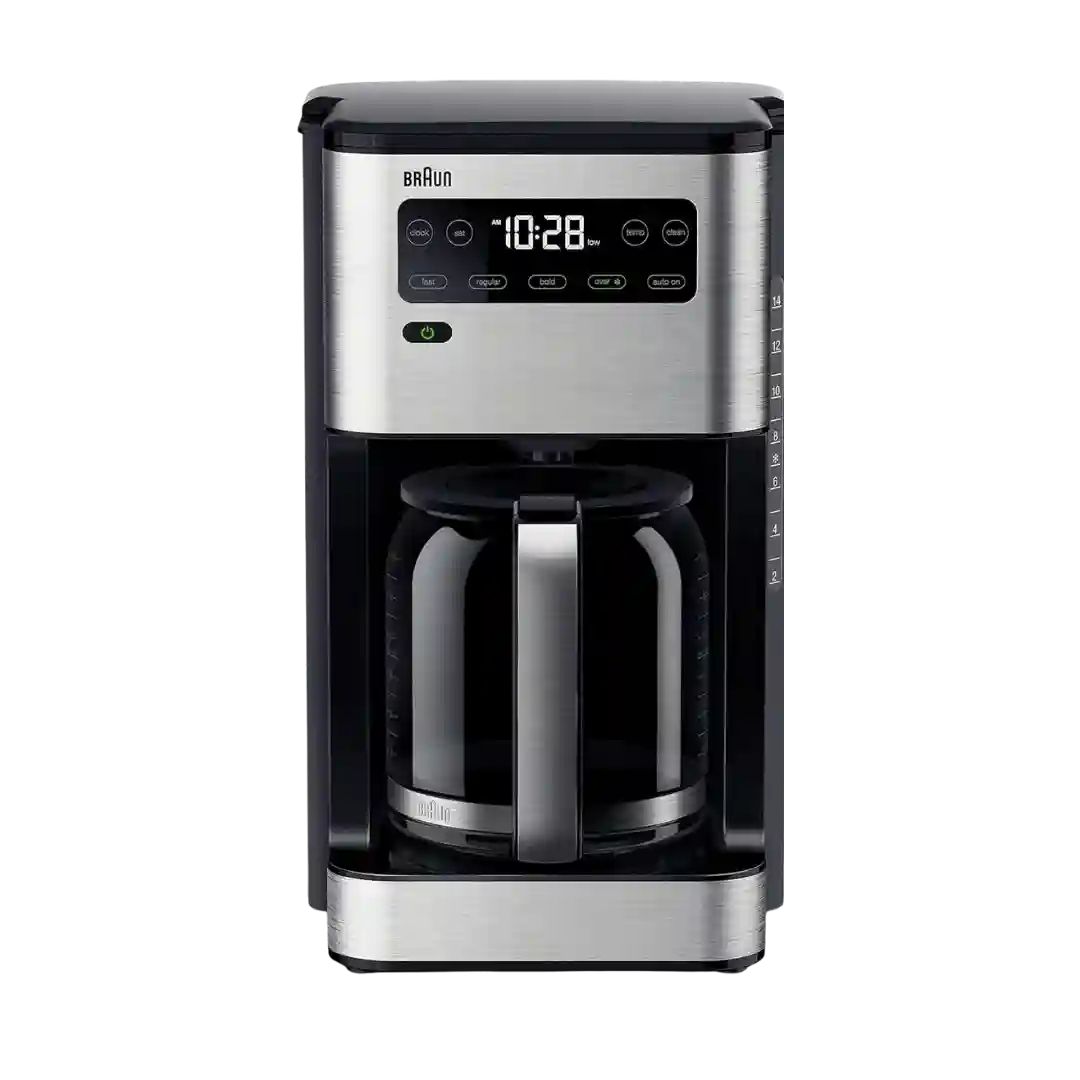
Filter flexibility is good. The Braun supports cone paper filters or the included gold-tone filter, and the unboxing review notes compatibility with standard number-four filters.
It uses #4 cone paper filters and a cone basket. Some reviewers like the cone approach for smaller batches, while comparisons note flat-bed designs can be more consistently bold across batch sizes.
The brewer is frequently praised for including a reusable Gold-Tone filter plus a charcoal water filter option, with compatibility for paper filters as well. Overall, filtration and basket design are treated as a value add versus bare-bones drip machines.
Filtering options are flexible: a permanent gold-tone cone filter is commonly included, #4 cone paper filters are supported, and a charcoal water filter is highlighted for improving tap-water taste and reducing chlorine odor.
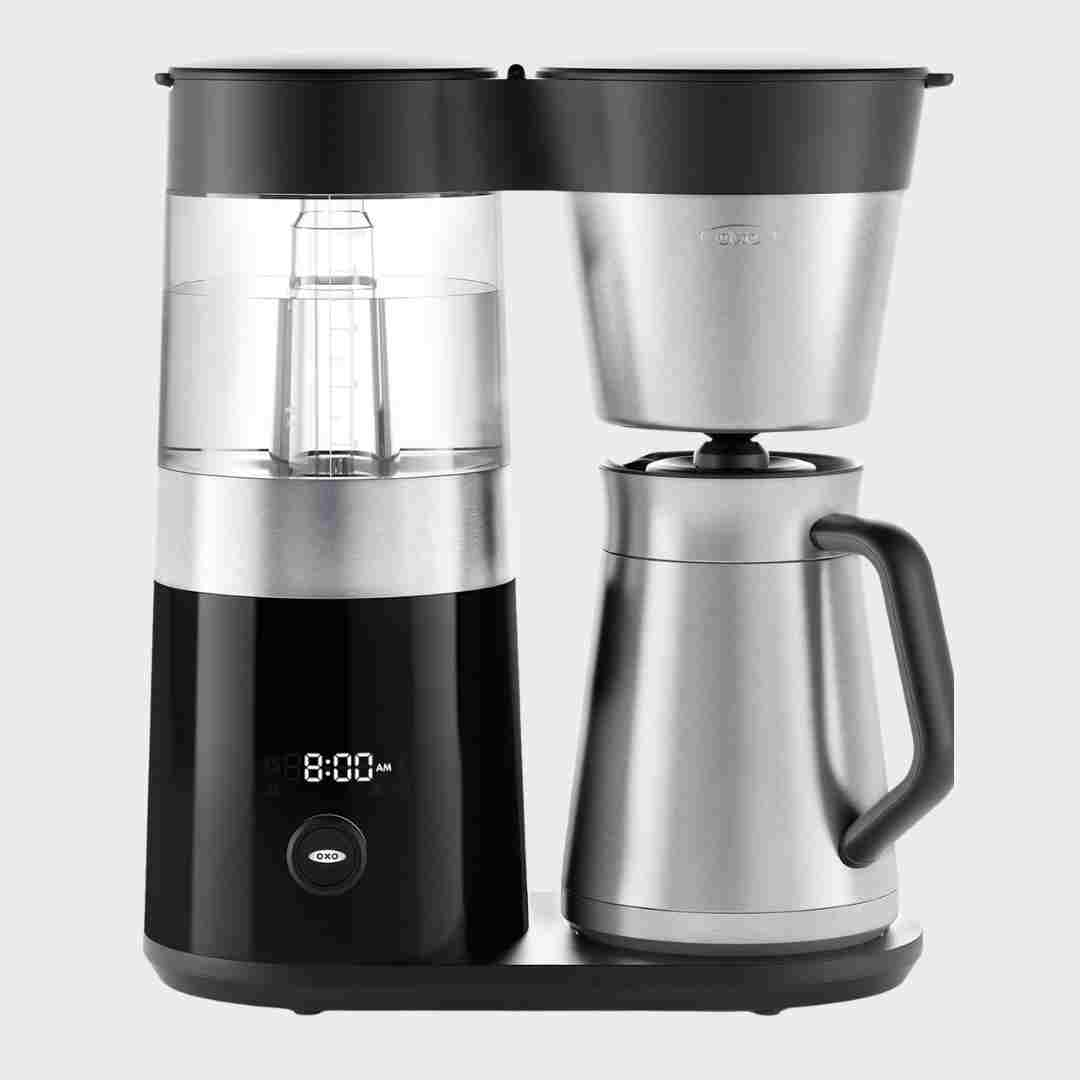
Aiden uses paper filtration with distinct cone and flat-bottom baskets, and reviewers like the clean taste it produces. Filters are described as generic and easy to replace, but we need to match the right filter shape to the basket in use.
Most reviews describe using standard #4 cone paper filters, which makes cleanup easy; a few mention brand-specific or proprietary filters, creating planning friction if you cannot grab them locally. Compatible permanent filters are referenced as an optional way to reduce consumables.
The reviews consistently note that the machine uses size #1 paper filters. Reviewers also mention included filters and biodegradable paper filters as positives, though the size is less common than standard alternatives.
A water/carbon filter is commonly included and is positioned as part of scale management. Owners should expect periodic replacement along with routine descaling prompts.
A compatible water filter is mentioned in multiple reviews, usually positioned as part of the maintenance plan alongside descaling prompts. Filter use is framed as helpful for reducing scale and keeping taste consistent.
The water filter system is treated as central to taste and upkeep. Reviews reference Jura smart filter cartridges and the machine’s guidance around water hardness and filtration as part of the maintenance model (4052, 14554).
Reviews repeatedly note the included basket options as a practical strength: pressurized baskets for forgiveness and single-wall baskets when we have a better grinder. The 54 mm size is common enough that upgrades and aftermarket baskets are easy to find.
The reusable filter is widely liked for eliminating paper filters and simplifying cleanup. A few reviews warn it can clog or leak if overloaded or used with espresso-fine coffee, so grind size matters.
At least one water-softening filter is referenced as included and recommended, especially for hard-water areas. Using a filter is framed as both a taste improvement and a way to reduce descaling frequency.
The included reusable filter is widely appreciated for convenience and waste reduction, and several reviews note you can also use paper filters when you want a cleaner cup with less sediment.
A water filter and multiple basket types (including pressurized options) are commonly mentioned. The combination helps new users get workable shots while they learn grind and puck prep basics.
Filtering is standard drip style: reviews mention flat-bottom/basket-style paper filters and, in some accounts, a reusable basket option; the basket/swing-out access is a usability highlight.
A water filter is included/compatible and the machine prompts for replacement, but ongoing filter costs can add up depending on water hardness and usage.
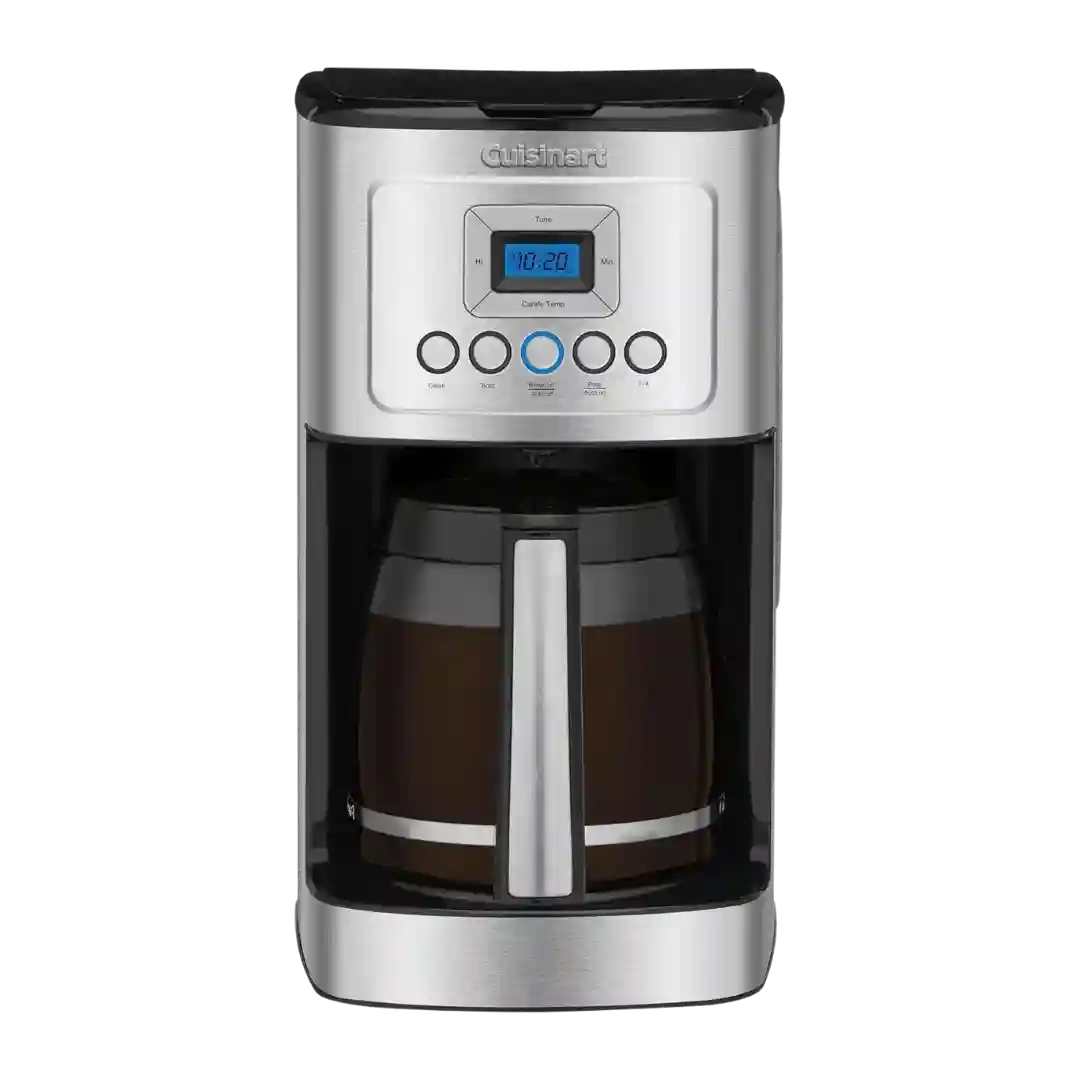
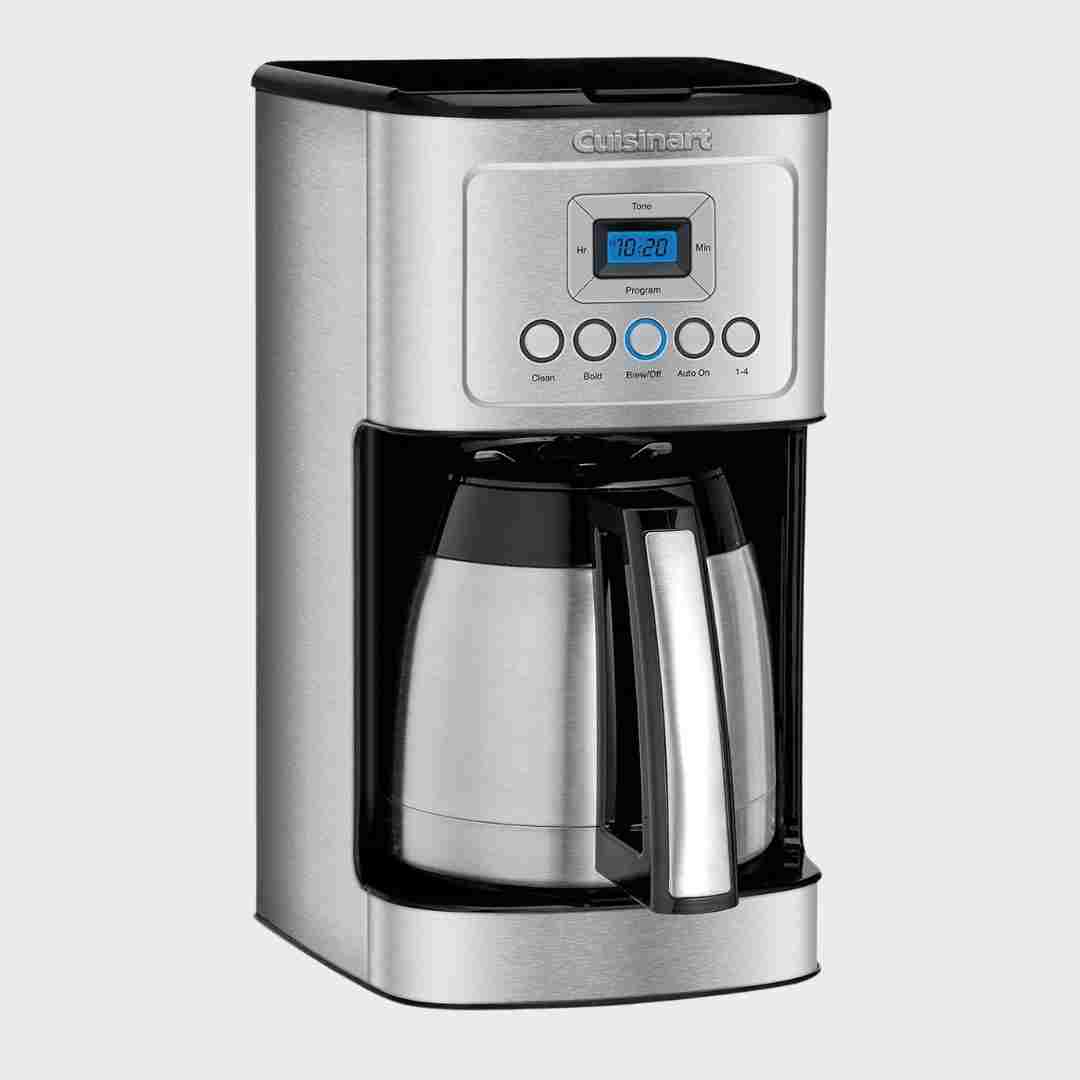
It ships with a reusable filter and supports paper filters, but reviewers warn that smaller paper filters may overflow at full capacity, making 14-cup paper filters the safer match.
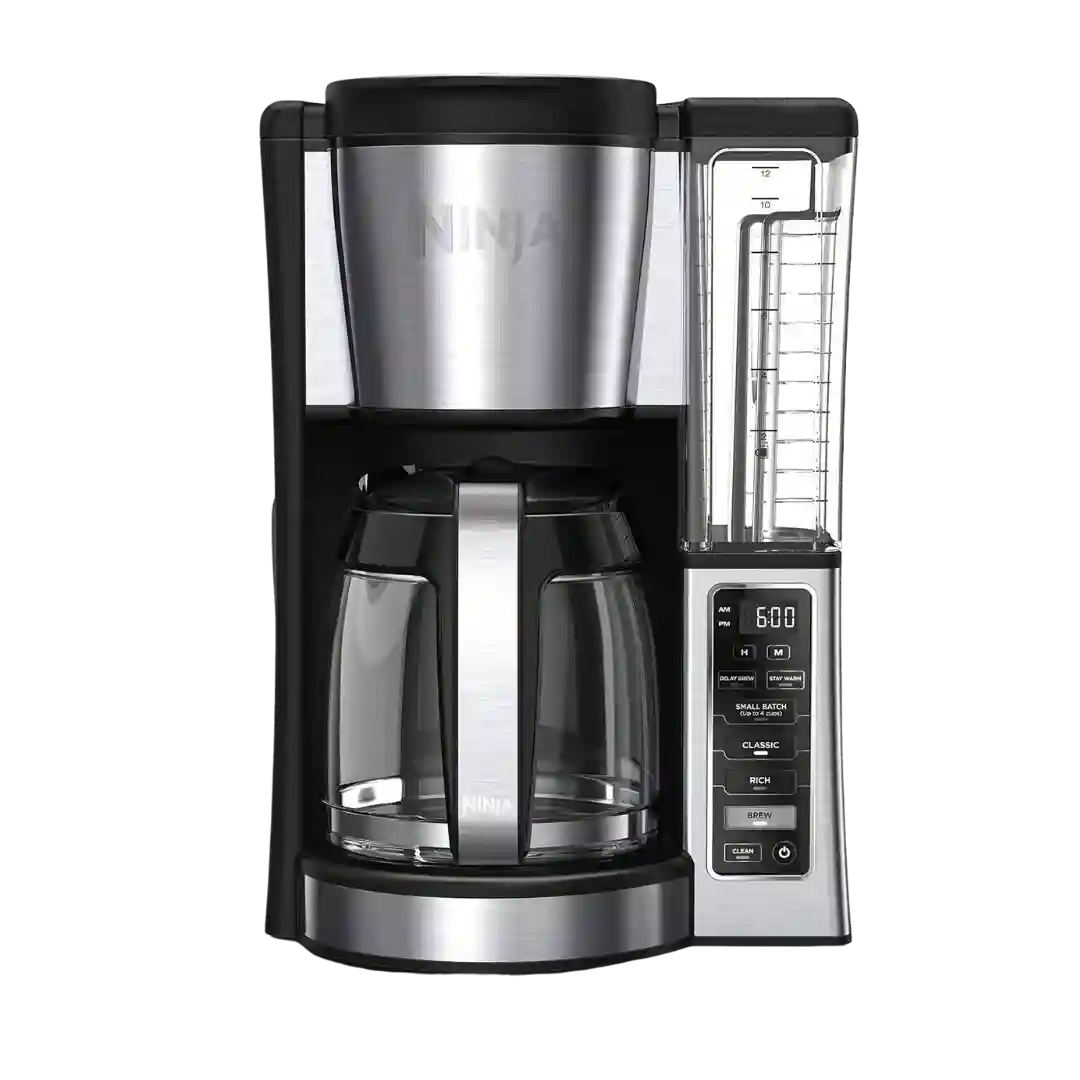
Filtering flexibility is a plus: it supports #4 cone paper filters and a reusable filter. Some reviewers find the reusable filter can let through sediment or call filtration subpar unless we switch to paper.
When a water filter is mentioned, it is typically framed as a welcome inclusion that helps with taste and scaling management. Reviews treat it as part of the broader maintenance story rather than a standout differentiator.
Some reviews explicitly mention a reusable water filter under the reservoir. It’s positioned as a helpful add-on for water quality and scale control, alongside regular descaling routines.
Water filtration is supported and discussed in reviews, including setting water hardness and replacing filters on a regular schedule (often every 2-3 months) to reduce scale and keep taste consistent.
Filter flexibility is a strength for many (standard flat-bottom for large batches plus a Kalita 185-style solution for small batches), but a few reviewers dislike the unique sizing or mention limited options and higher ongoing cost for Kalita-style filters.
Reviewers note you can use the included reusable gold-tone filter or switch to paper filters. Paper filters are sometimes recommended to reduce sediment and help cut down on mess during cleanup.
A water filter is commonly mentioned (included on some packages) and is credited with reducing scale buildup and stretching the time between descaling cycles.
The pressurized filter/head is repeatedly described as forgiving and central to the machine's performance, while reviewers who discuss removing or bypassing it report different or less ideal results.
Uses standard basket paper filters and supports a compatible reusable metal filter. Multiple reviews note no included permanent filter, and at least one source reports occasional grounds in the pot, which can depend on filter choice and grind.
Filter setup uses No. 2 cone paper filters, and multiple reviews mention compatibility with reusable/permanent filters. The included charcoal water filter is discussed as a taste and odor helper and is said to need periodic replacement over time.
Reviews mention both pressurized and non-pressurized basket options, with pressurized baskets helping beginners and pre-ground use. Non-pressurized baskets are preferred for flavor once we have a good grinder, and some recommend upgrading the basket for performance.
Filter information varies by coverage. Some describe paper filters as required, while other testing coverage says it includes a reusable filter; paper filters are still suggested as the easiest path for quick disposal and cleaner baskets.
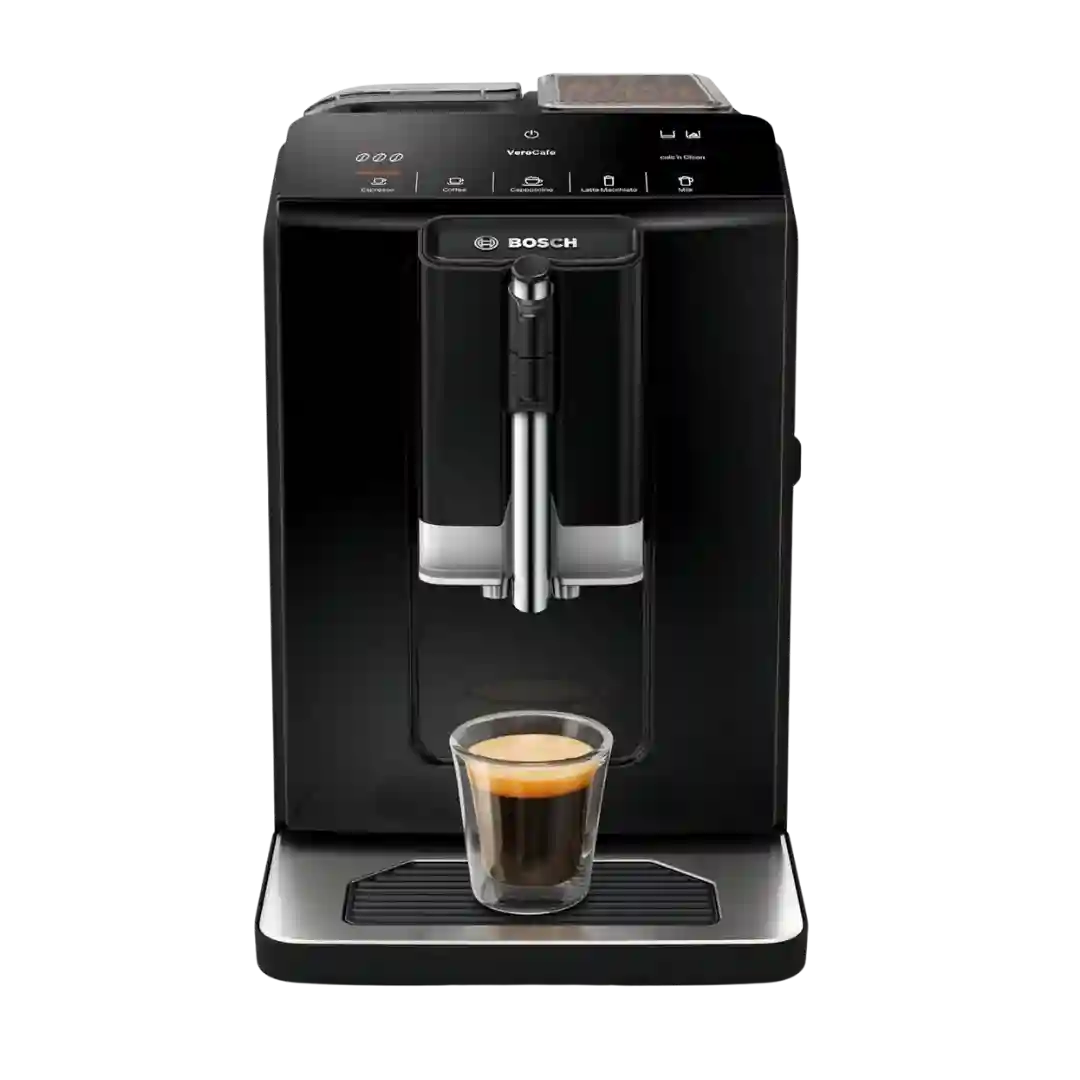
Reviews mention the included filter baskets and water filtration as useful for flexibility, including occasional pre-ground or decaf use. Filter installation is part of the guided setup and ties into maintenance prompts.
Most coverage centers on the stock pressurized baskets: they’re forgiving and beginner-friendly but limit nuanced extraction. Multiple reviews recommend upgrading to a non-pressurized basket or bottomless portafilter if you have a capable grinder and want more control.
Reviews consistently reference standard #4 cone paper filters for brewing and a separate reservoir water filter for improving taste. The filtration approach is viewed as a plus for cup quality, but it adds recurring consumable costs and periodic replacement steps.
Filter setup uses standard 8–12 cup basket paper filters. A reusable basket filter is compatible but not included, and an optional water filter can be added in the reservoir slot.
It uses standard basket-style paper filters and does not include a permanent filter. This simplifies daily cleanup for some reviewers but adds ongoing cost and waste for others.