Best for Heating-element power
Technivorm Moccamaster KBGV Coffee Maker
4.8 feature score
Highest scored product for this feature based on supporting review evidence.
Highest scored product for this feature based on supporting review evidence.
Balances feature score, supporting reviews, and overall product strength.
Has the broadest review evidence for this feature.
Strongest overall product among items with scored evidence for this feature.
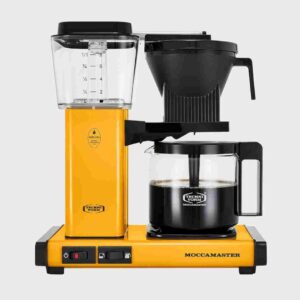
The copper heating element is frequently credited for rapid heat-up and maintaining ideal brewing temperatures, enabling fast brew cycles and a consistently hot cup. Several sources explicitly frame this heating...
Pros: Recognition & certifications, Heating-element power
Cons: Iced / cold-brew function quality, App
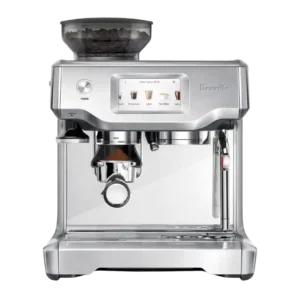
Heating performance is repeatedly praised, especially in connection with ThermoJet-style fast readiness. Reviewers frame the system as strong for quick brewing and convenient daily use, even if it does not...
Pros: Speed &, time-to-cup
Cons: Pot function, App
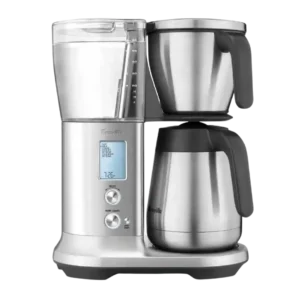
Heating performance is one of the brewer's biggest advantages. Reviews consistently highlight precise temperature control, fast heat-up, and strong stability throughout the brew cycle.
Pros: Popularity, Recognition and certifications
Cons: Design flaws, Warranty and Customer support
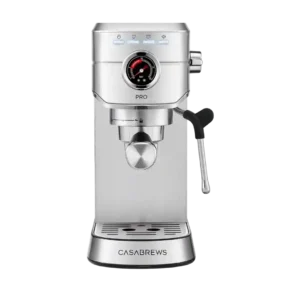
Heating performance is consistently praised: reviewers describe a fast thermoblock/thick-film style system that heats in seconds and transitions quickly between brewing and steaming. The machine is repeatedly positioned as unusually...
Pros: Speed &, time-to-cup
Cons: Mess-free used-puck disposal, Filter
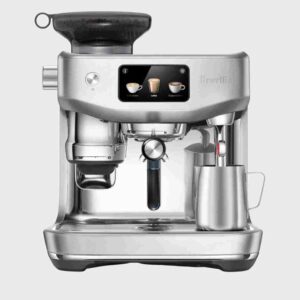
Heating performance is consistently praised for rapid warm-up and strong steam capability, enabled by the fast-heating system. A minority note temperature concerns for very light roasts or prefer the behavior...
Pros: Speed &, time-to-cup
Cons: Value &, Price
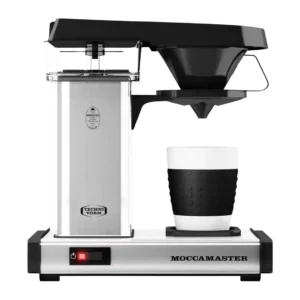
Temperature control is repeatedly tied to the machine’s copper heating or boiler element, with multiple reviews emphasizing stable brewing temperatures in the ideal coffee-brewing range.
Pros: Assembly and Setup, Recognition and certifications
Cons: Milk, steam and frothing
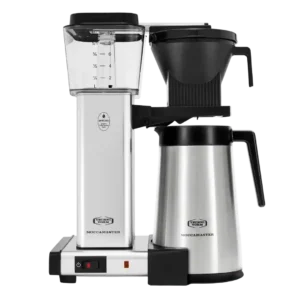
A copper heating element is repeatedly credited for fast heat-up and stable brewing temperatures in the ideal range for filter coffee.
Pros: Heating-element power, Recognition & certifications
Cons: Accuracy of marketing claims, Design flaws
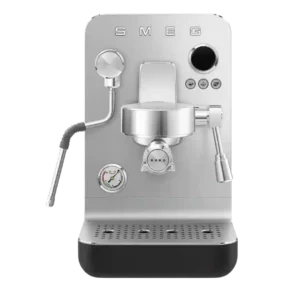
Heating performance is a clear strength, with reviewers reporting very fast thermoblock warm-up, quick mode changes, and ready-to-brew times as low as about one to three minutes.
Pros: Mess-free used-puck disposal, Espresso and beverage quality
Cons: Value and Price, Design flaws
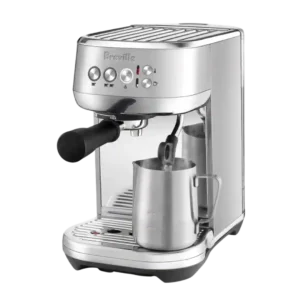
The ThermoJet heating system is repeatedly praised for fast readiness and quick transitions between brewing and steaming. Reviewers generally find it delivers plenty of steam capability for milk drinks given...
Pros: Design, ergonomics &
Cons: Grinder, hopper &
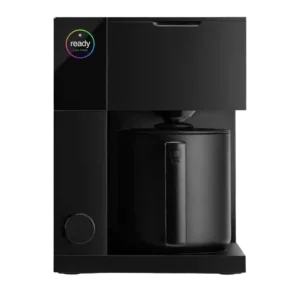
Temperature control and heating performance are widely credited for the taste improvements, especially with light to medium roasts. Reviewers also mention elevation and profiling features that rely on stable heating.
Pros: Heating-element power, Brewing performance &
Cons: Design flaws, App
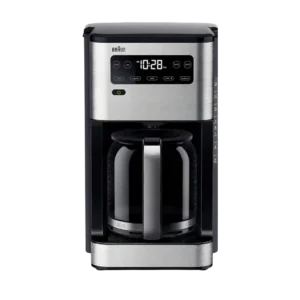
The heating system is repeatedly described as powerful, producing very hot brew water and a hot finished cup; measured wattage in one test came in slightly under the 1200W claim...
Pros: Heating-element power, Pot function
Cons: Accuracy of marketing claims, Cup
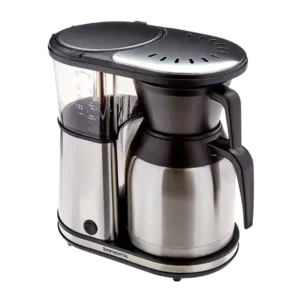
Best for consistently excellent, SCA-level drip and simple one-button brewing; Skip if you want programming or a flawless carafe. It trades smart features and perfect pouring for standout flavor and...
Pros: Brewing performance &, consistency
Cons: None
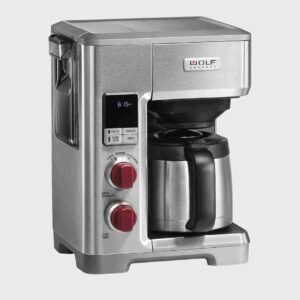
Power and heating performance are portrayed as strong, with at least one review citing 1500 W and multiple mentions of very hot brew temperatures and quick recovery for fast batches.
Pros: Warranty &, Customer support
Cons: Grinder, hopper &
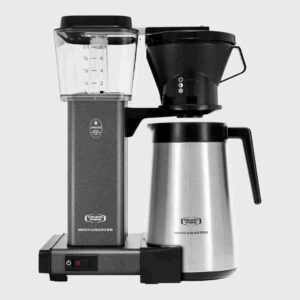
Multiple reviews call out the copper heating element or coil for quickly bringing water to target brewing temperatures and holding that heat through the cycle. Temperature performance is frequently cited...
Pros: Warranty &, Customer support
Cons: Automation &, sensors
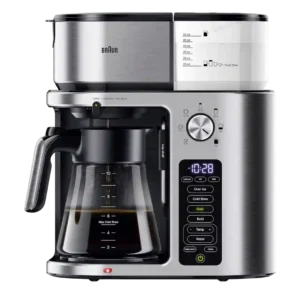
Heating performance is supported by hot measured brew temperature and SCA copy claiming a full pot under eight minutes.
Pros: Recognition and certifications, Capsules
Cons: Design flaws, Cable management convenience
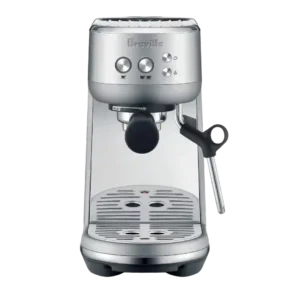
Heating power is a highlight: multiple reviews emphasize the near-instant warm-up and quick recovery between pulling shots and steaming. Steaming performance in particular is repeatedly framed as unusually strong for...
Pros: Speed &, time-to-cup
Cons: Environmental packaging sustainability, Grinder
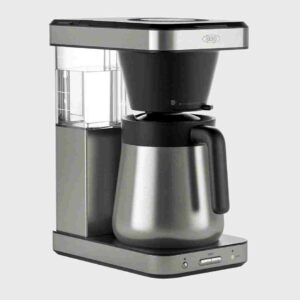
Power is explicitly stated as 1400 watts in at least one hands-on review and is associated with quick heating and maintaining target brewing temperatures. Other sources focus more on temperature...
Pros: Pot function, Recognition & certifications
Cons: Cable management convenience, Automation &
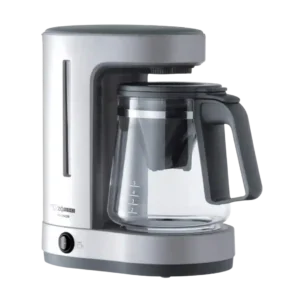
Temperature performance is frequently praised, including measurements in the high 180s to low 190s F in video testing and reports of near-200 F brewing in older lab-style writeups. Multiple sources...
Pros: Design, ergonomics &
Cons: App, connectivity &
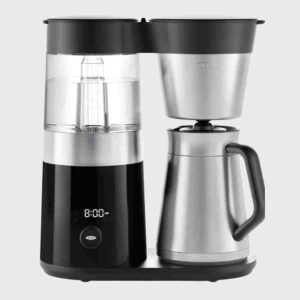
Power and heat performance are generally strong, with multiple measurements indicating hot water delivery in the proper brewing range, though some lab testing reports average brew temperatures that can run...
Pros: Recognition & certifications, Pot function
Cons: None
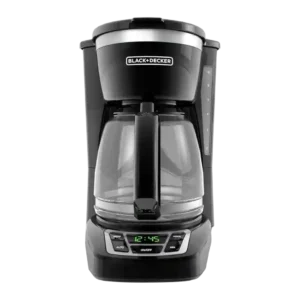
Heating is often described as very hot for the price. Testing cites brew water temperatures in the high 170s to low 190s Fahrenheit range, and the hot plate can keep...
Pros: Popularity, Value &
Cons: Scoop-storage convenience, Design flaws
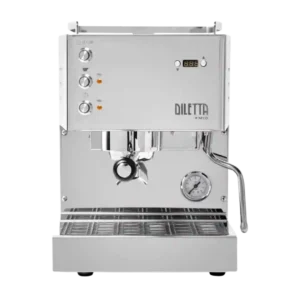
Reviews emphasize quick heating, quick recovery, and good efficiency from the boiler-plus-thermoblock setup. The emphasis is more on fast readiness and lower energy use than on maximum steam force.
Pros: Espresso and beverage quality, Brewing performance and consistency
Cons: Grinder, hopper and dosing system
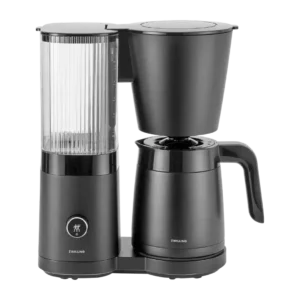
Heating performance is strong enough to meet SCA-style brewing needs, with reviewers noting consistent high brew-water temperatures and finished coffee around ~180–185°F for larger batches (cooler for minimum-volume brews).
Pros: Recognition & certifications, Brewing performance &
Cons: Accessories, Pot function
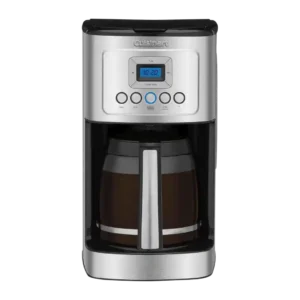
At least one comparative test reports a heating draw around 1150 watts and places it among the hotter-running brewers in that lineup. Even so, measured brew temperatures in other reviews...
Pros: Capacity, Popularity
Cons: Accuracy of marketing claims
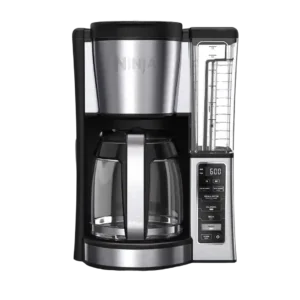
Heating performance is widely praised, with very hot brewing temperatures and an adjustable warming plate with timed shutoff. A few note the hot plate may not reheat much after sitting,...
Pros: Scoop-storage convenience, Popularity
Cons: None
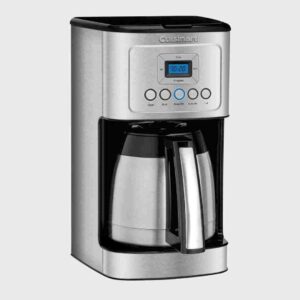
Multiple sources report brewing water temperatures near 198 to 202 F (or about 200 F), aligning with ideal-drip targets. One reviewer measured notably cooler results in-cup, so real-world temperature experience...
Pros: Automation &, sensors
Cons: Recognition & certifications, Design flaws
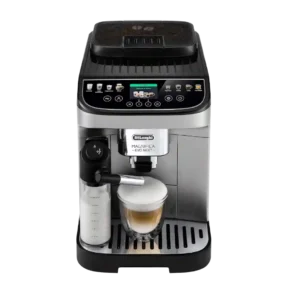
Power and heating are described in the 1450-watt thermoblock range, supporting quick warm-up and hot coffee output in several reviews. Milk heat is more variable in user impressions, suggesting the...
Pros: Popularity, Cup
Cons: Iced / cold-brew function quality, Design flaws
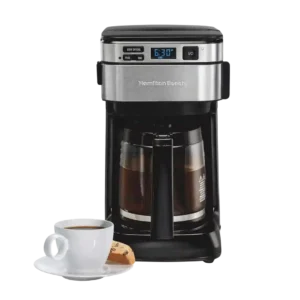
Heating performance is generally strong for the class: brew temperatures around ~178–180F are reported, and the warming plate can run very hot. Bold mode tends to increase brew time rather...
Pros: Design, ergonomics &
Cons: Cable management convenience, Accessories
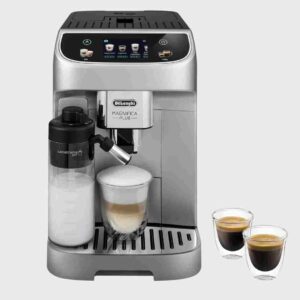
Heating performance is generally adequate, with milk temperature often praised and drinks served hot enough for most users. A minority of reviewers wish the coffee could be hotter or more...
Pros: Assembly &, Setup
Cons: App, connectivity &
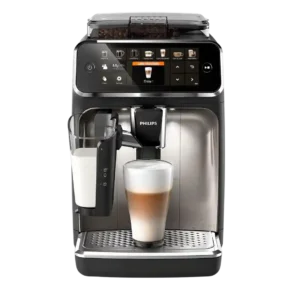
Heating performance is usually described as quick to get going, with occasional comments that milk drinks may not reach steam-wand-level heat.
Pros: Pot function, Capacity
Cons: None
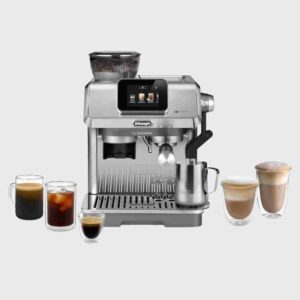
Heating performance is generally framed as strong: fast readiness and capable steam power for milk drinks. No reviewer flags the unit as underpowered, and thermoblock-style heating is cited as part...
Pros: Environmental packaging sustainability, Recognition & certifications
Cons: Design flaws
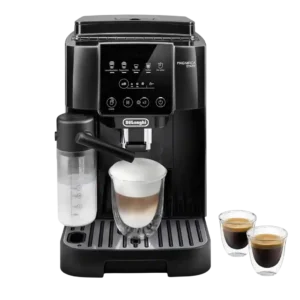
Power and heat-up are positioned as strong for daily use (commonly cited around 1450 W and fast warm-up), with adjustable temperature settings and drinks that many reviewers find genuinely hot.
Pros: Accessories, Assembly &
Cons: Design flaws, App
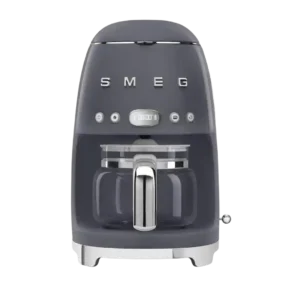
Where power is mentioned (around 1050W), it’s treated as adequate for a standard drip machine, and reviewers more often judge performance by brew speed and consistency than raw wattage.
Pros: Design, ergonomics &
Cons: Warranty &, Customer support
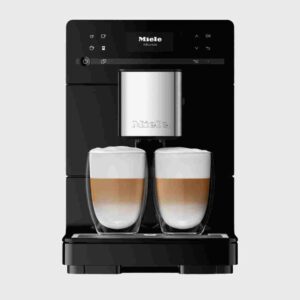
One review lists 1450 W power consumption, and several describe quick warm-up and hot drinks. No major complaints appear around heating strength in the transcripts.
Pros: Build quality &, durability
Cons: Iced / cold-brew function quality, App
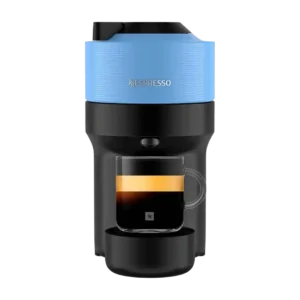
Power and warm-up are generally described as adequate and quick (often around 30 seconds). A minority note espresso temperature can feel less hot on first use compared with longer mug...
Pros: Mess-free used-puck disposal, Automation &
Cons: Milk, steam &
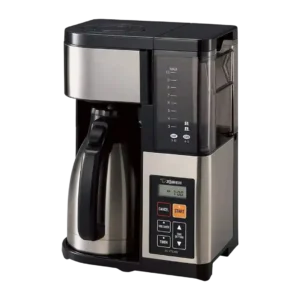
One review cites a 1200-watt heating rating, aligning with expectations for a full-size drip brewer, though real-world outcomes still vary by brew time and extraction behavior.
Pros: Pot function, Cup
Cons: Value &, Price
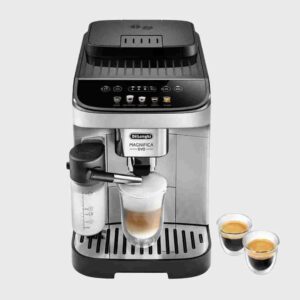
Power and heating are generally adequate, but multiple reviews note the first cup may be less hot until the machine warms and settings (temperature, cup warming, rinses) are dialed in.
Pros: Capsules, pods &
Cons: App, connectivity &
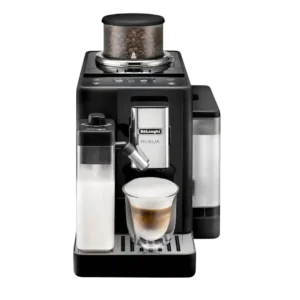
Heating is strong for coffee, with multiple sources praising drink temperatures in general. The recurring limitation is milk (often around 60C) and hot water for tea (one review cites about...
Pros: Recognition & certifications, Accessories
Cons: App, connectivity &
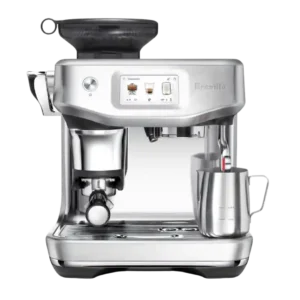
Heating performance is widely praised for rapid warm-up and quick transitions, with enough steam capability for the automated milk system. It is optimized for speed and convenience more than sustained,...
Pros: Speed &, time-to-cup
Cons: App, connectivity &
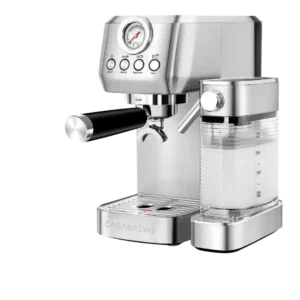
Heat-up is described as quick, enabling fast preheat shots and relatively short time-to-espresso. However, steam and brew transitions may require a cooldown/flush routine and steam power is portrayed as solid...
Pros: Popularity, Value &
Cons: App, connectivity &
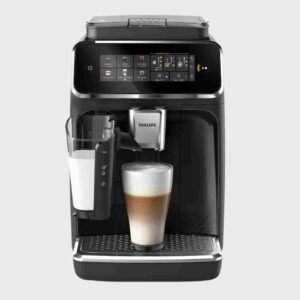
Heat-up and back-to-back drink performance are described as adequate to quick, with no major complaints; it is treated as sufficient rather than a standout spec.
Pros: Capsules, pods &
Cons: App, connectivity &
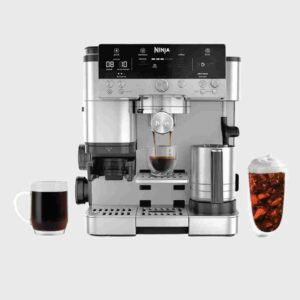
Warm-up is typically described as quick, and heating is strong enough for back-to-back drinks. Some note it can be loud while steaming or purging, but power is rarely described as...
Pros: Value &, Price
Cons: Design flaws, Design
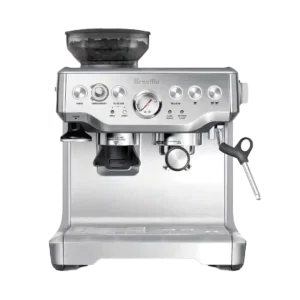
Warm-up for espresso is generally quick and stable enough for home use; steam output is capable but not as forceful or fast as higher-end prosumer machines.
Pros: Espresso &, beverage quality
Cons: Capsules, pods &
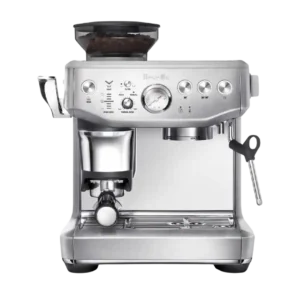
Several reviewers describe the thermocoil-style heating system as adequate for espresso but slower to switch into high-power steaming. If we make lots of milk drinks back-to-back, the limited steam power...
Pros: Guided tamper convenience, Accessories
Cons: Iced / cold-brew function quality, Capsules
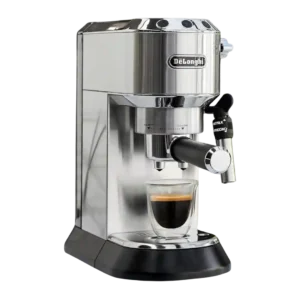
Heating power is usually seen as sufficient for entry-level espresso and casual steaming, but several sources note limits with light-roast extraction and faster multi-drink steaming. In practice, technique (preheating, purging,...
Pros: Speed &, time-to-cup
Cons: Grinder, hopper &
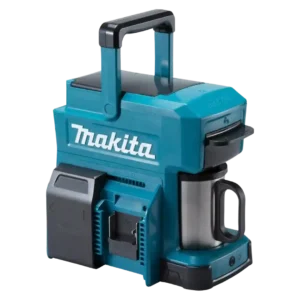
It can brew reasonably hot coffee for a cordless unit, but heat and speed are constrained by battery power. Multiple reviews emphasize the power cost: it drains packs quickly relative...
Pros: Scoop-storage convenience, Assembly &
Cons: Recognition & certifications, Capacity
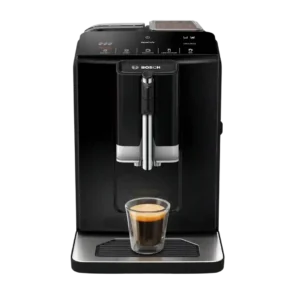
Temperature performance is the biggest dispute: a few reviewers describe stable thermoblock brewing, but multiple others report lukewarm espresso around 127°F and difficulty getting truly hot coffee without workarounds.
Pros: Water system, maintenance &
Cons: Accuracy of marketing claims, Design flaws
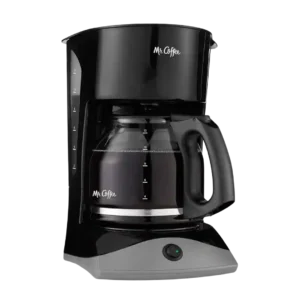
Heating performance is adequate but uneven. One review measured about a 940W heating element and acceptable temperatures in some runs, while other coverage highlights wide temperature swings across consecutive brews.
Pros: Assembly &, Setup
Cons: Automation &, sensors
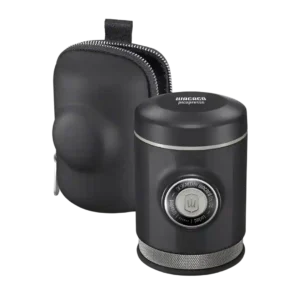
There is no onboard heating element. Reviewers consistently remind buyers that the Picopresso cannot heat water for you, so boiling water must come from a kettle, stove, or other external...
Pros: Cable management convenience, Guided tamper convenience
Cons: Milk, steam and frothing
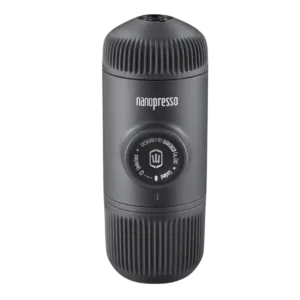
The reviews are clear that the Nanopresso has no built-in heater, so users must bring their own hot water or external heating method.
Pros: Popularity, Portability and travel-friendliness
Cons: Heating-element power, Capacity