Best for Innovation compared to competitors
Dyson PencilVac Fluffycones
5.0 feature score
Highest scored product for this feature based on supporting review evidence.
Highest scored product for this feature based on supporting review evidence.
Balances feature score, supporting reviews, and overall product strength.
Has the broadest review evidence for this feature.
Strongest overall product among items with scored evidence for this feature.
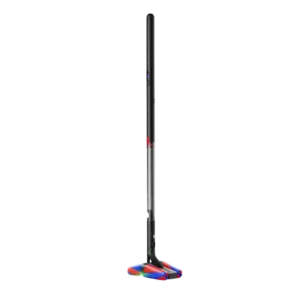
Innovation was highly praised; reviewers repeatedly framed the PencilVac as unusually engineered, distinctive, and unlike competitors.
Pros: Assembly and Setup, Maneuverability and Handling
Cons: Privacy controls, Carpet — High-Pile Pickup
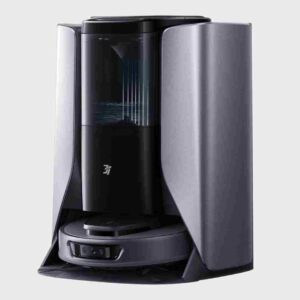
Innovation is one of the clearest strengths, with reviewers repeatedly calling the water-recycling approach unique, advanced, and boundary-pushing.
Pros: Build quality and durability, Clogging and debris prevention
Cons: Energy efficiency (kWh), Weight
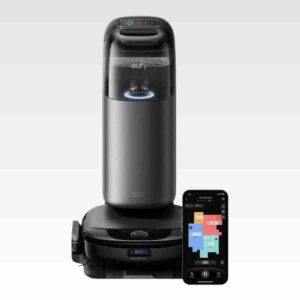
Reviewers repeatedly framed the S1 Pro as innovative because of its roller mop, low-profile navigation, and distinctive dock design.
Pros: Storage footprint and upright-stand stability, Maneuverability and Handling
Cons: Hair Pickup — Carpets, Clogging and debris prevention
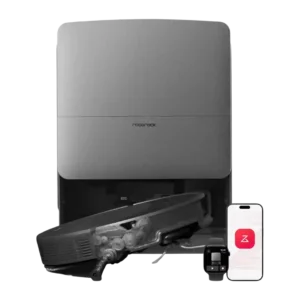
The combination of physical chassis lift, slim solid-state navigation and pressure-adjusting mops feels meaningfully more inventive than another simple suction increase. Reviewers see it as a practical refinement of robotic...
Pros: Packaging quality, Versatility
Cons: Overall durability/longevity, Scratch resistance
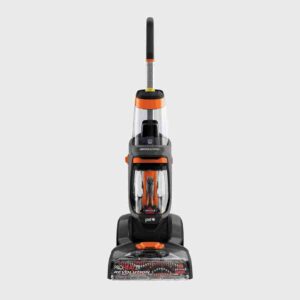
Innovation evidence was positive where mentioned, especially around the cleaner changing expectations for consumer carpet cleaning and offering useful pet-focused features.
Pros: Support and Reliability, Stair Cleaning
Cons: Clogging and debris prevention, Kid-friendliness
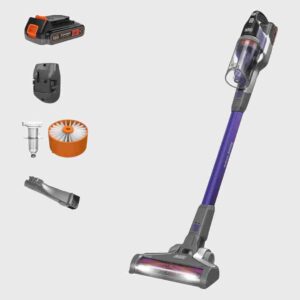
Innovation is positive for the price, especially self-standing storage and AutoSense-style features that reviewers considered rare or absent on more expensive vacuums.
Pros: Kid-friendliness, Innovation compared to competitors
Cons: Carpet — High-Pile Pickup, Hair-removal channel issues
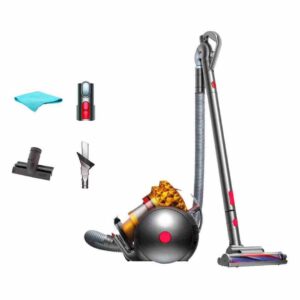
Innovation evidence centers on the self-righting and hassle-reducing design, which reviewers frame as clever and efficient.
Pros: Pet-Ready Features, Noise level
Cons: Hard Floor — Large Debris Intake, Area Rug Handling
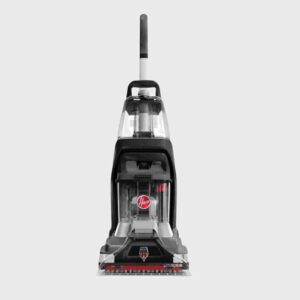
The horizontal SpinScrub approach stood out versus traditional brushroll competitors, especially for stain spread and long-pile handling.
Pros: Pet-Ready Features, Tool-change simplicity
Cons: Overall durability/longevity, Build quality and durability
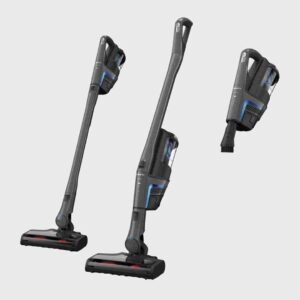
Innovation is praised where reviewers highlight the 3-in-1 format and Miele’s attempt to solve common cordless vacuum problems.
Pros: Stair Cleaning, Innovation compared to competitors
Cons: Hair‑Wrap / Tangle Resistance, Bin and Bag
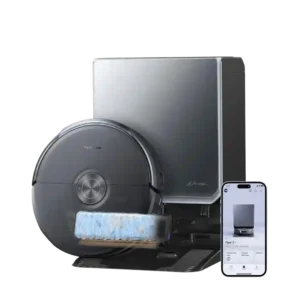
The visual-language model, valuables detection, adaptive mess strategies, and continuously refreshed track mop feel genuinely different from routine feature upgrades. The intelligence adds practical cleaning behavior rather than novelty alone.
Pros: Pet-Ready Features, Accessories and Tools
Cons: Automatic shutoff for obstructions, Crevice / Groove Pickup (Hard Floors)
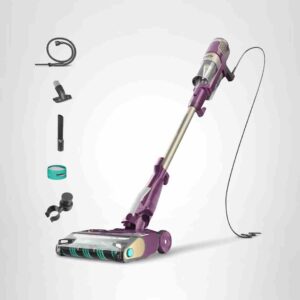
The PowerDetect line is described as innovative and improving meaningfully over earlier Shark designs.
Pros: Tool-change simplicity, Assembly and Setup
Cons: Crevice / Groove Pickup (Hard Floors), Accessories and Tools
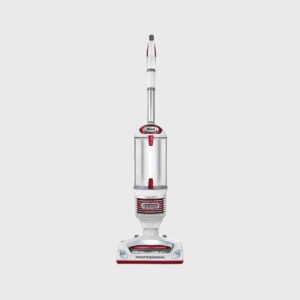
Innovation stood out in anti-tangle roller design, which reviewers framed as ahead of many competitors.
Pros: Assembly and Setup, Floorhead Seal on Hard Floors
Cons: Clogging and debris prevention, Carpet — High-Pile Pickup
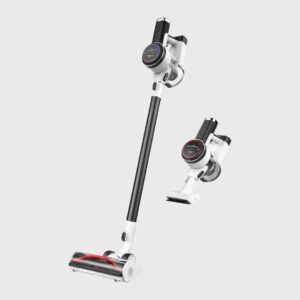
Innovation evidence was strong where reviewers highlighted the color ring, dirt sensor, and smart suction as uncommon or likely to be copied.
Pros: Support and Reliability, Stair Cleaning
Cons: Airflow blowback, Bin and Bag
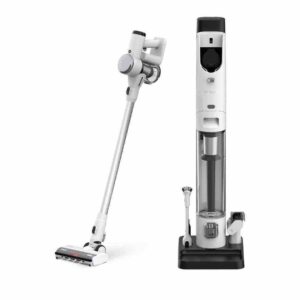
Innovation was a standout strength, with Vacuum Wars giving the FurFree model a 2025 Most Innovative Cordless Vacuum award for its bagless self-cleaning station.
Pros: Innovation compared to competitors, Hair Pickup — Hard Floors
Cons: Edge and Baseboard Cleaning (Hard Floors), Dock noise
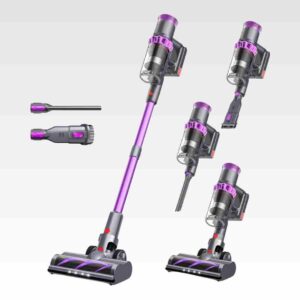
Innovation evidence is positive but narrow, focused on a unique two-in-one attachment design.
Pros: Tool-change simplicity, Aesthetic design and finish
Cons: Support and Reliability, Overall durability/longevity
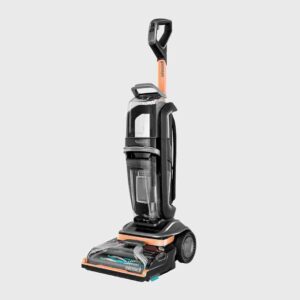
Innovation evidence was very strong because reviewers framed consumer-grade carpet-cleaning steam as new or breakthrough-level.
Pros: Pet-Ready Features, Tool-change simplicity
Cons: Cord length, Airflow blowback
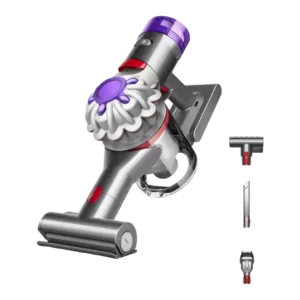
One reviewer frames bringing Dyson’s cyclone concept to a handheld garage vacuum as a meaningful innovation.
Pros: Build quality and durability, Assembly and Setup
Cons: Onboard tool storage, Controls and UI
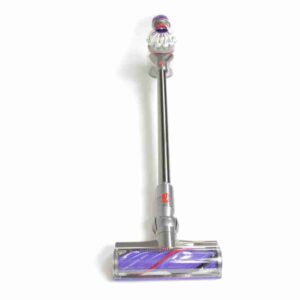
One reviewer described the engineering and technology as state-of-the-art for a vacuum, supporting an innovation score.
Pros: Suction and Airflow, Noise level
Cons: Hard Floor — Large Debris Intake, Suitability for heavy-duty use
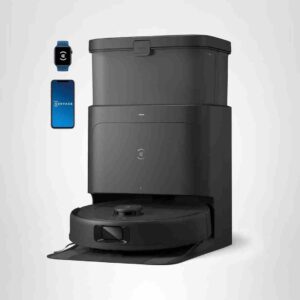
Innovation stood out in one review, especially the extending mop and anti-tangle improvements.
Pros: Pet-Ready Features, Battery and Charging
Cons: Stair Cleaning, Emptying and Mess Control
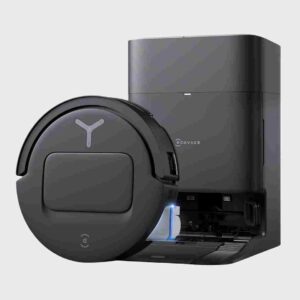
Innovation evidence is very strong in one review that called the roller mop system groundbreaking compared with other robot mops.
Pros: Innovation compared to competitors, Hard Floor — Large Debris Intake
Cons: Emptying and Mess Control, Cord management
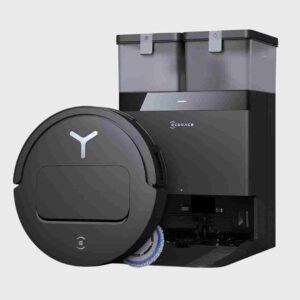
Reviewers saw the mopping performance as unusually advanced, with one saying Ecovacs seemed to solve robot-vacuum mopping.
Pros: Innovation compared to competitors, Under-Furniture Pickup
Cons: Tool-change simplicity, Build quality and durability
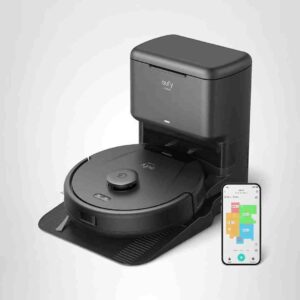
The dock-mounted hair-cutting system is an unusual, potentially game-changing idea for budget robots. Its real-world effectiveness is inconsistent, but the concept is genuinely distinctive.
Pros: Price and Value, Support and Reliability
Cons: Crevice / Groove Pickup (Hard Floors), Carpet — High-Pile Pickup
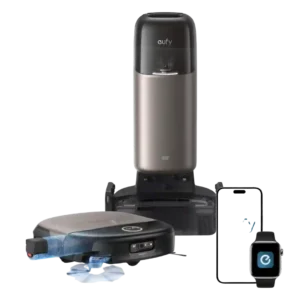
The built-in fragrance module and onboard multi-cyclone system distinguish the S2 from most competitors. Both features make the product feel genuinely different rather than merely more powerful.
Pros: Pet-Ready Features, Filtration / Dust Containment
Cons: Ongoing ownership costs (bags, filters

One reviewer says the self-empty feature has essentially no competition at its price point.
Pros: Innovation compared to competitors, Under-Furniture Pickup
Cons: Suitability for heavy-duty use, Dock noise
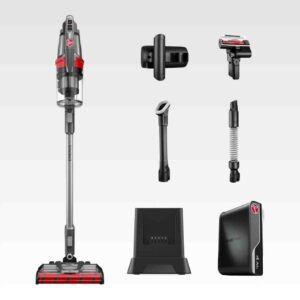
Innovation evidence centered on the powered flexible hose, which a reviewer said other cordless manufacturers should notice.
Pros: Edge and Baseboard Cleaning (Hard Floors), Innovation compared to competitors
Cons: Filtration / Dust Containment, Hair-removal channel issues
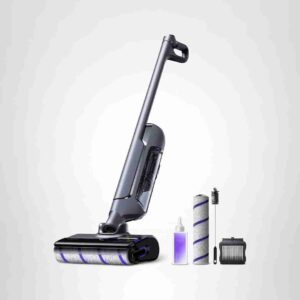
Innovation was praised most in the comparison review, especially for combining premium features with better execution than competitors.
Pros: Pet-Ready Features, Noise level
Cons: Reverse cleaning performance, Suitability for heavy-duty use
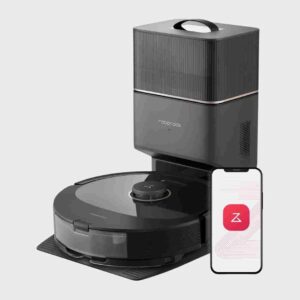
Innovation evidence centered on the dual-roller system, which one reviewer called a game changer compared with traditional single rollers.
Pros: Packaging quality, Innovation compared to competitors
Cons: Mop lifting system, Self-cleaning cycle
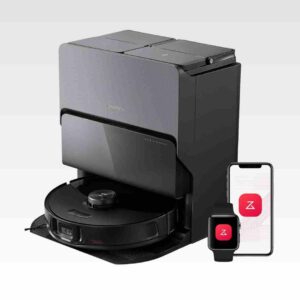
Innovation evidence was positive where the extending edge arms were described as a major leap forward for reaching walls and toe kicks.
Pros: Filtration / Dust Containment, Bin and Bag
Cons: Price and Value, Tool-change simplicity
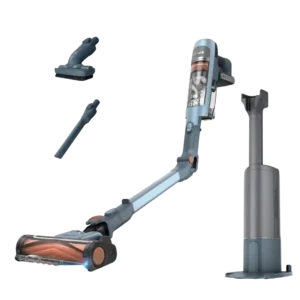
The refined detection system, reverse cleaning, Reveal lighting, flexible wand, and self-emptying dock create a notably polished package, even though similar smart features are becoming more common.
Pros: Tool-change simplicity, Assembly and Setup
Cons: Suitability for heavy-duty use, Ongoing ownership costs (bags

Reviewers saw the PowerDetect as unusually innovative for an upright because of its multiple new Detect features.
Pros: Floorhead design, Innovation compared to competitors
Cons: Suitability for small spaces, Hose length
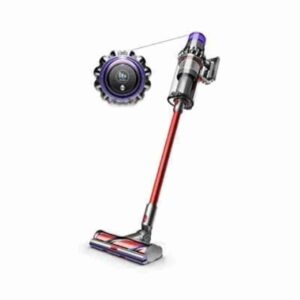
Innovation evidence is positive, with reviewers pointing to major cordless advances and Dyson designs that competitors copied.
Pros: Suction and Airflow, Pet-Ready Features
Cons: Support and Reliability, Stuck resistance
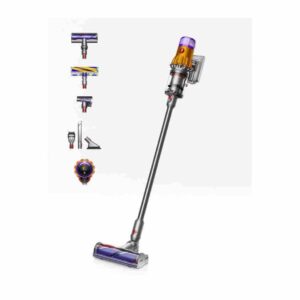
Innovation was praised around practical, useful Dyson features such as the laser, detect tech, and lightweight engineering.
Pros: Filtration / Dust Containment, Build quality and durability
Cons: Clogging and debris prevention, Bin and Bag
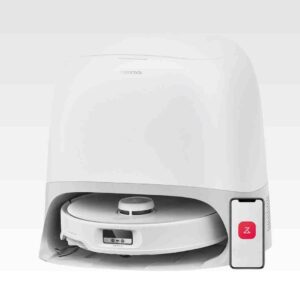
Reviewers framed Roborock and the Curv as highly innovative within the robot-vacuum market.
Pros: Overall cleaning convenience, Runtime
Cons: Solution / Liquid system, Crevice / Groove Pickup (Hard Floors)
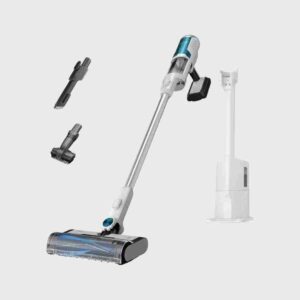
Innovation evidence is strong but limited to one review that calls it one of Shark's most innovative recent stick-vac releases.
Pros: Headlight and LED lights, Innovation compared to competitors
Cons: Hair Pickup — Hard Floors, Hair-removal channel issues
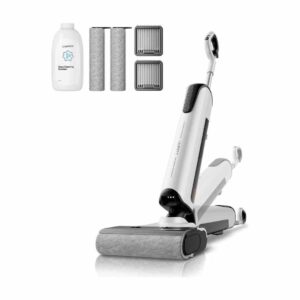
Reviewers saw the D100 as unusually innovative for its class, especially its lay-flat body, push-in dock, washable motor, and feature depth at the price.
Pros: Pet-Ready Features, Assembly and Setup
Cons: Dock noise, Reverse cleaning performance
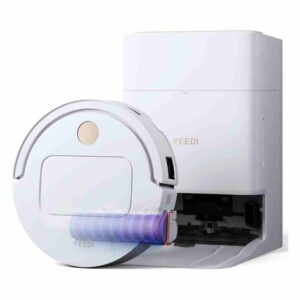
Innovation was a highlight, especially the roller mop and side-brush approach, which reviewers described as leading-edge or competitor-differentiating.
Pros: Suction and Airflow, Filtration / Dust Containment
Cons: Water tank, Versatility
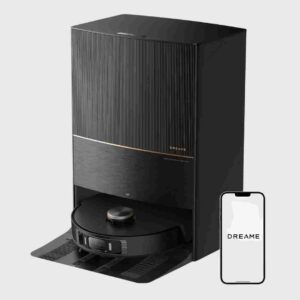
Reviewers repeatedly framed the L20 Ultra as innovative, especially for MopExtend, automatic mop separation, and features competitors lacked.
Pros: Overall durability/longevity, Surface safety with attachments
Cons: Ongoing ownership costs (bags, filters
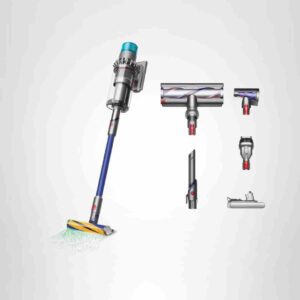
Reviewers saw the Gen5 Outsize as highly innovative or state-of-the-art, especially for dust visibility, smart suction, and cordless power.
Pros: Pet-Ready Features, Tool-change simplicity
Cons: Airflow blowback, Suitability for small spaces
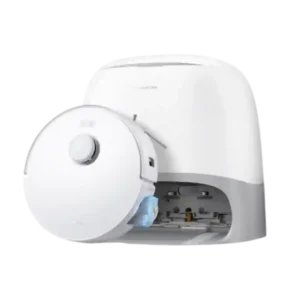
Innovation scored strongly because reviewers saw the roller mop and software-hardware integration as a meaningful step forward for Roborock.
Pros: Maneuverability and Handling, Versatility
Cons: Under-Furniture Pickup, Low-profile design
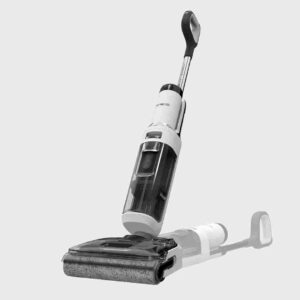
Innovation was praised, especially lay-flat reach and features reviewers had not seen elsewhere.
Pros: Innovation compared to competitors, Low-profile design
Cons: Dock noise, Noise level
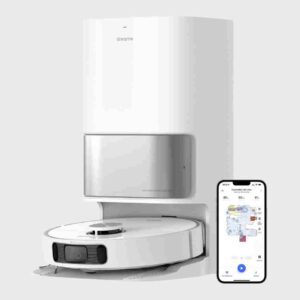
Innovation was noted around the self-washing base and detergent system, which one reviewer considered unique at the time.
Pros: Stuck resistance, Solution / Liquid system
Cons: Accessories and Tools, Adaptive chassis lift
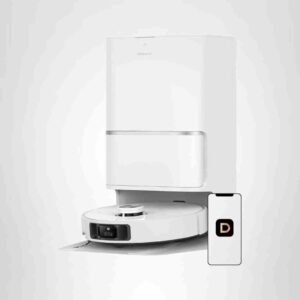
The L40 was described as state-of-the-art, with technology close to flagship competitors at a lower price.
Pros: Energy efficiency (kWh), Stuck resistance
Cons: Support and Reliability, Streaking / Residue
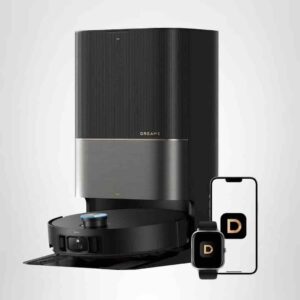
Innovation evidence focused on threshold climbing, retractable navigation, and other hardware features that reviewers considered leading-edge.
Pros: Hair Pickup — Carpets, Noise level
Cons: Crevice / Groove Pickup (Hard Floors), Edge‑Following Accuracy (Robot)
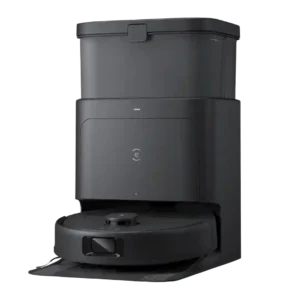
Innovation compared with competitors was a major strength in one review, especially the edge-reaching mop arm and anti-tangle changes.
Pros: Odor control, Innovation compared to competitors
Cons: Accessories and Tools, Stuck resistance
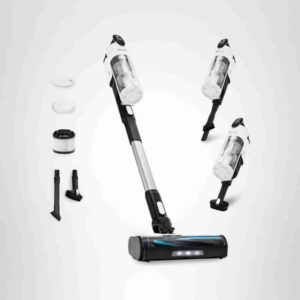
Innovation evidence centered on rare budget features such as self-standing storage and a sealed filtration focus.
Pros: Support and Reliability, Cordless convenience
Cons: Airflow blowback, Carpet — High-Pile Pickup
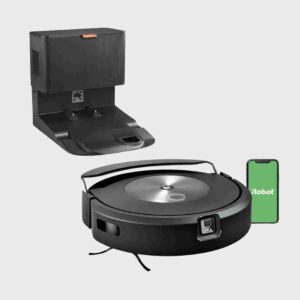
The retractable mop was treated as a meaningful innovation in the premium hybrid robot market.
Pros: Mop lifting system, Area Rug Handling
Cons: Bin and Bag, Self-cleaning cycle
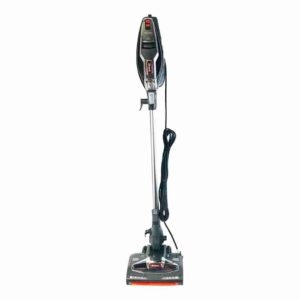
Innovation evidence is limited but positive, with one review saying its LED feature was absent from the other tested models.
Pros: Stair Cleaning, Clogging and debris prevention
Cons: Cordless convenience, Bin and Bag
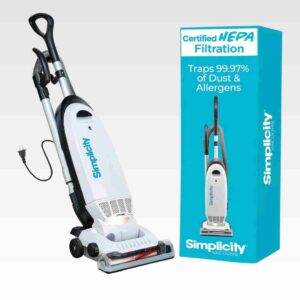
Innovation centers on the five-level height system, described as unusual for uprights in this class.
Pros: Assembly and Setup, Innovation compared to competitors
Cons: Hard Floor — Large Debris Intake, Airflow blowback
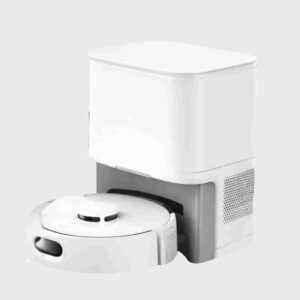
Innovation compared with competitors was strongest around the tiny body, which one reviewer said reached recesses no other robot vacuum could.
Pros: Edge and Baseboard Cleaning (Hard Floors), Innovation compared to competitors
Cons: Dried-On Stain Removal, Carpet — High-Pile Pickup
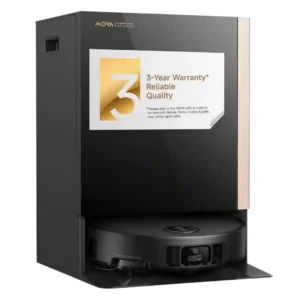
Innovation evidence was strongly positive, especially around mop swapping, obstacle climbing, and new mopping architecture.
Pros: Obstacle Avoidance (Robot), Carpet — Medium-Pile Pickup
Cons: Dirty water sensor, Runtime