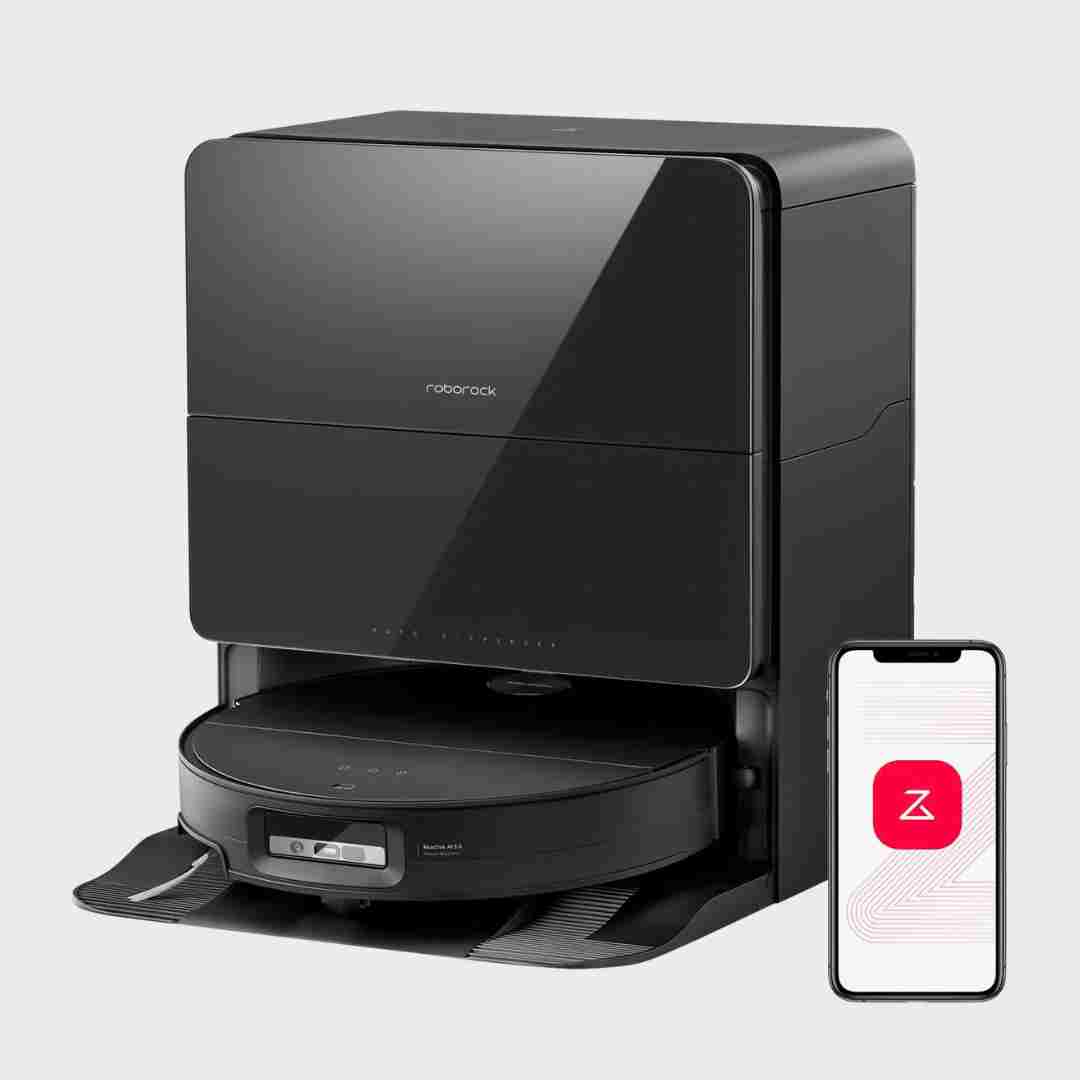
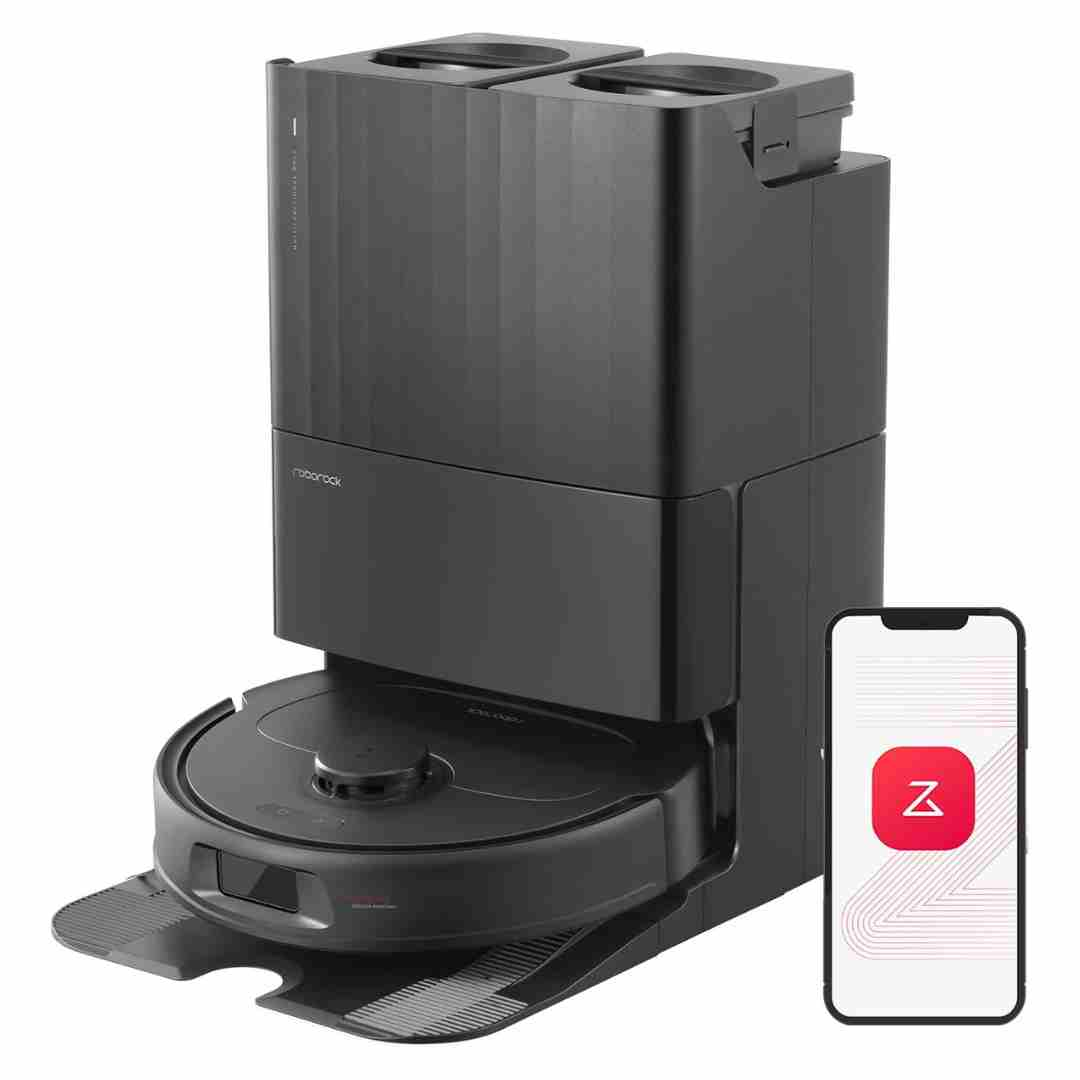
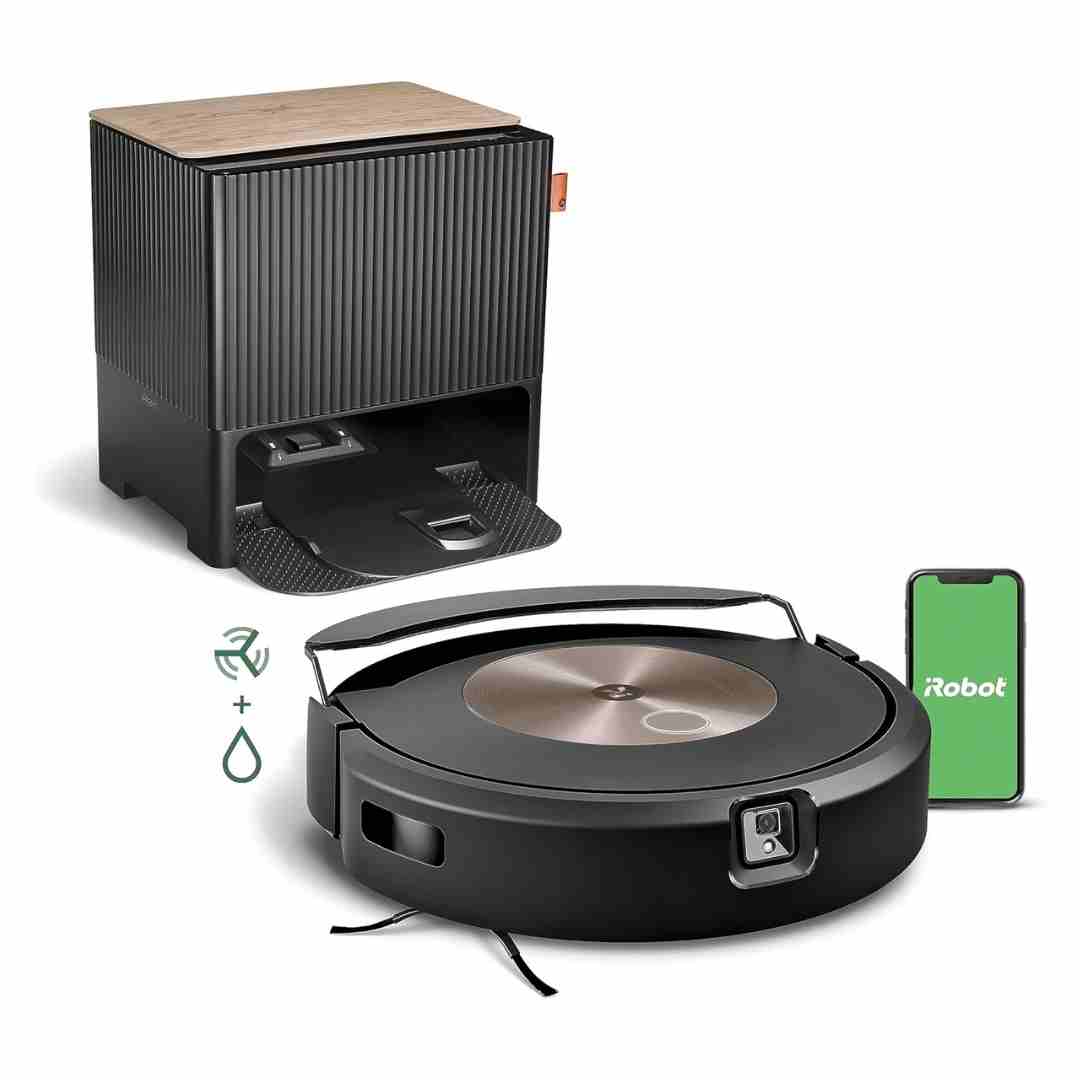
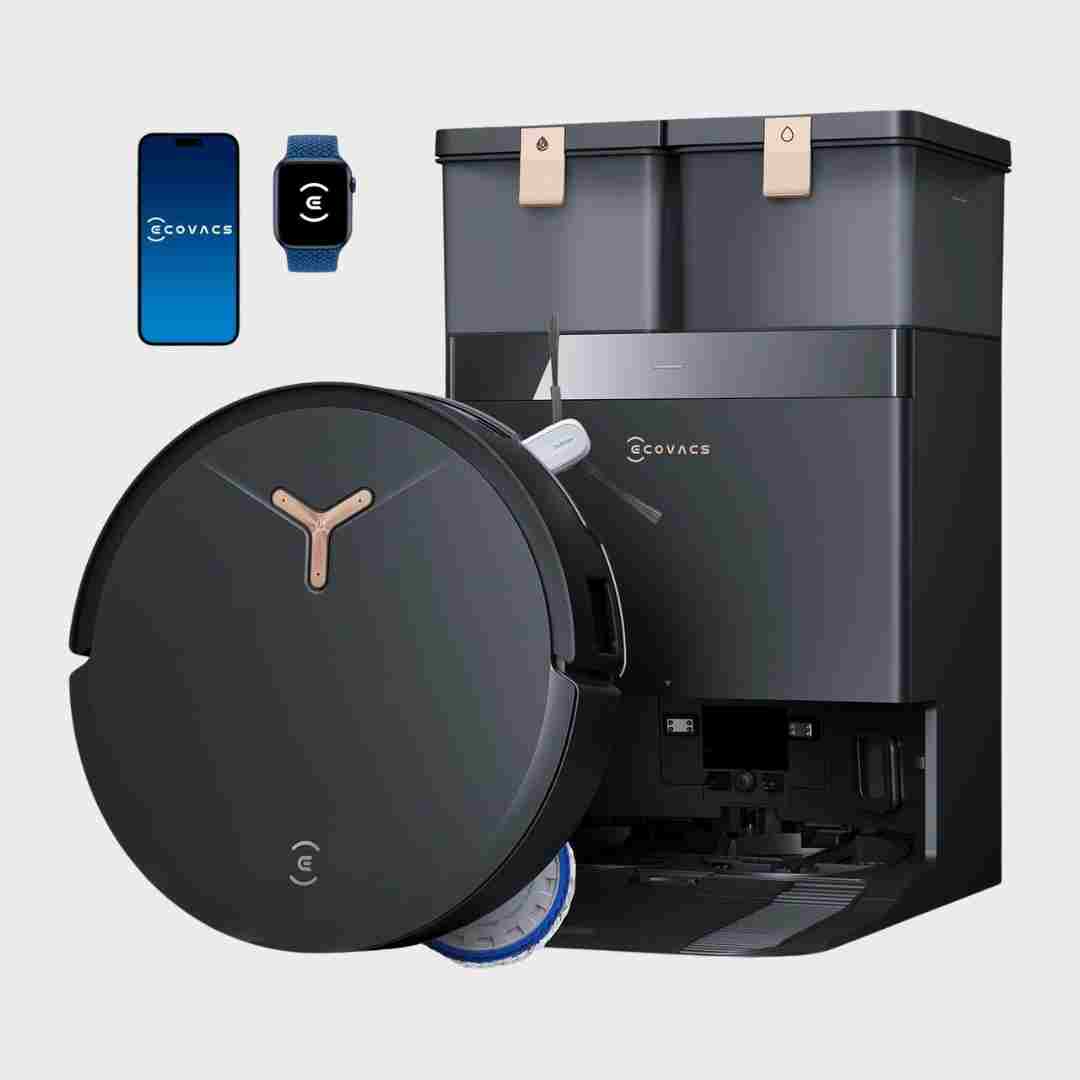
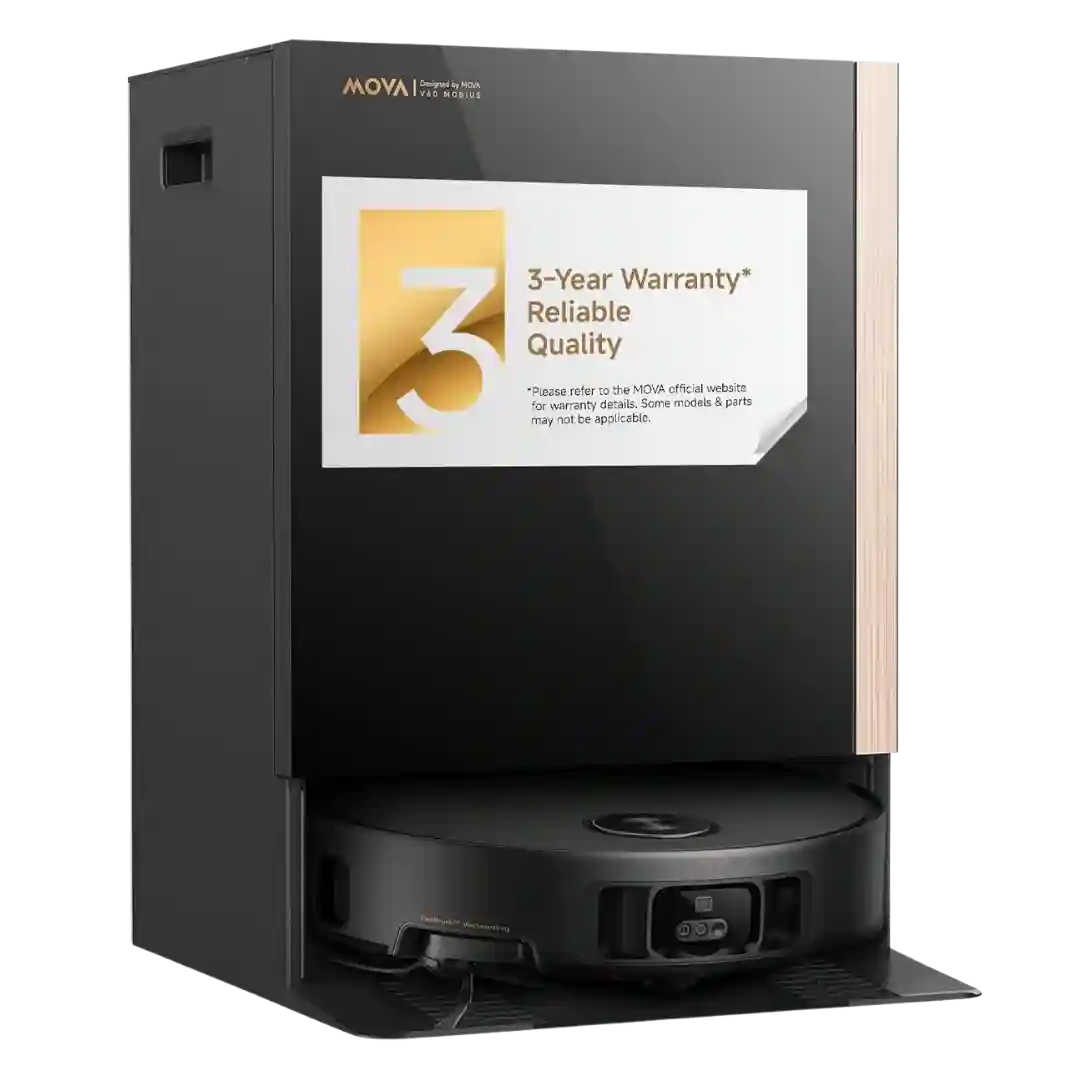
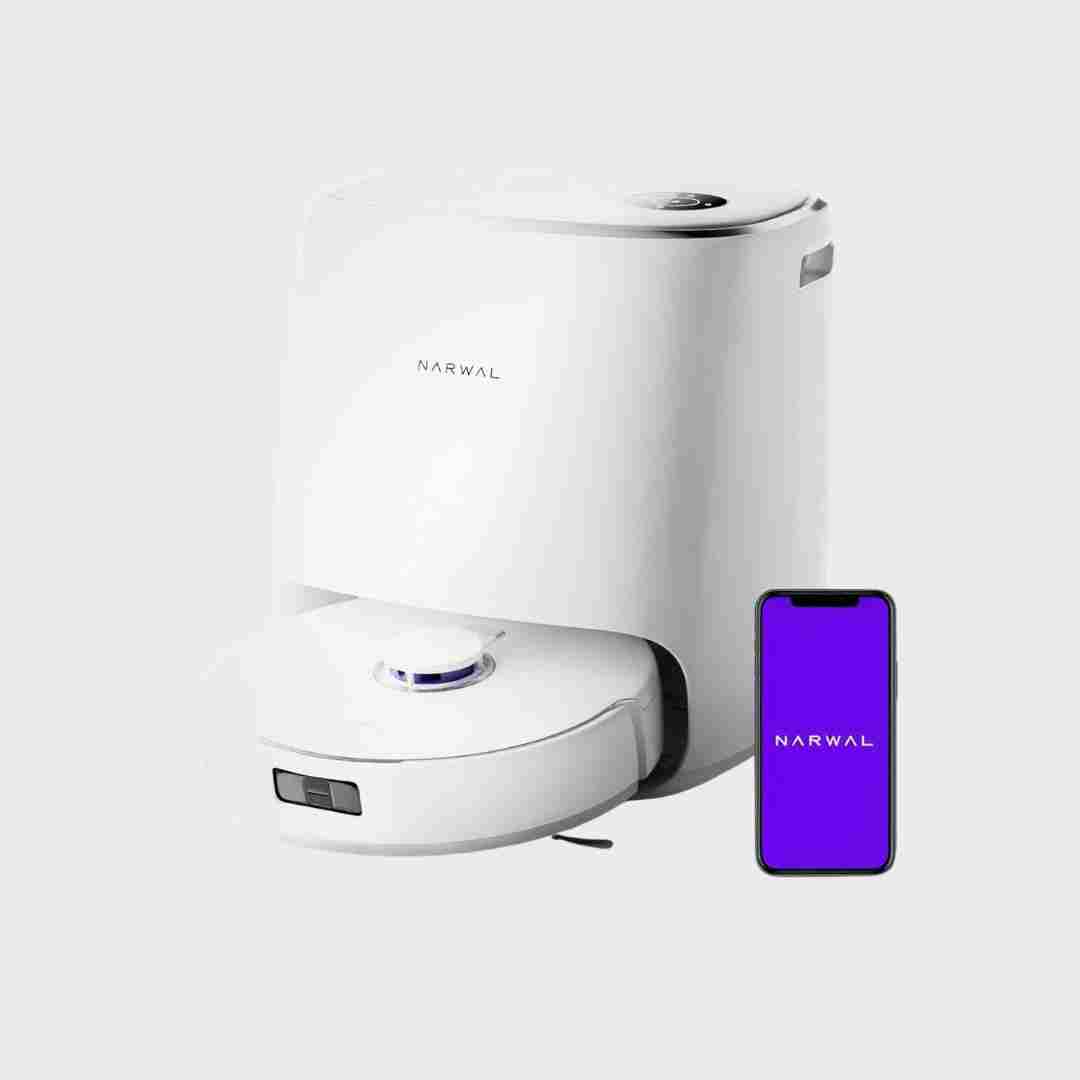
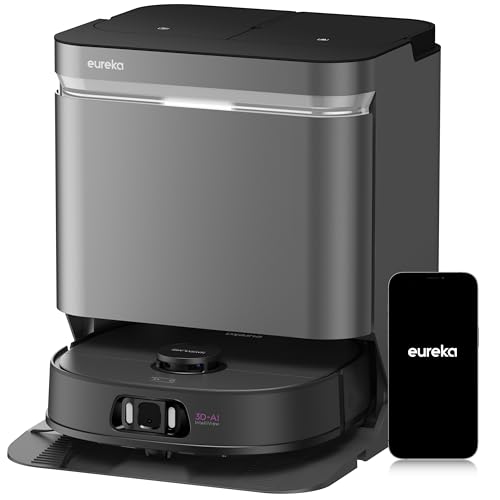
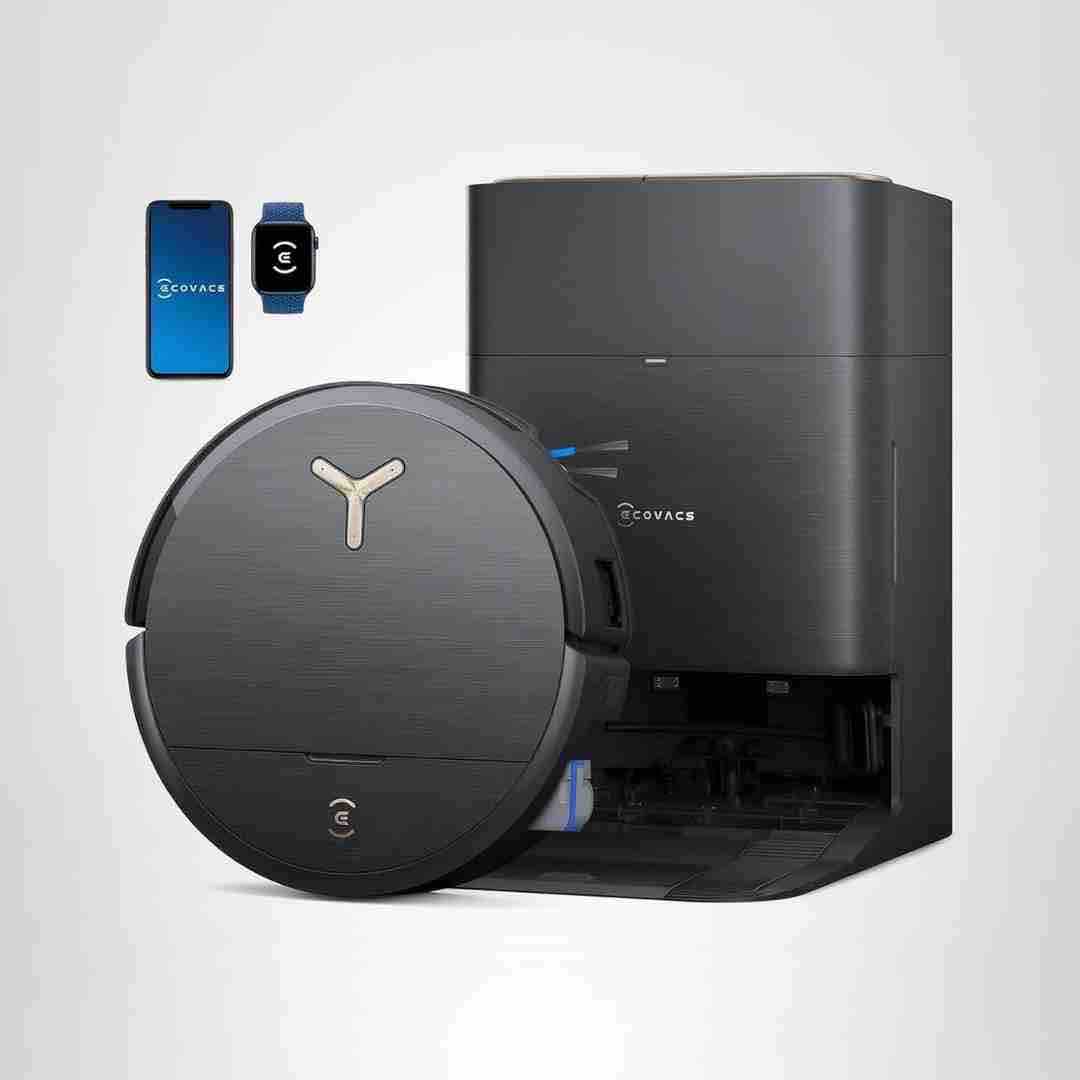
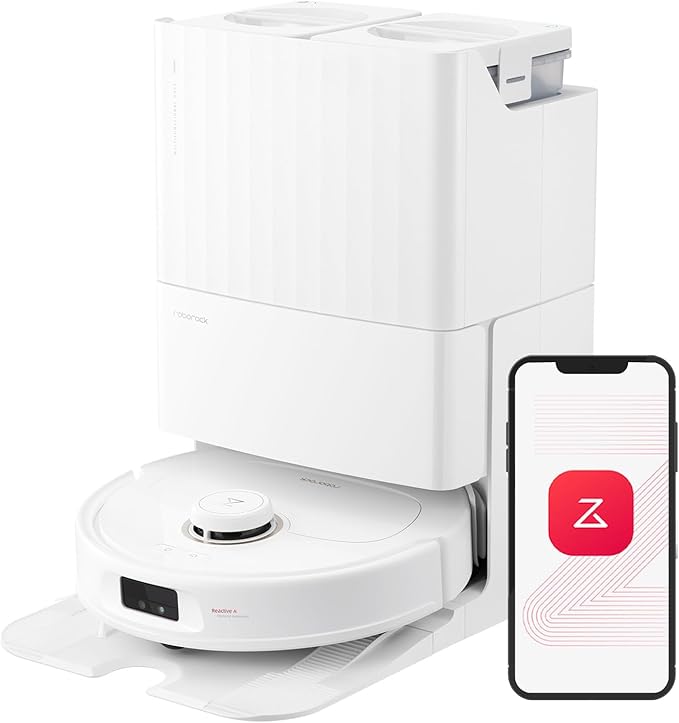
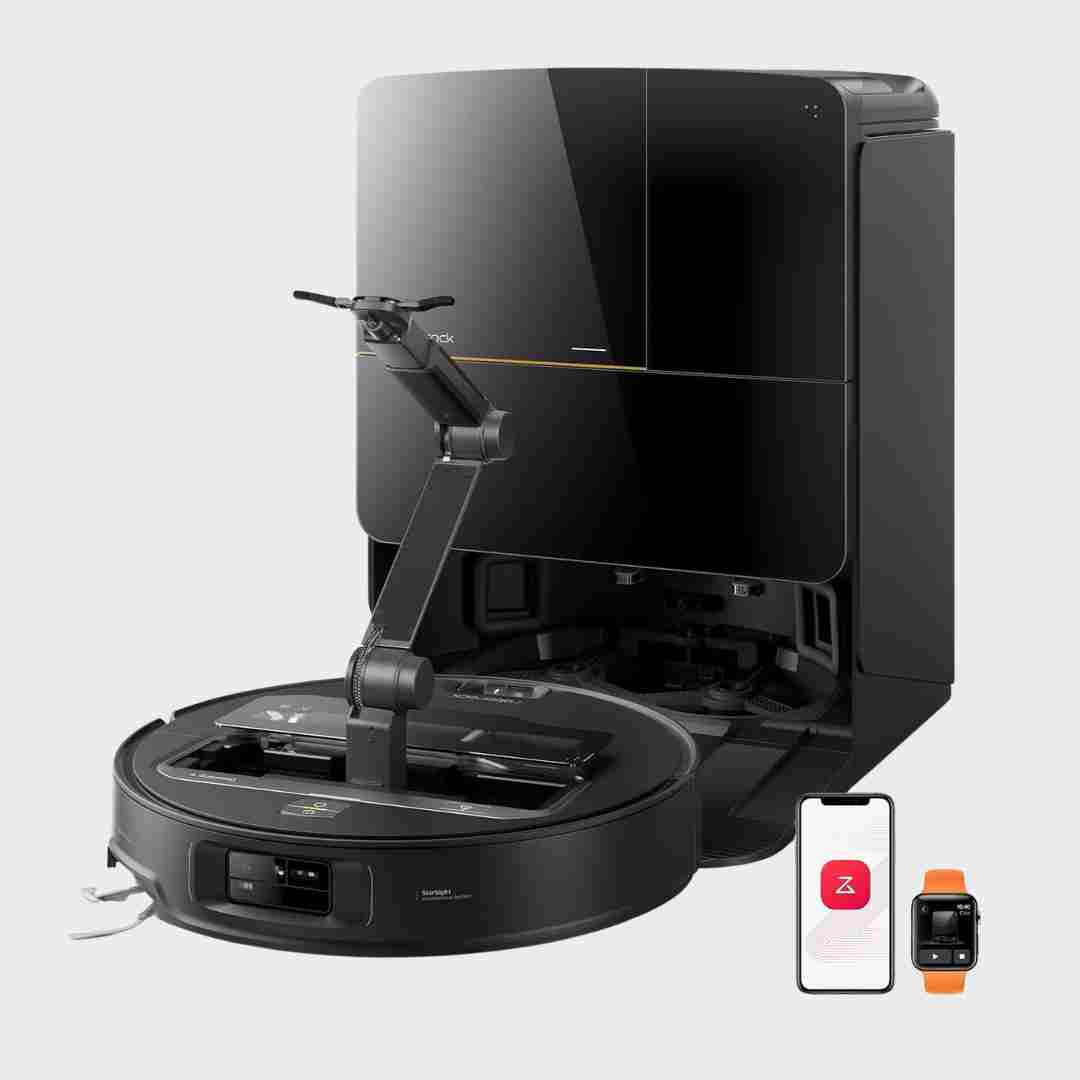
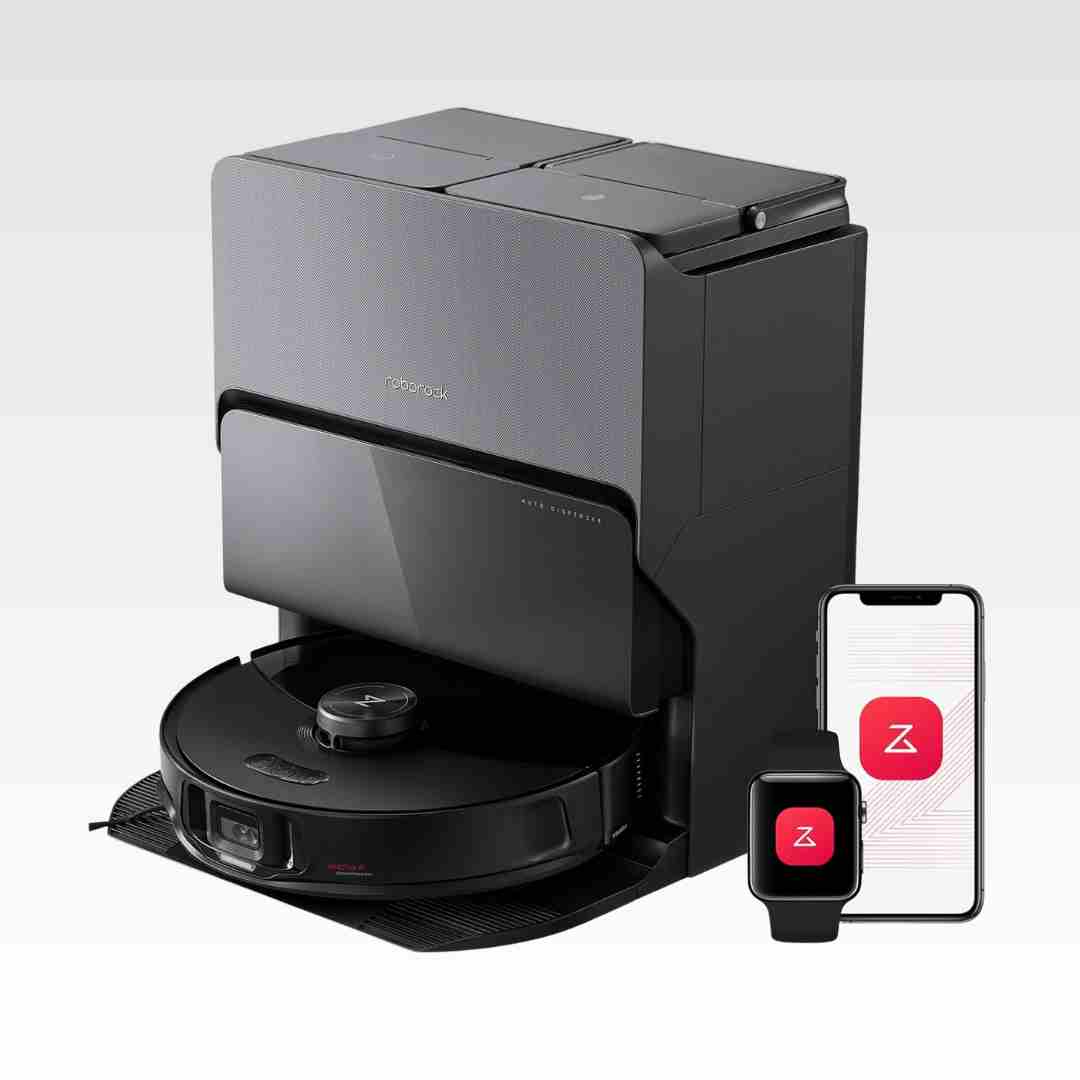
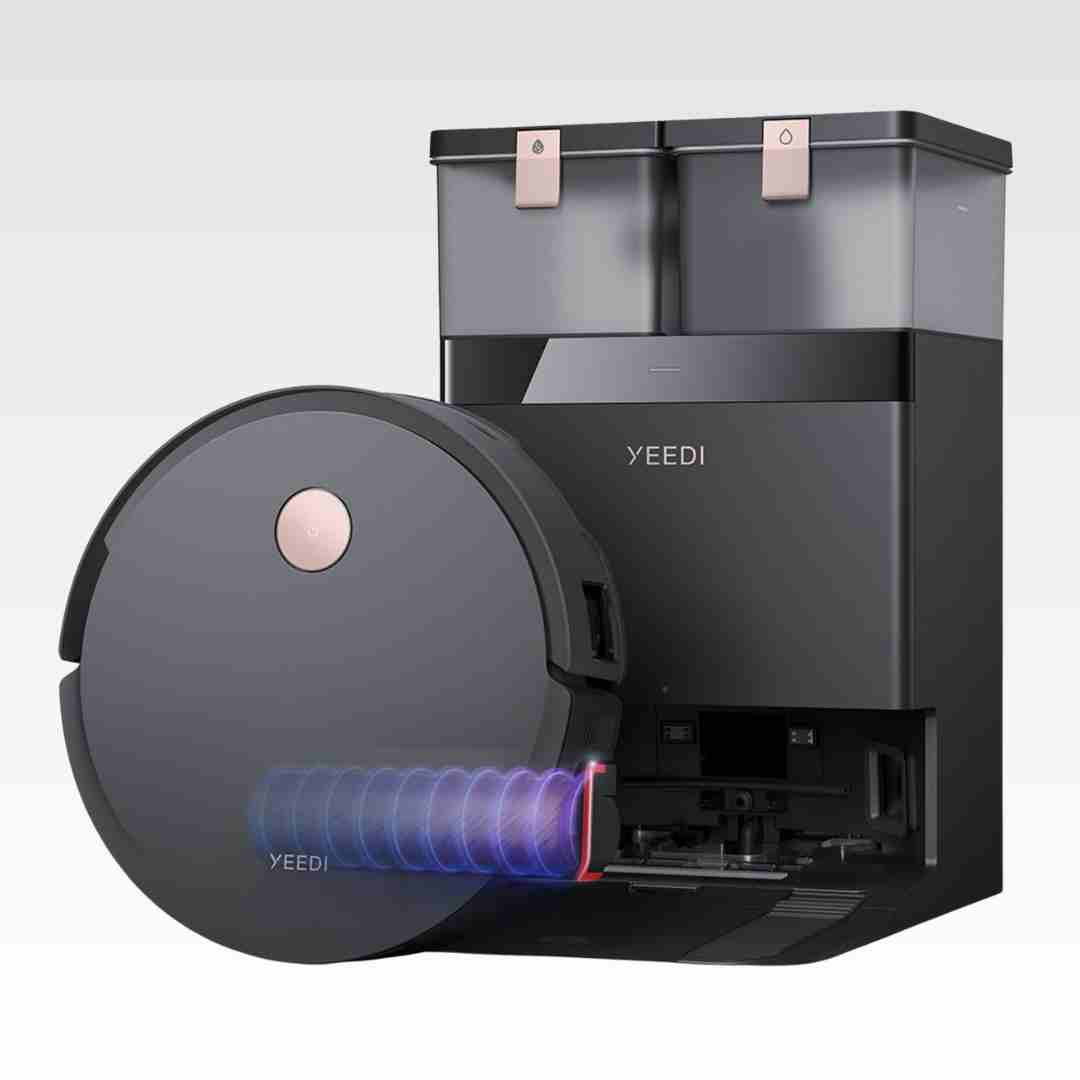
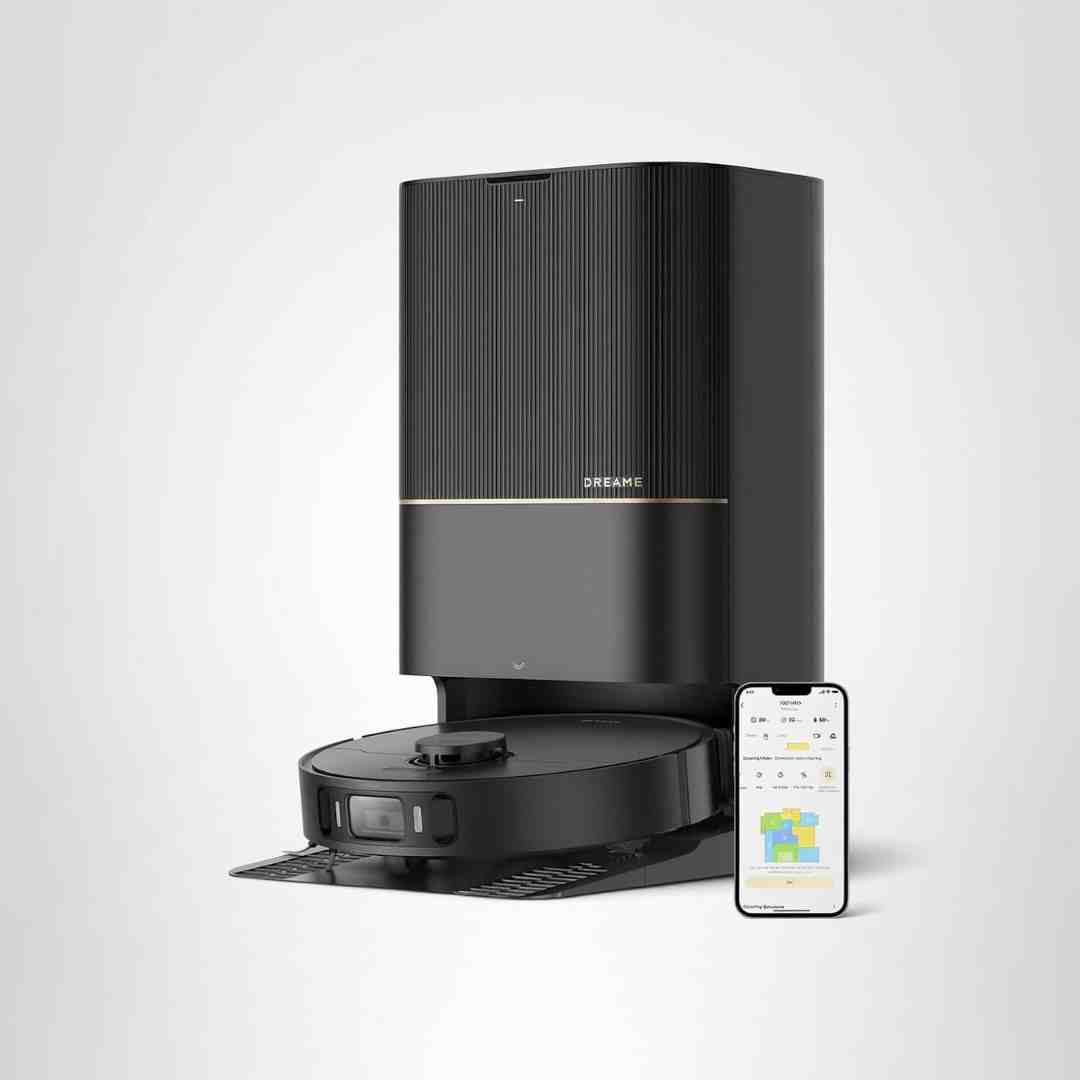
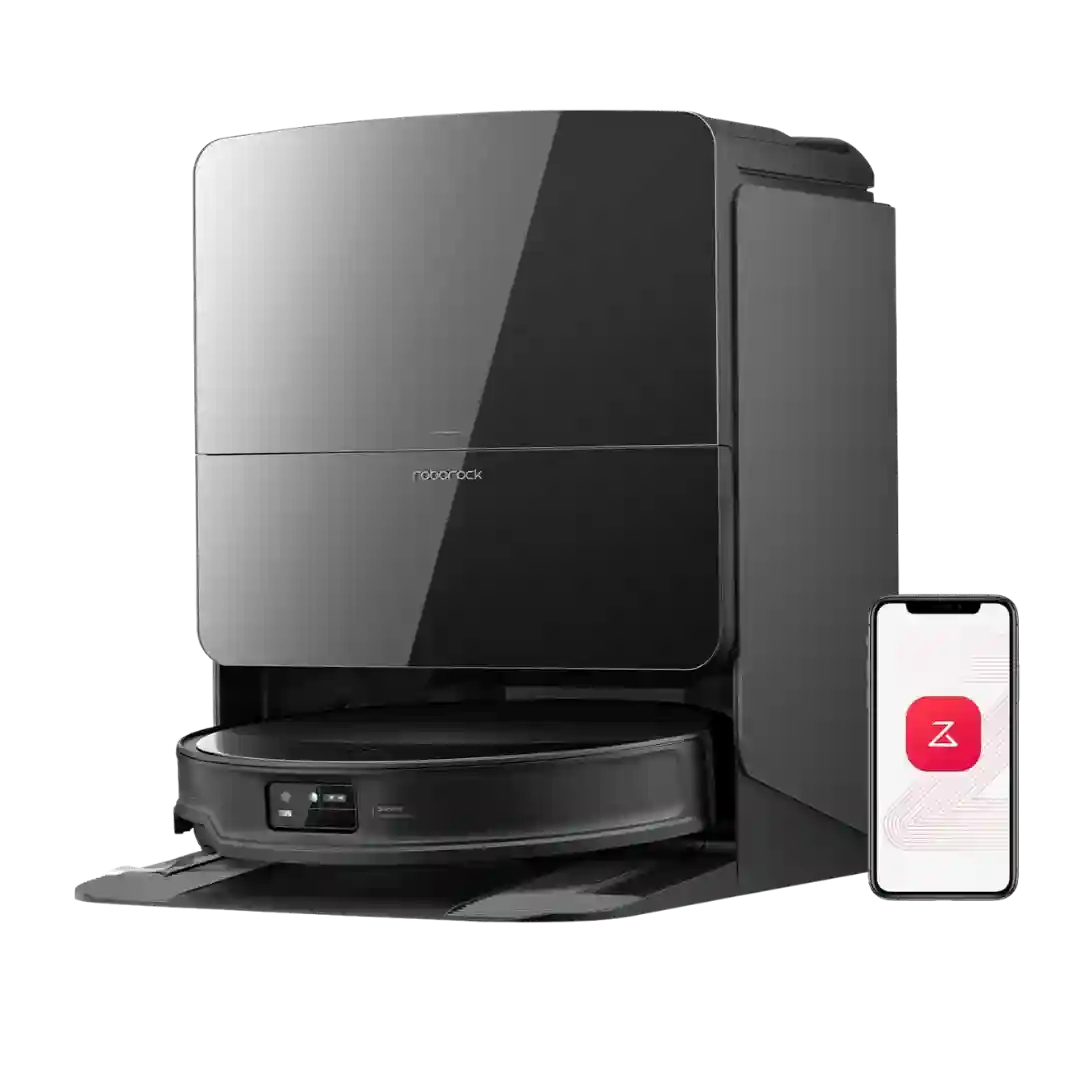
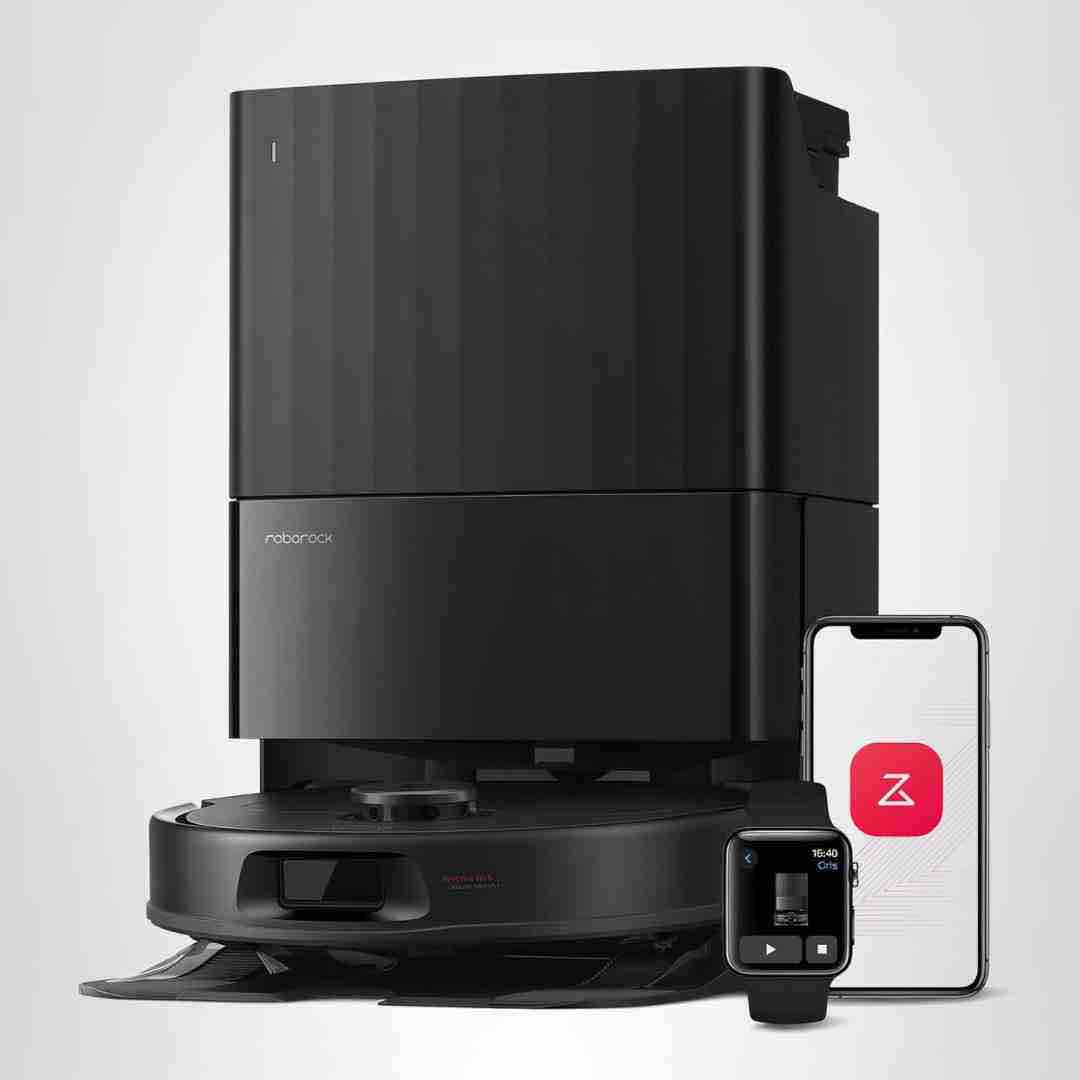
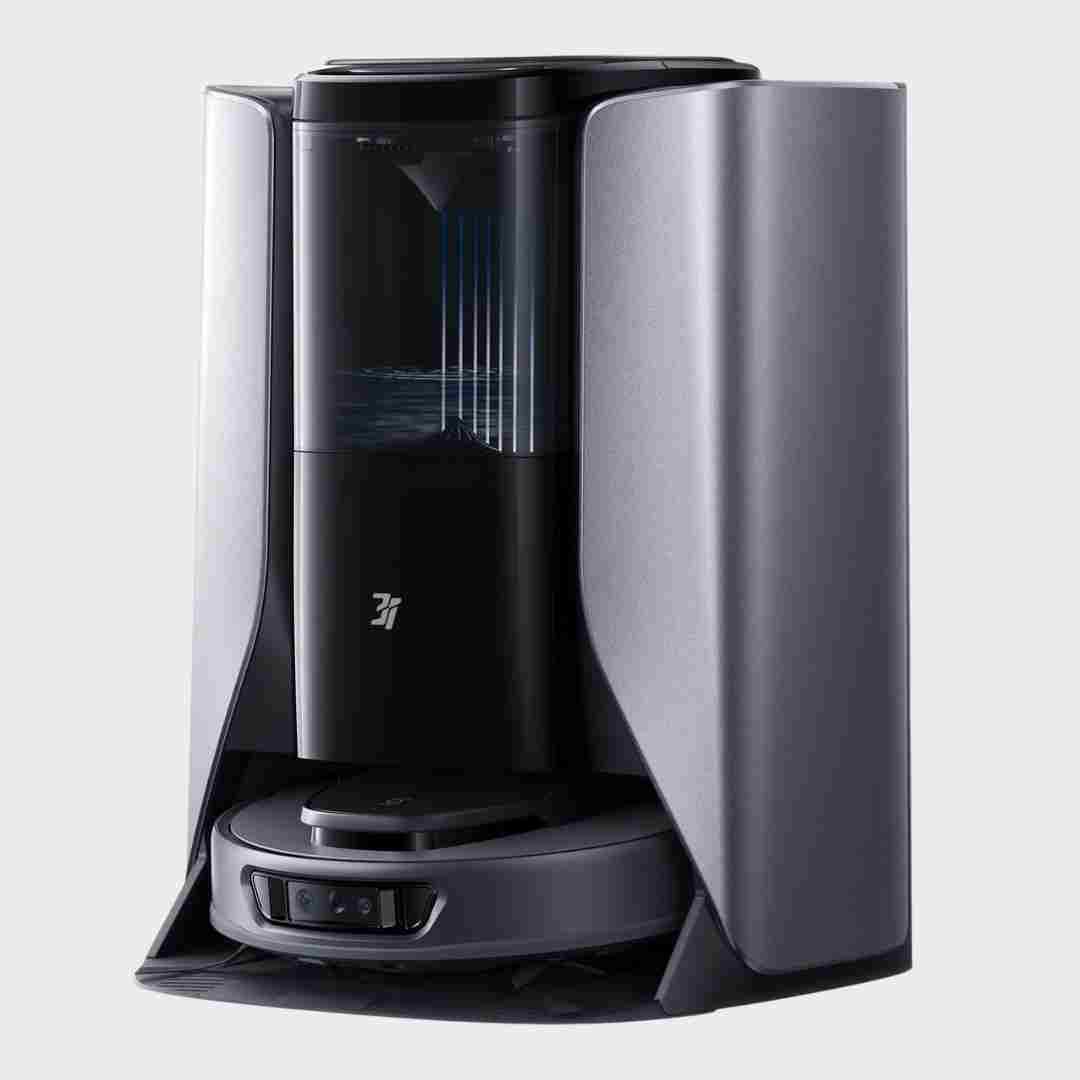
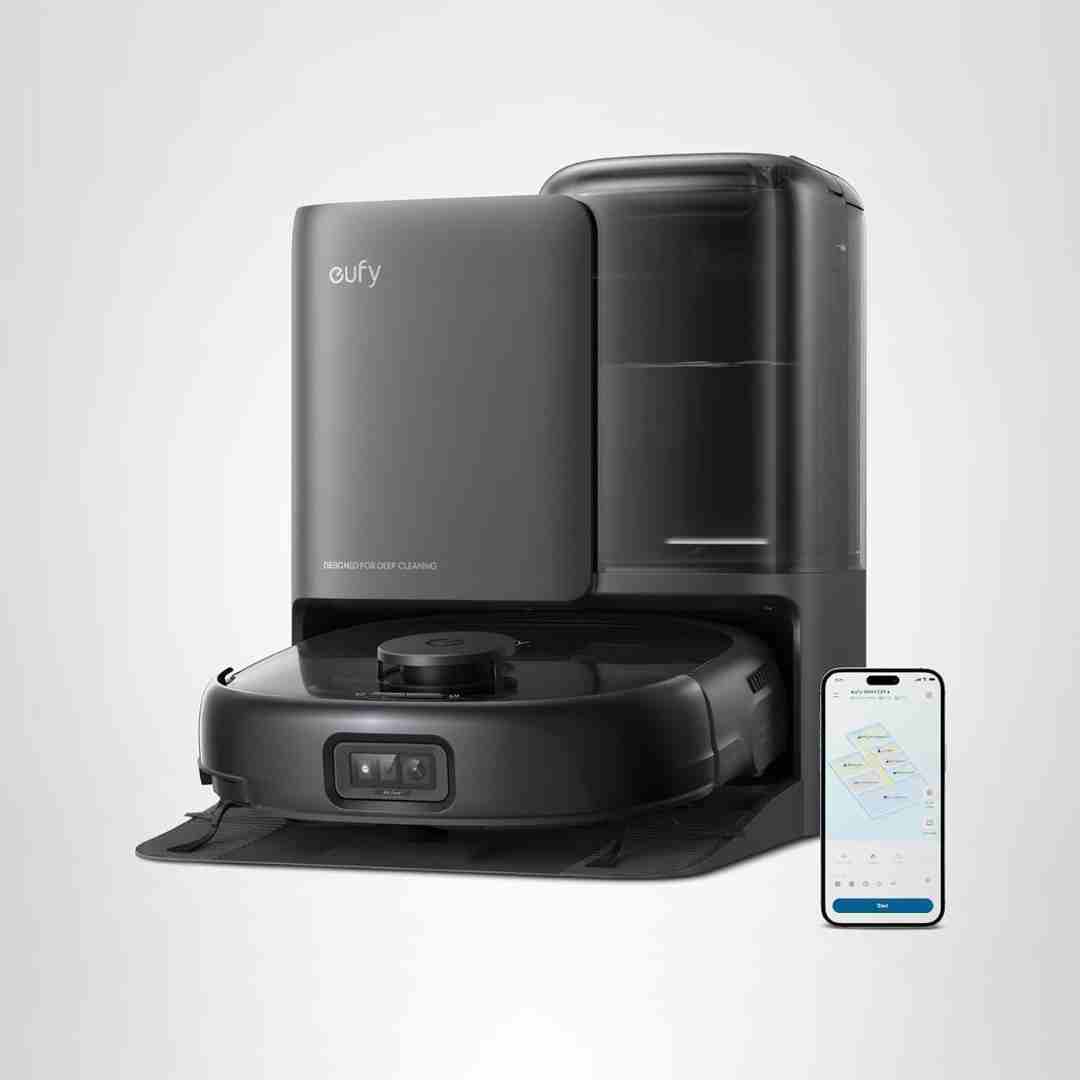
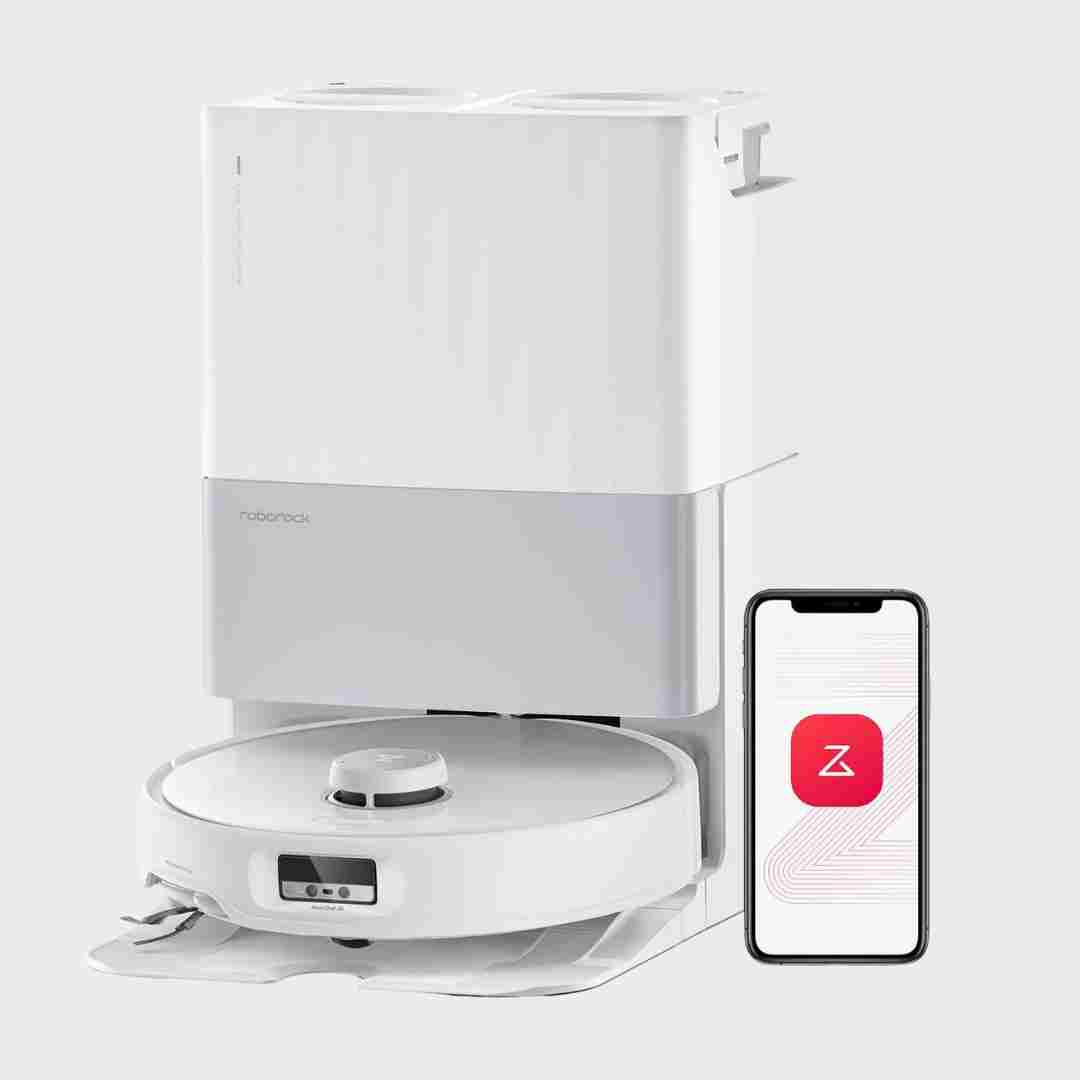
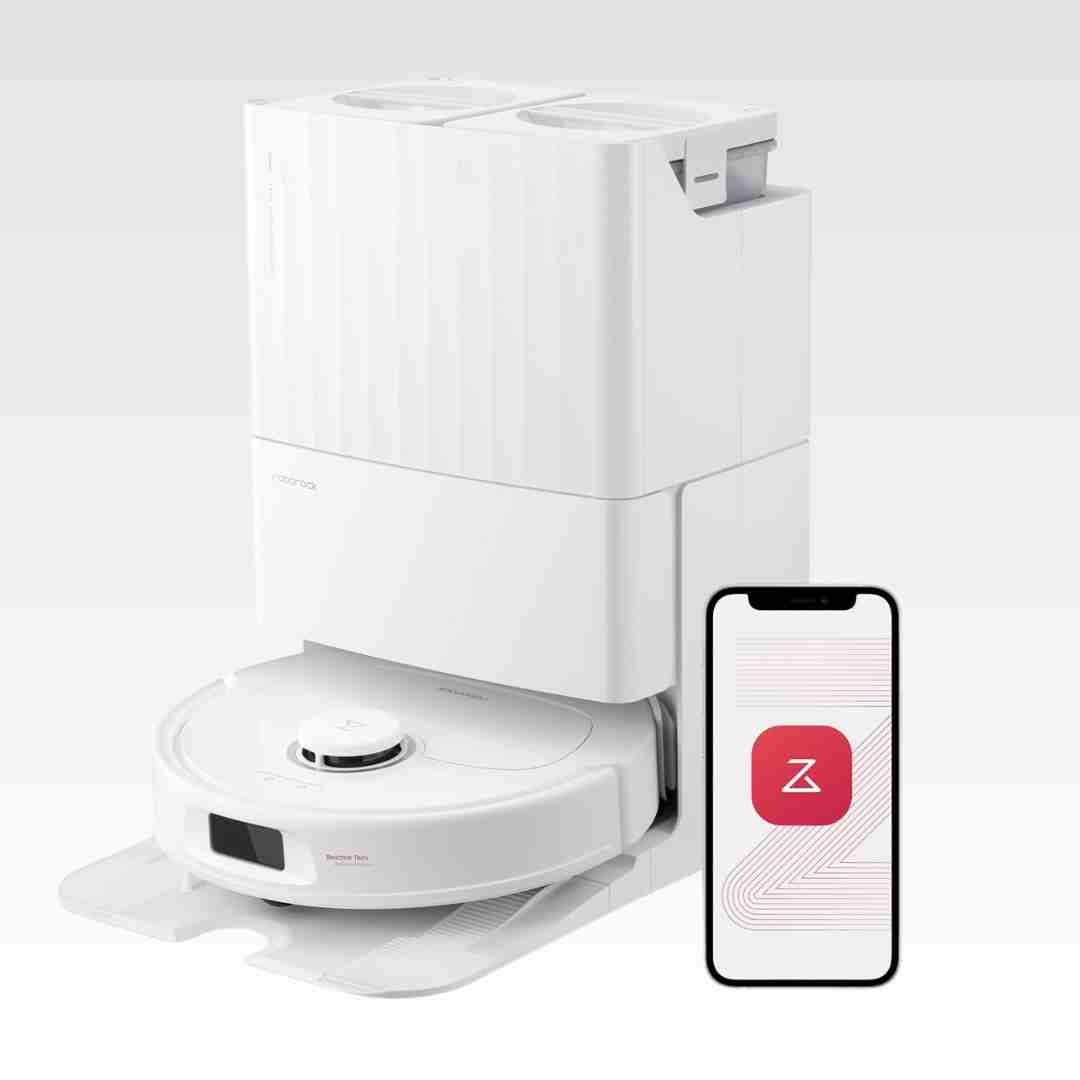
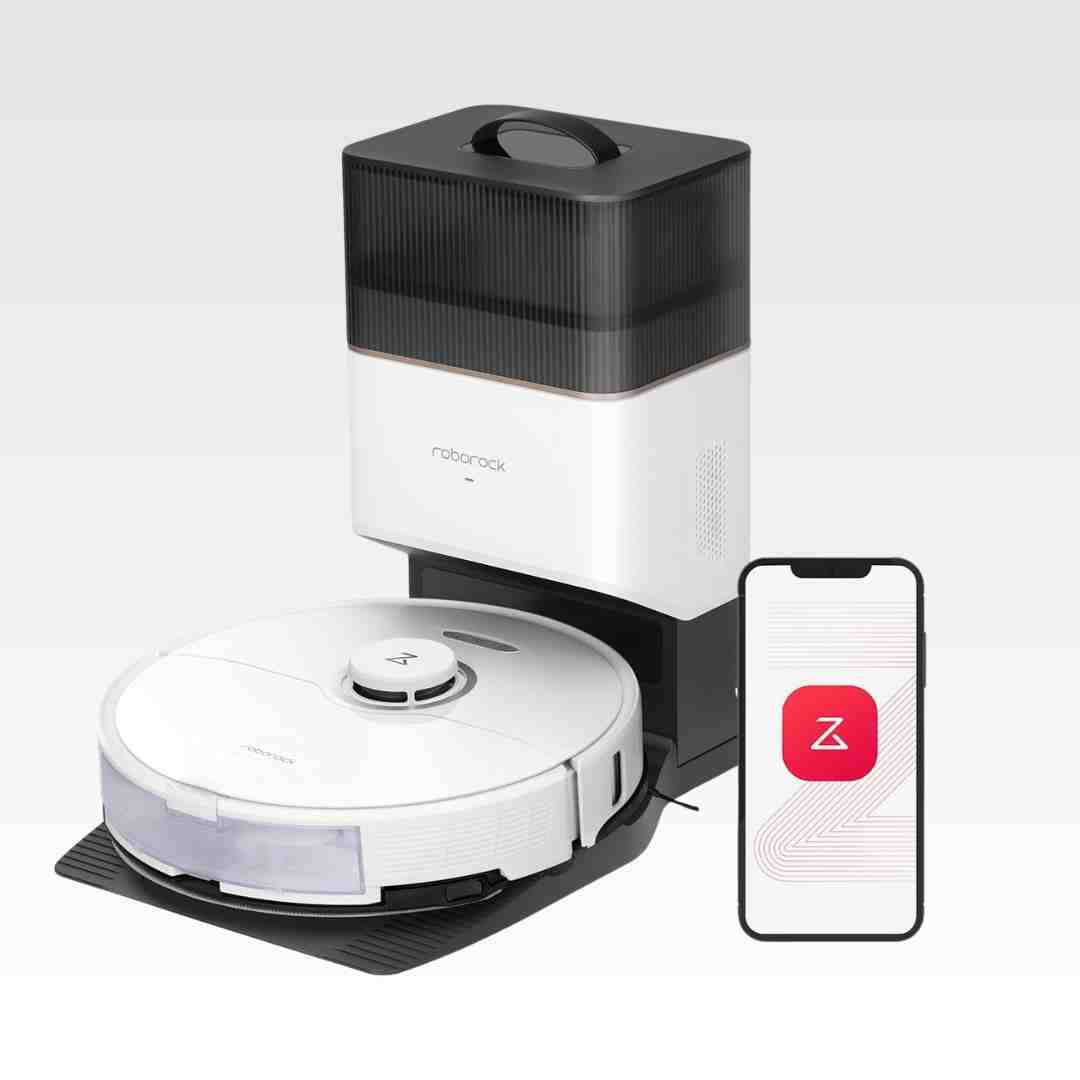
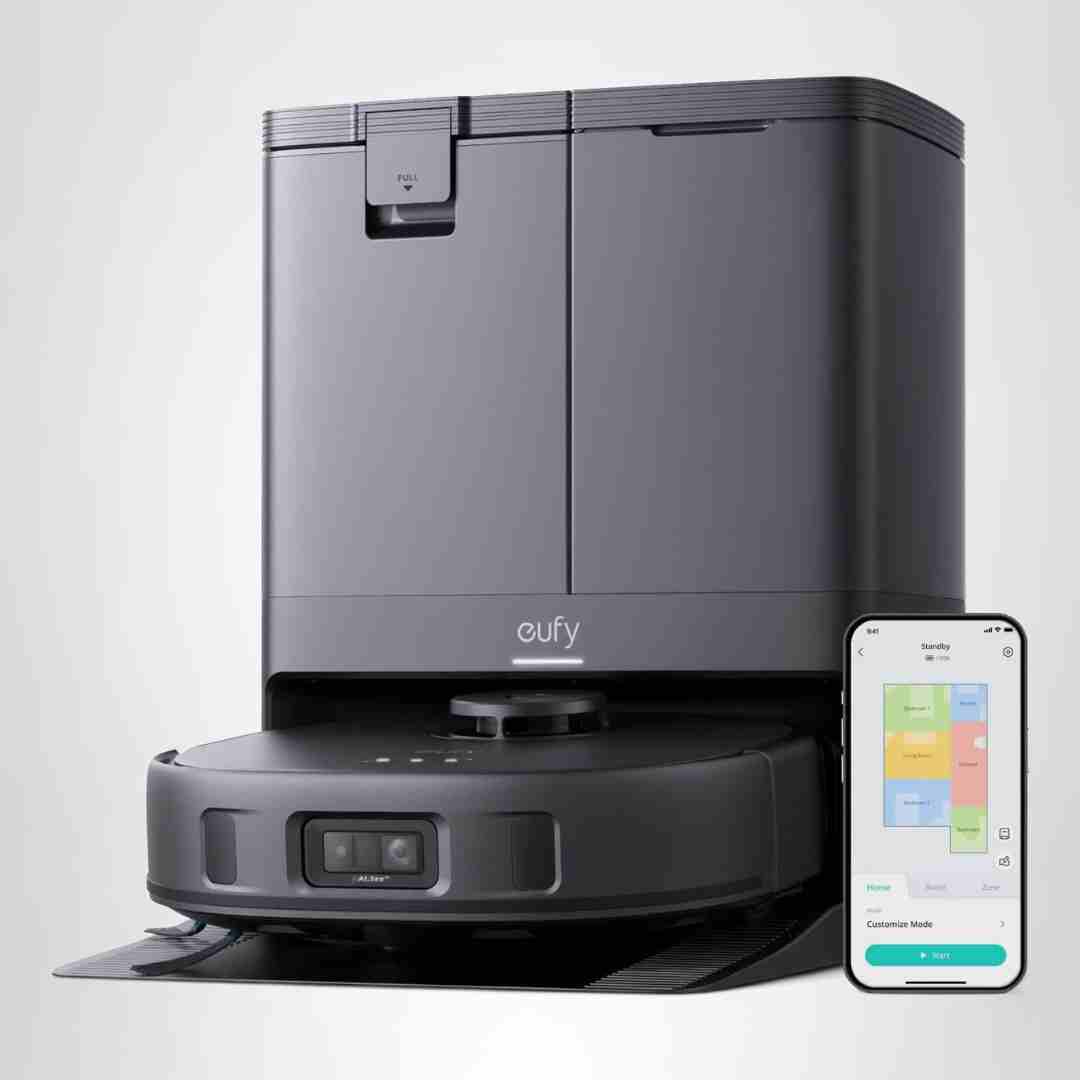
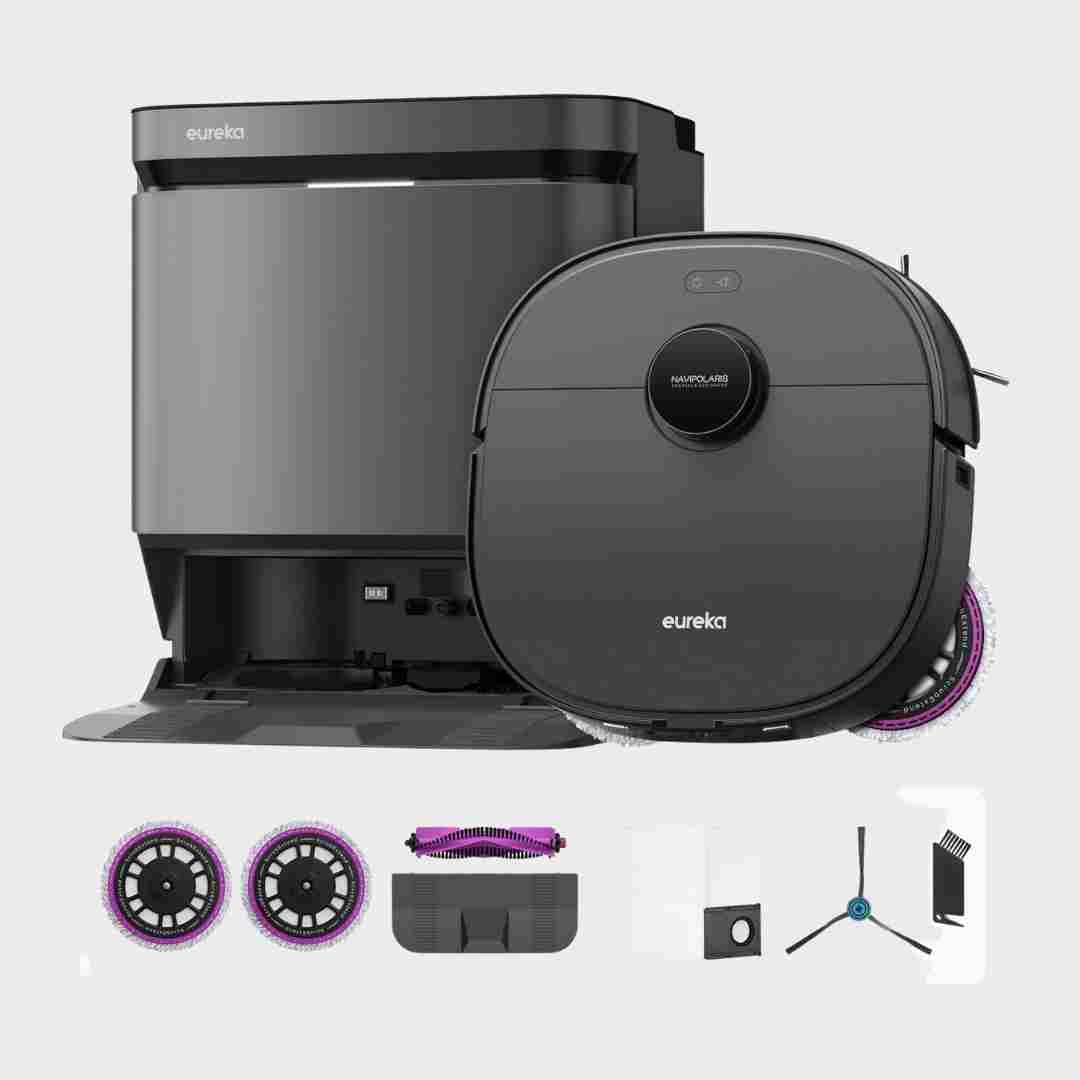
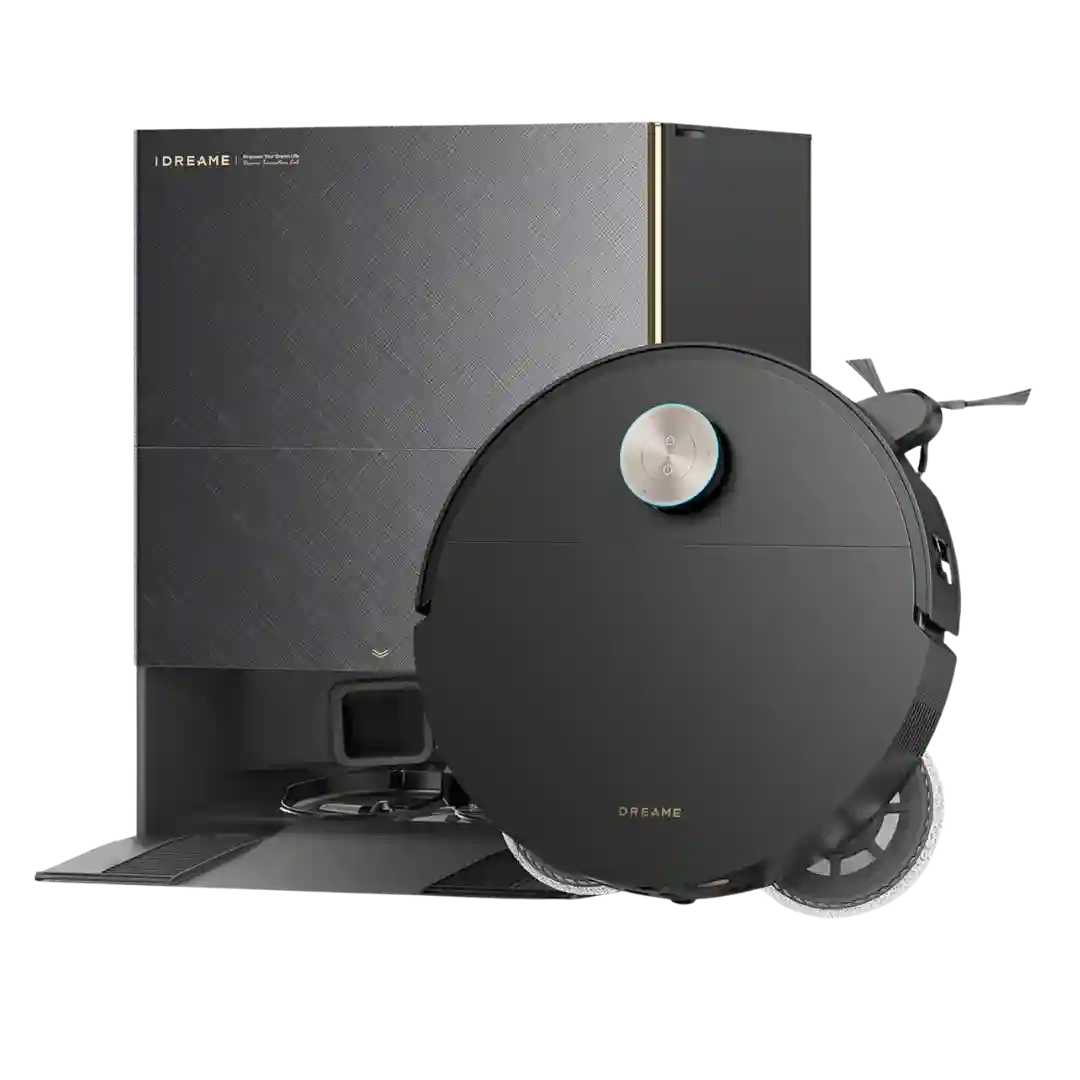
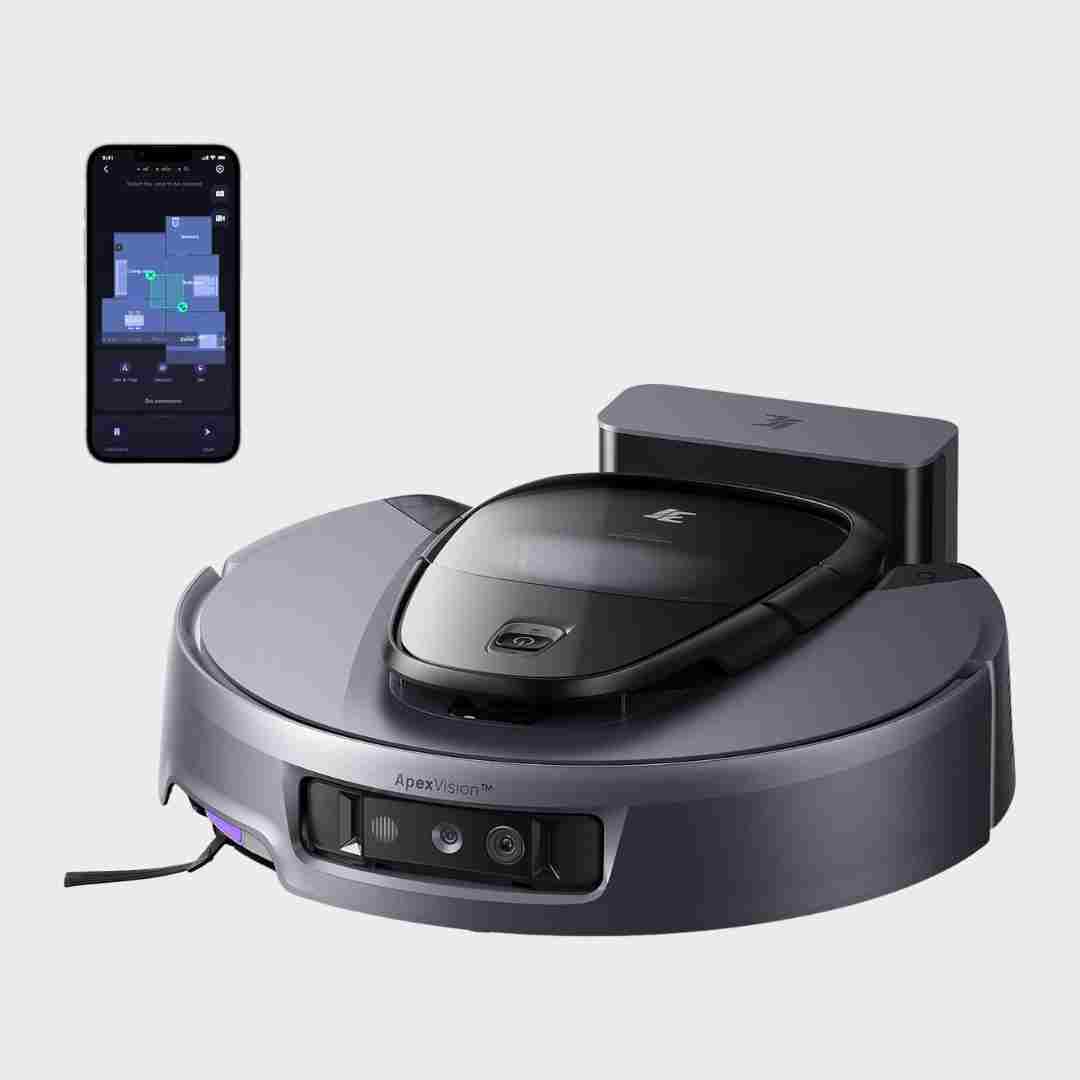
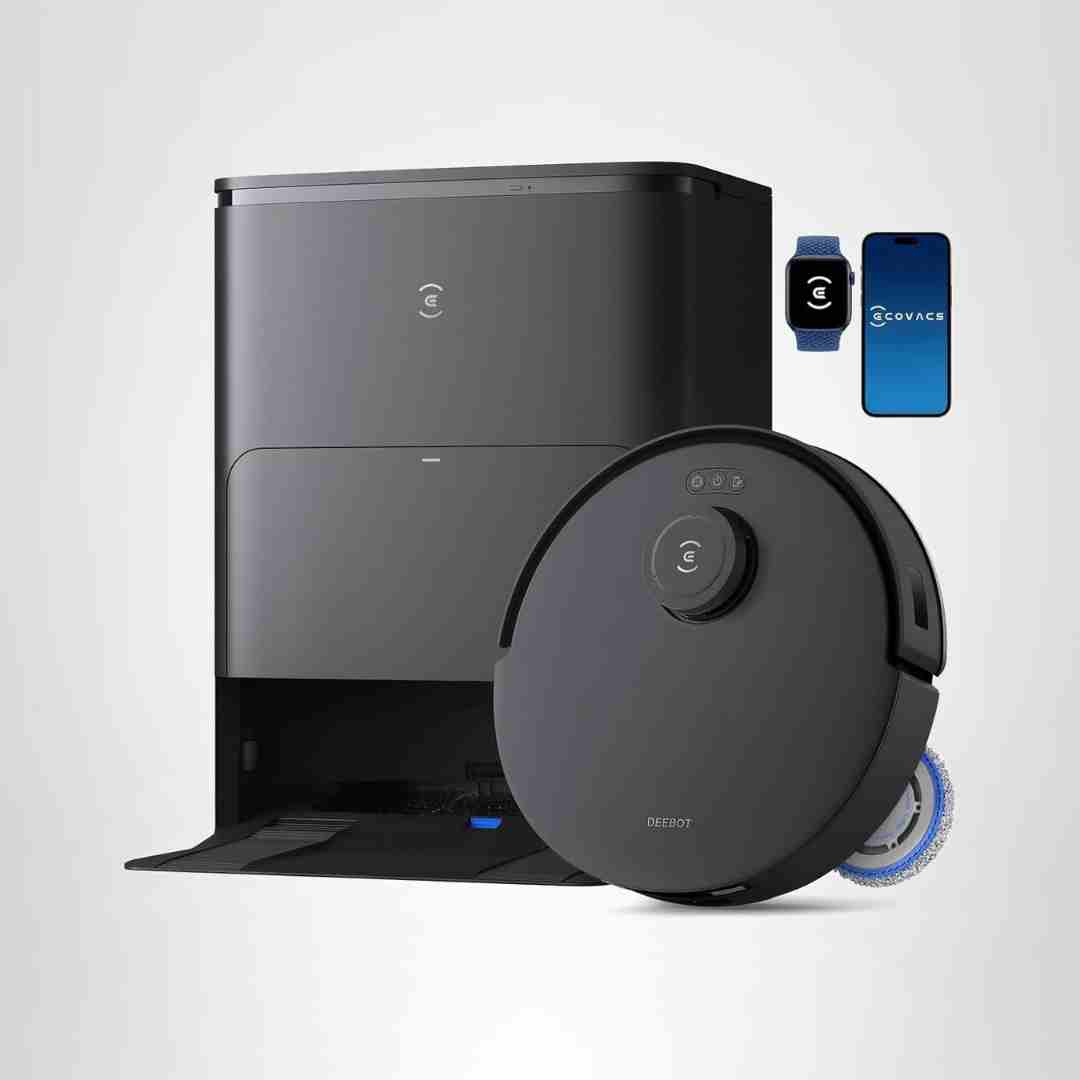
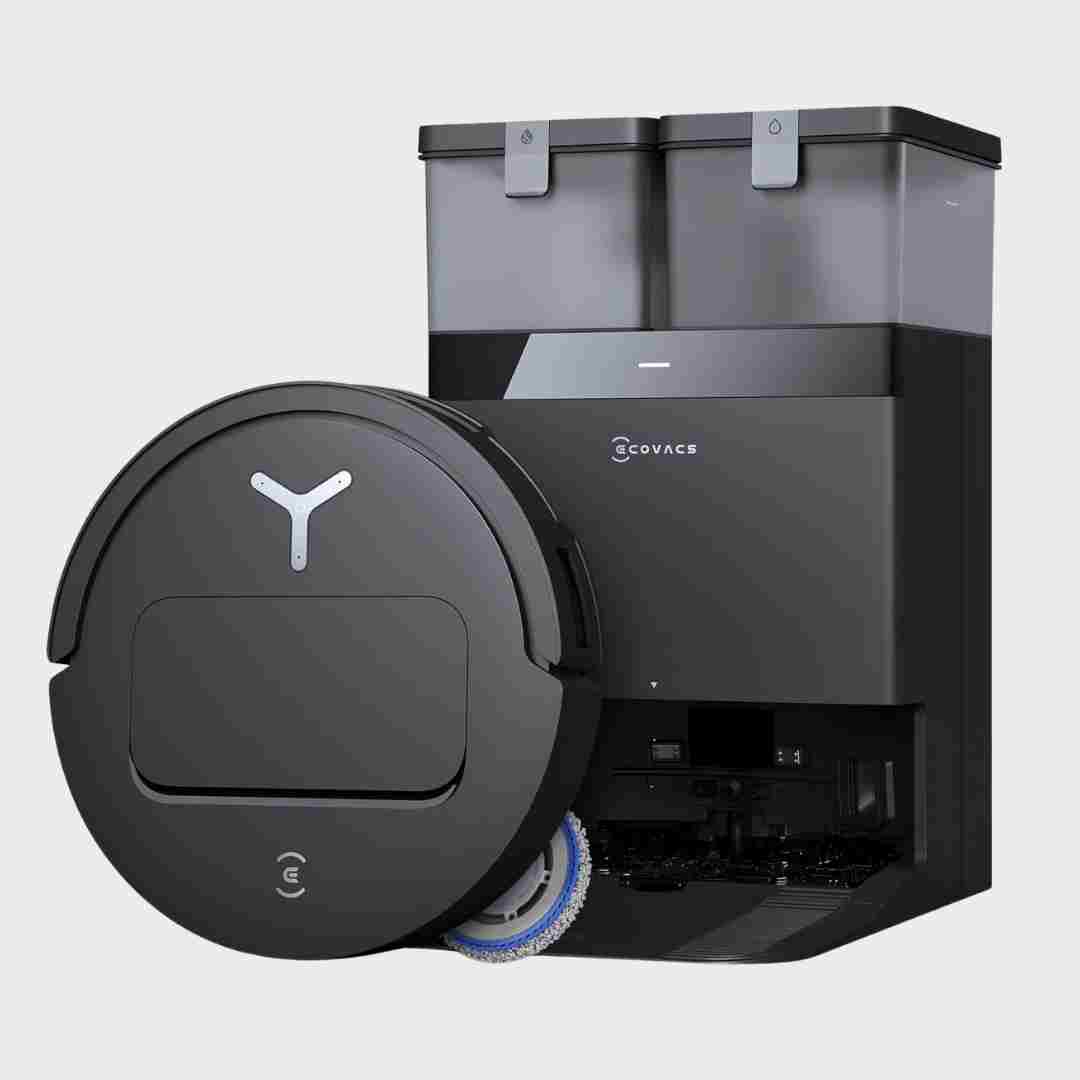
The mop lifting and detach-reattach system is widely praised because it avoids dragging wet pads over carpet and makes mixed-floor cleaning far more practical.
Retractable mop lifting system is repeatedly cited as best-in-class for protecting rugs: the pad fully stows on top rather than hovering close to carpet, reducing drips and cross-contamination concerns.
Carpet protection is a strength: the mop can lift over carpet, and several reviews note workflows that detach or leave the mop bracket at the dock for dry vacuuming. This helps prevent damp pad drag and improves mixed-floor routines.
Mop lifting is a consistent strength: multiple reviews cite roughly a 10mm lift with water shutoff on carpet, enabling mixed-floor vacuum-and-mop runs.
The retracting mop mechanism is a defining strength, reliably keeping carpets dry by fully lifting/stowing the pad on top of the robot. It enables true vacuum-and-mop-in-one-run behavior without worrying about damp rugs.
Mop lifting is well-implemented and commonly cited, helping protect rugs by raising pads on carpet. Combined with pad detaching at the dock, it offers flexible strategies for mixed-floor homes.
Mop management is a highlight: reviews repeatedly mention high mop lift and the ability to leave pads behind at the dock for carpet-only runs. This helps protect rugs and reduces the need to manually remove mops.
Mop pads lift around 12 mm on carpet in most reports, enabling vacuum+mop workflows with less risk of wet rugs; a few note slight dragging on some carpets/rug edges.
Auto mop lifting (often cited around ~12 mm) helps prevent wet carpets/rugs and enables seamless vacuum-then-mop workflows. Lift height is generally considered sufficient for common rugs and carpets.
Multiple reviews mention automatic lifting behavior to protect carpets (mop lift, and in some descriptions additional component lifting). This generally helps with mixed-floor homes, though the robot is still limited on very tall thresholds or very thick rugs.
Mop lift is a major strength: multiple reviews cite high lift height that keeps carpets dry and allows confident vac-and-mop runs in mixed-floor homes.
Automatic mop lift enables mixed hard floor and carpet cleaning in one run, and reviewers generally find it effective for keeping carpets from getting wet.
Mop lifting helps on rugs, but multiple reviews note it can still leave some carpets damp in certain situations. The ability to detach mop pads at the dock is widely viewed as the most effective solution for keeping carpets dry.
Mop pads can lift roughly 10 mm when carpet is detected, helping prevent wet rugs. This lift behavior is mentioned across multiple reviews and is treated as reliable and useful.
The mop lifting system (about 10 mm) works well for most rugs and carpets and helps prevent wetting during transitions. Very plush/high-pile carpet can still be challenging without using vacuum-first settings.
The mop system can lift during carpet detection and, in some workflows, leave mop pads at the dock to keep rugs dry. Most reviewers view this as a major advantage, though one notes the lift height may still snag on some carpet edges.
Mop lifting is consistently reported around ~10–10.5 mm, helping prevent wet pads from contacting rugs. Lift height is described as adequate/average and works well for mixed-floor routines.
The mop-lift and mop-detach/leave-behind options are repeatedly cited as key features for mixed flooring, generally keeping carpets dry; deep pile may still see slight dampness without mop-detach mode.
The roller mop lift (about 10mm) helps on mixed flooring, and several reviews report it avoids wetting carpets; edge transitions can still dampen carpet edges in some tests unless you vacuum carpets first.
Mop lifting is consistently cited around a 10 mm lift when carpet is detected, enabling mixed vacuum+mop routines with reduced risk of wetting rugs. Reviews describe this as effective for typical transitions, though very plush carpets and small mats can still be problematic for navigation.
The mop lifting system is a key benefit for mixed floors: many reviews report it keeps carpets mostly dry and enables combined vacuum+mop runs. Limitations are noted for higher-pile rugs where lift height may still allow contact or dampening.
Mop lifting is above average and often keeps carpets dry, but at least one review suggests software behavior could be improved for tricky transitions and carpet-edge situations.
Mop lifting is a core behavior: it lifts pads over carpet to prevent soaking, with reviewers citing a modest lift height and generally effective transitions between hard floors and rugs.
Mop lifting works well for mixed hard-floor and rug homes, reducing accidental wetting. The lift height isn’t the largest in the category, so very thick carpets may still benefit from avoidance settings.
The mop lift is generally effective (sometimes described as class-leading), but a few reviewers warn that thicker rugs or medium-high carpet can still get damp, so no-mop zones may be needed.
The mop-lifting system helps protect carpets and rugs during mixed-surface cleaning, with one test citing around 12 mm of lift. This reduces wet-carpet risk while still enabling combo vacuum-and-mop routines.
Mop lift is commonly cited as a useful feature for avoiding wet carpets, but lift height and overall mop system remain “basic” compared to higher-end self-washing or spinning/roller mops.
Carpet protection options are robust (pad lift and, for some modes, pad detachment at the dock), but getting reliable ‘no wet mops on carpet’ behavior may take custom-mode tuning.
The mop lifting and pad-drop approach is a key benefit for mixed flooring, though some reviewers note lag or that it is less refined than the best-in-class systems.
Mop lifting helps the robot transition between hard floors and carpets in one routine, but lift height has limits on plush rugs. For homes with lots of thick carpet, dedicated vacuum-first routines or no-mop zones work better.
Mop lifting and mop detachment are central strengths, enabling safer carpet transitions, though effectiveness depends on carpet pile height and correct detection.
Mop lifting works reliably for mixed surfaces, letting the robot avoid wetting many rugs. However, the lift height is often described as modest (around 9 mm), so thicker pile rugs/carpets may still need caution or a vacuum-first-then-mop workflow.
Mop lift works for mixed floors and helps keep rugs dry, but the 9mm lift can be less forgiving around certain furniture bases or transitions than higher-lift variants.