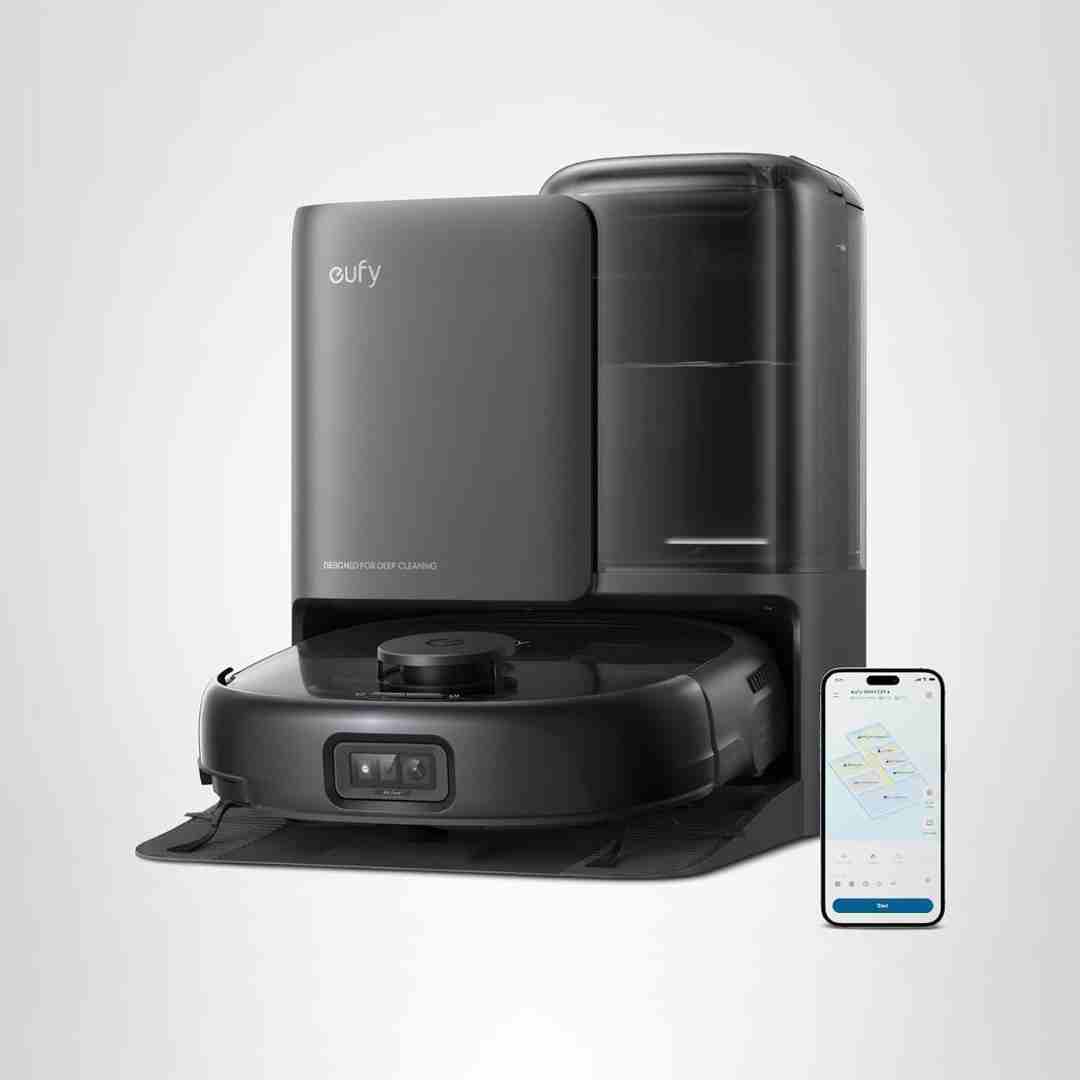
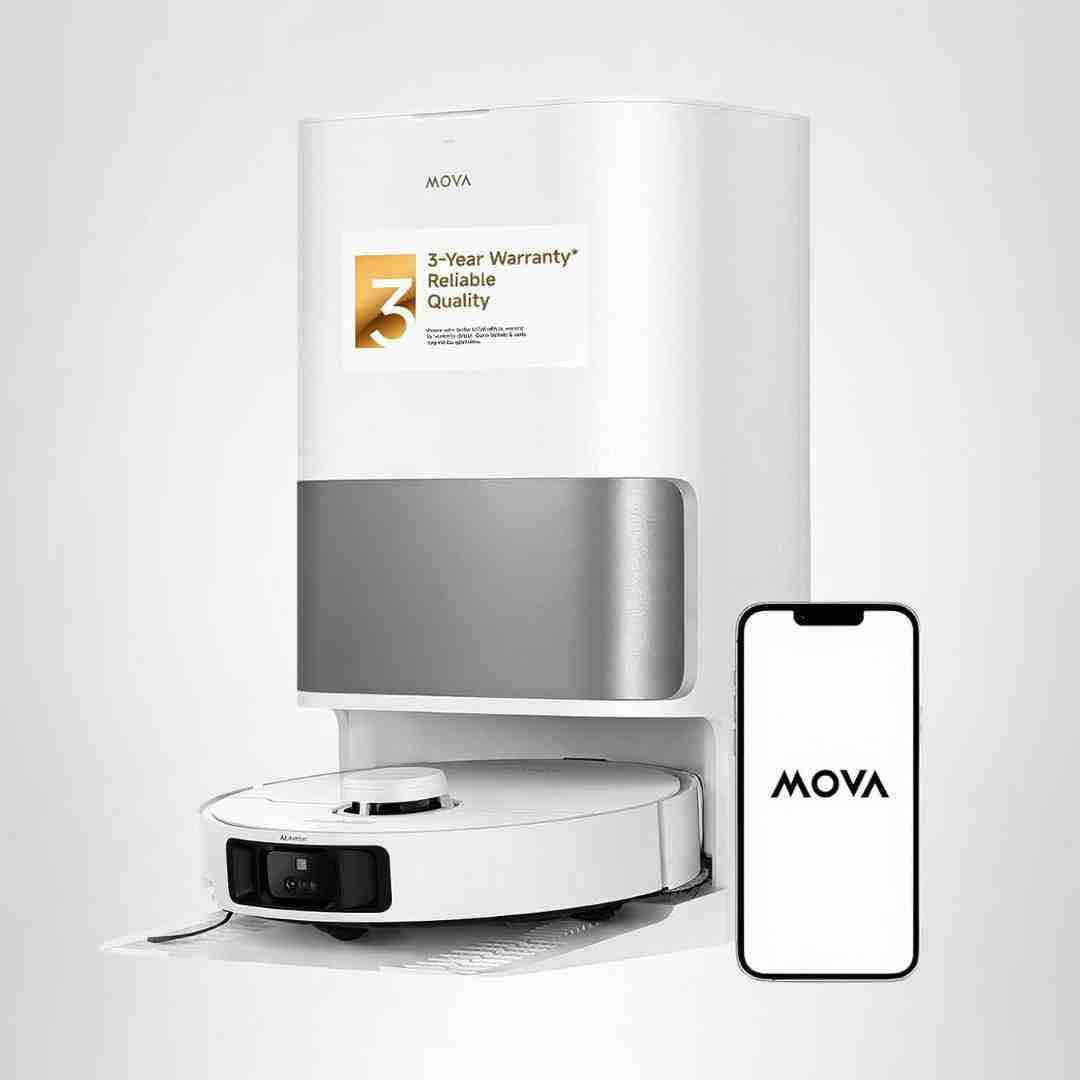
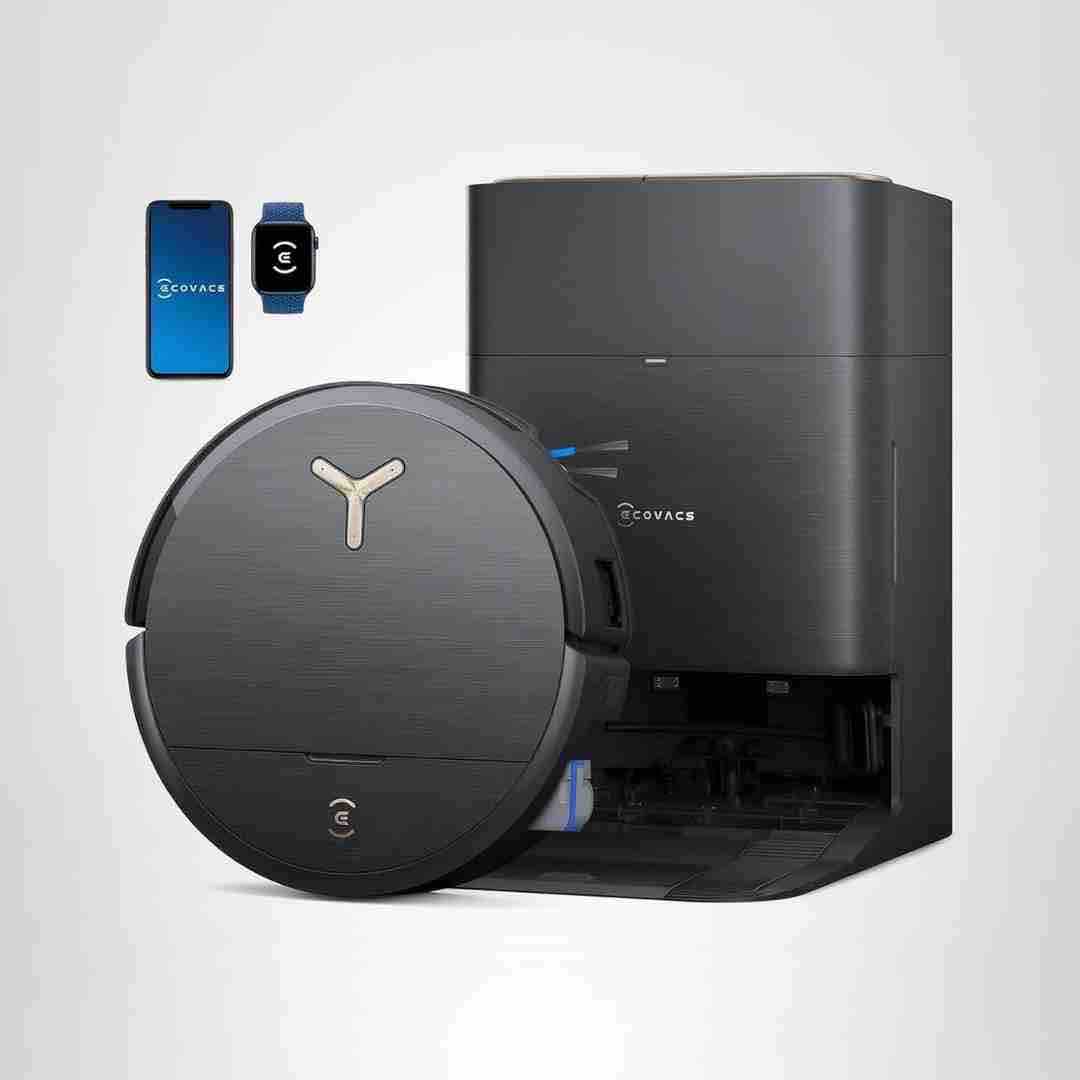
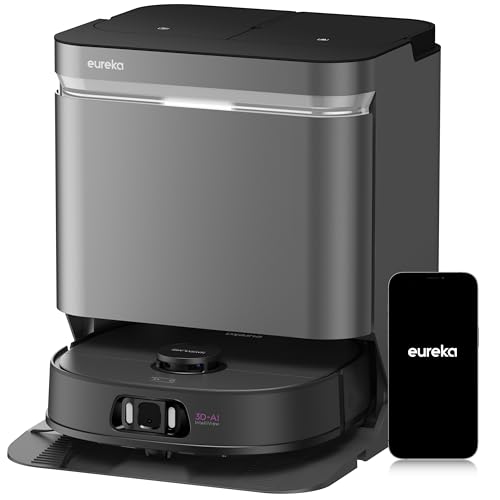
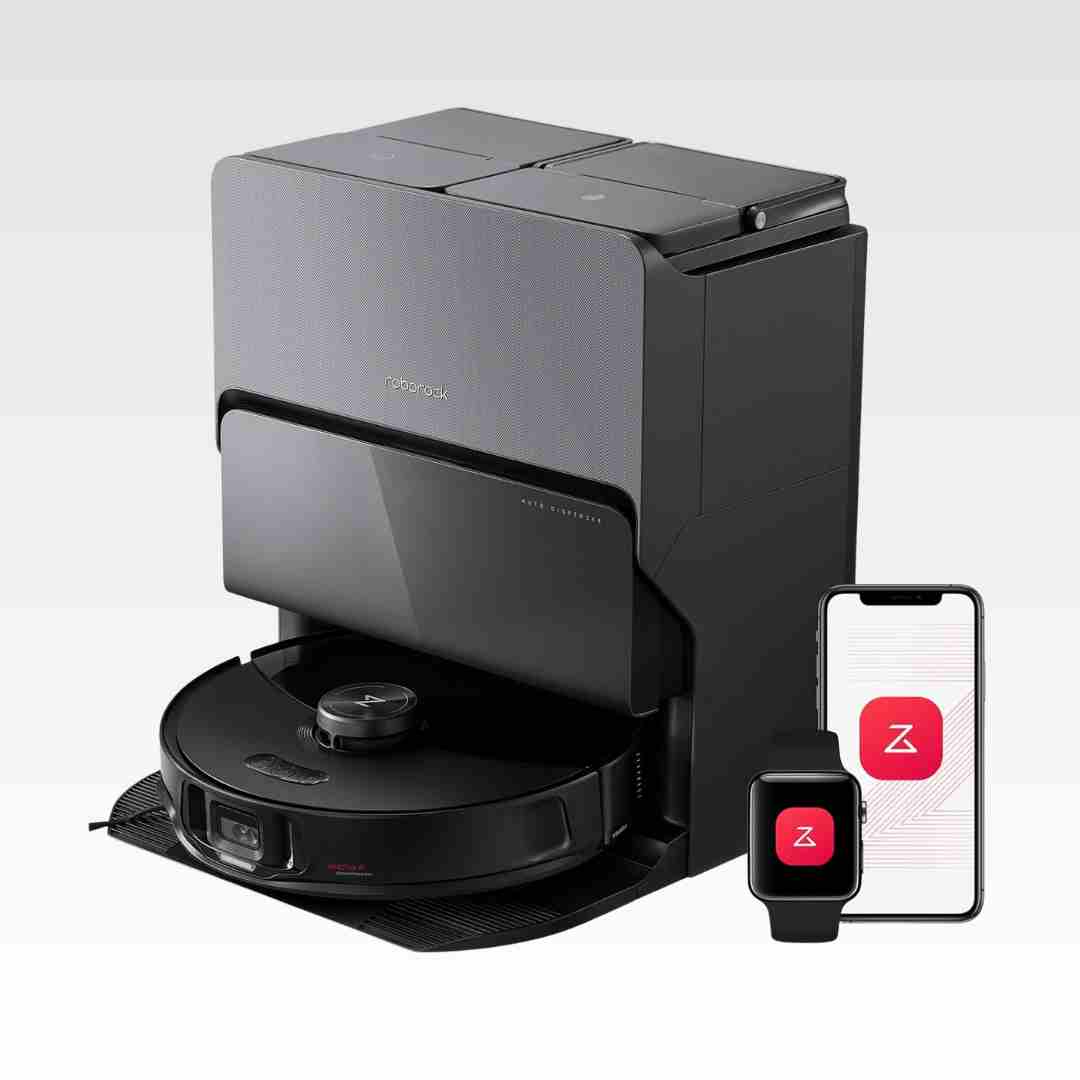
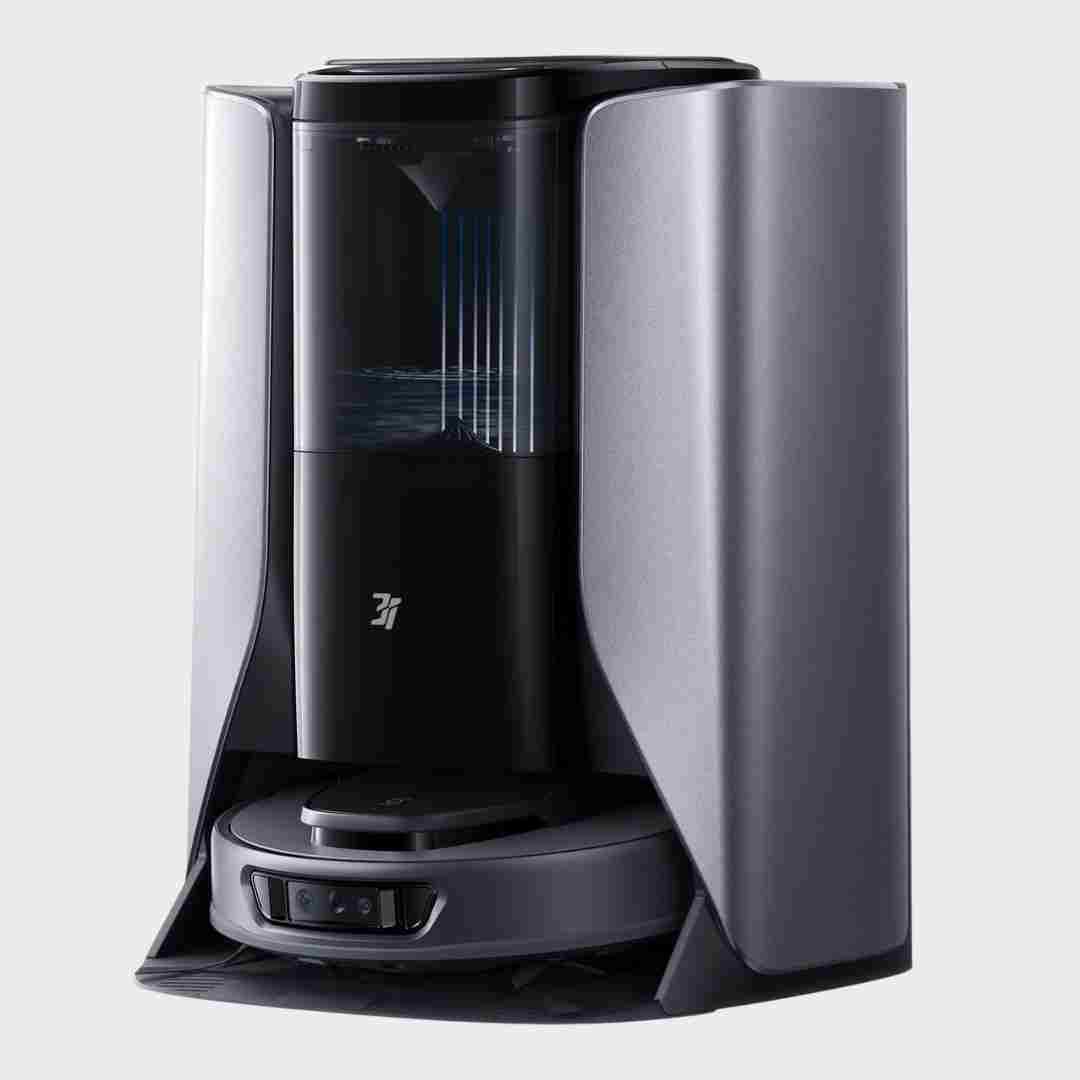
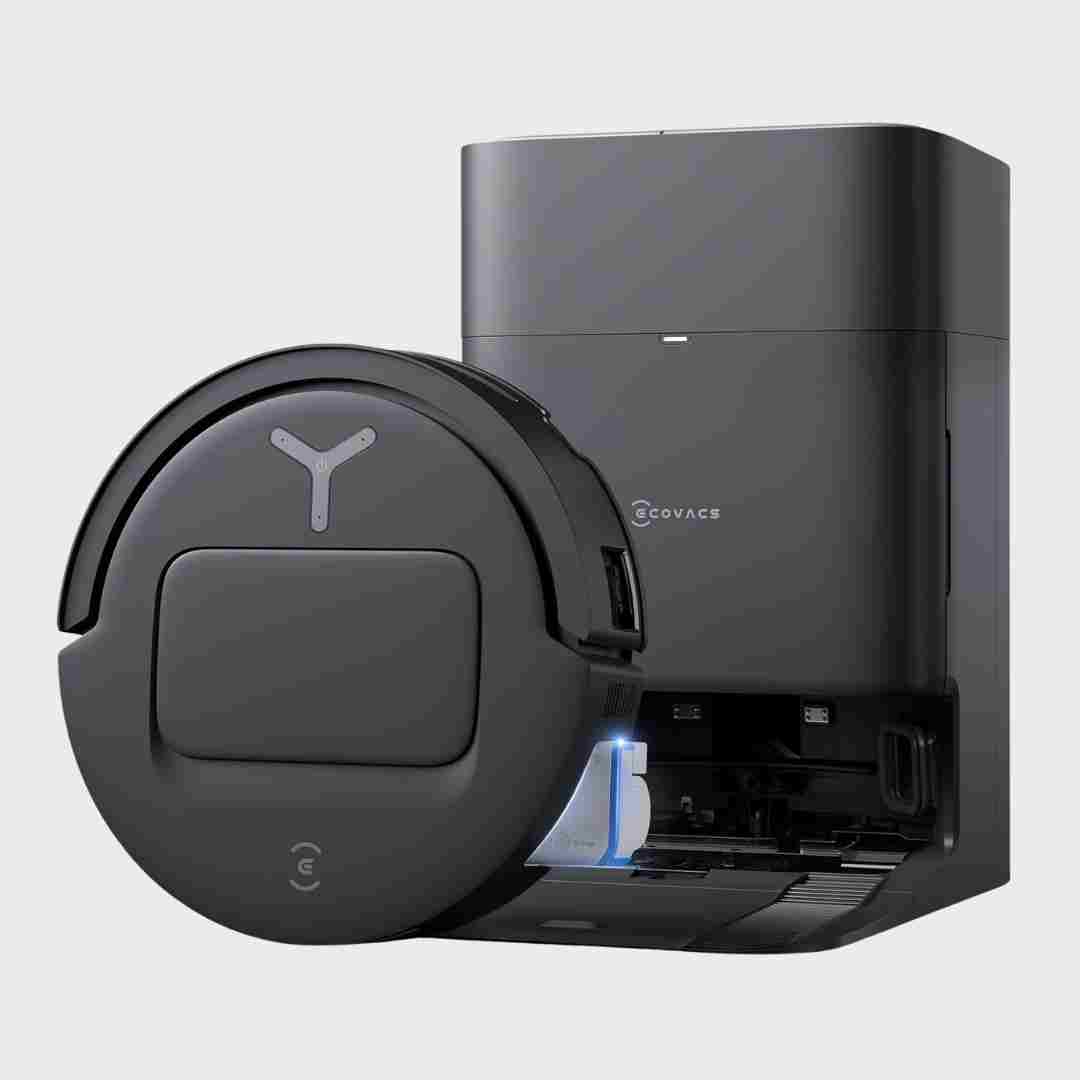
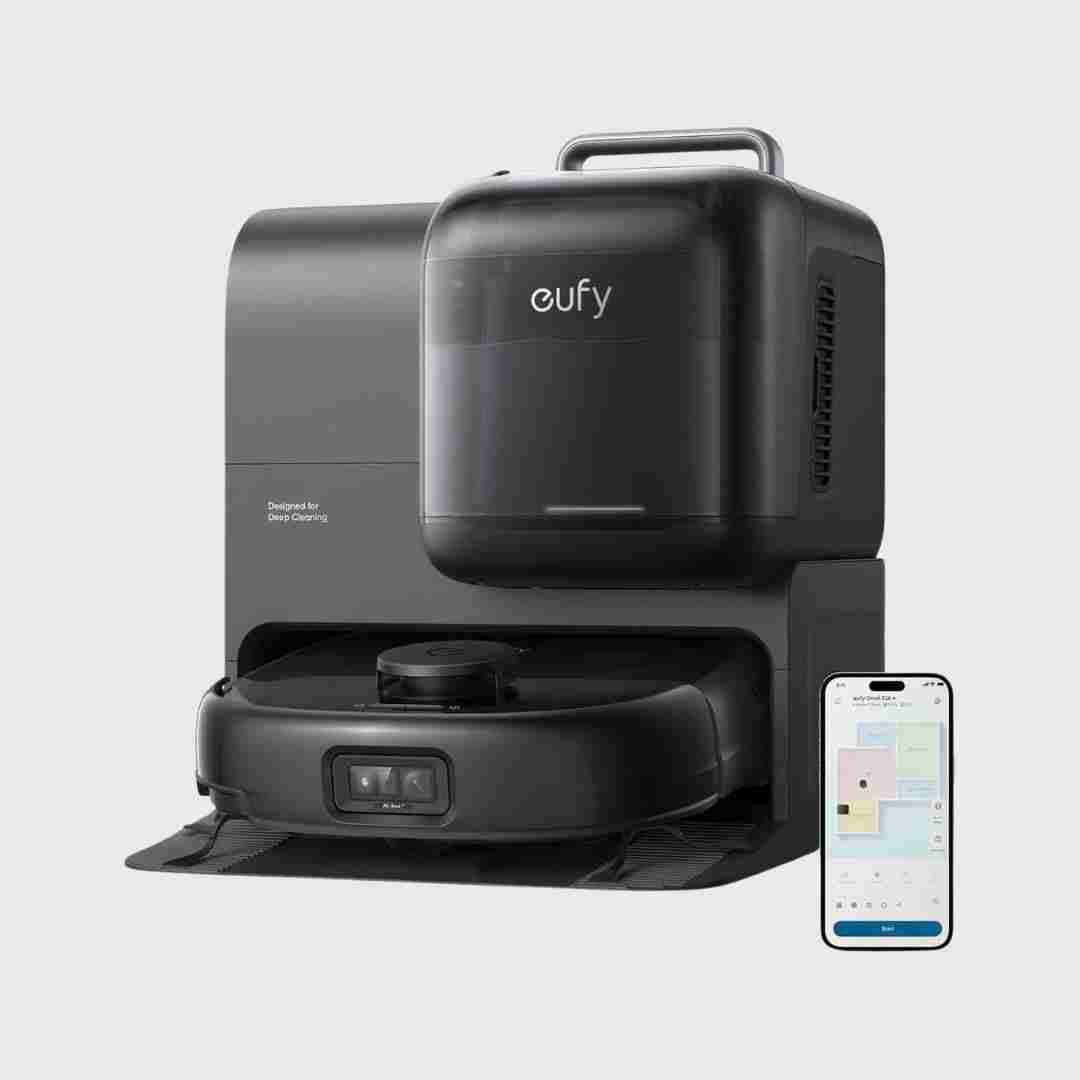
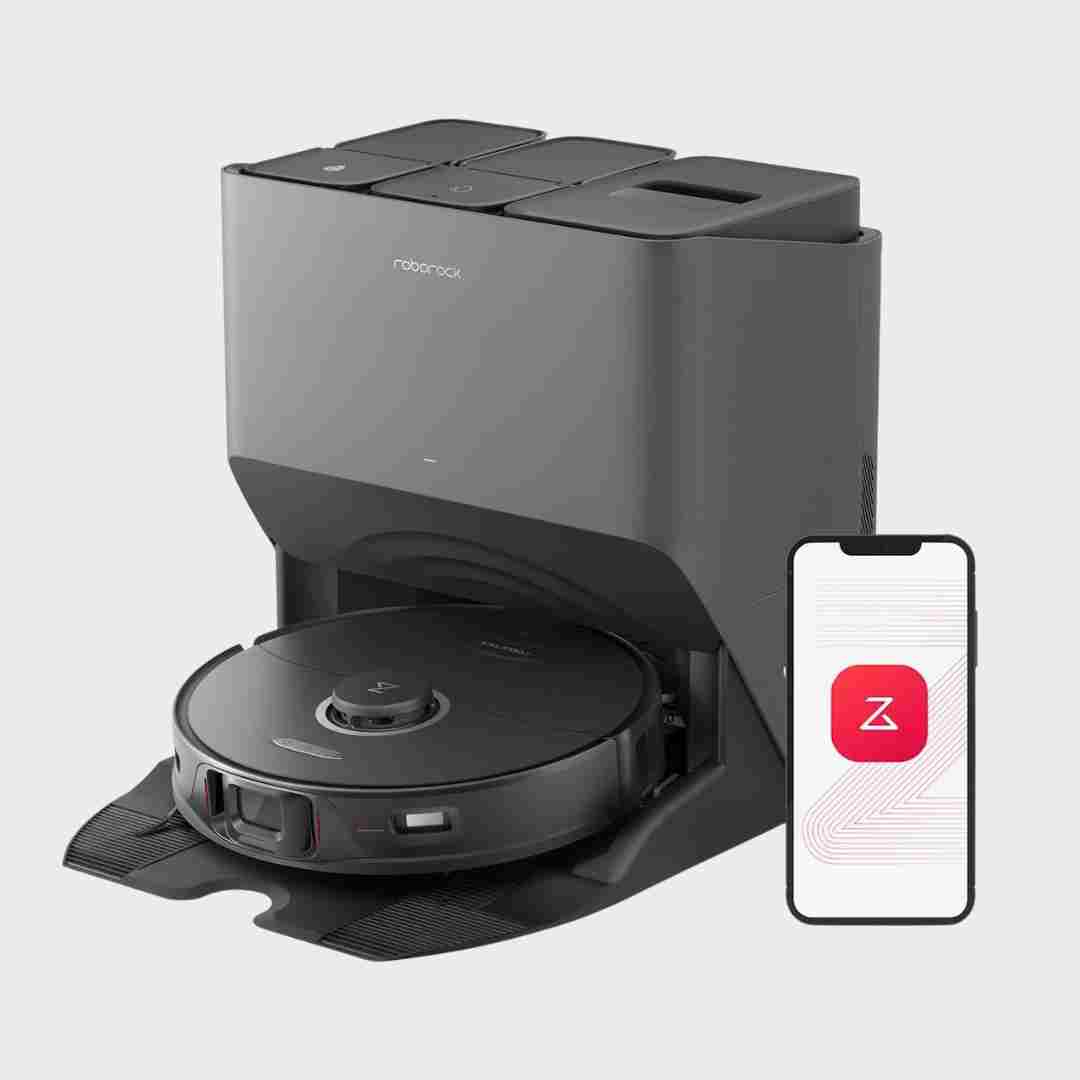
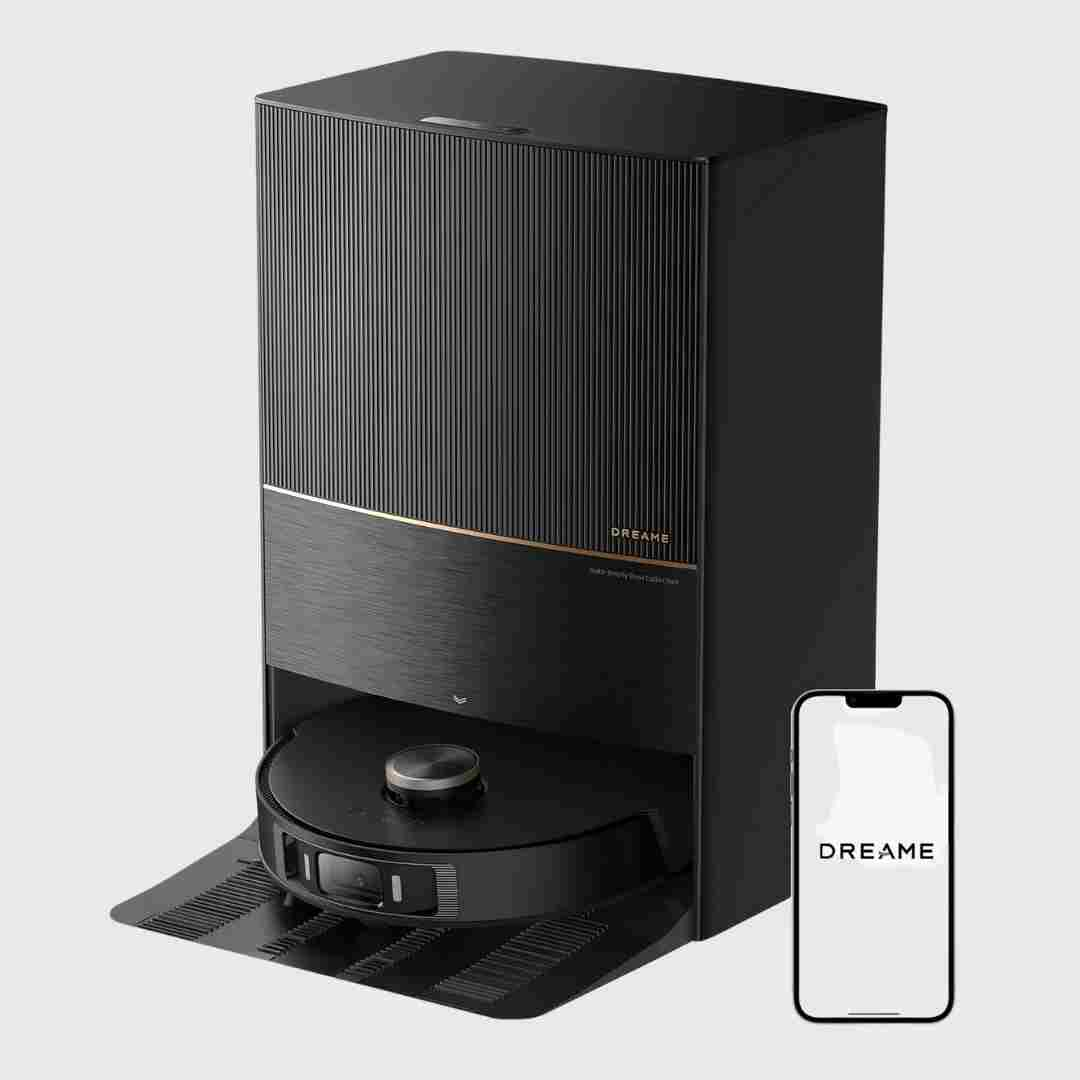
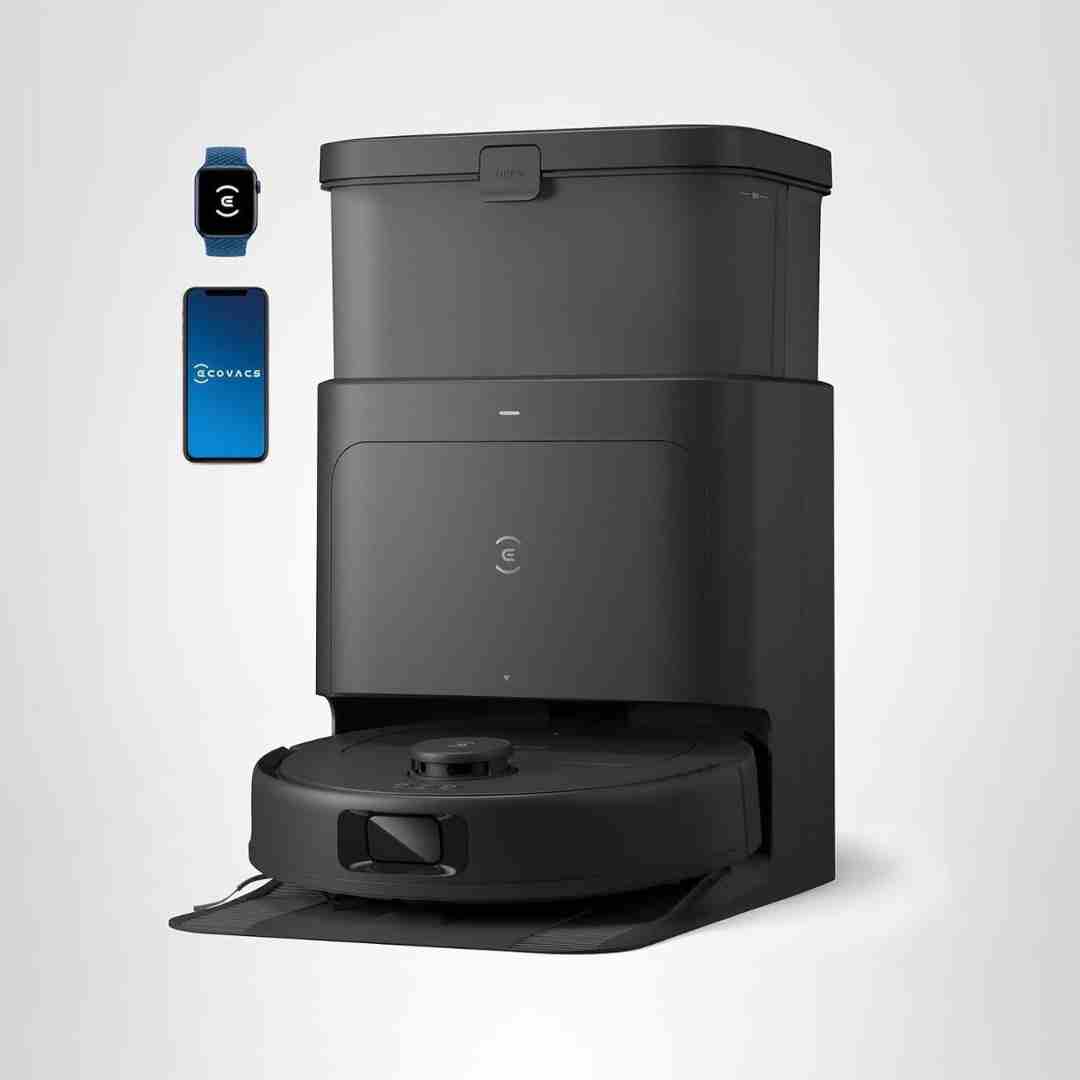
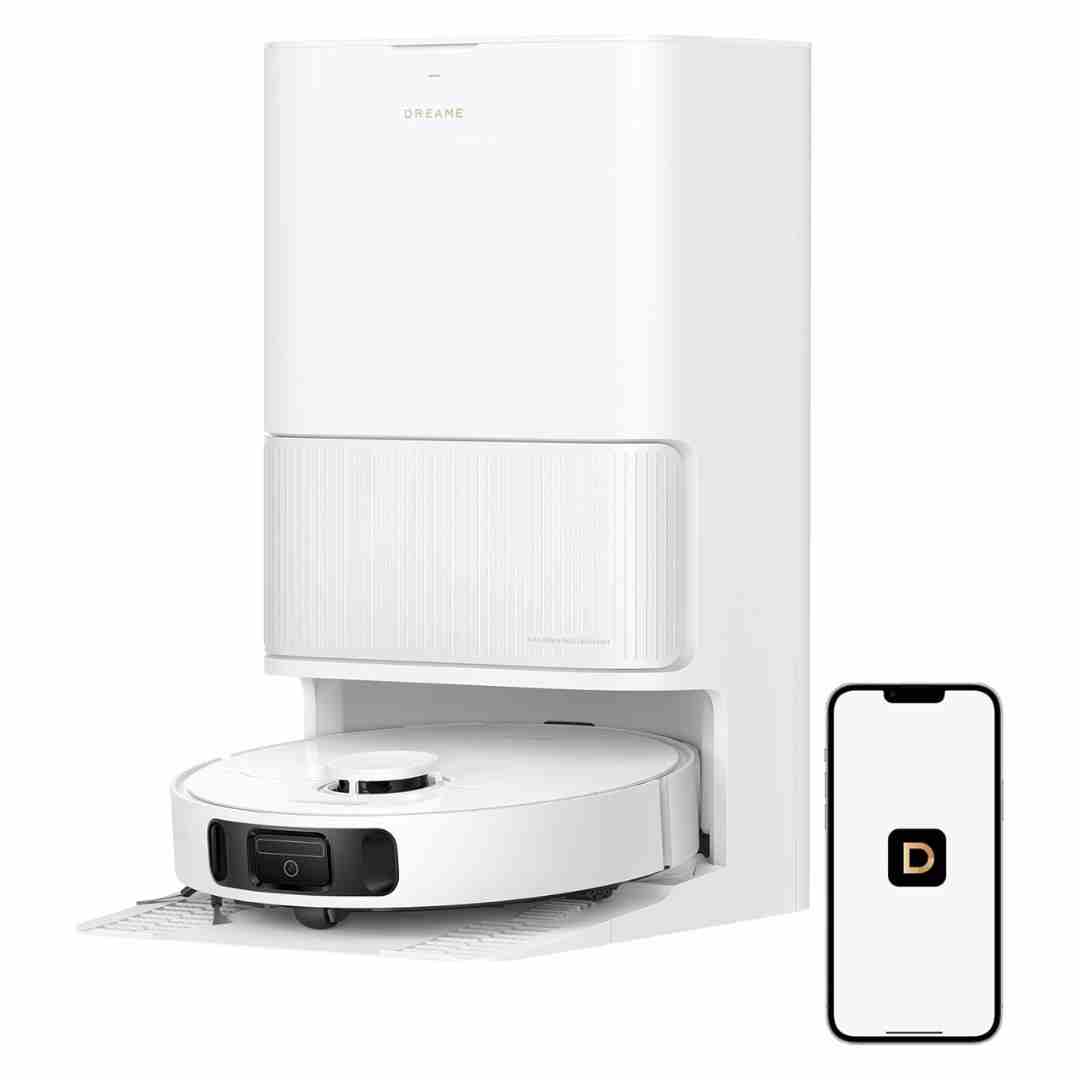
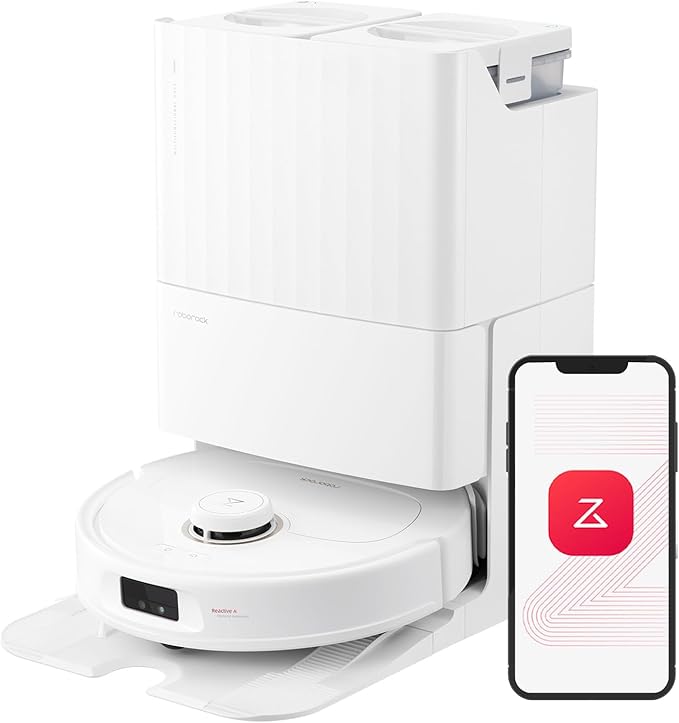
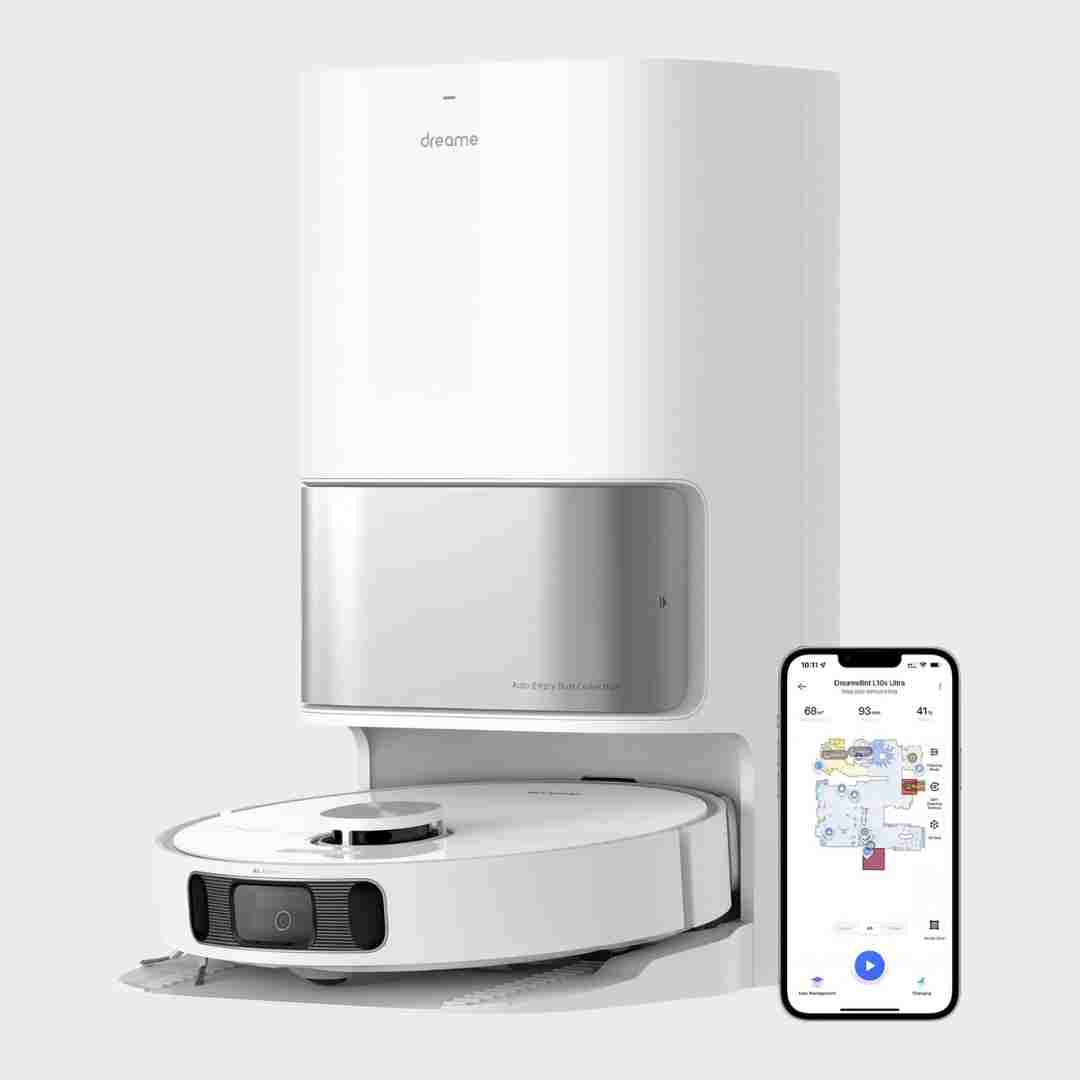
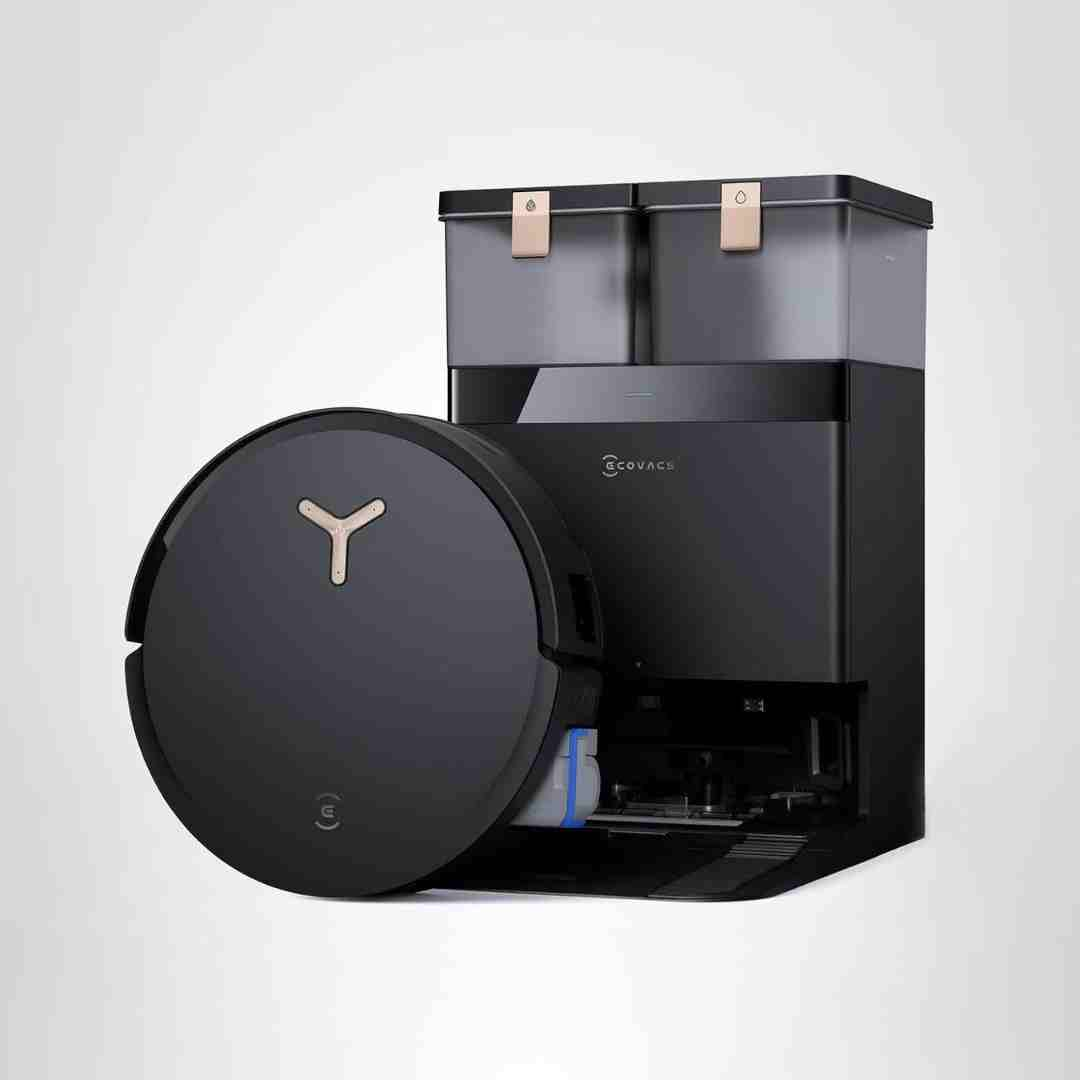
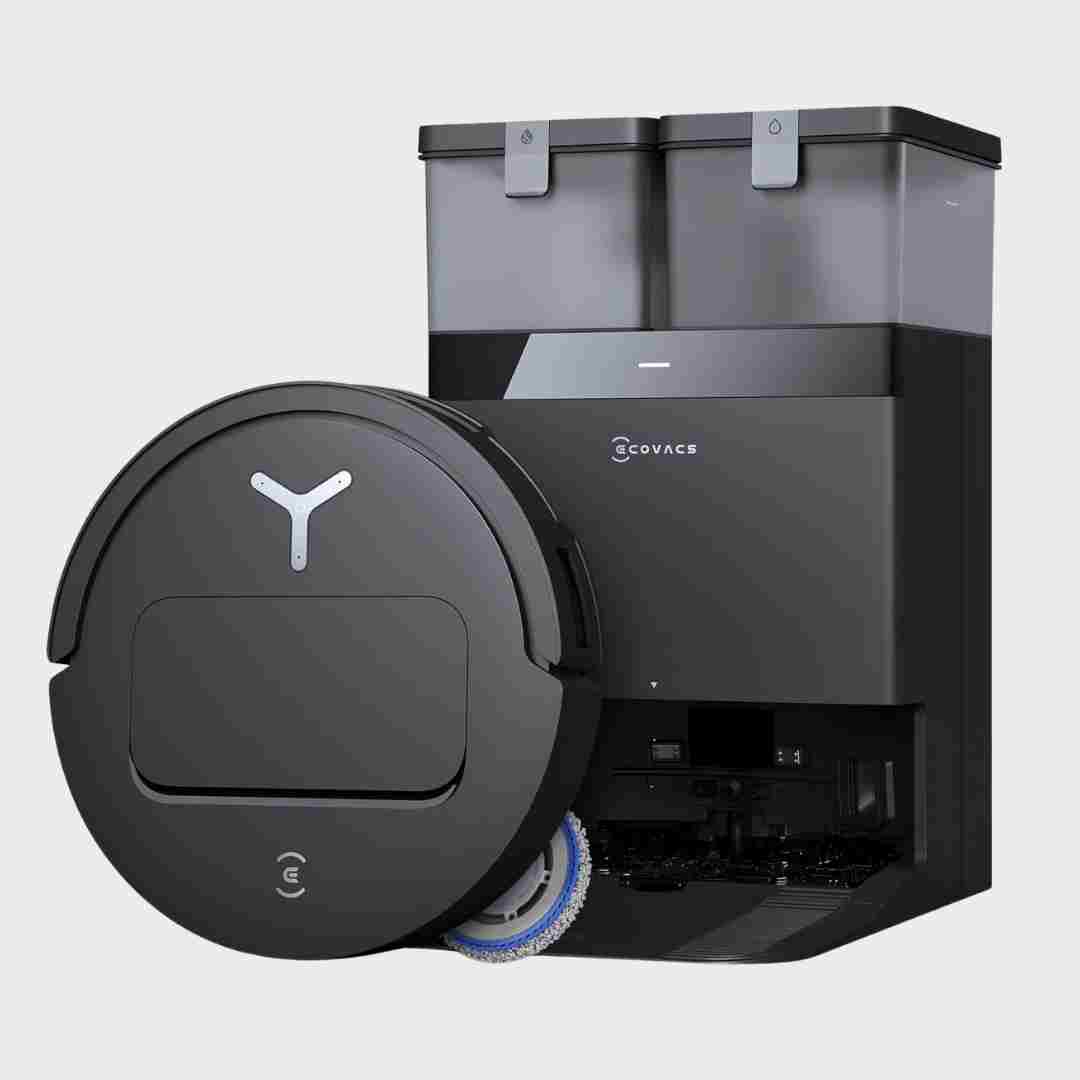
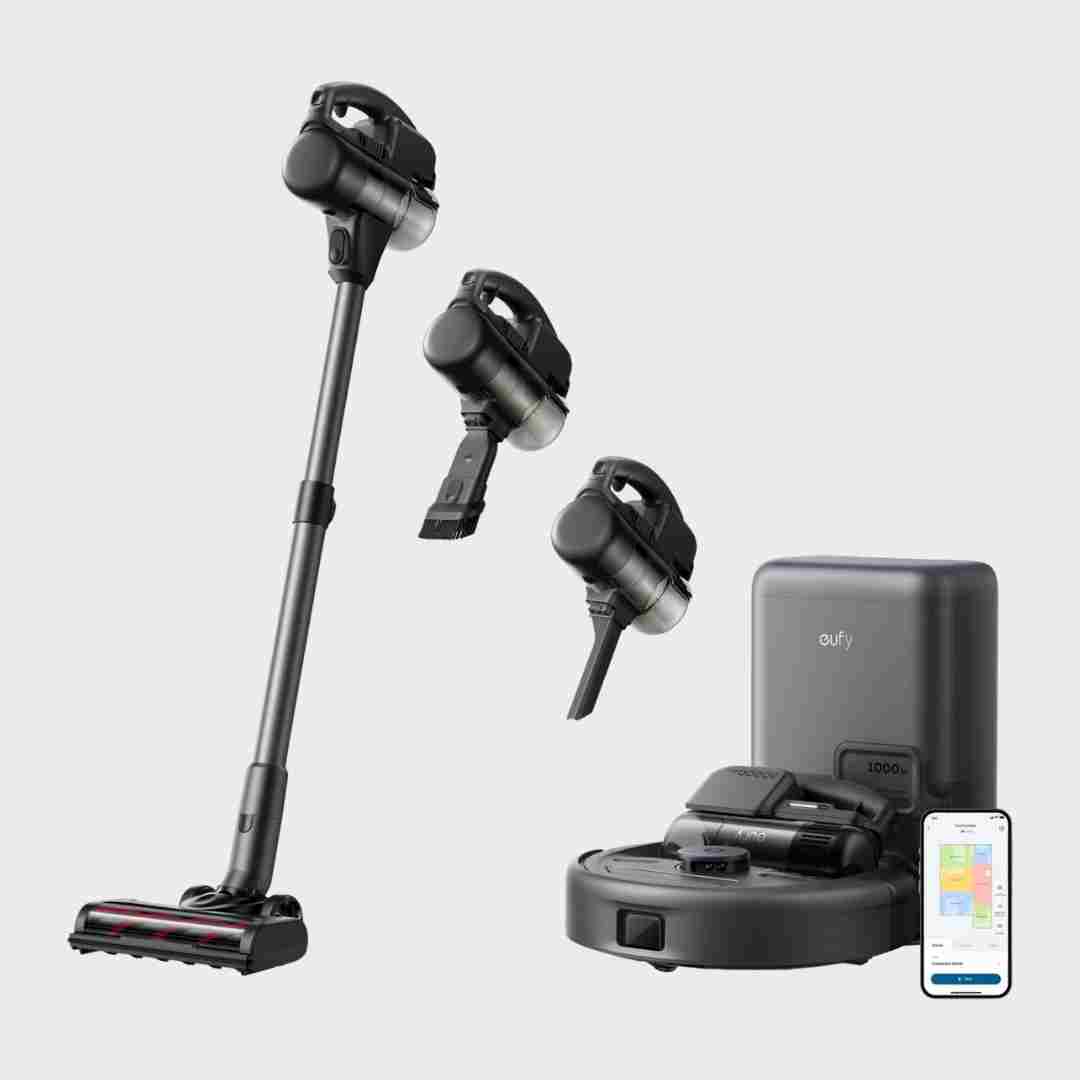
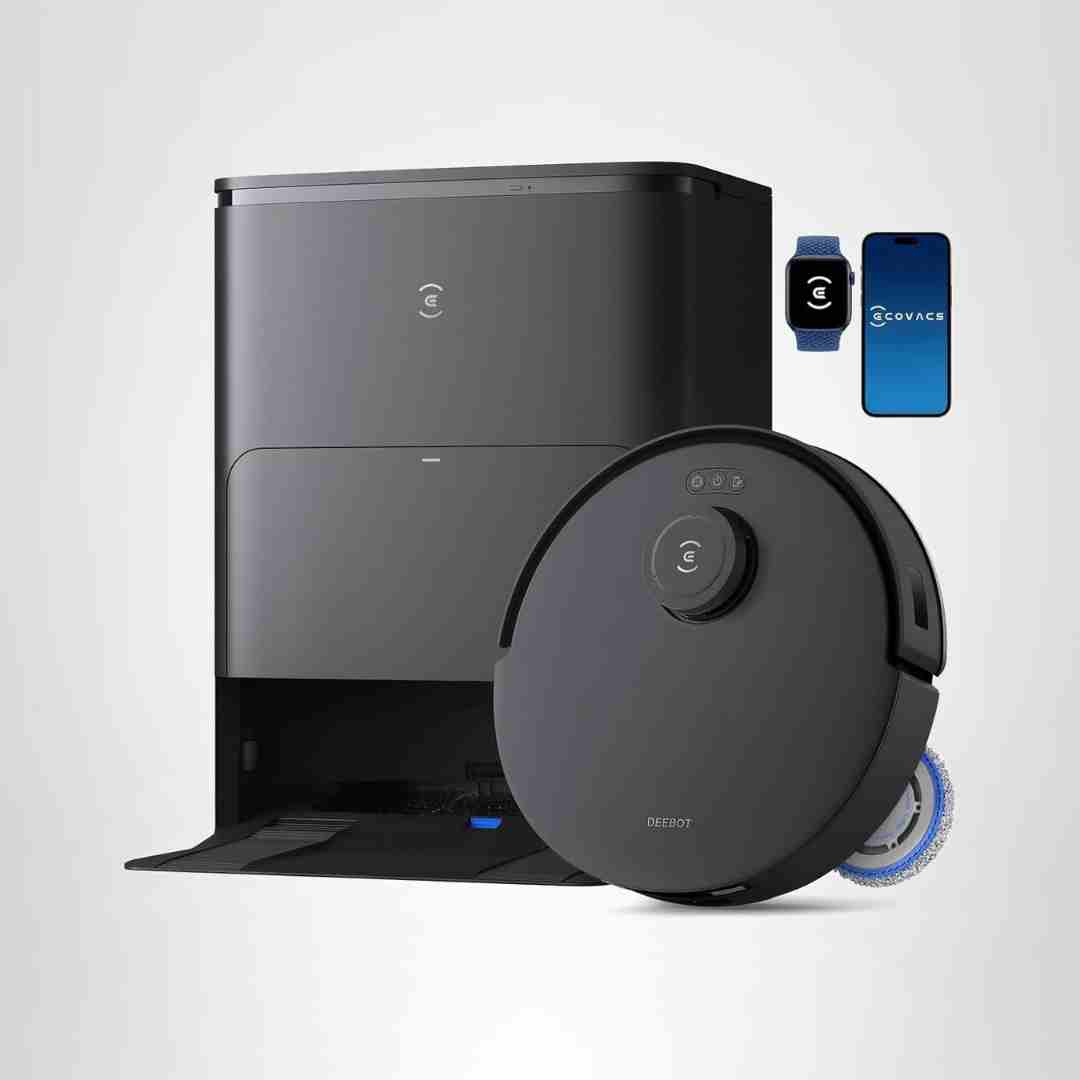
Consistently described as top-tier at obstacle avoidance, including cords and pet messes, with strong low-object detection compared with many competitors.
Obstacle avoidance is a defining strength: the camera-based system reliably dodges cords, toys, shoes, and pet waste in most tests, and often outperforms rival bots in clutter. It’s not flawless, but it dramatically reduces stuck events and accidental messes versus non-vision robots.
Obstacle avoidance is one of the most consistently celebrated strengths, with multiple sources citing camera and structured-light sensing and near-perfect avoidance results. Cables can still be a challenge for any robot, but overall confidence is high.
Obstacle avoidance is repeatedly rated among the best, including reports of near-perfect or perfect results in structured tests, though cord/shoelace edge cases can still cause tangles.
Obstacle avoidance is repeatedly rated among the best, with strong performance around common clutter like cords and shoes. However, small/low-profile objects (and pet mess risk) are still a known limitation.
Obstacle avoidance is consistently a headline strength, with strong performance around cables and pet waste; the main downside mentioned is occasional false positives or misidentification that can make it overly cautious.
Obstacle avoidance is a core strength: consistently strong on cords and common clutter, with pet-waste avoidance highlighted; not perfect, as some odd items (mugs, drapes, tiny toys, straps) can still be pushed or snagged.
Obstacle avoidance is generally rated very strong, with at least one comparison calling it best-in-test for detecting and labeling objects. Still, multiple reviewers note occasional failures with thin cables, flat papers, or simulated pet mess, so it’s not 100% set-and-forget on messy floors.
Obstacle avoidance is generally strong for common items like shoes and cords, with reliable navigation even in low light. A tough-case test shows occasional misses (including a pet mess scenario on a first pass), so basic floor tidying still helps.
Obstacle avoidance is repeatedly highlighted as a key strength for the J-series camera system, successfully recognizing common hazards (cords, toys, pet accidents). However, a few reviews mention it can miss smaller items or isn’t flawless in all edge cases.
Obstacle avoidance is generally strong, recognizing common clutter like cords and shoes; it can be cautious, occasionally leaving a wider buffer than necessary.
Obstacle avoidance is widely praised for the price, including success with toys and cables and even pet-mess avoidance in some tests. It isn’t flawless—certain furniture shapes or clutter patterns can still cause occasional issues.
Obstacle avoidance is generally rated above average, with good performance around common household items. Still, multiple reviewers report occasional real-world snags (chair legs, protrusions, or clutter), so it’s not consistently flawless.
Object recognition/avoidance is generally strong and can label common obstacles, but it’s not flawless—dark rooms and soft items like socks can still cause issues. Several reviewers say it’s good for the price but not quite top-tier.
Obstacle avoidance is generally excellent for common objects and pets, but cords and certain carpet conditions remain a recurring failure mode in several reviews.
Reactive AI obstacle avoidance is generally effective (with camera-based recognition in some models), but reviewers still see occasional misses or conservative detours that can leave small areas untouched.
Obstacle avoidance is generally strong with LiDAR plus RGB camera/structured light sensing, and several tests show it navigating around common objects. Cables, fringe, and dangling cords remain a common snag risk.
Obstacle avoidance is generally rated above average for the price and is often described as careful around furniture legs and common household objects. Weak points include occasional misses with flat cables and very low-profile items like traps or thin objects on the floor.
Obstacle avoidance is usually strong, often avoiding cords and common clutter thanks to camera and structured-light systems. It is not perfect: several reviewers cite misses on small items, objects introduced mid-run, or occasional attempts to ingest tiny toys.
Obstacle avoidance ranges from average to excellent: it often avoids larger items, but some reports include cord run-overs or hesitation around unrecognized obstacles.
Obstacle avoidance ranges from excellent (avoiding pet waste and many objects) to inconsistent in some lab tests where it tried to run over smaller toys; performance appears sensitive to object type and firmware/settings.
Obstacle avoidance is the most polarized attribute: some reviews call it excellent with cords and clutter, while at least one comparison shows serious failures with pet waste and certain cables.
Obstacle avoidance feedback is mixed but trends positive: several reviewers call it great at dodging common clutter like socks and cables. More critical testers label it average, noting misses in tougher challenge scenarios.
Obstacle avoidance is often a highlight, with strong object recognition in multiple tests, but it is not perfectly consistent. Some reviews report it can still run over, drag, or mis-handle certain items and can also over-avoid debris it should vacuum.
Obstacle avoidance varies: controlled tests show very strong small-object avoidance, but real homes still see misses with cords, hair ties, or low-profile items; settings can help but don’t eliminate risk.
Obstacle avoidance is usually described as good for larger items and many everyday obstacles, but several reviewers call out missed small cables/cords. In cable-heavy rooms, it may snag or stop, so floor prep or no-go zones are recommended.
Obstacle avoidance is inconsistent across sources: some reviewers praise the LiDAR plus structured light plus camera stack, while comparative testing and hands-on demos show misses on small objects even though wires are often avoided.
Obstacle avoidance is competent but not uniformly best-in-class. Some reviews praise strong recognition and real-world avoidance, while others report patchy performance, occasional bumping or pushing items, and weaker results on cluttered carpets compared with top rivals.
Obstacle avoidance is mixed: some reviews call it impressively capable for the price, while others report hit-and-miss behavior, especially with low/flat objects and certain household items.
Reactive tech obstacle avoidance is generally good for larger items (furniture, many toys) and can mark obstacles on the map, with adjustable sensitivity. Multiple reviews agree it struggles most with low, thin cables/wires and very small clutter, where bumps or run-overs can happen.
Obstacle avoidance is good enough for many homes—several reviewers cite avoiding toys, pets, shoes, and common clutter. However, it’s also one of the most common weaknesses versus premium rivals, with reports of inconsistency on carpets, in low light, or with certain small debris that may be misclassified and avoided.
Obstacle avoidance is the most debated area. Many tests show strong performance for common clutter, but cords and certain small objects remain a recurring failure mode, and some long-term users report more snagging than prior camera-based models.
Obstacle avoidance is the most divisive topic: some testing reports near-perfect cord and small-object detection, while others report frequent cord tangles and misclassification.
Obstacle avoidance is decent for the price tier, but not flagship-level around cords and very small hazards. Several reviewers recommend basic pre-tidying for cables, and there are edge cases near the dock where avoidance can be less consistent.
Obstacle avoidance is the most polarized attribute: some reviewers call it excellent, while at least one test suite scores it very low, with recurring issues around small items (cords, socks, toys) and close calls.
Small obstacle avoidance is mixed: some controlled tests show clean avoidance of shoes/cords, but multiple reviewers report misses on low cords or inconsistent pet-waste avoidance in real rooms.
Obstacle avoidance is the most polarizing area: some testing reports below-average or even worst-in-comparison behavior around cords/objects, while other reviewers found it among the best at avoiding clutter; cables and small items remain a known risk.
Obstacle avoidance is inconsistent across sources: some hands-on videos show strong avoidance behavior, while test-focused analysis reports below-average scores and missed hazards in structured evaluations.
Obstacle avoidance is described as good for larger items (like toys, shoes, or furniture legs), but cables remain a clear weakness where the robot may snag or run them over. Compared with camera-based variants, reviewers suggest avoidance is slightly reduced, making pre-tidying important.
Obstacle avoidance is solid for large furniture and drop-offs, but limited for small objects and cables, and it lacks advanced AI object recognition in several reviews.
Obstacle avoidance is good for larger, obvious items, but cords and some low-profile objects remain a common failure mode. Multiple reviewers highlight the limitation of reactive/laser-only avoidance versus camera-based systems.
Obstacle avoidance is adequate rather than best-in-class. It usually handles larger clutter, pets, and furniture well, but small cables, strings, toys, and flat objects remain risky.
Obstacle avoidance is a mixed bag: some reviewers are impressed, while others report bumps, missed small items, or cord run-overs, so tidier floors still help.
Obstacle avoidance is good for larger objects in many tests, but cords and small/low-profile items remain a common weakness. Some reviews say increasing sensitivity helps, and the robot may stop quickly when tangled, but it is not a cord-proof system.