Best for panel type
InnoCN GA27S1Q
5.0 feature score
Highest scored product for this feature based on supporting review evidence.
Highest scored product for this feature based on supporting review evidence.
Balances feature score, supporting reviews, and overall product strength.
Has the broadest review evidence for this feature.
Strongest overall product among items with scored evidence for this feature.
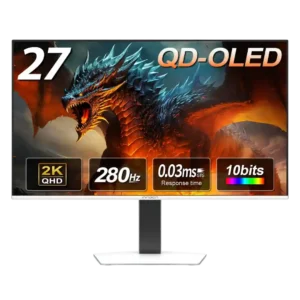
The QD-OLED panel is the monitor’s defining strength, delivering richer color, deeper blacks, and a more striking image than typical IPS or VA screens.
Pros: screen size, panel type
Cons: KVM switch performance, USB hub functionality
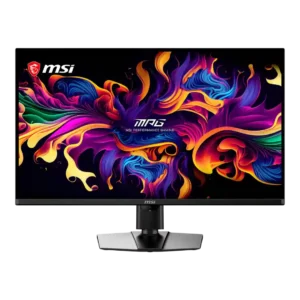
The fourth-generation Penta Tandem QD-OLED panel is the core attraction, delivering richer color, deeper blacks, and higher usable brightness than older 32-inch QD-OLED models. Reviewers see it as one of...
Pros: panel type, response time
Cons: built-in speakers, curved screen immersion
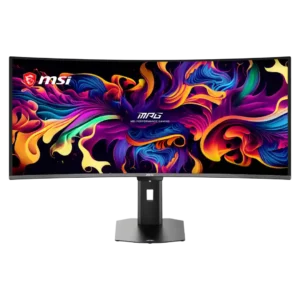
The fifth-generation QD-OLED panel meaningfully improves brightness, ambient-light black depth, text rendering, and durability over earlier generations.
Pros: screen size, panel type
Cons: Resolution, cable management
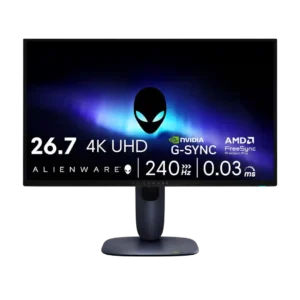
The QD-OLED/OLED panel drew broad praise for vivid image quality and was treated as the core strength of the monitor.
Pros: response time, contrast
Cons: built-in speakers, software support
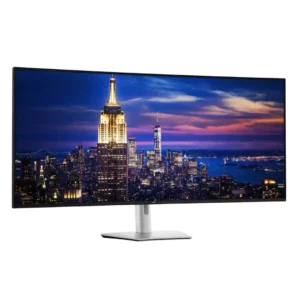
IPS Black is widely viewed as the right panel technology for long professional sessions, combining dependable color and brightness with better contrast than ordinary IPS. It does not match OLED...
Pros: input lag, backlight bleed control
Cons: overdrive tuning, ghosting control
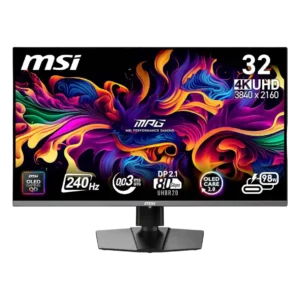
The third-generation QD-OLED panel delivers a dramatic jump in contrast, color, and speed over typical IPS or TN screens. Its core panel performance is excellent, though largely unchanged from the...
Pros: response time, motion clarity
Cons: warranty and support service, sleep and wake behavior
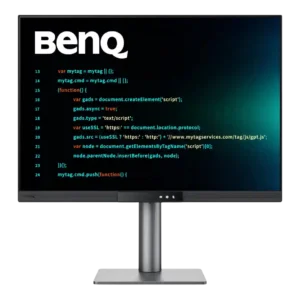
The upgraded IPS panel delivers much stronger contrast than typical IPS displays. It remains an IPS screen rather than an OLED-class entertainment panel, but its work-focused balance is impressive.
Pros: VESA mount compatibility, productivity versatility
Cons: HDR performance, local dimming performance
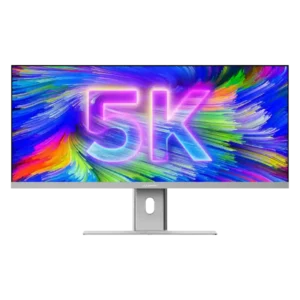
The IPS panel was praised for maintaining accurate color across broad viewing positions, making the flat screen well suited to productivity and color-sensitive work.
Pros: productivity versatility, aspect ratio
Cons: HDR performance, HDMI 2.1 support
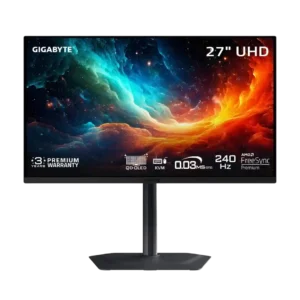
The tandem QD-OLED panel delivers elite speed, contrast, color, and clarity in controlled lighting. Burn-in risk and limited bright-scene output remain familiar OLED compromises.
Pros: input lag, viewing angles
Cons: color accuracy, software support