Best for productivity versatility
BenQ RD280UG
5.0 feature score
Highest scored product for this feature based on supporting review evidence.
Highest scored product for this feature based on supporting review evidence.
Balances feature score, supporting reviews, and overall product strength.
Has the broadest review evidence for this feature.
Strongest overall product among items with scored evidence for this feature.
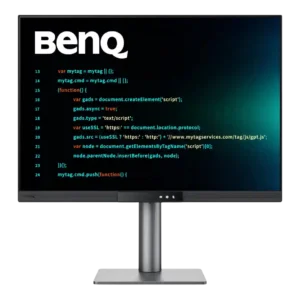
The tall display excels at coding, trading, writing, spreadsheets, research, creative tools, and multi-window work. Its extra vertical space often replaces the need for a second screen.
Pros: VESA mount compatibility, productivity versatility
Cons: HDR performance, local dimming performance
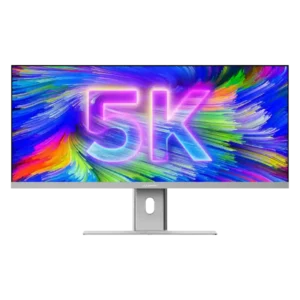
This is the monitor’s standout quality: it handles timelines, spreadsheets, coding, writing, browsing, and multiple apps exceptionally well. Reviewers repeatedly found it capable of replacing a dual- or triple-monitor workspace.
Pros: productivity versatility, aspect ratio
Cons: HDR performance, HDMI 2.1 support
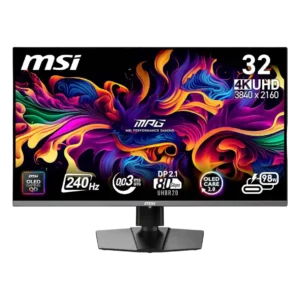
The 32-inch 4K desktop is excellent for side-by-side windows, coding, editing, and mixed laptop/desktop use. Text clarity is strong for OLED, though 27-inch 4K or IPS can look slightly cleaner...
Pros: response time, motion clarity
Cons: warranty and support service, sleep and wake behavior
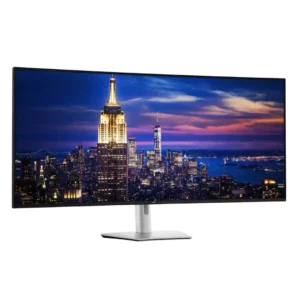
Productivity is the overwhelming consensus strength: one seamless 6K canvas can replace multiple displays, reduce window switching, and keep dense workflows visible at once. It is especially effective for trading,...
Pros: input lag, backlight bleed control
Cons: overdrive tuning, ghosting control
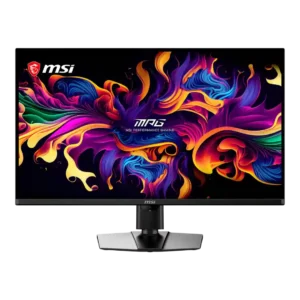
The 32-inch 4K workspace, crisp text, USB-C power delivery, and KVM make it useful for office work as well as gaming. Several reviewers felt it could replace separate work and...
Pros: panel type, response time
Cons: built-in speakers, curved screen immersion
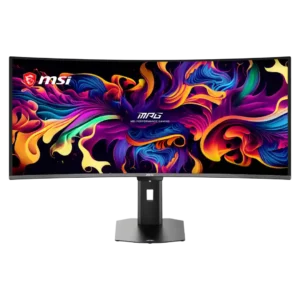
The wide desktop, USB-C charging, KVM, accurate color, and improved RGB-stripe text make it far more practical for work than earlier QD-OLED ultrawides. Low pixel density still limits fine text...
Pros: screen size, panel type
Cons: Resolution, cable management
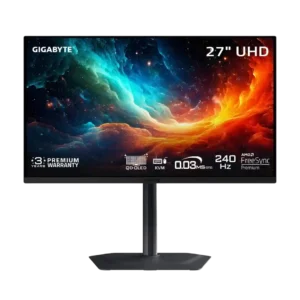
High pixel density, clear text, low reflections, and a compact stand make everyday work comfortable. Static desktop use and imperfect color accuracy limit professional productivity roles.
Pros: input lag, viewing angles
Cons: color accuracy, software support
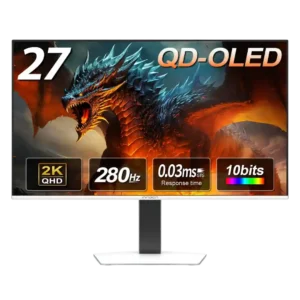
The color performance and ergonomic stand make it useful for creative work, but text fringing and the lack of USB-C or KVM features reduce its appeal as an all-in-one office...
Pros: screen size, panel type
Cons: KVM switch performance, USB hub functionality
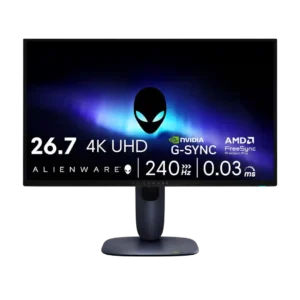
Productivity versatility was mixed: excellent text clarity helped, but burn-in risk, no KVM, and weak USB-C limited work setups.
Pros: response time, contrast
Cons: built-in speakers, software support