Best for refresh rate
InnoCN GA27S1Q
5.0 feature score
Highest scored product for this feature based on supporting review evidence.
Highest scored product for this feature based on supporting review evidence.
Balances feature score, supporting reviews, and overall product strength.
Has the broadest review evidence for this feature.
Strongest overall product among items with scored evidence for this feature.
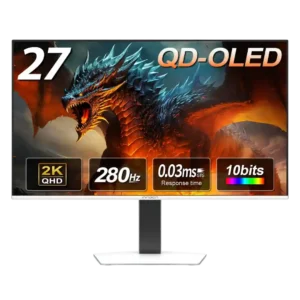
The 280Hz refresh rate feels exceptionally fluid and is more than fast enough for most competitive players.
Pros: screen size, panel type
Cons: KVM switch performance, USB hub functionality
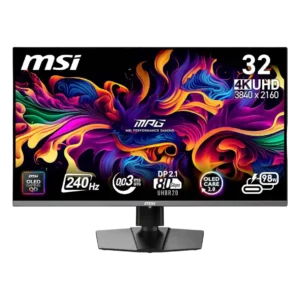
The 240Hz refresh rate delivers exceptionally smooth gameplay and desktop motion. The main limitation is the GPU power needed to approach 240 frames per second at 4K.
Pros: response time, motion clarity
Cons: warranty and support service, sleep and wake behavior
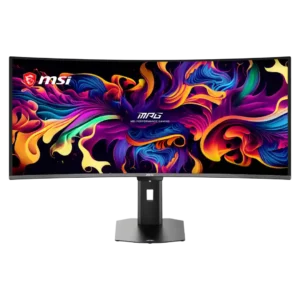
The 360Hz refresh rate is a landmark for 34-inch ultrawide OLEDs, delivering exceptionally fluid gaming and desktop motion. Reaching its full benefit requires a powerful PC or lighter competitive games.
Pros: screen size, panel type
Cons: Resolution, cable management
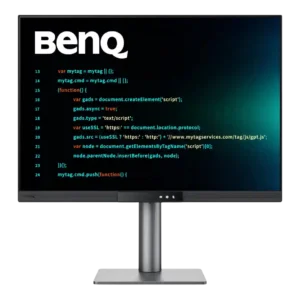
Moving from 60Hz to 120Hz makes scrolling, window movement, charts, and casual gaming feel substantially smoother. It is a major upgrade for productivity, even if competitive gaming monitors run much...
Pros: VESA mount compatibility, productivity versatility
Cons: HDR performance, local dimming performance
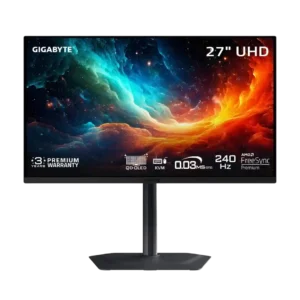
The 240Hz refresh rate makes movement exceptionally fluid and easy to track. Its OLED clarity can resemble much faster LCD gaming monitors.
Pros: input lag, viewing angles
Cons: color accuracy, software support
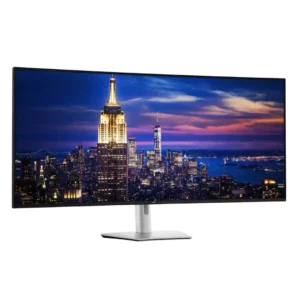
The 120Hz refresh rate is one of the most celebrated upgrades over typical 60Hz office monitors, making scrolling, cursor movement, and window handling feel noticeably smoother. It also supports enjoyable...
Pros: input lag, backlight bleed control
Cons: overdrive tuning, ghosting control
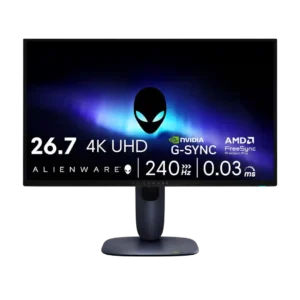
The 240Hz refresh rate was considered smooth and future-proof for most users, even if faster esports-focused OLEDs exist.
Pros: response time, contrast
Cons: built-in speakers, software support
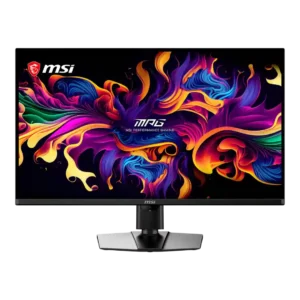
At 4K, 240Hz is considered a practical upper limit because few systems can exceed it in modern games. It is smooth enough for competitive play while preserving the detail needed...
Pros: panel type, response time
Cons: built-in speakers, curved screen immersion
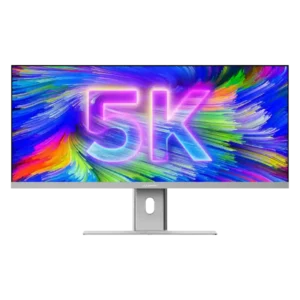
At 100Hz, scrolling, timeline movement, and everyday animation look noticeably smoother than on typical 60Hz productivity monitors. Serious gamers may still want a faster dedicated display.
Pros: productivity versatility, aspect ratio
Cons: HDR performance, HDMI 2.1 support