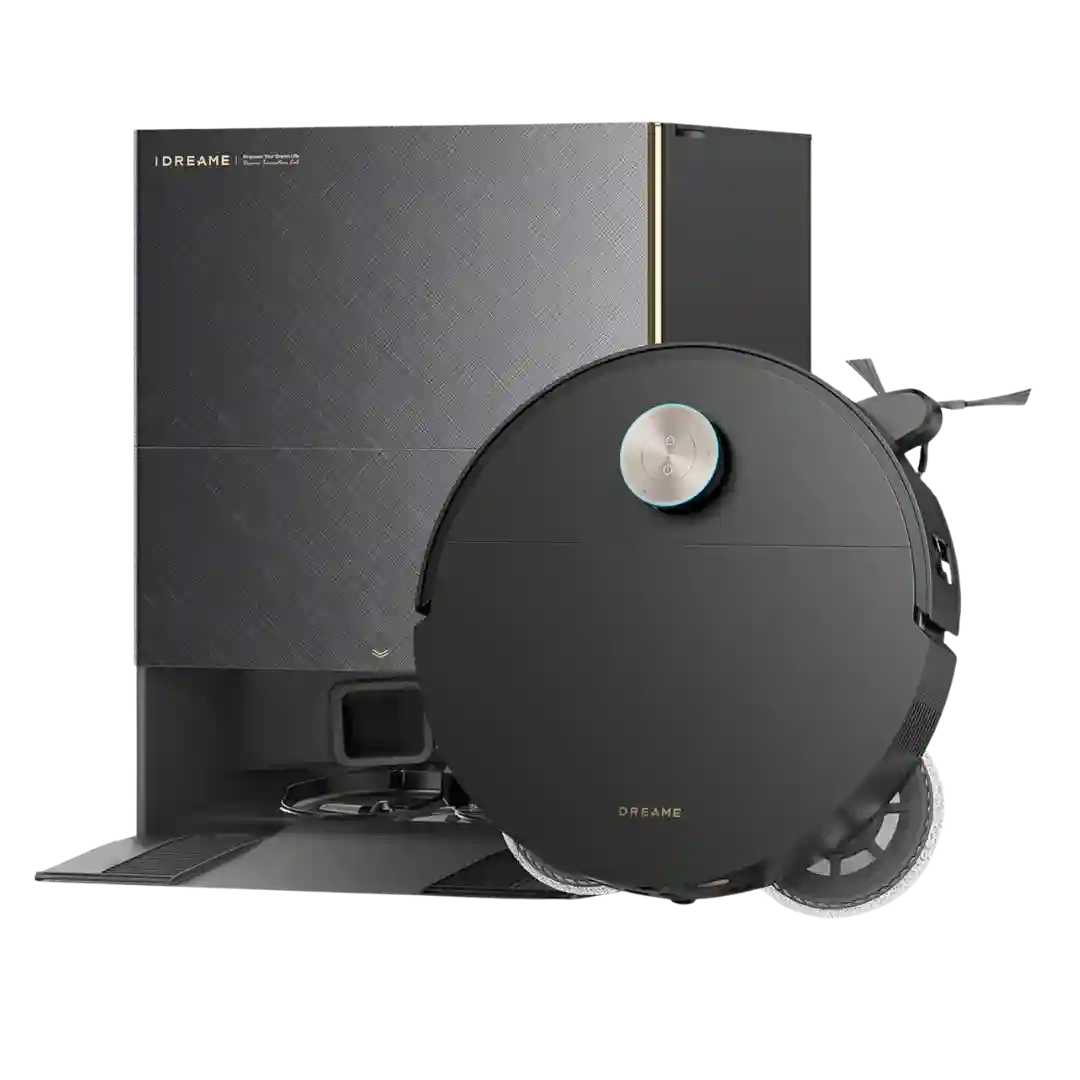
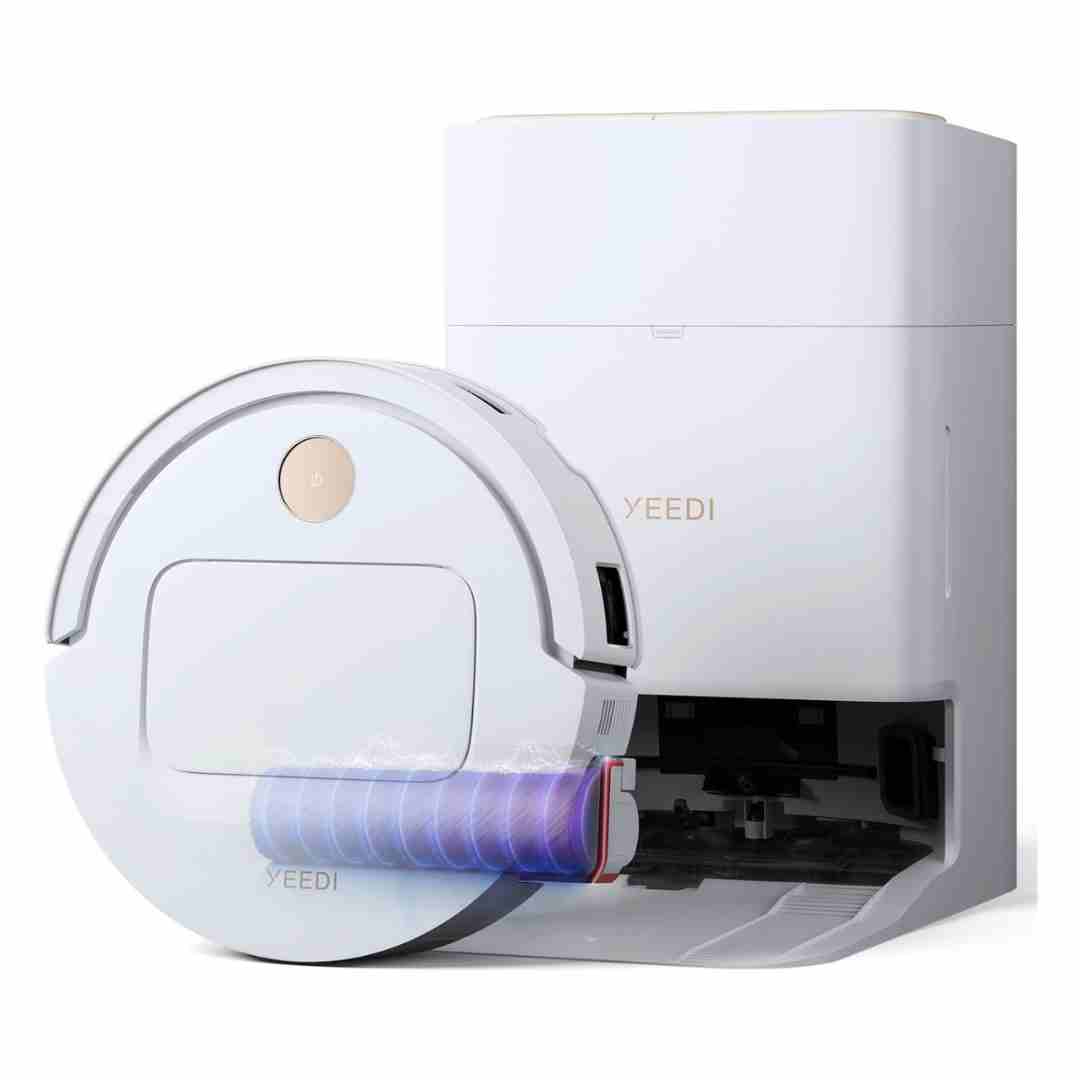
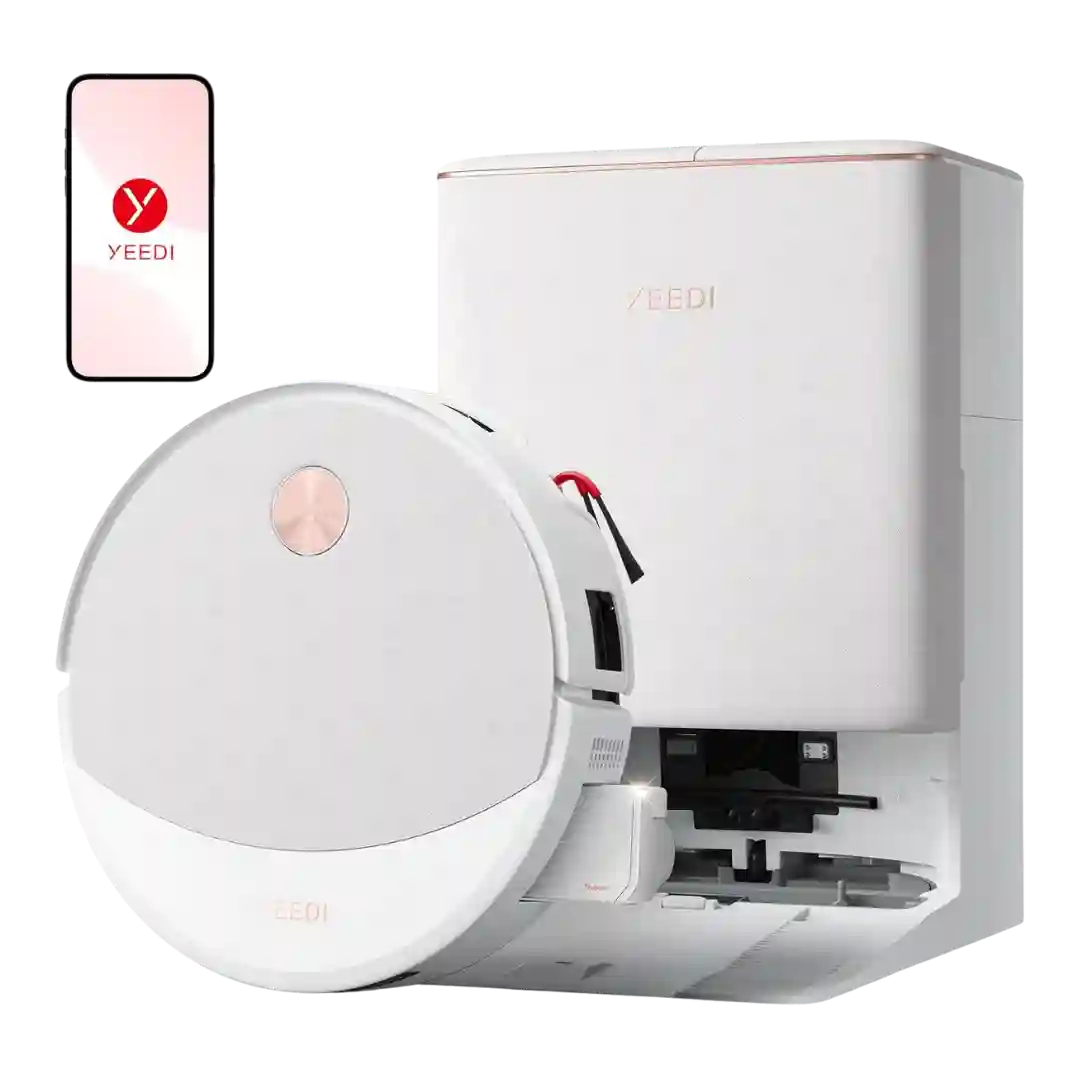
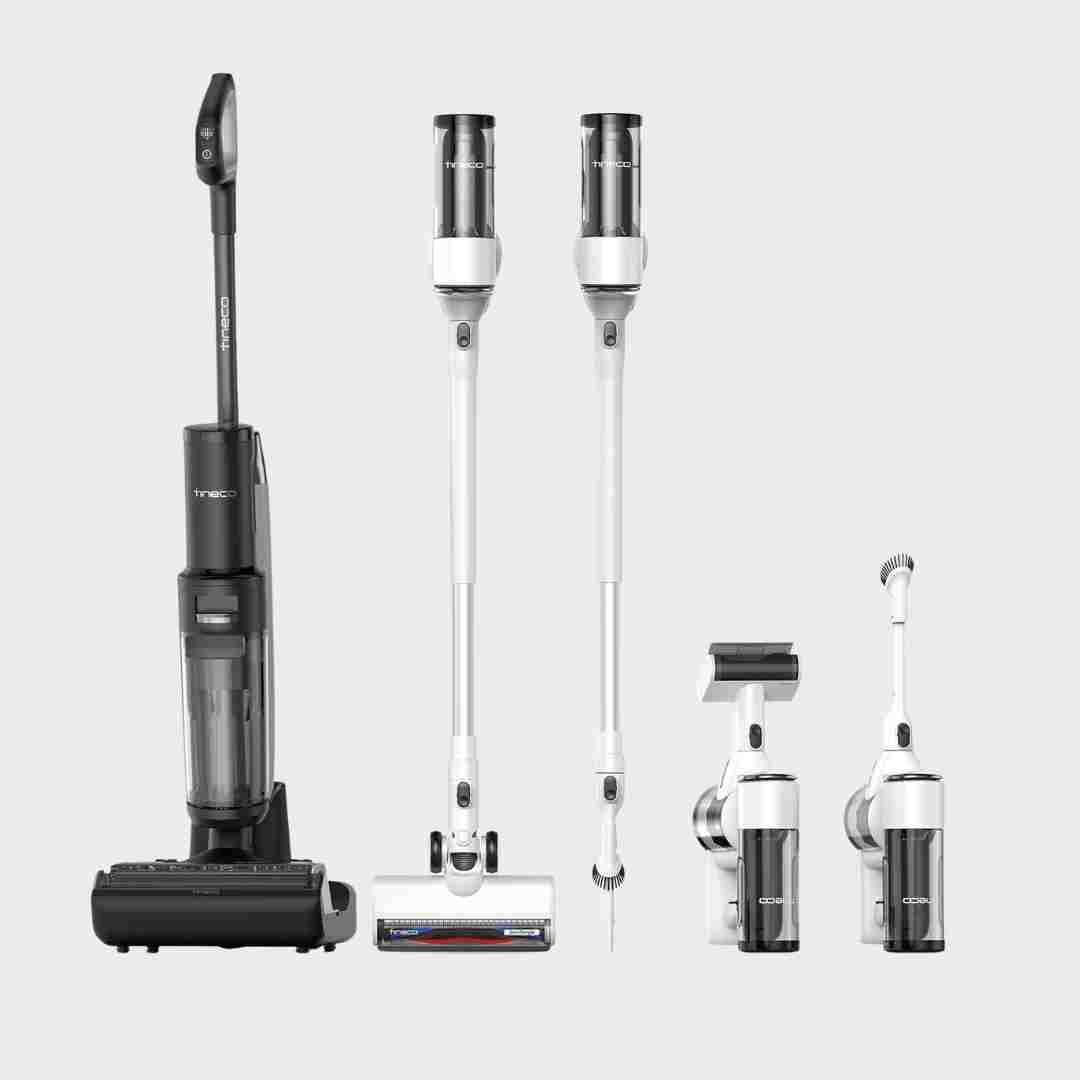
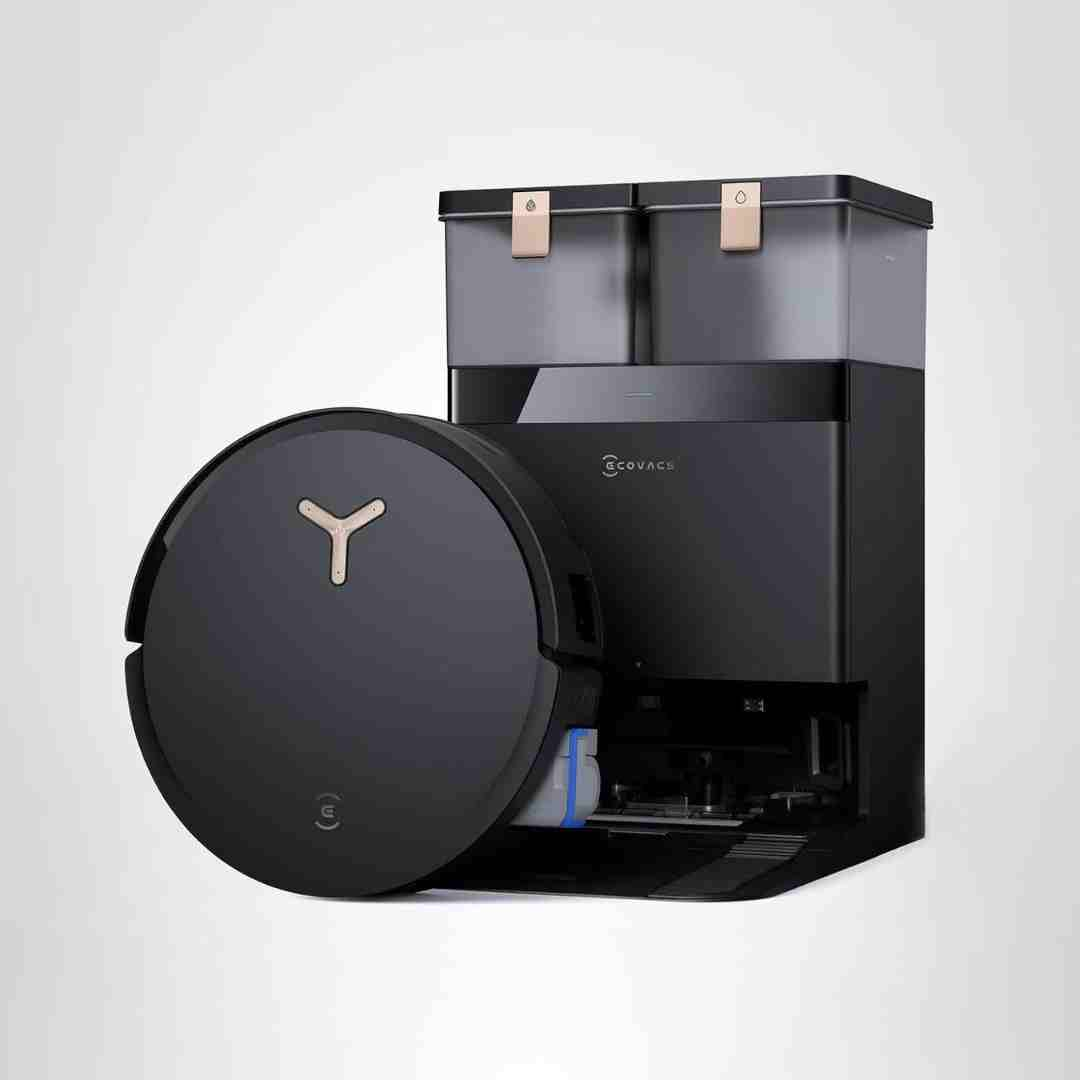
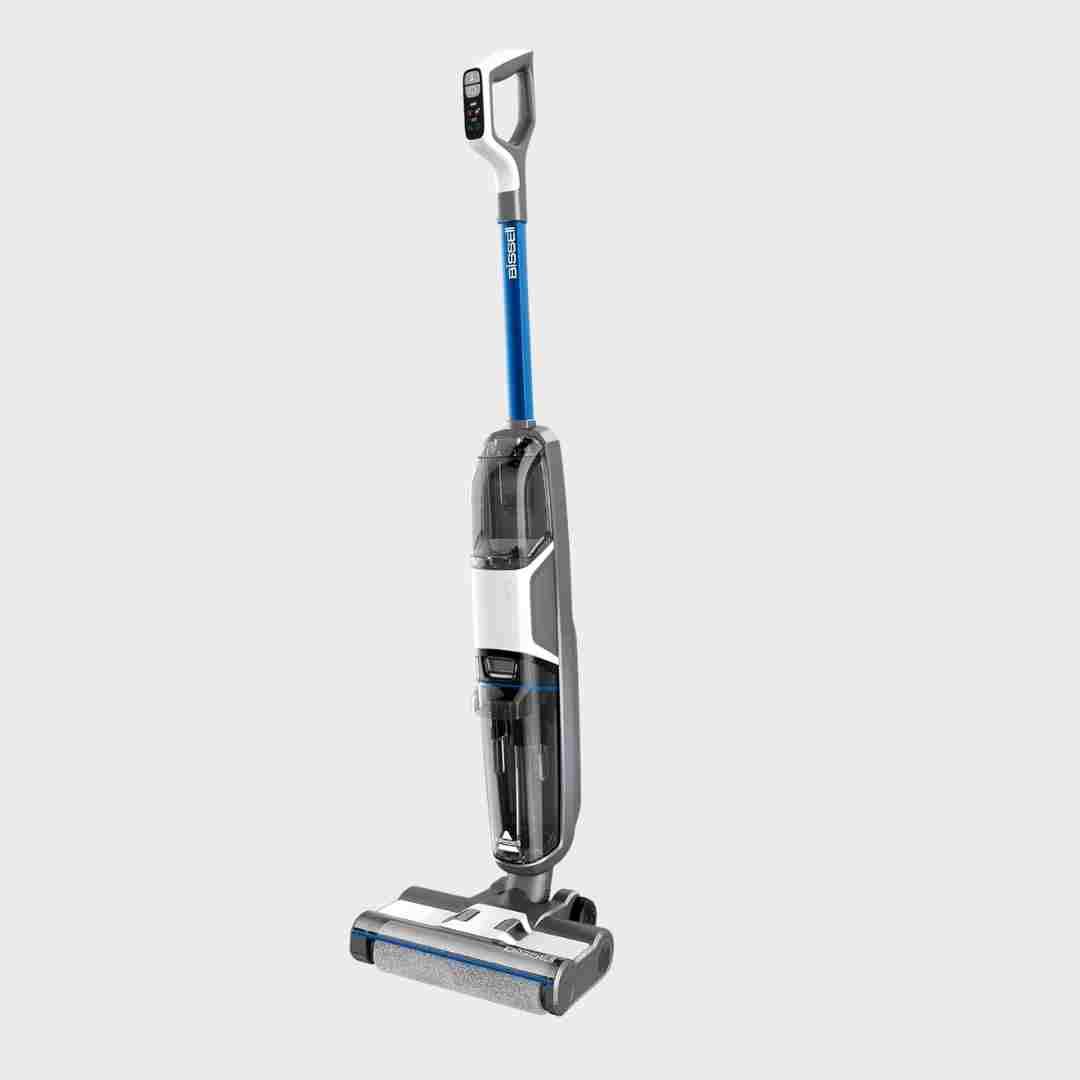
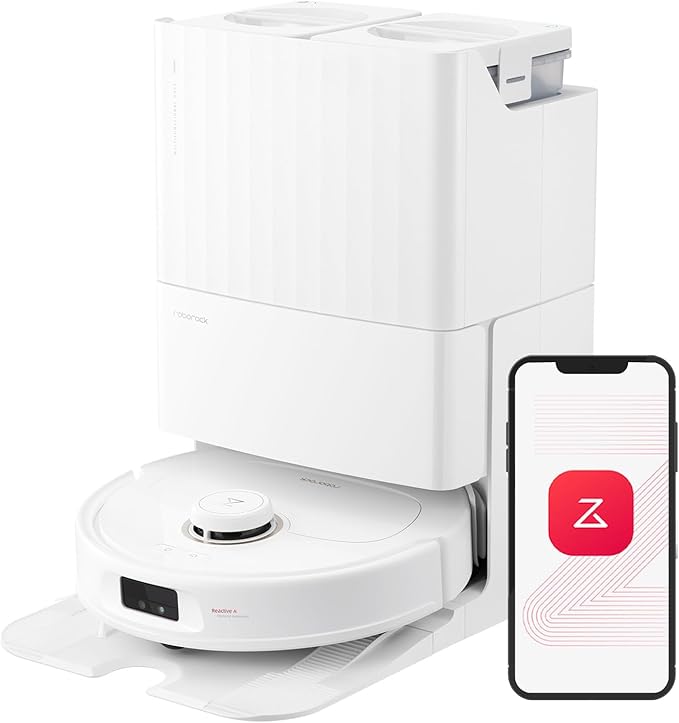
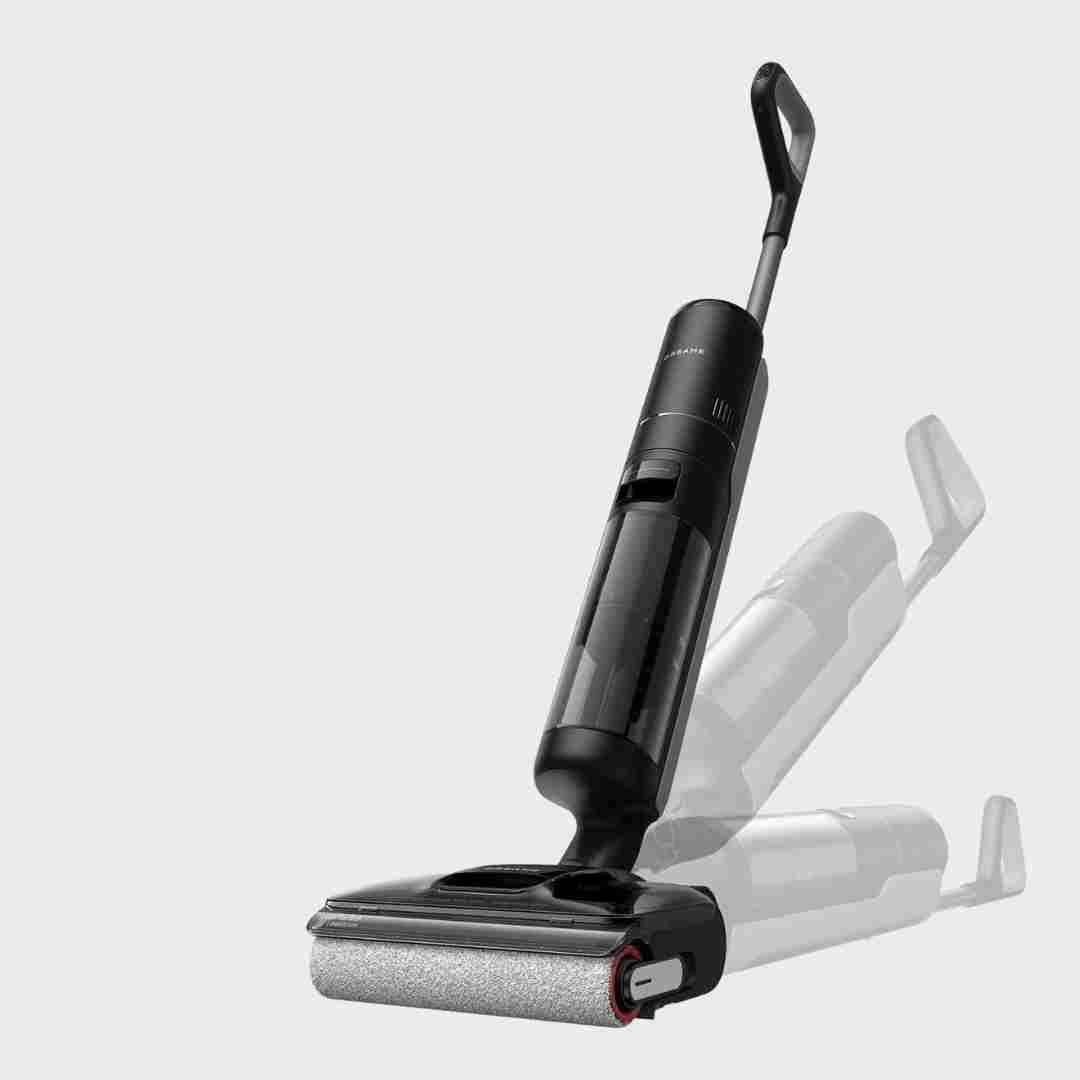
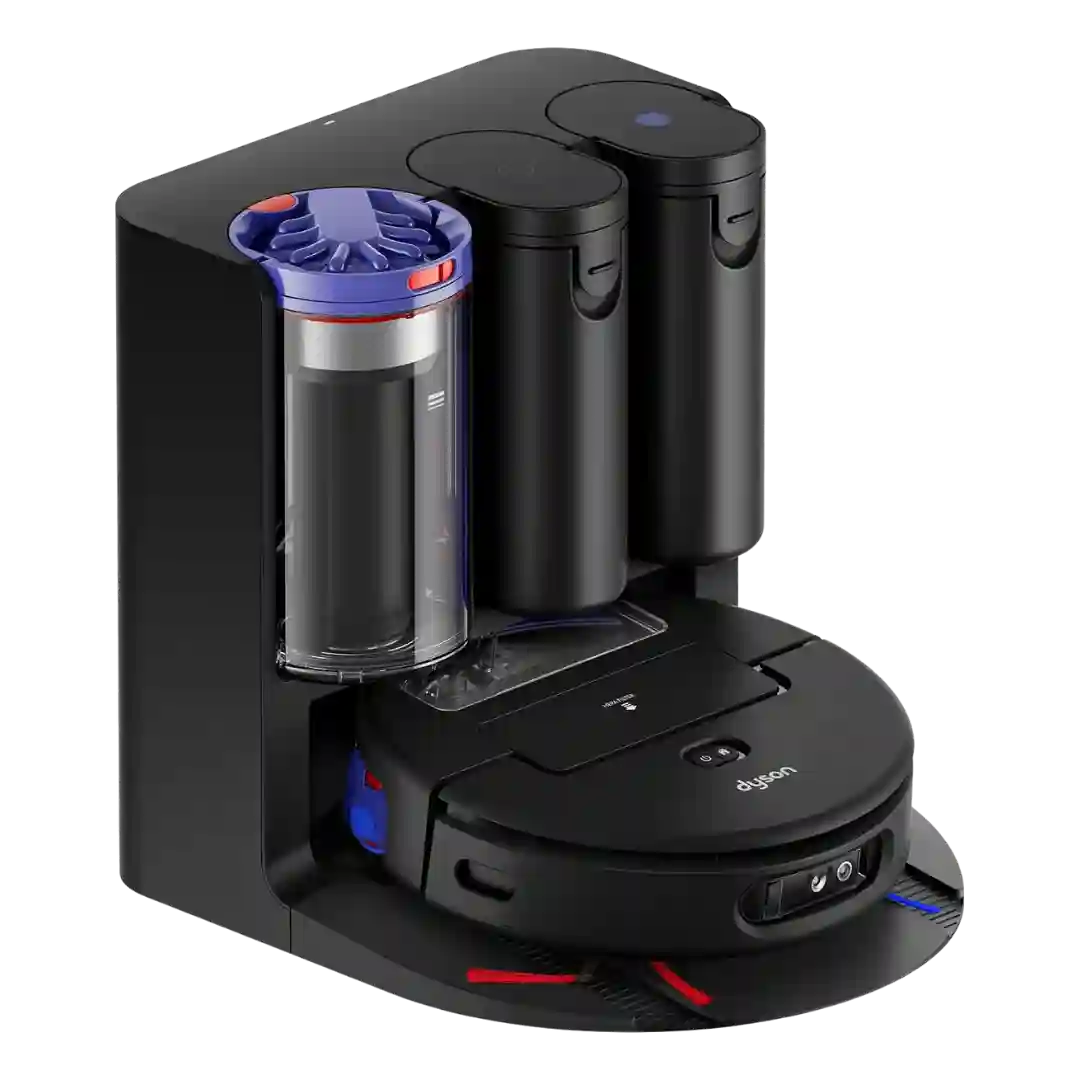
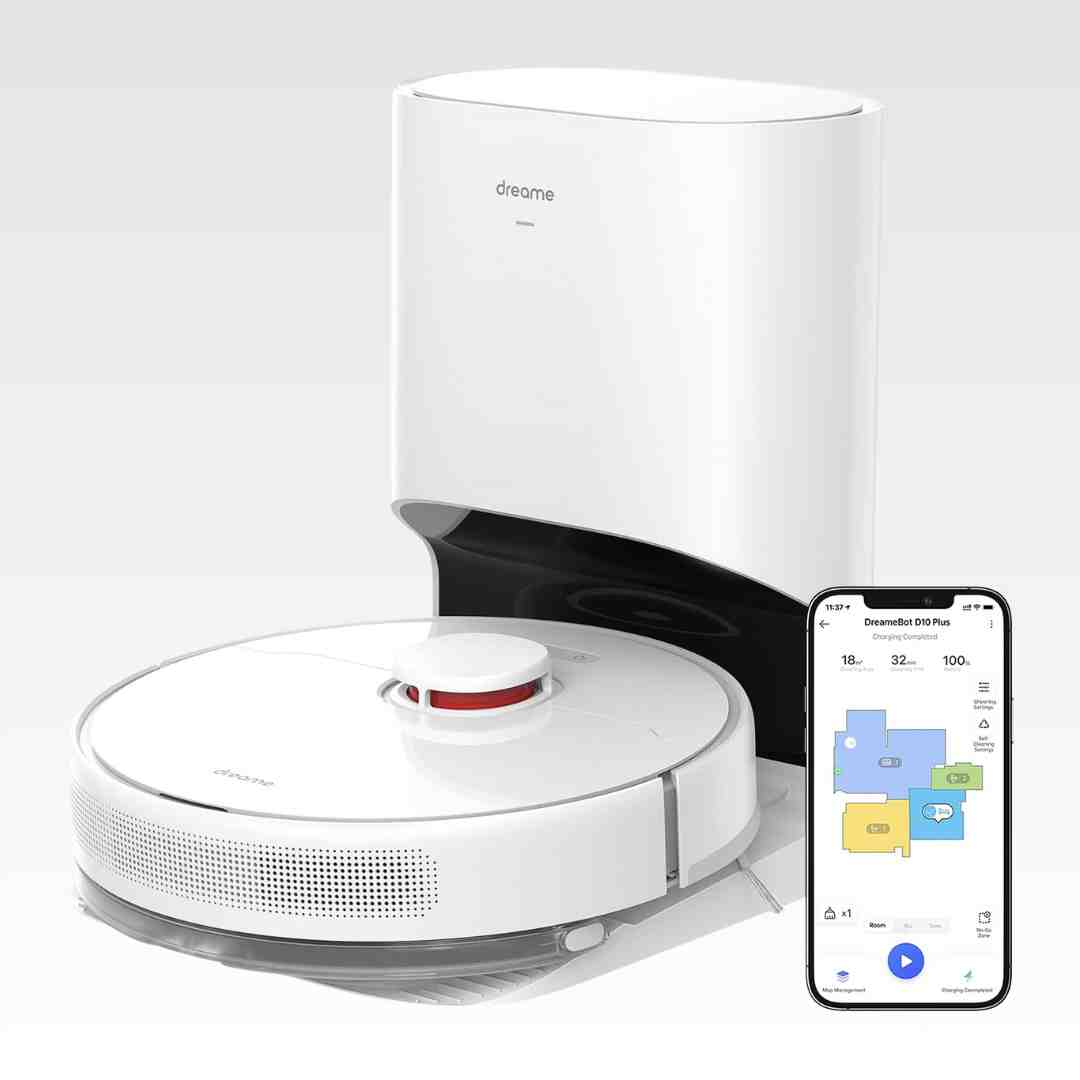
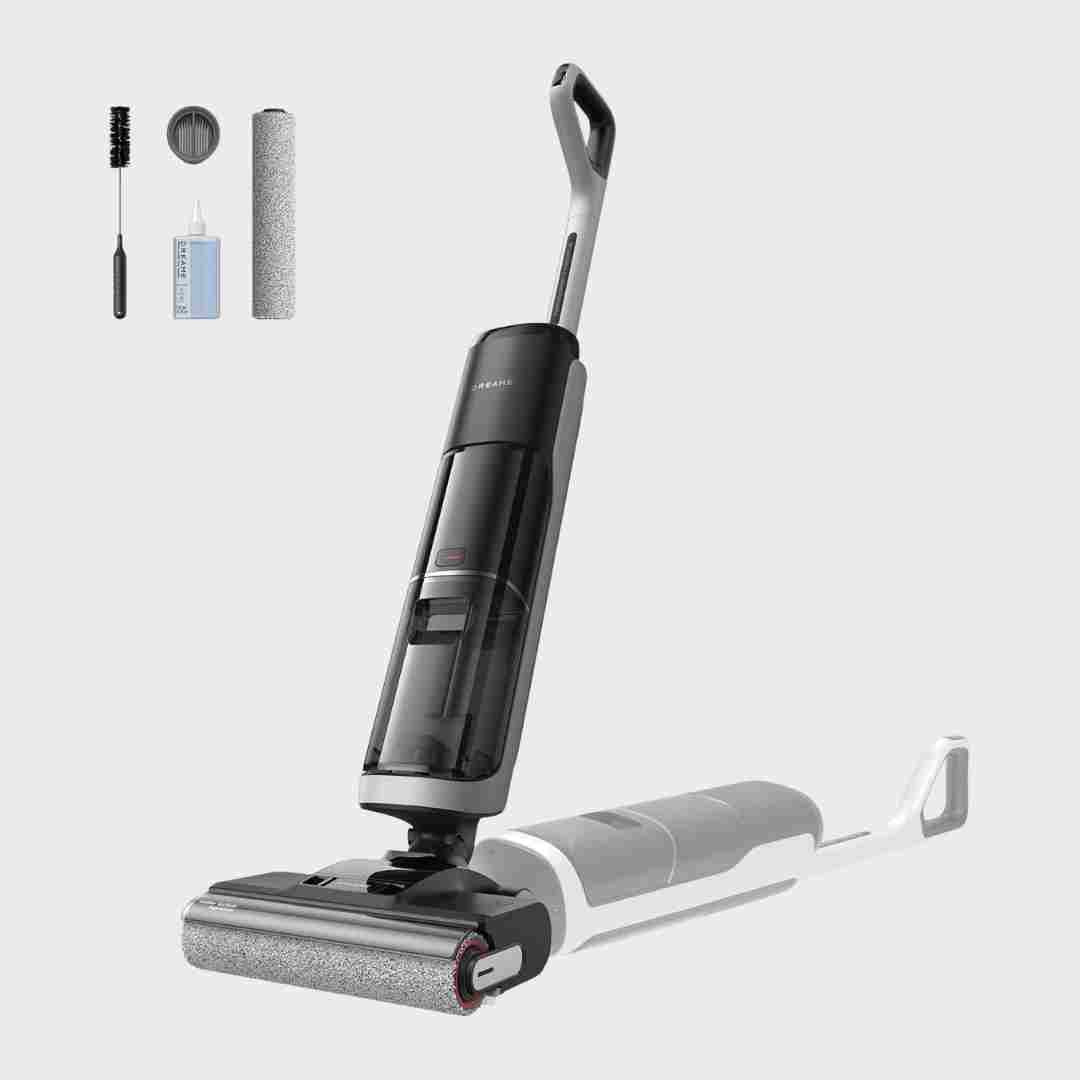
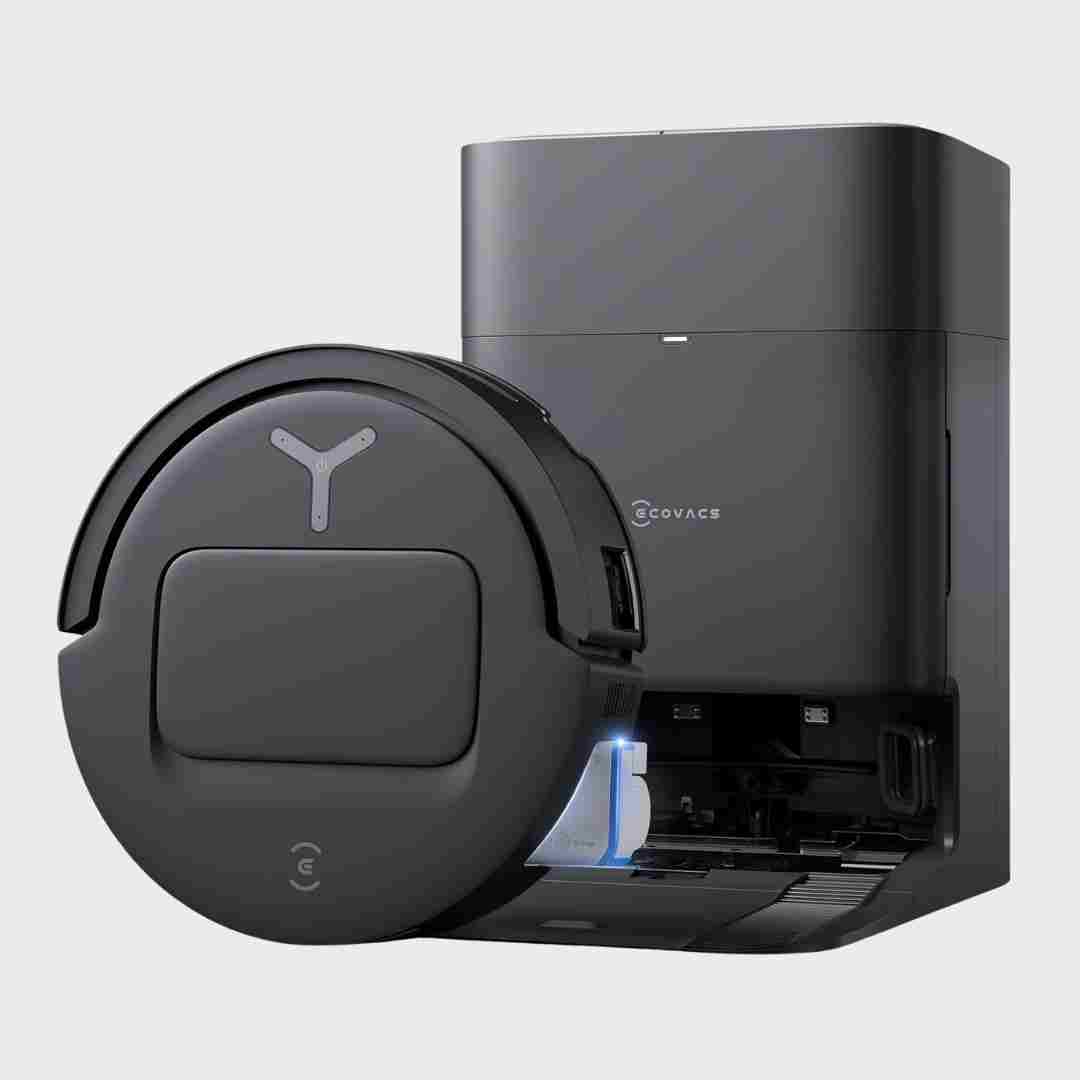
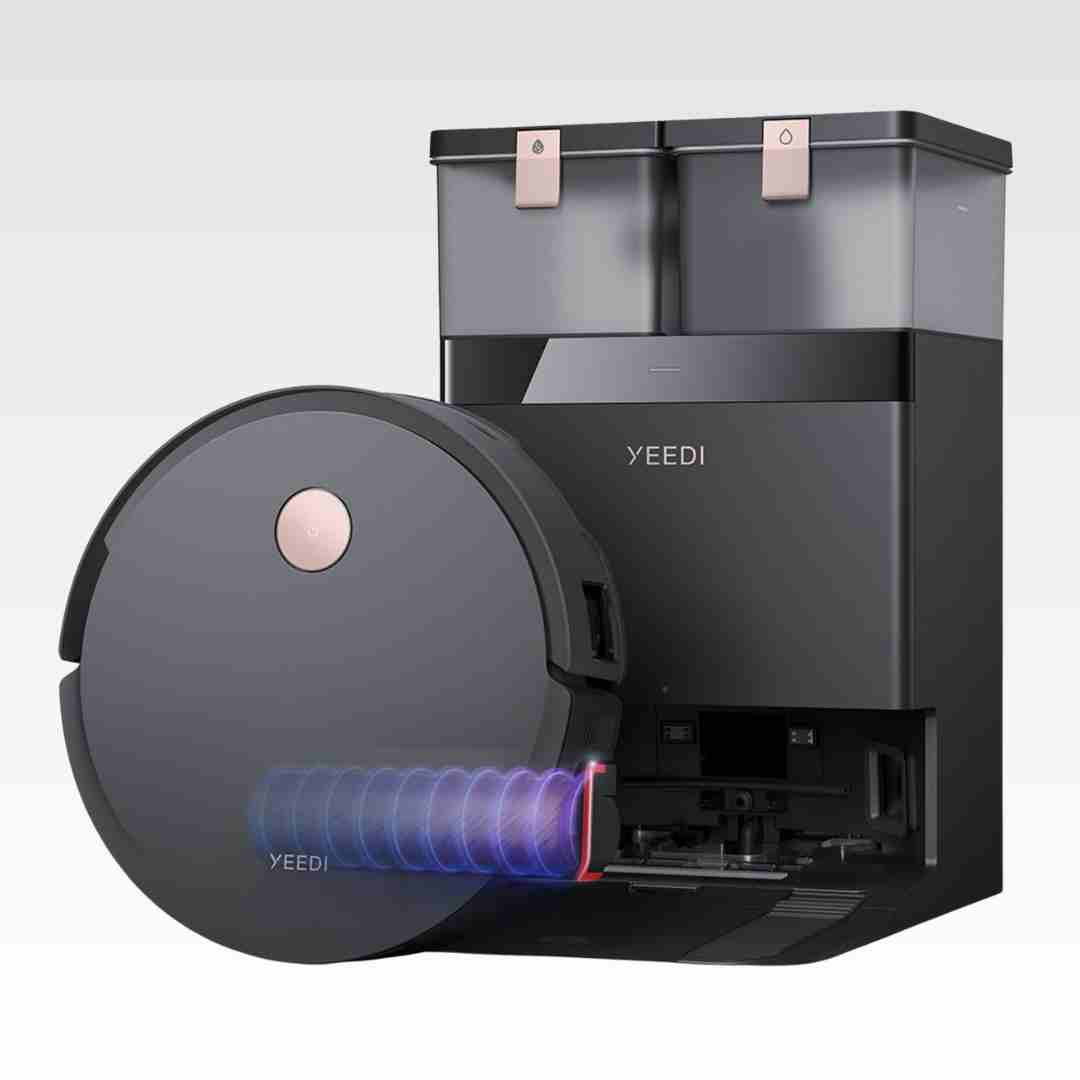
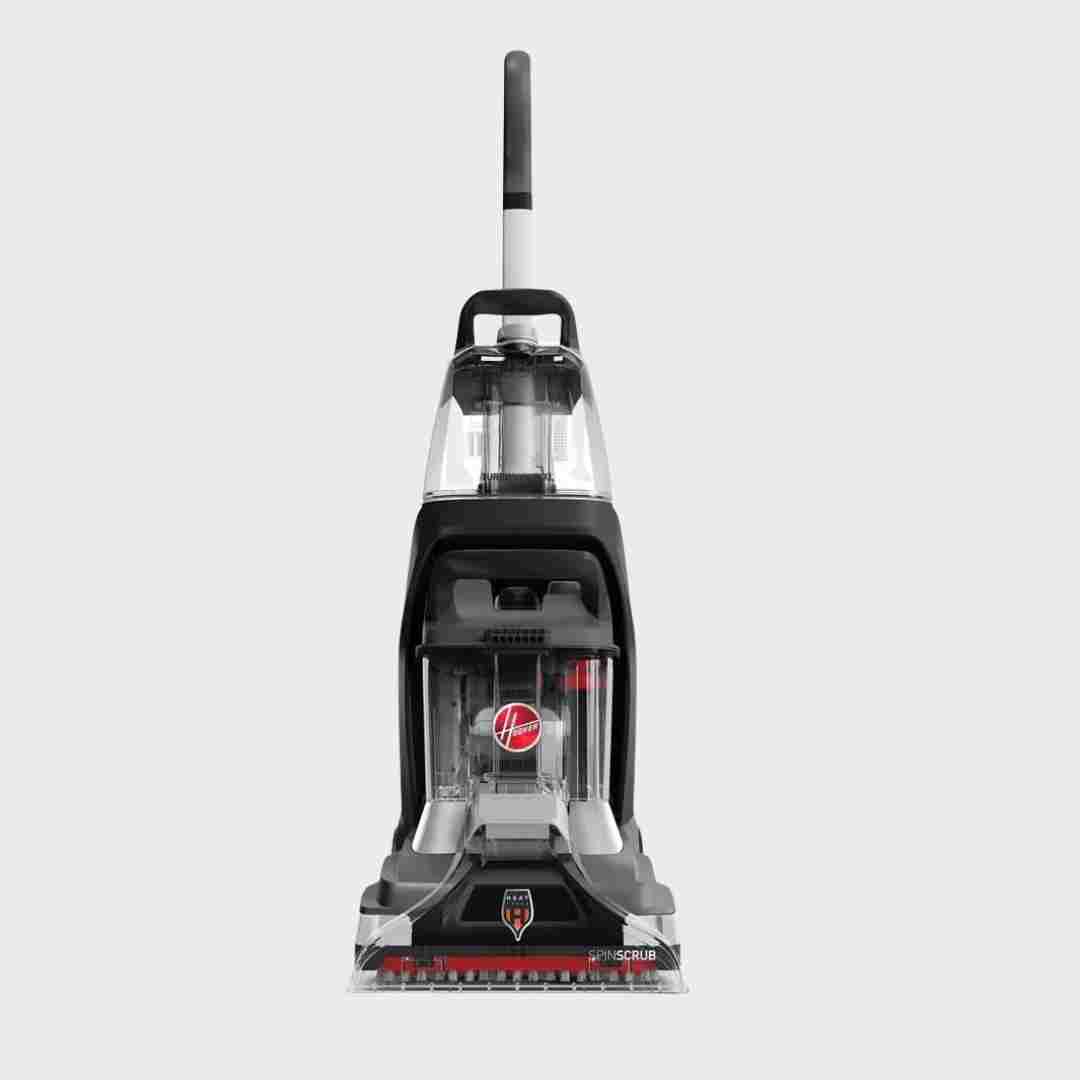
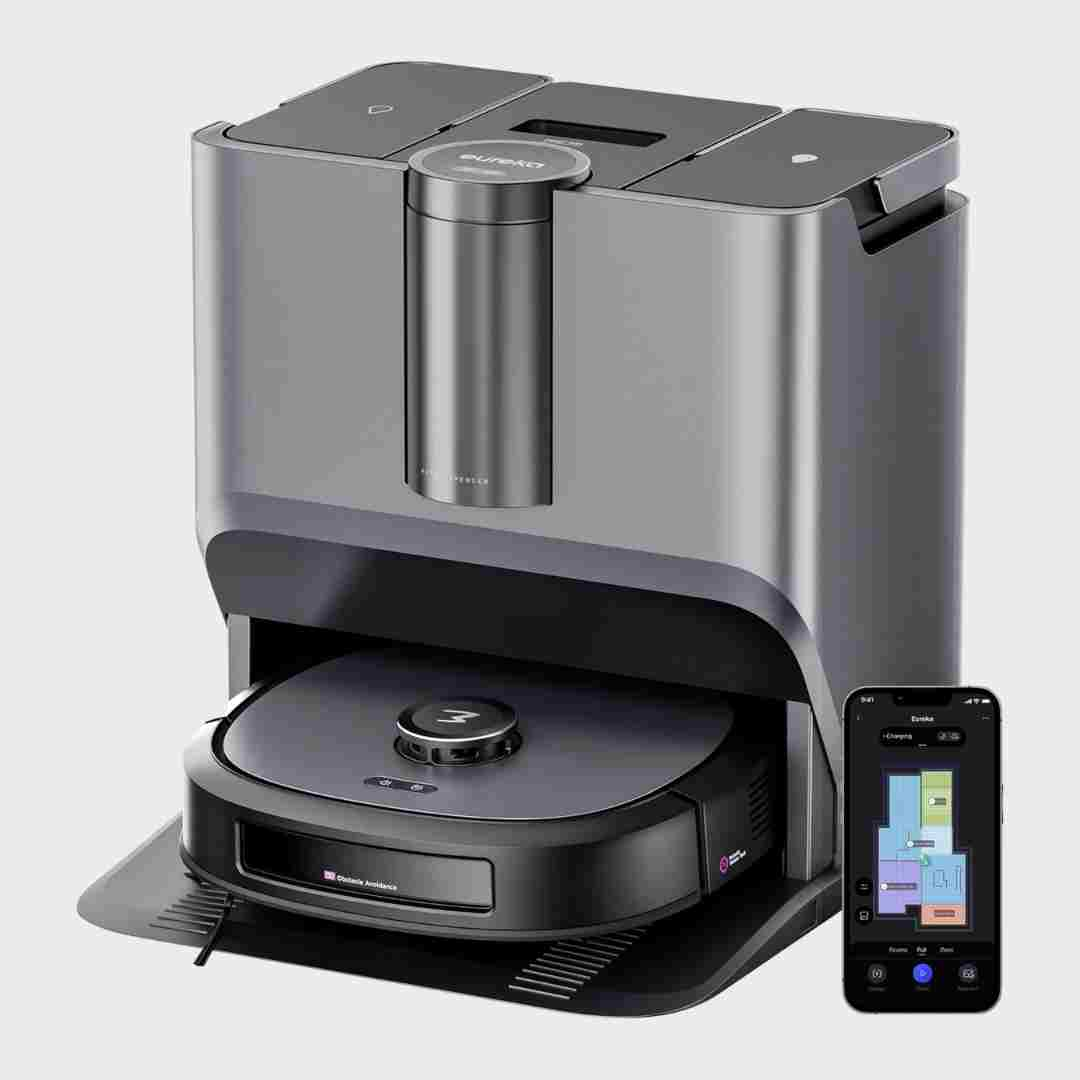
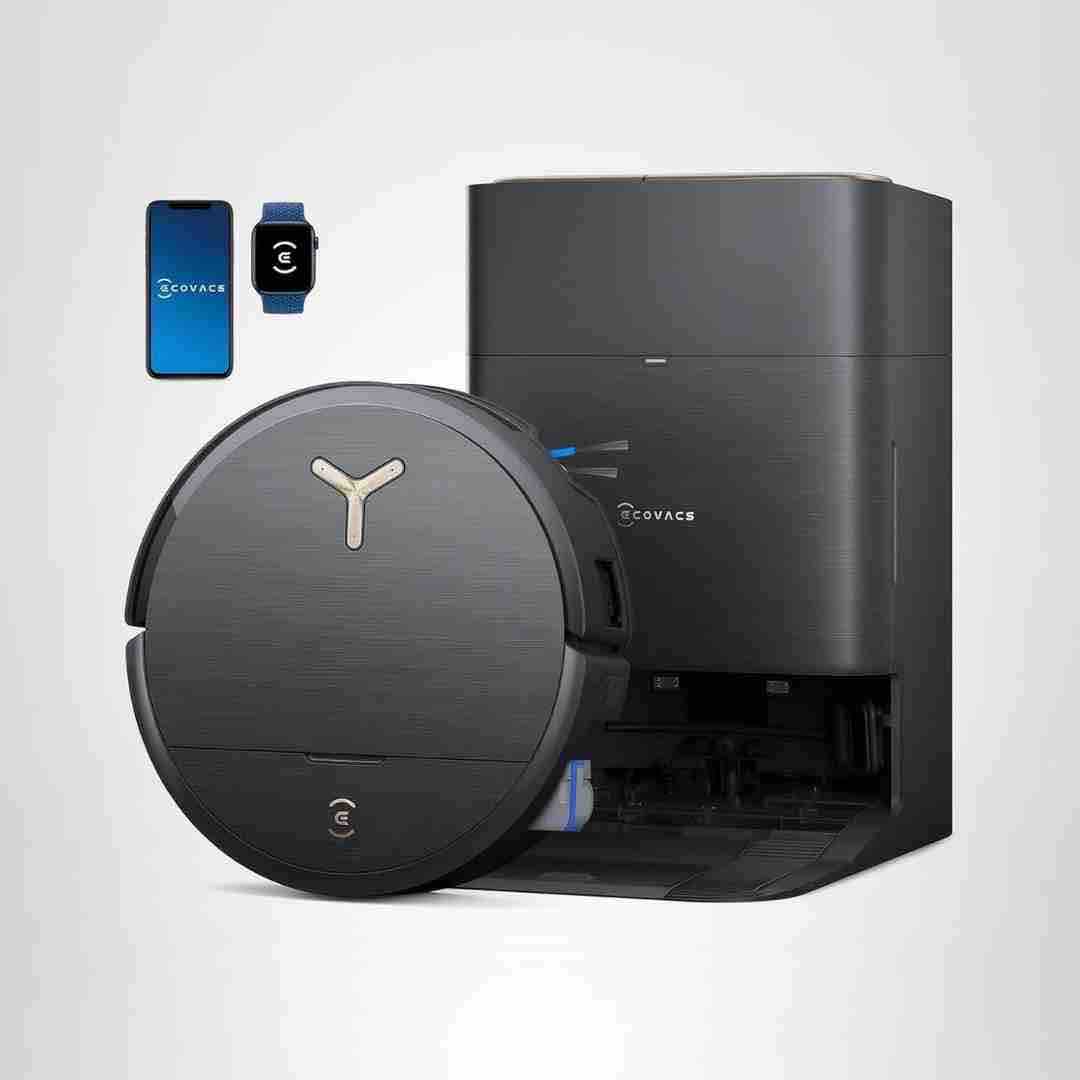
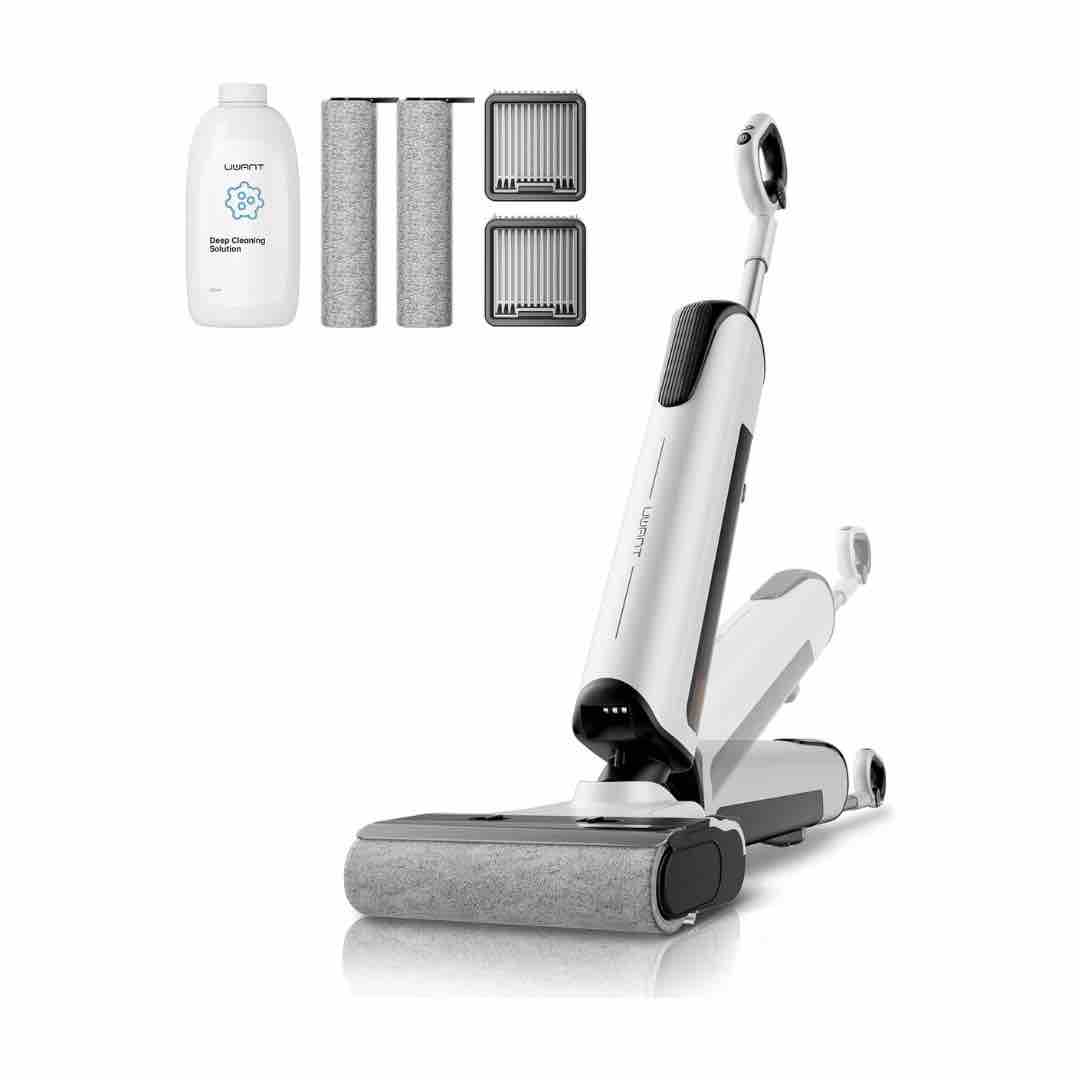
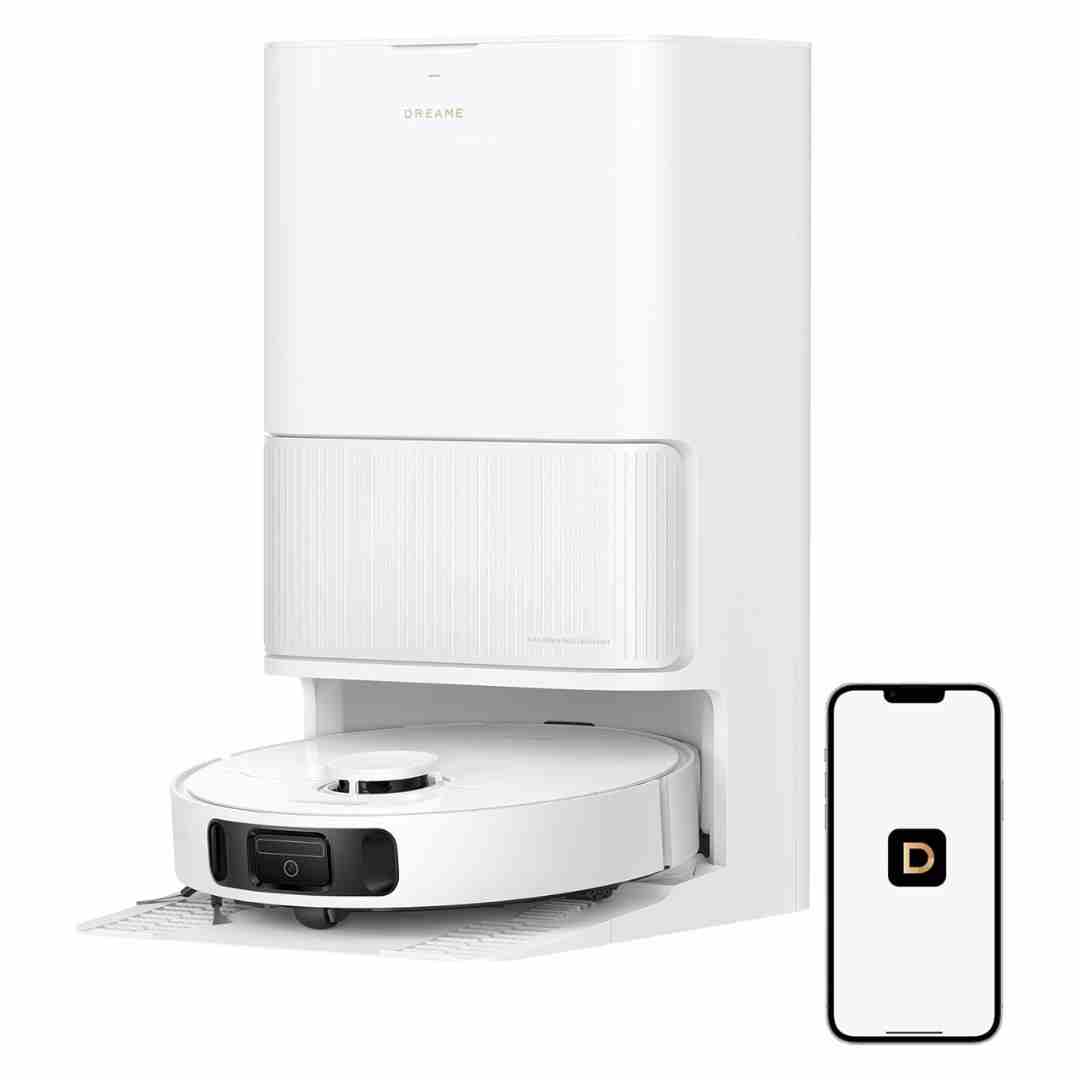
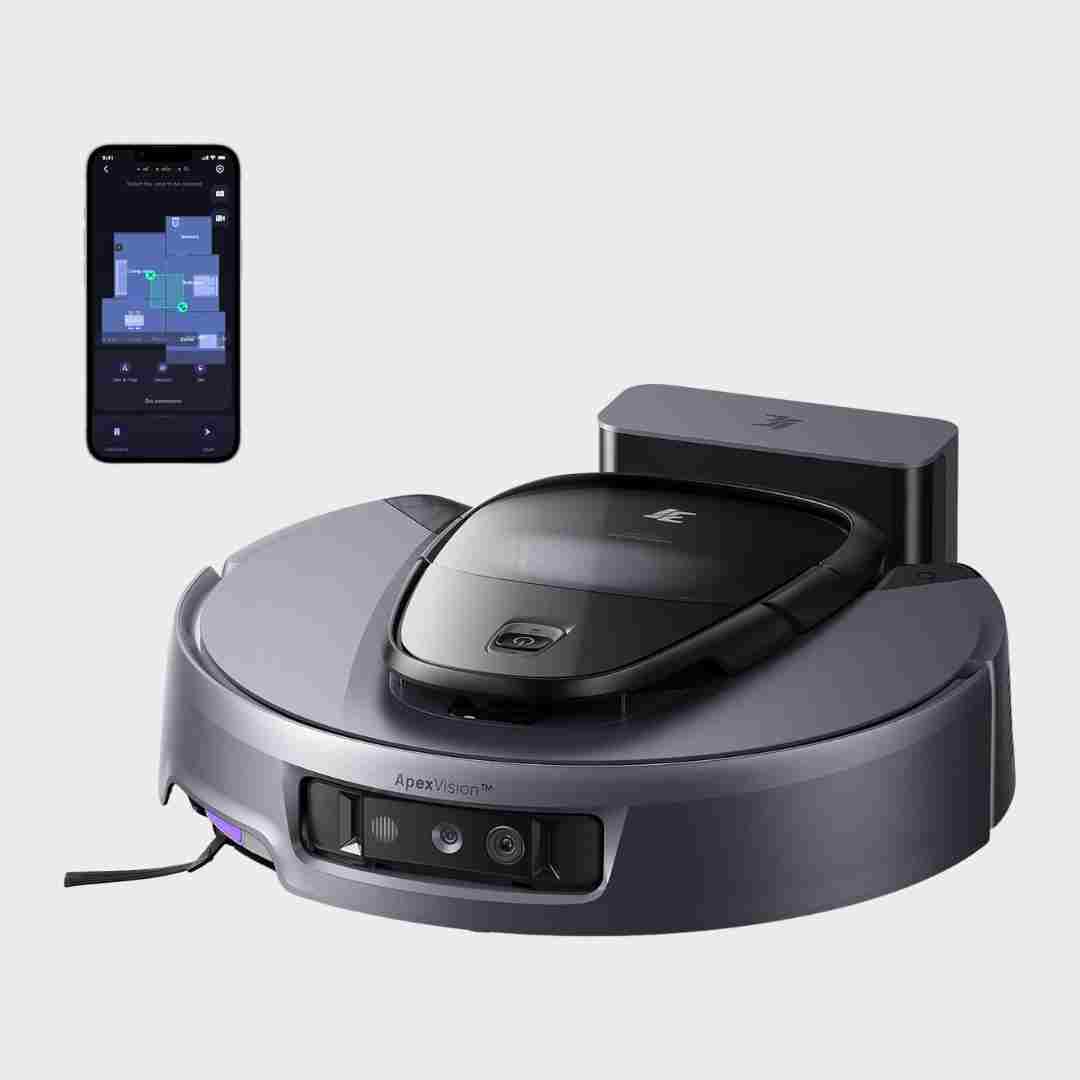
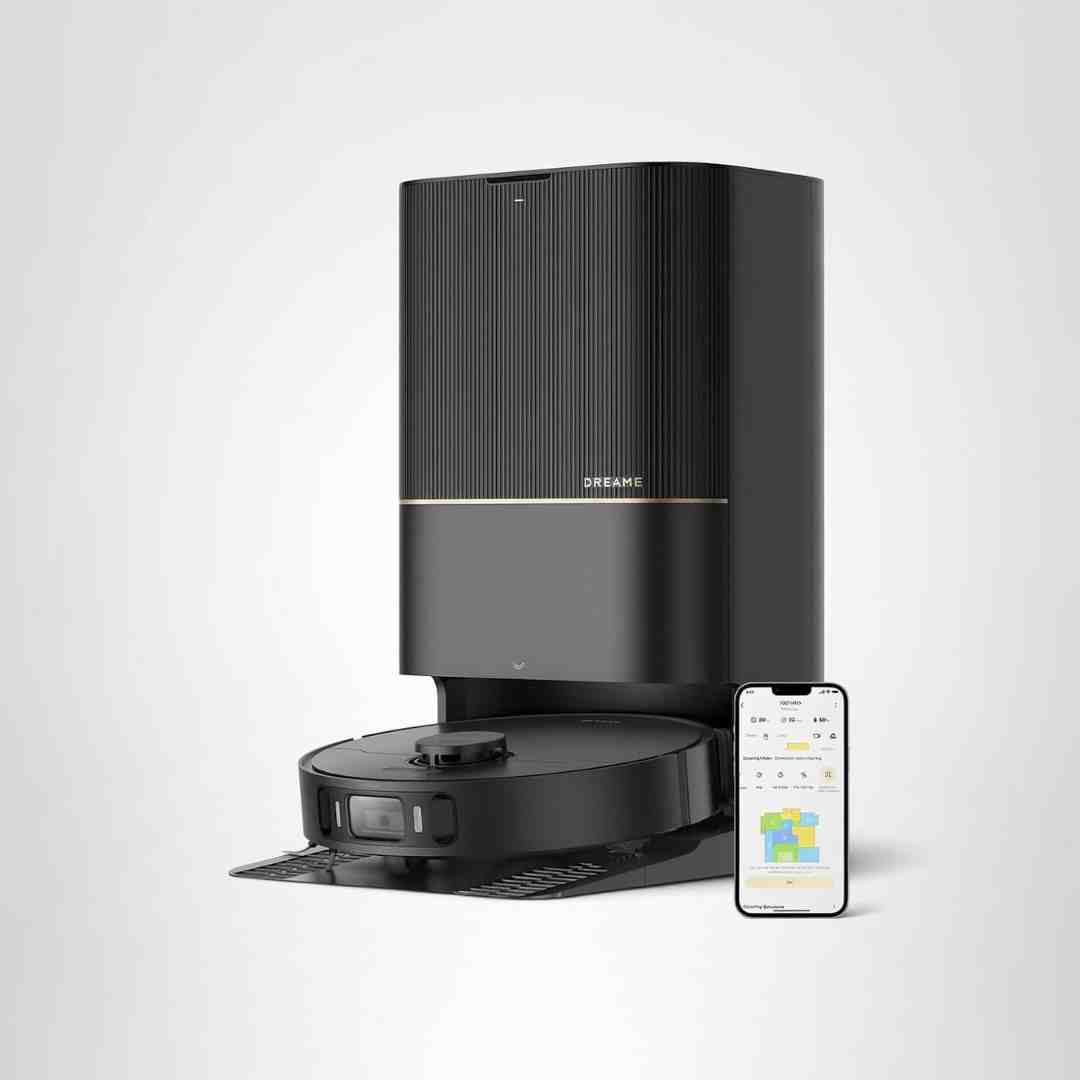
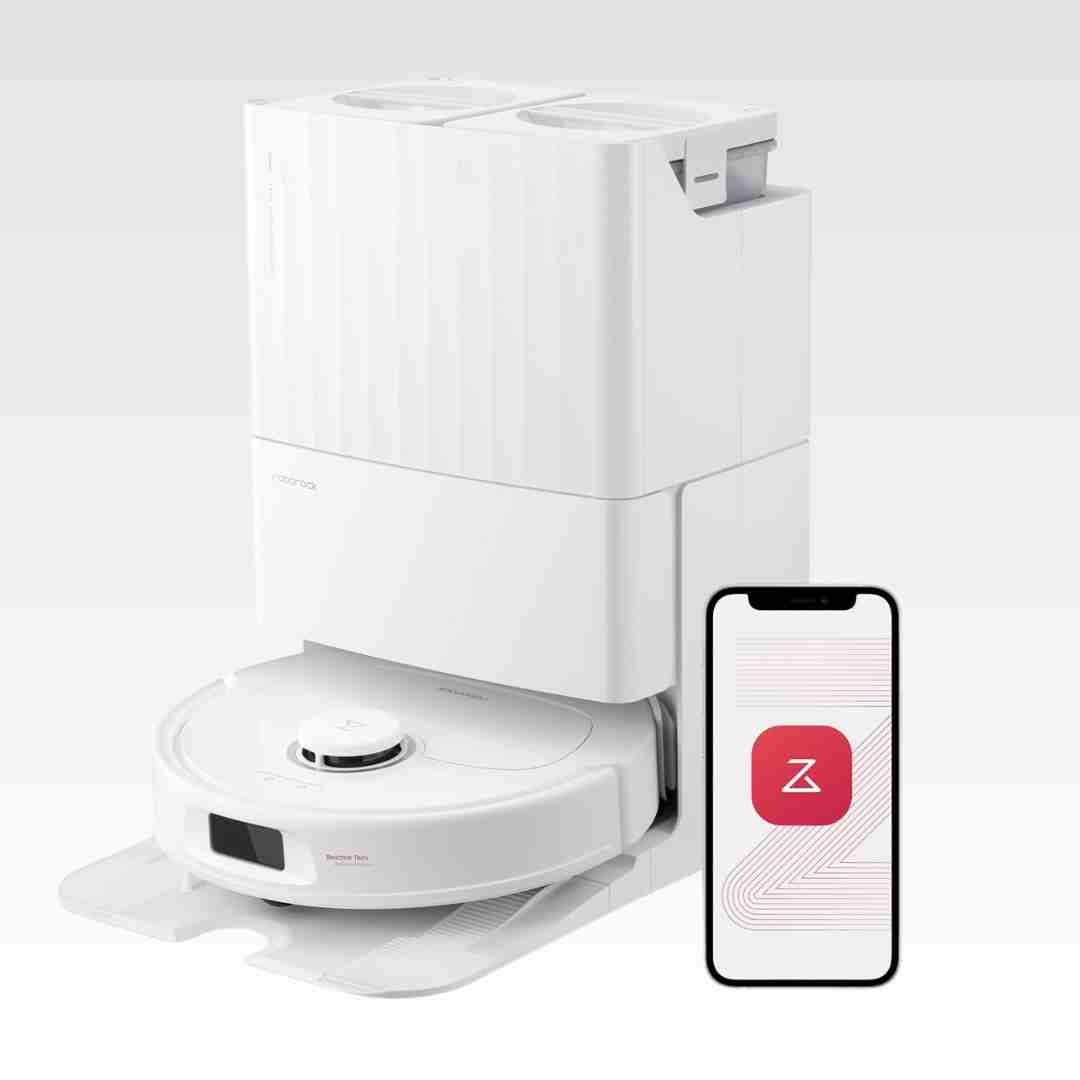
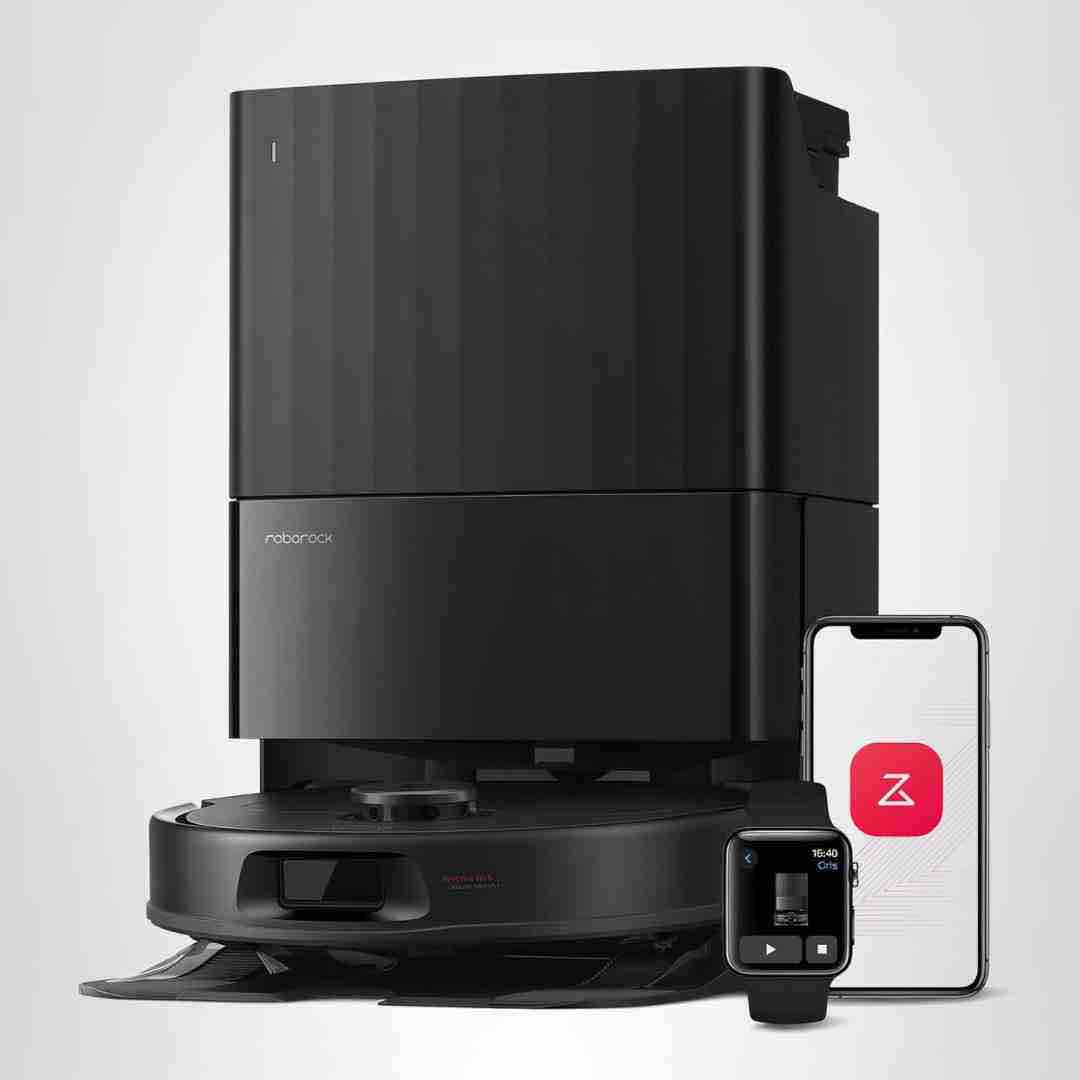
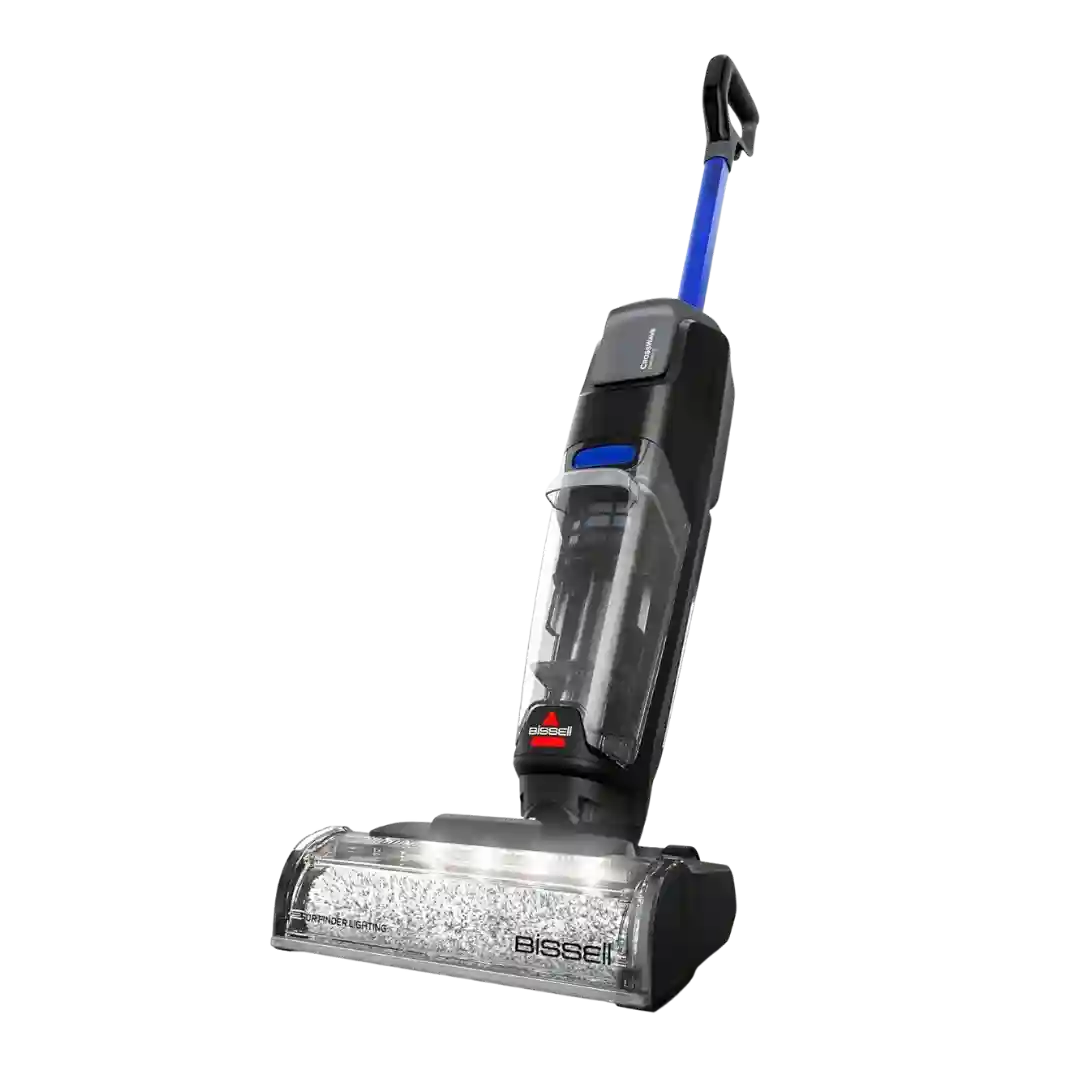
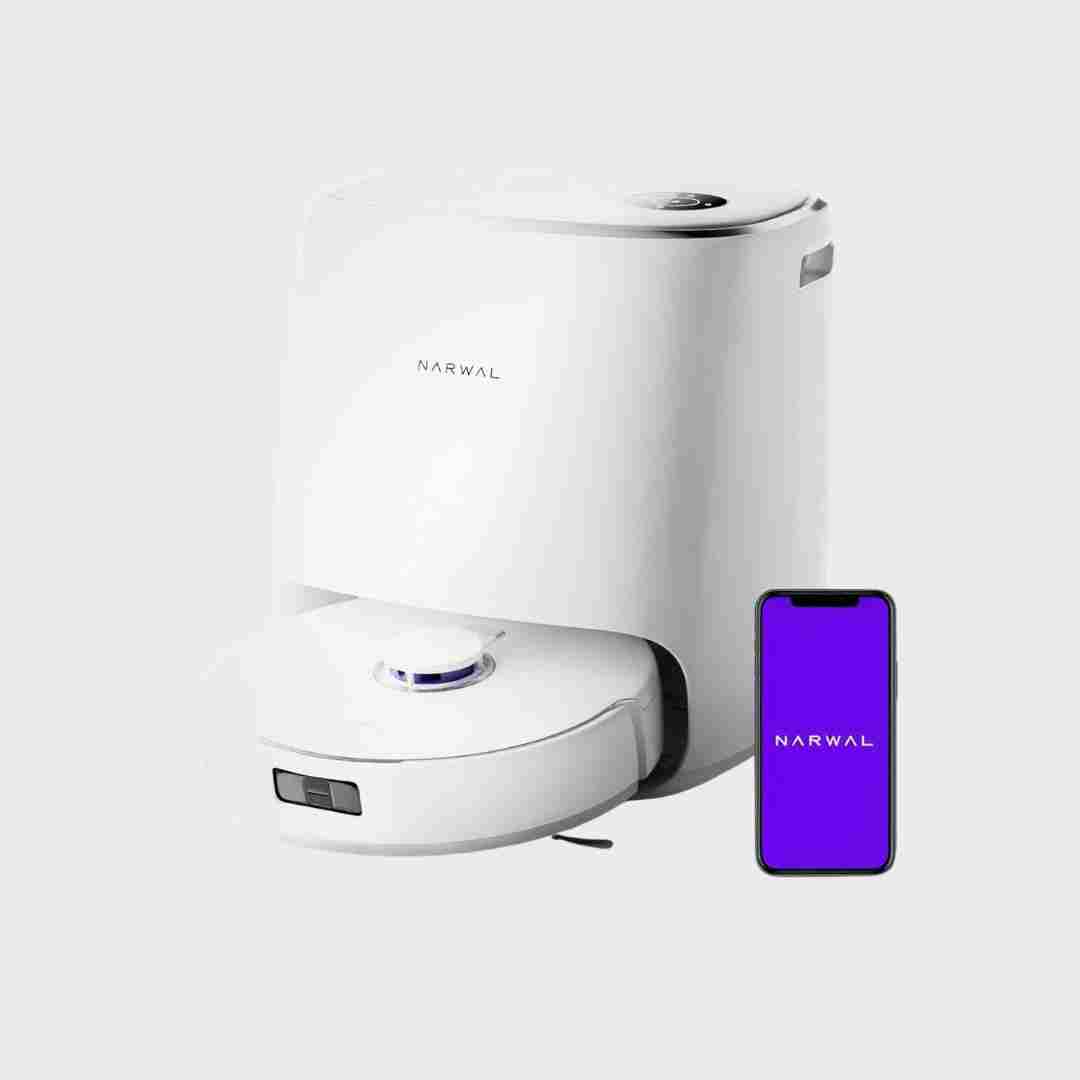
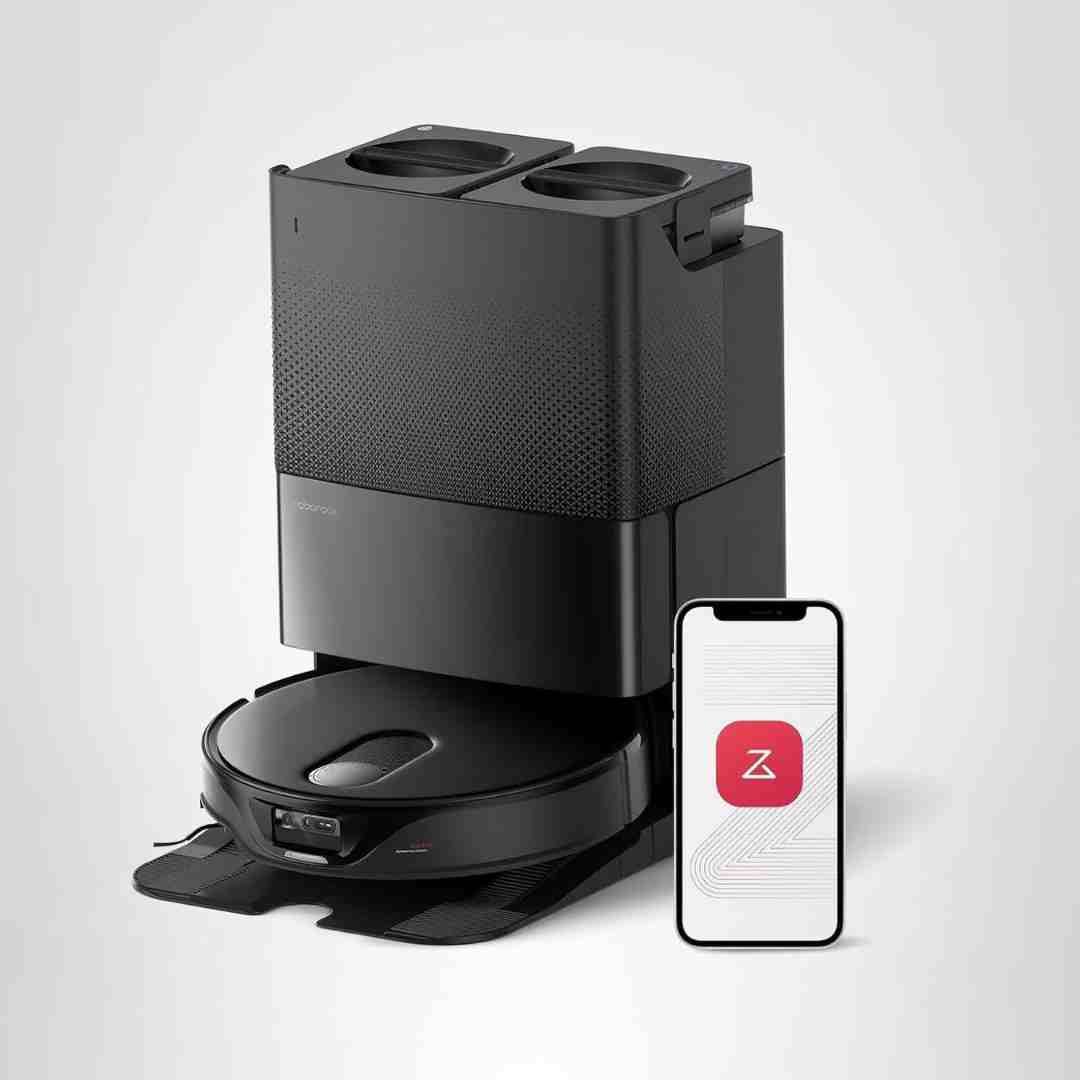
Mopping is often reported to leave a clean finish without puddles or streaks when water settings are dialed in, with only occasional reports of minor residue.
Streaking and residue are generally reported as reduced versus spinning-pad competitors, with multiple reviewers noting cleaner-feeling floors and less smear in messy mopping scenarios.
Streaking and residue are usually reported as minimal when pads are maintained and drying is used, though inconsistent pad condition or wet carpet contact can increase mess risk on some homes.
Streaking control is a consistent strength: several reviews mention fewer streaks and reduced dirty-water marks versus older mop designs. Floors are often described as shiny/spotless after runs, with only occasional exceptions tied to difficult messes.
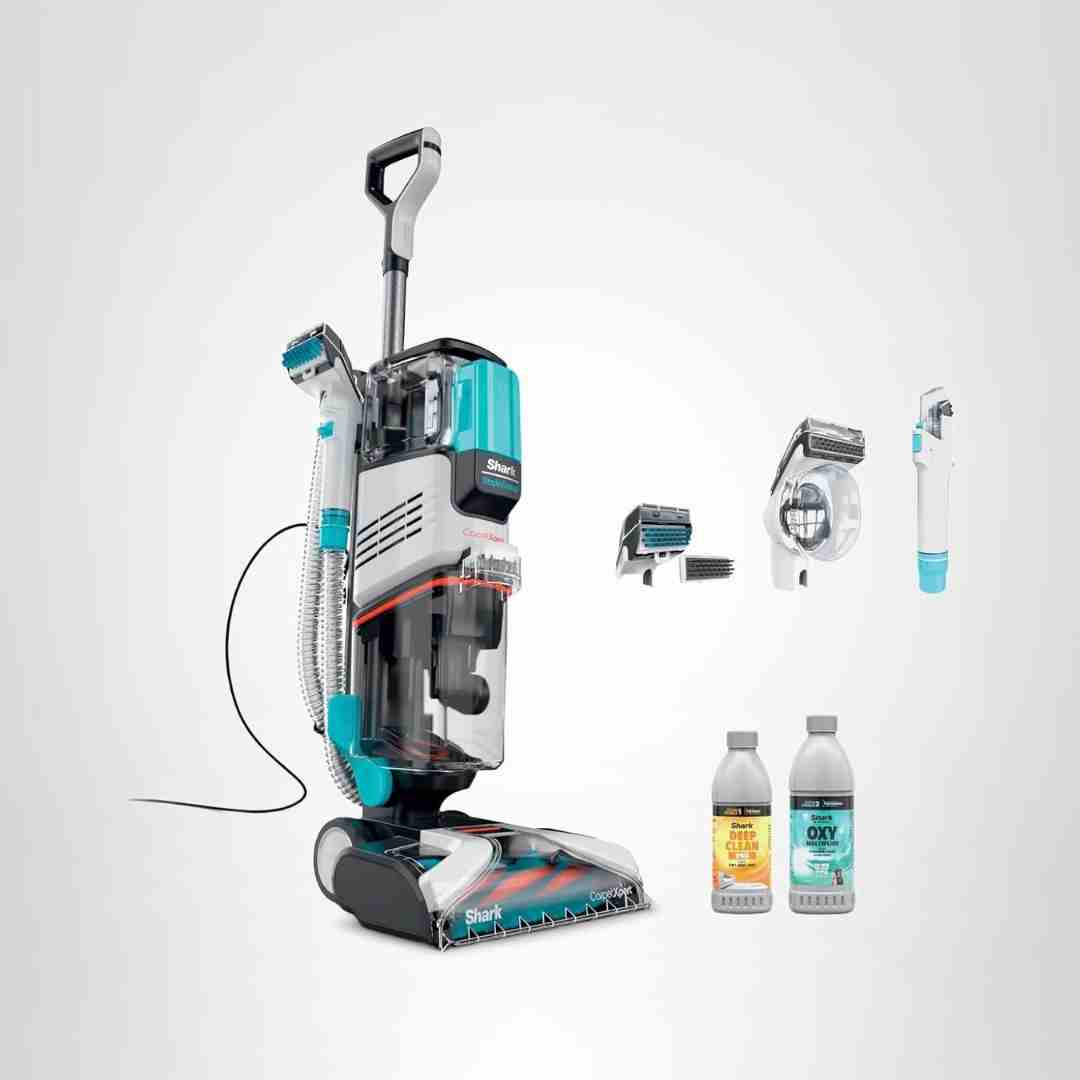
Most reviewers report low streaking, helped by the clean-water feed and scraper system that keeps the roller from smearing dirty water back onto the floor.
Streaking and residue are usually minimal because the roller leaves behind less water and self-scrapes; higher waterflow settings can still leave visible mop marks in some setups.
On sealed hard floors, mopping is reported to leave minimal streaks or water marks at moderate water settings; heavier wet settings can leave faint marks similar to a normal mop.
Hard-floor results are commonly described as clean with minimal streaking, with good water pickup and tidy finish; heavier dried messes may still require multiple passes depending on mode and technique.
Several reviewers describe mopping as streak-free thanks to continuous rinsing and self-washing, reducing dirty-water smears. Tough stains can still leave slight residue depending on the mess type and settings.
Streaking and residue control is usually a strength of the roller mop because it leaves less water behind, but a few reviewers notice visible tracks on light floors.
Rinse/water-only passes are repeatedly presented as the way to reduce leftover soap feel, residue, or stronger solution scent. One user specifically reports pulling up noticeable extra suds/soap during a rinse pass after a wash pass.
Streaking and residue are generally low for a robot mop; multiple reviews note that it leaves behind relatively little water and avoids the smeary look some pad-style mops can create.
Many reviews report low water left behind and good streak control, and some highlight adjustable moisture settings. However, a few stress tests (jelly or flour-and-water paste) left mild residue or streaks, indicating outcomes depend on mess type and settings.
Mopping is typically reported as streak free on hard flooring, but heavy muddy messes can smear on an initial pass before pad washing and follow-up cleaning improves the result.
Reports suggest generally low streaking on hard floors, aided by pad design and repeated cleaning, though some reviewers still note occasional residue near edges or after big messes.
Most reviewers report clean results without obvious streaks, and several explicitly say floors aren't left with streaking. A minority report potential dirty streaks on white tiles or when the extraction/water-delivery system is pushed hard.
Most reviews report little to no residue or streaking on typical settings, but some testing notes it can leave slightly more moisture than average, which may show on darker floors.
Many report clean, streak-free results, but at least one review experienced streaking frequently (notably during fresh spill pickup) and others mention occasional smearing depending on debris and technique.
Most users see clean, low-streak results, but thick or chunky spills can smear, and some reviewers notice streaking or residue on textured tile or during mop-lift transitions.
Most feedback suggests low streaking when the roller is clean and the right amount of water/solution is used; residue or streaks are more likely if maintenance is skipped.
Auto washing during/after jobs helps reduce dirty streaks on floors, but residue can accumulate on the dock tray and needs occasional rinsing to keep everything clean.
Streaking is an occasional complaint rather than a constant: some reviewers report clean, even drying, while others see visible streaks/residue depending on moisture settings and floor type. Fine-tuning water flow and detergent use is often implied as the fix.
Many reviews report minimal streaking and better-than-average wipe-and-lift behavior, but a few saw smearing when the pad was very wet or the pass was shallow.
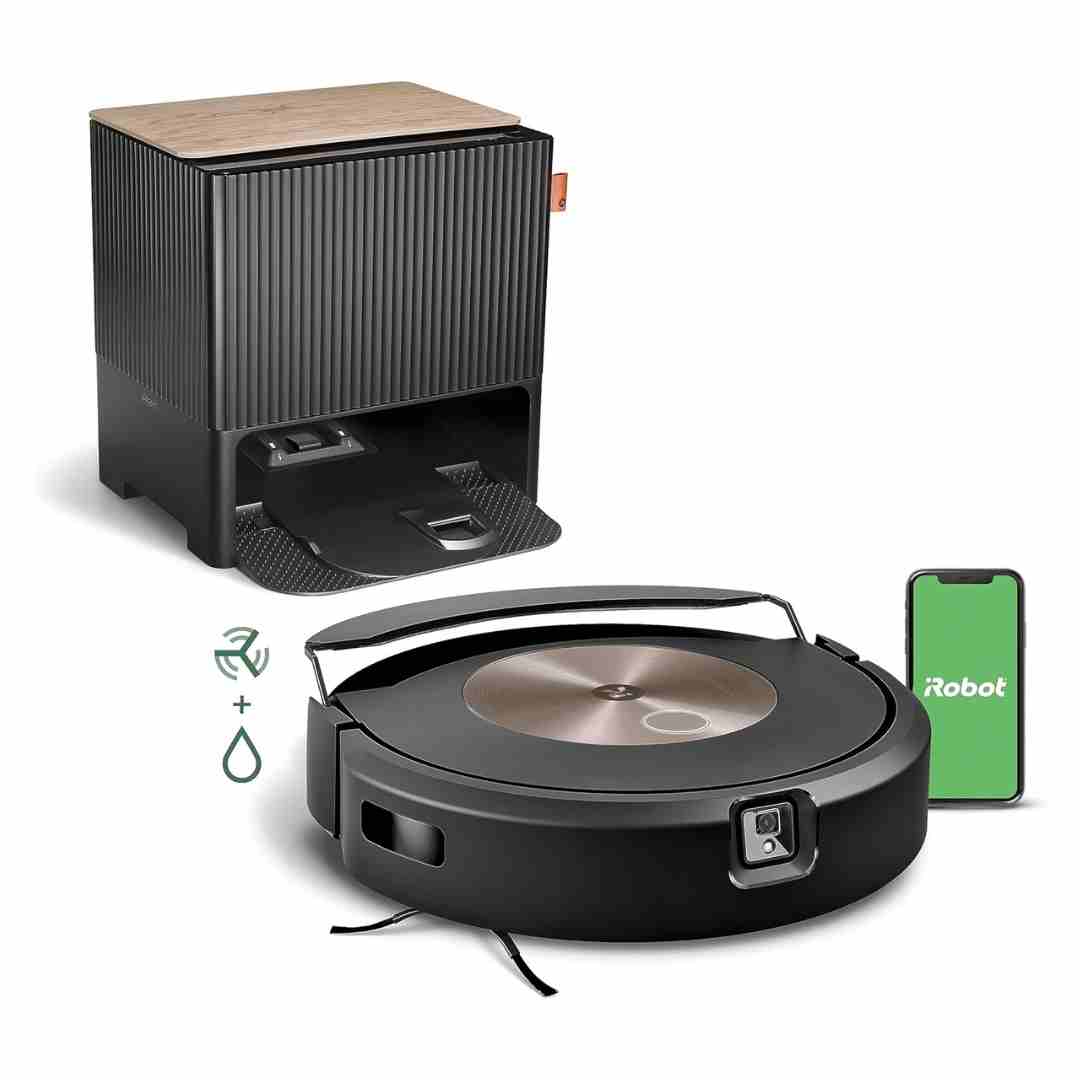
On heavier wet messes, reviewers note that a first pass can leave minor smearing, but the system’s remopping logic and/or two-pass patterns substantially reduce residue. For typical maintenance mopping, overall feedback remains strongly positive.
Residue is generally minimal when moisture is controlled (especially on rugs in refresh mode), but over-applying solution can leave surfaces wetter or require extra passes.
A few users saw temporary streaks or unevenness on the first pass, but report it cleared after an extra pass or reworking the area. No persistent residue complaints are prominent when the recommended process is followed.
Residue and streak control depends on settings: reviewers mention choosing mopping direction or dialing back aggressive modes to avoid over-mopping certain finishes. When configured, most describe clean results without problematic streaking.
Residue and streaking are usually minor, but some reviewers notice occasional streaks or sticky patches after messy tests like jam/jelly. Regular pad washing and appropriate water/solution settings help reduce visible streaking.
Water residue/streaking is generally well controlled in testing, but some real-world cases show light smears or residue transfer when dealing with powdery messes or when pads contact rugs.
Some users report an even, streak-free finish and visibly shinier floors, while another notes that backward movement can smear more than with some competing wet/dry vacs (consistent with many floor washers being optimized for forward passes).
Streaking feedback is mixed: some reviewers report even, non-streaky results, while others describe streaks or uneven pickup, especially on tougher messes.
Most everyday mopping reports do not emphasize streaking, but a few stress tests show residue or streaks on sticky messes. Overall streak performance appears above average, with occasional exceptions on challenging stains.
Streaking and smearing can happen when water output is high or when tackling big wet messes; several reviews say dialing settings down helps, and it appears improved versus some close siblings.
Streaking or residue is generally low on routine cleans, but some tests report smearing on wet spillages or slight stickiness after heavy mopping. A follow-up pass after pad washing usually improves the finish.
Some reviewers saw occasional streaks or leftover stickiness after syrup/honey-style messes and noted random small puddles in certain cases, while others reported clean, shiny results.
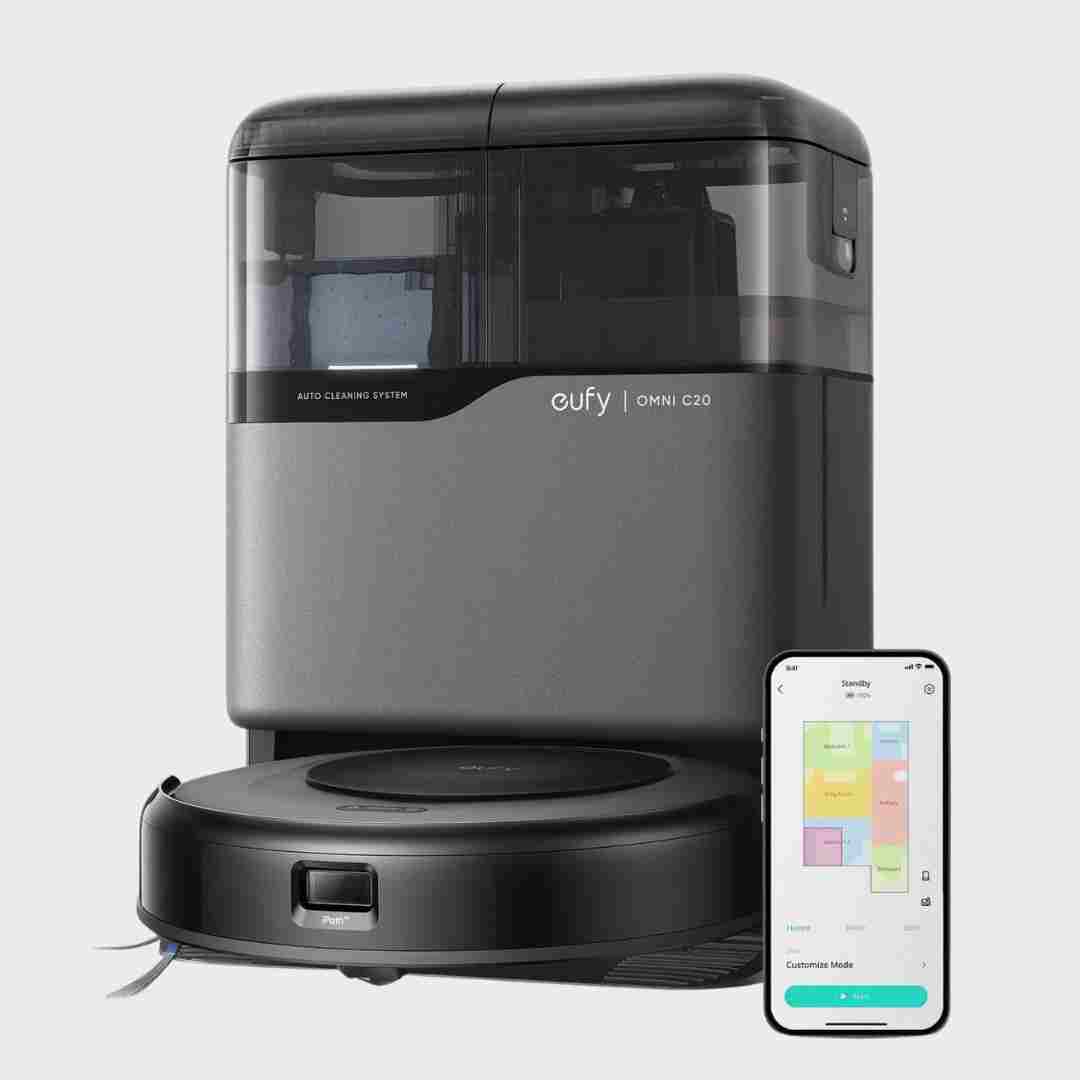
Some reviewers report minor streaking or residue when using very high water flow or on messy sauces, especially near edges/corners. Results improve after the dock washes pads and with cleaning solution reducing stickiness.
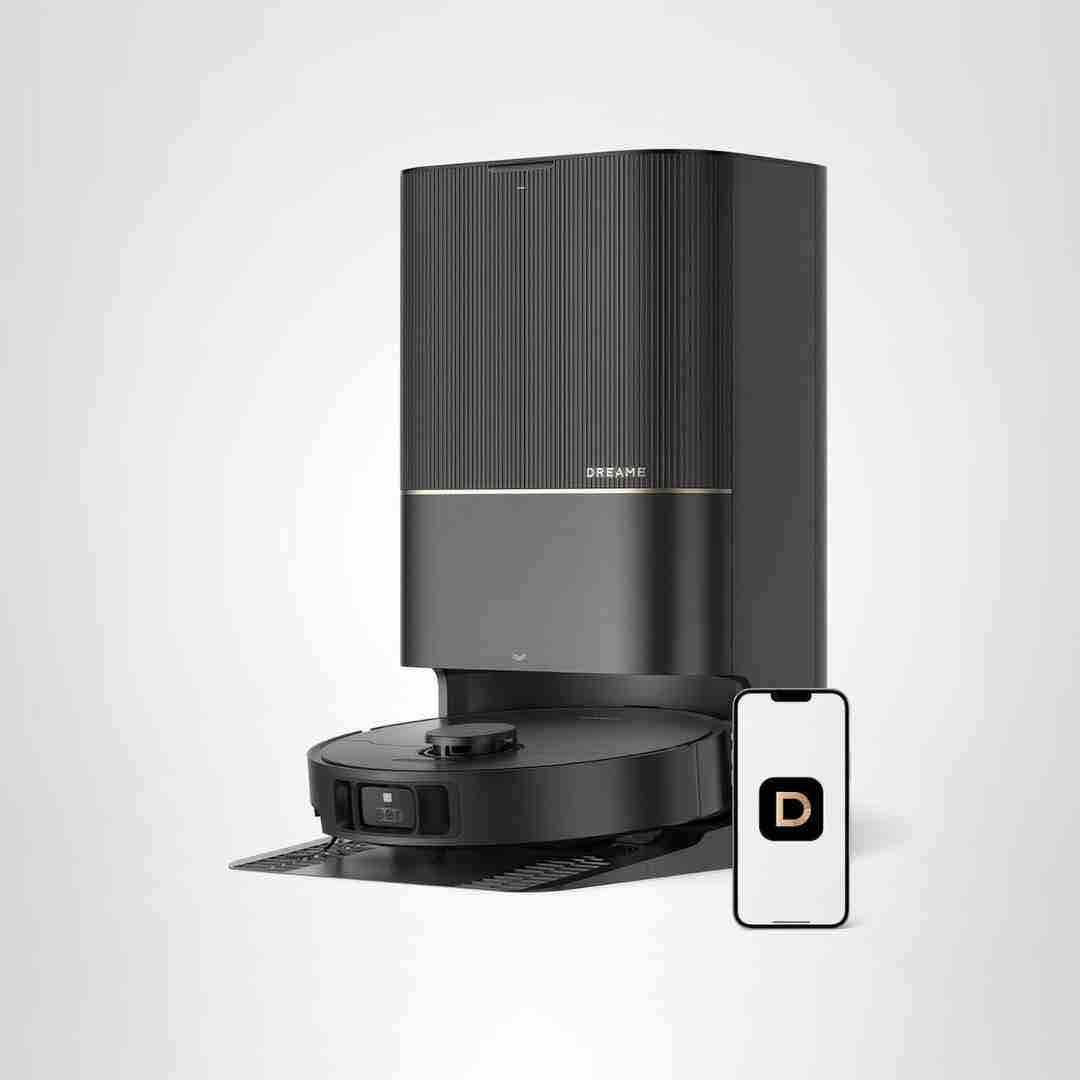
Streaking/smearing can appear during heavier mopping, especially when pads get saturated with dirt, but reviewers also note it can improve when the dock rewashes pads or when pad-wash frequency is increased in the app.
A few tests show smearing can happen on muddy prints or when pads carry dirty liquid before they are washed. Users note that extra passes, better floor-direction settings, or more frequent pad washing can reduce residue.
Residue/streaking is generally controlled thanks to pad design and detergent options, but sticky sauces/honey can leave light tackiness that needs extra passes or manual spot work.