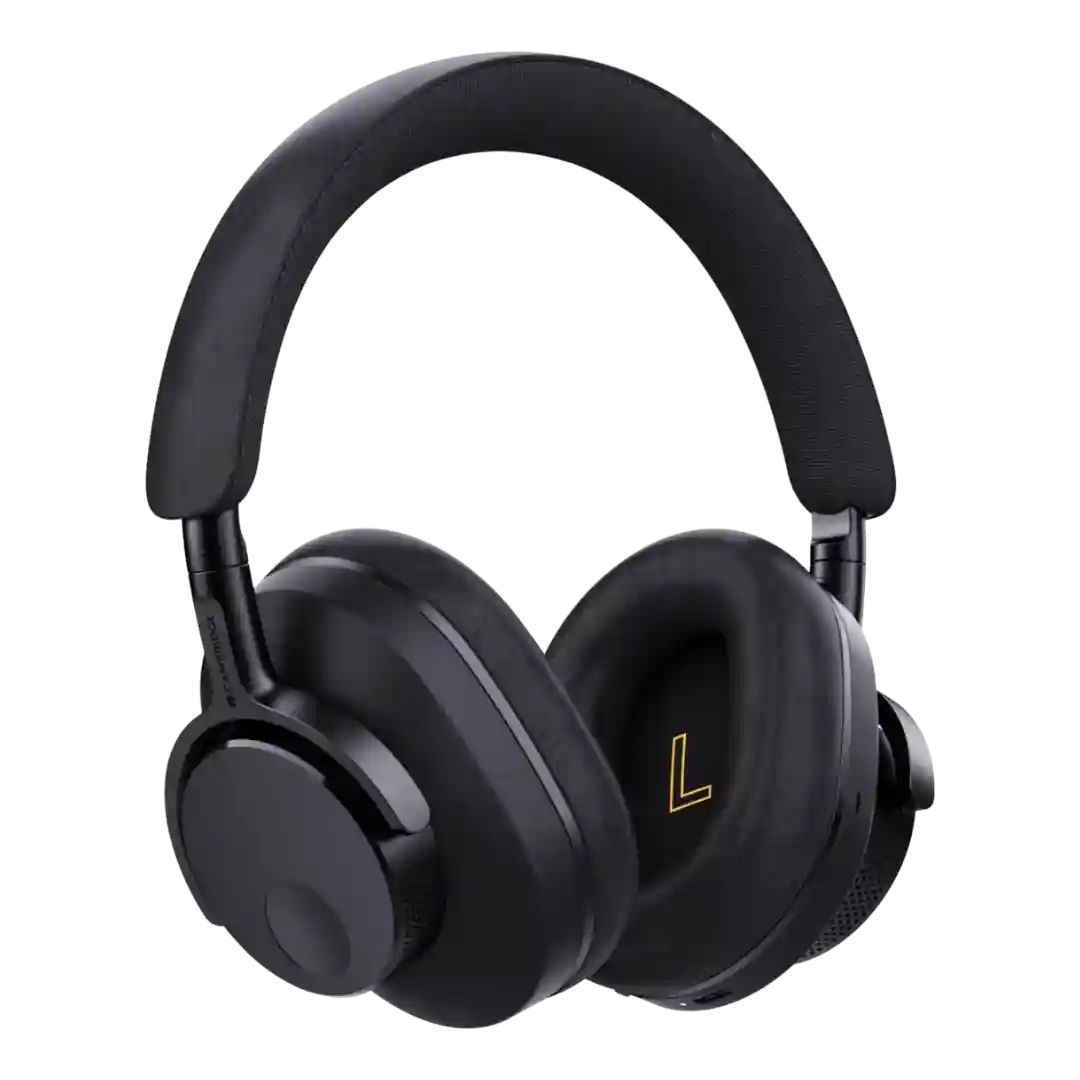
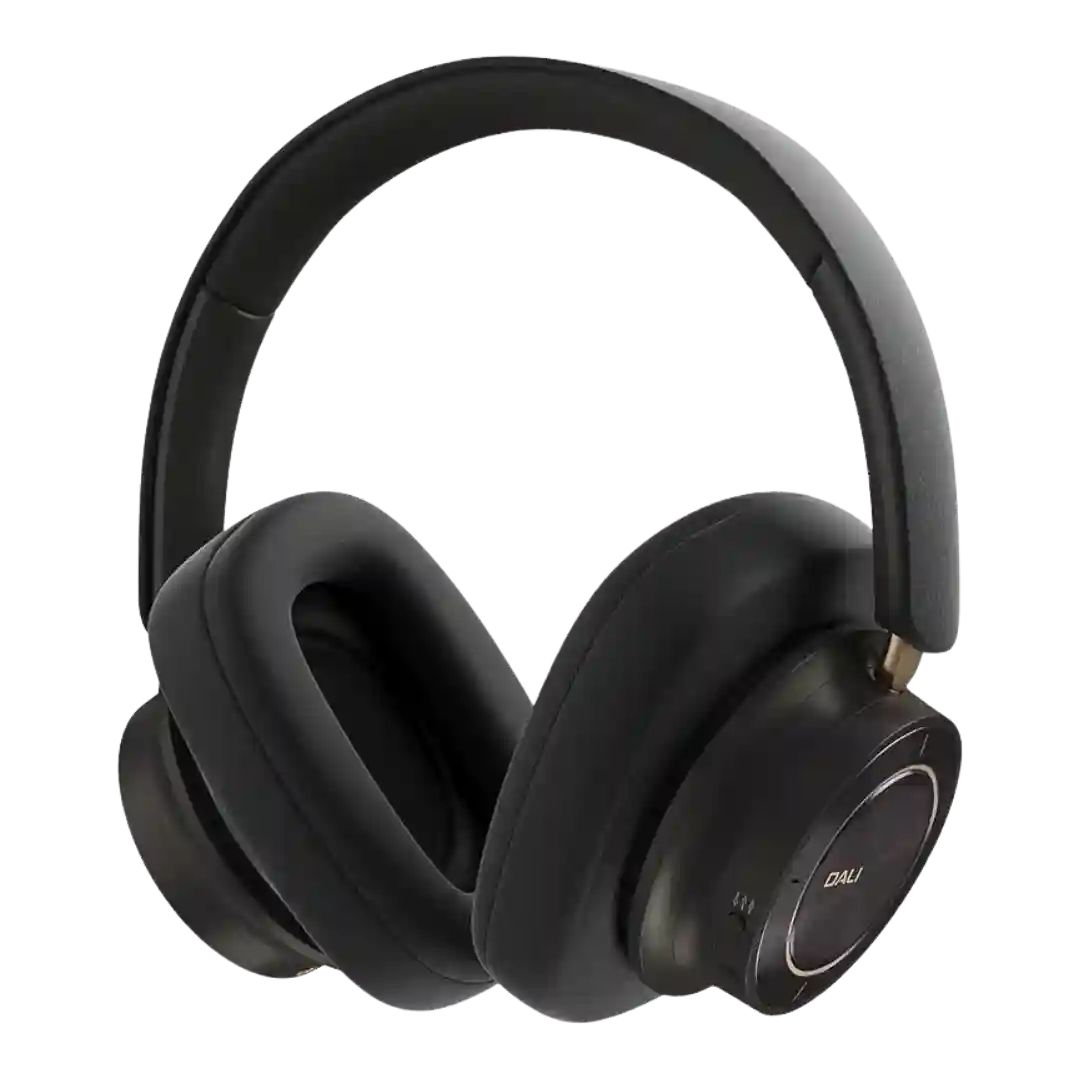
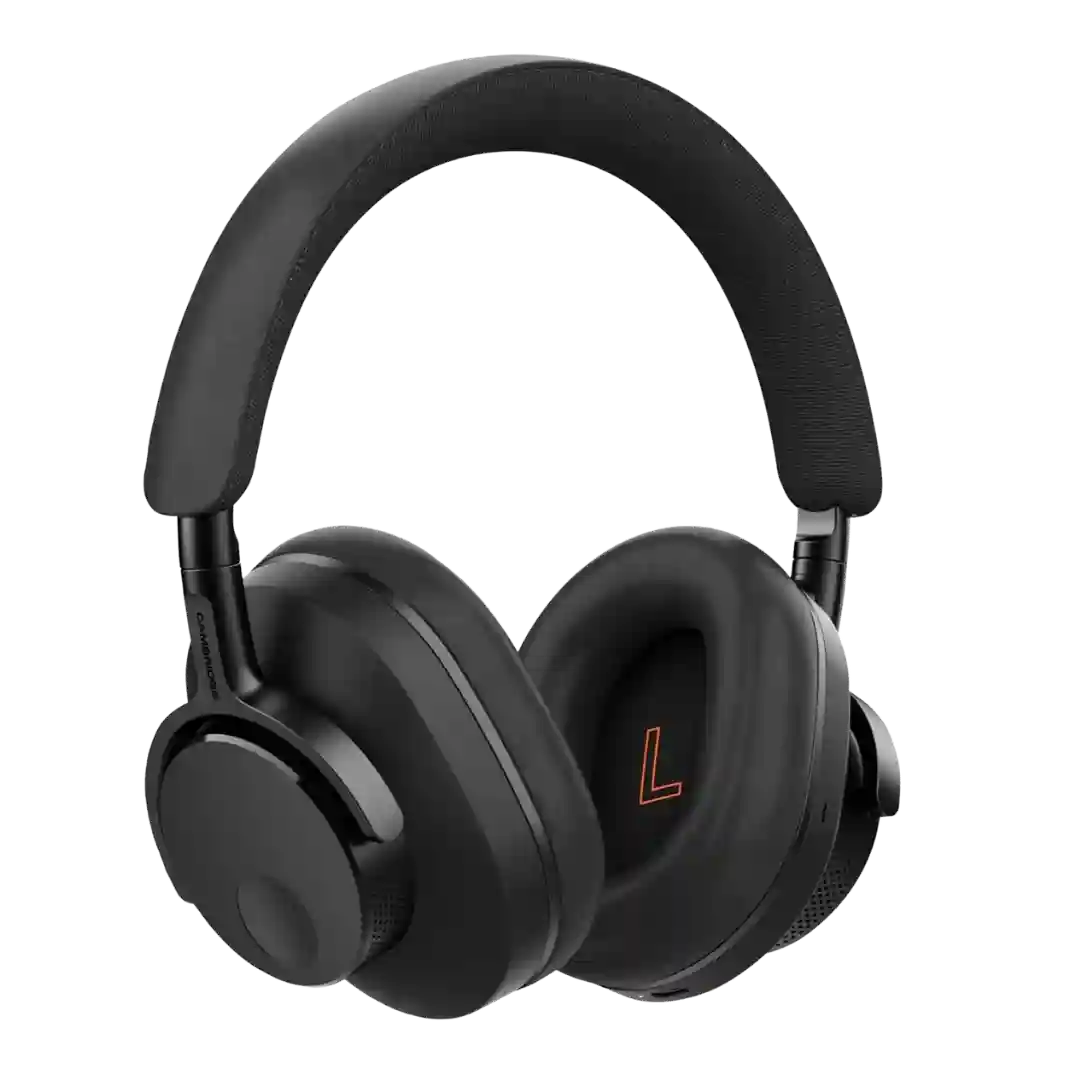
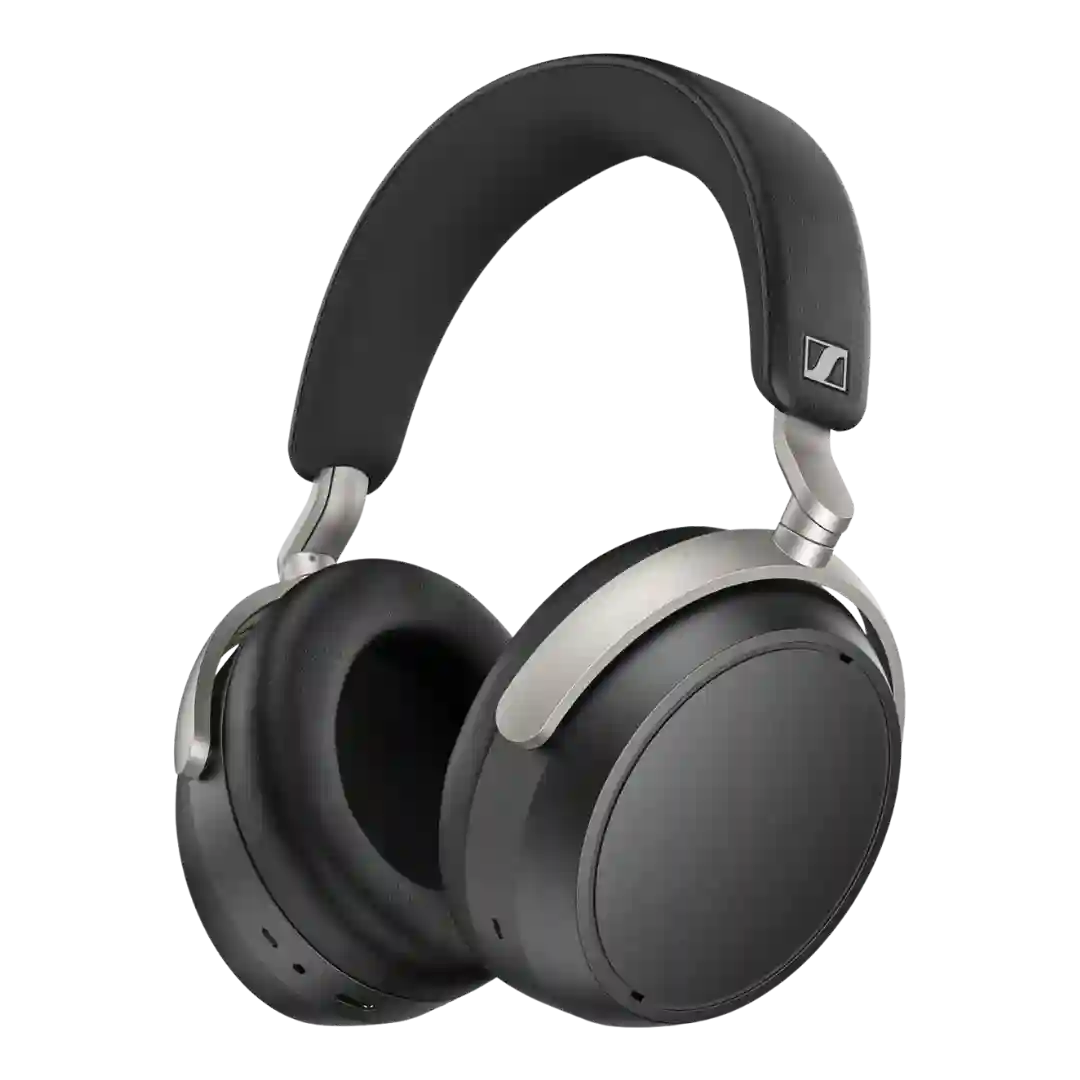
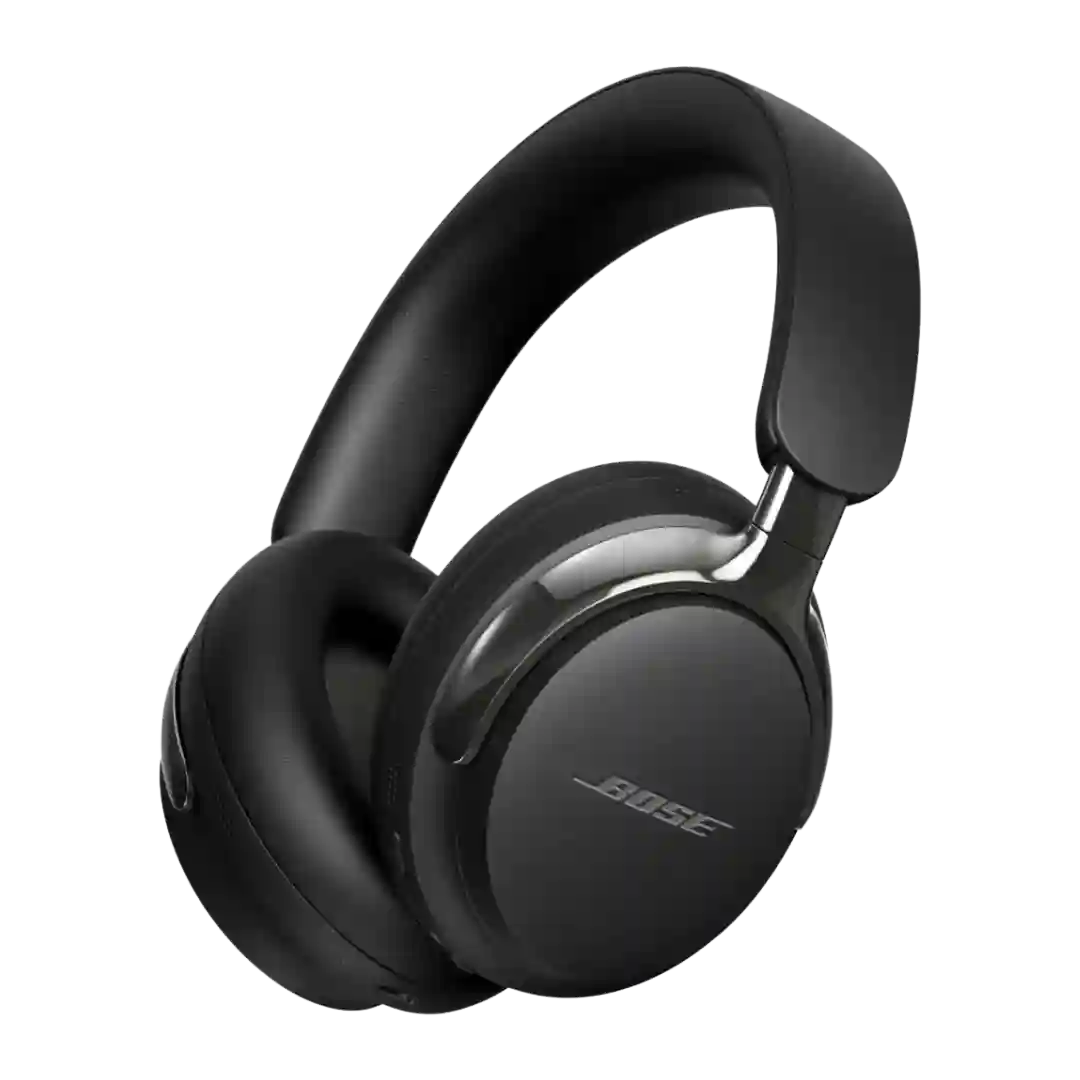
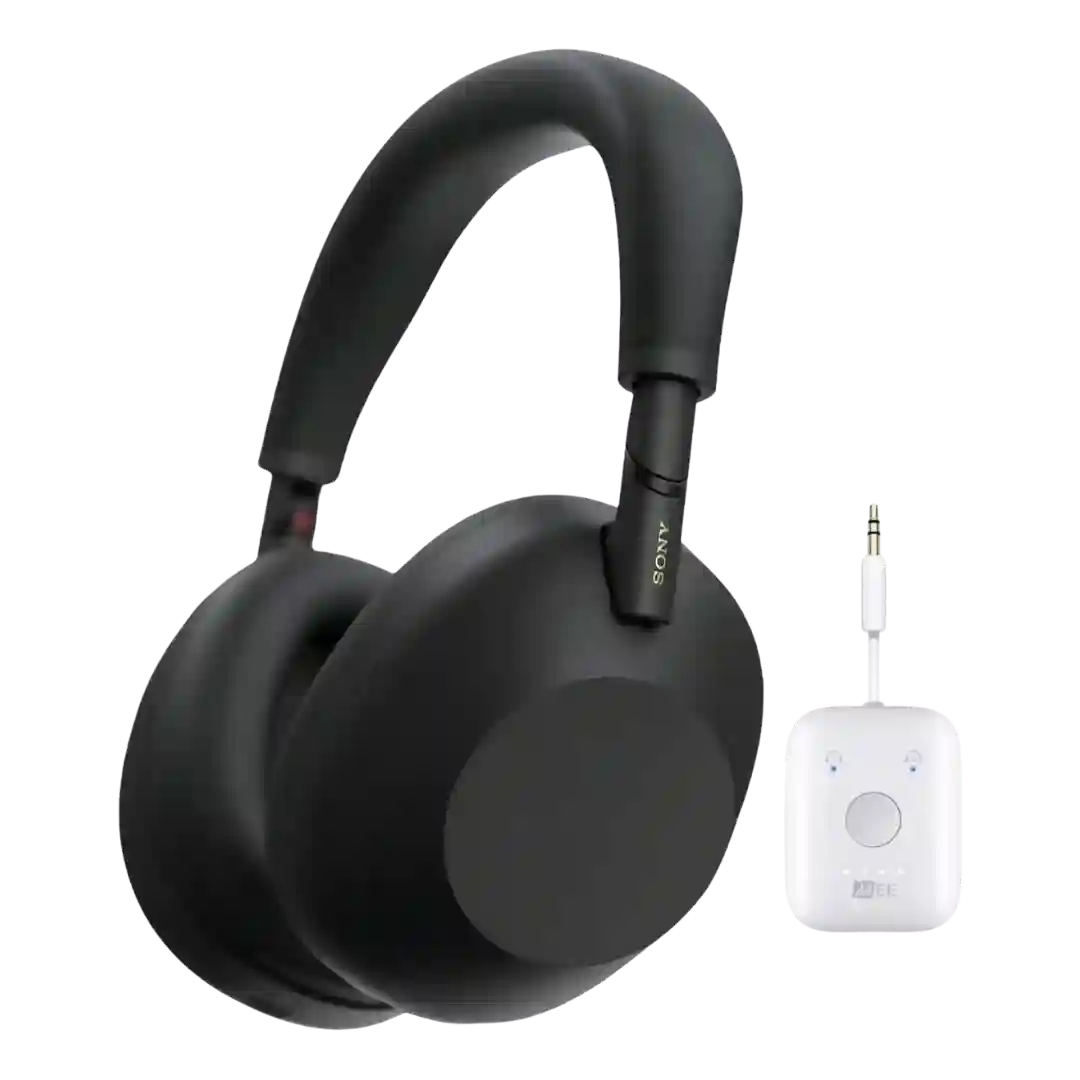
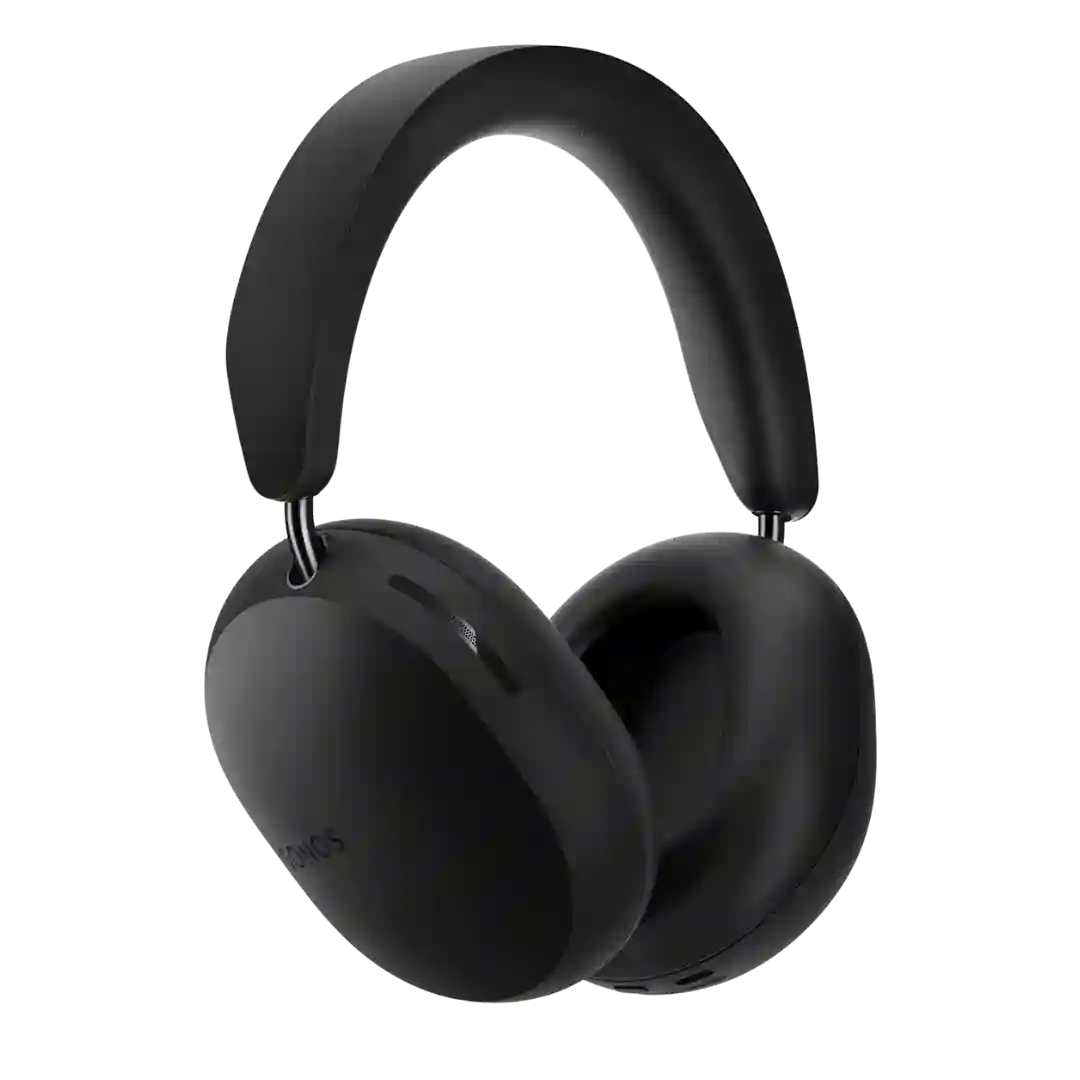
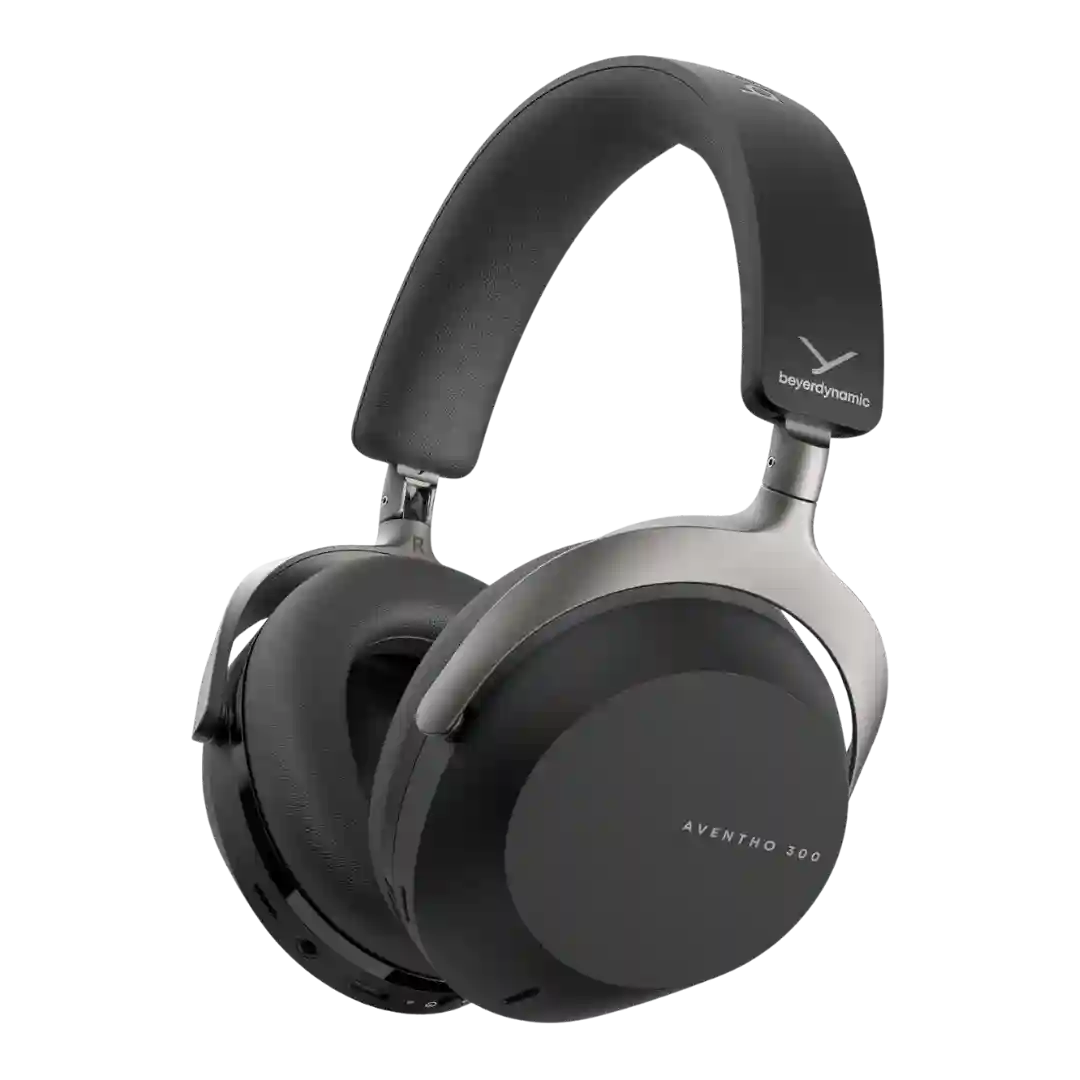
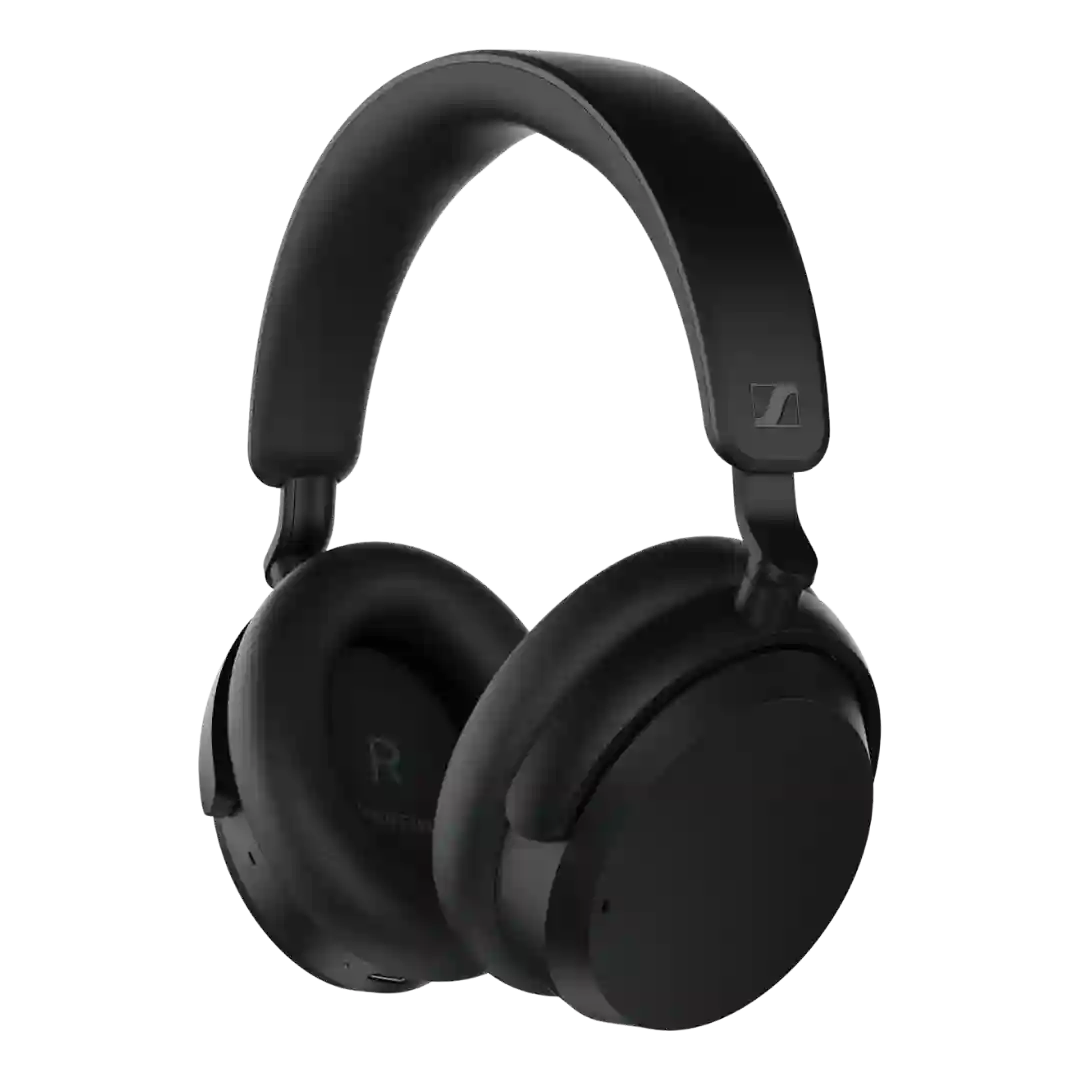
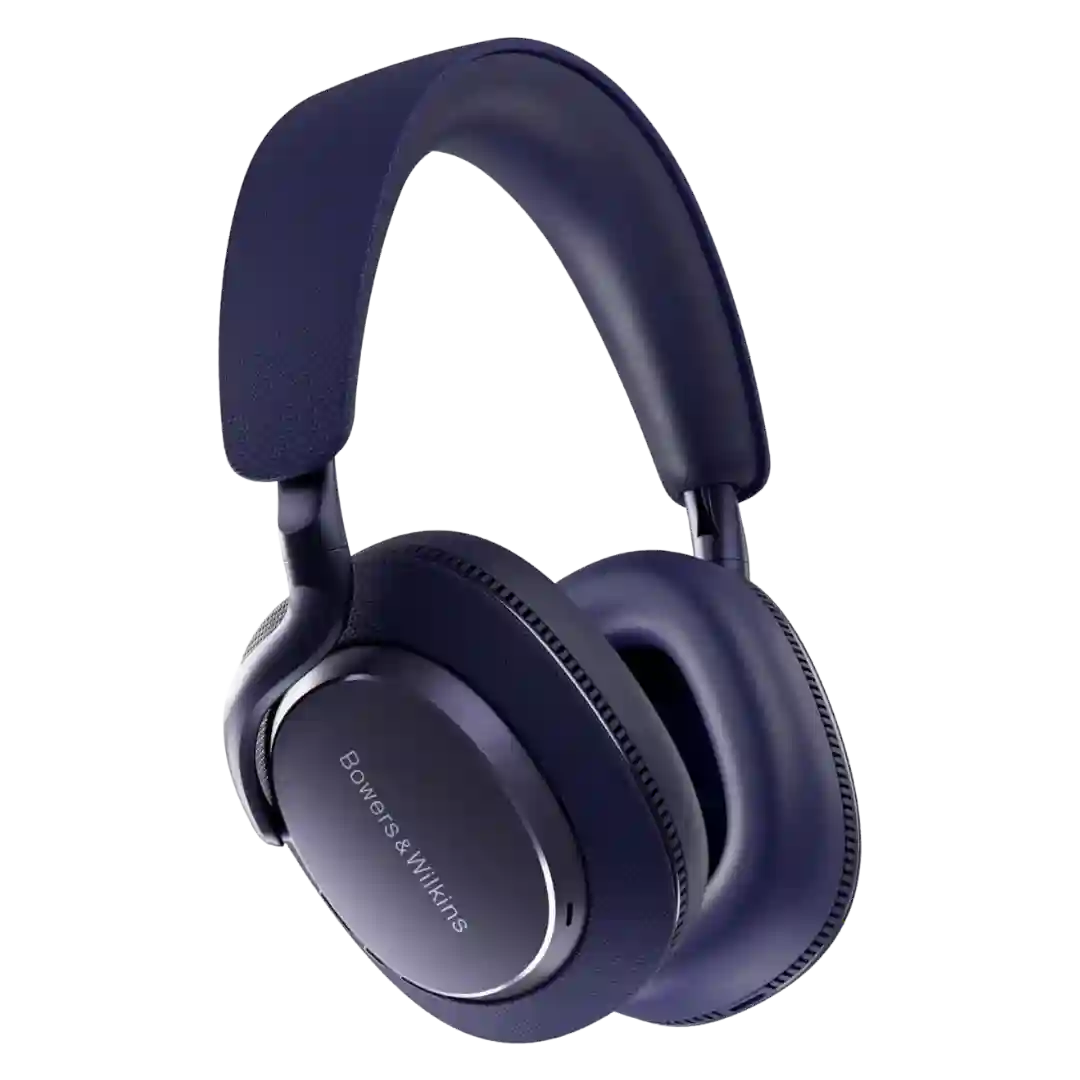
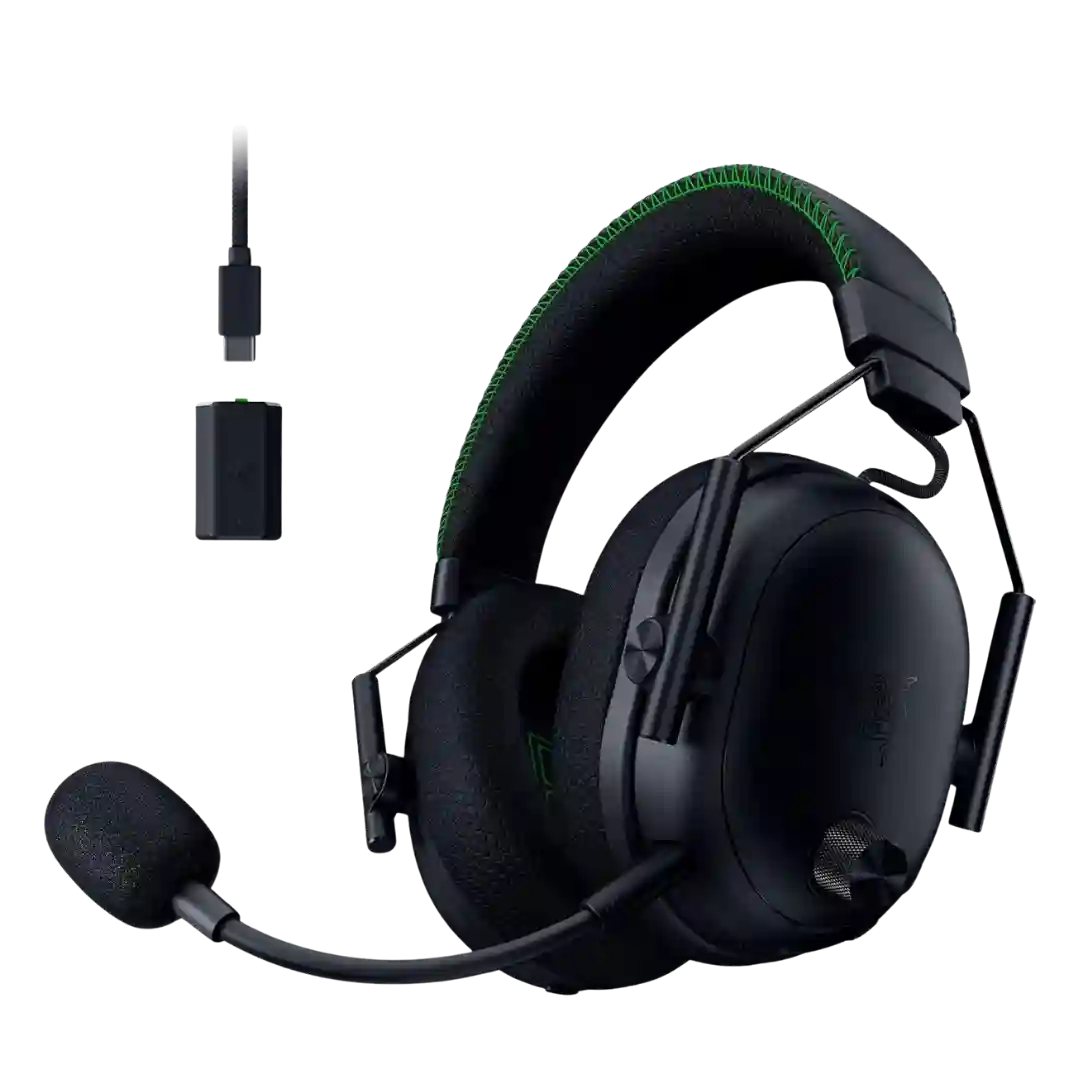
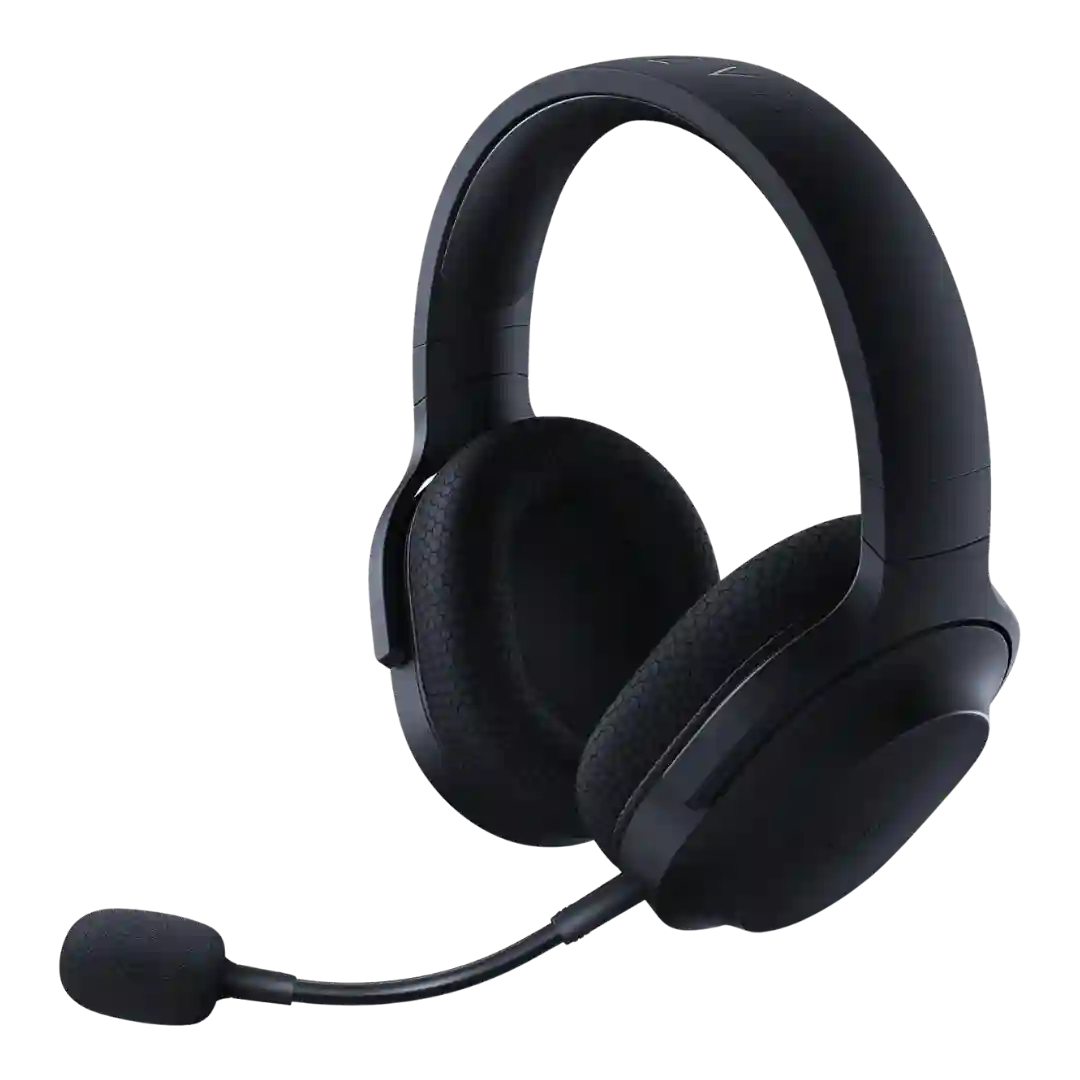
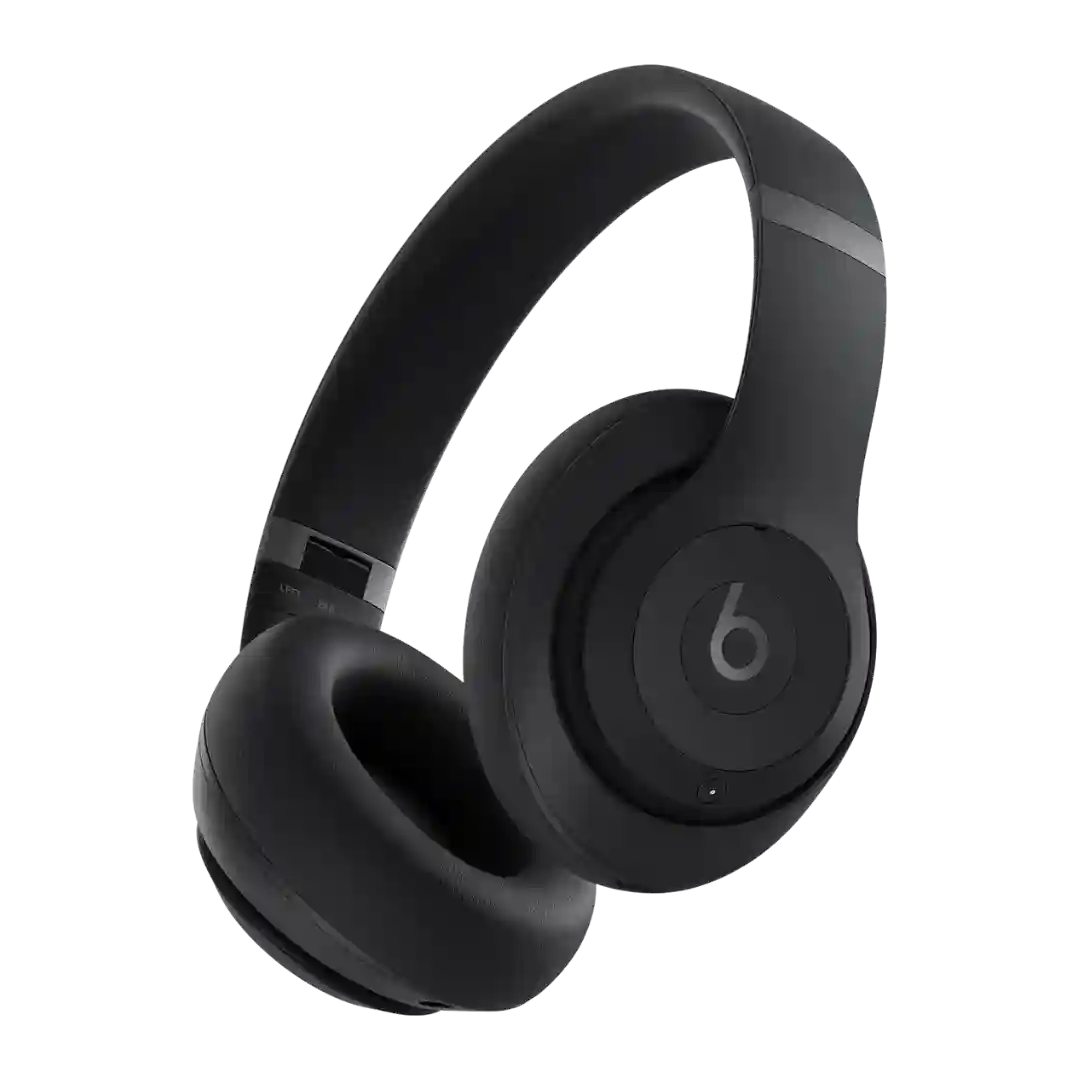
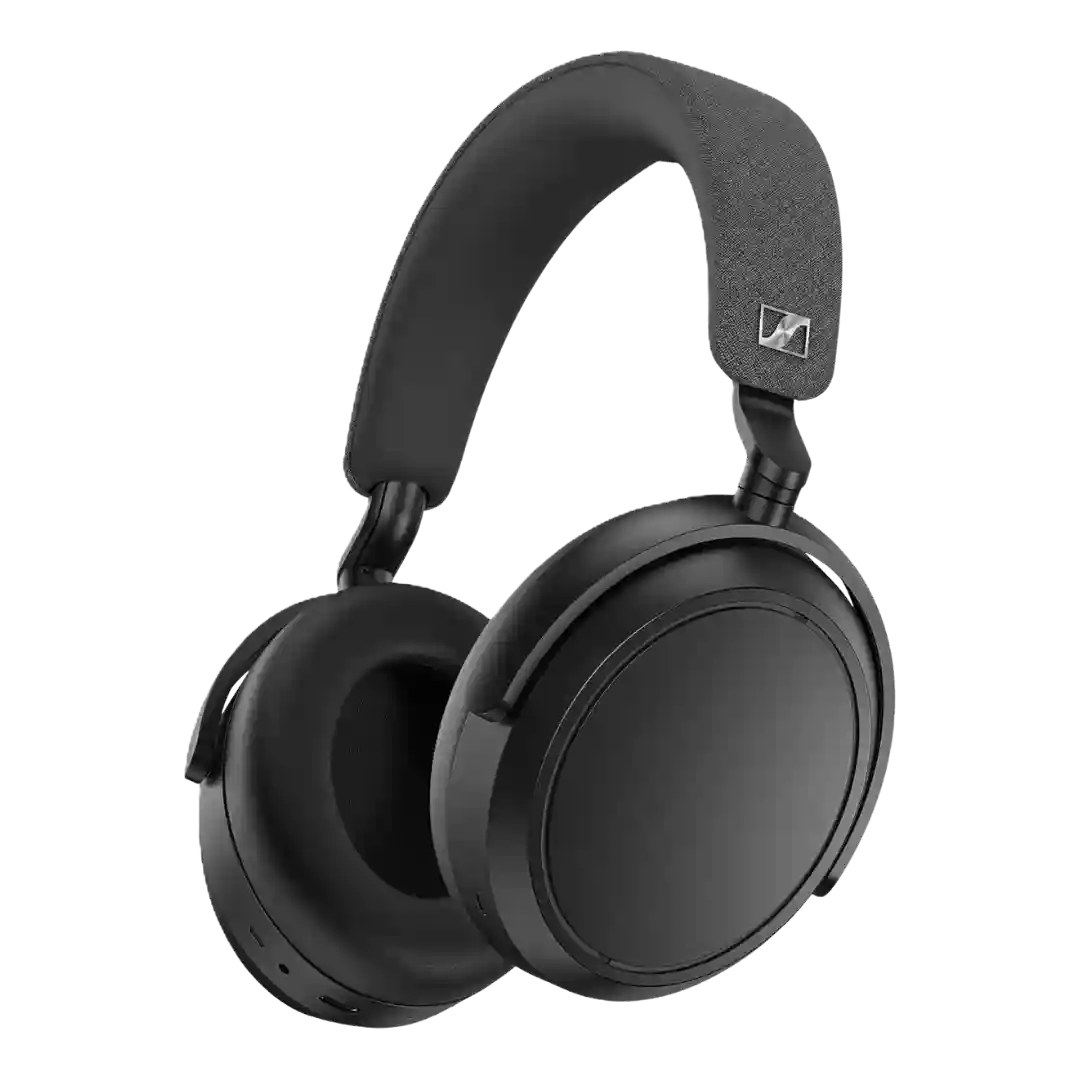
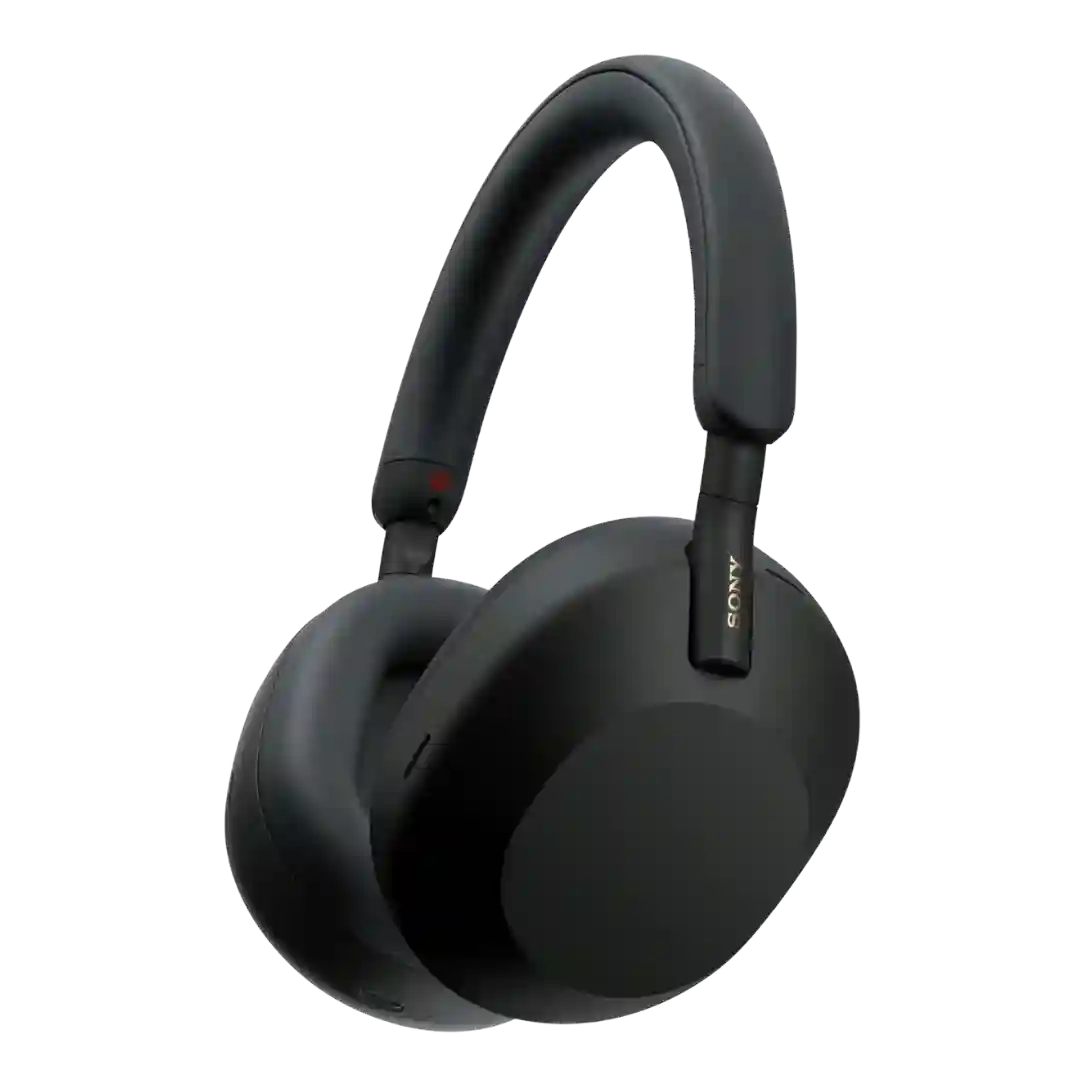
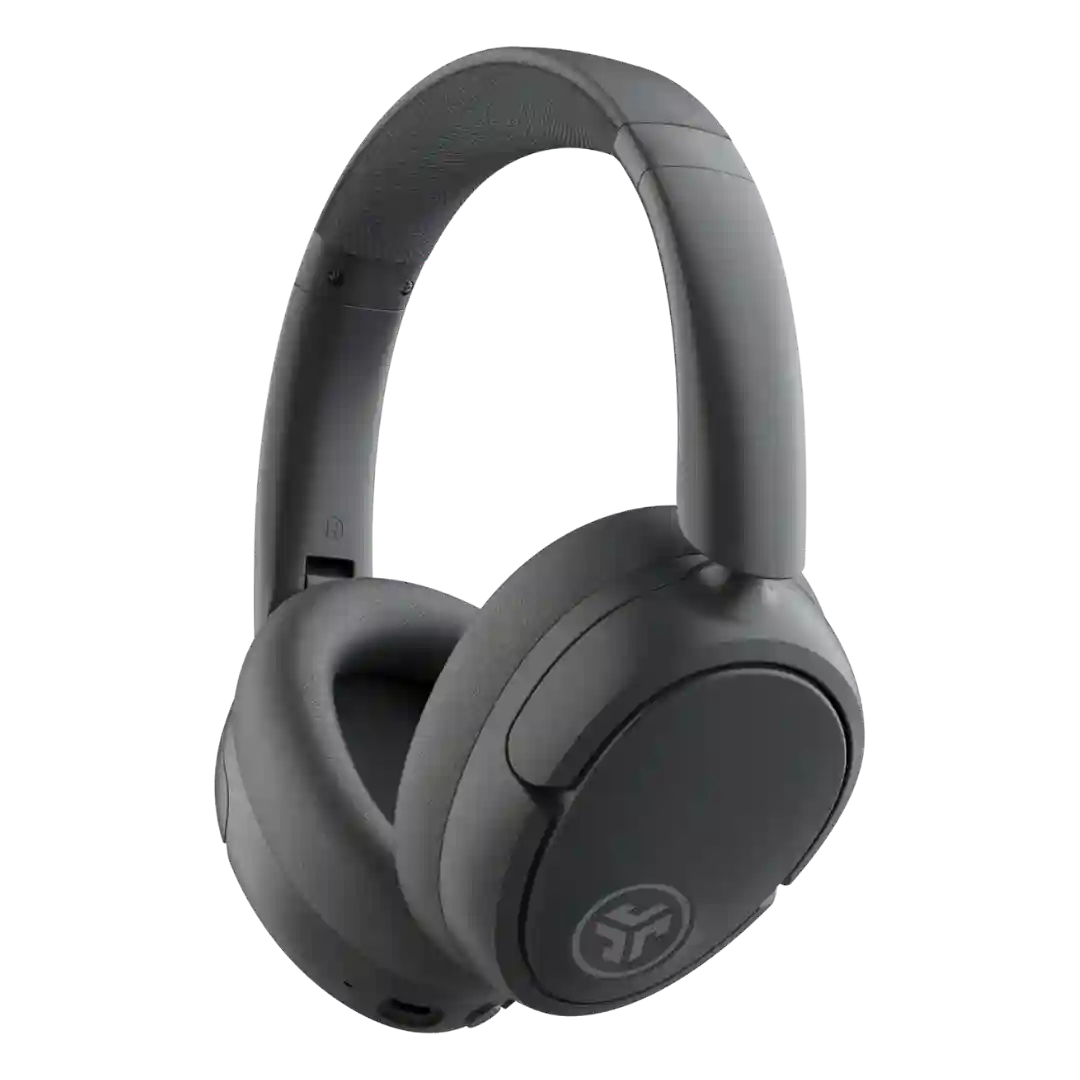
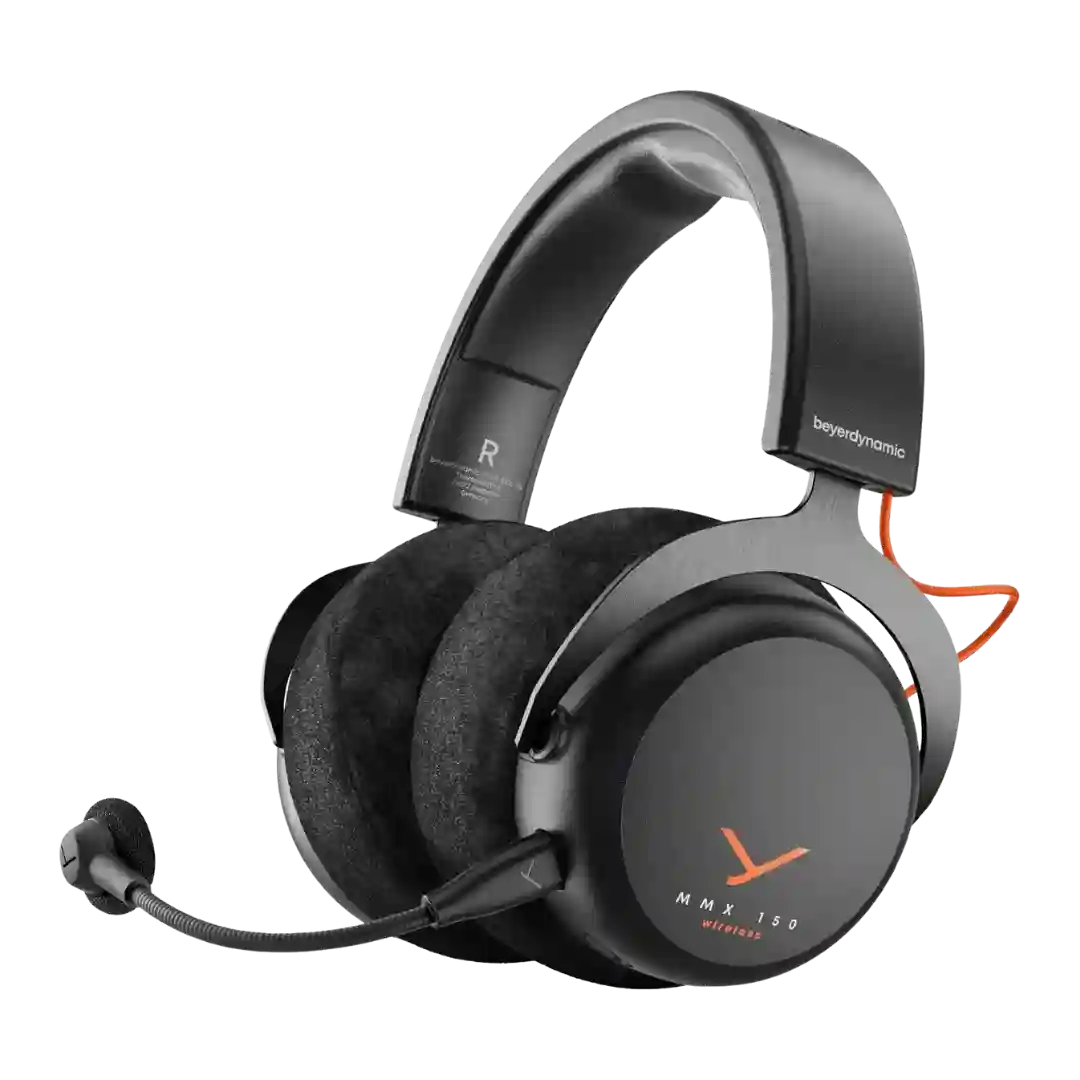
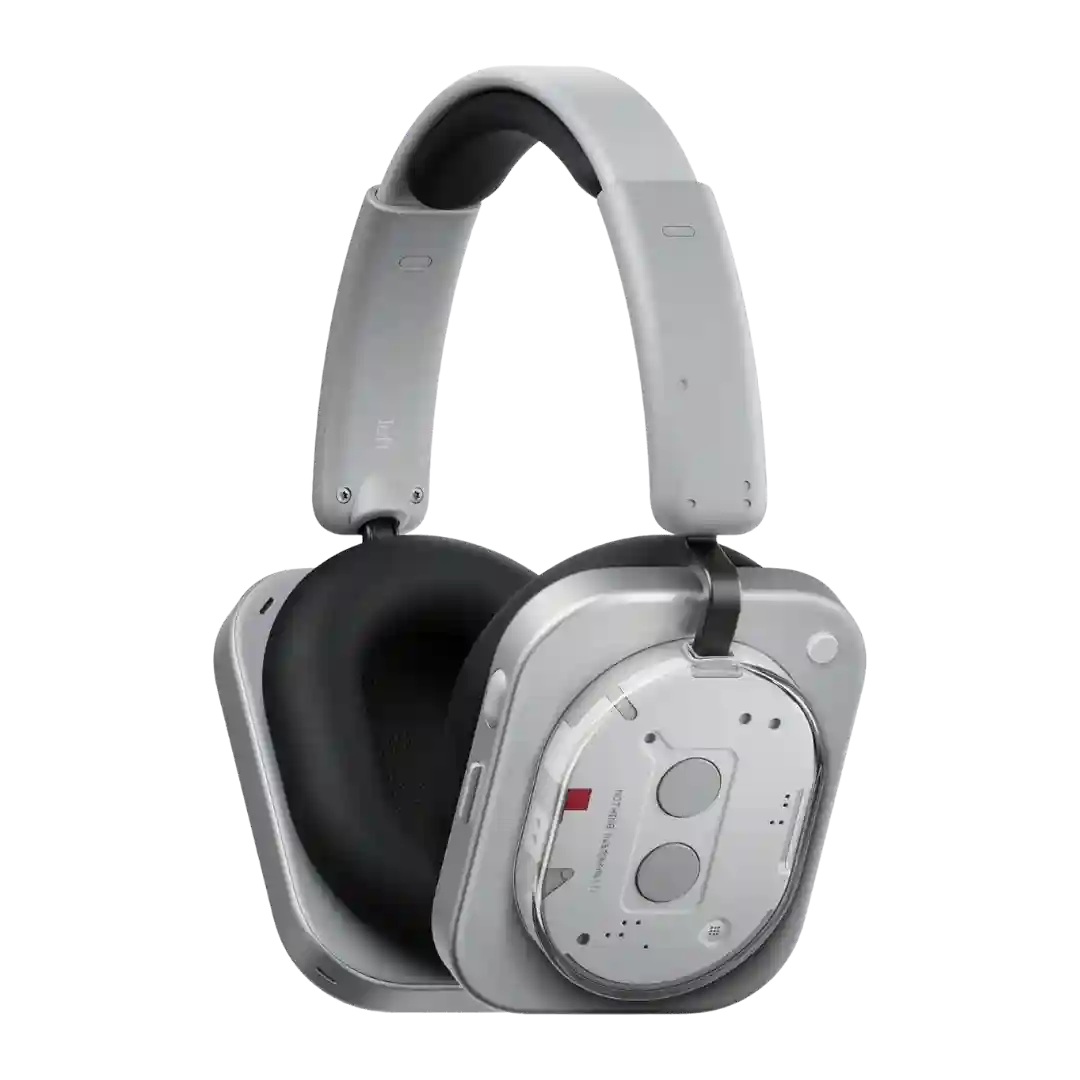
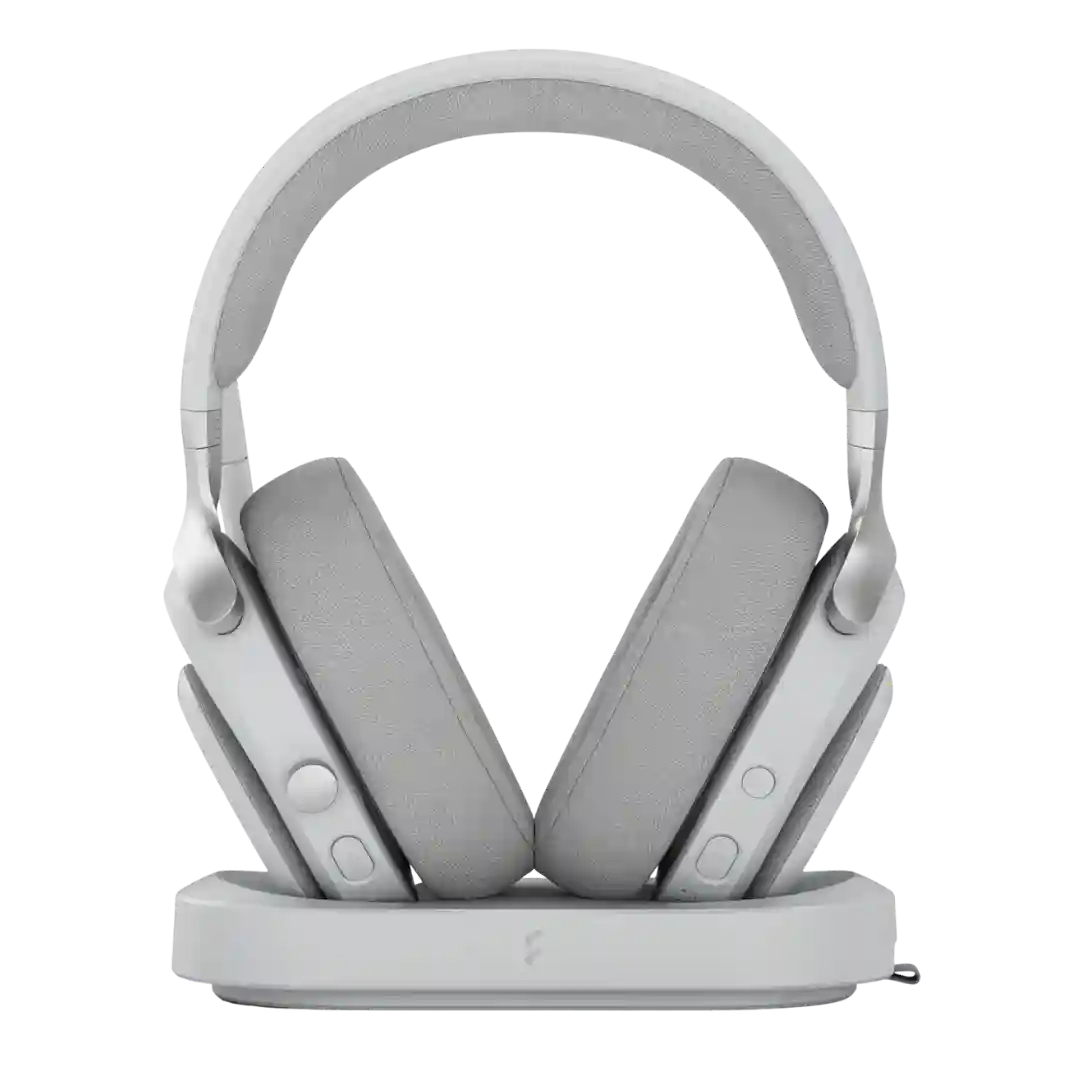
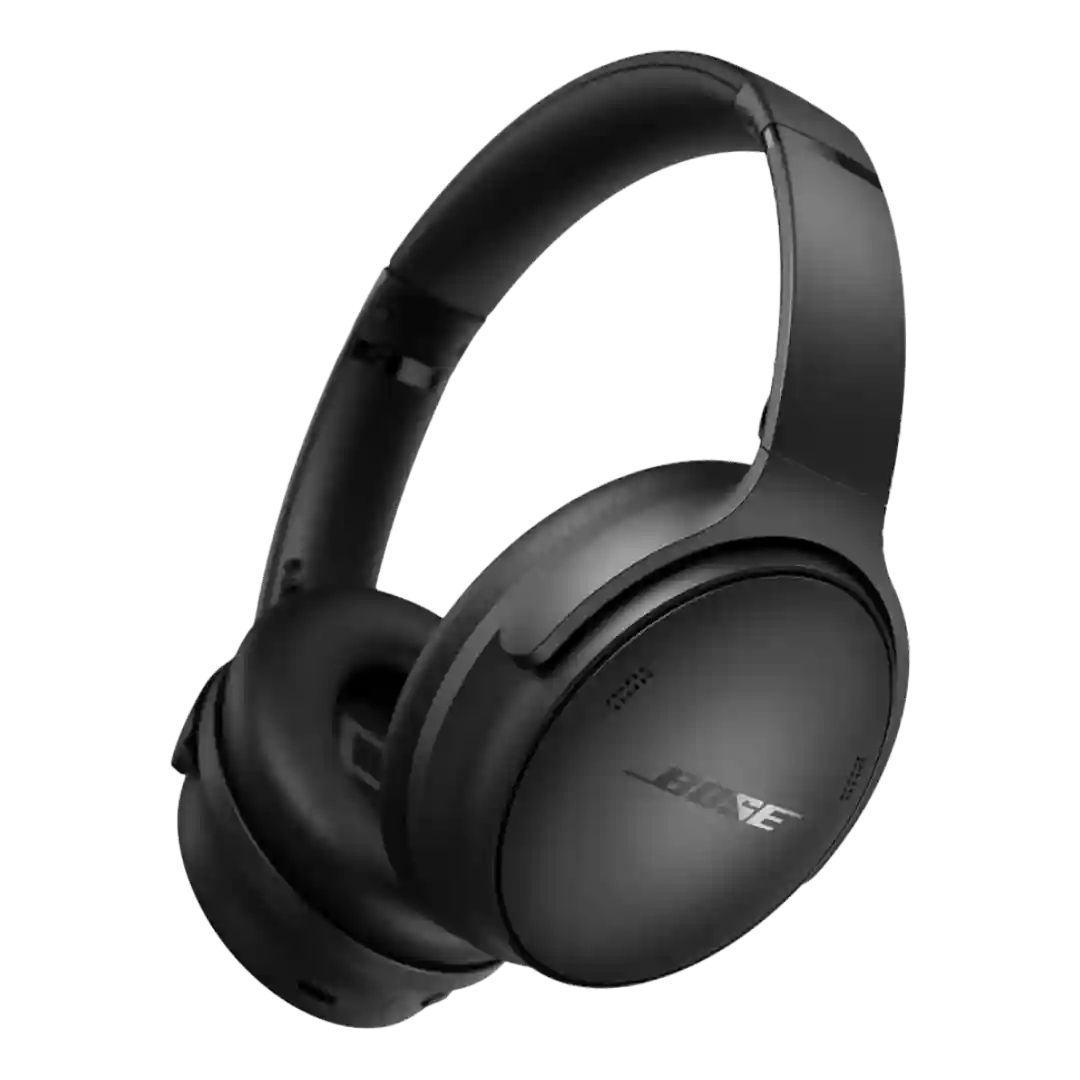
Wired playback over USB-C is often praised for improving fidelity and consistency versus Bluetooth; analog connection via the included adapter cable is also supported.
Wired sound is often described as equal or better in resolution than wireless, with USB-C and 3.5 mm options; passive use is supported, and some recommend listening powered on to benefit from onboard DSP.
Wired listening via USB-C (and via included USB-C to 3.5mm cable) is described as a strong option, often sounding excellent and sometimes driving higher volume than Bluetooth.
Wired playback (especially via USB-C) is often cited as the cleanest, most resolving path. Analog input works too, but the headphone typically still relies on internal DSP and battery power.
Wired playback (especially over USB-C) is frequently described as clearer or more detailed than Bluetooth, with the bonus of charging-while-listening; analog wired is also supported for older sources.
Wired listening via USB-C or the included adapter is generally praised for cleaner, more reliable playback and for enabling lossless or lower-latency use cases. Few reviews report meaningful downsides beyond needing cables.
Wired listening via USB-C is supported and often described as clearer or more detailed than Bluetooth, though some reviewers hear only modest gains. A few notes mention wired operation may require power and can be finicky depending on source and cable.
Wired audio options are seen as a valuable fallback for controllers, consoles, and dead-battery situations. Most reviewers find wired sound acceptable, though a few mention cable-related handling noise or platform-specific wired limitations.
Wired listening is regularly reported as cleaner and more cohesive than Bluetooth, with USB-C hi-res support offering a noticeable uptick for some listeners. The tradeoff is that USB-C audio disables ANC and transparency, and convenience depends on your devices ports or adapters.
Wired audio can sound tighter and more stable than Bluetooth in some reports, but at least one review warns wired listening can degrade significantly if the headphones are not powered on.
Wired sound can be close to wireless when the headset is powered on, but passive wired listening (powered off) is commonly described as noticeably worse.
USB-C wired listening is generally praised as a quality fallback for higher-quality playback, though some reviews note the headphones may need power for wired use.
Wired USB listening is sometimes described as a bit cleaner and less prone to interference than analog, and one review suggests wired USB can slightly tame problematic treble behavior.
Wired listening over USB-C and/or 3.5mm is frequently mentioned; some reviewers note slightly improved clarity when wired, but not a dramatic transformation.
Wired listening is supported and commonly cited as useful for travel and low-latency needs; at least one reviewer notes passive operation when the battery is dead.
Wired listening can sound clearer than Bluetooth in some reviews and serves as a practical backup; reports differ on whether passive wired works when fully depleted versus requiring power for ANC/EQ.
Wired listening works via USB-C using the included cable and is often described as clean and low-latency, but convenience varies because there is no built-in 3.5mm jack and some report you may need power for wired use.
Wired listening via 3.5mm is supported and generally works well when powered. Some notes suggest passive/off listening changes the sound and is less impressive.
Multiple sources note the headset is not intended for wired audio use; the USB-C port is typically framed as charging rather than a true wired listening mode.