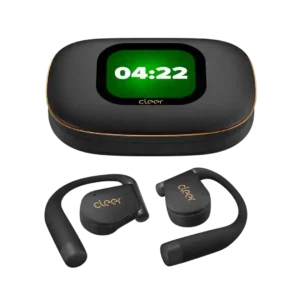
Multipoint switching between phones, tablets, and computers is consistently viewed as convenient and seamless, reducing the need to re-pair devices.
Pros: Instrument separation, Multipoint connectivity reliability
Cons: Noise isolation (passive)
Multipoint switching between phones, tablets, and computers is consistently viewed as convenient and seamless, reducing the need to re-pair devices.
Pros: Instrument separation, Multipoint connectivity reliability
Cons: Noise isolation (passive)
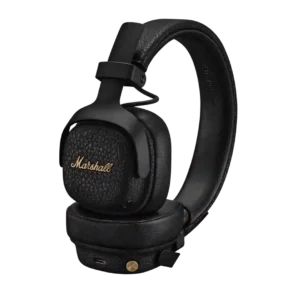
Multipoint is a standout success, switching smoothly between two phones or across phone, tablet, and computer setups.
Pros: Multipoint connectivity reliability, Codec support
Cons: aptX, Smart Pause performance
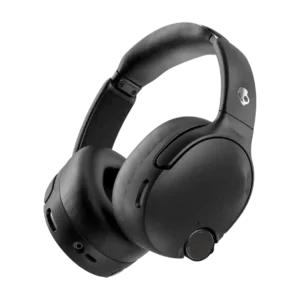
Multipoint switching worked flawlessly in direct testing between an Android phone and an iPhone. Playback handed off cleanly without needing to reconnect devices.
Pros: Treble clarity, Instrument separation
Cons: Codec support, Headband adjustability

Multipoint connectivity can handle two devices cleanly, and at least one long-form test reported flawless operation.
Pros: Microphone noise reduction, Multipoint connectivity reliability
Cons: Water/sweat resistance rating, Gaming performance
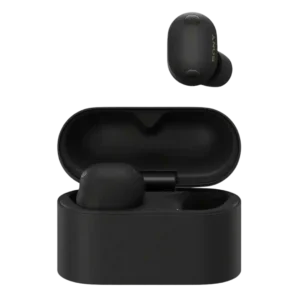
Multipoint was consistently useful and reliable in most testing, with reviewers highlighting seamless switching and simultaneous two-device use.
Pros: Maximum volume clarity, Audio-video sync accuracy
Cons: Sidetone adjustment quality, Software/setup simplicity
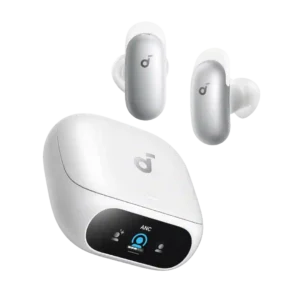
Multipoint is a standout convenience. Reviewers like connecting up to three devices and switching between work, phone, and laptop, although LDAC tradeoffs remain.
Pros: Maximum volume clarity, Noise isolation (passive)
Cons: Apple H2 chip support, Treble clarity
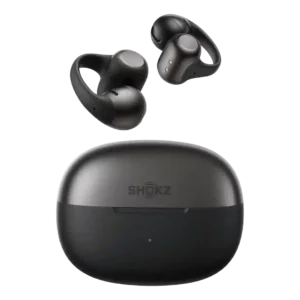
Multipoint is a strong everyday feature, with smooth switching between phone and laptop or dual-phone tests. Reviewers who used it generally found it reliable and easy to manage in the...
Pros: Android compatibility, Multi-platform compatibility
Cons: Auracast support, Active noise cancellation
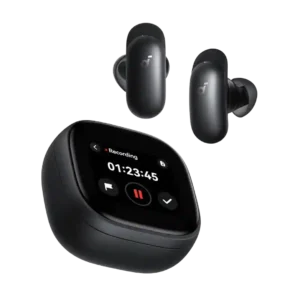
Three-device multipoint is a major convenience for people moving between phones, tablets, laptops, and work devices. The main tradeoff is that full LDAC quality is not available when all three...
Pros: Microphone noise reduction, Stability
Cons: Lossless audio support, Spatial audio

Multipoint was positively noted because LDAC remained available with dual-device use rather than forcing a lower-quality codec.
Pros: Smart Pause performance, Wear detection performance
Cons: Water/sweat resistance rating, Wind noise handling
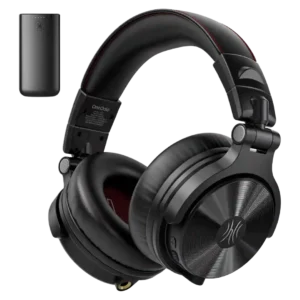
Multipoint was appreciated for convenience, but reviewers noted tradeoffs: LDAC can disable it, and some app-supported features only work in Bluetooth mode.
Pros: Battery, Detachable cable convenience
Cons: Active noise cancellation, Transparency mode quality
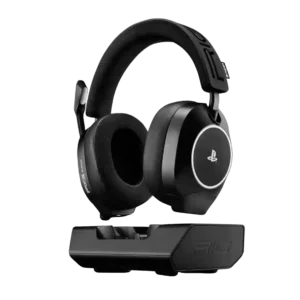
Simultaneous Bluetooth and wireless use was limited because reviewers could take calls but could not fully mix phone music with game audio.
Pros: Spatial audio, Positional audio accuracy
Cons: Carry case quality, Detachable microphone convenience

Multipoint is useful when it works, but evidence is split between smooth two-device use and frustration enabling it.
Pros: Transparency mode quality, Maximum volume clarity
Cons: Active noise cancellation, Spatial audio

Multipoint reliability was weak because one reviewer found that Lightspeed and Bluetooth had to be chosen separately rather than used together.
Pros: Wireless latency, Weight comfort
Cons: Microphone noise reduction, Multipoint connectivity reliability
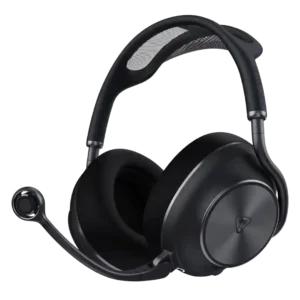
The headset mixes one Bluetooth source with one 2.4GHz source, but it does not provide true Bluetooth multipoint. Some users report device-priority confusion or call-volume failures when multiple connections are...
Pros: Codec support, Packaging quality
Cons: Multipoint connectivity reliability, Replaceable ear plates