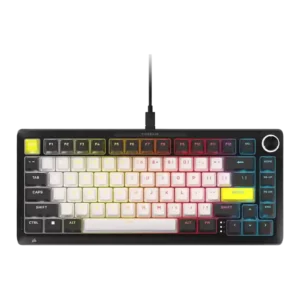
The compact layout was still considered usable, with enough arrow-key spacing and little sense of cramping.
Pros: per-key lighting control, durability
Cons: portability, noise level
The compact layout was still considered usable, with enough arrow-key spacing and little sense of cramping.
Pros: per-key lighting control, durability
Cons: portability, noise level
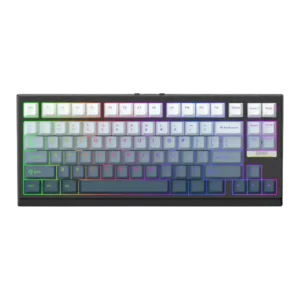
Key spacing was mixed but mostly positive, with some adjustment required on compact layouts while another reviewer praised proper key positioning.
Pros: desk space efficiency, layout options
Cons: compatibility
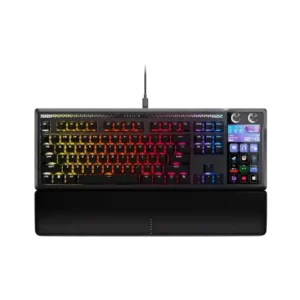
Key spacing gets limited but positive feedback. One reviewer found the spacing better than a smaller keyboard and said the keys felt light and soft.
Pros: customization options, ease of switch replacement
Cons: reliability, analog input support
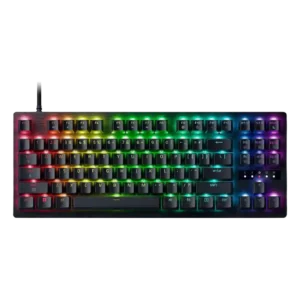
The WASD area and nearby keys are described as comfortably spaced for gaming, even by a reviewer who disliked the board more for typing.
Pros: polling rate, RGB customization
Cons: key stability, typing comfort
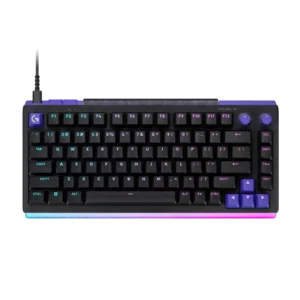
The 75% layout keeps spacing comfortable, while the compressed 98% layout may briefly challenge full-size muscle memory, particularly around the numpad.
Pros: latency, RGB customization
Cons: actuation consistency, connectivity
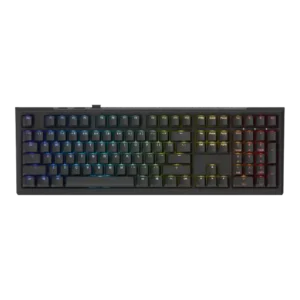
Key spacing was only directly judged in one review, which found the wider full-size spacing noticeable and mildly straining.
Pros: typing feel, key stability
Cons: profile management, wrist rest quality
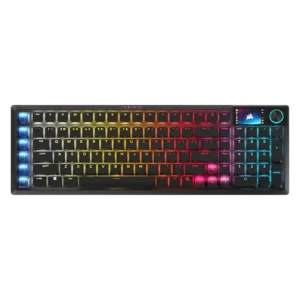
The compressed 99% arrangement is the most repeated usability complaint. Close clusters and the extra left column can cause wrong-key presses, mistyped words, and a meaningful learning curve.
Pros: key stability, stabilizer quality
Cons: analog input support, rapid trigger support