#1
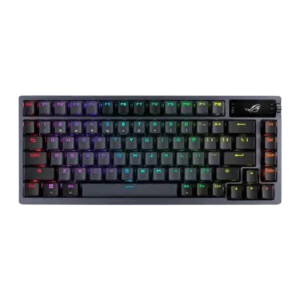
Latency was considered excellent for wireless gaming, with multiple reviewers reporting there was no noticeable lag between me pressing a key or very low-latency behavior.
Pros: durability, wireless performance
Cons: passthrough features, onboard memory
#2
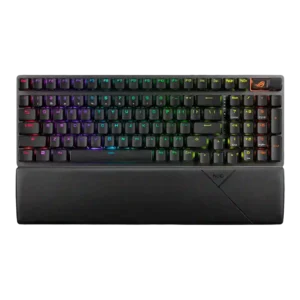
Latency is a major strength in the evidence: reviewers report low response times, no felt lag, and near-zero wireless delay in real gaming use.
Pros: per-key lighting control, wireless performance
Cons: rapid trigger support, analog input support
#3
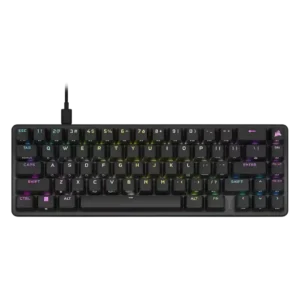
Latency was praised where discussed, especially in reviews that emphasized the wired connection and very low-latency behavior.
Pros: volume control, key responsiveness
Cons: wireless performance, wrist rest quality
#4

Latency evidence is mostly positive, with several reviewers reporting no discernible lag over 2.4GHz and acceptable wireless responsiveness.
Pros: noise level, acoustics
Cons: rapid trigger support, actuation consistency
#5
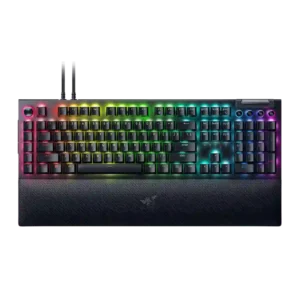
Latency was praised on the wired full-size board, especially alongside high polling, where reviewers reported zero lag, smoothness, and low-latency gaming.
Pros: key stability, ease of switch replacement
Cons: compatibility, battery life
#6
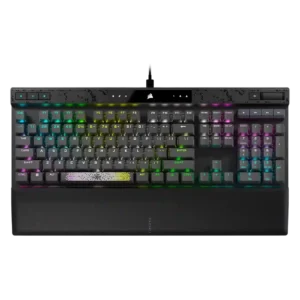
Latency performance was mostly praised, especially with fast polling and instant-feeling registration, though some reviewers framed the highest settings as niche.
Pros: reliability, key responsiveness
Cons: desk space efficiency, wireless performance
#7
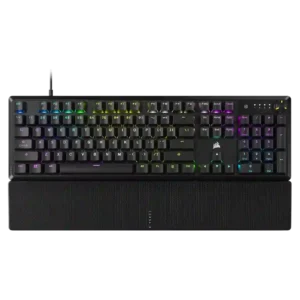
One reviewer judged latency and speed solid overall, aided by the wired design and mainstream 1,000Hz behavior.
Pros: per-key lighting control, compatibility
Cons: ease of switch replacement, hot-swappable switches