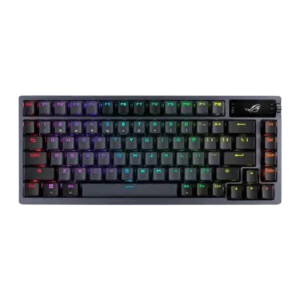
Design aesthetics were generally praised for looking refined, handsome, premium, or striking while still keeping a gaming identity.
Pros: durability, wireless performance
Cons: passthrough features, onboard memory
Design aesthetics were generally praised for looking refined, handsome, premium, or striking while still keeping a gaming identity.
Pros: durability, wireless performance
Cons: passthrough features, onboard memory
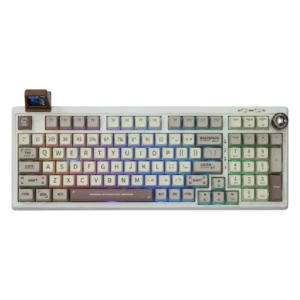
Design aesthetics are a major consensus strength: reviewers liked the retro-futuristic styling, colorways, and distinctive mini-TV personality.
Pros: noise level, acoustics
Cons: rapid trigger support, actuation consistency
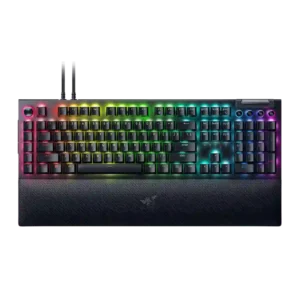
Design reactions were mostly positive for premium, high-end styling and RGB-heavy looks, though one reviewer found the shine-through gamer look tacky.
Pros: key stability, ease of switch replacement
Cons: compatibility, battery life
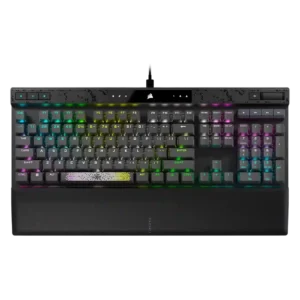
Design aesthetics ranged from gorgeous, refined, and sleek to dated or too plastic-looking depending on the reviewer.
Pros: reliability, key responsiveness
Cons: desk space efficiency, wireless performance
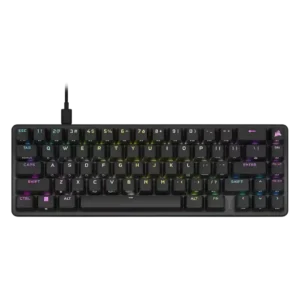
Design was generally liked for its clean, compact look and RGB accents, though some wanted more style or colorway variety.
Pros: volume control, key responsiveness
Cons: wireless performance, wrist rest quality
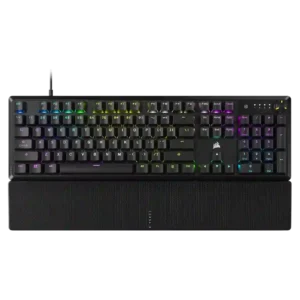
Design aesthetics were mixed to positive, with praise for striking or sleek styling offset by comments that it was basic or even unattractive.
Pros: per-key lighting control, compatibility
Cons: ease of switch replacement, hot-swappable switches
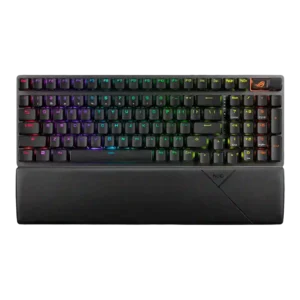
Design aesthetics are mixed: one reviewer called it gorgeous, while others disliked the gamer font or floating-key look.
Pros: per-key lighting control, wireless performance
Cons: rapid trigger support, analog input support