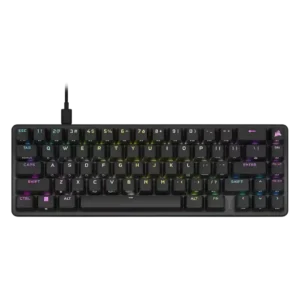
Responsiveness was one of the strongest themes, with reviewers repeatedly describing the keyboard as direct, fast, snappy, and highly responsive in use.
Pros: volume control, key responsiveness
Cons: wireless performance, wrist rest quality
Responsiveness was one of the strongest themes, with reviewers repeatedly describing the keyboard as direct, fast, snappy, and highly responsive in use.
Pros: volume control, key responsiveness
Cons: wireless performance, wrist rest quality
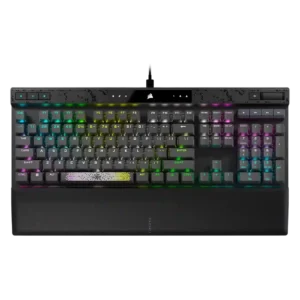
Key responsiveness was a major strength, often described as instant, flawless, precise, or extremely rapid.
Pros: reliability, key responsiveness
Cons: desk space efficiency, wireless performance
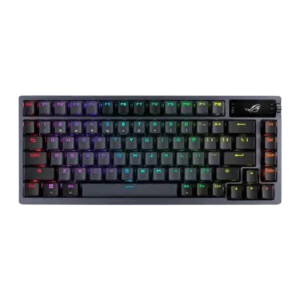
Key responsiveness was praised in both typing and gaming, with reviewers noting snappy response, fast feel, and I had no missed keypresses.
Pros: durability, wireless performance
Cons: passthrough features, onboard memory
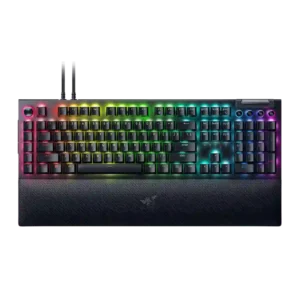
Key responsiveness was a major strength, with reviewers citing instant, smooth, accurate, and sensitive keypresses across gaming and productivity.
Pros: key stability, ease of switch replacement
Cons: compatibility, battery life
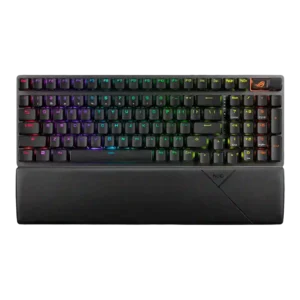
Key responsiveness is consistently praised, with reviewers describing fast keystrokes, low effort actuation, reduced accidental presses, and responsive gaming inputs.
Pros: per-key lighting control, wireless performance
Cons: rapid trigger support, analog input support
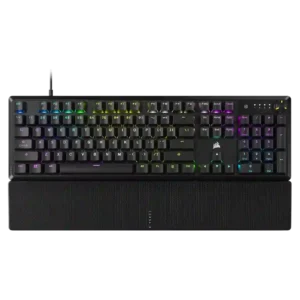
Gaming and general input responsiveness were mostly praised, with reviewers describing presses as snappy, responsive, or quick enough in actual play.
Pros: per-key lighting control, compatibility
Cons: ease of switch replacement, hot-swappable switches

Key responsiveness is generally strong, especially on wireless and lighter gaming, though some silent-switch users reported false inputs or double spaces.
Pros: noise level, acoustics
Cons: rapid trigger support, actuation consistency