#1
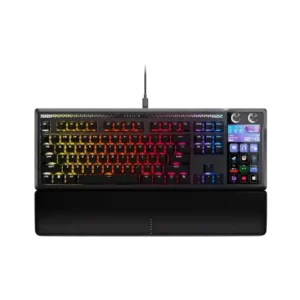
Noise is generally controlled rather than silent. Reviewers say it avoids metallic ping and is not overly loud, while still sounding like a mechanical keyboard.
Pros: customization options, ease of switch replacement
Cons: reliability, analog input support
#2
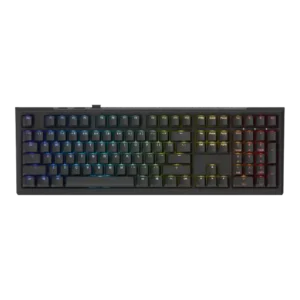
Noise level was mostly favorable due to quieter, softer, low-rattle typing, but coil whine with RGB created a notable caveat.
Pros: typing feel, key stability
Cons: profile management, wrist rest quality
#3
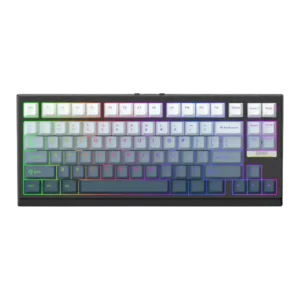
Noise level was mostly praised as quiet or pleasing, but one review complained that heavy presses were noisy.
Pros: desk space efficiency, layout options
Cons: compatibility
#4
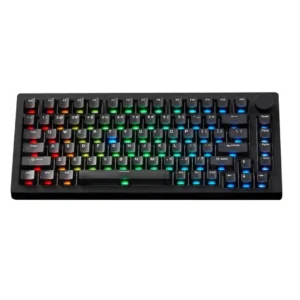
Noise level varies by switch and variant: clicky switches are louder, but many magnetic or foam-filled builds are described as quiet, muted, or resonance-free.
Pros: switch options, hot-swappable switches
Cons: portability, cable quality
#5
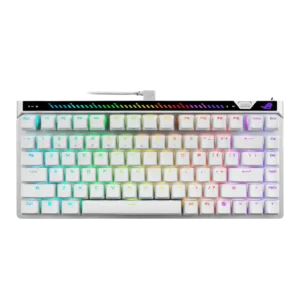
Noise-level evidence was split: one reviewer praised the lack of rattle and ping, while another called the sound clacky and annoying.
Pros: key responsiveness, latency
Cons: analog input support, wrist rest quality
#6
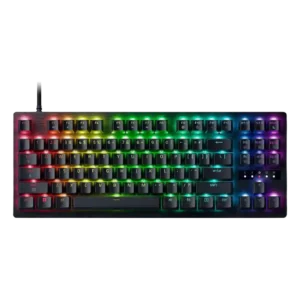
Noise impressions are mixed. One reviewer finds it quieter than many mechanical boards, while another says it is still audible enough to be questionable for a quiet office.
Pros: polling rate, RGB customization
Cons: key stability, typing comfort
#7
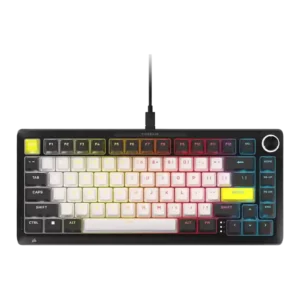
Noise-level evidence was mixed-to-negative: some appreciated the controlled sound, but others found it loud or less pleasant than competitors.
Pros: per-key lighting control, durability
Cons: portability, noise level