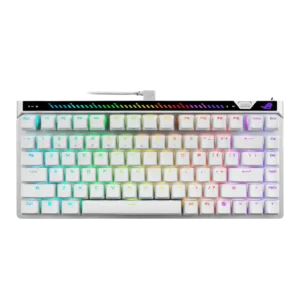
The form factor was widely praised as a sweet spot between compactness, familiarity, and daily usability.
Pros: key responsiveness, latency
Cons: analog input support, wrist rest quality
The form factor was widely praised as a sweet spot between compactness, familiarity, and daily usability.
Pros: key responsiveness, latency
Cons: analog input support, wrist rest quality
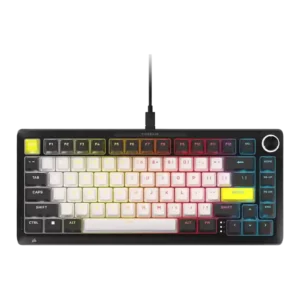
The 75% form factor was broadly praised as compact but practical, though the heavy chassis limited travel convenience.
Pros: per-key lighting control, durability
Cons: portability, noise level
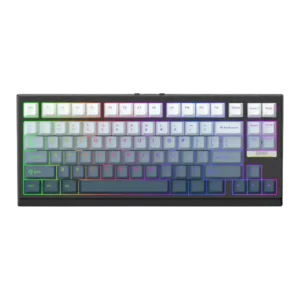
Size and form factor were broadly praised for compact functionality, though some users needed adjustment and one FPS-focused reviewer preferred smaller boards.
Pros: desk space efficiency, layout options
Cons: compatibility
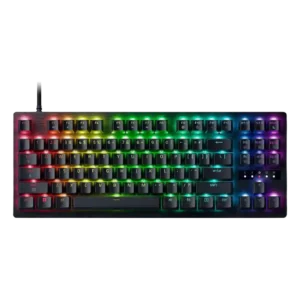
The TKL form factor is praised for being compact and backpack-friendly without feeling flimsy.
Pros: polling rate, RGB customization
Cons: key stability, typing comfort
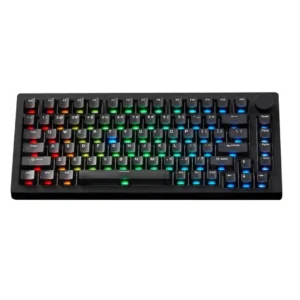
Size and form factor evidence favors the 75% layout as compact and capable, though weight and productivity/travel use limit its appeal.
Pros: switch options, hot-swappable switches
Cons: portability, cable quality
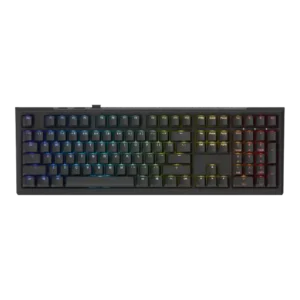
The product’s size choices were useful, with reviewers noting both full-size and 60% versions, though full-size ergonomics and mouse-room tradeoffs remained.
Pros: typing feel, key stability
Cons: profile management, wrist rest quality
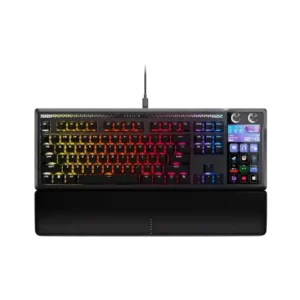
This is a large, desk-dominating keyboard despite the TKL-like main cluster. Reviewers like the all-in-one concept, but many warn that it is wide, heavy, and not for small setups.
Pros: customization options, ease of switch replacement
Cons: reliability, analog input support