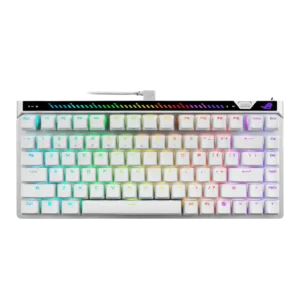
Software was a major upgrade over Armoury Crate, with Gear Link described as reliable, lighter, responsive, and easy to use.
Pros: key responsiveness, latency
Cons: analog input support, wrist rest quality
Software was a major upgrade over Armoury Crate, with Gear Link described as reliable, lighter, responsive, and easy to use.
Pros: key responsiveness, latency
Cons: analog input support, wrist rest quality
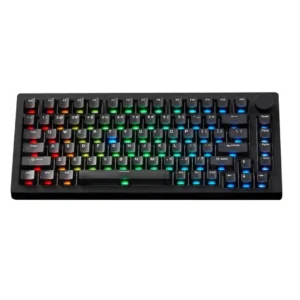
Software quality is mixed-positive: VIA and web software are powerful and accessible, but TMR software still has quirks, bugs, and plugin friction.
Pros: switch options, hot-swappable switches
Cons: portability, cable quality
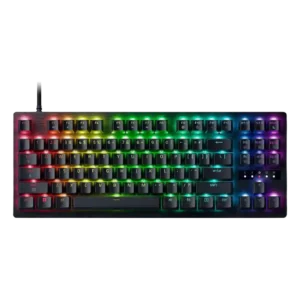
Software is powerful and mostly easy to use, with Synapse and browser-based tuning covering deep settings. A few bugs and occasional setting issues keep it from being flawless.
Pros: polling rate, RGB customization
Cons: key stability, typing comfort
Software quality was mixed: reviewers liked the depth and serviceability, but several mentioned awkwardness or a learning curve.
Pros: desk space efficiency, layout options
Cons: compatibility
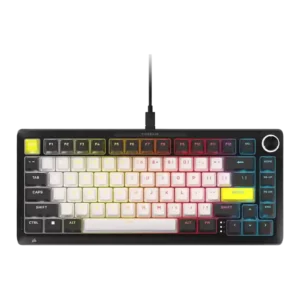
Software opinions were split: several reviewers praised Web Hub as polished, easy, or powerful, while others found iCUE/Web Hub frustrating, dense, sluggish, or limited.
Pros: per-key lighting control, durability
Cons: portability, noise level
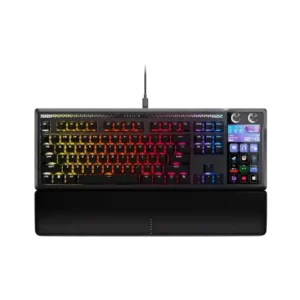
Software is the most repeated pain point. Reviewers like parts of Web Hub and Stream Deck, but many complain about two-app setup, bugs, iCUE separation, recognition failures, and firmware trouble.
Pros: customization options, ease of switch replacement
Cons: reliability, analog input support
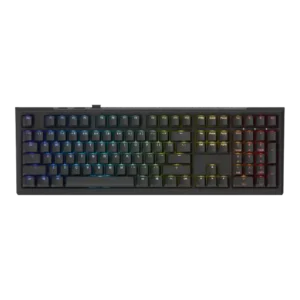
Software quality was the most repeated weakness: web-based setup was appreciated by some, but many called it buggy, limited, slow, confusing, or unfinished.
Pros: typing feel, key stability
Cons: profile management, wrist rest quality