#1
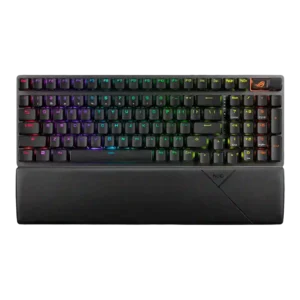
Stabilizer quality is mostly praised for smoothness, low rattle, and stable large keys, though one reviewer disliked the proprietary stabilizer design.
Pros: per-key lighting control, wireless performance
Cons: rapid trigger support, analog input support
#2
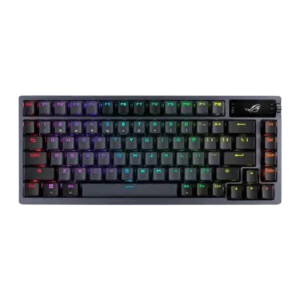
Stabilizers were generally praised for smoothness and spacebar quality, though one long-term/modding review criticized stems that detached easily.
Pros: durability, wireless performance
Cons: passthrough features, onboard memory
#3
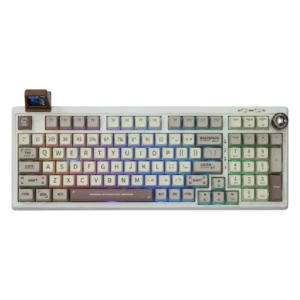
Stabilizers are mostly good out of the box, with multiple reviewers hearing little rattle, though one noted ticks needing light tuning.
Pros: noise level, acoustics
Cons: rapid trigger support, actuation consistency
#4
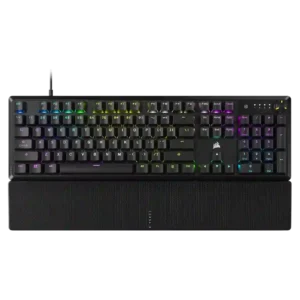
Stabilizers and the spacebar were mostly praised for reduced rattle and good tuning, though one reviewer still wanted more lube.
Pros: per-key lighting control, compatibility
Cons: ease of switch replacement, hot-swappable switches
#5
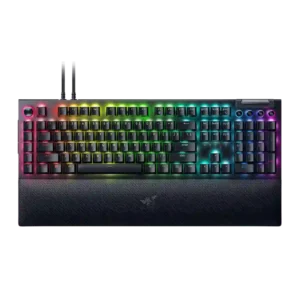
Stabilizer quality ranged from peaceful and low-rattle to merely acceptable or needing work, especially on some 75% and Yellow-switch units.
Pros: key stability, ease of switch replacement
Cons: compatibility, battery life
#6
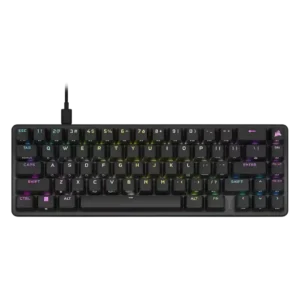
Stabilizers were mixed: some reviewers found them acceptable or smooth, while others called out spacebar rattle and the need for tuning.
Pros: volume control, key responsiveness
Cons: wireless performance, wrist rest quality
#7
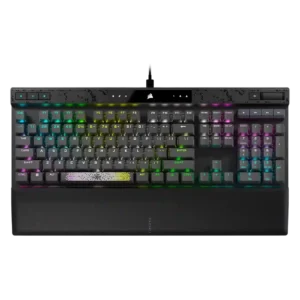
Stabilizer quality was a frequent weak point, especially around spacebar rattle or dry stabilizers, with only mild praise in one review.
Pros: reliability, key responsiveness
Cons: desk space efficiency, wireless performance