Best for gameplay mechanics
Dragon Ball FighterZ
4.8 feature score
Highest scored product for this feature based on supporting review evidence.
Highest scored product for this feature based on supporting review evidence.
Balances feature score, supporting reviews, and overall product strength.
Has the broadest review evidence for this feature.
Strongest overall product among items with scored evidence for this feature.
Showing Bandai Namco only. Switch back to all brands anytime.

Overall gameplay mechanics are praised for being satisfying, accessible, deep, and rewarding across casual and serious play.
Pros: movement feel, world-building
Cons: save system reliability, mission variety

Reviewers liked the layered monster-building mechanics, especially flexible skills and personality systems, though the strongest praise focused on customization rather than novelty.
Pros: atmosphere, world-building
Cons: HUD clarity, fast travel convenience

Reviewers generally liked the day/night and human/vampire mechanic set, calling it interesting, unique, and conceptually strong, though one preview warned the mechanics could help make or break the game.
Pros: core gameplay loop, replay value
Cons: value for money, difficulty balance

Reviewers described the moment-to-moment mechanics as strategic, with enemy positioning and defensive choices giving encounters tactical weight.
Pros: environmental detail, art direction
Cons: world interactivity, loot system
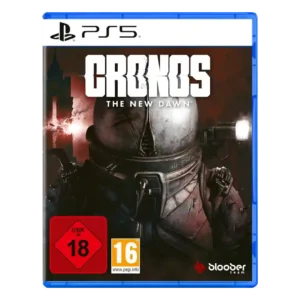
Reviewers saw the merge, burning, and time-manipulation mechanics as interesting but unevenly exploited; some praised the concept while others felt the central idea was underused.
Pros: core gameplay loop, emotional impact
Cons: checkpoint system, bug frequency
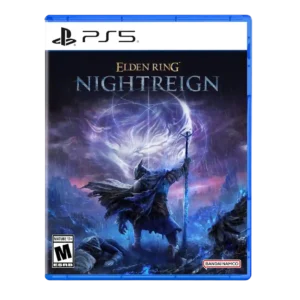
Reviewers saw the mechanics as a bold Elden Ring remix, but several said the experience depends heavily on teammates and sometimes clashes with FromSoftware expectations.
Pros: emotional impact, visual effects quality
Cons: crash stability, cross-play support

Reviews frequently criticized the mechanics as safe, shallow, or underused, though a few found the simple loop acceptable for the mood-driven design.
Pros: load times, haptic feedback integration
Cons: save system reliability, aiming precision