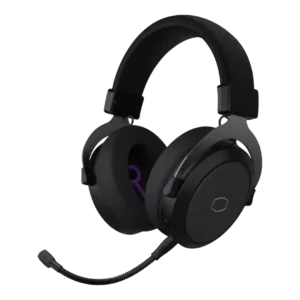
Microphone noise rejection is a strength because nearby background noise was not picked up.
Pros: Microphone noise reduction, Spatial audio
Cons: App, Equalizer customization
Microphone noise rejection is a strength because nearby background noise was not picked up.
Pros: Microphone noise reduction, Spatial audio
Cons: App, Equalizer customization
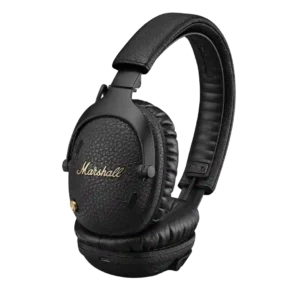
Microphone noise reduction was praised for handling simulated or real wind well, despite some vocal-clarity caveats elsewhere.
Pros: Volume output, Multipoint connectivity reliability
Cons: Water/sweat resistance rating, Codec support
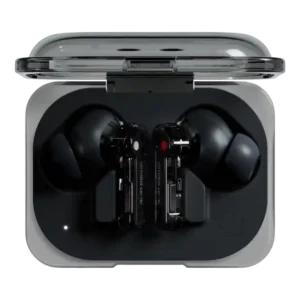
Microphone noise reduction was a strength in the direct evidence, with reviewers praising background voice isolation and environmental filtering.
Pros: Design and Aesthetics, Software/setup simplicity
Cons: Voice assistant integration, Spatial audio
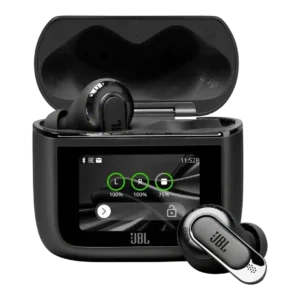
Microphone noise reduction was usually praised for suppressing train, traffic, wind, and office noise, though one reviewer found wind-city performance weaker.
Pros: Codec support, Dongle
Cons: Sound leakage, Find My

Microphone noise reduction is often praised for suppressing background noise and wind, though Android Central was less convinced outdoors.
Pros: Android compatibility, Bluetooth
Cons: Smudge resistance, Cable quality
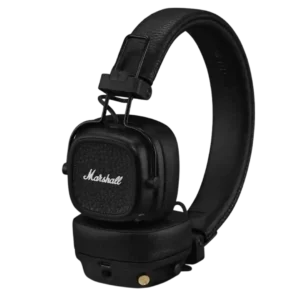
Microphone noise reduction received positive comments for cleaning up office, cafe, and ambient noise around speech.
Pros: Ear cup swivel/rotation range, Multi-platform compatibility
Cons: aptX, Water/sweat resistance rating
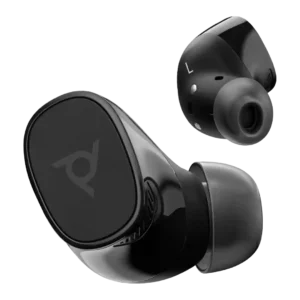
Microphone noise reduction was praised for minimizing background noise and keeping voices clear in calls.
Pros: Charging, Instrument separation
Cons: Spatial audio, Sidetone adjustment quality
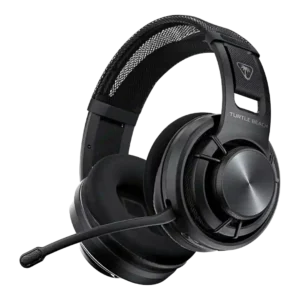
Microphone noise reduction is useful and often effective, but not perfect; reviewers mention compression dips, artifacts, and background noise limits.
Pros: Weight comfort, Cable quality
Cons: Active noise cancellation, Noise isolation (passive)
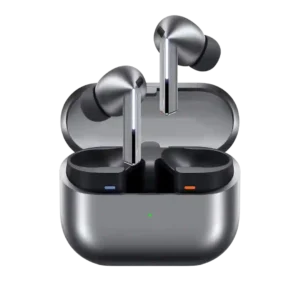
Microphone noise reduction was split: some reviewers heard strong voice isolation, while others found background clutter or app-based recordings less impressive.
Pros: Integrated microphone, Frequency response accuracy
Cons: LDAC, Ear tip size options
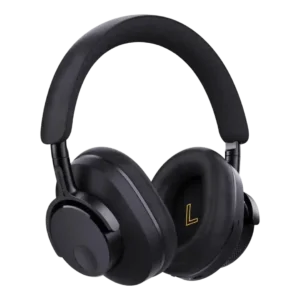
Microphone noise handling was split: some reviewers heard reduced echo and clear calls, while PCMag found background noise still came through.
Pros: Award recognition, Battery
Cons: Water/sweat resistance rating, Touch control responsiveness
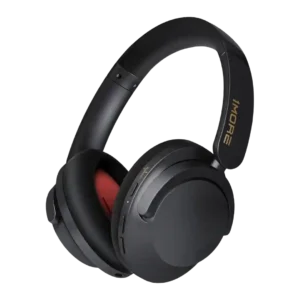
Microphone noise reduction was useful in moderate conditions, but reviewers still heard background sound, wind effects, or less-than-clean processing.
Pros: Sound leakage, Battery
Cons: Sustainability and repairability, Auto on/off reliability
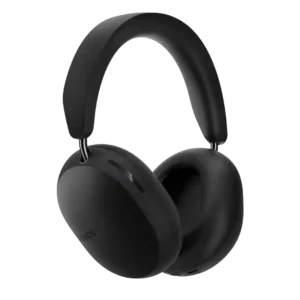
Microphone noise reduction was polarized, ranging from complete background-noise suppression to muffled voice and wind/interference issues.
Pros: Weight comfort, Ear cup swivel/rotation range
Cons: Cable quality, ANC sound impact on audio
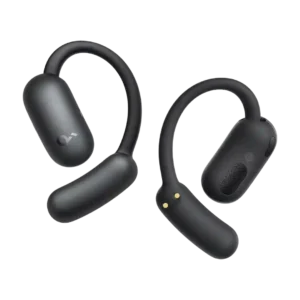
Microphone noise reduction is mixed: voices remain intelligible, but background noise and wind are still audible.
Pros: Software/setup simplicity, AI translation
Cons: Noise isolation (passive), Spatial audio
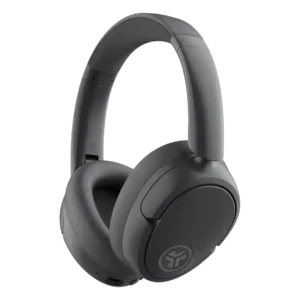
Microphone noise reduction was mixed: CGMagazine praised vocal isolation, while other reviewers heard background noise, wind, or processing artifacts.
Pros: Multipoint connectivity reliability, Battery
Cons: Water/sweat resistance rating, Transparency mode quality
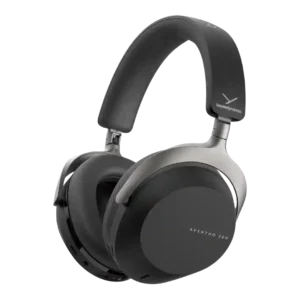
Microphone noise reduction is a recurring weakness, with reviewers noting background noise, windy-condition issues, or processed-sounding voice pickup.
Pros: Battery, Volume output
Cons: Preset EQ profile quality, Weight comfort
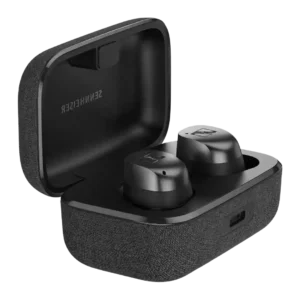
Microphone noise reduction is the weakest recurring area, especially in wind, subway, and noisy street conditions.
Pros: Maximum volume clarity, Stability
Cons: Spatial audio, Microphone noise reduction
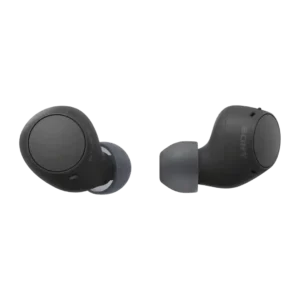
Microphone noise reduction is a weak spot overall, with multiple reviewers saying background sounds leak through or aggressive gating can cut into the voice.
Pros: Weight comfort, Multipoint connectivity reliability
Cons: aptX, Active noise cancellation