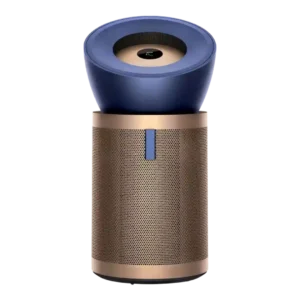
Quiet operation is one of the strongest points, with reviewers praising low noise even at high airflow.
Pros: ease of use, noise level
Cons: condition on arrival, durability
Quiet operation is one of the strongest points, with reviewers praising low noise even at high airflow.
Pros: ease of use, noise level
Cons: condition on arrival, durability
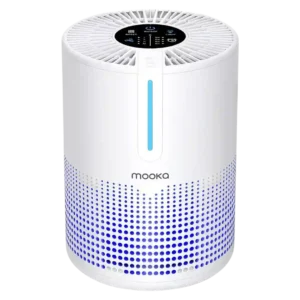
Quiet operation is the strongest point in the reviews. Many describe it as very quiet, almost silent, sleep-friendly, or quieter than expected even on higher settings.
Pros: true HEPA filter, energy efficiency
Cons: remote control, condition on arrival
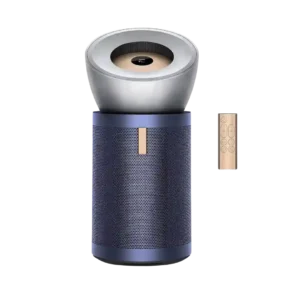
Reviewers were strongly positive on noise level, with support from expert testing and customer use.
Pros: pet dander removal, HEPA filtration
Cons: condition on arrival, replacement experience
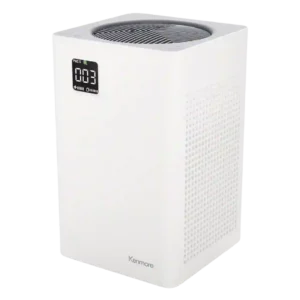
Quiet operation is one of the product’s strongest recurring strengths, especially on low, auto, and sleep settings. The tradeoff is that higher speeds can be loud enough to hear over...
Pros: particle removal effectiveness, pollen removal
Cons: customer support, replacement experience
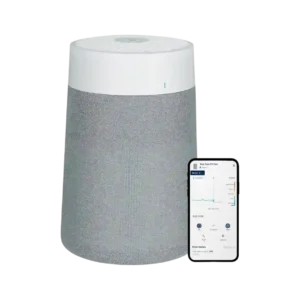
Noise level is one of the strongest attributes at low settings and sleep use, though maximum speed drew some caveats.
Pros: energy efficiency, power consumption
Cons: handle design, air quality sensor accuracy
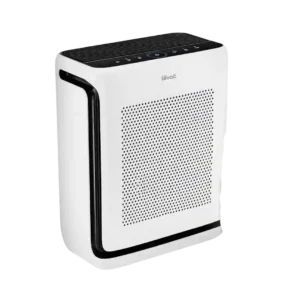
Noise level was widely praised for quiet or well-optimized operation, especially at lower speeds, while high or turbo modes were louder.
Pros: allergen reduction, safety certifications
Cons: PM2.5 detection, true HEPA filter
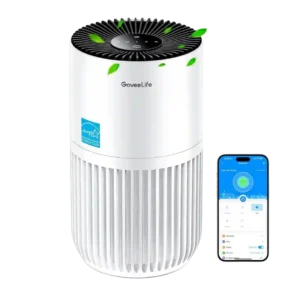
Noise level was one of the strongest areas, with most reviewers finding it quiet enough for sleep or work, although full blast was still audible.
Pros: sleep mode, filter stages
Cons: smoke removal, CADR rating
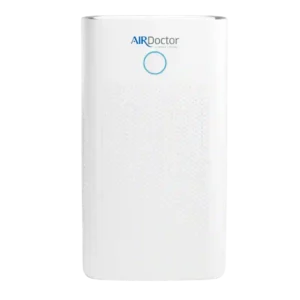
Noise impressions depend heavily on speed. Owners often call it very quiet in normal or auto operation, while expert testing says the maximum setting is louder than average.
Pros: particle removal effectiveness, dust removal
Cons: customer support, formaldehyde removal
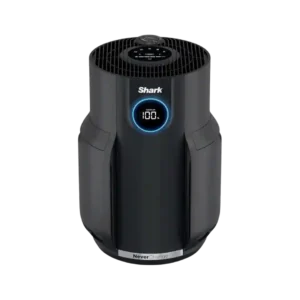
Noise is usually considered quiet or sleep-friendly at lower speeds, with higher settings becoming noticeable or noisy when air quality drops.
Pros: particle removal effectiveness, ozone-free operation
Cons: Wi-Fi reliability, documentation quality
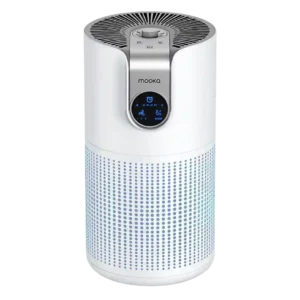
Noise is the biggest tradeoff: many owners call it quiet, white-noise-like, or bedroom-friendly, while others find high speed or defective units loud and irritating. Sleep mode is usually the quieter...
Pros: pet dander removal, VOC reduction
Cons: real-time air quality monitoring, PM2.5 detection
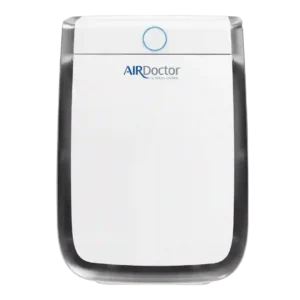
Noise feedback is mixed but leans positive at low settings: many owners sleep with it on or call it quiet, while several find it too loud for bedrooms or high...
Pros: pollen removal, handle design
Cons: mold spore reduction, condition on arrival
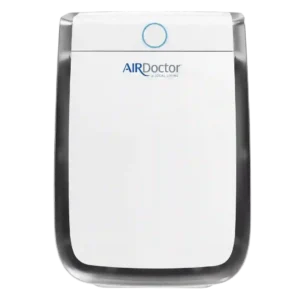
Noise is mostly acceptable, especially on low, but it depends on speed and sleep sensitivity. Some found it quiet or white-noise-like, while high speed and nighttime use can be noticeable.
Pros: particle removal effectiveness, HEPA filtration
Cons: customer support, warranty coverage
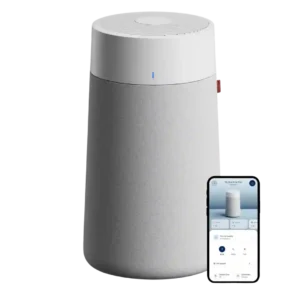
Low-speed and night operation are widely praised as quiet, but some defective or high-speed units drew loud rattling or fan-noise complaints.
Pros: smoke removal, allergen reduction
Cons: durability, reliability
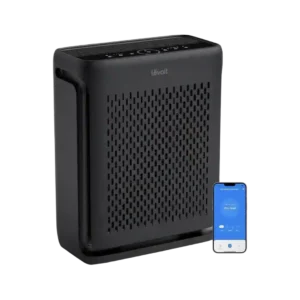
Noise opinions were mixed but mostly favorable: several reviewers found it quiet or well optimized, while one owner described it as very noisy and another found the highest setting loud.
Pros: Wi-Fi reliability, filter stages
Cons: PM2.5 detection
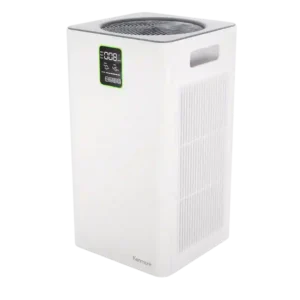
Noise is the most divided attribute: many owners call it quiet or whisper quiet, while others report rattles on low or sleep settings. Bedroom and office users are the most...
Pros: dust removal, pollen removal
Cons: CADR rating, filter availability
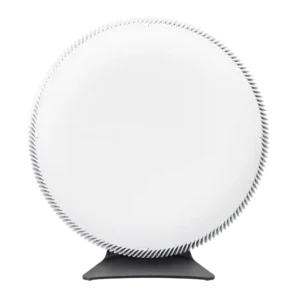
Noise feedback depended heavily on speed and expectations. Many owners found it very quiet, while expert testing and a few customers said high speed or defective units could be loud.
Pros: dust removal, pollen removal
Cons: voice assistant compatibility, condition on arrival
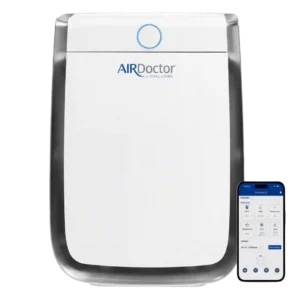
Noise is highly setting-dependent. Many describe it as quiet on low, blue, or normal levels, while high or max speed is criticized as loud or even unbearable.
Pros: activated carbon filter, filter life
Cons: VOC reduction, mold spore reduction
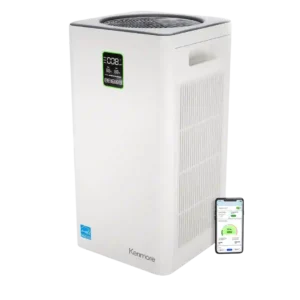
Noise is pleasant at low speeds for many owners, often compared with a fan or white noise. The problem appears when failing units get stuck on high and become loud.
Pros: particle removal effectiveness, allergen reduction
Cons: VOC reduction, VOC sensor accuracy
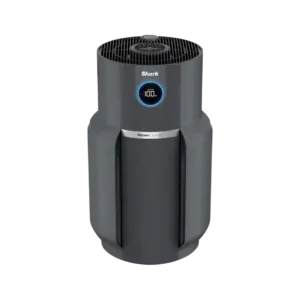
Normal operation is usually quiet or barely noticeable, especially on low and Auto. Complaints cluster around high-speed ramp-ups, defective/noisy units, and the fan becoming loud during cooking or poor air...
Pros: particle removal effectiveness, ease of use
Cons: condition on arrival, Wi-Fi reliability