Best for noise level
Coway Airmega ProX
4.8 feature score
Highest scored product for this feature based on supporting review evidence.
Highest scored product for this feature based on supporting review evidence.
Balances feature score, supporting reviews, and overall product strength.
Has the broadest review evidence for this feature.
Strongest overall product among items with scored evidence for this feature.
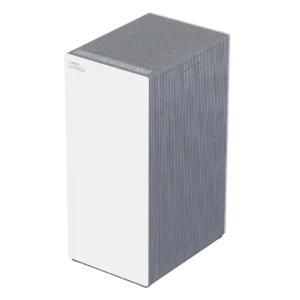
Noise level is a clear strength, with reviewers repeatedly surprised by how quiet the ProX is for its air-cleaning power.
Pros: air purification performance, particle removal effectiveness
Cons: voice assistant compatibility, filter replacement cost
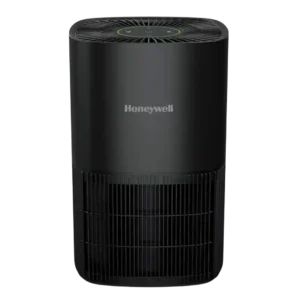
Quiet operation was one of the strongest themes, although high mode could become loud for sleep-sensitive users.
Pros: real-time air quality monitoring, sleep mode
Cons: filter availability, replacement experience
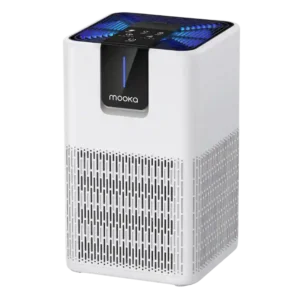
Quiet operation is the product's clearest strength: many owners call it very quiet, soothing, silent in sleep mode, or acceptable even on higher speeds. A few failures involve loud grinding...
Pros: particle removal effectiveness, pollen removal
Cons: customer support, safety concerns
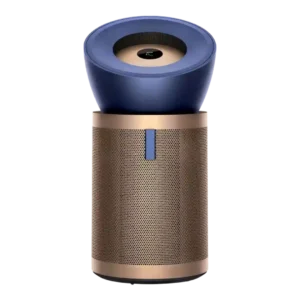
Quiet operation is one of the strongest points, with reviewers praising low noise even at high airflow.
Pros: ease of use, noise level
Cons: condition on arrival, durability
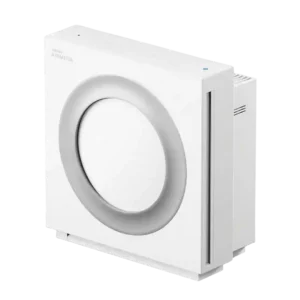
Noise level was one of the strongest areas, with reviewers repeatedly calling it nearly silent, virtually undetectable, or very quiet.
Pros: filter life, power consumption
Cons: voice assistant compatibility, app connectivity
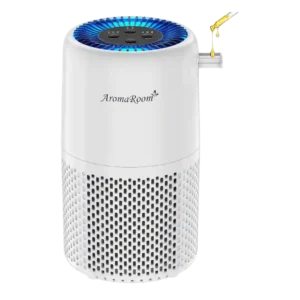
Quiet operation is one of the strongest points, with many saying it is barely audible, soothing, or good for sleep. A small number prefer stronger airflow or describe the sound...
Pros: sleep mode, ease of use
Cons: initial chemical smell, power connector fit
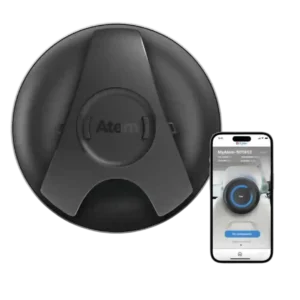
Noise is a consistent bright spot. Reviewers repeatedly call it quiet, whisper quiet, or barely noticeable, including while driving.
Pros: dust removal, pollen removal
Cons: air changes per hour, filter replacement cost
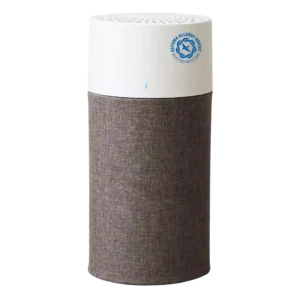
Noise was a major strength across reviews, with most calling it quiet or virtually silent; one user still noticed slight buzzing.
Pros: indicator lights, ozone-free operation
Cons: scheduling options, true HEPA filter
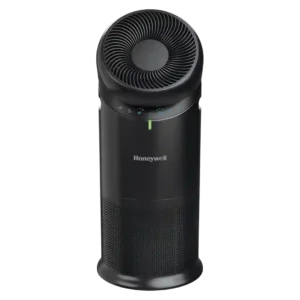
Noise is one of the strongest positives, with many reviewers calling it quiet or low, aside from higher-speed noise.
Pros: allergen reduction, room coverage
Cons: reliability, dust removal
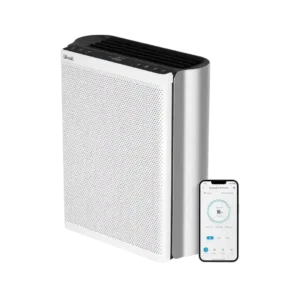
Noise is a major strength on low, sleep, and auto modes, though turbo and defect-related noises are caveats.
Pros: air purification performance, allergen reduction
Cons: reliability, filter replacement cost
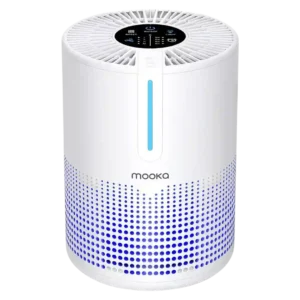
Quiet operation is the strongest point in the reviews. Many describe it as very quiet, almost silent, sleep-friendly, or quieter than expected even on higher settings.
Pros: true HEPA filter, energy efficiency
Cons: remote control, condition on arrival
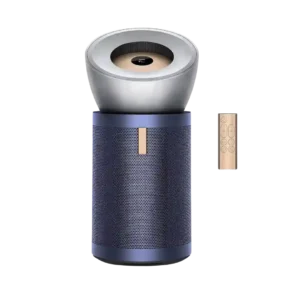
Reviewers were strongly positive on noise level, with support from expert testing and customer use.
Pros: pet dander removal, HEPA filtration
Cons: condition on arrival, replacement experience
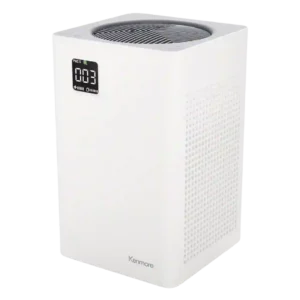
Quiet operation is one of the product’s strongest recurring strengths, especially on low, auto, and sleep settings. The tradeoff is that higher speeds can be loud enough to hear over...
Pros: particle removal effectiveness, pollen removal
Cons: customer support, replacement experience
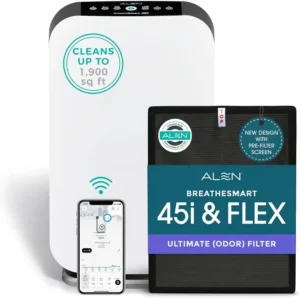
Noise is a major strength at low and quiet speeds, although higher settings are more audible.
Pros: air quality sensor accuracy, real-time air quality monitoring
Cons: condition on arrival, remote control
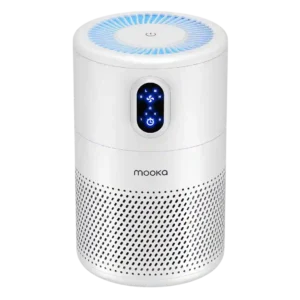
Quiet operation is one of the product’s best-supported strengths, especially on low and sleep modes; high speed can still hum for sensitive users.
Pros: ozone-free operation, breathing relief
Cons: CADR rating, remote control
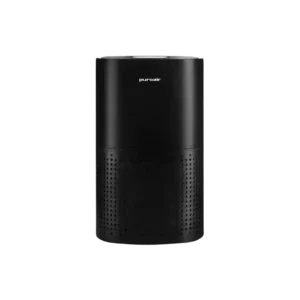
Noise feedback is mostly positive on low, auto, and sleep modes, where owners often call it quiet enough for bedrooms. High or max speed can be noticeably loud.
Pros: particle removal effectiveness, dust removal
Cons: CADR rating, air changes per hour
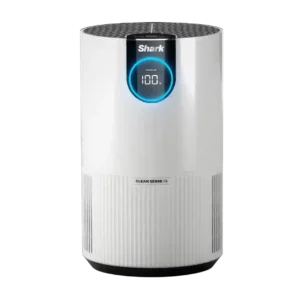
Most users found it very quiet, especially on low or auto, but some disliked max-speed or humming noise.
Pros: particle removal effectiveness, PM2.5 detection
Cons: durability, aromatherapy feature
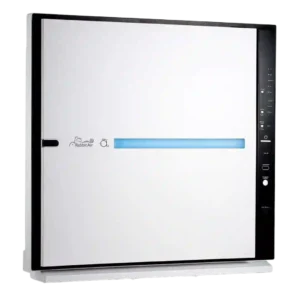
Quiet operation was one of the strongest points, repeatedly praised from silent mode through higher settings.
Pros: reliability, HEPA filtration
Cons: scheduling options, mold spore reduction
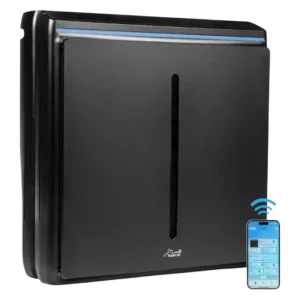
Quiet operation was one of the strongest points, especially at low and everyday fan speeds.
Pros: particle removal effectiveness, dust removal
Cons: remote control, control placement
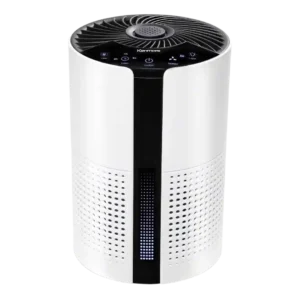
Quiet operation is one of the PM1010's most consistent strengths. Many owners found it quiet enough for bedrooms, with some describing the sound as good white noise for sleep.
Pros: odor reduction, build quality
Cons: filter life, customer support
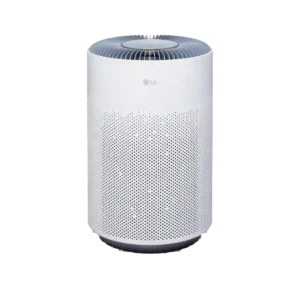
Quiet operation is one of the strongest points across the review set. Most owners find it whisper-quiet or barely noticeable, though turbo or Clean Booster mode can get loud.
Pros: allergen reduction, particle removal effectiveness
Cons: replacement experience, Wi-Fi reliability
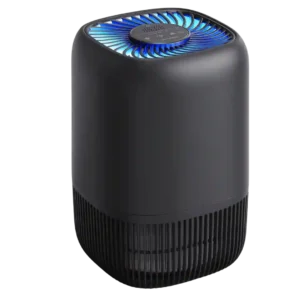
Quiet operation is one of the clearest strengths, with many owners calling it very quiet, whisper quiet, silent, or a pleasant white-noise sound. A few hear the fan outside sleep...
Pros: customer support, odor reduction
Cons: air dryness, documentation quality
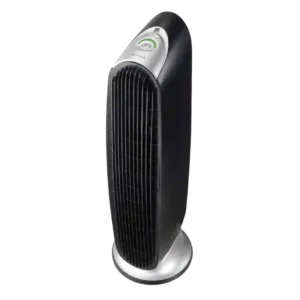
Noise feedback is mostly positive, with many calling it quiet, barely noticeable, or pleasant white noise. Light sleepers and some defective units report louder rattles, clicking, or high-speed noise.
Pros: VOC reduction, filter life
Cons: filter availability, condition on arrival
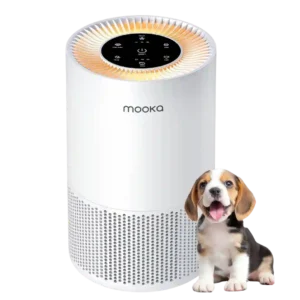
Quiet operation is one of the biggest selling points, with many buyers calling it soft, peaceful, or barely noticeable. A smaller group found high speed, clicking, or later rattling too...
Pros: pollen removal, filter replacement cost
Cons: auto mode performance, documentation quality
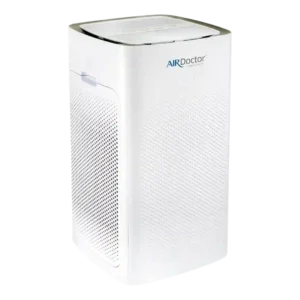
Noise feedback is mostly positive from owners, who often call it quiet or almost silent. Expert testing adds nuance: low speed is sleep-friendly, but higher settings can get loud.
Pros: ozone-free operation, particle removal effectiveness
Cons: filter replacement cost, app connectivity
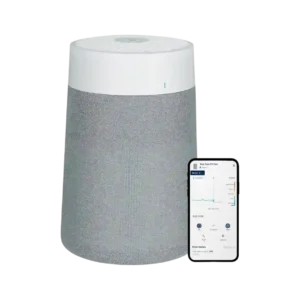
Noise level is one of the strongest attributes at low settings and sleep use, though maximum speed drew some caveats.
Pros: energy efficiency, power consumption
Cons: handle design, air quality sensor accuracy
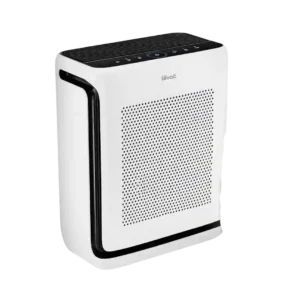
Noise level was widely praised for quiet or well-optimized operation, especially at lower speeds, while high or turbo modes were louder.
Pros: allergen reduction, safety certifications
Cons: PM2.5 detection, true HEPA filter
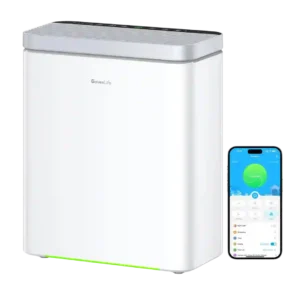
Noise is mostly praised on low, auto, and sleep settings, but high and turbo modes can be loud enough to bother some users or serve as white noise for others.
Pros: particle removal effectiveness, pollen removal
Cons: UV-C light effectiveness, air dryness
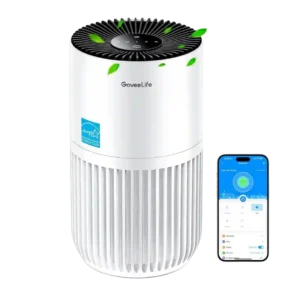
Noise level was one of the strongest areas, with most reviewers finding it quiet enough for sleep or work, although full blast was still audible.
Pros: sleep mode, filter stages
Cons: smoke removal, CADR rating
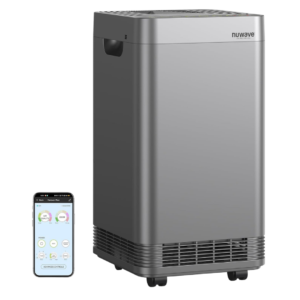
Quiet operation is a repeated strength at normal speeds, with several owners saying it is barely noticeable. The main tradeoff is that auto mode or high fan levels can become...
Pros: particle removal effectiveness, smoke removal
Cons: indicator lights, durability
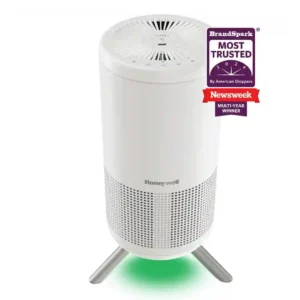
Noise is the strongest consensus area: most reviewers call it quiet, though one expert dislikes high-speed noise and one customer wanted more white noise.
Pros: dust removal, pollen removal
Cons: app connectivity, remote control
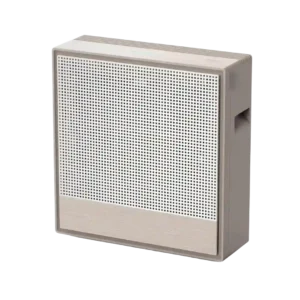
Noise was very strong on low or smart settings, but high or level-three operation could be loud or shaky for some users.
Pros: smoke removal, CADR rating
Cons: filter replacement cost, app connectivity
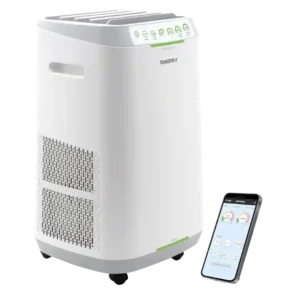
Low and normal settings are widely described as quiet or barely noticeable. Turbo and higher speeds are the tradeoff, with multiple owners saying the unit gets loud when it works...
Pros: filter replacement cost, allergen reduction
Cons: Wi-Fi reliability
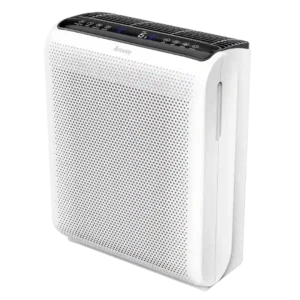
Quiet operation is one of the strongest points across the reviews. Most owners find it bedroom-friendly or barely noticeable, though high speed and broken parts can be louder.
Pros: pollen removal, filter stages
Cons: durability, app connectivity
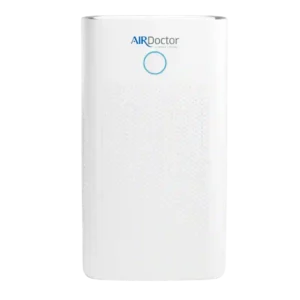
Noise impressions depend heavily on speed. Owners often call it very quiet in normal or auto operation, while expert testing says the maximum setting is louder than average.
Pros: particle removal effectiveness, dust removal
Cons: customer support, formaldehyde removal
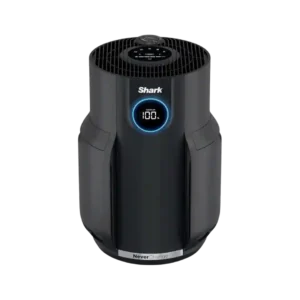
Noise is usually considered quiet or sleep-friendly at lower speeds, with higher settings becoming noticeable or noisy when air quality drops.
Pros: particle removal effectiveness, ozone-free operation
Cons: Wi-Fi reliability, documentation quality
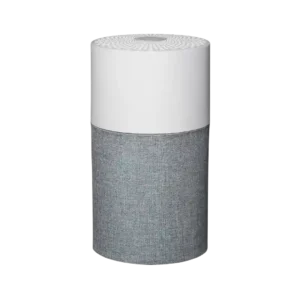
Quiet operation is the product's standout strength, particularly on low or sleep settings. Complaints mostly involve higher-speed noise, isolated whines, or a newer unit that seemed louder.
Pros: sleep mode, customer support
Cons: auto mode performance, air quality sensor accuracy
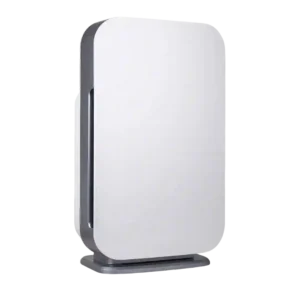
Noise was broadly praised at low and medium speeds, with turbo/high repeatedly described as louder but often tolerable white or pink noise.
Pros: condition on arrival, sleep quality benefit
Cons: auto mode performance, real-time air quality monitoring
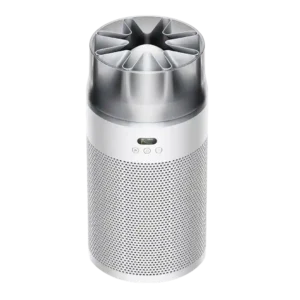
Evidence is mixed, with both praise and criticism.
Pros: particle removal effectiveness, maintenance ease
Cons: VOC sensor accuracy, filter availability
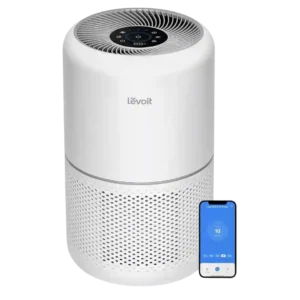
Noise level was a major strength at sleep and lower settings, though several reviewers noted max speed could be loud or merely average.
Pros: ozone-free operation, safety certifications
Cons: VOC sensor accuracy, handle design
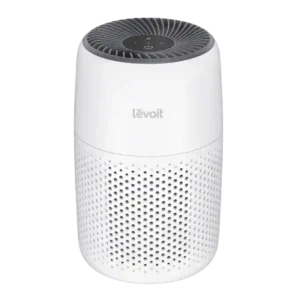
Noise was one of the strongest positives: most reviewers called it quiet, especially on low, though a few found high speed distracting.
Pros: energy efficiency, power consumption
Cons: scheduling options, true HEPA filter
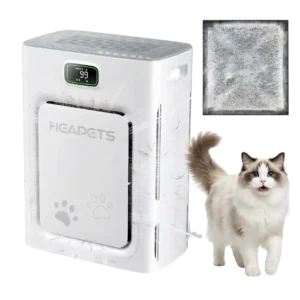
Most reviewers found the purifier quiet or acceptable, often comparing it to white noise or a fan. Complaints appear mainly at higher settings, where the pet mode or top speed...
Pros: value for money, breathing relief
Cons: durability, listing accuracy
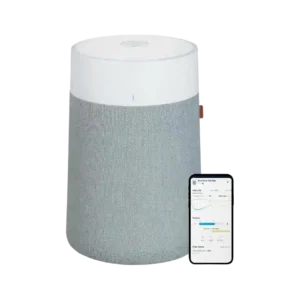
Noise was mostly praised at low or sleep settings, but some reviewers complained about top-speed loudness or buzzing.
Pros: dust removal, pollen removal
Cons: child lock, true HEPA filter
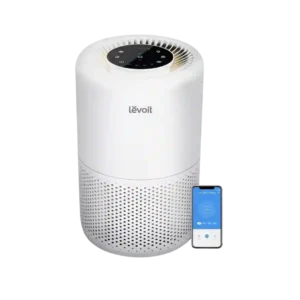
Noise feedback is strongly positive in sleep/low modes and more mixed on high, where several reviewers call it loud or noticeable.
Pros: pollen removal, filter availability
Cons: real-time air quality monitoring, aromatherapy feature
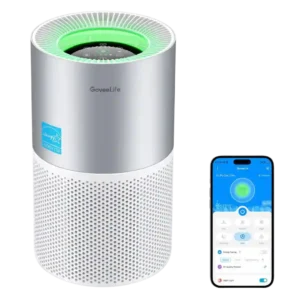
Noise feedback is mostly positive on low, sleep, and normal settings, where reviewers call it quiet or barely noticeable. Turbo and high modes are louder, and a few negative reviews...
Pros: pollen removal, pet dander removal
Cons: power connector fit, child lock
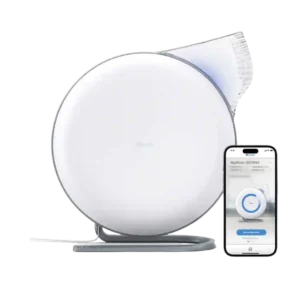
Quiet operation is one of the strongest positives, especially on low and medium. Noise complaints usually involve high speed, rattles, or defective fan behavior.
Pros: particle removal effectiveness, air circulation
Cons: VOC reduction, listing accuracy
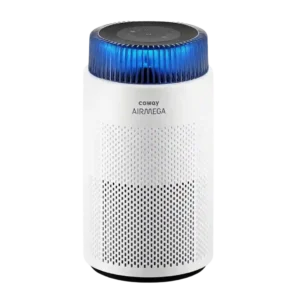
Noise level was mostly praised as quiet and bedroom-friendly, but HouseFresh reported whistling/grinding at low speed and louder high-speed behavior.
Pros: ozone-free operation, true HEPA filter
Cons: handle design, pre-filter quality
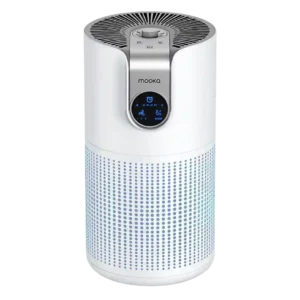
Noise is the biggest tradeoff: many owners call it quiet, white-noise-like, or bedroom-friendly, while others find high speed or defective units loud and irritating. Sleep mode is usually the quieter...
Pros: pet dander removal, VOC reduction
Cons: real-time air quality monitoring, PM2.5 detection
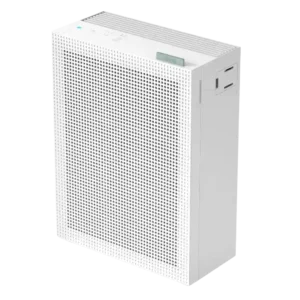
Noise was usually praised at low settings, but high-speed loudness created mixed scores in some reviews.
Pros: maintenance ease, ozone-free operation
Cons: voice assistant compatibility, child lock
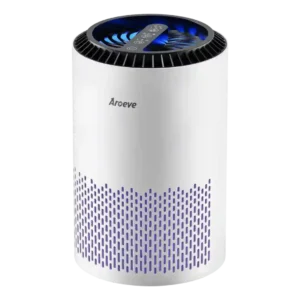
Quietness is a major reason customers like the MK01, especially for bedrooms and sleep mode. The main negative pattern is a whine, whistle, or louder high-speed noise on some units.
Pros: customer support, allergen reduction
Cons: app connectivity, smart features