#1
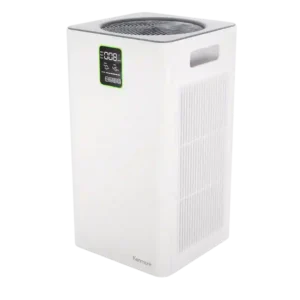
Odor cleanup is consistently strong, especially for cooking smells and lingering household odors. Several owners say the unit leaves the room smelling fresh or clean after it runs.
Pros: dust removal, pollen removal
Cons: CADR rating, filter availability
#2
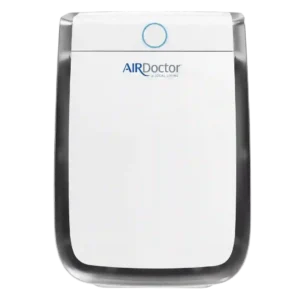
Odor control is consistently praised, especially for candle scent, smoke smell, cooking, cat litter changes, and general household odors. The carbon/VOC stage and fast response help it clear smells in...
Pros: particle removal effectiveness, HEPA filtration
Cons: customer support, warranty coverage
#3
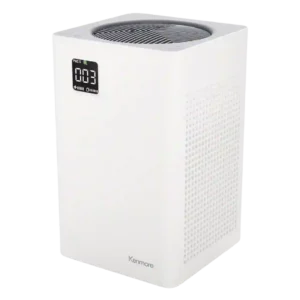
Odor reduction is frequently praised for cooking smells, smoke, cat litter, diapers, pets, and stale indoor air. A few users wanted stronger odor elimination, but most odor-specific comments are favorable.
Pros: particle removal effectiveness, pollen removal
Cons: customer support, replacement experience
#4
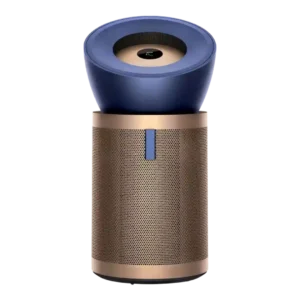
Odor reduction is strongly supported, including cooking smells, deodorant/aerosol odors, and general scent removal.
Pros: ease of use, noise level
Cons: condition on arrival, durability
#5
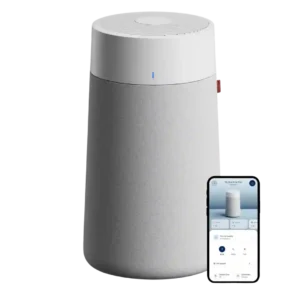
Odor reduction is a standout, especially for cooking, musty basements, pets, smoke, and stale rooms.
Pros: smoke removal, allergen reduction
Cons: durability, reliability
#6
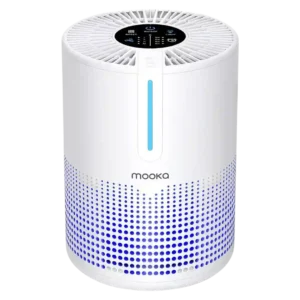
Odor reduction is a major strength in many small-space reports, including cooking, litter box, dog, vaping, and stale car smells. There is one clear failure where the unit did not...
Pros: true HEPA filter, energy efficiency
Cons: remote control, condition on arrival
#7
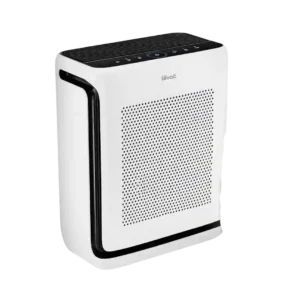
Odor reduction was generally strong for cooking and pet smells, though serious odor loads were flagged as beyond the standard carbon amount.
Pros: allergen reduction, safety certifications
Cons: PM2.5 detection, true HEPA filter
#8
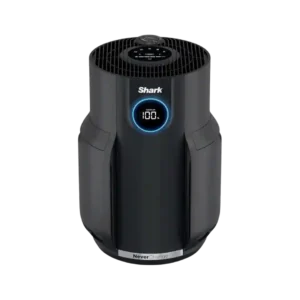
Odor reduction is widely praised for cooking, pets, litter, and stale rooms, but several reviewers dislike the scent cartridge or say it masks rather than removes odors.
Pros: particle removal effectiveness, ozone-free operation
Cons: Wi-Fi reliability, documentation quality
#9
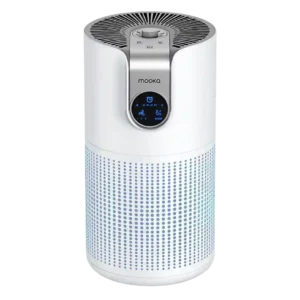
Odor control gets frequent praise, especially for pets, musty basements, cooking smells, litter boxes, and paint fumes. Some reviewers found lingering odors unchanged, so it is not universally strong.
Pros: pet dander removal, VOC reduction
Cons: real-time air quality monitoring, PM2.5 detection
#10
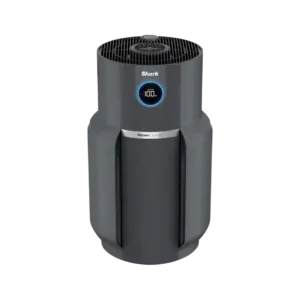
Cooking, pet, litter, musty, smoke, and general household odors are among the most common wins. The purifier is less convincing for some smoke situations and for people expecting the scent...
Pros: particle removal effectiveness, ease of use
Cons: condition on arrival, Wi-Fi reliability
#11
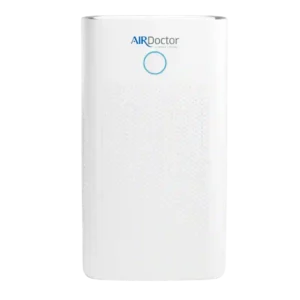
Odor results are mostly positive, especially for cooking and pet smells, with auto mode spinning up when odors appear. The main caveat is one owner who found the unit itself...
Pros: particle removal effectiveness, dust removal
Cons: customer support, formaldehyde removal
#12
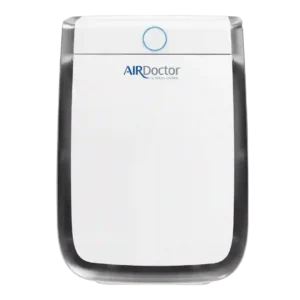
Odor control is a major strength for cooking, pets, weed, litter boxes, and basements. A few owners had the opposite experience, including weak odor improvement or a chemical smell from...
Pros: pollen removal, handle design
Cons: mold spore reduction, condition on arrival
#13
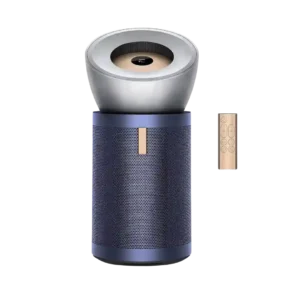
Reviewers were generally positive on odor reduction, though some comments noted limits or context-dependent results.
Pros: pet dander removal, HEPA filtration
Cons: condition on arrival, replacement experience
#14
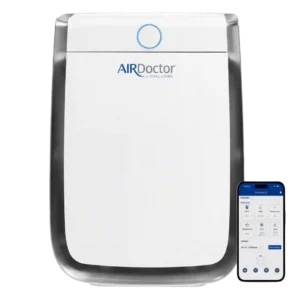
Odor removal is one of the most praised areas, with cooking smells, pet odor, room spray, and general stale air often improving. A few dissatisfied owners report that household smells...
Pros: activated carbon filter, filter life
Cons: VOC reduction, mold spore reduction
#15
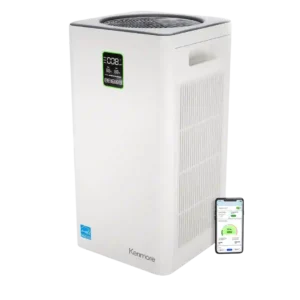
Odor control is a bright spot for cooking and general household freshness, with multiple owners saying smells cleared faster or the house smelled clean. Weed-smell removal is a clear miss...
Pros: particle removal effectiveness, allergen reduction
Cons: VOC reduction, VOC sensor accuracy
#16
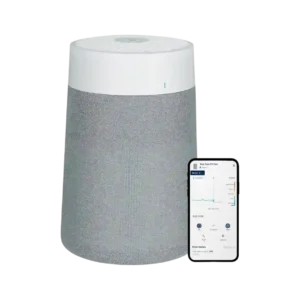
Odor evidence is mixed: one detailed test criticized odor neutralization, while other reviews reported odors or deodorant smell being reduced.
Pros: energy efficiency, power consumption
Cons: handle design, air quality sensor accuracy
#17

Odor performance was split. One long-term expert said it cleared cooking and smoke odors well, while another owner found it weak for odors because of limited charcoal filtration.
Pros: dust removal, pollen removal
Cons: voice assistant compatibility, condition on arrival
#18
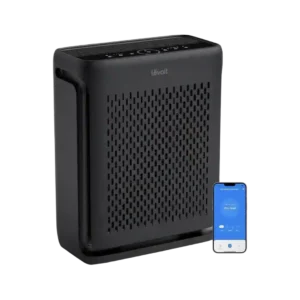
Odor reduction was useful but not universally strong: reviewers praised odor handling in bedrooms and pet/cooking contexts, while others said heavy odors and serious gases were limitations.
Pros: Wi-Fi reliability, filter stages
Cons: PM2.5 detection
#19
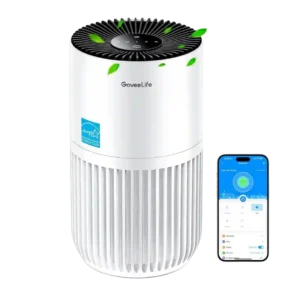
Odor evidence is mixed: one review criticized bad-odor performance, while another called it useful for small areas needing odor absorption.
Pros: sleep mode, filter stages
Cons: smoke removal, CADR rating