Best for odor reduction
Kenmore PM3020
5.0 feature score
Highest scored product for this feature based on supporting review evidence.
Highest scored product for this feature based on supporting review evidence.
Balances feature score, supporting reviews, and overall product strength.
Has the broadest review evidence for this feature.
Strongest overall product among items with scored evidence for this feature.
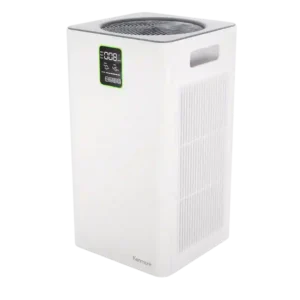
Odor cleanup is consistently strong, especially for cooking smells and lingering household odors. Several owners say the unit leaves the room smelling fresh or clean after it runs.
Pros: dust removal, pollen removal
Cons: CADR rating, filter availability
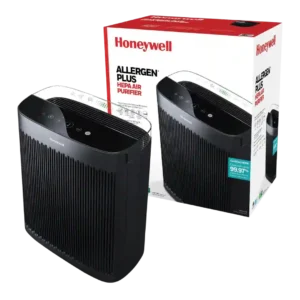
Odor reduction is strong in the limited evidence, including no odor and odors pulled from an apartment.
Pros: odor reduction, filter availability
Cons: particle removal effectiveness, durability
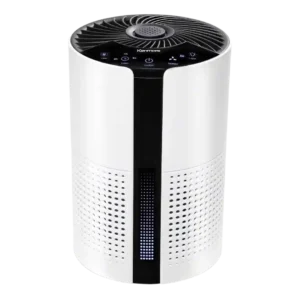
Odor control is praised strongly in the few comments that mention it. Tobacco smell and paint odor were both described as disappearing rather than merely being reduced.
Pros: odor reduction, build quality
Cons: filter life, customer support
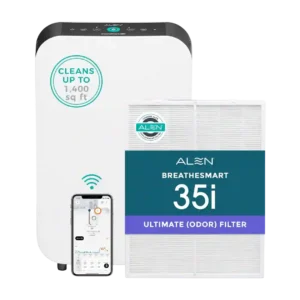
Odor reduction is one of the strongest customer-backed benefits, especially for pets, smoke odor, cooking, and basement smells.
Pros: allergen reduction, air quality sensor accuracy
Cons: durability, reliability

Odor control is one of the most loved parts of the purifier. Users mention cooking smells, litter boxes, dog odor, stale air, and bathroom odors fading quickly, with only one...
Pros: pollen removal, pet dander removal
Cons: power connector fit, child lock
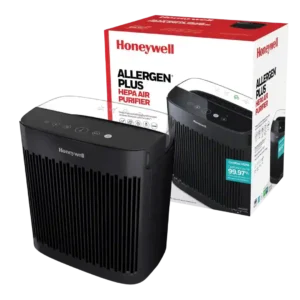
Odor feedback was generally strong, especially for room odors, cooking odors, smoke odors, and dog smell.
Pros: pollen removal, smoke removal
Cons: customer support, auto mode performance
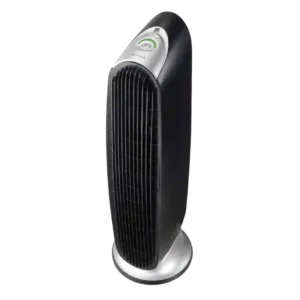
Odor reduction is a major strength across pet smells, cooking odors, stale air, musty rooms, smoke, and cat urine. Chemical or plastic odor from the unit itself is the main...
Pros: VOC reduction, filter life
Cons: filter availability, condition on arrival
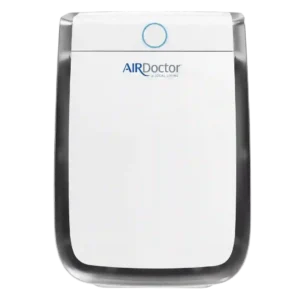
Odor control is consistently praised, especially for candle scent, smoke smell, cooking, cat litter changes, and general household odors. The carbon/VOC stage and fast response help it clear smells in...
Pros: particle removal effectiveness, HEPA filtration
Cons: customer support, warranty coverage
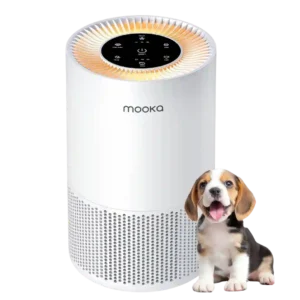
Odor control is a major strength, especially for pets, cooking, smoke, carpets, and small living spaces. Several owners said tough smells became much less noticeable or disappeared after running the...
Pros: pollen removal, filter replacement cost
Cons: auto mode performance, documentation quality
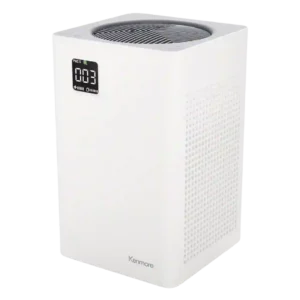
Odor reduction is frequently praised for cooking smells, smoke, cat litter, diapers, pets, and stale indoor air. A few users wanted stronger odor elimination, but most odor-specific comments are favorable.
Pros: particle removal effectiveness, pollen removal
Cons: customer support, replacement experience
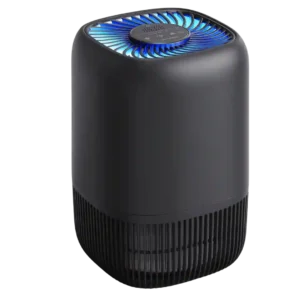
Odor removal is the standout theme, especially for litter boxes, pets, smoke, bathrooms, basements, cooking, and stale rooms. Many buyers say odors disappeared or became much less noticeable quickly.
Pros: customer support, odor reduction
Cons: air dryness, documentation quality
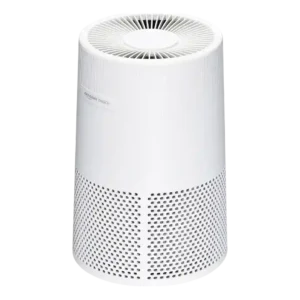
Odor control is one of the most repeated strengths, especially for cooking smells, mustiness, pets, and stale rooms. A few owners found food odors harder to clear than smoke odors.
Pros: particle removal effectiveness, pet dander removal
Cons: durability, customer support
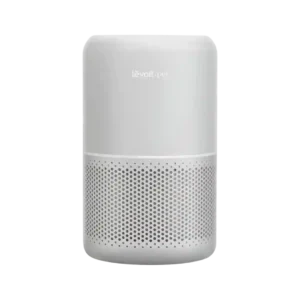
Odor reduction is the standout strength, especially for litter boxes, dog smell, musty rooms, cooking odors, smoke drift, and RV smells. Many customers describe a dramatic before-and-after change.
Pros: sleep quality benefit, PM2.5 detection
Cons: real-time air quality monitoring, app connectivity
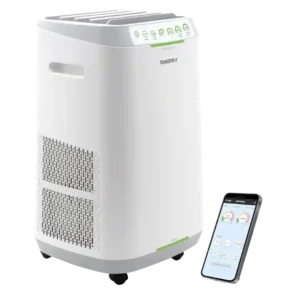
Odor removal is a standout theme, covering cooking, pet, litter box, mildew, garage smoke, and wet-dog smells. Most owners say smells fade quickly or disappear, though one basement mustiness test...
Pros: filter replacement cost, allergen reduction
Cons: Wi-Fi reliability
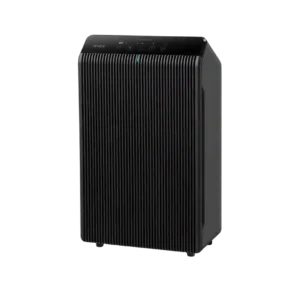
Odor reduction was a major strength, with reviewers reporting light household, cooking, pet, and litter-box odor improvement.
Pros: ozone-free operation, safety certifications
Cons: child lock, PM2.5 detection
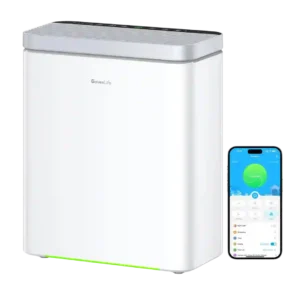
Odor control is one of the clearest strengths, especially for litter boxes, pets, cooking, smoke, basements, and stale indoor smells. Heavy neighboring smoke is the biggest odor-control complaint.
Pros: particle removal effectiveness, pollen removal
Cons: UV-C light effectiveness, air dryness
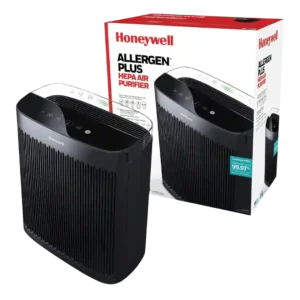
Customer evidence for odor reduction was strongly positive across 14 review(s), based only on cited transcript evidence.
Pros: particle removal effectiveness, pollen removal
Cons: child lock, listing accuracy
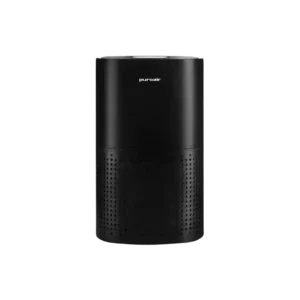
Odor reduction is a strong everyday-use theme for cooking smells, pets, litter boxes, mustiness, and stale rooms. Strong neighbor smoke is the major odor case where it disappointed.
Pros: particle removal effectiveness, dust removal
Cons: CADR rating, air changes per hour
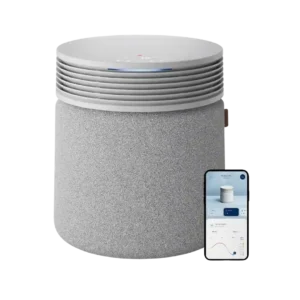
Odor reduction was a standout strength, with several reviewers saying it cleared smoke, dry shampoo fragrance, cooking smells, or general odors unusually well.
Pros: pollen removal, CADR rating
Cons: VOC sensor accuracy, durability
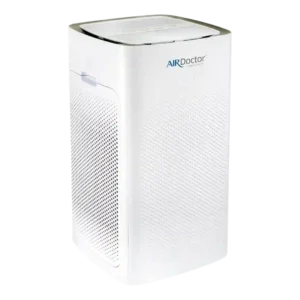
Odor control is praised for both everyday smells and mildew. One owner says it eliminated mildew odor in a cabinet, while another highlights toxic-odor reduction.
Pros: ozone-free operation, particle removal effectiveness
Cons: filter replacement cost, app connectivity
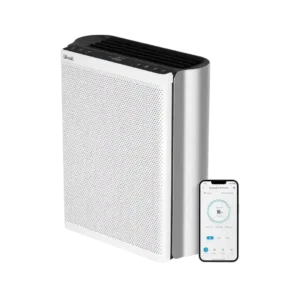
Odor reduction is strongly supported for pets, cooking, smoke, litter, fish, and stale rooms, with a few failures.
Pros: air purification performance, allergen reduction
Cons: reliability, filter replacement cost
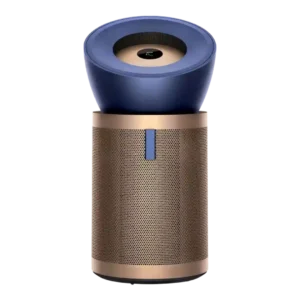
Odor reduction is strongly supported, including cooking smells, deodorant/aerosol odors, and general scent removal.
Pros: ease of use, noise level
Cons: condition on arrival, durability
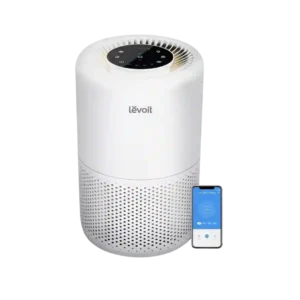
Odor reduction is positive for pet, stale, smoke, musty, skunk, cooking, and RV smells, but kitchen odor performance is not uniformly strong.
Pros: pollen removal, filter availability
Cons: real-time air quality monitoring, aromatherapy feature
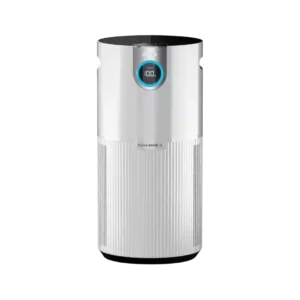
Odor removal is a major crowd-pleaser for cooking smells, pets, litter boxes, candles, and smoking. A few disappointed buyers said musty or pet smells were not reduced well enough.
Pros: particle removal effectiveness, sleep mode
Cons: power connector fit, safety concerns
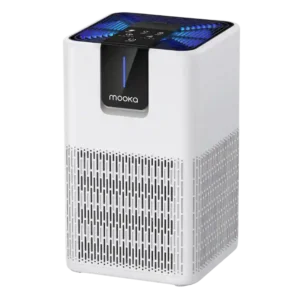
Odor reduction earns broad praise for litter boxes, pets, cooking smells, mustiness, mildew smells, and general stale air. The main caveat is that heavy odors or larger spaces can overwhelm...
Pros: particle removal effectiveness, pollen removal
Cons: customer support, safety concerns
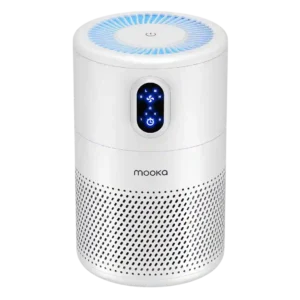
Odor reduction is the most praised benefit among customers, especially for cooking, cat litter, musty rooms, pets, and old-house smells; expert testing is more skeptical.
Pros: ozone-free operation, breathing relief
Cons: CADR rating, remote control
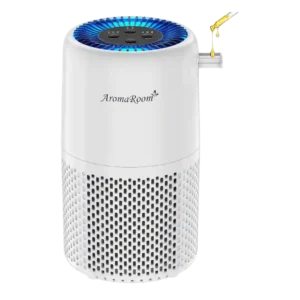
Odor reduction is a standout theme, especially for litter boxes, pets, cooking smells, bathrooms, and bedrooms. A few shoppers did not notice enough room-freshening, but the majority say smells dropped...
Pros: sleep mode, ease of use
Cons: initial chemical smell, power connector fit
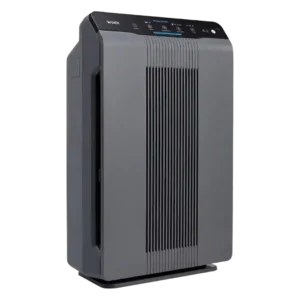
Odor reduction is often strong for cooking, pets, litter, smoke smell, and stale rooms, but weaker for heavy VOCs or weed smoke.
Pros: particle removal effectiveness, durability
Cons: reliability, customer support
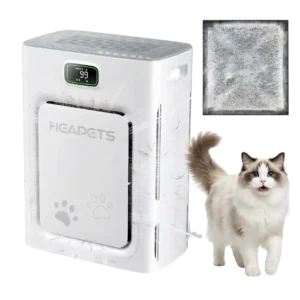
Odor reduction is a standout theme, with buyers reporting fresher rooms, less litter smell, reduced dog odor, and better results around pet spaces. Cooking smells were less reliable for at...
Pros: value for money, breathing relief
Cons: durability, listing accuracy
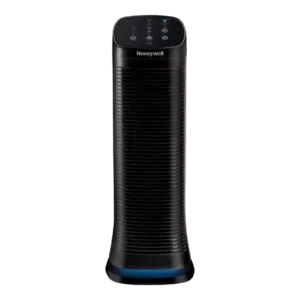
Odor reduction is highly context-dependent. Many owners like it for bedrooms, kitchens, pets, smoke, or ammonia, while expert reviews say the thin carbon option struggles with tougher odors.
Pros: pet dander removal, air changes per hour
Cons: auto mode performance, real-time air quality monitoring
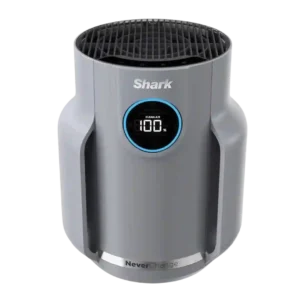
Odor reduction was a clear strength for cooking smells, though scent-based odor neutralizing was more context-dependent.
Pros: HEPA filtration, filter replacement cost
Cons: VOC sensor accuracy, smart features
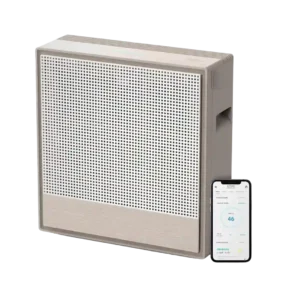
Odor reduction evidence was positive, with cooking smells reduced and pelleted carbon praised for odors and gases.
Pros: pre-filter quality, room coverage
Cons: fan speed options, filter replacement cost
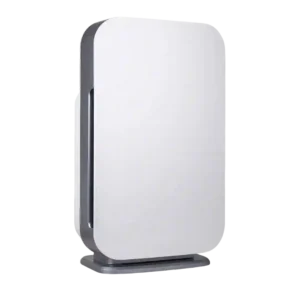
Odor removal was very strong for cooking, smoke, pet, musty, basement, and animal smells, though one fish-odor complaint was negative.
Pros: condition on arrival, sleep quality benefit
Cons: auto mode performance, real-time air quality monitoring
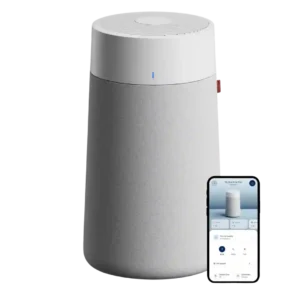
Odor reduction is a standout, especially for cooking, musty basements, pets, smoke, and stale rooms.
Pros: smoke removal, allergen reduction
Cons: durability, reliability

Odor reduction was a major strength, especially cooking, cigar, pet, and household odors, with a few limits in heavy smoke.
Pros: particle removal effectiveness, dust removal
Cons: remote control, control placement
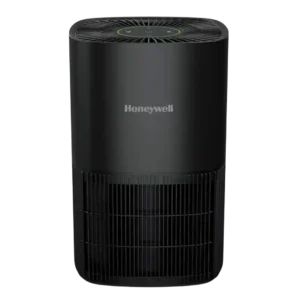
Odor control was a consistent strength, especially for fresher bedrooms, dog smell, and smoke-related smells, with one negative outlier.
Pros: real-time air quality monitoring, sleep mode
Cons: filter availability, replacement experience
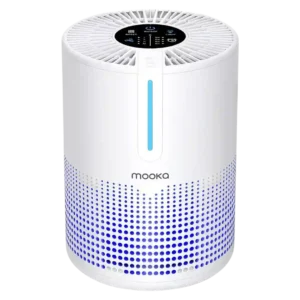
Odor reduction is a major strength in many small-space reports, including cooking, litter box, dog, vaping, and stale car smells. There is one clear failure where the unit did not...
Pros: true HEPA filter, energy efficiency
Cons: remote control, condition on arrival
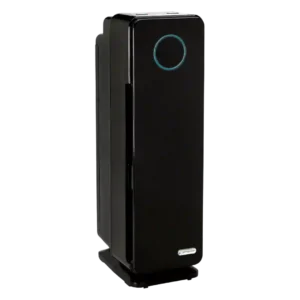
Odor control is useful for pet, litter, cooking, basement, smoke, and musty smells in many homes. The caveat is that some stale or persistent odors only partly improved.
Pros: pollen removal, pet dander removal
Cons: reliability, condition on arrival
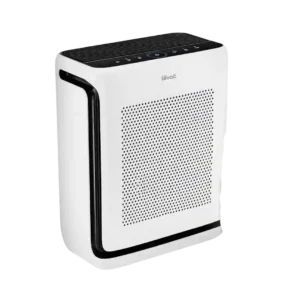
Odor reduction was generally strong for cooking and pet smells, though serious odor loads were flagged as beyond the standard carbon amount.
Pros: allergen reduction, safety certifications
Cons: PM2.5 detection, true HEPA filter

Odor reduction was a frequent strength, especially for cooking, basement, and cigar-smoke contexts, with one off-gassing complaint.
Pros: reliability, HEPA filtration
Cons: scheduling options, mold spore reduction
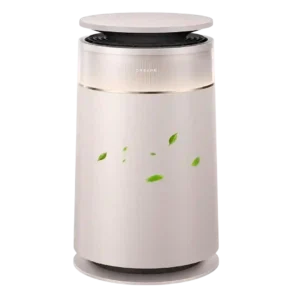
Odor control gets broad praise for pet smells, litter-box odors, cooking smells, and general room freshness. One dissatisfied owner reported no improvement with fish smells, but that was the clear...
Pros: smoke removal, particle removal effectiveness
Cons: reliability, customer support
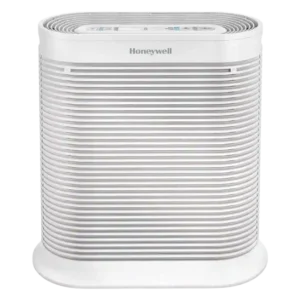
Odor reduction is usually positive, especially for pets, smoke, and cooking smells, with one weaker cooking-odor report.
Pros: true HEPA filter, pre-filter quality
Cons: condition on arrival, real-time air quality monitoring
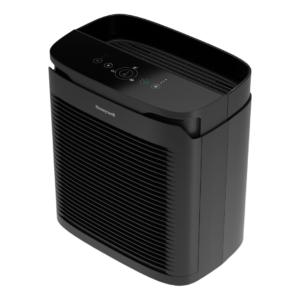
Odor control is mostly positive for cat smell, cooking odors, candle scent, and fresh-smelling air. One owner had the opposite experience, saying the unit itself gave off an unpleasant odor.
Pros: particle removal effectiveness, pet dander removal
Cons: safety concerns, real-time air quality monitoring
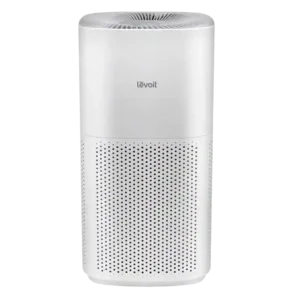
Odor performance is mostly positive for cooking and pet smells, but several reviewers say carbon odor control has limits.
Pros: ozone-free operation, air purification performance
Cons: VOC sensor accuracy, washable pre-filter
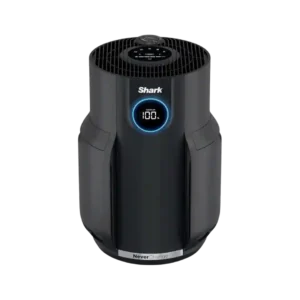
Odor reduction is widely praised for cooking, pets, litter, and stale rooms, but several reviewers dislike the scent cartridge or say it masks rather than removes odors.
Pros: particle removal effectiveness, ozone-free operation
Cons: Wi-Fi reliability, documentation quality
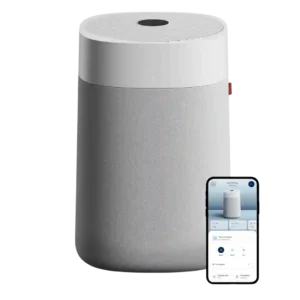
Two reviews state that smells and odors are handled effectively.
Pros: fan speed options, CADR rating
Cons: true HEPA filter, handle design
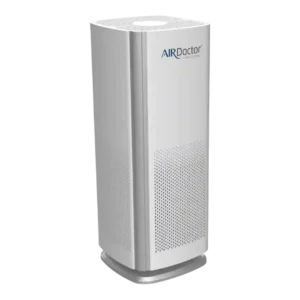
Odor control is tied to the carbon filter, which the expert review says helps eliminate odors along with VOCs.
Pros: particle removal effectiveness, allergen reduction
Cons: reliability, durability
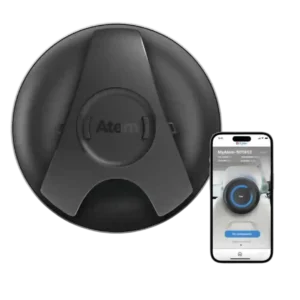
Odor reduction is a major strength in the reviews, covering exhaust, new-car smells, smoke smells, and unpleasant road odors. A few comments caution that it is not instant against acute...
Pros: dust removal, pollen removal
Cons: air changes per hour, filter replacement cost
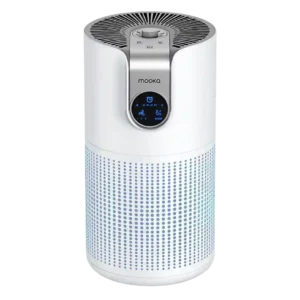
Odor control gets frequent praise, especially for pets, musty basements, cooking smells, litter boxes, and paint fumes. Some reviewers found lingering odors unchanged, so it is not universally strong.
Pros: pet dander removal, VOC reduction
Cons: real-time air quality monitoring, PM2.5 detection
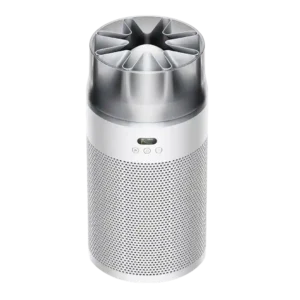
Evidence is mixed, with both praise and criticism.
Pros: particle removal effectiveness, maintenance ease
Cons: VOC sensor accuracy, filter availability