Best for competitive gaming suitability
InnoCN GA27S1Q
5.0 feature score
Highest scored product for this feature based on supporting review evidence.
Highest scored product for this feature based on supporting review evidence.
Balances feature score, supporting reviews, and overall product strength.
Has the broadest review evidence for this feature.
Strongest overall product among items with scored evidence for this feature.
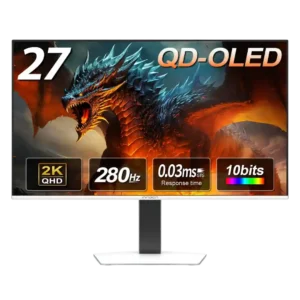
The combination of 280Hz refresh, near-instant response, and clean motion makes this a highly capable competitive gaming monitor.
Pros: screen size, panel type
Cons: KVM switch performance, USB hub functionality
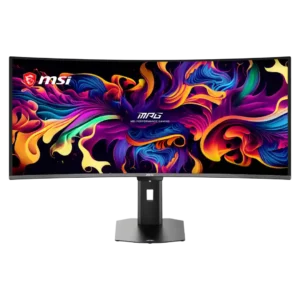
The 360Hz refresh, near-instant response, and low latency make it unusually capable for competitive play. Dedicated esports players may still prefer a smaller 16:9 display.
Pros: screen size, panel type
Cons: Resolution, cable management
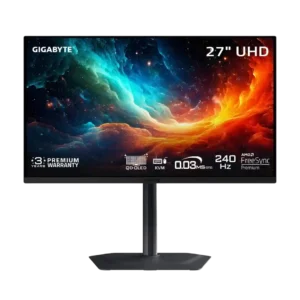
Extremely low latency, 240Hz refresh, clean motion, and tactical aspect-ratio modes make it excellent for competitive gaming. Only the most demanding esports players may want an even higher refresh rate.
Pros: input lag, viewing angles
Cons: color accuracy, software support
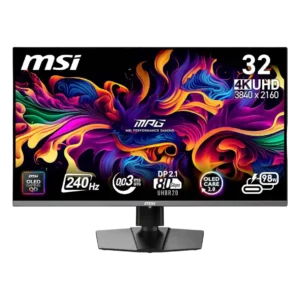
Near-instant response, 240Hz motion, and low latency make the monitor excellent for competitive play. Fully exploiting 4K at that speed still requires powerful hardware, and some AI aids may be...
Pros: response time, motion clarity
Cons: warranty and support service, sleep and wake behavior
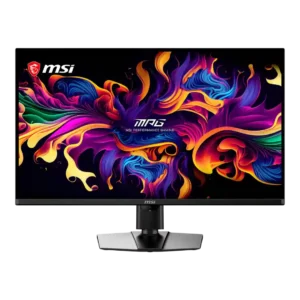
The 240Hz refresh rate, fast response, and low native lag make competitive games look and feel excellent. Dedicated esports players may still prefer a smaller 27-inch, lower-resolution monitor with a...
Pros: panel type, response time
Cons: built-in speakers, curved screen immersion
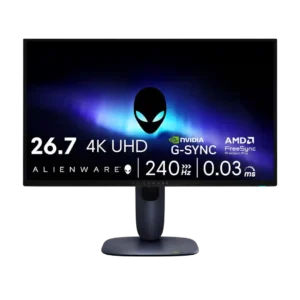
Competitive gaming suitability was strong for 4K/240Hz responsiveness, though hardcore esports players may still prefer faster lower-resolution panels.
Pros: response time, contrast
Cons: built-in speakers, software support
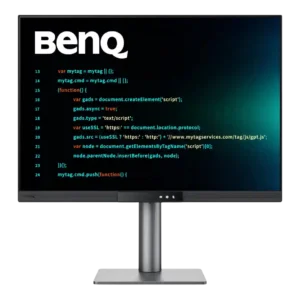
The 120Hz panel is fine for casual gaming but too slow for serious competitive play. A 5ms response, residual blur, and unconventional aspect ratio put esports players at a disadvantage.
Pros: VESA mount compatibility, productivity versatility
Cons: HDR performance, local dimming performance
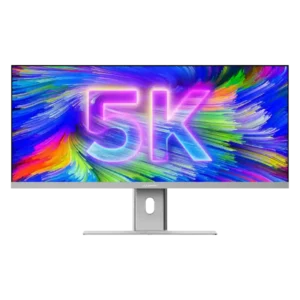
Competitive gaming is not this monitor’s strength. Its response time and 100Hz ceiling are fine for occasional play but too slow for fast shooters and esports-focused buyers.
Pros: productivity versatility, aspect ratio
Cons: HDR performance, HDMI 2.1 support
Competitive gamers should look elsewhere because response time, ghosting, 120Hz ceiling, and missing gaming features trail dedicated OLED and high-refresh models. The monitor is designed for work first and occasional...
Pros: input lag, backlight bleed control
Cons: overdrive tuning, ghosting control