Best for reflection handling
BenQ RD280UG
4.9 feature score
Highest scored product for this feature based on supporting review evidence.
Highest scored product for this feature based on supporting review evidence.
Balances feature score, supporting reviews, and overall product strength.
Has the broadest review evidence for this feature.
Strongest overall product among items with scored evidence for this feature.
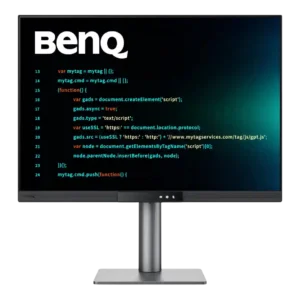
The Nano Matte coating handles windows, skylights, and room lighting extremely well. It adds only slight grain while keeping reflections from washing out the work area.
Pros: VESA mount compatibility, productivity versatility
Cons: HDR performance, local dimming performance
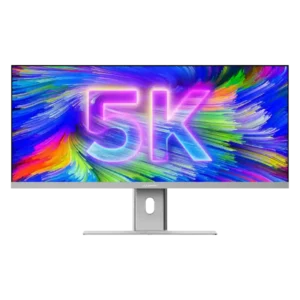
The matte coating handles office and studio reflections very well and is repeatedly preferred for work near windows. Bright windows can still create highlights depending on placement.
Pros: productivity versatility, aspect ratio
Cons: HDR performance, HDMI 2.1 support
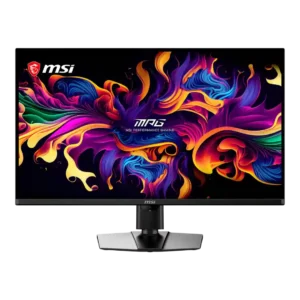
DarkArmor substantially reduces the purple tint and improves perceived blacks in bright rooms while retaining a sharp glossy image. Direct light can still reveal some tint and reflections, so darker...
Pros: panel type, response time
Cons: built-in speakers, curved screen immersion
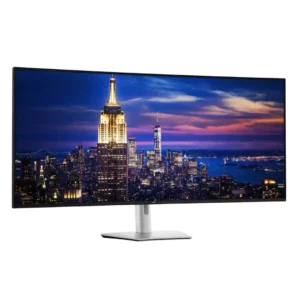
The matte anti-glare surface usually keeps overhead lights and windows under control without heavily softening the image. A lighter coating and shallow curve can still leave distracting reflections at certain...
Pros: input lag, backlight bleed control
Cons: overdrive tuning, ghosting control
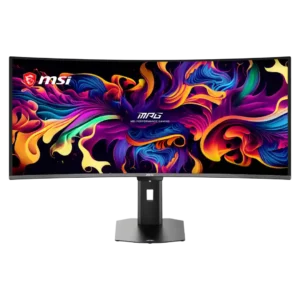
DarkArmor substantially reduces the purple-gray haze and mirror-like reflections of older QD-OLED panels. The glossy surface can still struggle with strong direct sunlight or very bright rooms.
Pros: screen size, panel type
Cons: Resolution, cable management
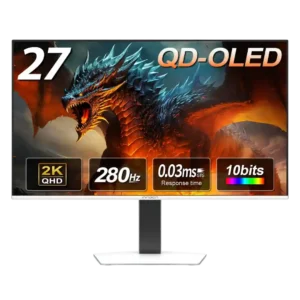
The glossy or semi-gloss finish makes colors pop and handles reflections reasonably well in moderate lighting. Strong windows or intense room light can raise blacks, add a magenta tint, and...
Pros: screen size, panel type
Cons: KVM switch performance, USB hub functionality
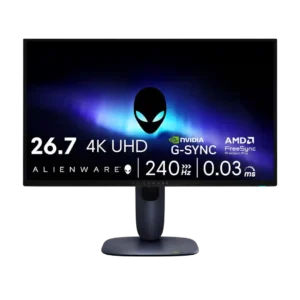
Reflection handling was mixed: glare control could be good, but glossy QD-OLED behavior and bright rooms could raise blacks or reflections.
Pros: response time, contrast
Cons: built-in speakers, software support
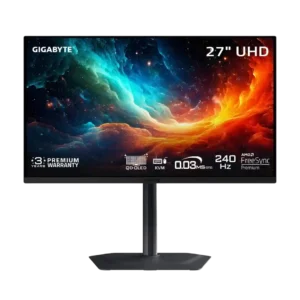
The glossy coating preserves clarity and manages mirror-like reflections reasonably well. QD-OLED blacks still lift noticeably when ambient light reaches the screen.
Pros: input lag, viewing angles
Cons: color accuracy, software support
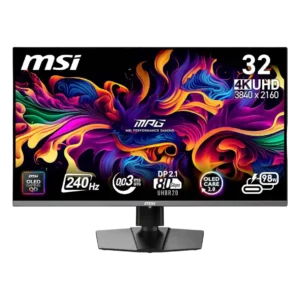
The glossy coating preserves clarity and color depth, but windows and direct lights remain distracting. QD-OLED blacks can also take on a purple tint in bright rooms.
Pros: response time, motion clarity
Cons: warranty and support service, sleep and wake behavior