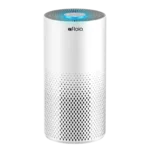
Afloia Kilo Feature Scores
Explore all 71 feature scores for Afloia Kilo, organized into pros and cons.
Scores by Feature
Summary
71 reviewed features-
Very positive 4.5-5.012 (17%)
-
Positive 3.5-4.435 (49%)
-
Neutral 2.5-3.414 (20%)
-
Negative 1.5-2.410 (14%)
Pros
Sort
-
Reviewers mention this attribute in direct product use, with sentiment depending on room size, speed, and expectations.
-
Value is a major strength. Reviewers repeatedly connect good small-room performance with a low price, even when they note limits.
-
Reviewers mention this attribute in direct product use, with sentiment depending on room size, speed, and expectations.
-
The design is generally liked, with reviewers calling it sleek, modern, unobtrusive, or nice-looking enough to leave out.
-
Allergy relief is a major positive theme, with many owners reporting less sneezing, congestion, sinus irritation, or seasonal discomfort after running it.
-
Pollen relief is mentioned positively in allergy-season use, with reviewers saying the unit helped indoor pollen problems and related symptoms.
-
Sleep mode is one of the best-liked features for bedrooms, with many reviewers saying it is quiet enough for overnight use.
-
Pet dander feedback is mostly positive, especially from cat and dog households using the purifier in bedrooms or shared spaces.
-
Sleep benefits are often tied to cleaner air, allergy relief, and soft white noise, making bedrooms one of the best-supported use cases.
-
Size feedback splits by expectation: many like the compact footprint, while some find it larger than expected or too small for the claimed coverage.
-
The light ring and indicator lights are often liked as a visual perk, but failures and confusing red blinking are also common complaints.
-
Durability feedback ranges from long-running, no-issue use to defective units, light failures, and filter-indicator problems.
-
Customer support stands out in a few reviews, especially quick replies, troubleshooting help, and a free replacement.
-
The fan-speed choices are appreciated for simple control, although some owners wish the jump between medium and high were smoother or quieter.
-
Breathing relief is a strong owner-reported benefit, including easier breathing, less coughing, asthma comfort, and COPD-related comfort.
-
Portability is positive where mentioned, with the compact body and light weight making it easy to move between rooms.
-
Air circulation helps some stuffy rooms feel fresher and moves a lot of air on higher settings, but stronger airflow usually comes with more noise.
-
Odor control works for many light pet, cooking, and room smells, but it is not the product’s strongest trait. Strong odors and smoke are the most likely to disappoint.
-
The timer is useful for simple auto-off operation, but it does not replace full scheduling or app-based automation.
-
Replacement-filter feedback is mixed but generally workable, with some owners finding filters easily and others asking where to get new ones.
-
Reviewers mention this attribute in direct product use, with sentiment depending on room size, speed, and expectations.
-
Dust reduction gets frequent praise from pet owners and bedroom users, though a small number of reviewers say their filters collected little or that dust still escaped.
-
Most owners describe a noticeable cleaner-air effect, especially in bedrooms and smaller living areas. A few disappointed buyers say the improvement was minor or hard to verify.
-
The lack of ionization is treated positively because it supports ozone-free operation and keeps the purifier mechanically filtered.
-
Ozone-free operation is a clear positive in expert coverage because the unit relies on mechanical filtration rather than ionization.
-
Room coverage is one of the clearest tradeoffs: customers sometimes use it in larger areas, but expert testing points to small rooms as the realistic sweet spot.
-
Maintenance is usually described as simple, especially removing or changing filters, though cleaning the internal fan is a complaint for at least one owner.
-
Power consumption is low enough for continuous use, and expert reviews describe the monthly electricity cost as minimal.
-
The handle design helps with room-to-room use, and one detailed customer review specifically appreciated being able to move it easily.
-
Smoke results are mixed: some owners say it helped with cigarette or wildfire smoke smells, while expert testing and other comments say heavy smoke is beyond its comfort zone.
-
Arrival condition is mostly positive when mentioned, including packed-well and on-time delivery notes, though one owner received a unit that did not work.
-
The HEPA-type filter is credited with much of the unit’s particle-cleaning ability, though it is not treated as a premium certified filtration system.
-
Particle cleaning is one of the stronger themes, with expert testing and owners pointing to visible reductions in airborne particles, dust, and general haze.
-
Warranty coverage is a plus in expert coverage, especially when registered, and helps offset some budget-brand concerns.
-
Documentation is mixed. Some find filter-changing instructions clear, while one owner was confused by wording around the power supply.
-
Energy use is a quiet strength in expert testing, with low wattage and low monthly operating costs helping the value story.
-
UV-C is only useful here as an absence: expert coverage says the purifier does not use UV-C, which supports ozone-free operation but means no UV-C cleaning claim.
-
Air changes are favorable only when the room is small enough. The strongest support is around bedroom-sized spaces near the tested coverage range.
-
The three-stage filter setup is viewed as practical and effective for the price, especially for dust, pet debris, and common indoor particles.
-
Mold feedback is limited but positive where mentioned, mostly from users who felt symptoms improved in a space they suspected had mold issues.
-
Control placement is a small positive in expert coverage, with top controls described as responsive and well positioned.
-
Filter life is mixed: some owners get several months, while others are surprised by early indicator warnings or frequent replacement needs in dusty pet homes.
-
Child lock appears as a useful basic control in expert coverage, helping prevent accidental button presses.
-
PM2.5 testing in expert reviews supports good small-room particle reduction, making this one of the more credible performance claims.
-
Remote operation is only lightly mentioned, so it should not be treated as a major buying reason for this model.
-
The washable pre-filter is a plus in expert coverage because it catches larger debris before the main filter and can help preserve airflow.
-
The pre-filter is useful for larger debris and pet hair, but one expert would prefer a design that is easier to clean separately from the main filter.
Cons
Sort
-
Reliability is mixed. Many units work well for months or years, but defective arrivals, stopped lights, red indicator issues, and nonworking units appear often enough to matter.
-
App connectivity is not available on the basic Kilo, which is a drawback for buyers who want phone control or smart routines.
-
Build quality is acceptable for the price in expert testing but not premium. A few owners describe the shell as cheap or fan-like.
-
Air-quality sensing is mostly a missing-feature concern rather than a strength. Buyers wanting sensor-based adjustments should look beyond the basic Kilo.
-
Automatic behavior is a weak spot. One reviewer described inconsistent reactions to odors, and expert coverage says this basic Kilo lacks automatic air quality sensing.
-
VOC-related confidence is low because the carbon layer is described as too limited for strong gases or VOCs, even though basic filtration performs well for particles.
-
Display readability is mixed: expert coverage says indicators are clear, while some owners dislike small symbols, disappearing lights, or the lack of an air-quality display.
-
Smart features are mostly absent. Reviewers who want app controls, automation, or richer scheduling need the Kilo Plus or another smart purifier.
-
Reviewers mention this attribute in direct product use, with sentiment depending on room size, speed, and expectations.
-
Initial smell is uncommon but meaningful when it appears, ranging from an unusual first-use smell to a serious burning-plastic complaint.
-
Real-time monitoring is not a meaningful strength here because the unit lacks an air-quality display, leaving users to judge changes by feel or the filter indicator.
-
Safety concerns are rare but serious, centered on a burning-plastic odor report after use.
-
Settings and light retention are a recurring annoyance, especially lights that turn off, stop working, or remain stuck on red.
-
Replacement experiences range from excellent support sending a working replacement to frustration with returns after defects or filter problems.
-
Filter cost is a recurring annoyance. Several owners like the purifier but dislike paying for replacement filters or needing them often.
-
VOC or odor sensor behavior is not dependable in the comments that mention detection. The basic model is better understood as manual rather than sensor-driven.
-
CADR is a limiting factor. Expert reviews frame the 82 CFM level as fine for small rooms but underpowered for larger spaces.
-
Room temperature mixing can be a drawback for some owners, with comments that it blows cold air or makes a room feel cooler.
-
Reviewers and expert coverage distinguish this from certified True HEPA models. It can still clean many particles well, but buyers wanting strict True HEPA certification may want another unit.
-
Listing accuracy is mixed because some owners say it matches expectations, while expert reviews and buyers challenge large-room and quietness claims.
-
Power adapter wording caused confusion for one owner, who felt the instructions were unclear about the power supply.
-
The carbon filter helps with lighter odors for some owners, but expert testing calls it too limited for tougher smells, smoke, and VOCs.
-
The aromatherapy pad is divisive: some like having a scented-oil option, while others say fragrance is weak or wish the feature worked better.
-
Noise is strongly speed-dependent. Low and sleep modes are often praised as quiet, while high speed is repeatedly called loud or high-pitched.