Best for auto mode performance
PuroAir 240
5.0 feature score
Highest scored product for this feature based on supporting review evidence.
Highest scored product for this feature based on supporting review evidence.
Balances feature score, supporting reviews, and overall product strength.
Has the broadest review evidence for this feature.
Strongest overall product among items with scored evidence for this feature.
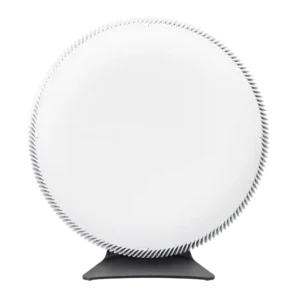
Auto and smart modes were a real strength, especially because reviewers could let the purifier react to pollution or cap fan speed for comfort. Owners liked leaving it to manage...
Pros: dust removal, pollen removal
Cons: voice assistant compatibility, condition on arrival
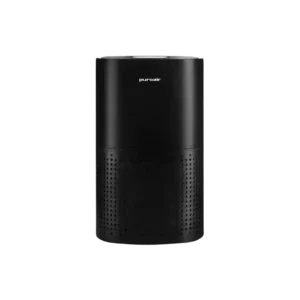
Auto mode is widely liked when it ramps up for smoke, cooking, dust, or poorer air, then settles back down. It is one of the product's most appreciated convenience features.
Pros: particle removal effectiveness, dust removal
Cons: CADR rating, air changes per hour
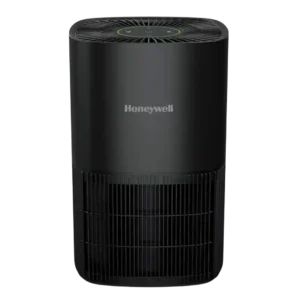
Auto mode was repeatedly praised for reacting to conditions and changing fan speed without much user intervention.
Pros: real-time air quality monitoring, sleep mode
Cons: filter availability, replacement experience
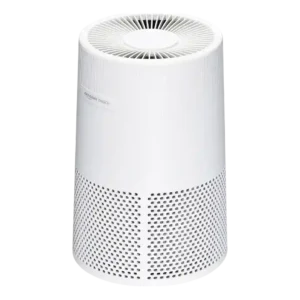
Auto mode earns strong praise for reacting to cooking, smoke, dusting, and changing air conditions. Several owners leave it on auto because it usually stays quiet until air quality worsens.
Pros: particle removal effectiveness, pet dander removal
Cons: durability, customer support
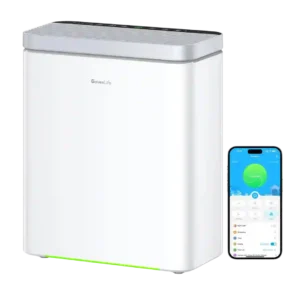
Auto mode earns broad praise for sensing cooking smoke, candle smoke, dust, and odors, then ramping the fan up and calming down once air improves.
Pros: particle removal effectiveness, pollen removal
Cons: UV-C light effectiveness, air dryness
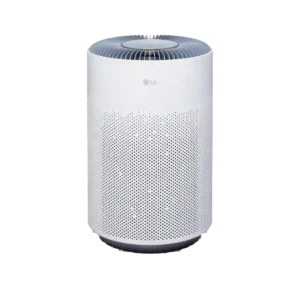
Auto mode is a major convenience win when it reacts to cooking, dust, or changing air quality and then settles back down. Reviewers repeatedly describe it as a set-and-forget feature.
Pros: allergen reduction, particle removal effectiveness
Cons: replacement experience, Wi-Fi reliability
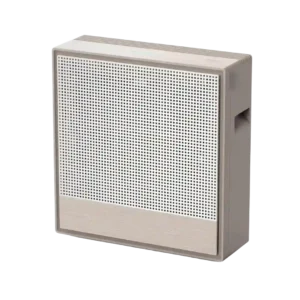
Auto mode was one of the most consistently praised features because reviewers could leave the unit to adjust itself.
Pros: smoke removal, CADR rating
Cons: filter replacement cost, app connectivity
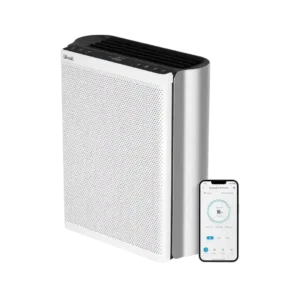
Auto mode is usually praised for reacting to cooking, smoke, dust, and changing air quality, with a few room-context failures.
Pros: air purification performance, allergen reduction
Cons: reliability, filter replacement cost
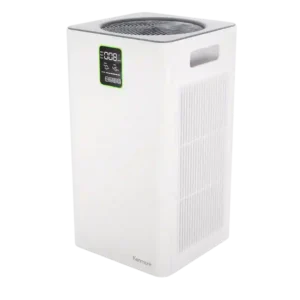
Auto mode earns strong praise for reacting to cooking, smoke, smells, and contaminants without much attention. The biggest complaint is not auto-cleaning itself, but the display and sleep-mode compromises around...
Pros: dust removal, pollen removal
Cons: CADR rating, filter availability
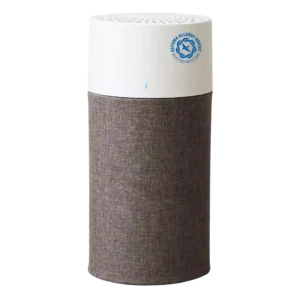
Auto mode was repeatedly praised for useful, responsive adjustment and for reducing the need for user intervention.
Pros: indicator lights, ozone-free operation
Cons: scheduling options, true HEPA filter
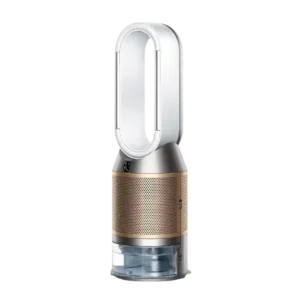
Review evidence is strongly positive.
Pros: pollen removal, VOC reduction
Cons: documentation quality, condition on arrival
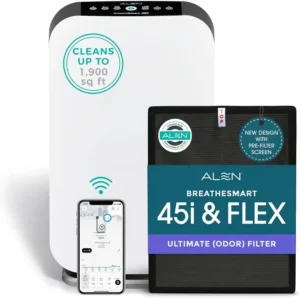
Auto mode is consistently described as responsive, handy, and useful for hands-off operation.
Pros: air quality sensor accuracy, real-time air quality monitoring
Cons: condition on arrival, remote control
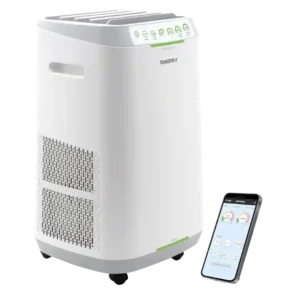
Auto mode earns strong praise for reacting to cooking, hair spray, fireplace smoke, odors, and other air changes. The few caveats are that it can feel sensitive or ramps up...
Pros: filter replacement cost, allergen reduction
Cons: Wi-Fi reliability
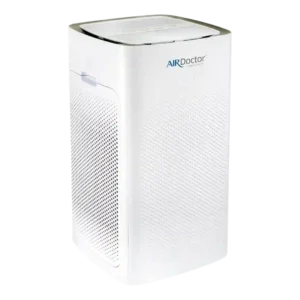
Auto mode is praised for reacting to changing air conditions without much user attention. Reviewers liked that it increases power when the air gets worse and settles down afterward.
Pros: ozone-free operation, particle removal effectiveness
Cons: filter replacement cost, app connectivity
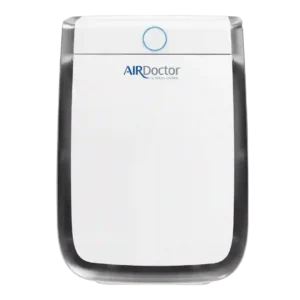
Auto mode is one of the most praised traits, with reviewers saying it ramps up for smoke, perfume, cooking, and poor air, then settles back down. One negative customer felt...
Pros: pollen removal, handle design
Cons: mold spore reduction, condition on arrival
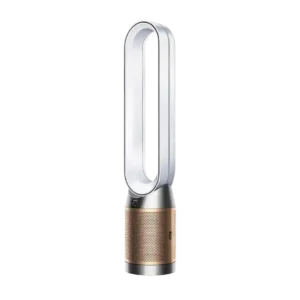
Auto mode is generally praised for reacting to changing air quality, with isolated concern tied to noise or reliability.
Pros: allergen reduction, smoke removal
Cons: customer support, reliability
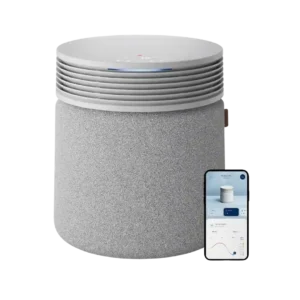
Auto mode was repeatedly judged responsive, quickly ramping up when pollution appeared and easing back down after the air improved.
Pros: pollen removal, CADR rating
Cons: VOC sensor accuracy, durability
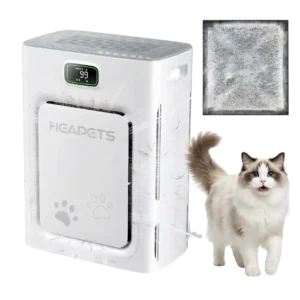
Auto mode gets positive comments for reacting to changing air quality and adjusting fan speed on its own. Reviewers noticed it respond to odors, vape, cooking, or smoke changes.
Pros: value for money, breathing relief
Cons: durability, listing accuracy
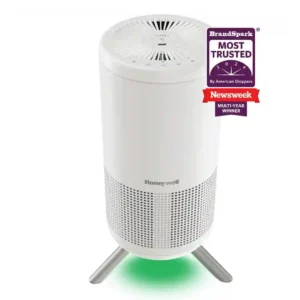
Auto mode is generally praised for adjusting fan speed when air quality changes, with one customer also noticing responsive adjustment.
Pros: dust removal, pollen removal
Cons: app connectivity, remote control
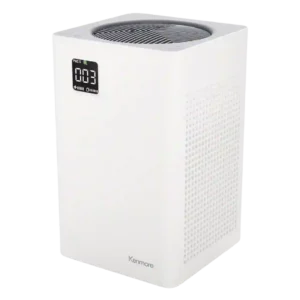
Auto mode is one of the most-liked features, with owners loving how it senses cooking, smoke, dust, sprays, candles, or litter box activity and ramps the fan automatically. A few...
Pros: particle removal effectiveness, pollen removal
Cons: customer support, replacement experience
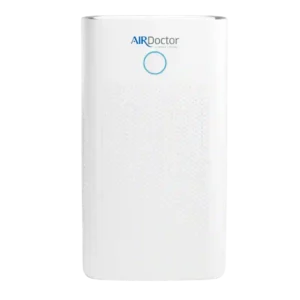
Auto mode is repeatedly praised as a set-it-and-forget-it feature. Reviewers and owners say it reacts to kitchen odors, changing air quality, and everyday conditions without much manual adjustment.
Pros: particle removal effectiveness, dust removal
Cons: customer support, formaldehyde removal
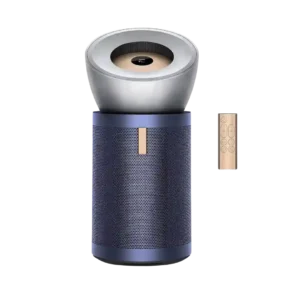
Reviewers were generally positive on auto mode performance, though some comments noted limits or context-dependent results.
Pros: pet dander removal, HEPA filtration
Cons: condition on arrival, replacement experience

Auto mode was usually liked for sensing and adjusting speed, though sleep-mode behavior could interfere.
Pros: reliability, HEPA filtration
Cons: scheduling options, mold spore reduction
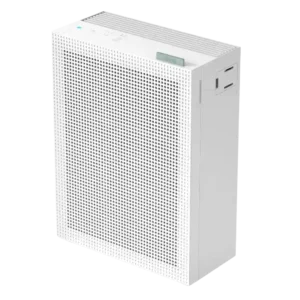
Auto mode was generally praised for reacting to changing air quality and adjusting fan speed without much user input.
Pros: maintenance ease, ozone-free operation
Cons: voice assistant compatibility, child lock
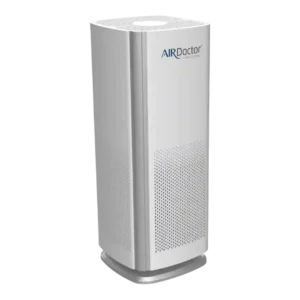
Auto mode is seen as genuinely useful, especially by a customer who liked that it handled air cleanup without extra button presses.
Pros: particle removal effectiveness, allergen reduction
Cons: reliability, durability
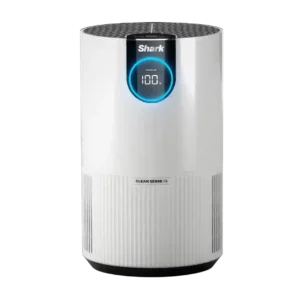
Auto mode was often praised for reacting to air changes, though a few users distrusted it when sensors missed dust or got stuck.
Pros: particle removal effectiveness, PM2.5 detection
Cons: durability, aromatherapy feature
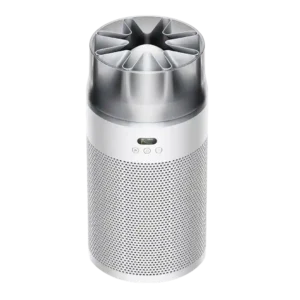
Review evidence is generally positive.
Pros: particle removal effectiveness, maintenance ease
Cons: VOC sensor accuracy, filter availability
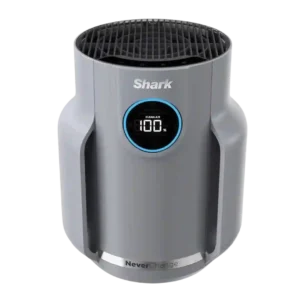
Auto mode was repeatedly praised for ramping fan speed when air quality changed, though one sleep-focused review noted auto can become disruptive when it ramps up.
Pros: HEPA filtration, filter replacement cost
Cons: VOC sensor accuracy, smart features
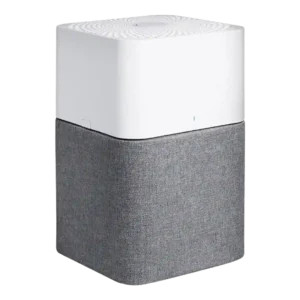
Auto mode is mostly useful for smoke, cooking, and air-quality changes, but some owners report low-speed or failed-sensor behavior.
Pros: particle removal effectiveness, CADR rating
Cons: child lock, app connectivity
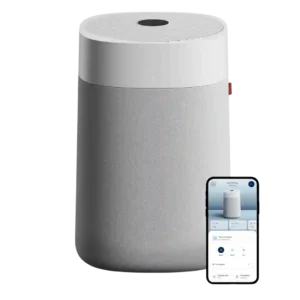
Auto mode is viewed positively because it adjusts automatically and supports a set-it-and-forget-it experience.
Pros: fan speed options, CADR rating
Cons: true HEPA filter, handle design
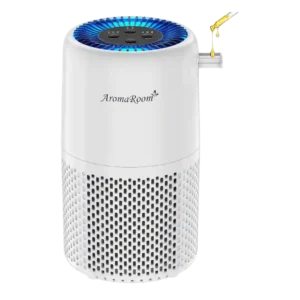
The auto-adjusting behavior is praised as a set-and-forget convenience. It makes the purifier feel easier to leave running without constant fiddling.
Pros: sleep mode, ease of use
Cons: initial chemical smell, power connector fit
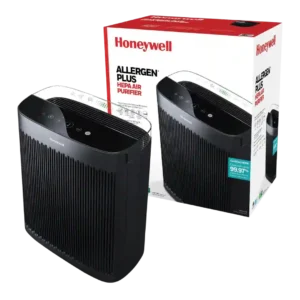
Auto mode received positive mention because it rarely needed to run on high.
Pros: odor reduction, filter availability
Cons: particle removal effectiveness, durability
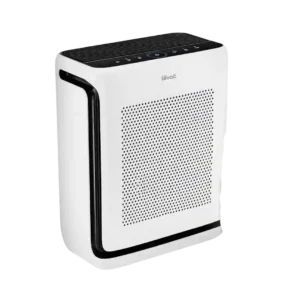
Auto mode was broadly praised for adjusting fan speed when pollution rises, though its usefulness depends on the less-premium sensor.
Pros: allergen reduction, safety certifications
Cons: PM2.5 detection, true HEPA filter
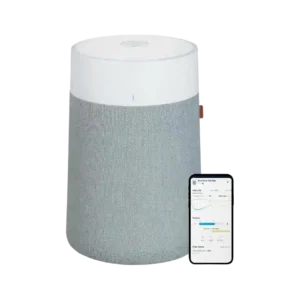
Auto mode was viewed as useful and responsive, with reviewers noting automatic fan adjustments and energy or filter savings.
Pros: dust removal, pollen removal
Cons: child lock, true HEPA filter
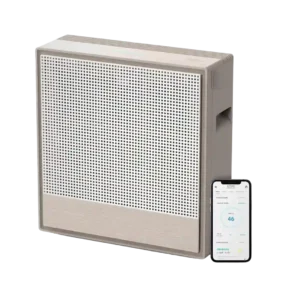
Auto, Smart, Rapid, and Eco behavior was generally praised for hands-off operation and useful ramp-up or energy-saving behavior.
Pros: pre-filter quality, room coverage
Cons: fan speed options, filter replacement cost
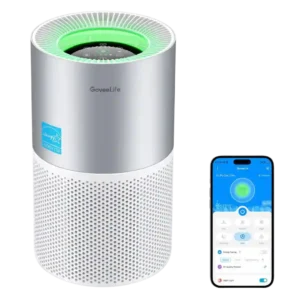
Auto mode earns strong praise when it ramps up for smoke, odors, litter boxes, sprays, or worsening air quality. The main downside is a reported unit that got stuck running...
Pros: pollen removal, pet dander removal
Cons: power connector fit, child lock
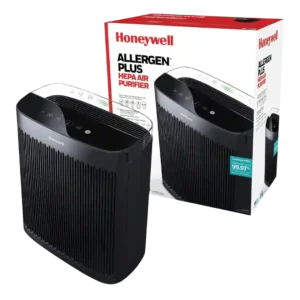
Customer evidence for auto mode performance was strongly positive across 19 review(s), based only on cited transcript evidence.
Pros: particle removal effectiveness, pollen removal
Cons: child lock, listing accuracy
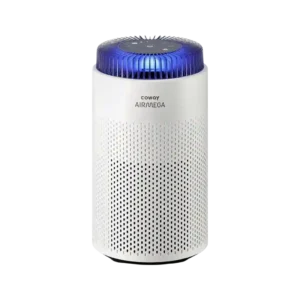
Auto mode is convenient when the sensor catches cooking fumes or dirty air, ramping up and settling down without much fuss. Its usefulness drops when the sensor misses a problem.
Pros: ozone-free operation, breathing relief
Cons: reliability, customer support
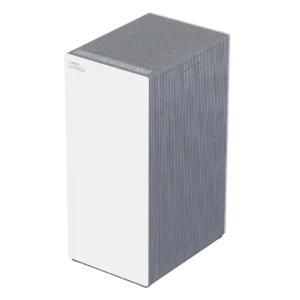
Auto mode is consistently praised for sensor-triggered fan changes, dust response, and user-friendly passive operation.
Pros: air purification performance, particle removal effectiveness
Cons: voice assistant compatibility, filter replacement cost
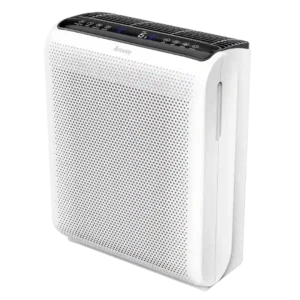
Auto mode is one of the best-liked features, often ramping up for candles, cooking, smoke, or poorer air and then settling back down. Some sensor-related complaints also undercut confidence in...
Pros: pollen removal, filter stages
Cons: durability, app connectivity
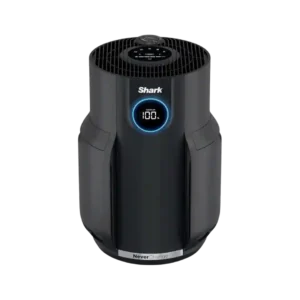
Auto mode is often praised for reacting to smoke, cooking, and air-quality shifts, but some owners distrust eco mode or report stuck readings.
Pros: particle removal effectiveness, ozone-free operation
Cons: Wi-Fi reliability, documentation quality
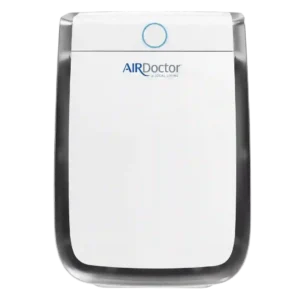
Auto mode is one of the better-liked features because it reacts to changing air quality and reduces daily intervention. One tester noted it did not always jump to high when...
Pros: particle removal effectiveness, HEPA filtration
Cons: customer support, warranty coverage
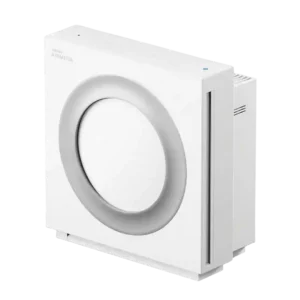
Auto mode earned positive marks for adjusting fan speed with little intervention and responding more precisely to changing air quality.
Pros: filter life, power consumption
Cons: voice assistant compatibility, app connectivity
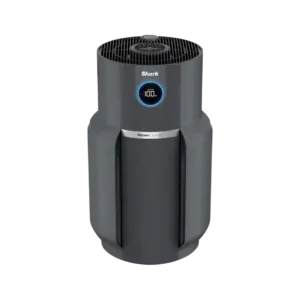
Auto mode is one of the most praised features because it ramps up when the air gets dirty and settles back down after the room clears.
Pros: particle removal effectiveness, ease of use
Cons: condition on arrival, Wi-Fi reliability
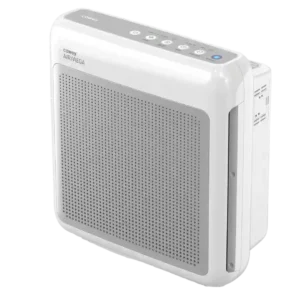
Auto and Eco behavior is consistently praised as set-and-forget, useful, and effective for adjusting or pausing based on air quality.
Pros: durability, ozone-free operation
Cons: app connectivity, smart features
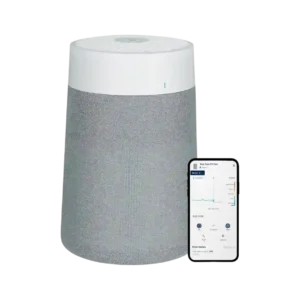
Auto mode was generally useful or great, though one reviewer tied its usefulness to a sensor that was not as accurate as preferred.
Pros: energy efficiency, power consumption
Cons: handle design, air quality sensor accuracy
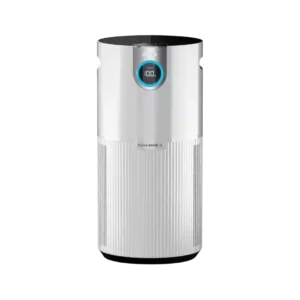
Auto mode is widely liked because it reacts to cooking, odors, smoke, and particles without babysitting. Complaints come from sensor failures that make auto mode run constantly or change speeds...
Pros: particle removal effectiveness, sleep mode
Cons: power connector fit, safety concerns
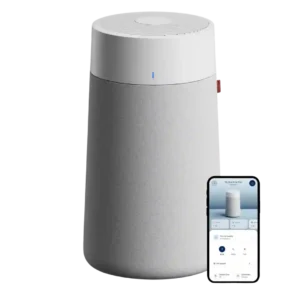
Auto mode often responds well to cooking, dust, smoke, and particulate spikes, but some reviewers find it insensitive or confused by humidity.
Pros: smoke removal, allergen reduction
Cons: durability, reliability
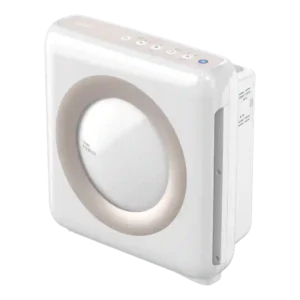
Auto mode is repeatedly praised for hands-free operation and responsive fan changes, though one review cautioned the sensor area must be kept clean.
Pros: durability, pollen removal
Cons: child lock, VOC reduction
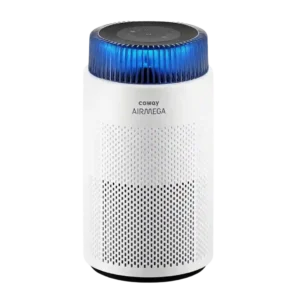
Auto mode was generally well received, with reviews praising immediate airflow adjustment, a decent sensor-driven mode, and time/energy savings.
Pros: ozone-free operation, true HEPA filter
Cons: handle design, pre-filter quality