Best for PM2.5 detection
Shark HP102
5.0 feature score
Highest scored product for this feature based on supporting review evidence.
Highest scored product for this feature based on supporting review evidence.
Balances feature score, supporting reviews, and overall product strength.
Has the broadest review evidence for this feature.
Strongest overall product among items with scored evidence for this feature.
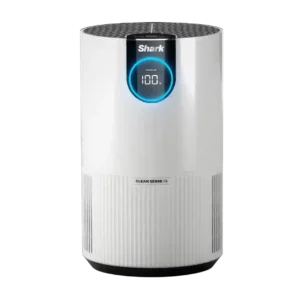
Experts liked PM1/PM2.5/PM10 detection as unusually rich for the category.
Pros: particle removal effectiveness, PM2.5 detection
Cons: durability, aromatherapy feature
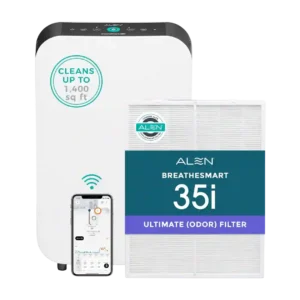
PM2.5 monitoring is praised through app data and sensor feature evidence.
Pros: allergen reduction, air quality sensor accuracy
Cons: durability, reliability
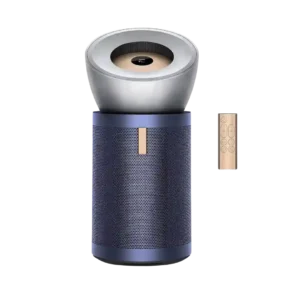
Reviewers were strongly positive on PM2.5 detection, with support from expert testing and customer use.
Pros: pet dander removal, HEPA filtration
Cons: condition on arrival, replacement experience
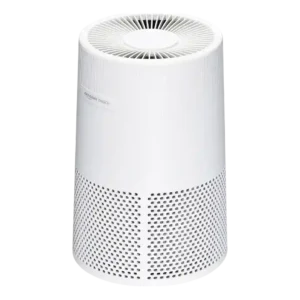
PM2.5 detection appears in one detailed account where the owner compared it against other sensors and found the behavior believable. It is a narrow but strong signal.
Pros: particle removal effectiveness, pet dander removal
Cons: durability, customer support
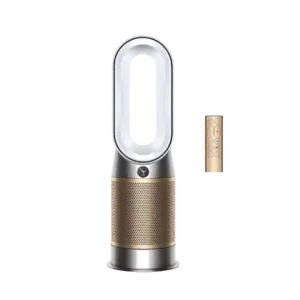
Video testing showed PM2.5 readings rising during smoke tests and being treated as meaningful by the reviewer.
Pros: dust removal, PM2.5 detection
Cons: mold spore reduction, durability
Owners liked being able to see PM2.5 information in the app. That made pollution events easier to notice and respond to remotely.
Pros: dust removal, pollen removal
Cons: voice assistant compatibility, condition on arrival
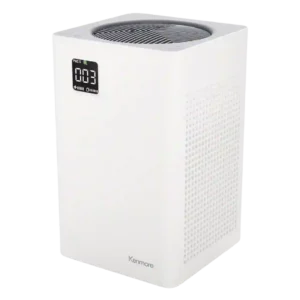
The PM2.5 readout is described as a useful LCD feature, and one owner was impressed watching it drop after a smoke test. PM2.5 feedback is enthusiastic but not widely repeated.
Pros: particle removal effectiveness, pollen removal
Cons: customer support, replacement experience
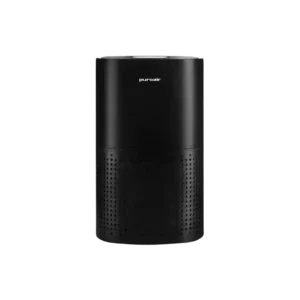
PM2.5 testing is positive in the main video review, where readings dropped quickly during a controlled particle test.
Pros: particle removal effectiveness, dust removal
Cons: CADR rating, air changes per hour
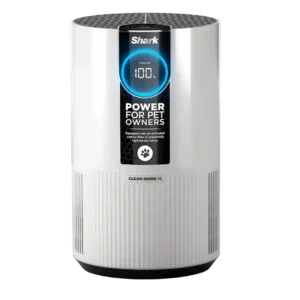
Particulate-category detection gets a narrow but positive mention from a buyer who liked seeing different particle categories measured.
Pros: mold spore reduction, HEPA filtration
Cons: CADR rating, air changes per hour
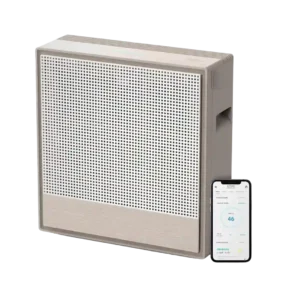
PM2.5 detection evidence was positive in PCMag testing, where the purifier immediately surfaced a high PM2.5 reading.
Pros: pre-filter quality, room coverage
Cons: fan speed options, filter replacement cost
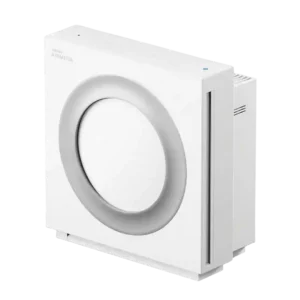
PM2.5 detection was praised when checked against another sensor and when it gave the reviewer confidence that small smoke and odor particles were being filtered.
Pros: filter life, power consumption
Cons: voice assistant compatibility, app connectivity
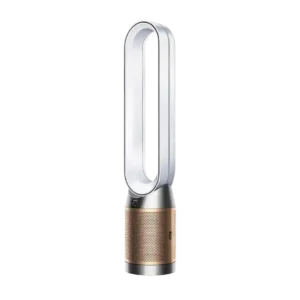
PM2.5 detection is supported by expert testing showing quick detection and response to particle spikes.
Pros: allergen reduction, smoke removal
Cons: customer support, reliability
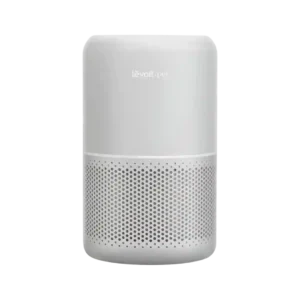
PM2.5 results are strong in expert testing, with one review measuring a 94% PM2.5 improvement. The limitation is that the purifier itself does not provide PM2.5 readouts.
Pros: sleep quality benefit, PM2.5 detection
Cons: real-time air quality monitoring, app connectivity
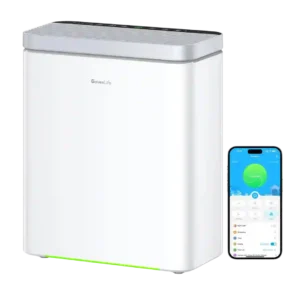
PM detection is useful for buyers who chose the sensor model, though one humidity-related review suggests it can misread moisture as PM2.5.
Pros: particle removal effectiveness, pollen removal
Cons: UV-C light effectiveness, air dryness
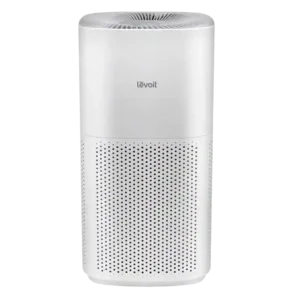
PM2.5 detection is repeatedly useful, with visible spikes during cooking, smoke, windows, or renovations.
Pros: ozone-free operation, air purification performance
Cons: VOC sensor accuracy, washable pre-filter
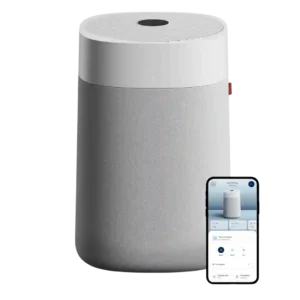
PM detection is praised for granularity, especially the move beyond a single PM2.5 reading to multiple particle sizes.
Pros: fan speed options, CADR rating
Cons: true HEPA filter, handle design
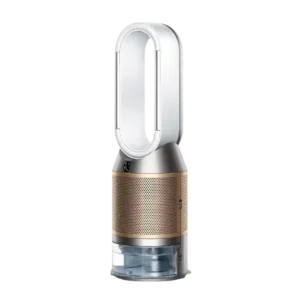
Review evidence is strongly positive.
Pros: pollen removal, VOC reduction
Cons: documentation quality, condition on arrival
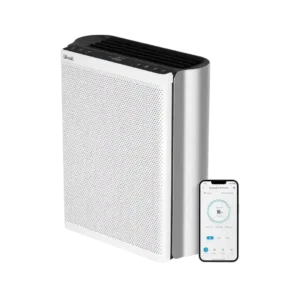
PM readout evidence is positive for PM1, PM2.5, and PM10 visibility.
Pros: air purification performance, allergen reduction
Cons: reliability, filter replacement cost
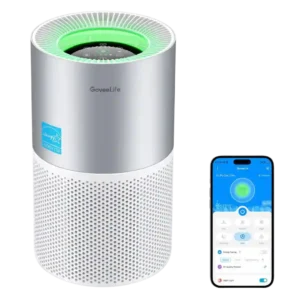
PM2.5 detection is a valued upgrade for buyers who want visible air-quality feedback. Reviewers like having the sensor built in, though one buyer notes some versions require a separate monitor.
Pros: pollen removal, pet dander removal
Cons: power connector fit, child lock
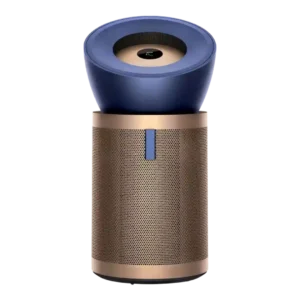
PM2.5 detection is positive overall, with one reviewer saying the Dyson was ahead of a monitor and another observing a quick match-test response.
Pros: ease of use, noise level
Cons: condition on arrival, durability
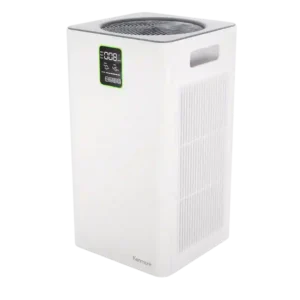
Particle and particulate readouts are liked by owners who want visible feedback about what is in the room. The feature is described as neat and useful rather than deeply technical.
Pros: dust removal, pollen removal
Cons: CADR rating, filter availability
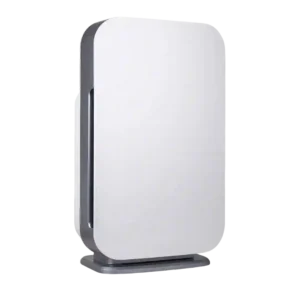
PM2.5 evidence was limited but positive from expert testing and one customer’s separate monitoring.
Pros: condition on arrival, sleep quality benefit
Cons: auto mode performance, real-time air quality monitoring
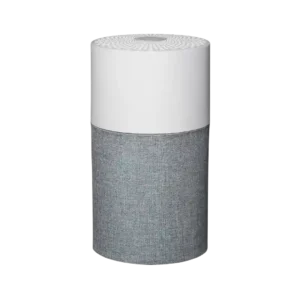
Expert testing found fast PM2.5 reductions for a compact purifier. This support comes from lab-style review data rather than broad customer measurement.
Pros: sleep mode, customer support
Cons: auto mode performance, air quality sensor accuracy
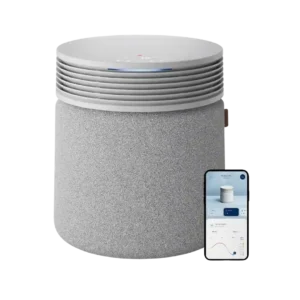
One review praised particulate detection across PM sizes, saying it was well suited to detecting fine airborne particles.
Pros: pollen removal, CADR rating
Cons: VOC sensor accuracy, durability
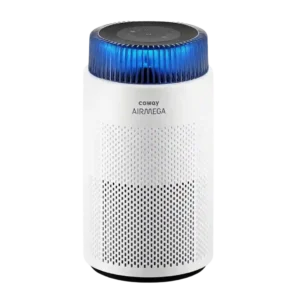
PM2.5 detection was praised for specific sensitivity that helped make the sensor more precise.
Pros: ozone-free operation, true HEPA filter
Cons: handle design, pre-filter quality
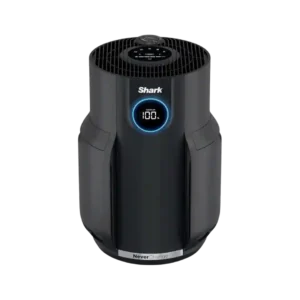
PM detection is a strength because experts describe real-time PM1, PM2.5, and PM10 detection.
Pros: particle removal effectiveness, ozone-free operation
Cons: Wi-Fi reliability, documentation quality
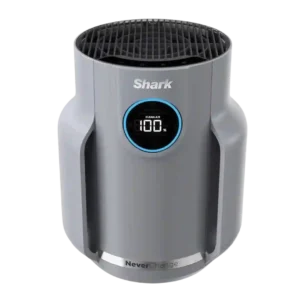
PM2.5 detection showed a strong response in the candle-smoke test, where the PM2.5 reading spiked sharply.
Pros: HEPA filtration, filter replacement cost
Cons: VOC sensor accuracy, smart features
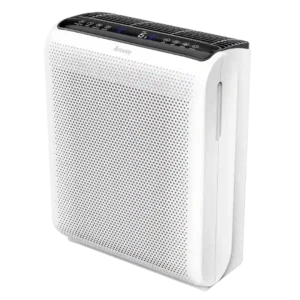
Owners gave direct feedback on PM2.5 detection in everyday use, with reactions varying by room and situation.
Pros: pollen removal, filter stages
Cons: durability, app connectivity
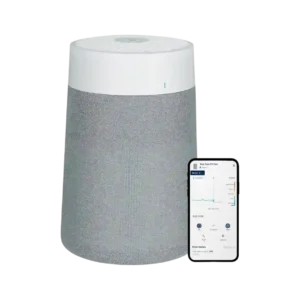
PM2.5 detection was viewed as useful, especially through the app and during VOC-style testing.
Pros: energy efficiency, power consumption
Cons: handle design, air quality sensor accuracy
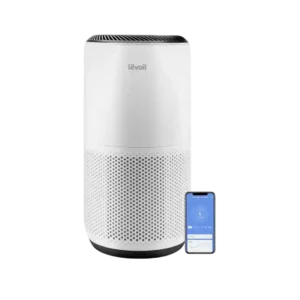
PM2.5 detection was broadly useful, with reviewers liking real-time PM2.5 readings, external-meter alignment and app-based monitoring.
Pros: ozone-free operation, build quality
Cons: VOC sensor accuracy, washable pre-filter
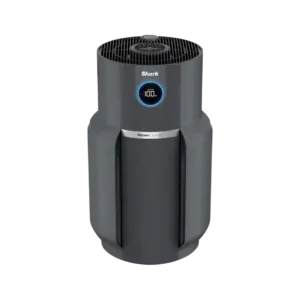
PM2.5 and related particle readouts are valued because owners can see what changes during cooking, smoke, windows opening, or cleaning.
Pros: particle removal effectiveness, ease of use
Cons: condition on arrival, Wi-Fi reliability
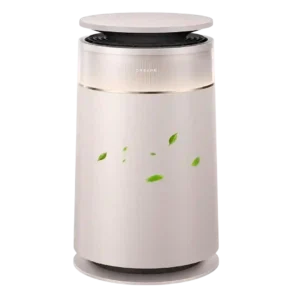
PM2.5 monitoring appears useful for tracking particulate spikes from candles, cooking, windows, and general indoor air changes.
Pros: smoke removal, particle removal effectiveness
Cons: reliability, customer support
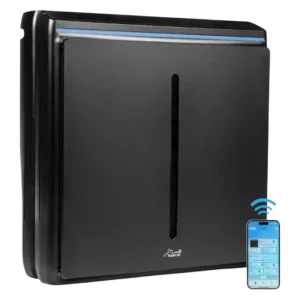
PM readings and PM2.5 improvements were strong in instrumented tests, with one app critique about limited particulate detail.
Pros: particle removal effectiveness, dust removal
Cons: remote control, control placement
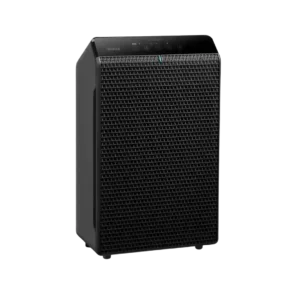
Review evidence for PM2.5 detection is mostly positive, based on opinionated comments from 2 source review(s).
Pros: air purification performance, particle removal effectiveness
Cons: VOC sensor accuracy, display readability
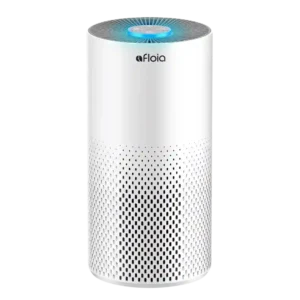
PM2.5 testing in expert reviews supports good small-room particle reduction, making this one of the more credible performance claims.
Pros: ozone-free operation, UV-C light effectiveness
Cons: real-time air quality monitoring, safety concerns
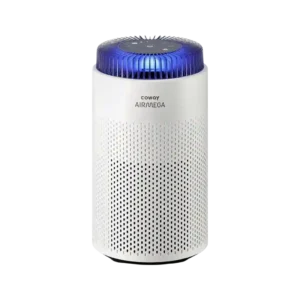
PM2.5 results look promising in measured small-room use, with readings dropping quickly on high speed. The strongest support is for particle reduction, not detailed health tracking.
Pros: ozone-free operation, breathing relief
Cons: reliability, customer support
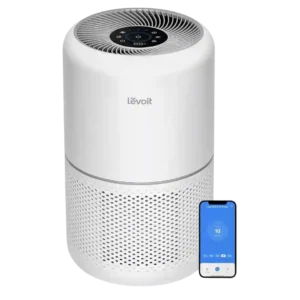
PM2.5 detection was useful overall, especially for visibility and response, but some reviewers found the presentation unclear or delayed.
Pros: ozone-free operation, safety certifications
Cons: VOC sensor accuracy, handle design
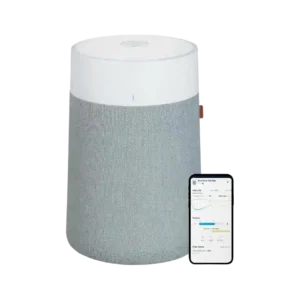
PM2.5 detection was useful but limited, with reviewers appreciating live PM2.5 monitoring while noting missing detail or no on-unit numeric display.
Pros: dust removal, pollen removal
Cons: child lock, true HEPA filter
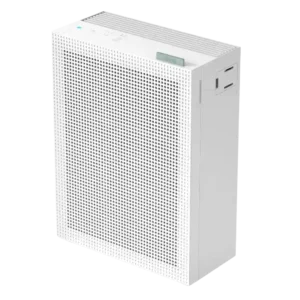
PM2.5 feedback was split between praise for a PM2.5 dust sensor and criticism that the unit does not show the actual PM2.5 value.
Pros: maintenance ease, ozone-free operation
Cons: voice assistant compatibility, child lock
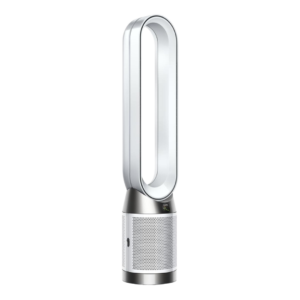
2 reviews provide opinionated evidence for PM2.5 detection.
Pros: overall satisfaction, real-time air quality monitoring
Cons: VOC sensor accuracy, customer support
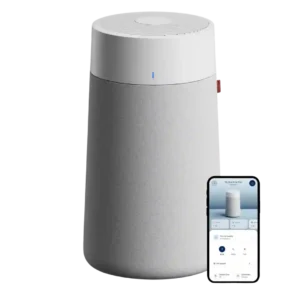
PM2.5 detection performs well in expert testing but some customers report stale or missing PM2.5 readings.
Pros: smoke removal, allergen reduction
Cons: durability, reliability
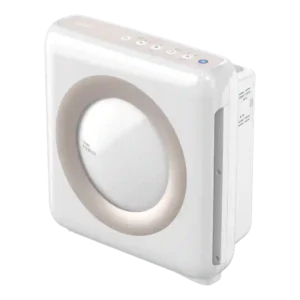
PM2.5 evidence is split: one review praised PM2.5 detection, while a long-term update criticized the standard model for lacking a PM2.5 display.
Pros: durability, pollen removal
Cons: child lock, VOC reduction
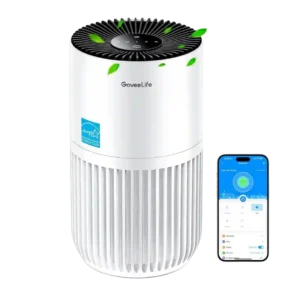
PM2.5 detection works best when paired with a separate monitor; reviewers valued the insight but also noted that onboard readings are not provided.
Pros: sleep mode, filter stages
Cons: smoke removal, CADR rating
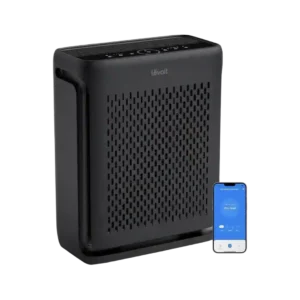
PM2.5 detection was a weakness because one reviewer said the Vital 100S does not provide exact PM2.5 readings and may feel limiting.
Pros: Wi-Fi reliability, filter stages
Cons: PM2.5 detection
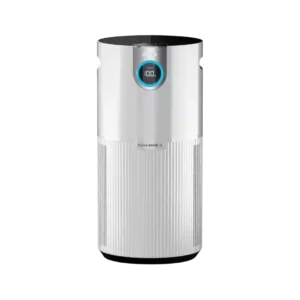
PM2.5 detection is mentioned in both feature walkthroughs and one negative dust comparison. The strongest complaint says another purifier detected 2.5-micron dust while this Shark still reported perfect air.
Pros: particle removal effectiveness, sleep mode
Cons: power connector fit, safety concerns
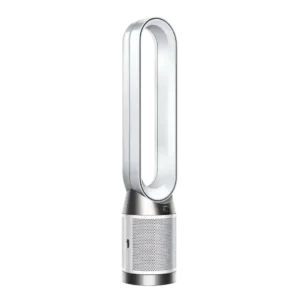
Evidence for PM2.5 detection appears in the listed reviews; scores reflect whether each source praised, criticized, or qualified that trait.
Cons: customer support, reliability
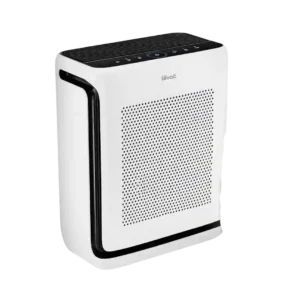
PM2.5 detection was a weakness because reviewers said the purifier does not directly show exact PM2.5 readings.
Pros: allergen reduction, safety certifications
Cons: PM2.5 detection, true HEPA filter
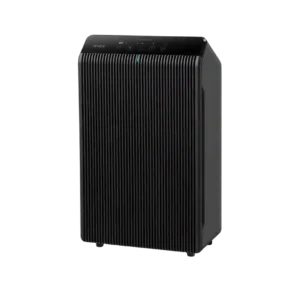
PM2.5 and particle detection was weak in comparison evidence because the 5510 relies on a gas sensor rather than a particle sensor.
Pros: ozone-free operation, safety certifications
Cons: child lock, PM2.5 detection
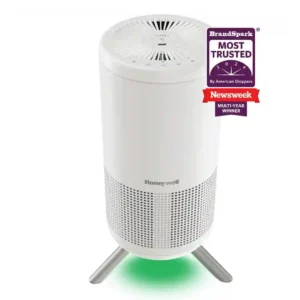
One expert criticizes the sensor choice because the unit has a VOC sensor rather than PM2.5 detection.
Pros: dust removal, pollen removal
Cons: app connectivity, remote control
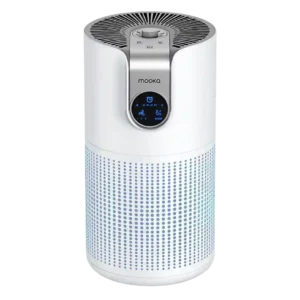
PM2.5 detection drew a negative report from a reviewer using a separate sensor, who saw no recognized change while the purifier ran. There is no broader positive pattern for this...
Pros: pet dander removal, VOC reduction
Cons: real-time air quality monitoring, PM2.5 detection