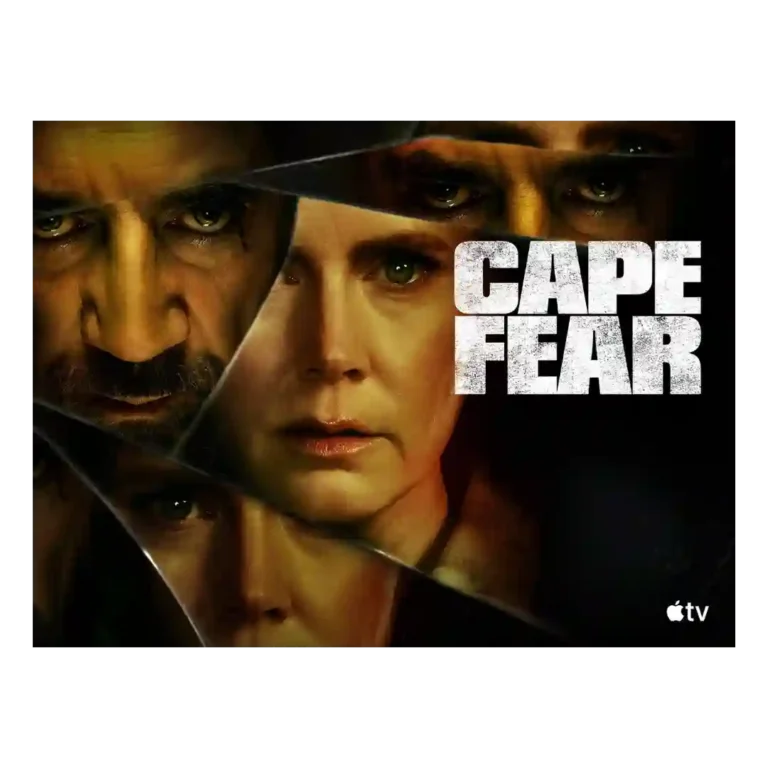
Choose Cape Fear Season 1 for Bardem-led menace, pulpy suspense, and bold remake energy. Skip it if stretched plotting, graphic violence, and heightened melodrama wear you down.
Best for
Best for viewers who want a dark, violent psychological thriller anchored by a showy Javier Bardem performance and loaded with remake callbacks, family secrets, and Southern Gothic dread.
Not for
Not for viewers who prefer lean suspense, subtle plotting, or restrained violence; several reviewers found the season too long, too convoluted, or too repetitive.
Verdict
Cape Fear, Season 1 is a polarizing but rarely ignored remake. The strongest agreement is that Javier Bardem gives the series its charge, whether reviewers call him magnetic, terrifying, charming, or the main reason to watch. Positive reviews also praise the dread, Southern Gothic style, and modern family-and-justice twists. The tradeoff is length: many critics argue the 10-episode format turns a taut thriller into something bloated, repetitive, or implausible, with violence and plot complications sometimes overwhelming the menace. It is best approached as stylish, sweaty pulp rather than a lean prestige thriller.
Direction receives strong praise where reviewers mention it directly, especially for building tension without losing the thriller's bold, heightened style.
Genre fans were often satisfied by the Southern Gothic mood, horror-thriller nastiness, and legal-thriller sleaze. Even some mixed reviews concede it can still thrill.
Critical response in the source set is mixed-positive overall, with strong raves sitting beside sharp pans. The most enthusiastic reviewers frame it as one of Apple's stronger thrillers.
The series earns credit for threading in justice, privilege, true-crime culture, masculinity, and family fear. Critics split on whether those ideas deepen the thriller or simply add more clutter.
Javier Bardem dominates the conversation, with most reviewers calling him terrifying, magnetic, charming, or masterful. A minority felt his Max Cady was too performative or less focused than De Niro's.
supporting cast performance: 4.3, based on 5 reviews
The supporting cast is widely seen as a strength, with Lily Collias, Joe Anders, CCH Pounder, and others adding texture to the family and institutional drama.
Production design and atmosphere help sell the Savannah setting and prestige sheen. Even a negative review singled out the production design as impressive.
Dialogue gets a modestly positive response when it relies on charged looks and well-crafted exchanges. Some lighter lines and exposition were less convincing.
Visual style is bold and divisive: critics liked the lush Southern Gothic look, saturated colors, and dynamic cues, but some found the flourishes cheesy or overdone.
Entertainment value is mixed but real: some reviewers call it pulpy, garish fun or a streaming recommendation, while others see trash-TV pleasures beneath the mess.
Audience appeal is strongest for viewers drawn to Bardem, pulpy menace, and recognizable remake callbacks. Less patient viewers may find it only passable or too much.
Bingeability depends heavily on tolerance for excess. One enthusiastic review found it hard to stop watching, while another felt exhausted by the eighth episode.
The larger structure gives the Bowden family, Cady, and the teens room to complicate the story. Reviewers who liked the added sprawl saw it as necessary, while others thought the reversals padded the premise.
Suspense is the season's biggest promise and biggest fault line. Admirers felt sustained dread and fever-pitch tension, while skeptics said the long format drained the thrills.
Violence is consistently described as intense, bloody, or graphic. Reviewers split between seeing the bloodshed as part of the menace and finding it gratuitous.
Twists are plentiful and often juicy, with some reviewers enjoying the pulpy turns. Others rolled their eyes at how absurd or piled-on the reversals became.
The modern updates work best for reviewers who liked the gender-flipped legal setup, digital anxieties, and family-conspiracy angle. Detractors felt the series leaned too hard on duplicating earlier versions or lacked fresh purpose.
As a franchise entry, the season nods heavily to the prior films while trying to update the premise. Some reviewers liked the new angles; others ranked it behind the earlier screen versions.
The screenplay is credited with giving the lawyers a morally slippery setup and mining their compromises, though that same excess can tip toward melodrama.
Episode pacing ranges from breathless and tightly wound to slowed down by detours and repetition. The middle stretch drew the most complaints for losing urgency.
Writing reactions are sharply mixed: some reviewers praised the intense conflict and clever reframing, while others found the scripts redundant, clunky, or too obvious.
Character development works best around Max Cady and the Bowden children, especially when the show connects family secrets to emotional damage. Some reviewers thought certain backstories, especially Zack's, were thin or overexplained.
Amy Adams and Patrick Wilson receive mostly respectful notices, though a few reviewers felt the material and accents limited them. The lead cast is often praised even when the writing is not.
Story reactions are split: some reviewers like the darker family secrets and mystery web, while others say the expanded revenge plot becomes unwieldy, wasteful, or overcomplicated.
Individual episode length is often treated as part of the larger bloat problem, with several reviewers doubting whether the story needed so much screen time.
Several reviewers found the plotting messy, repetitive, or preposterous, especially when explanations were repeated or twists piled up. Even positive takes often treated clarity as less reliable than mood.
Season pacing is one of the most divided areas: some felt the weekly thriller rhythm held dread, while others called the 10-episode run a slog that dulled the threat.
The darker teen material and disturbing revenge beats may be too uncomfortable for some viewers, making this a poor fit for anyone seeking lighter thriller fare.
Season length is the most repeated complaint: many critics say a lean thriller has been stretched too far, though a few enjoyed the extra room for dread and character detail.
Character logic is a recurring weak spot in negative reviews. Several critics complained that the Bowdens and their children make implausible choices just to keep Cady close.
Realism is a pain point in harsher reviews, especially when Cady's access to the family and the Bowdens' decisions strain credibility.
Compared With Category Average
Compared with other TV Shows, this product is above average in pilot episode quality, cinematography, violence level, near average in acting quality, visual style, below average in realism, emotional impact, character consistency.
Yes. Across positive and mixed reviews, Bardem is the most praised element, often described as terrifying, magnetic, charming, or masterful.
Does the season feel too long?
For many reviewers, yes. The 10-episode format is the most common criticism, with several saying the story feels stretched or bloated.
Is the show suspenseful?
Often, but not consistently for everyone. Raves praise sustained dread and tension, while harsher reviews say the length and plotting weaken the thrills.
How violent is it?
Reviewers describe the violence as intense, bloody, graphic, or gratuitous. This is not positioned as a light or family-friendly thriller.
Do you need to know the older Cape Fear movies?
No. Some reviewers enjoyed the callbacks to earlier versions, but the season is described as an update that can stand for newcomers.
What is the biggest tradeoff?
The show offers bold pulp, strong performances, and modern twists, but those same additions can make it feel overstuffed, repetitive, or implausible.
Sample Expert Reviews We Analyzed
These are a few of the reviews included in our analysis.
Choose The Pitt Season 2 for a gripping, realistic medical drama with superb acting and emotional depth. Skip it if graphic procedures, unresolved arcs, or slower character-driven pacing bother you.
Choose Kylie for a heartfelt, candid music documentary with rich archives, sharp editing, and big emotional payoff. Skip it if you need a fully exhaustive career chronology or dislike authorized...
Best for heartfelt family drama, strong performances, natural faith themes, and an easy binge. Skip it if you need fast pacing, strict doctrinal portrayals, or a satisfying romantic resolution.
Choose Dark Winds Season 4 for moody noir suspense, excellent acting, and richer Native-centered themes. Skip it if uneven pacing, thin conspiracy plotting, or a stranger L.A. detour would frustrate...