Best for directing quality
The Pitt, Season 2
5.0 feature score
Highest scored product for this feature based on supporting review evidence.
Highest scored product for this feature based on supporting review evidence.
Balances feature score, supporting reviews, and overall product strength.
Has the broadest review evidence for this feature.
Strongest overall product among items with scored evidence for this feature.
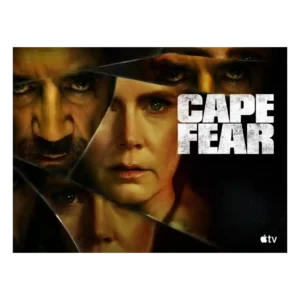
Direction receives strong praise where reviewers mention it directly, especially for building tension without losing the thriller's bold, heightened style.
Pros: directing quality, cinematography
Cons: realism, character consistency
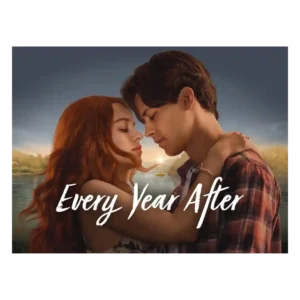
The direction is a standout in the strongest praise for the season. It makes the romance, setting, and emotional tone feel carefully composed.
Pros: directing quality, cinematography
Cons: character consistency, writing quality
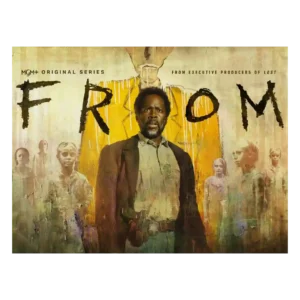
Direction is praised when the season misleads viewers, stages shocks, and moves toward reveals. The premiere earns especially strong approval for how its direction handles the Sophia twist.
Pros: directing quality, rewatch value
Cons: value for money, makeup quality
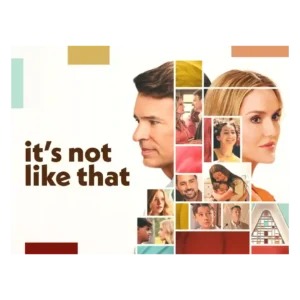
Brad Silberling's direction is singled out for helping the slice-of-life material feel polished, emotionally clear, and impactful.
Pros: season finale quality, screenplay quality
Cons: character consistency, continuity
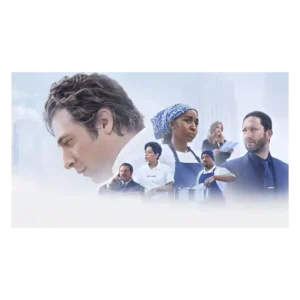
Direction earns high praise in the most positive reviews, especially for balancing emotion, precision, and controlled chaos in the final stretch.
Pros: directing quality, cinematography
Cons: dialogue quality, plot originality

Direction is praised for keeping the tone controlled and consistent. Reviewers notice that the show can move from chaos to quiet character moments without losing its rhythm.
Pros: episode structure, main cast performance
Cons: age appropriateness, plot clarity
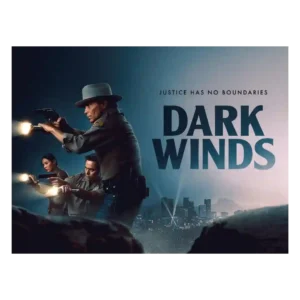
Direction receives strong praise, especially for McClarnon’s work behind the camera and the season’s memorable visual choices. Critics call out the diner aftermath and episode two as standout examples.
Pros: costume design, directing quality
Cons: family friendliness, age appropriateness
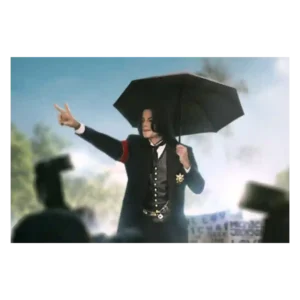
Nick Green receives explicit praise from one critic for taking a responsible, thorough approach. That positive directing assessment sits within a broader response that values the show’s willingness to hold...
Pros: directing quality, modern political framing
Cons: value for money, family friendliness
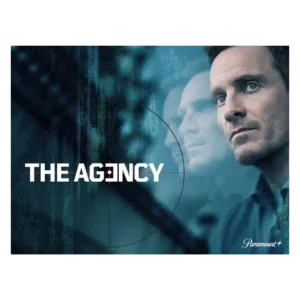
Direction is praised when action and suspense emphasize consequence over empty spectacle. The show’s visual control and handling of tense set pieces help quieter scenes carry thriller energy.
Pros: directing quality, bingeability
Cons: none
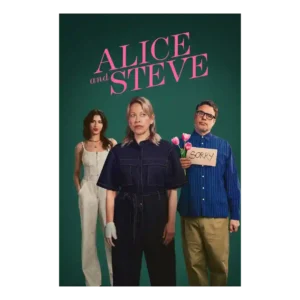
Tom Kingsley’s direction is credited with grounding the more outlandish story beats in a naturalistic British feel. That steadiness helps the show stay human when the plot gets extreme.
Pros: directing quality, cast chemistry
Cons: family friendliness, language level
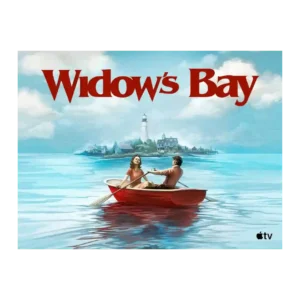
Direction is praised for managing the show’s delicate tonal balance between scares and jokes.
Pros: episode structure, main cast performance
Cons: family friendliness, language level
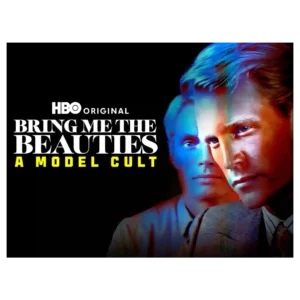
Chris Smith’s direction earns repeated praise for control, style, and making a crowded, bizarre story digestible. Even shorter pieces frame him as a major reason the series rises above a...
Pros: bingeability, critic appeal
Cons: editing quality, accountability handling
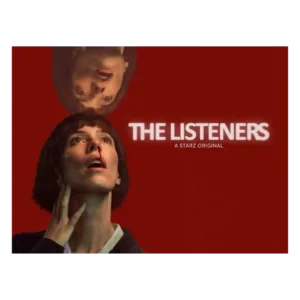
Janicza Bravo’s direction is one of the clearest strengths: hypnotic, unsettling, and visually controlled. Even mixed reviews often credit her with building tension and holding the strange premise together.
Pros: main cast performance, critic appeal
Cons: character consistency, finale satisfaction
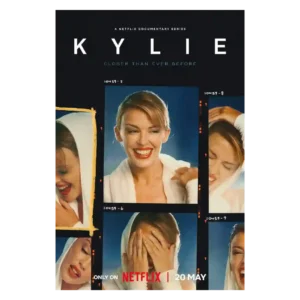
Michael Harte’s handling is praised for emotional restraint and a strong sense of when to let Kylie’s memories and relationships carry the moment.
Pros: episode pacing, season finale quality
Cons: episode structure, season pacing

Direction is praised for clarity and restraint, especially in differentiating timelines and keeping the drama authentic. The best directorial choices keep spectacle out of the family’s pain.
Pros: screenplay quality, critic appeal
Cons: plot twists, season pacing

Cameron’s death is singled out for restrained, haunting direction that avoids pushing the emotion too aggressively.
Pros: main cast performance, bingeability
Cons: realism, season length
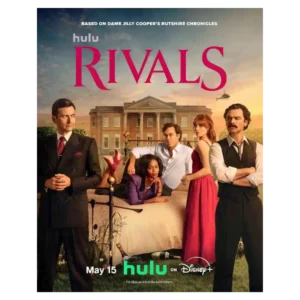
The best set pieces, especially the crowded dinner-party farce, are staged with precise comic timing and escalating visual chaos.
Pros: score quality, critic appeal
Cons: character consistency, plot clarity

The pilot’s direction is praised for balancing triumph and intimidation. It makes cosmic awe and political cruelty feel inseparable from the start.
Pros: cliffhanger effectiveness, main cast performance
Cons: humor, family friendliness
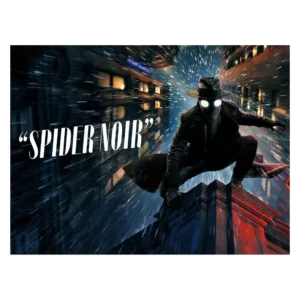
The direction earns praise where reviewers notice confident staging, long takes, stylized action, and a full commitment to noir form. Even mixed reviews often concede that the craft team knows...
Pros: plot twists, cliffhanger effectiveness
Cons: family friendliness, age appropriateness
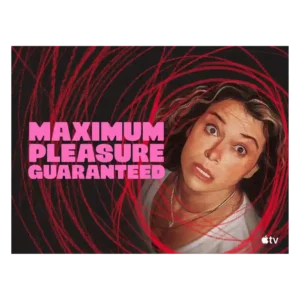
Direction and craft are generally praised, especially the tight staging, confident premieres, and polished thriller execution. Even mixed reviews often grant that the show knows how to move and build...
Pros: acting quality, main cast performance
Cons: family friendliness, age appropriateness
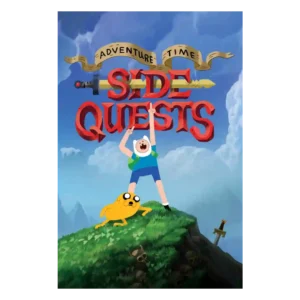
The creative direction is presented as varied and flexible, with different tones and story types encouraged across the season. That variety helps the revival feel playful rather than locked to...
Pros: production design, animation quality
Cons: pilot episode quality, score quality
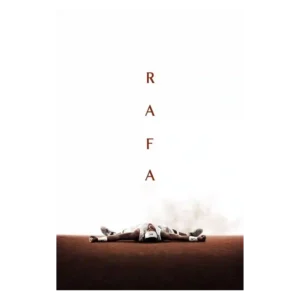
Zach Heinzerling’s direction draws praise for access, restraint, polish, and refusing to make the project feel like an infomercial. Even mixed reviews credit the focused study of decline and cost.
Pros: genre satisfaction, soundtrack quality
Cons: writing quality, plot clarity
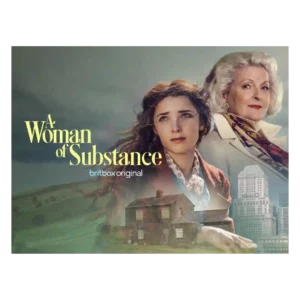
Direction is praised for keeping the classical tone emotional and effective. The craft supports the drama without making the period recreation feel overly fussy.
Pros: season finale quality, main cast performance
Cons: humor, plot clarity

Direction is more divisive than the performances: raw scenes and formal play are praised, while heavy visual motifs had mixed success. The show works best when style serves Byron’s inner...
Pros: genre satisfaction, main cast performance
Cons: family friendliness, violence level
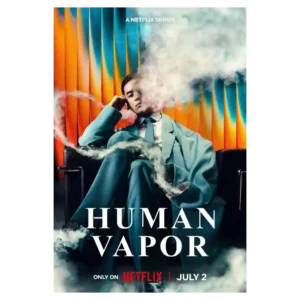
Direction gets positive early marks for energy and momentum. The first episode’s setup is described as lively enough to carry exposition and keep the unusual premise moving.
Pros: plot originality, emotional impact
Cons: humor, writing quality
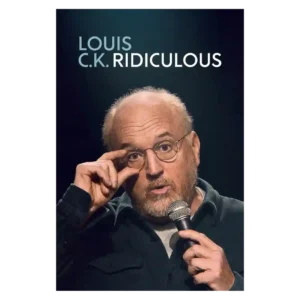
The staging and authorship are closely tied to C.K.’s established comic voice. The presentation fits his strengths as a writer, producer, and director.
Pros: main cast performance, dialogue quality
Cons: accountability handling, family friendliness
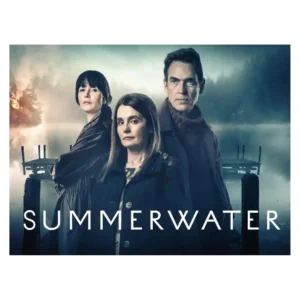
The direction is one of the more positive craft notes. The Standard praises the directors for drawing tension from the cramped interiors and grey Highland landscape.
Pros: supporting cast performance, season finale quality
Cons: season pacing, humor
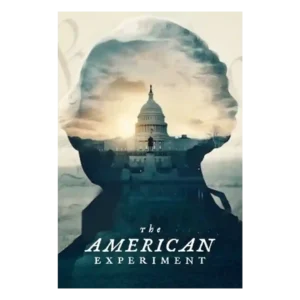
Brian Knappenberger’s historical storytelling is controlled and consistently crafted. The weaker moments come when the direction leans too hard on contemporary framing instead of letting the history speak.
Pros: production design, bingeability
Cons: modern political framing, plot originality
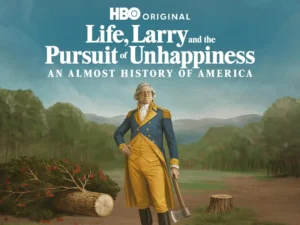
Direction gets modest credit when the show finds usable comic bits, but the short-form sketch format is also blamed for scenes that cannot glide past weak details.
Pros: realism, costume design
Cons: editing quality, episode length
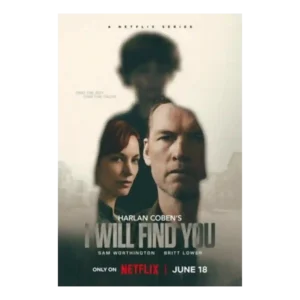
Direction gets a little credit for keeping the show polished, but not everyone is impressed. One critic praises the capable finish, while another says the direction does the bare minimum.
Pros: cinematography, drama quality
Cons: writing quality, plot clarity