If you want better polish
Choose Ghost of Yōtei. It scores 4.8 vs 1.6 for polish, with a 4.4 overall score.
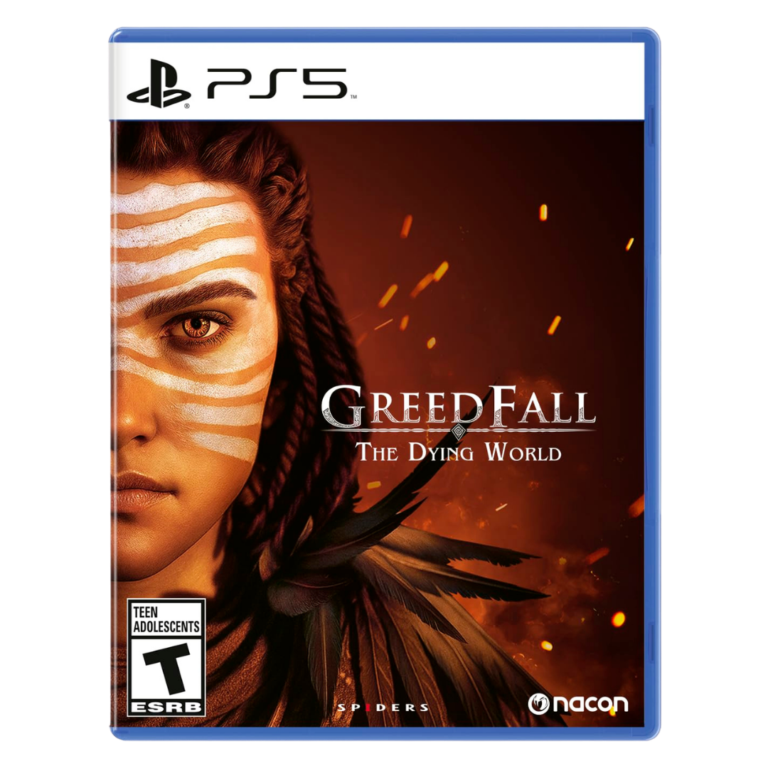
Choose it for rich world-building, companion-driven quests, and flexible role-playing if real-time-with-pause combat appeals to you. Skip it if slow fights, crashes, uneven performance, or under-polished systems are deal-breakers.
Best for RPG players who prioritize world-building, companions, faction choices, exploration, and flexible character builds, especially if real-time-with-pause combat appeals to them.
Players seeking polished action combat, fast pacing, consistently smooth performance, or a bug-light launch experience are likely to be frustrated.
GreedFall: The Dying World is most convincing when it leans into the things Spiders does best: dense world-building, faction politics, companion stories, and quests that reward different talents and choices. The move to real-time-with-pause combat gives party building more depth, but it is also the game’s defining tradeoff; some reviewers enjoy the tactical control while many find battles slow, clunky, repetitive, or less satisfying than the original. That divide would be easier to accept if the launch were cleaner. Bugs, crashes, awkward menus, animation problems, pacing issues, and inconsistent performance repeatedly interrupt the stronger material. There is a substantial, distinctive RPG underneath the roughness, especially for players who value role-playing flexibility over action immediacy, but its ambition is more consistent than its execution.
Compared with other Video Games, this product is above average in mission design, choice impact, checkpoint system, near average in character customization, skill tree depth, below average in haptic feedback integration, movement feel, world interactivity.
| Attribute | This product | Category average | Difference |
|---|---|---|---|
| haptic feedback integration | 1.0 | 4.3 | -3.3 |
| movement feel | 1.0 | 3.9 | -2.9 |
| world interactivity | 1.2 | 4.0 | -2.8 |
| polish | 1.6 | 3.8 | -2.2 |
| platform-specific feature support | 1.0 | 3.7 | -2.7 |
| animation quality | 1.8 | 4.1 | -2.4 |
| tutorial quality | 1.0 | 3.5 | -2.5 |
| bug frequency | 1.3 | 3.2 | -1.9 |
Choose Ghost of Yōtei. It scores 4.8 vs 1.6 for polish, with a 4.4 overall score.
Choose Crimson Desert. It scores 4.7 vs 3.8 for voice acting, with a 3.5 overall score.
Choose Kingdom Come: Deliverance II. It scores 4.8 vs 2.3 for value for money, with a 4.3 overall score.
Choose Saros. It scores 4.7 vs 2.7 for combat system, with a 4.3 overall score.
Products reviewers directly compared with this model, grouped into quick takeaways.
No. The Dying World replaces the first game’s action-oriented combat with real-time-with-pause party tactics and several profiles that change how much of the group you control.
Often, yes. Decisions can affect faction standing, companion loyalty, quest outcomes, and parts of the ending, although some major story situations still feel more constrained than the game’s premise suggests.
Companions are frequently one of the strongest parts of the game, with faction perspectives and personal quests that deepen the world. A few characters feel rushed or unfinished, so the roster is not equally strong throughout.
Polish is a major concern. The supplied reviews repeatedly report bugs, crashes, animation issues, awkward menus, quest glitches, and inconsistent performance, though a few playthroughs were comparatively stable.
Generally, yes. Larger regions, distinctive cities, strong environmental detail, side paths, and multiple quest approaches make exploration rewarding, although backtracking and sparse or scripted stretches can drag.
Yes. It is a prequel with a self-contained perspective, and several sources say newcomers can follow it without playing the original, though returning players will recognize more lore and references.
These are a few of the reviews included in our analysis.
GreedFall: The Dying World is a deeply ambitious, well-intentioned RPG held back by inconsistent combat, uneven pacing, and performance...
Greedfall II where greedy colonising comes head-to-head with native magic driven by nature.
Greedfall was an amazing game when it launched in 2019. It had a lot of players involved due to the fantastic setting that kept the attention...
The story of the continent of Teer Fradee isn't quite finished. Developer Spiders takes us back to before it all started, this time to see...
Greedfall: The Dying World still gets so much right, but the shift in combat style limits accessibility.
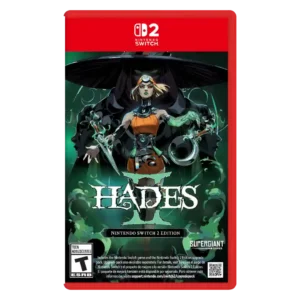
Good if you want fast, tactical roguelite combat with huge progression depth, striking art, and standout music. Skip it if repetition, resource micromanagement, or a less emotionally satisfying sequel story...
Pros: skill tree depth, dialogue quality
Cons: emotional impact, economy and resource balance
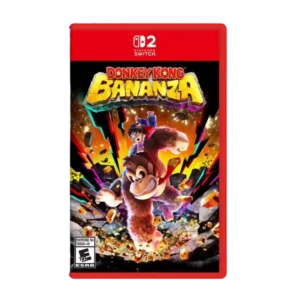
Best for joyful destruction, dense exploration, and a charming DK-Pauline adventure. Skip it if camera quirks, frame-rate dips, easy bosses, or premium Switch 2 pricing are dealbreakers.
Pros: gameplay mechanics, world interactivity
Cons: economy and resource balance, enemy variety
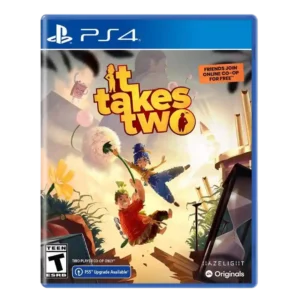
Best for joyful, inventive co-op with a partner, especially on couch. Skip it if divorce themes, uneven story tone, or Switch visual compromises would distract you.
Pros: core gameplay loop, movement feel
Cons: character development, dialogue quality
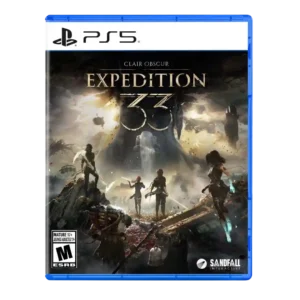
Choose Clair Obscur if you want a story-rich RPG with thrilling timed combat, gorgeous art, and standout music. Skip it if poor maps, tight parry timing, or occasional bugs and...
Pros: monetization fairness, microtransaction impact
Cons: platforming precision, menu usability